
OCTOBER 22, 2026
Euro Forex Stalls as French Bond Rout Blunts Softer US Dollar Before Central Bank WeekEuro forex steadies near key levels as French bond stress offsets a softer US dollar before the Fed and ECB policy decisions.

© 1box.site 2026

AUGUST 19, 2026
The Swiss franc is moving back to the center of the forex market’s funding debate as traders weigh Switzerland’s near-zero rate backdrop against a still-firm US yield premium. With USD/CHF holding near 0.81 and EUR/CHF trading around 0.94 on August 19, the currency is no longer being treated only as a classic haven. It is increasingly being watched as a low-yield funding leg for positions built around higher-return currencies.
The shift comes at a sensitive point for global currency desks. The Federal Reserve’s late-July decision kept the federal funds target range at 3.50% to 3.75%, while three policymakers favored an immediate quarter-point increase. That dissent has kept the dollar supported on rate-differential grounds, even as traders wait for more detail on the policy debate and for central-bank signals later in August.
Switzerland’s policy setting remains unusually accommodative compared with the United States. The Swiss National Bank’s policy rate is still 0.00%, SARON is slightly negative, and the 10-year Swiss Confederation yield is below 0.50%. That combination makes the franc attractive to investors looking to fund long positions in currencies backed by higher short-term rates.
The franc’s recent softness has also eased some pressure on Swiss monetary conditions. The SNB’s June policy discussion noted that the currency had depreciated somewhat against both the euro and the US dollar since the March assessment, helping make domestic monetary conditions easier. For forex traders, that language matters because it suggests the central bank is not rushing to resist moderate franc weakness while inflation remains within its price-stability range.
Still, the Swiss central bank has not abandoned its exchange-rate sensitivity. Officials have maintained that they are prepared to intervene if rapid and excessive franc appreciation threatens price stability. That creates an asymmetric risk profile: gradual franc weakness may be tolerated, but sharp haven-driven rallies could bring policy attention back quickly.
For USD/CHF, the next catalyst is the balance between US rate expectations and global risk appetite. A hawkish reading of the Fed’s July debate would reinforce the yield gap that has supported dollar-franc gains. A softer message, especially if policymakers show more concern about growth or financial conditions, could limit the dollar’s upside and encourage some traders to reduce carry exposure.
The pair’s current level also leaves the market exposed to positioning risk. If the franc is being used more aggressively as a funding currency, a sudden equity selloff, geopolitical shock, or drop in Treasury yields could force investors to buy francs back quickly. That type of short-covering would be consistent with the currency’s historic haven role, even if the broader funding narrative has strengthened.
EUR/CHF is important for the same reason. A stable or rising cross would imply that the market is comfortable with easier Swiss monetary conditions and limited haven demand. A sharp fall would suggest investors are again prioritizing capital preservation over carry returns, particularly if European growth concerns or energy-price risks return to the front of the market.
The approaching Jackson Hole symposium adds another layer of caution. Traders will listen for whether central bankers frame elevated rates as a longer-term inflation tool or begin to emphasize the lagged impact of previous tightening. For the franc, the difference is significant: a durable global higher-for-longer message supports its use as a funding currency, while a turn toward easing expectations could narrow rate differentials and challenge the trade.
For now, the Swiss franc’s role in the forex market looks more nuanced than defensive. It remains a haven in stress, but low Swiss yields and a wide dollar rate gap have made it a practical funding candidate. That leaves USD/CHF vulnerable to both policy surprises and positioning squeezes, making the franc one of the cleaner tests of whether carry demand can survive a week packed with central-bank signals.
OCTOBER 22, 2026
Euro Forex Stalls as French Bond Rout Blunts Softer US Dollar Before Central Bank Week
OCTOBER 21, 2026
Silver Metals Market Slips as US Dollar and Treasury Yields Revive Federal Reserve Risk
OCTOBER 21, 2026
New Zealand Dollar Forex Slips Below 0.57 as CPI Test Puts RBNZ Hike Bets in Focus
OCTOBER 20, 2026
Australian Dollar Forex Eyes 0.70 as China Growth and Fed Pause Bets Lift AUD/USD
OCTOBER 20, 2026
Tin Metals Market Holds Above $50,000 as Inventory Draws Offset Dollar Risk
OCTOBER 19, 2026
Japanese Yen Forex Holds Near 158 Per Dollar as Bank of Japan Signals Tightening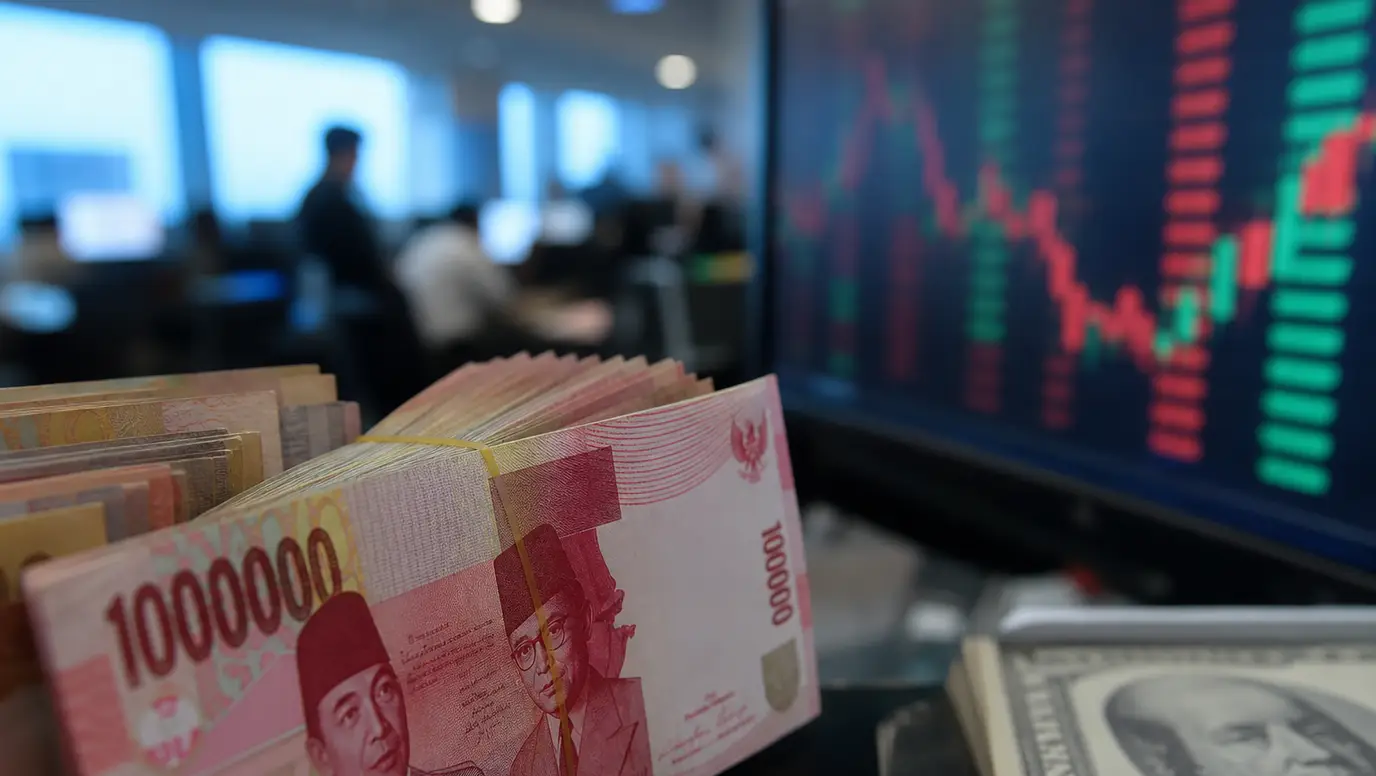
OCTOBER 18, 2026
Indonesia Rupiah Forex Slumps as Index Downgrade Risk Spurs Dollar Demand
OCTOBER 16, 2026
Gold Metals Market Rebounds as US Dollar and Treasury Yields Ease Before Federal Reserve Decision
OCTOBER 16, 2026
Canadian Dollar Forex Rebounds as US Dollar Retreat Sets Up Bank of Canada Test
OCTOBER 15, 2026
Swiss Franc Forex Rises as Treasury Yields Pull US Dollar From 18-Month High
OCTOBER 15, 2026
Silver Metals Market Tests 2026 Low as Federal Reserve Rate Bets Lift US Dollar
OCTOBER 14, 2026
Euro Forex Edges Higher as US Dollar Retreats Before Inflation Test
OCTOBER 13, 2026
Zinc Metals Market Falls as LME Stock Jump and US Dollar Pressure Base Metals
OCTOBER 13, 2026
Japanese Yen Forex Rebounds as Bank of Japan Price Data Checks US Dollar Rally
OCTOBER 12, 2026
Copper Metals Market Rises as China Premium and Tight LME Stocks Challenge US Dollar
OCTOBER 12, 2026
British Pound Forex Holds Steady as Bank of England Speakers and US Dollar Test Loom
OCTOBER 11, 2026
Gold Metals Market Braces for Federal Reserve Test as US Dollar and Treasury Yields Bite
OCTOBER 11, 2026
Australian Dollar Faces Reserve Bank of Australia Minutes Test as US Dollar Stays Near 18-Month High
OCTOBER 10, 2026
Iraqi Dinar Devaluation Puts Forex Market on Alert as US Dollar Premium Widens
OCTOBER 10, 2026
Palladium Metals Market Slips as Auto Demand and US Dollar Pressure Deepen Surplus Worries
OCTOBER 8, 2026
Euro Forex Slides as French Debt Stress and Treasury Yields Lift Dollar
OCTOBER 8, 2026
Zinc Metals Tightness Faces US Dollar and Treasury Yield Test
OCTOBER 7, 2026
Japanese Yen Forex Weakens as USD/JPY Tests 158 Before Fed Minutes
OCTOBER 7, 2026
Aluminum Rebound Tests Metals Market as Dollar Strength and China Lull Cap Buyers
OCTOBER 6, 2026
British Pound Forex Steadies as Firm US Dollar and Gilt Yields Cap GBP/USD Bounce
OCTOBER 5, 2026
Australian Dollar Forex Holds Below 70 Cents as Reserve Bank of Australia Hike Meets Firm US Dollar
OCTOBER 4, 2026
Canadian Dollar Forex Slips as U.S. Rate Gap and Flat GDP Keep USD/CAD Near Highs
OCTOBER 2, 2026
Silver Holds Above $61 as Dollar and Treasury Yields Keep Metals Market on Payrolls Watch
SEPTEMBER 30, 2026
Swiss Franc Forex Rebound Tests US Dollar Rally as Federal Reserve Inflation Gauge Cools
SEPTEMBER 22, 2026
Japanese Yen Slides as Dollar Strength and Bank of Japan Doubts Put Forex Market on Intervention Watch