
OCTOBER 20, 2026
Australian Dollar Forex Eyes 0.70 as China Growth and Fed Pause Bets Lift AUD/USDAustralian Dollar forex gains as China growth and fading Fed hike bets pull AUD/USD back toward 0.70 despite softer jobs data.

© 1box.site 2026

SEPTEMBER 30, 2026
The Swiss franc recovered modestly on Wednesday, giving the forex market a fresh test of the U.S. dollar rally after a softer-than-feared U.S. inflation reading reduced some pressure from Treasury yields. USD/CHF eased back toward the 0.8330 area after briefly trading above 0.8350, a zone that marked the pair’s strongest level in roughly 16 months.
The move did not amount to a clean reversal. The dollar still holds a broad yield advantage, and traders remain reluctant to abandon bullish dollar positions while the Federal Reserve’s policy path is tied closely to incoming inflation and labor-market data. Still, the franc’s rebound showed that the greenback’s advance is becoming more sensitive to any evidence that U.S. price pressure may be cooling.
The latest U.S. personal consumption expenditures price index showed annual inflation easing to 3.4% in August, below market expectations and down from the prior reading. Because the PCE index is the Federal Reserve’s preferred inflation gauge, the release immediately became the key macro signal for dollar traders heading into the final session of the quarter.
For USD/CHF, the data matters because the pair has been driven less by Swiss domestic momentum and more by the U.S. rate outlook. A lower inflation print can reduce the urgency for additional Federal Reserve tightening, especially if upcoming employment data also point to a cooler economy. That combination would make it harder for the dollar to extend a one-way rally against low-yielding currencies such as the franc.
Even so, the inflation rate remains above the Federal Reserve’s target, which limits the downside for the dollar. Traders are likely to treat the PCE report as a reason to trim exposure rather than as confirmation that the U.S. tightening risk has disappeared. This keeps USD/CHF vulnerable to choppy trading rather than a decisive trend break.
Swiss economic signals were not strong enough to deliver a broad franc rally on their own. A key expectations gauge for Switzerland weakened sharply in September, suggesting that confidence around the domestic outlook has softened. At the same time, a leading indicator improved to its best level in several years, showing that the growth picture is not uniformly negative.
That mixed backdrop leaves the franc dependent on global rate spreads and haven demand. If U.S. yields continue to retreat, the Swiss currency could extend its recovery from recent lows. If Treasury yields regain momentum, USD/CHF may quickly return to the upper end of its recent range.
The 0.8350 to 0.8360 area has become the immediate resistance zone for dollar bulls after this week’s 16-month high. A sustained break above that band would signal that the market is still comfortable pricing a wider U.S.-Swiss yield gap, even after softer inflation data.
On the downside, a move below 0.8300 would suggest that the franc’s rebound is gaining traction. A deeper pullback could follow if U.S. jobs data weaken and investors reduce expectations for further Federal Reserve tightening. Until then, USD/CHF remains a forex pair caught between a stretched dollar rally and a still-supportive U.S. rate backdrop.
OCTOBER 20, 2026
Australian Dollar Forex Eyes 0.70 as China Growth and Fed Pause Bets Lift AUD/USD
OCTOBER 20, 2026
Tin Metals Market Holds Above $50,000 as Inventory Draws Offset Dollar Risk
OCTOBER 19, 2026
Japanese Yen Forex Holds Near 158 Per Dollar as Bank of Japan Signals Tightening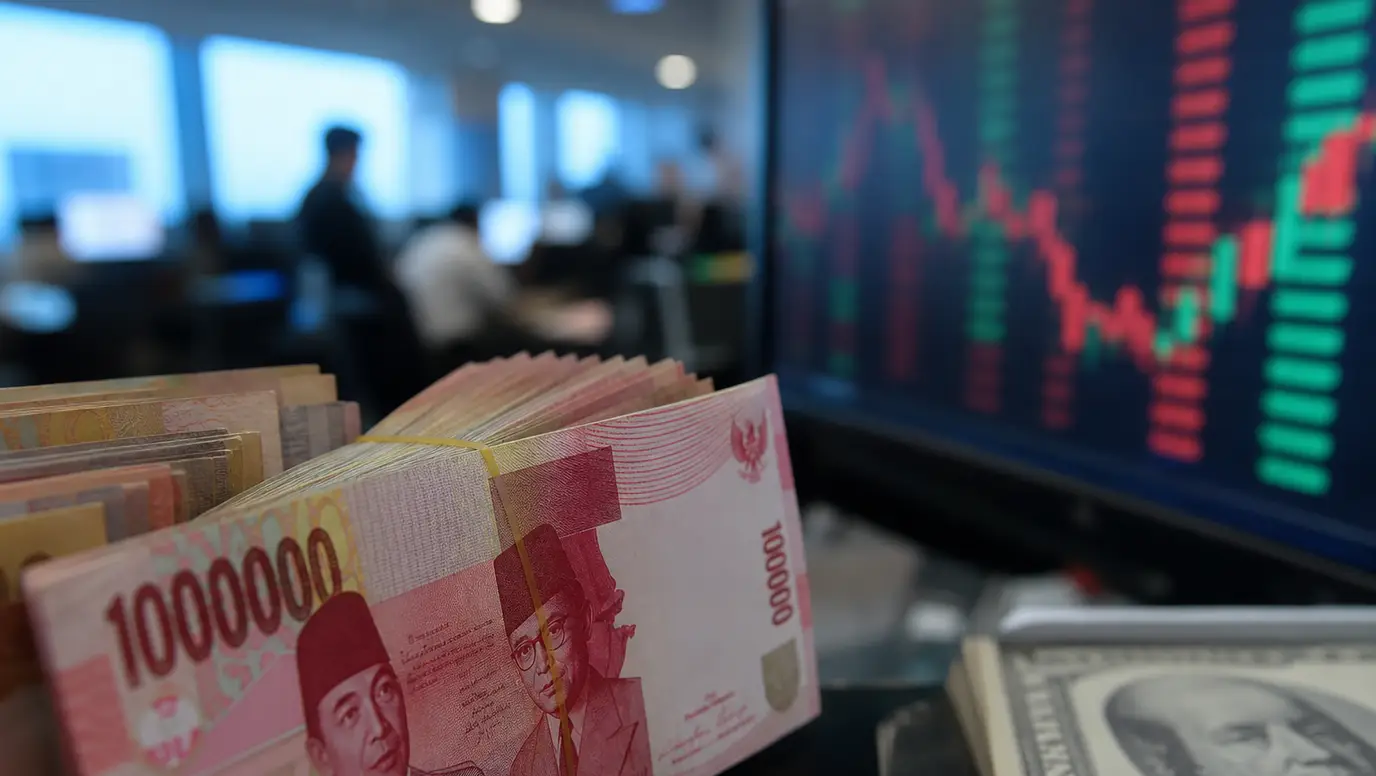
OCTOBER 18, 2026
Indonesia Rupiah Forex Slumps as Index Downgrade Risk Spurs Dollar Demand
OCTOBER 16, 2026
Gold Metals Market Rebounds as US Dollar and Treasury Yields Ease Before Federal Reserve Decision
OCTOBER 16, 2026
Canadian Dollar Forex Rebounds as US Dollar Retreat Sets Up Bank of Canada Test
OCTOBER 15, 2026
Swiss Franc Forex Rises as Treasury Yields Pull US Dollar From 18-Month High
OCTOBER 15, 2026
Silver Metals Market Tests 2026 Low as Federal Reserve Rate Bets Lift US Dollar
OCTOBER 14, 2026
Euro Forex Edges Higher as US Dollar Retreats Before Inflation Test
OCTOBER 13, 2026
Zinc Metals Market Falls as LME Stock Jump and US Dollar Pressure Base Metals
OCTOBER 13, 2026
Japanese Yen Forex Rebounds as Bank of Japan Price Data Checks US Dollar Rally
OCTOBER 12, 2026
Copper Metals Market Rises as China Premium and Tight LME Stocks Challenge US Dollar
OCTOBER 12, 2026
British Pound Forex Holds Steady as Bank of England Speakers and US Dollar Test Loom
OCTOBER 11, 2026
Gold Metals Market Braces for Federal Reserve Test as US Dollar and Treasury Yields Bite
OCTOBER 11, 2026
Australian Dollar Faces Reserve Bank of Australia Minutes Test as US Dollar Stays Near 18-Month High
OCTOBER 10, 2026
Iraqi Dinar Devaluation Puts Forex Market on Alert as US Dollar Premium Widens
OCTOBER 10, 2026
Palladium Metals Market Slips as Auto Demand and US Dollar Pressure Deepen Surplus Worries
OCTOBER 8, 2026
Euro Forex Slides as French Debt Stress and Treasury Yields Lift Dollar
OCTOBER 8, 2026
Zinc Metals Tightness Faces US Dollar and Treasury Yield Test
OCTOBER 7, 2026
Japanese Yen Forex Weakens as USD/JPY Tests 158 Before Fed Minutes
OCTOBER 7, 2026
Aluminum Rebound Tests Metals Market as Dollar Strength and China Lull Cap Buyers
OCTOBER 6, 2026
British Pound Forex Steadies as Firm US Dollar and Gilt Yields Cap GBP/USD Bounce
OCTOBER 5, 2026
Australian Dollar Forex Holds Below 70 Cents as Reserve Bank of Australia Hike Meets Firm US Dollar
OCTOBER 4, 2026
Canadian Dollar Forex Slips as U.S. Rate Gap and Flat GDP Keep USD/CAD Near Highs
OCTOBER 2, 2026
Silver Holds Above $61 as Dollar and Treasury Yields Keep Metals Market on Payrolls Watch
SEPTEMBER 22, 2026
Japanese Yen Slides as Dollar Strength and Bank of Japan Doubts Put Forex Market on Intervention Watch
SEPTEMBER 15, 2026
Euro Slides as US Dollar Rally Puts Forex Market on Federal Reserve Watch
SEPTEMBER 11, 2026
Japanese Yen Firms in Forex Market as Bank of Japan Bets Challenge US Dollar Rally
SEPTEMBER 6, 2026
Euro Firms in Forex Market as European Central Bank Decision Sets Up Dollar Test
SEPTEMBER 1, 2026
Swiss Franc Weakens as Forex Market Backs Dollar on Federal Reserve Rate Risk