
OCTOBER 22, 2026
Euro Forex Stalls as French Bond Rout Blunts Softer US Dollar Before Central Bank WeekEuro forex steadies near key levels as French bond stress offsets a softer US dollar before the Fed and ECB policy decisions.

© 1box.site 2026

JULY 30, 2026
The Swiss franc edged onto the defensive in the forex market as the US dollar drew support from a divided Federal Reserve decision and traders reassessed how far rate differentials can move against low-yielding currencies. The move kept USD/CHF in focus after a week dominated by central bank risk, Treasury yield swings and renewed debate over whether the next policy surprise in the United States could still be a hike rather than a cut.
The Federal Reserve left its target range unchanged at 3.50% to 3.75% at its July policy meeting, but the decision was not interpreted as fully dovish because several officials favored tighter policy. That dissent mattered for currency markets because it kept the dollar supported even without an immediate rate increase. For the franc, the combination of a higher US yield backdrop and a Swiss policy rate anchored near zero made carry considerations more visible again.
Forex traders had entered the decision with the dollar already near recent highs as inflation concerns, energy-price volatility and resilient US data limited expectations for easier policy. The Fed hold removed the most aggressive near-term hike risk, but the internal split prevented a clean dollar reversal. That left the greenback better bid against currencies where central banks have less room or less appetite to tighten.
The Swiss franc often benefits when investors seek safety, but this week’s price action showed that haven demand can be outweighed when US rate expectations firm. A dollar supported by higher real-yield assumptions can pressure USD-funded alternatives and reduce the appeal of holding a currency backed by a central bank that has signaled discomfort with excessive appreciation.
The Swiss National Bank held its policy rate at 0% in June and has repeatedly signaled an increased willingness to intervene in the foreign exchange market if a rapid or excessive franc appreciation threatens price stability. That guidance remains a key constraint for franc bulls, especially after the currency’s earlier strength raised concerns about imported disinflation and pressure on Swiss exporters.
The policy contrast is straightforward: the Fed is holding rates at a restrictive level with dissent from officials who want more tightening, while the SNB is trying to balance low domestic inflation against the risk that a stronger franc tightens conditions too much. In practical terms, that leaves USD/CHF sensitive to US data surprises, but also means any sharp franc rally could quickly revive speculation about official pushback.
The next phase for USD/CHF is likely to depend on whether upcoming US labor and inflation figures validate the hawkish minority inside the Federal Reserve. Stronger data could extend dollar demand and push the pair higher, while softer readings would reduce the case for additional tightening and allow the franc to recover part of its recent softness.
For now, the forex market is treating the Swiss franc less as a pure haven trade and more as a policy-divergence story. Unless global risk sentiment deteriorates sharply, the path of least resistance may continue to favor a supported US dollar against the franc, with SNB intervention language limiting the scale of any counter-move.
OCTOBER 22, 2026
Euro Forex Stalls as French Bond Rout Blunts Softer US Dollar Before Central Bank Week
OCTOBER 21, 2026
Silver Metals Market Slips as US Dollar and Treasury Yields Revive Federal Reserve Risk
OCTOBER 21, 2026
New Zealand Dollar Forex Slips Below 0.57 as CPI Test Puts RBNZ Hike Bets in Focus
OCTOBER 20, 2026
Australian Dollar Forex Eyes 0.70 as China Growth and Fed Pause Bets Lift AUD/USD
OCTOBER 20, 2026
Tin Metals Market Holds Above $50,000 as Inventory Draws Offset Dollar Risk
OCTOBER 19, 2026
Japanese Yen Forex Holds Near 158 Per Dollar as Bank of Japan Signals Tightening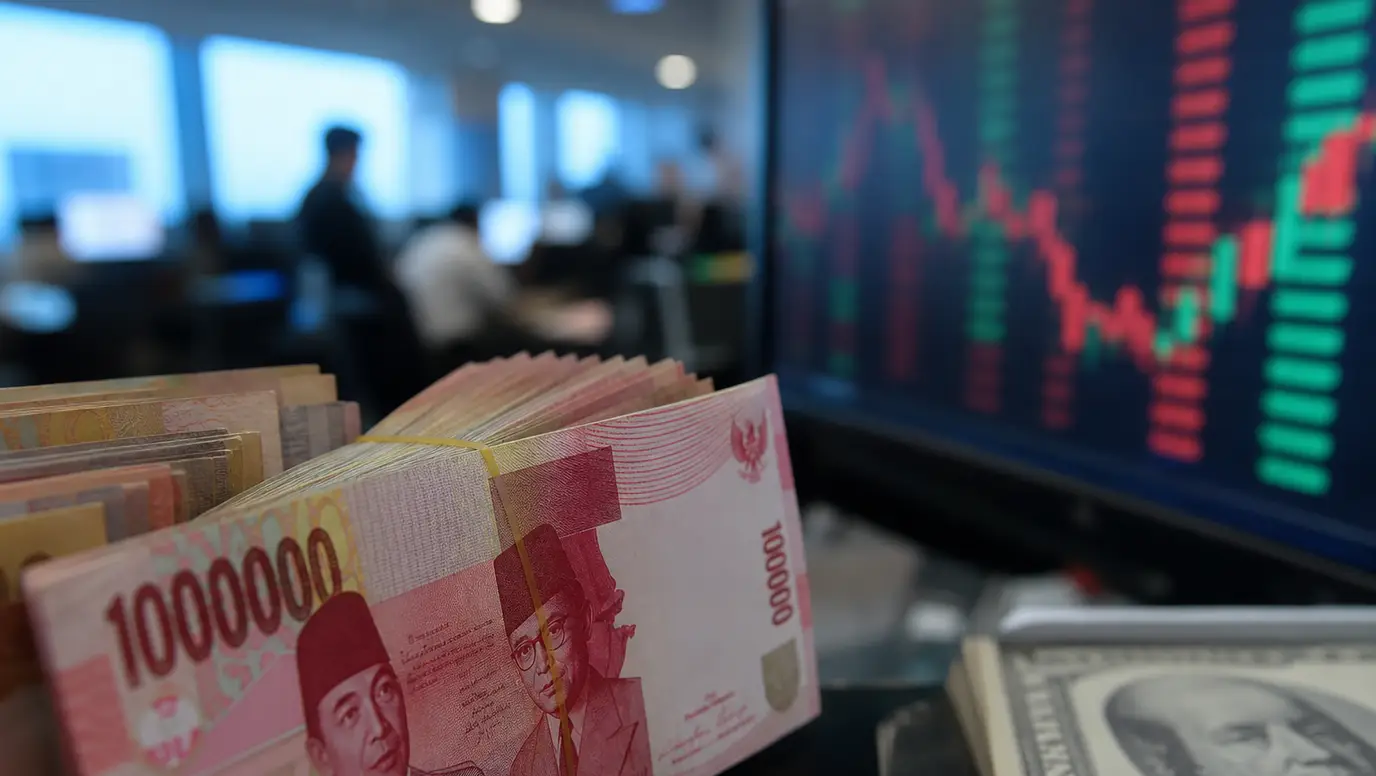
OCTOBER 18, 2026
Indonesia Rupiah Forex Slumps as Index Downgrade Risk Spurs Dollar Demand
OCTOBER 16, 2026
Gold Metals Market Rebounds as US Dollar and Treasury Yields Ease Before Federal Reserve Decision
OCTOBER 16, 2026
Canadian Dollar Forex Rebounds as US Dollar Retreat Sets Up Bank of Canada Test
OCTOBER 15, 2026
Swiss Franc Forex Rises as Treasury Yields Pull US Dollar From 18-Month High
OCTOBER 15, 2026
Silver Metals Market Tests 2026 Low as Federal Reserve Rate Bets Lift US Dollar
OCTOBER 14, 2026
Euro Forex Edges Higher as US Dollar Retreats Before Inflation Test
OCTOBER 13, 2026
Zinc Metals Market Falls as LME Stock Jump and US Dollar Pressure Base Metals
OCTOBER 13, 2026
Japanese Yen Forex Rebounds as Bank of Japan Price Data Checks US Dollar Rally
OCTOBER 12, 2026
Copper Metals Market Rises as China Premium and Tight LME Stocks Challenge US Dollar
OCTOBER 12, 2026
British Pound Forex Holds Steady as Bank of England Speakers and US Dollar Test Loom
OCTOBER 11, 2026
Gold Metals Market Braces for Federal Reserve Test as US Dollar and Treasury Yields Bite
OCTOBER 11, 2026
Australian Dollar Faces Reserve Bank of Australia Minutes Test as US Dollar Stays Near 18-Month High
OCTOBER 10, 2026
Iraqi Dinar Devaluation Puts Forex Market on Alert as US Dollar Premium Widens
OCTOBER 10, 2026
Palladium Metals Market Slips as Auto Demand and US Dollar Pressure Deepen Surplus Worries
OCTOBER 8, 2026
Euro Forex Slides as French Debt Stress and Treasury Yields Lift Dollar
OCTOBER 8, 2026
Zinc Metals Tightness Faces US Dollar and Treasury Yield Test
OCTOBER 7, 2026
Japanese Yen Forex Weakens as USD/JPY Tests 158 Before Fed Minutes
OCTOBER 7, 2026
Aluminum Rebound Tests Metals Market as Dollar Strength and China Lull Cap Buyers
OCTOBER 6, 2026
British Pound Forex Steadies as Firm US Dollar and Gilt Yields Cap GBP/USD Bounce
OCTOBER 5, 2026
Australian Dollar Forex Holds Below 70 Cents as Reserve Bank of Australia Hike Meets Firm US Dollar
OCTOBER 4, 2026
Canadian Dollar Forex Slips as U.S. Rate Gap and Flat GDP Keep USD/CAD Near Highs
OCTOBER 2, 2026
Silver Holds Above $61 as Dollar and Treasury Yields Keep Metals Market on Payrolls Watch
SEPTEMBER 30, 2026
Swiss Franc Forex Rebound Tests US Dollar Rally as Federal Reserve Inflation Gauge Cools
SEPTEMBER 22, 2026
Japanese Yen Slides as Dollar Strength and Bank of Japan Doubts Put Forex Market on Intervention Watch