OCTOBER 24, 2026
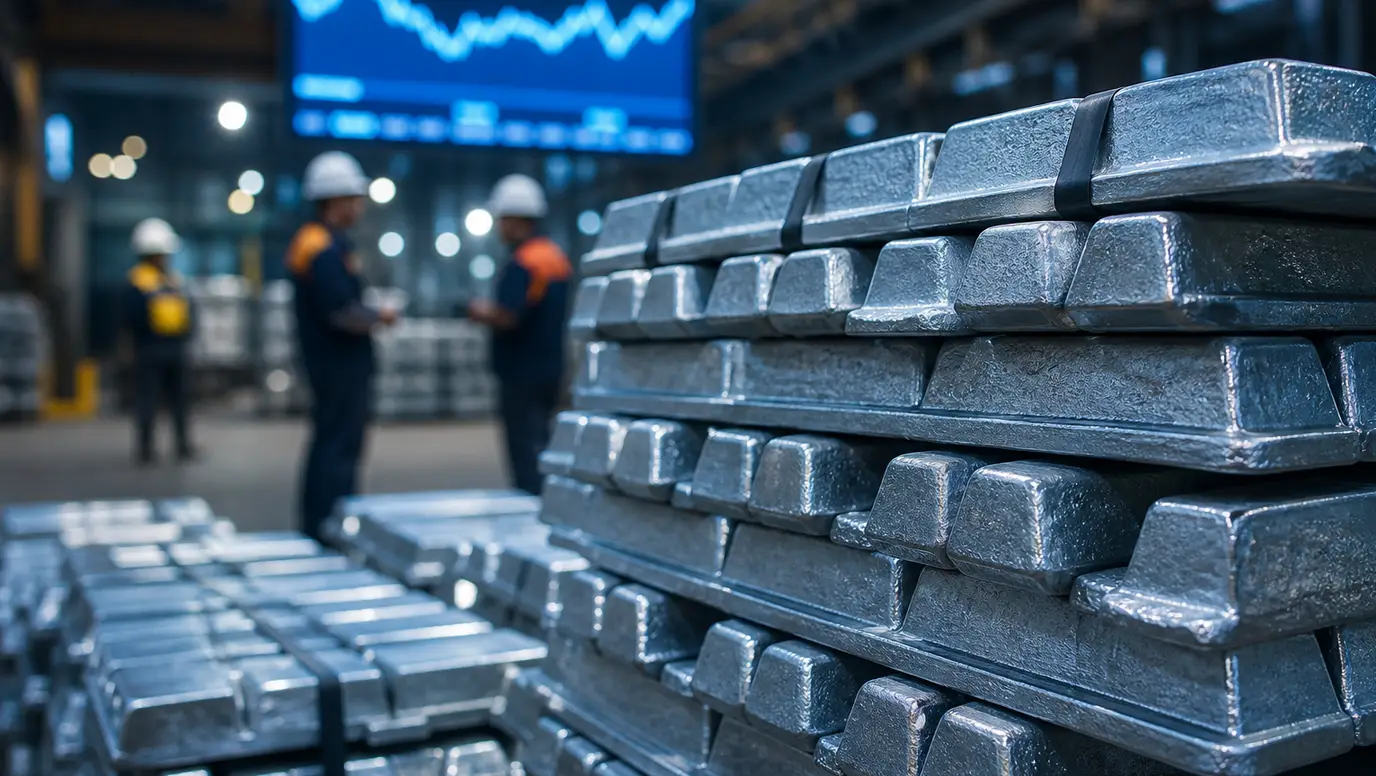
Zinc Metals Market Leads Base-Metal Rebound as Dollar Risk Meets Inventory BuildZinc leads the metals market rebound as traders weigh stronger base-metal demand signals against rising inventories and dollar risk.

© 1box.site 2026
JULY 8, 2026
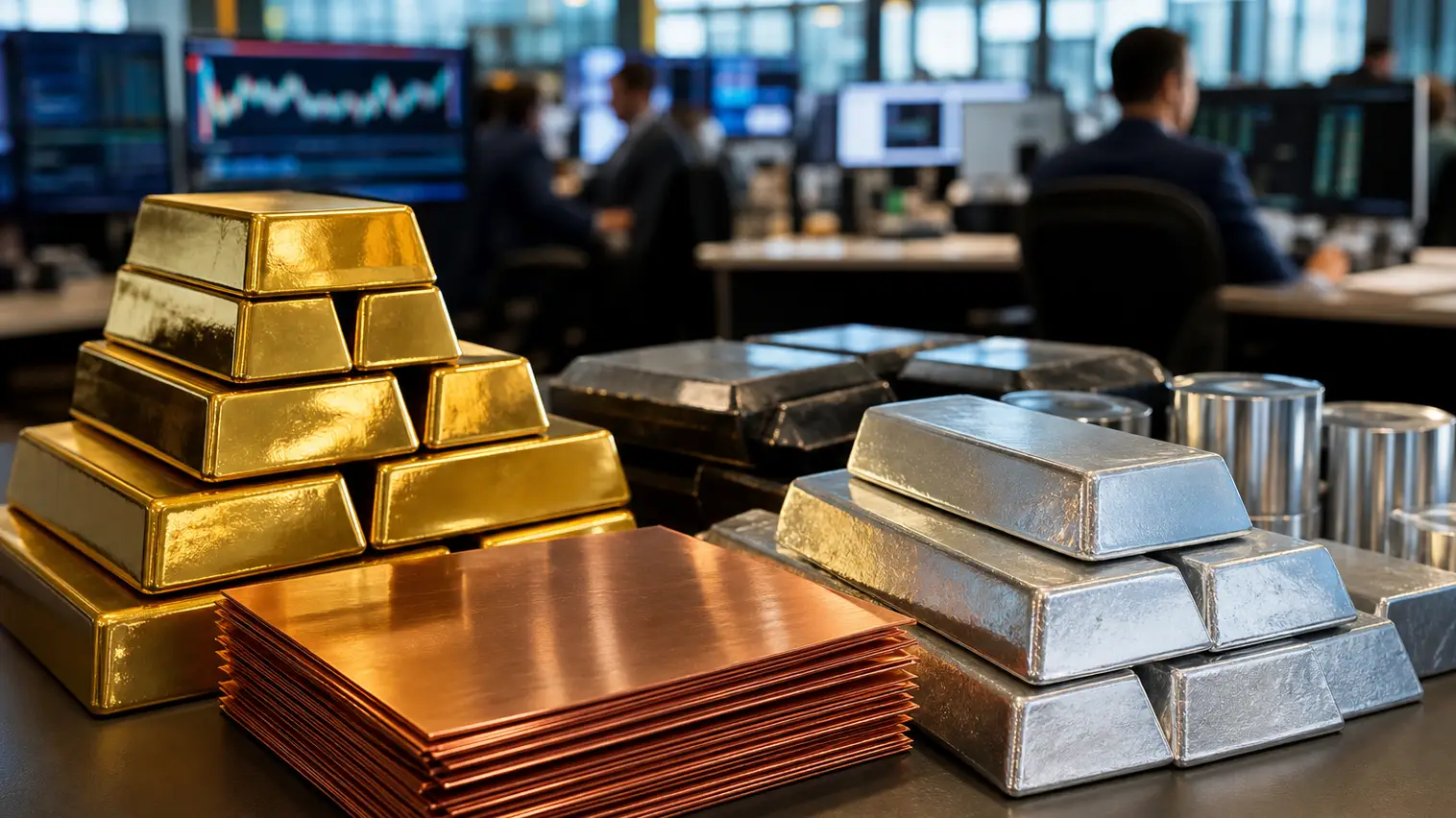
Gold struggled to hold its traditional haven premium on Wednesday as a stronger U.S. dollar, firmer Treasury yields and renewed inflation worries weighed on the broader metals market. The move left bullion near a one-week low in intraday trading, even as geopolitical tension would normally be expected to support defensive demand.
The shift matters because the latest metals reaction was not a simple risk-off rally. Instead, traders treated the geopolitical shock as a potential inflation impulse, pushing energy-linked cost concerns and interest-rate expectations ahead of the usual safe-haven bid for non-yielding precious metals. That kept gold buyers cautious before the release of the Federal Reserve’s June meeting minutes.
Spot gold moved around the low $4,100s per ounce after briefly probing its weakest level since early July. Silver was steadier near the $60 an ounce area, but platinum and palladium also softened, showing that the pressure was not limited to bullion. The pattern suggested that investors were trimming exposure where recent gains had become stretched and waiting for a clearer signal on U.S. policy rates.
Gold’s setback reflects a familiar but powerful market channel: when the dollar rises and Treasury yields firm, the opportunity cost of holding bullion increases. That effect can offset geopolitical support, especially when the source of the tension also threatens to lift inflation expectations and complicate the Fed’s path.
For metals traders, the immediate focus is whether the Fed minutes reinforce the view that policymakers remain uncomfortable with inflation risks. A hawkish reading would likely keep pressure on gold and silver by supporting real-yield expectations. A more balanced tone could allow bullion to rebuild support, particularly if physical demand and central-bank buying remain steady beneath the futures market.
The technical picture has also turned more sensitive. Gold’s failure to extend last week’s rebound above the $4,200 area has made short-term positioning vulnerable to dollar spikes. A sustained recovery would require buyers to reclaim that zone with stronger volume, while a deeper slide toward the $4,000 threshold could invite bargain hunting but would also signal that momentum funds are reducing long exposure.
Base metals showed a different split. Copper eased as traders weighed the risk that renewed Middle East tension could hurt global growth expectations and industrial demand. Three-month copper on the London Metal Exchange traded near $13,210 a metric ton in Wednesday dealings, leaving the red metal stuck inside the broad range that has defined recent sessions.
Aluminum moved in the opposite direction, gaining as the market focused on supply vulnerability in the Gulf region and the possibility of disruption to smelting and transport flows. That contrast highlights the current metals market divide: copper is more exposed to macro growth fears, while aluminum can draw support when traders worry about regional production and logistics.
The difference is important for investors who track metals as one asset class. Precious metals are being driven mainly by dollar, yield and Fed expectations. Copper is balancing long-term electrification demand against near-term growth risk. Aluminum is increasingly trading on energy costs, regional supply concentration and inventory flows.
The next phase for the metals market will depend on whether macro pressure or supply risk dominates. If the dollar remains firm after the Fed minutes, gold and silver may struggle to regain momentum even if geopolitical headlines stay tense. If yields ease, the same headlines could quickly restore haven demand and lift precious metals back toward recent resistance levels.
For base metals, copper needs confirmation that manufacturing demand and Chinese buying can absorb headline volatility. Without that, rallies may continue to meet selling from traders concerned about growth. Aluminum’s outlook is more asymmetric, as fresh supply concerns could support prices even in a softer industrial tape.
Overall, Wednesday’s session points to a metals market that is no longer moving in one direction. Gold is not automatically benefiting from geopolitical stress, copper is being pulled between demand caution and structural tightness, and aluminum is responding to supply risk. That divergence should keep metals volatility elevated as traders move from headline reaction to policy interpretation.
OCTOBER 24, 2026
Zinc Metals Market Leads Base-Metal Rebound as Dollar Risk Meets Inventory Build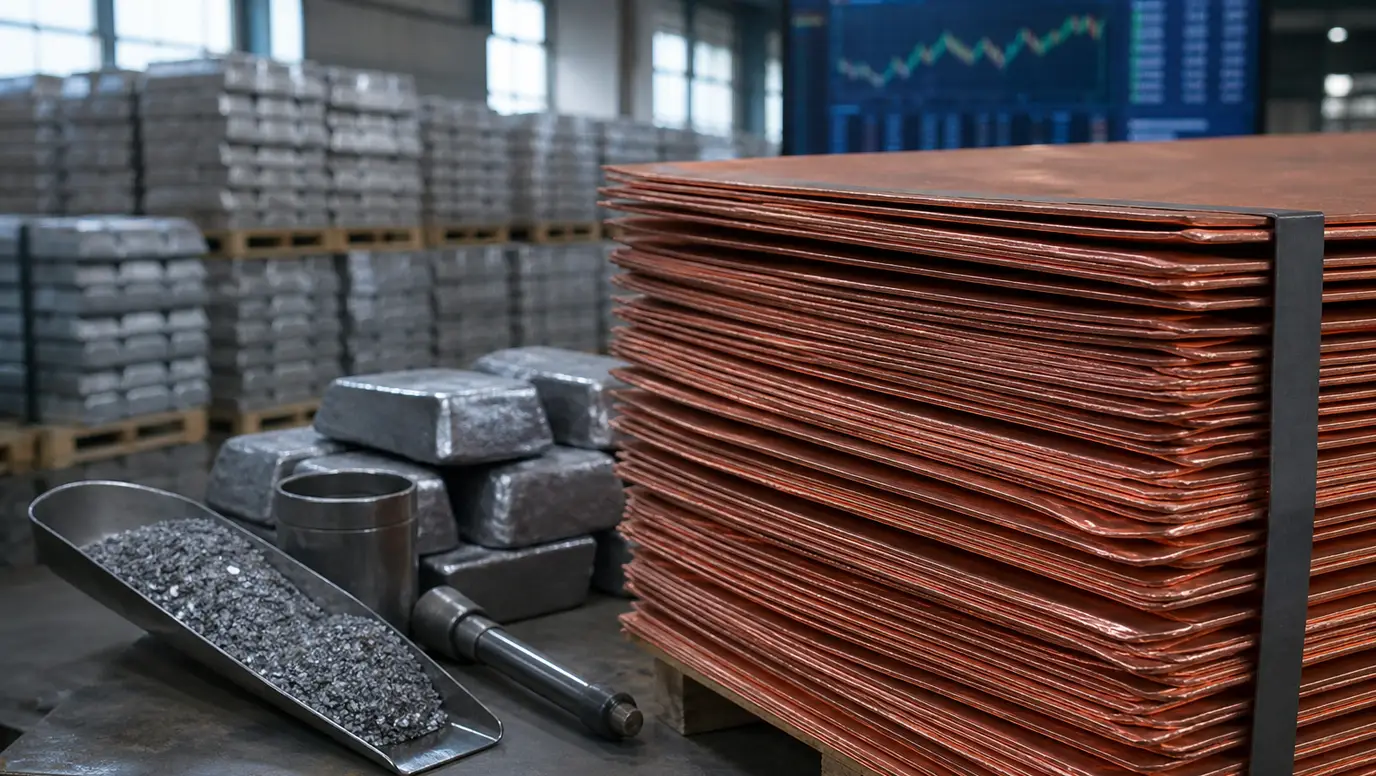
OCTOBER 23, 2026
Copper Metals Market Rebounds as Nickel Slips on Indonesia Cut Watch
OCTOBER 22, 2026
Gold Metals Market Rebounds as Softer Treasury Yields Put PCE Inflation Test in Focus
OCTOBER 21, 2026
Silver Metals Market Slips as US Dollar and Treasury Yields Revive Federal Reserve Risk
OCTOBER 20, 2026
Tin Metals Market Holds Above $50,000 as Inventory Draws Offset Dollar Risk
OCTOBER 18, 2026
Copper Metals Market Holds Near Record as Tight Stocks Offset Federal Reserve Shock
OCTOBER 16, 2026
Gold Metals Market Rebounds as US Dollar and Treasury Yields Ease Before Federal Reserve Decision
OCTOBER 15, 2026
Silver Metals Market Tests 2026 Low as Federal Reserve Rate Bets Lift US Dollar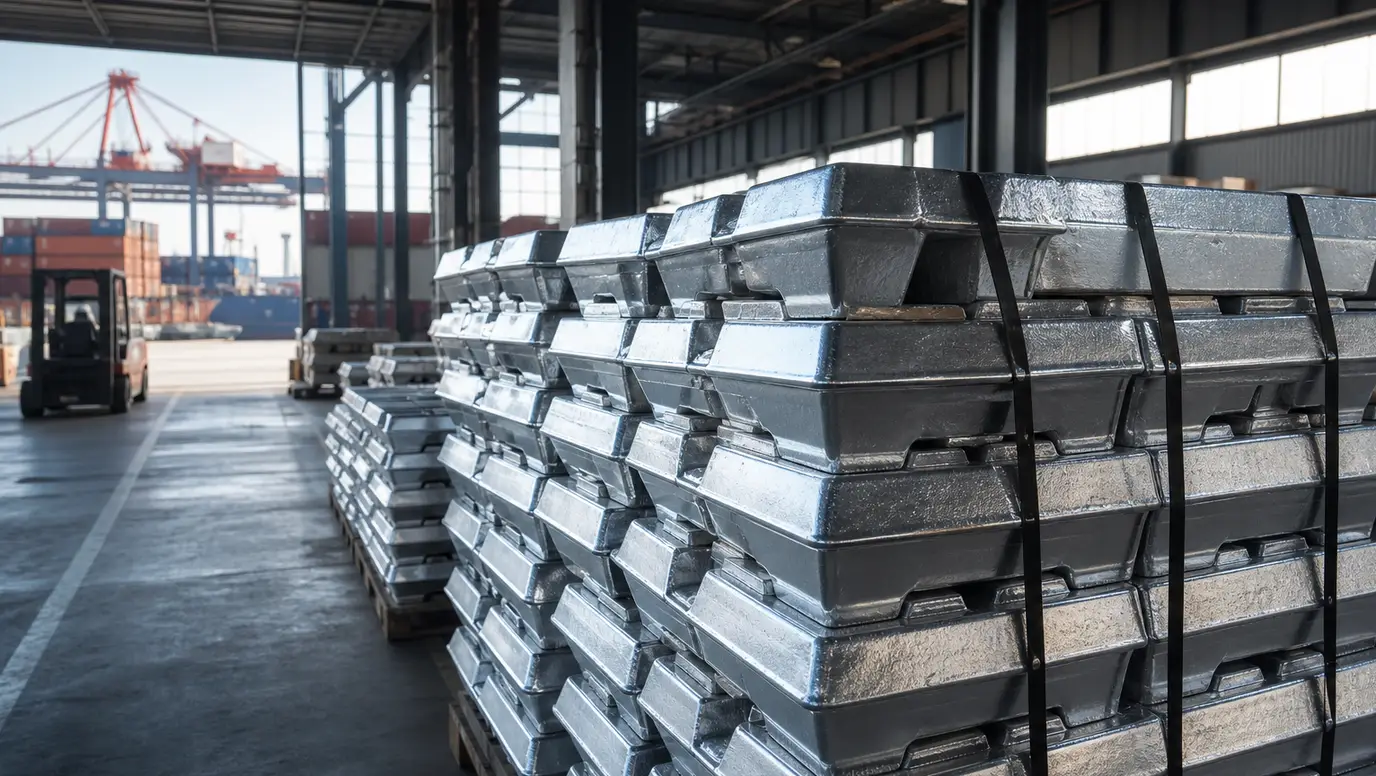
OCTOBER 14, 2026
Aluminum Metals Futures Hold Near $3,000 as Japan Premium Drop Masks Supply Stress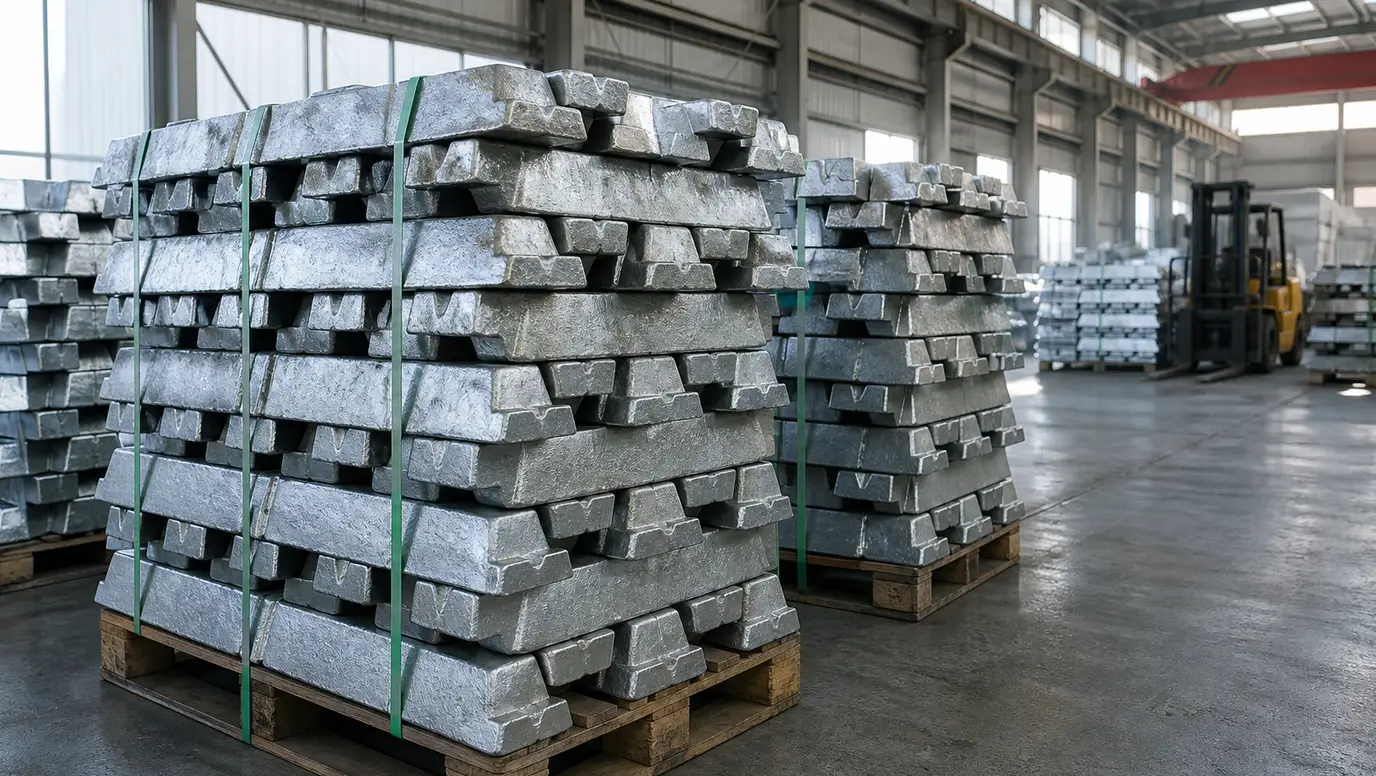
OCTOBER 13, 2026
Zinc Metals Market Falls as LME Stock Jump and US Dollar Pressure Base Metals
OCTOBER 12, 2026
Copper Metals Market Rises as China Premium and Tight LME Stocks Challenge US Dollar
OCTOBER 11, 2026
Gold Metals Market Braces for Federal Reserve Test as US Dollar and Treasury Yields Bite
OCTOBER 10, 2026
Palladium Metals Market Slips as Auto Demand and US Dollar Pressure Deepen Surplus Worries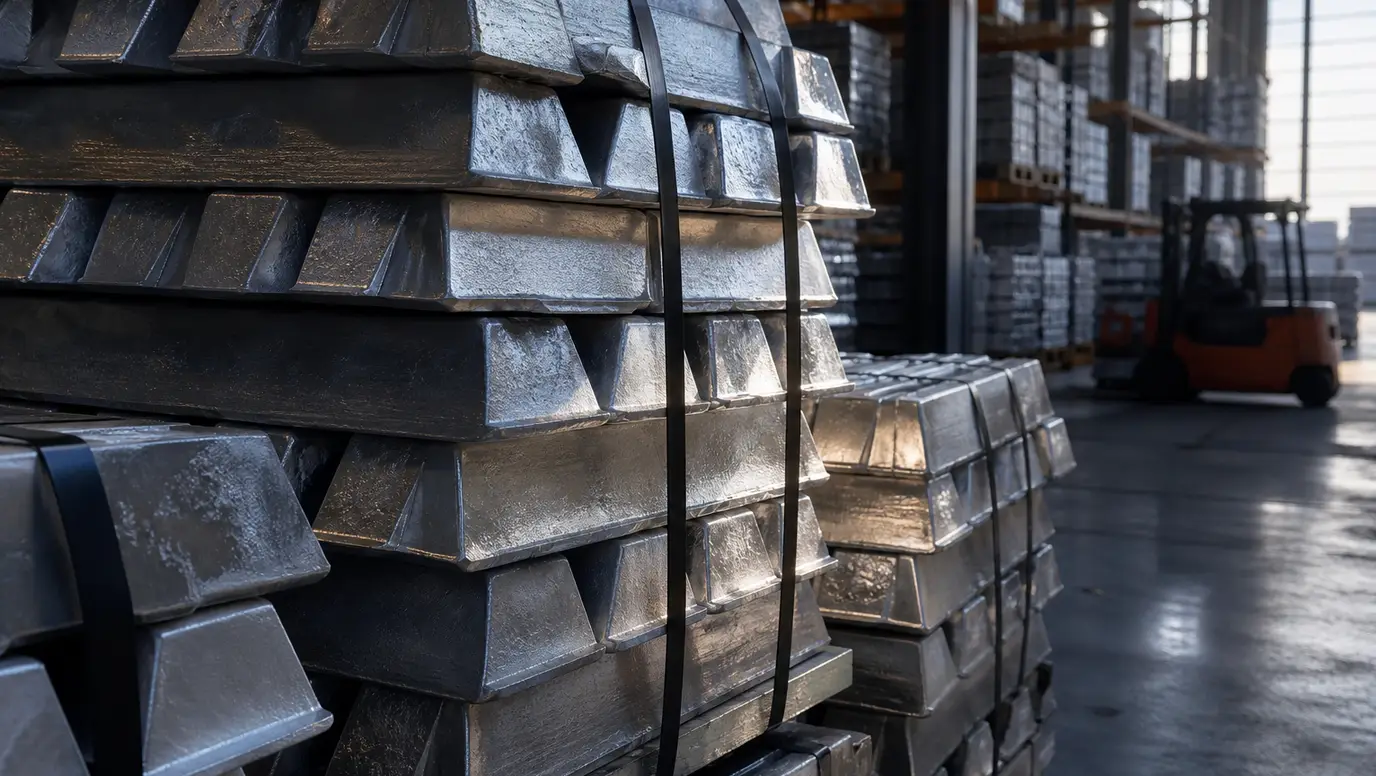
OCTOBER 8, 2026
Zinc Metals Tightness Faces US Dollar and Treasury Yield Test
OCTOBER 7, 2026
Aluminum Rebound Tests Metals Market as Dollar Strength and China Lull Cap Buyers
OCTOBER 6, 2026
Copper Futures Rally Puts Metals Market Focus on Smelter Squeeze
OCTOBER 4, 2026
Gold Metals Rebound Stalls as Treasury Yields Blunt Fed Pause Bets
OCTOBER 2, 2026
Silver Holds Above $61 as Dollar and Treasury Yields Keep Metals Market on Payrolls Watch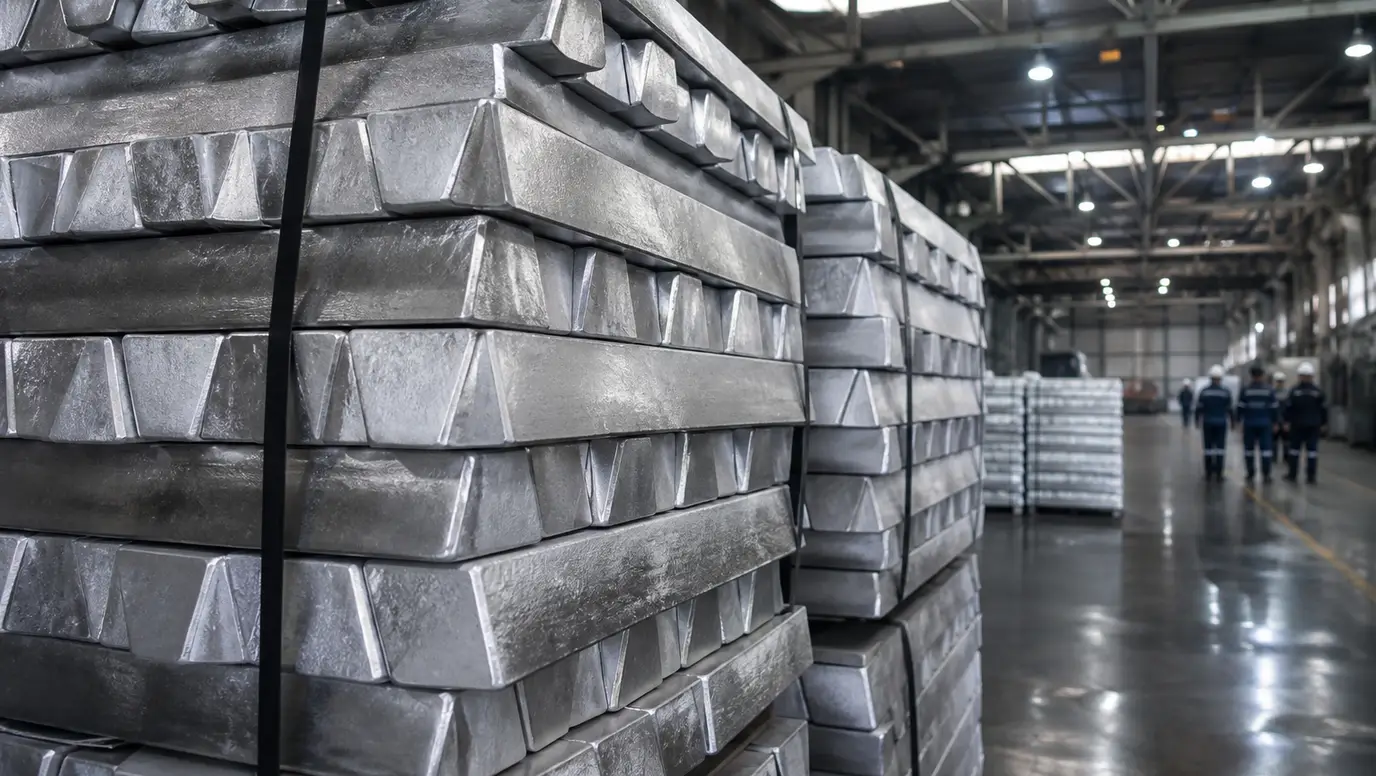
OCTOBER 1, 2026
Aluminum Slumps to 12-Week Low as Strong Dollar Hits Metals Market
SEPTEMBER 30, 2026
Copper Futures Steady as Metals Market Weighs Dollar, Oil and Federal Reserve Risk
SEPTEMBER 27, 2026
Gold Futures Slip as Sticky Inflation and Fed Rate Bets Cap Metals Market Rebound
SEPTEMBER 25, 2026
Copper Futures Climb as China Tightness Puts Metals Market on Supply Watch
SEPTEMBER 24, 2026
Aluminum Futures Steady as China Destocking Offsets Metals Market Yield Pressure
SEPTEMBER 22, 2026
Gold Holds Near $4,350 as Federal Reserve Rate Bets Cap Metals Market Rebound
SEPTEMBER 19, 2026
Copper Futures Rally Puts Metals Market on Federal Reserve and PMI Watch
SEPTEMBER 16, 2026
Aluminum Rally Tests China Supply Cap as Metals Market Weighs Export Surge
SEPTEMBER 15, 2026
Gold Holds Near $4,300 as Federal Reserve Hike Bets Pressure Metals Market
SEPTEMBER 13, 2026
Copper Futures Pullback Puts Metals Market on Tariff Doubt Watch
SEPTEMBER 10, 2026
Gold Edges Higher as Soft Dollar Puts Metals Market on Federal Reserve Watch
SEPTEMBER 8, 2026
Copper Hits Record High as Tariff Risk Tightens Metals Market Supply