OCTOBER 24, 2026
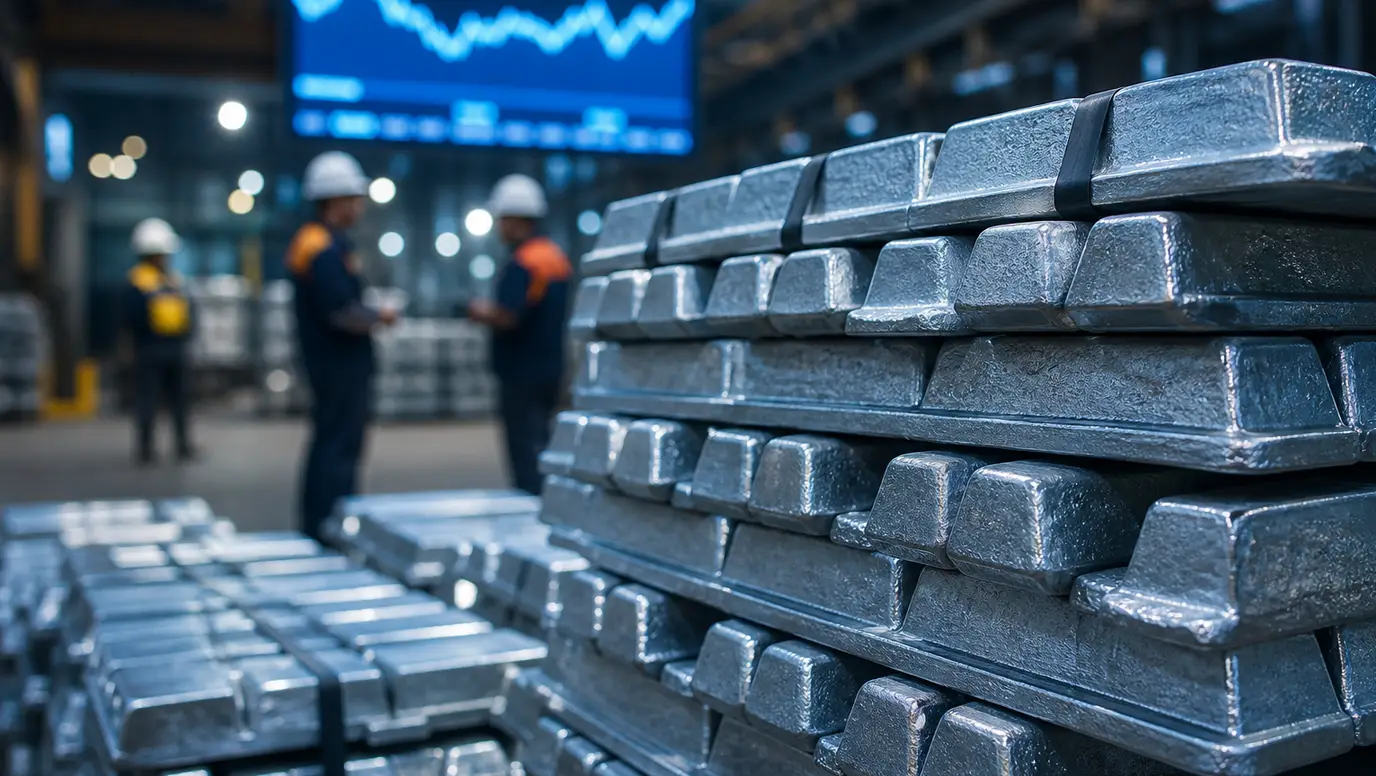
Zinc Metals Market Leads Base-Metal Rebound as Dollar Risk Meets Inventory BuildZinc leads the metals market rebound as traders weigh stronger base-metal demand signals against rising inventories and dollar risk.

© 1box.site 2026
JULY 10, 2026
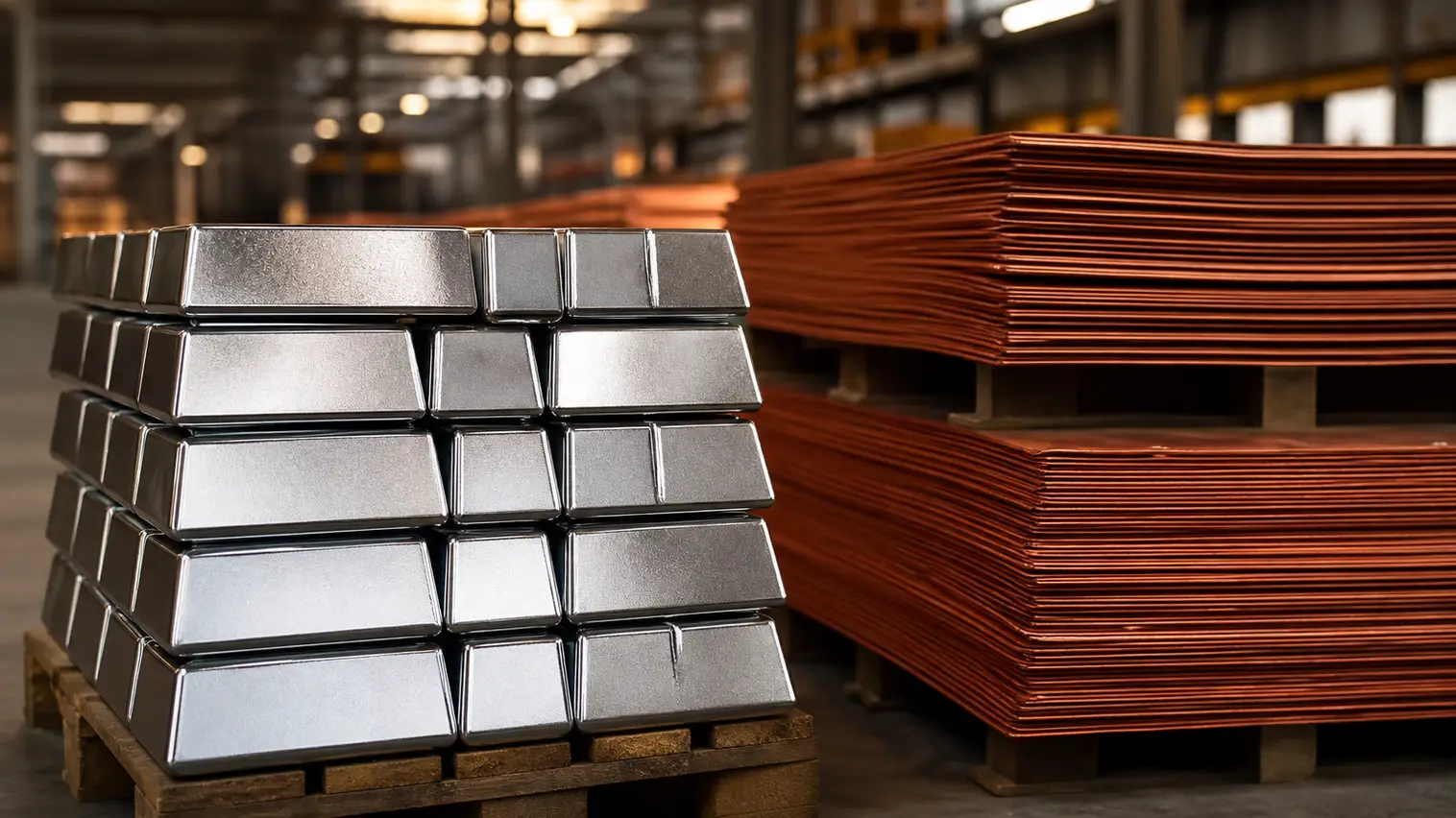
Silver and copper moved back onto the front foot on Friday as a softer US Dollar helped restore demand for dollar-priced metals, giving the market a brief reprieve after a volatile week shaped by Middle East risk, rate expectations and shifting industrial sentiment.
The rebound was broad enough to improve tone across the metals complex, but not strong enough to erase caution. Traders remained focused on whether the latest easing in the dollar can last if upcoming inflation data keeps Treasury yields elevated and reinforces the Federal Reserve’s higher-for-longer stance.
Copper drew fresh buying after slipping earlier in the week, with the benchmark industrial metal trading near the mid-$13,000-per-ton area in early action. The move suggested that investors were willing to re-engage with growth-sensitive metals when currency pressure eased, even as questions persisted over manufacturing demand and China-linked consumption signals.
Silver also firmed, supported by its dual role as a precious metal and an industrial input. That combination has made the metal especially sensitive to swings in both real yields and expectations for demand from solar, electronics and electrification supply chains.
The US Dollar’s pullback was the immediate catalyst for the improved tone. Because major metals are priced globally in dollars, a weaker currency tends to make them less expensive for buyers using other currencies and can invite short-term fund flows back into commodities.
That effect was visible in copper, where buying interest returned after recent selling tied to energy-market stress and concern that renewed geopolitical tension could keep inflation sticky. In that environment, copper has been pulled between two narratives: long-term demand from power grids and electrification, and near-term pressure from higher financing costs and uncertain factory activity.
Silver’s rebound carried a different message. The metal has struggled whenever yields rise because it offers no income, yet its industrial demand profile gives it more cyclical leverage than gold. If the dollar continues to soften while global growth expectations stabilize, silver could attract renewed relative-value interest within precious metals.
Gold remained part of the broader conversation, but Friday’s tone was more about the metals that sit closest to the intersection of macro trading and industrial demand. Investors appeared less focused on pure haven buying and more focused on whether currency and rates can stop working against metals as a group.
The next test for the metals market is inflation. A cooler reading would likely strengthen the argument that the dollar and yields can ease further, improving the backdrop for silver, copper and other base metals. A firmer reading, however, could quickly revive pressure by lifting real-rate expectations and reducing appetite for non-yielding assets.
That risk is why the rebound remains conditional rather than decisive. Metals traders are still balancing softer currency conditions against the possibility that energy-price volatility feeds back into inflation expectations. If oil-linked inflation anxiety returns, the market could again price in tighter financial conditions, which would be a headwind for both precious and industrial metals.
For copper, the key question is whether buyers are responding to genuine physical demand or merely covering short positions after a sharp pullback. A sustained advance would need confirmation from improving spot demand, firmer factory indicators and a clearer drawdown in visible inventories.
For silver, the technical picture is equally important. The metal’s ability to hold above recent lows could encourage momentum accounts to rebuild exposure. Failure to hold the rebound would suggest that the market still sees higher yields as the dominant force.
Base metals have not yet delivered a unified bullish signal. Aluminum, zinc and nickel have shown pockets of resilience, but the complex remains vulnerable to shifts in risk appetite. Investors are watching whether copper’s rebound can pull the broader group higher or whether the move fades into another range-bound session.
Demand from energy transition sectors remains a structural support for copper and silver, but short-term trading continues to revolve around macro variables. This is especially true when the dollar and Treasury yields move sharply, as those forces can overwhelm physical-market signals for several sessions at a time.
The metals market therefore enters the next phase with a cautiously constructive bias. A softer US Dollar has opened the door to a rebound in silver and copper, but the rally still needs support from inflation data, bond-market stability and evidence that industrial demand is not deteriorating.
Until those signals align, traders may treat strength as tactical rather than durable. The clearest bullish outcome would be a weaker dollar, steadier yields and firmer demand indicators arriving together. Without that combination, volatility is likely to remain the defining feature of the metals market.
OCTOBER 24, 2026
Zinc Metals Market Leads Base-Metal Rebound as Dollar Risk Meets Inventory Build
OCTOBER 23, 2026
Copper Metals Market Rebounds as Nickel Slips on Indonesia Cut Watch
OCTOBER 21, 2026
Silver Metals Market Slips as US Dollar and Treasury Yields Revive Federal Reserve Risk
OCTOBER 20, 2026
Tin Metals Market Holds Above $50,000 as Inventory Draws Offset Dollar Risk
OCTOBER 18, 2026
Copper Metals Market Holds Near Record as Tight Stocks Offset Federal Reserve Shock
OCTOBER 16, 2026
Gold Metals Market Rebounds as US Dollar and Treasury Yields Ease Before Federal Reserve Decision
OCTOBER 15, 2026
Silver Metals Market Tests 2026 Low as Federal Reserve Rate Bets Lift US Dollar
OCTOBER 13, 2026
Zinc Metals Market Falls as LME Stock Jump and US Dollar Pressure Base Metals
OCTOBER 12, 2026
Copper Metals Market Rises as China Premium and Tight LME Stocks Challenge US Dollar
OCTOBER 11, 2026
Gold Metals Market Braces for Federal Reserve Test as US Dollar and Treasury Yields Bite
OCTOBER 10, 2026
Palladium Metals Market Slips as Auto Demand and US Dollar Pressure Deepen Surplus Worries
OCTOBER 9, 2026
Silver Rebound Tests Metals Market as Treasury Yields Cap XAG Demand
OCTOBER 8, 2026
Zinc Metals Tightness Faces US Dollar and Treasury Yield Test
OCTOBER 7, 2026
Aluminum Rebound Tests Metals Market as Dollar Strength and China Lull Cap Buyers
OCTOBER 6, 2026
Copper Futures Rally Puts Metals Market Focus on Smelter Squeeze
OCTOBER 2, 2026
Silver Holds Above $61 as Dollar and Treasury Yields Keep Metals Market on Payrolls Watch
SEPTEMBER 30, 2026
Copper Futures Steady as Metals Market Weighs Dollar, Oil and Federal Reserve Risk
SEPTEMBER 26, 2026
Silver Futures Rebound as Treasury Yield Pause Tests Metals Market Bears
SEPTEMBER 25, 2026
Copper Futures Climb as China Tightness Puts Metals Market on Supply Watch
SEPTEMBER 21, 2026
Silver Futures Hold Above $66 as Federal Reserve Hike Tests Metals Market Rally
SEPTEMBER 19, 2026
Copper Futures Rally Puts Metals Market on Federal Reserve and PMI Watch
SEPTEMBER 14, 2026
Silver Rebound Puts Metals Market on Federal Reserve Real-Yield Watch
SEPTEMBER 13, 2026
Copper Futures Pullback Puts Metals Market on Tariff Doubt Watch
SEPTEMBER 8, 2026
Copper Hits Record High as Tariff Risk Tightens Metals Market Supply
SEPTEMBER 2, 2026
Copper Pullback Hits Metals Market as Strong Dollar Revives Federal Reserve Rate Risk
AUGUST 30, 2026
Silver Breakout Failure Puts Metals Market on Federal Reserve Yield Watch
AUGUST 27, 2026
Copper Backwardation Puts Metals Market on Supply Stress Alert as Fed Risk Caps Rally
AUGUST 25, 2026
Silver Pullback Puts Metals Market on $70 Resistance Watch as Inflation Data Looms
AUGUST 20, 2026
Copper Backwardation Puts Metals Market on Tariff Watch as Warehouse Stocks Fall
AUGUST 18, 2026
Silver Pullback Keeps Metals Market Focus on Federal Reserve Minutes