OCTOBER 24, 2026
Zinc Metals Market Leads Base-Metal Rebound as Dollar Risk Meets Inventory BuildZinc leads the metals market rebound as traders weigh stronger base-metal demand signals against rising inventories and dollar risk.

© 1box.site 2026
JULY 13, 2026
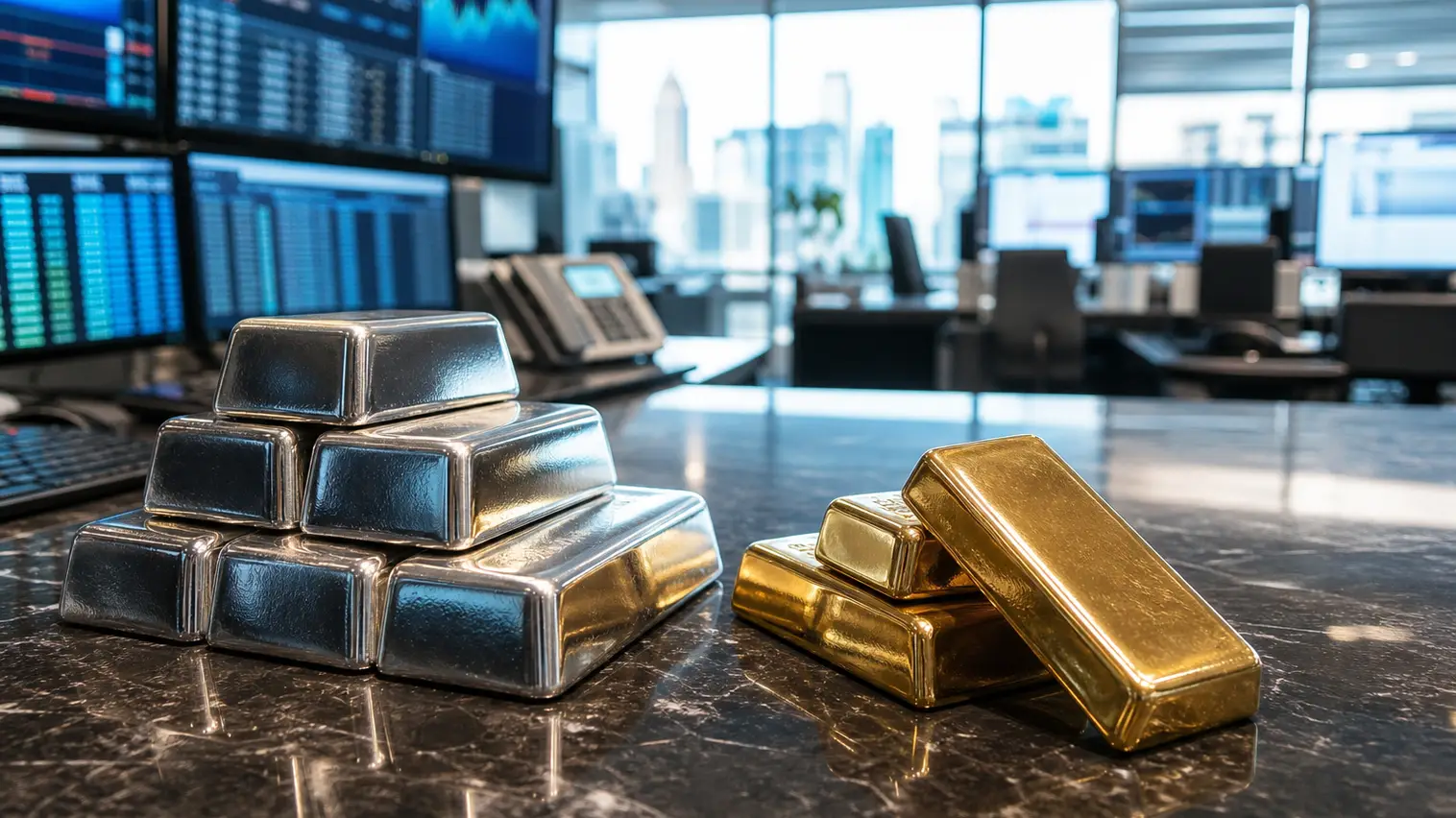
Silver came under renewed pressure on Monday as the metals market shifted from geopolitical hedging to a more uncomfortable inflation-and-rates trade. The white metal fell sharply in spot trading, underperforming gold as higher Treasury yields, a firmer US Dollar and stronger oil prices reduced the appeal of non-yielding precious metals.
The move shows how quickly safe-haven demand can be diluted when an oil shock is interpreted as a possible inflation impulse rather than a pure risk-off event. Traders are still monitoring Middle East tensions, but the immediate market reaction has been to price a higher-for-longer interest-rate path, leaving silver exposed to both dollar strength and a reassessment of industrial demand.
Silver is more sensitive than gold when macro pressure hits both sides of its investment case. As a precious metal, it competes with cash and bonds when yields rise. As an industrial metal, it is vulnerable when investors worry that higher energy costs could slow manufacturing activity or weaken demand from electronics, solar and broader industrial supply chains.
That dual identity helped explain Monday’s sharper move. Gold also slipped, but silver’s larger decline signaled that traders were reducing cyclical exposure across the metals complex rather than simply rotating into bullion for protection. The result was a market where geopolitical risk remained visible, yet the stronger signal came from rates, the dollar and inflation expectations.
The US Dollar’s resilience added another headwind. Dollar-priced metals typically face pressure when the greenback firms because they become more expensive for non-US buyers. That pressure can be especially important for silver, where investment flows and physical demand often compete for influence during volatile macro periods.
The next major test for silver arrives with the US inflation report and Federal Reserve testimony this week. A hotter CPI reading would likely reinforce expectations that policymakers may need to keep policy restrictive, or even consider additional tightening if energy-driven inflation broadens. That would keep real yields elevated and make it harder for silver to rebuild upside momentum.
A softer inflation print, by contrast, could ease the pressure on metals by cooling rate-hike expectations and weakening the dollar. For silver bulls, the key will be whether a favorable macro surprise can pull the metal back above near-term resistance after the latest rejection. Without that shift, rallies may continue to meet selling from traders focused on yields rather than geopolitical hedging.
Despite the near-term selloff, silver’s longer-term story has not disappeared. Structural demand from solar installations, electrification and electronics remains an important support for the market, while supply constraints continue to limit how quickly new production can respond to higher consumption. That backdrop may keep long-term investors interested on deeper pullbacks.
For now, however, the metals market is trading on macro timing. Silver needs either a weaker dollar, calmer bond yields or renewed evidence of physical tightness to regain leadership. Until then, the metal remains caught between its bullish structural demand story and a short-term environment dominated by oil-driven inflation fears and Federal Reserve risk.
OCTOBER 24, 2026
Zinc Metals Market Leads Base-Metal Rebound as Dollar Risk Meets Inventory Build
OCTOBER 22, 2026
Gold Metals Market Rebounds as Softer Treasury Yields Put PCE Inflation Test in Focus
OCTOBER 21, 2026
Silver Metals Market Slips as US Dollar and Treasury Yields Revive Federal Reserve Risk
OCTOBER 20, 2026
Tin Metals Market Holds Above $50,000 as Inventory Draws Offset Dollar Risk
OCTOBER 16, 2026
Gold Metals Market Rebounds as US Dollar and Treasury Yields Ease Before Federal Reserve Decision
OCTOBER 15, 2026
Silver Metals Market Tests 2026 Low as Federal Reserve Rate Bets Lift US Dollar
OCTOBER 13, 2026
Zinc Metals Market Falls as LME Stock Jump and US Dollar Pressure Base Metals
OCTOBER 12, 2026
Copper Metals Market Rises as China Premium and Tight LME Stocks Challenge US Dollar
OCTOBER 11, 2026
Gold Metals Market Braces for Federal Reserve Test as US Dollar and Treasury Yields Bite
OCTOBER 10, 2026
Palladium Metals Market Slips as Auto Demand and US Dollar Pressure Deepen Surplus Worries
OCTOBER 9, 2026
Silver Rebound Tests Metals Market as Treasury Yields Cap XAG Demand
OCTOBER 8, 2026
Zinc Metals Tightness Faces US Dollar and Treasury Yield Test
OCTOBER 7, 2026
Aluminum Rebound Tests Metals Market as Dollar Strength and China Lull Cap Buyers
OCTOBER 4, 2026
Gold Metals Rebound Stalls as Treasury Yields Blunt Fed Pause Bets
OCTOBER 2, 2026
Silver Holds Above $61 as Dollar and Treasury Yields Keep Metals Market on Payrolls Watch
SEPTEMBER 27, 2026
Gold Futures Slip as Sticky Inflation and Fed Rate Bets Cap Metals Market Rebound
SEPTEMBER 26, 2026
Silver Futures Rebound as Treasury Yield Pause Tests Metals Market Bears
SEPTEMBER 22, 2026
Gold Holds Near $4,350 as Federal Reserve Rate Bets Cap Metals Market Rebound
SEPTEMBER 21, 2026
Silver Futures Hold Above $66 as Federal Reserve Hike Tests Metals Market Rally
SEPTEMBER 15, 2026
Gold Holds Near $4,300 as Federal Reserve Hike Bets Pressure Metals Market
SEPTEMBER 14, 2026
Silver Rebound Puts Metals Market on Federal Reserve Real-Yield Watch
SEPTEMBER 10, 2026
Gold Edges Higher as Soft Dollar Puts Metals Market on Federal Reserve Watch
SEPTEMBER 5, 2026
Lead Lags Metals Market as Inventory Draws Fail to Shift Demand Doubts
SEPTEMBER 4, 2026
Gold Slides as Strong US Jobs Report Reprices Metals Market for Federal Reserve Risk
AUGUST 30, 2026
Silver Breakout Failure Puts Metals Market on Federal Reserve Yield Watch
AUGUST 29, 2026
Gold Retreat Puts Metals Market on Federal Reserve Rate-Hike Watch
AUGUST 25, 2026
Silver Pullback Puts Metals Market on $70 Resistance Watch as Inflation Data Looms
AUGUST 22, 2026
Gold Breakout Puts Metals Market on Treasury Yields and Federal Reserve Watch
AUGUST 18, 2026
Silver Pullback Keeps Metals Market Focus on Federal Reserve Minutes
AUGUST 16, 2026
Gold Rebound Puts Metals Market on Treasury Yields Watch