OCTOBER 24, 2026
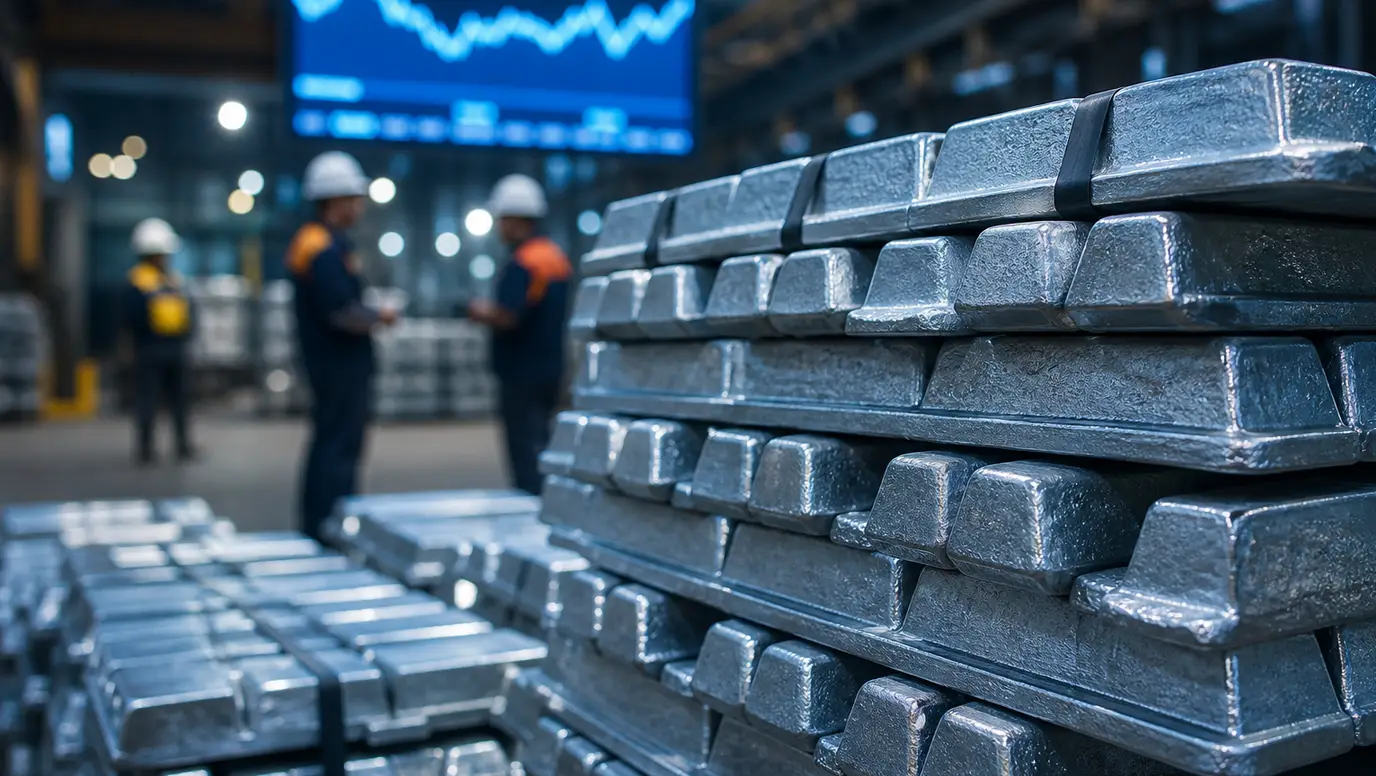
Zinc Metals Market Leads Base-Metal Rebound as Dollar Risk Meets Inventory BuildZinc leads the metals market rebound as traders weigh stronger base-metal demand signals against rising inventories and dollar risk.

© 1box.site 2026
JULY 14, 2026
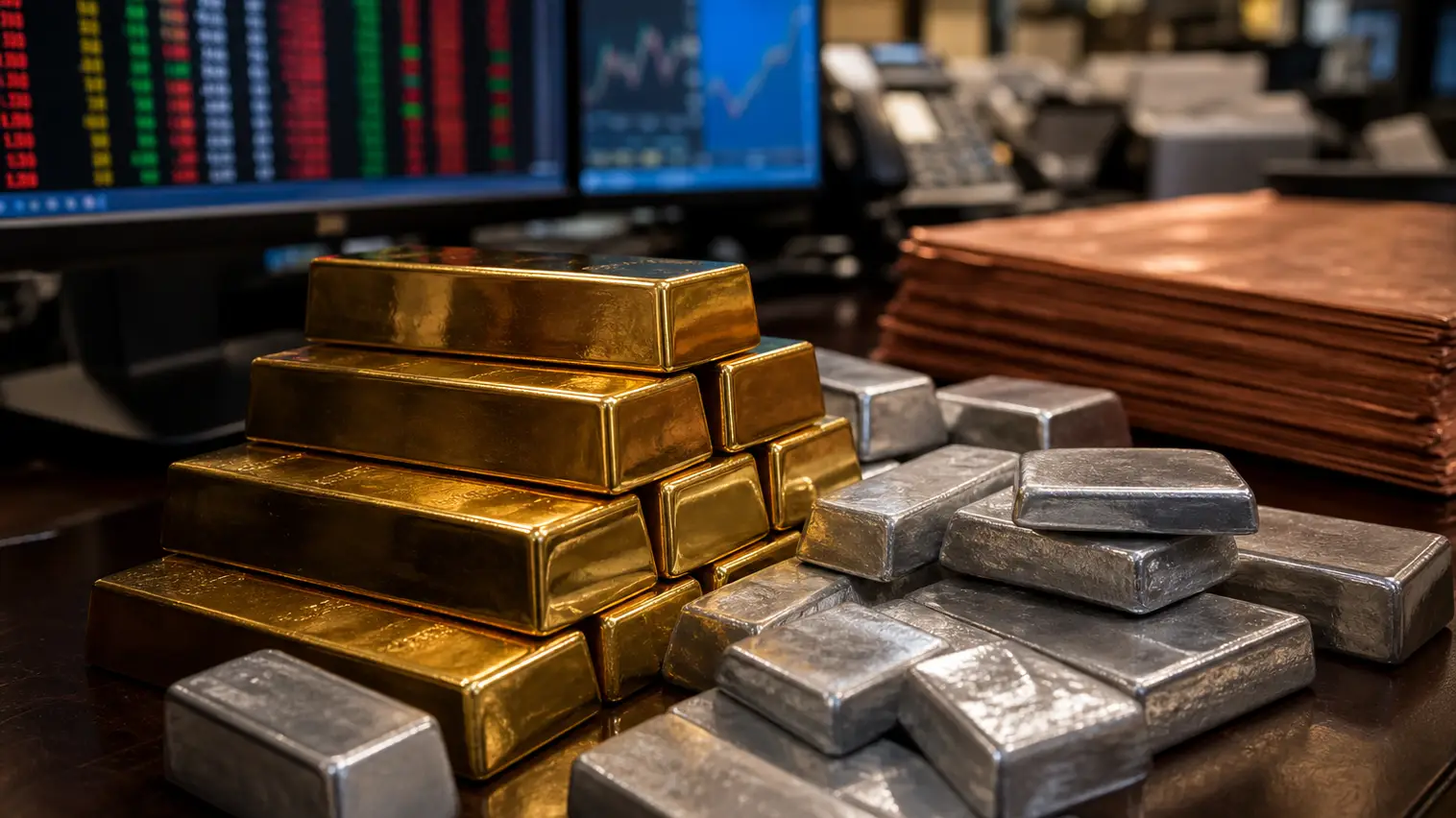
Gold and silver pushed higher on Tuesday after a softer-than-expected U.S. inflation print shifted the metals market back toward the real-yield trade and away from the hawkish-rate shock that had pressured bullion earlier in the week.
The June consumer price reading showed headline inflation falling on the month and slowing on an annual basis, while the core measure was unchanged from May and eased over the year. For precious metals, the immediate message was that the latest inflation shock was less aggressive than feared, reducing the urgency of another tightening move and weighing on the U.S. dollar and front-end Treasury yields.
Spot gold moved back toward the $4,100 area after briefly testing lower levels near the start of the session. Silver outperformed on a percentage basis as traders rebuilt exposure to high-beta precious metals, with the market again treating falling real yields as the dominant driver for non-yielding assets.
The rebound marks a sharp change from Monday, when gold and silver sold off as higher oil prices revived concern that energy costs could keep inflation sticky and force the Federal Reserve to maintain a restrictive stance for longer. Tuesday's inflation data did not remove that risk, but it gave bullion traders a reason to challenge the view that the next policy surprise must be hawkish.
Gold remains especially sensitive to the gap between inflation expectations and nominal yields. When yields fall faster than inflation expectations, real yields decline and the opportunity cost of holding bullion falls. That relationship explains why the metal reacted more forcefully to the CPI release than to the latest geopolitical risk headlines.
For now, the $4,000 region remains the key psychological support zone for gold, while the $4,100 to $4,150 area is becoming the first test of whether the rebound can turn into a broader recovery. A sustained move above that band would suggest investors are rebuilding defensive and macro hedging positions rather than simply covering short-term trades.
Silver's stronger bounce highlights the two-sided nature of the current metals market. The metal benefits from the same lower-yield backdrop that supports gold, but it also carries a larger industrial demand component tied to electronics, solar supply chains and broader manufacturing activity. That makes silver more volatile when macro positioning turns quickly.
The latest move does not erase the pressure created by recent dollar strength and elevated policy uncertainty. However, it does show that traders are prepared to rotate back into precious metals when inflation data reduces the probability of a more aggressive rate path. That is particularly important after several sessions in which silver had struggled to hold gains despite safe-haven demand.
Platinum and palladium traded more cautiously, reflecting a narrower mix of auto-sector demand signals, supply risks and investor positioning. The broader message from the precious metals complex is that rate expectations are again setting the tone, with geopolitical stress acting more as a volatility amplifier than a clear directional driver.
Copper and aluminum also found support from the softer dollar, though gains in base metals were more measured than in bullion. A weaker U.S. currency typically helps dollar-priced commodities by making them cheaper for buyers using other currencies, but industrial metals still need confirmation from demand indicators, inventory trends and Chinese construction and manufacturing activity.
Copper remains the most important signal for the base-metals side of the market. The metal has been supported by expectations for electrification demand and constrained mine supply, but traders remain cautious about paying up aggressively when global growth signals are uneven. That leaves copper exposed to any disappointment in factory data or a renewed dollar rebound.
The next tests for the metals market will come from producer-price data, Federal Reserve commentary and incoming activity indicators. If those releases reinforce the softer CPI message, gold and silver could extend their recovery. If policymakers push back against easier financial conditions, the rally may narrow quickly, leaving the market once again split between safe-haven demand and yield pressure.
OCTOBER 24, 2026
Zinc Metals Market Leads Base-Metal Rebound as Dollar Risk Meets Inventory Build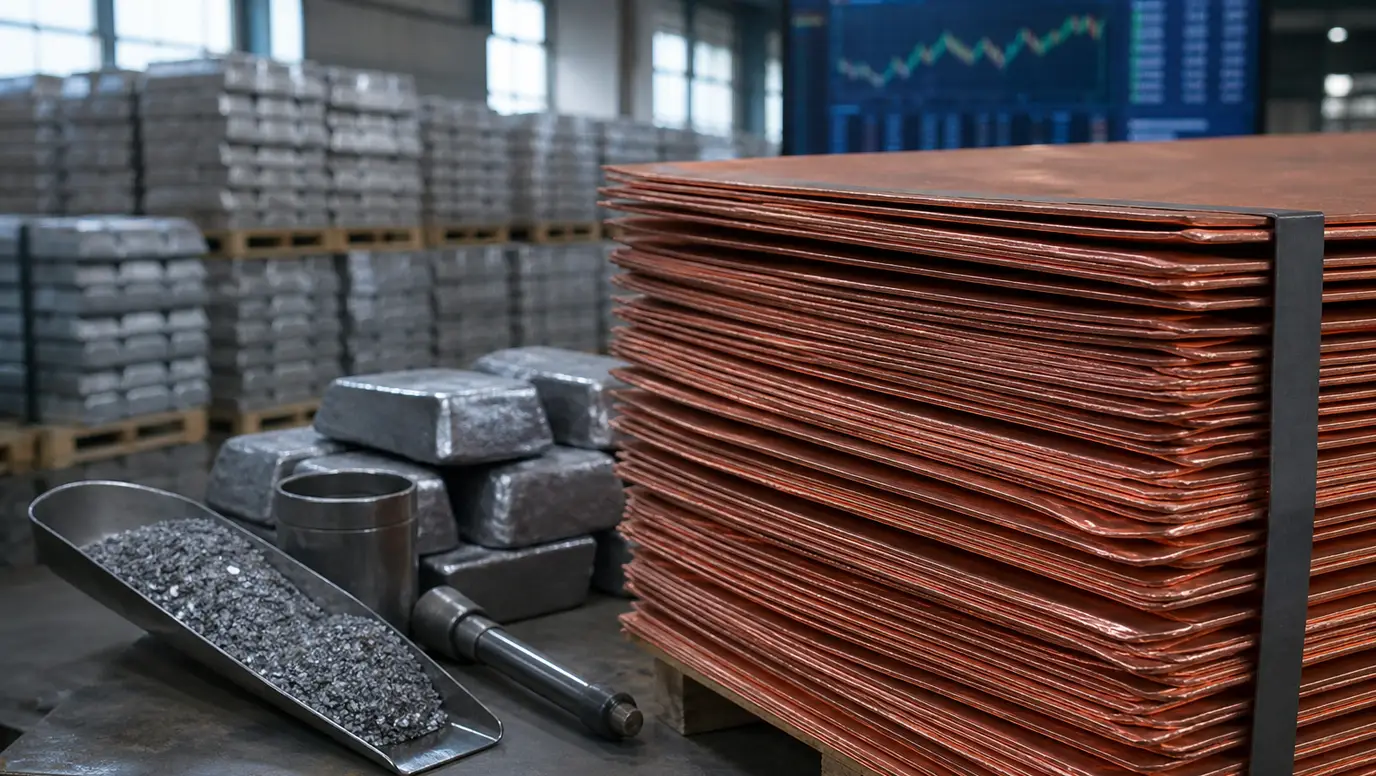
OCTOBER 23, 2026
Copper Metals Market Rebounds as Nickel Slips on Indonesia Cut Watch
OCTOBER 22, 2026
Gold Metals Market Rebounds as Softer Treasury Yields Put PCE Inflation Test in Focus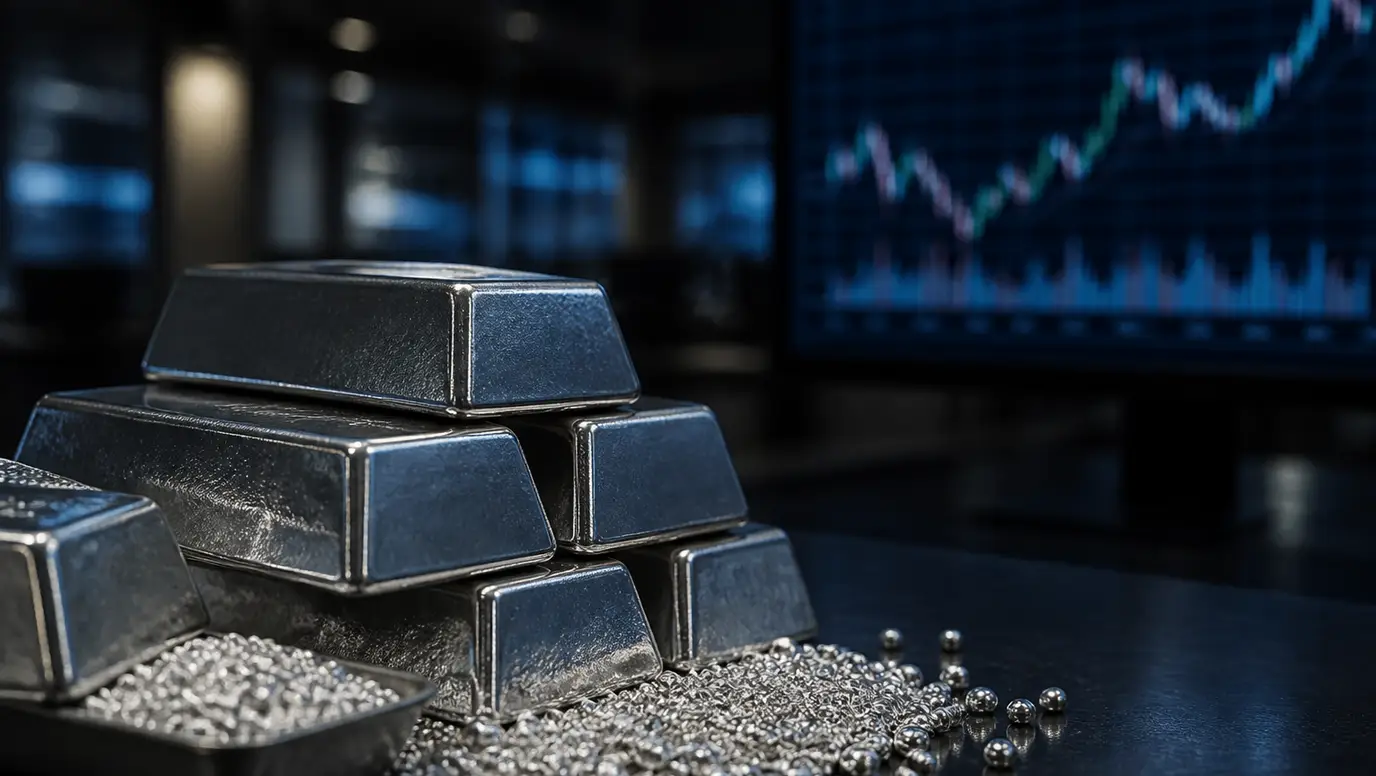
OCTOBER 21, 2026
Silver Metals Market Slips as US Dollar and Treasury Yields Revive Federal Reserve Risk
OCTOBER 20, 2026
Tin Metals Market Holds Above $50,000 as Inventory Draws Offset Dollar Risk
OCTOBER 18, 2026
Copper Metals Market Holds Near Record as Tight Stocks Offset Federal Reserve Shock
OCTOBER 16, 2026
Gold Metals Market Rebounds as US Dollar and Treasury Yields Ease Before Federal Reserve Decision
OCTOBER 15, 2026
Silver Metals Market Tests 2026 Low as Federal Reserve Rate Bets Lift US Dollar
OCTOBER 13, 2026
Zinc Metals Market Falls as LME Stock Jump and US Dollar Pressure Base Metals
OCTOBER 12, 2026
Copper Metals Market Rises as China Premium and Tight LME Stocks Challenge US Dollar
OCTOBER 11, 2026
Gold Metals Market Braces for Federal Reserve Test as US Dollar and Treasury Yields Bite
OCTOBER 10, 2026
Palladium Metals Market Slips as Auto Demand and US Dollar Pressure Deepen Surplus Worries
OCTOBER 9, 2026
Silver Rebound Tests Metals Market as Treasury Yields Cap XAG Demand
OCTOBER 8, 2026
Zinc Metals Tightness Faces US Dollar and Treasury Yield Test
OCTOBER 7, 2026
Aluminum Rebound Tests Metals Market as Dollar Strength and China Lull Cap Buyers
OCTOBER 6, 2026
Copper Futures Rally Puts Metals Market Focus on Smelter Squeeze
OCTOBER 4, 2026
Gold Metals Rebound Stalls as Treasury Yields Blunt Fed Pause Bets
OCTOBER 2, 2026
Silver Holds Above $61 as Dollar and Treasury Yields Keep Metals Market on Payrolls Watch
SEPTEMBER 30, 2026
Copper Futures Steady as Metals Market Weighs Dollar, Oil and Federal Reserve Risk
SEPTEMBER 27, 2026
Gold Futures Slip as Sticky Inflation and Fed Rate Bets Cap Metals Market Rebound
SEPTEMBER 26, 2026
Silver Futures Rebound as Treasury Yield Pause Tests Metals Market Bears
SEPTEMBER 25, 2026
Copper Futures Climb as China Tightness Puts Metals Market on Supply Watch
SEPTEMBER 22, 2026
Gold Holds Near $4,350 as Federal Reserve Rate Bets Cap Metals Market Rebound
SEPTEMBER 21, 2026
Silver Futures Hold Above $66 as Federal Reserve Hike Tests Metals Market Rally
SEPTEMBER 19, 2026
Copper Futures Rally Puts Metals Market on Federal Reserve and PMI Watch
SEPTEMBER 15, 2026
Gold Holds Near $4,300 as Federal Reserve Hike Bets Pressure Metals Market
SEPTEMBER 14, 2026
Silver Rebound Puts Metals Market on Federal Reserve Real-Yield Watch
SEPTEMBER 13, 2026
Copper Futures Pullback Puts Metals Market on Tariff Doubt Watch
SEPTEMBER 10, 2026
Gold Edges Higher as Soft Dollar Puts Metals Market on Federal Reserve Watch
SEPTEMBER 8, 2026
Copper Hits Record High as Tariff Risk Tightens Metals Market Supply