
OCTOBER 9, 2026
Silver Rebound Tests Metals Market as Treasury Yields Cap XAG DemandSilver rebounds above $60, but high Treasury yields and weak industrial signals keep the metals market cautious.

© 1box.site 2026
JULY 20, 2026
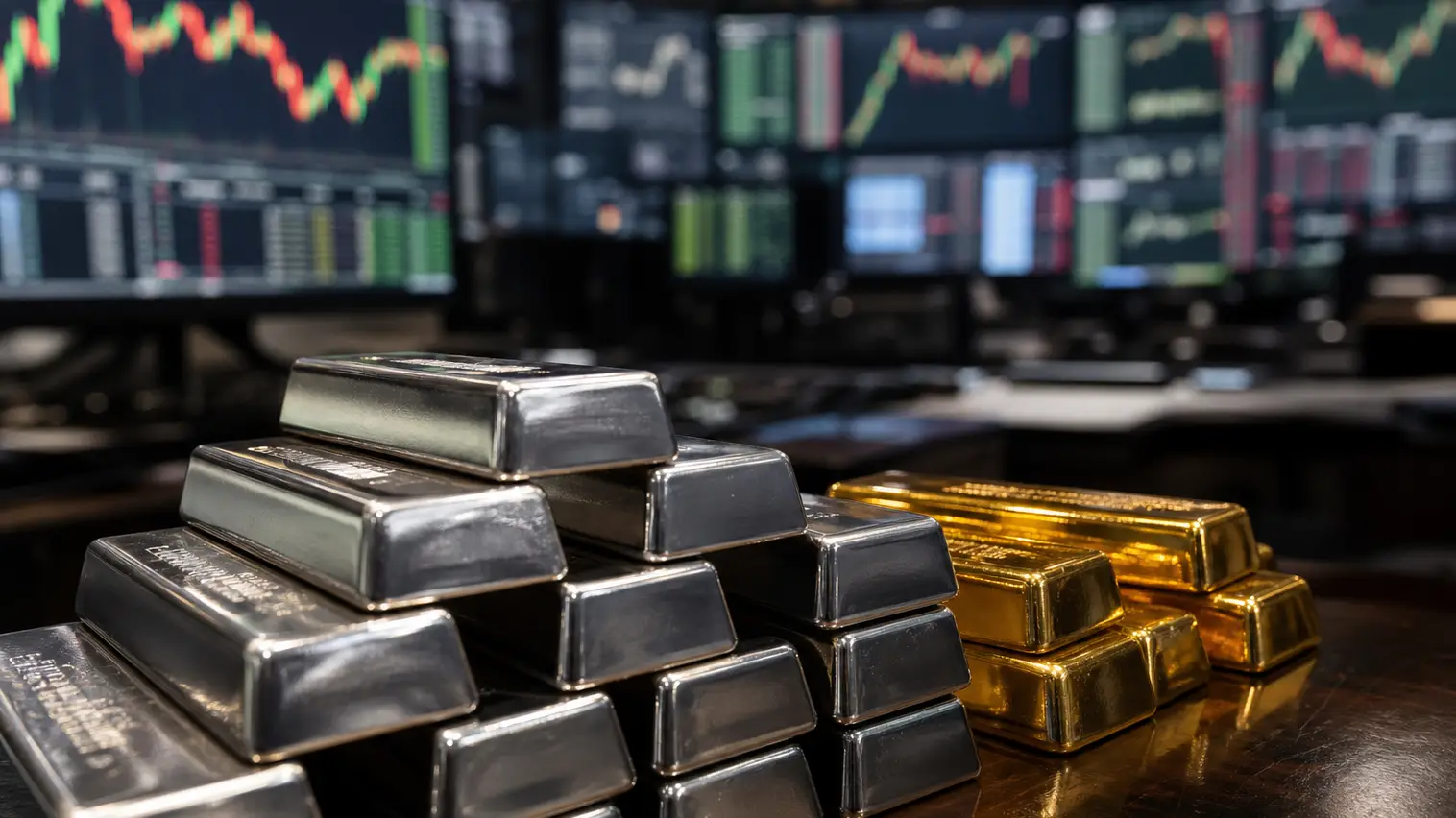
Silver moved to the front of the metals market on Monday, July 20, as traders balanced renewed geopolitical anxiety, higher energy prices and a still-cautious Federal Reserve outlook. The white metal advanced toward the high-$56 area, while gold struggled to build momentum around the $4,000 level after recent volatility left investors reluctant to chase a fresh breakout.
The split matters for metals traders because it shows a market no longer trading only on a simple haven narrative. Gold remains supported by geopolitical risk and portfolio demand, but its upside is being limited by the possibility that higher oil prices could keep inflation pressure alive and delay any softer turn in US monetary policy. Silver, meanwhile, is drawing a mix of haven interest and relative-value buying after a sharp pullback from earlier highs.
Gold’s hesitation reflects the familiar pressure of real yields, the US Dollar and interest-rate expectations. When investors believe the Federal Reserve may need to keep policy restrictive, non-yielding assets such as gold can struggle even when geopolitical stress is elevated. That tension left bullion broadly steady rather than decisively stronger, despite the demand normally associated with safe-haven flows.
Silver’s performance was firmer, helped by short-covering and renewed interest in precious metals with both monetary and industrial characteristics. The move toward $57 an ounce keeps the metal in focus after recent sessions showed that buyers were willing to defend dips, but the market still needs sustained follow-through to repair the technical damage from its earlier slide.
The latest rally in crude oil added a complicated layer for metals. Higher energy costs can increase inflation-hedge demand for precious metals, but they can also lift bond yields if traders conclude that inflation will remain sticky. That creates a mixed backdrop: gold benefits from uncertainty, yet loses some appeal when the opportunity cost of holding it rises.
For silver, the oil-driven inflation story is only part of the equation. Industrial demand expectations remain important because the metal is widely used in electronics, solar equipment and other manufacturing channels. If global risk appetite weakens sharply, that industrial link could become a drag; if growth expectations remain resilient, it may help silver outperform gold in the near term.
The next test for the metals market is whether US data and Federal Reserve commentary reinforce the view that rate hikes remain possible later in 2026. A firmer US Dollar or another rise in Treasury yields would likely cap rallies in gold and silver, while softer data could give precious metals room to recover lost ground.
For now, the metals market is trading a narrow but important balance: geopolitical risk is keeping buyers engaged, oil prices are reviving inflation concerns, and Fed policy uncertainty is preventing a clean bullish breakout. That leaves silver with the stronger short-term momentum, while gold remains a barometer for whether investors are more worried about financial stress or higher-for-longer rates.
OCTOBER 9, 2026
Silver Rebound Tests Metals Market as Treasury Yields Cap XAG Demand
OCTOBER 2, 2026
Silver Holds Above $61 as Dollar and Treasury Yields Keep Metals Market on Payrolls Watch
SEPTEMBER 26, 2026
Silver Futures Rebound as Treasury Yield Pause Tests Metals Market Bears
SEPTEMBER 21, 2026
Silver Futures Hold Above $66 as Federal Reserve Hike Tests Metals Market Rally
SEPTEMBER 14, 2026
Silver Rebound Puts Metals Market on Federal Reserve Real-Yield Watch
AUGUST 30, 2026
Silver Breakout Failure Puts Metals Market on Federal Reserve Yield Watch
AUGUST 25, 2026
Silver Pullback Puts Metals Market on $70 Resistance Watch as Inflation Data Looms
AUGUST 18, 2026
Silver Pullback Keeps Metals Market Focus on Federal Reserve Minutes
AUGUST 9, 2026
Silver Rebound Puts Metals Market on Deficit Watch as Federal Reserve Risk Eases
AUGUST 1, 2026
Silver Slide Puts Metals Market on Fed Watch as US Dollar Reasserts Pressure
JULY 26, 2026
Gold and Silver Hold Firm as Metals Traders Brace for Federal Reserve Signal
JULY 19, 2026
Gold and Silver Enter Federal Reserve Week Under Pressure as US Dollar and Yields Bite
JULY 18, 2026
Copper Pullback Keeps Metals Market Defensive as Gold and Silver Watch Yields
JULY 16, 2026
Gold Holds Above $4,000 as Silver Slide Puts Metals Market on Federal Reserve Watch
JULY 14, 2026
Gold and Silver Jump as Cool CPI Pulls Metals Market Back Toward Real-Yield Trade
JULY 13, 2026
Silver Slides as Yield Shock Overpowers Haven Demand in Metals Market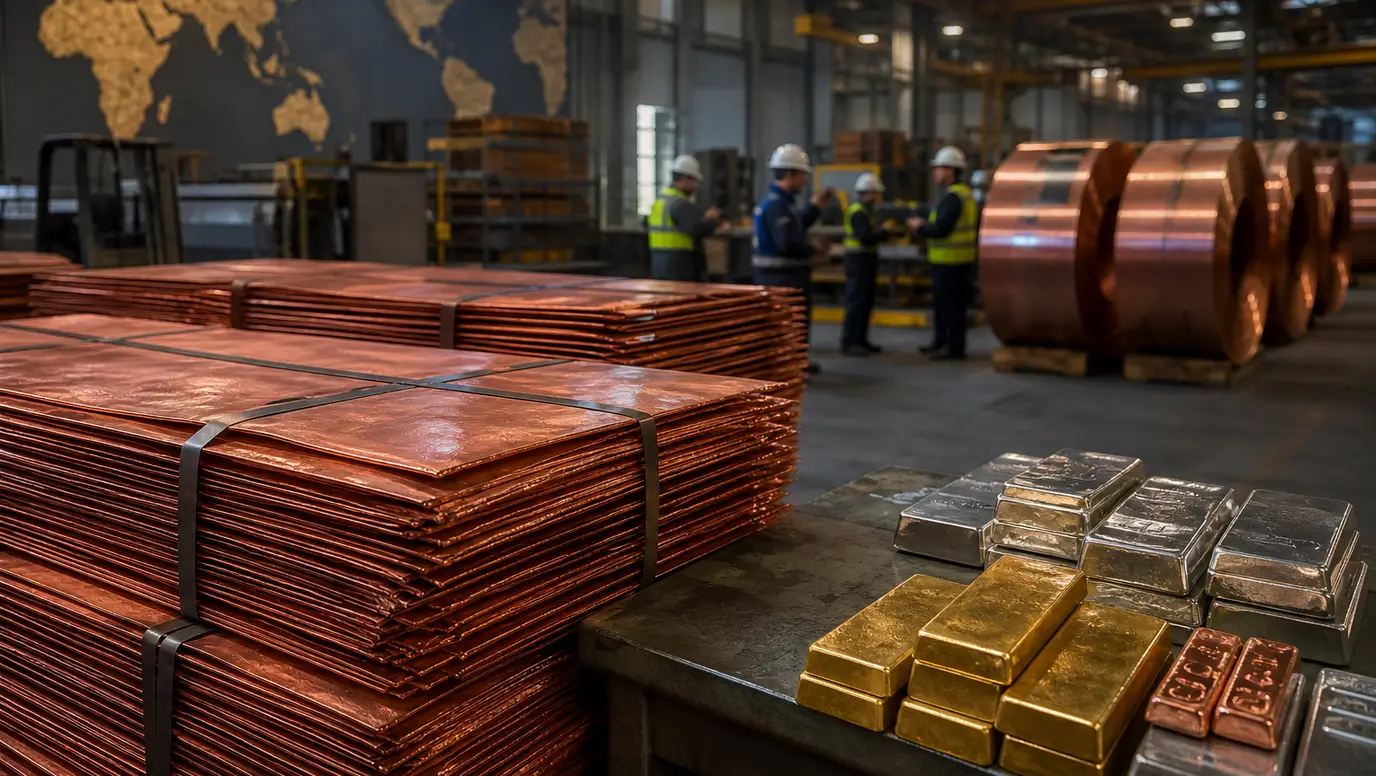
JULY 11, 2026
Copper Premium Takes Center Stage as Metals Market Weighs Tariff Risk and Fed Headwinds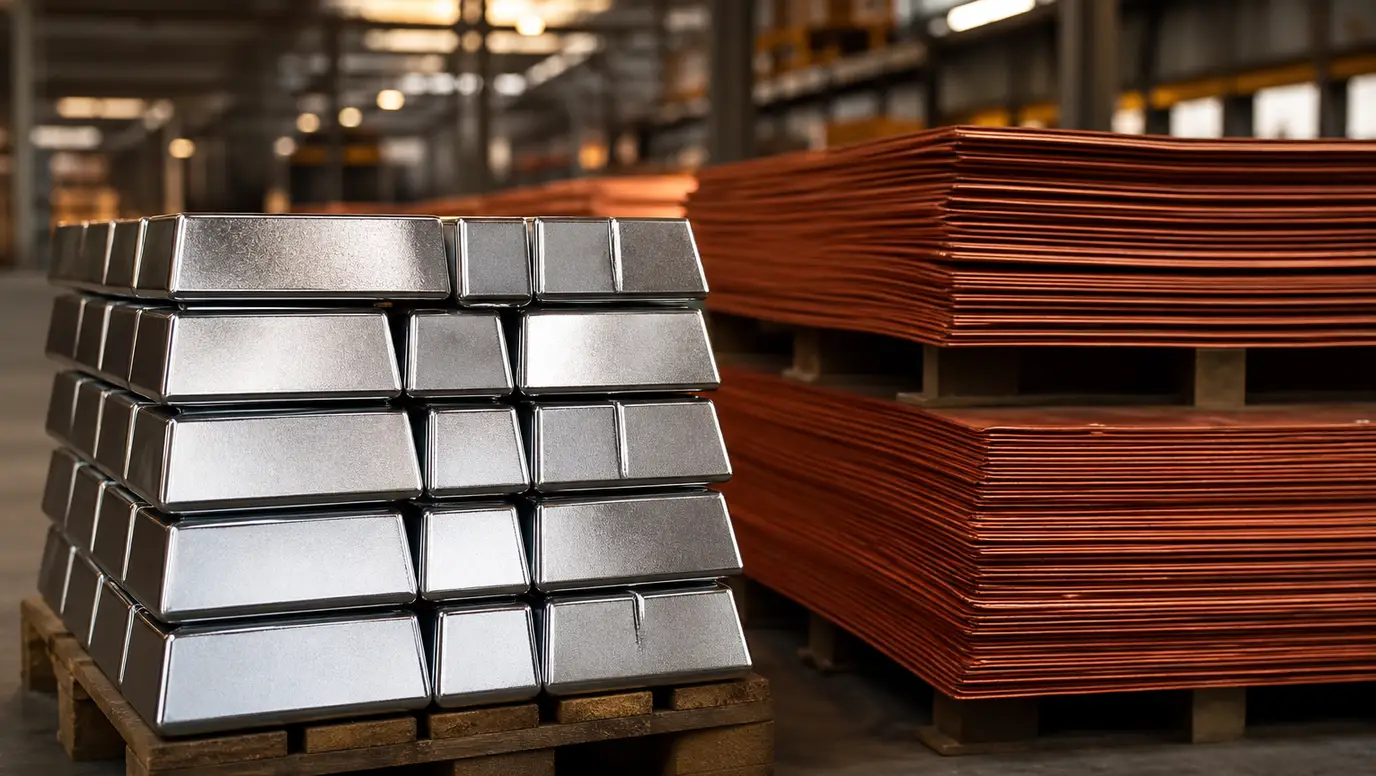
JULY 10, 2026
Silver and Copper Rebound as Softer US Dollar Revives Metals Market Bid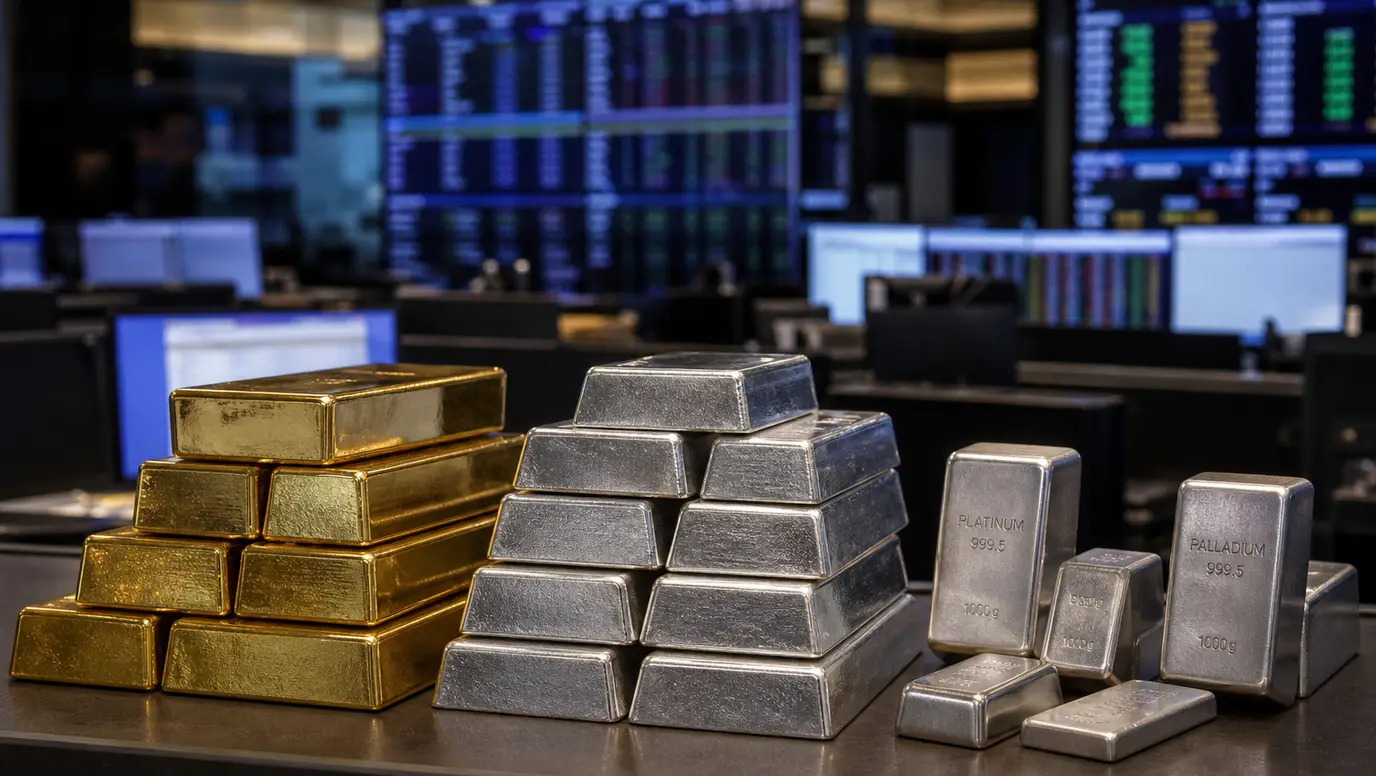
JULY 7, 2026
Platinum and Palladium Buck Gold Slide as Asia Bullion Moves Reshape Metals Market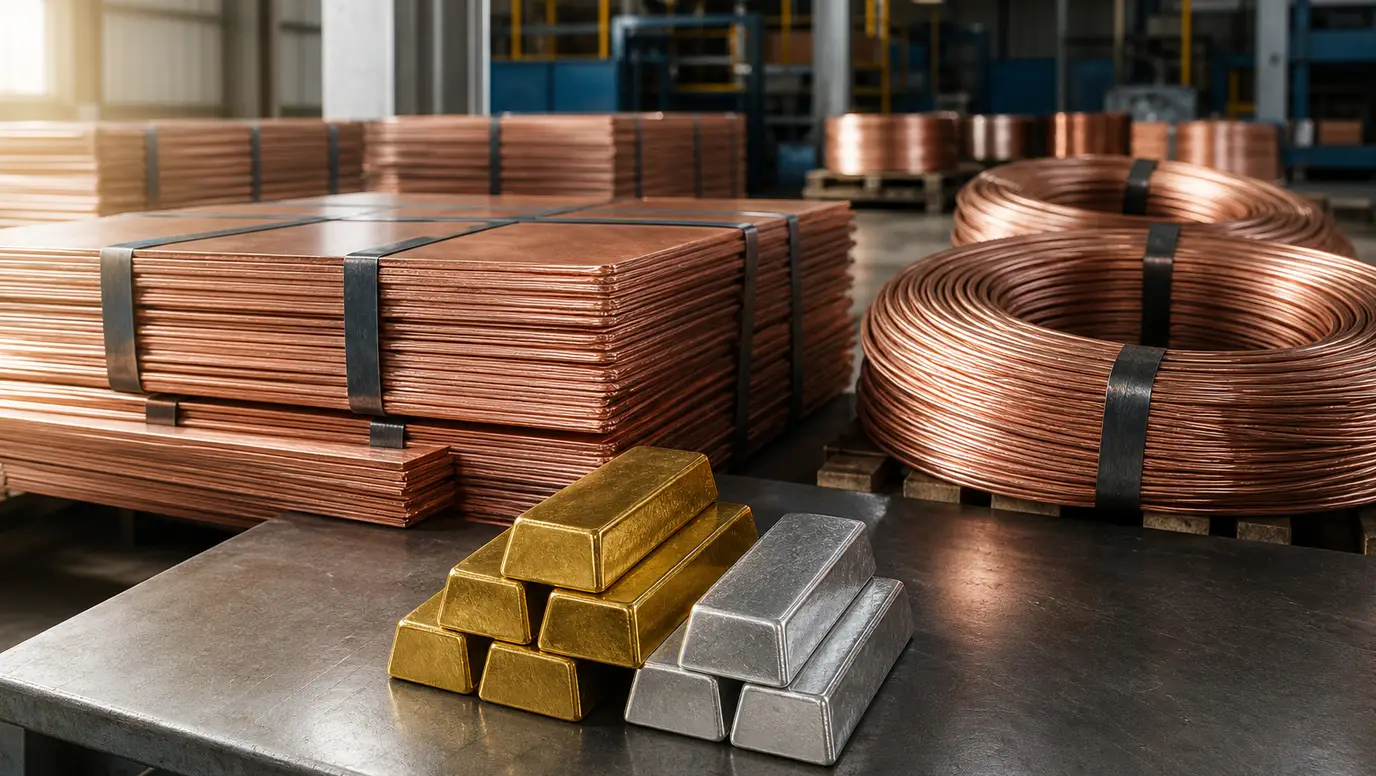
JULY 5, 2026
Copper Tariff Delay Keeps Metals Market on Edge as Gold Holds Jobs-Report Rebound
JULY 4, 2026
Silver and Zinc Lead Broad Metals Rally as Dollar Weakness Extends Holiday Bounce
JULY 2, 2026
Gold and Silver Regain Momentum as Softer Jobs Signals Pull Yields Lower
JUNE 30, 2026
Gold Nears Worst Quarter Since 2013 as Fed Bets Reprice Metals Market
JUNE 29, 2026
Silver Breaks Below $60 as Dollar Pressure Spills Into Copper