
OCTOBER 9, 2026
Silver Rebound Tests Metals Market as Treasury Yields Cap XAG DemandSilver rebounds above $60, but high Treasury yields and weak industrial signals keep the metals market cautious.

© 1box.site 2026

AUGUST 30, 2026
Silver’s late-week reversal has become the clearest short-term stress signal in the metals market, after a move above the $70 area failed to hold and traders shifted back toward a more defensive stance on precious metals. The retreat came as expectations for tighter U.S. monetary policy strengthened, lifting Treasury yields and supporting the dollar.
The move matters because silver had been carrying both sides of the metals story: safe-haven demand linked to geopolitical uncertainty and industrial demand tied to electrification, solar power and manufacturing. When a breakout fails at a widely watched level, momentum traders often reduce exposure quickly, especially when real-yield pressure rises at the same time.
The latest pullback suggests that metals traders are again treating Federal Reserve policy as the dominant driver for near-term positioning. Higher yields tend to reduce the appeal of non-yielding assets, while a firmer dollar can make dollar-priced metals more expensive for buyers using other currencies.
Gold also softened during the same risk reset, but silver’s sharper intraday swings put it at the center of the metals market debate. The metal’s dual role as both a precious and industrial asset can amplify volatility when macro traders and commodity desks move in the same direction.
For now, the failed breakout leaves the market watching whether silver can rebuild support above recent consolidation levels or whether the reversal becomes the start of a broader long liquidation phase. A sustained recovery would likely require calmer bond markets, a weaker dollar or fresh evidence that industrial demand remains strong enough to absorb macro pressure.
The wider metals complex is not sending a single bearish message. Copper and zinc have continued to show signs of tight nearby conditions, while aluminum has found support on dips and nickel has remained comparatively weaker. That split keeps the focus on individual supply-demand balances rather than a uniform commodity selloff.
Copper remains especially important for sentiment because it is often treated as a proxy for industrial activity, power-grid investment and manufacturing demand. If copper holds firm while silver struggles, investors may read the move as a yield-driven precious-metals correction rather than a broad collapse in metals demand.
Still, the near-term setup remains fragile. A stronger dollar, rising short-end yields and renewed speculation about additional policy tightening would keep pressure on speculative metals positions. Conversely, any easing in rate-hike expectations could quickly revive interest in silver because the market has already shown that buyers are willing to test higher levels when financial conditions loosen.
The next phase for silver will depend on whether dip buyers return or whether the market continues to punish crowded bullish trades. A quick stabilization would suggest the underlying demand story remains intact, while repeated failures near the former breakout zone would point to a heavier technical ceiling.
For metals investors, the key message is caution rather than capitulation. Silver still has long-term support from industrial consumption and portfolio diversification demand, but the latest reversal shows that Federal Reserve expectations and yield volatility can overpower those themes in the short run.
OCTOBER 9, 2026
Silver Rebound Tests Metals Market as Treasury Yields Cap XAG Demand
OCTOBER 2, 2026
Silver Holds Above $61 as Dollar and Treasury Yields Keep Metals Market on Payrolls Watch
SEPTEMBER 26, 2026
Silver Futures Rebound as Treasury Yield Pause Tests Metals Market Bears
SEPTEMBER 21, 2026
Silver Futures Hold Above $66 as Federal Reserve Hike Tests Metals Market Rally
SEPTEMBER 14, 2026
Silver Rebound Puts Metals Market on Federal Reserve Real-Yield Watch
AUGUST 25, 2026
Silver Pullback Puts Metals Market on $70 Resistance Watch as Inflation Data Looms
AUGUST 18, 2026
Silver Pullback Keeps Metals Market Focus on Federal Reserve Minutes
AUGUST 9, 2026
Silver Rebound Puts Metals Market on Deficit Watch as Federal Reserve Risk Eases
AUGUST 1, 2026
Silver Slide Puts Metals Market on Fed Watch as US Dollar Reasserts Pressure
JULY 26, 2026
Gold and Silver Hold Firm as Metals Traders Brace for Federal Reserve Signal
JULY 20, 2026
Silver Leads Metals as Gold Stalls Near $4,000 on Oil-Driven Inflation Risk
JULY 19, 2026
Gold and Silver Enter Federal Reserve Week Under Pressure as US Dollar and Yields Bite
JULY 18, 2026
Copper Pullback Keeps Metals Market Defensive as Gold and Silver Watch Yields
JULY 16, 2026
Gold Holds Above $4,000 as Silver Slide Puts Metals Market on Federal Reserve Watch
JULY 14, 2026
Gold and Silver Jump as Cool CPI Pulls Metals Market Back Toward Real-Yield Trade
JULY 13, 2026
Silver Slides as Yield Shock Overpowers Haven Demand in Metals Market
JULY 11, 2026
Copper Premium Takes Center Stage as Metals Market Weighs Tariff Risk and Fed Headwinds
JULY 10, 2026
Silver and Copper Rebound as Softer US Dollar Revives Metals Market Bid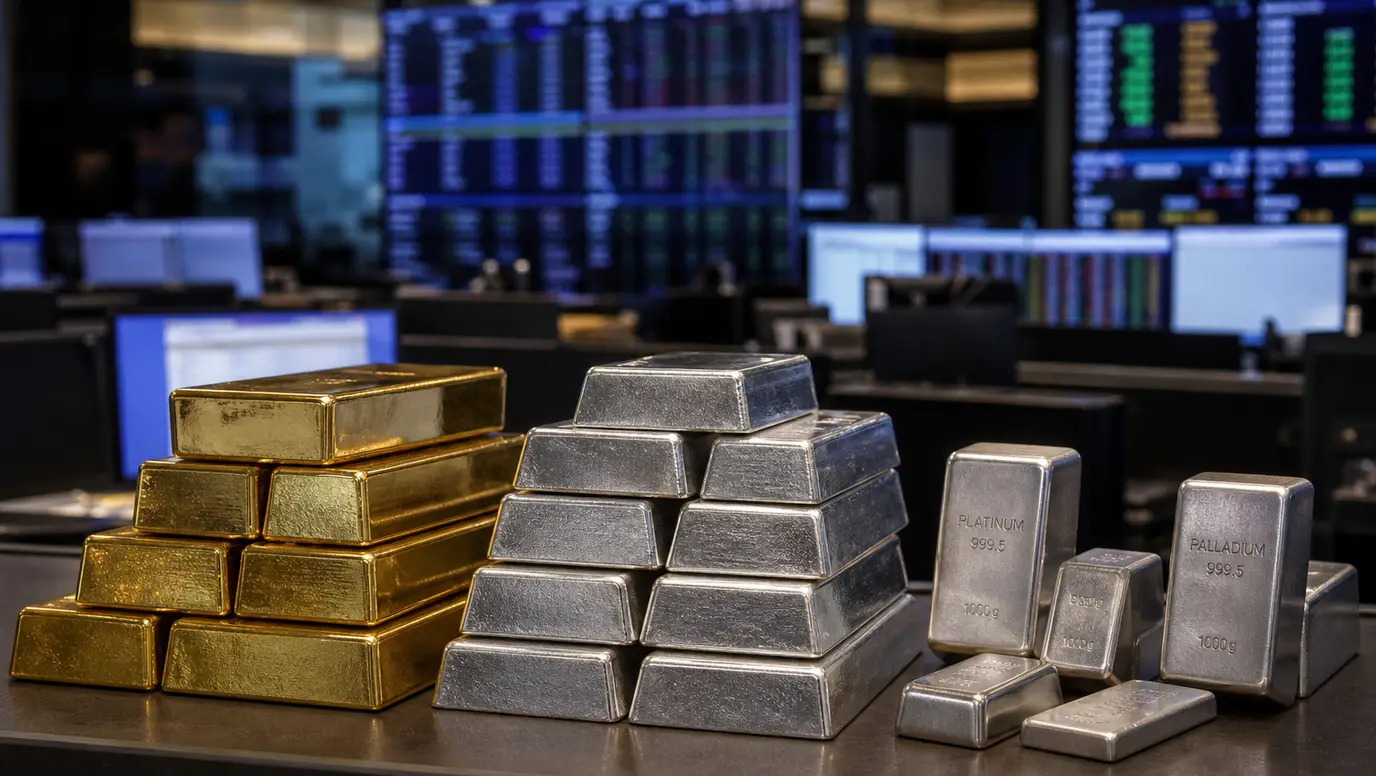
JULY 7, 2026
Platinum and Palladium Buck Gold Slide as Asia Bullion Moves Reshape Metals Market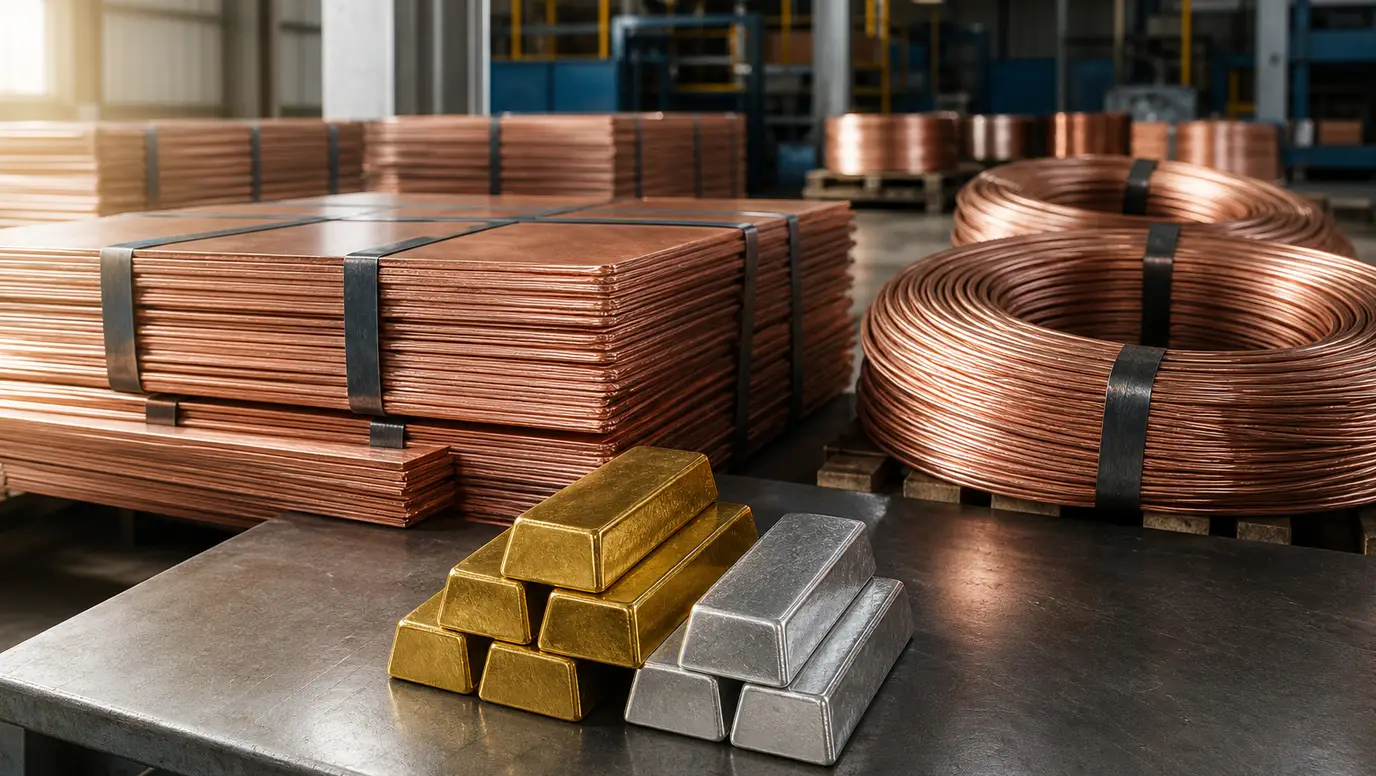
JULY 5, 2026
Copper Tariff Delay Keeps Metals Market on Edge as Gold Holds Jobs-Report Rebound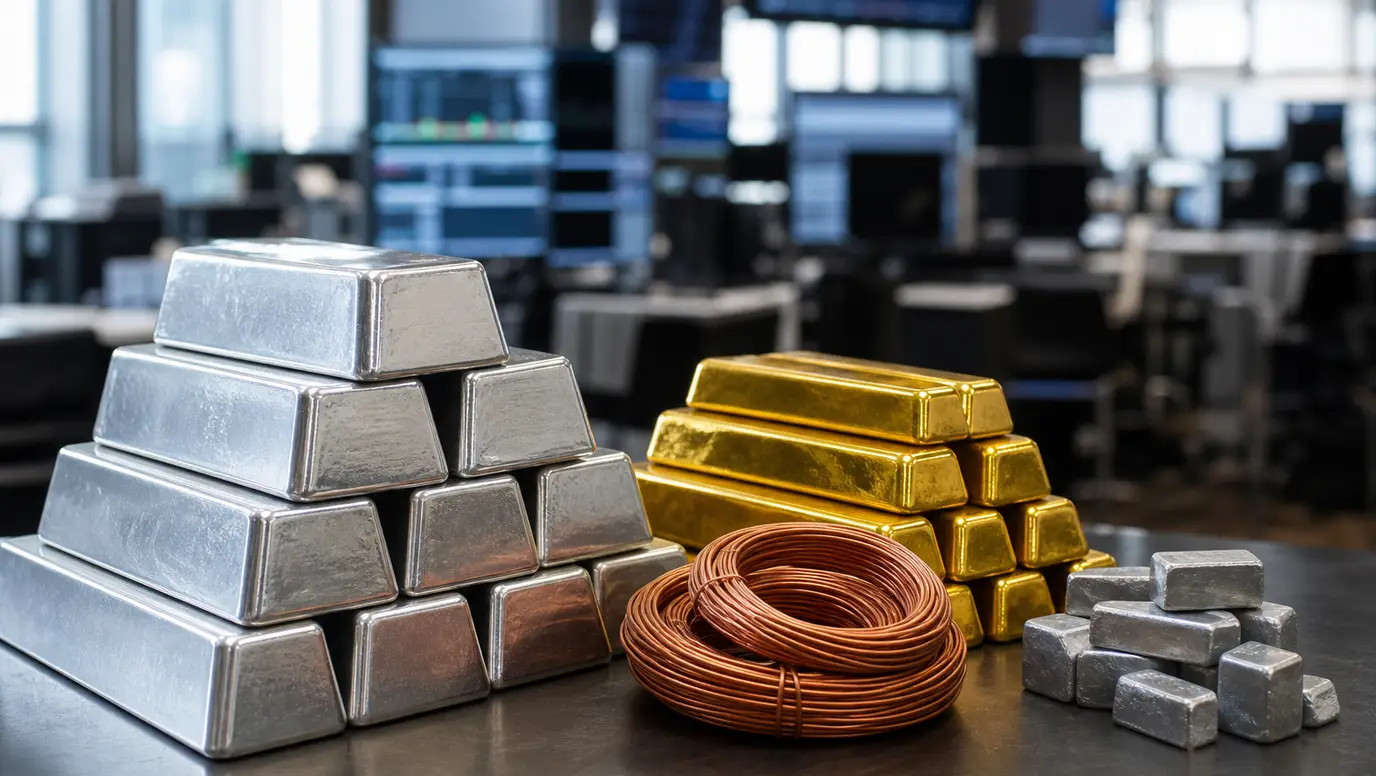
JULY 4, 2026
Silver and Zinc Lead Broad Metals Rally as Dollar Weakness Extends Holiday Bounce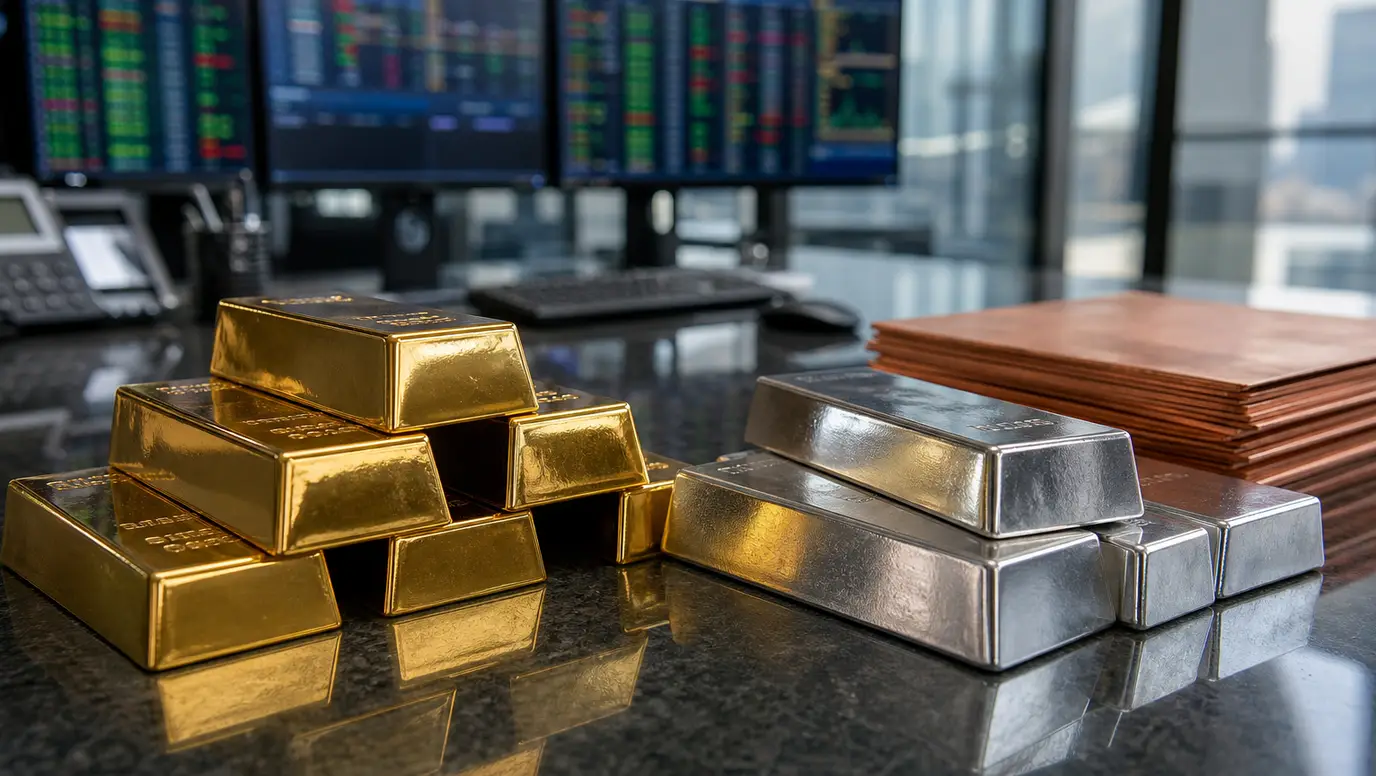
JULY 2, 2026
Gold and Silver Regain Momentum as Softer Jobs Signals Pull Yields Lower
JUNE 30, 2026
Gold Nears Worst Quarter Since 2013 as Fed Bets Reprice Metals Market
JUNE 29, 2026
Silver Breaks Below $60 as Dollar Pressure Spills Into Copper