OCTOBER 24, 2026
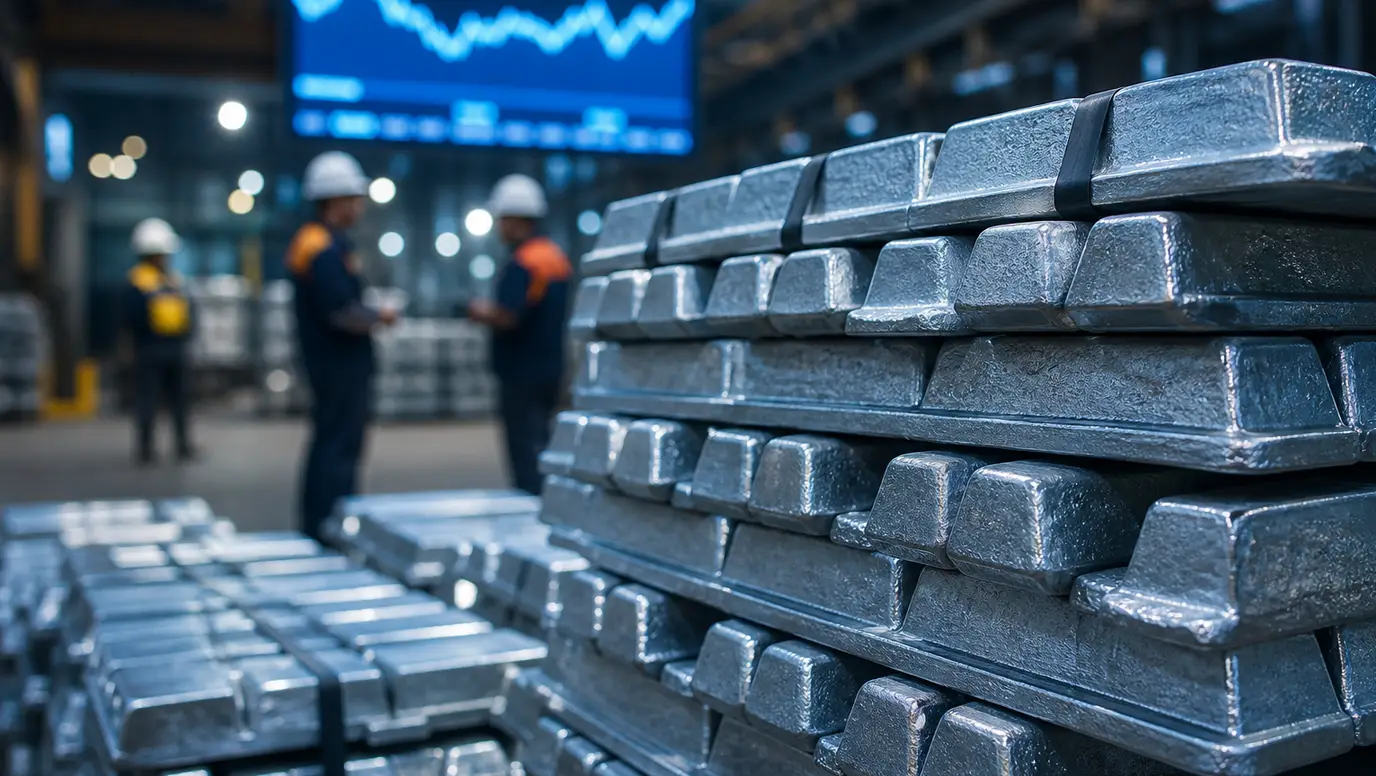
Zinc Metals Market Leads Base-Metal Rebound as Dollar Risk Meets Inventory BuildZinc leads the metals market rebound as traders weigh stronger base-metal demand signals against rising inventories and dollar risk.

© 1box.site 2026
JULY 5, 2026
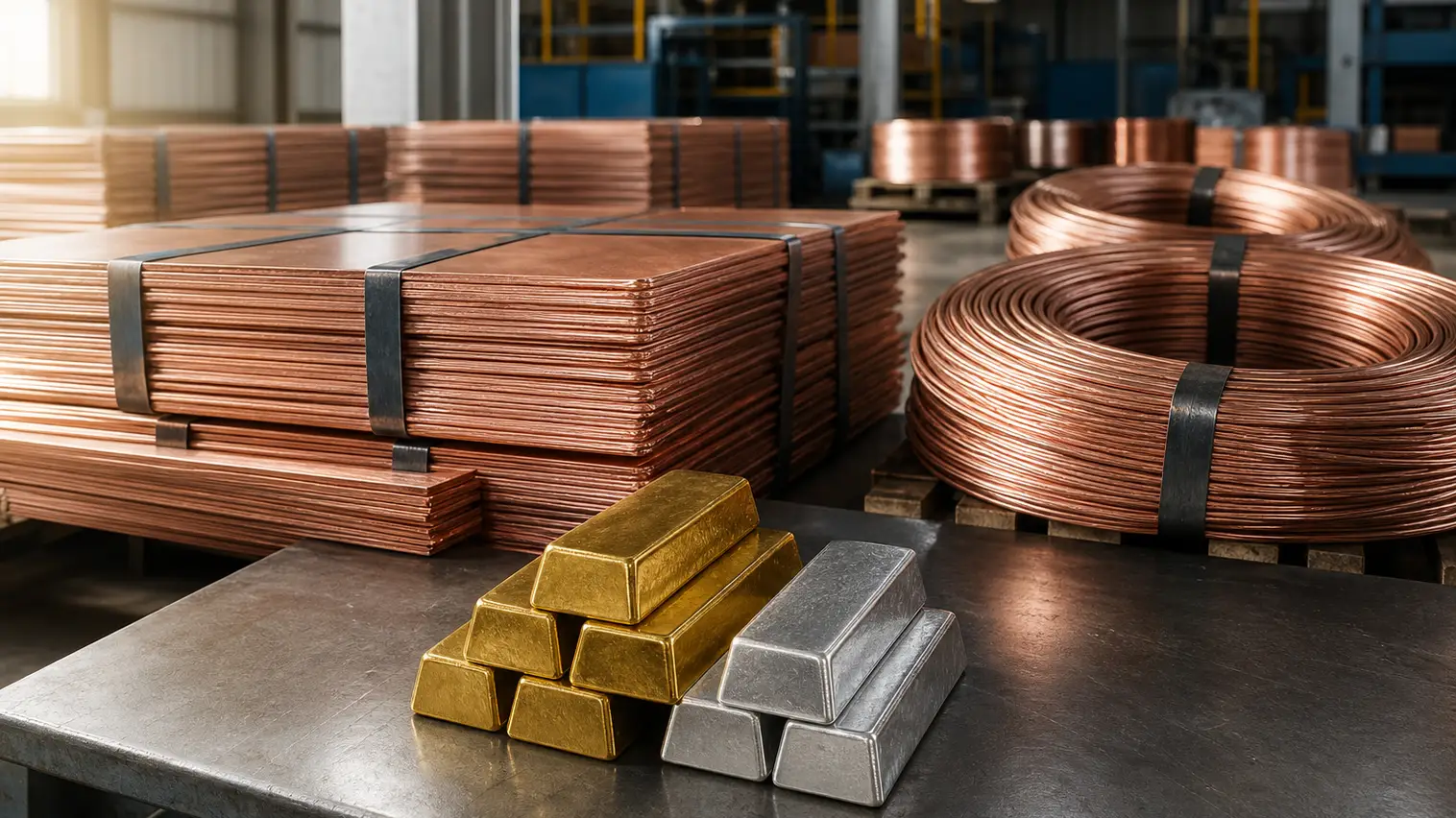
The metals market enters the new week with a split personality: precious metals are still drawing support from the softer U.S. jobs report, while copper traders are waiting for clarity on whether Washington will move ahead with additional refined copper import duties. The combination has kept volatility elevated across both precious and base metals after a holiday-thinned stretch of trading.
Gold held its rebound after weak June payroll growth reduced pressure on the Federal Reserve to resume a more aggressive tightening stance. The move lower in the dollar and Treasury yields helped restore demand for non-yielding bullion, while silver outperformed as investors paired macro relief with expectations for resilient industrial demand.
Base metals also recovered ground late last week, but the tone remains more cautious. Copper, aluminum and zinc have benefited from a softer dollar, yet traders are reluctant to chase the rally while the refined copper tariff decision remains unresolved. The end-June policy checkpoint has passed without a clear public market signal, leaving importers, manufacturers and exchange traders to price a wider range of possible outcomes.
Copper is now the most policy-sensitive corner of the metals complex. Existing U.S. trade measures already affect semi-finished copper products and copper-intensive derivatives, but a potential move toward duties on refined copper would cut closer to the raw material supply chain used by electrical equipment, construction, data centers and grid infrastructure.
That uncertainty matters because the United States relies heavily on imported refined copper and because a tariff threat can redirect physical flows before any formal change takes effect. If buyers accelerate shipments into the U.S. to get ahead of future duties, inventories can tighten elsewhere and widen regional price gaps. If policymakers delay or soften the measure, some of that premium could unwind quickly.
For now, the market is treating copper as a flow story as much as a demand story. Prices have been supported by expectations for electrification, grid spending and data-center investment, but that demand backdrop is being filtered through questions about trade barriers, warehouse availability and the cost of securing physical supply.
Precious metals have a different immediate driver. The weak June employment report cooled rate-hike speculation, giving gold and silver room to extend their recovery from the pressure seen at the end of the second quarter. Gold’s ability to hold above recent support has improved sentiment, while silver’s stronger percentage move reflects its dual role as both a monetary metal and an industrial input.
The next test comes from the Federal Reserve minutes due on July 8. Traders will look for whether policymakers were mainly concerned about inflation risks, labor-market cooling, or the balance between the two. A more hawkish tone could revive the dollar and Treasury yields, limiting gold’s rebound. A more cautious tone could keep real-yield pressure contained and help precious metals defend recent gains.
Silver remains the higher-beta trade. If the dollar stays soft and industrial metals remain firm, silver could continue to attract momentum buying. But if yields rise again or copper loses support on policy disappointment, silver may be more vulnerable than gold to a quick reversal.
The near-term setup favors selective strength rather than a uniform metals rally. Gold has regained macro support, silver has momentum, and copper has a powerful policy catalyst, but the market still lacks a clean confirmation that global manufacturing demand is accelerating. That leaves traders focused on cross-market signals from the dollar, Treasury yields, Chinese liquidity conditions and U.S. trade policy.
For investors, the key question is whether last week’s rebound marks the start of a broader metals recovery or simply a relief move after crowded short-term positioning. Gold and silver need a continued easing in real-yield pressure, while copper needs evidence that policy uncertainty will not damage physical demand. Until those signals become clearer, the metals market is likely to remain active, headline-driven and sensitive to shifts in both macro data and trade policy.
OCTOBER 24, 2026
Zinc Metals Market Leads Base-Metal Rebound as Dollar Risk Meets Inventory Build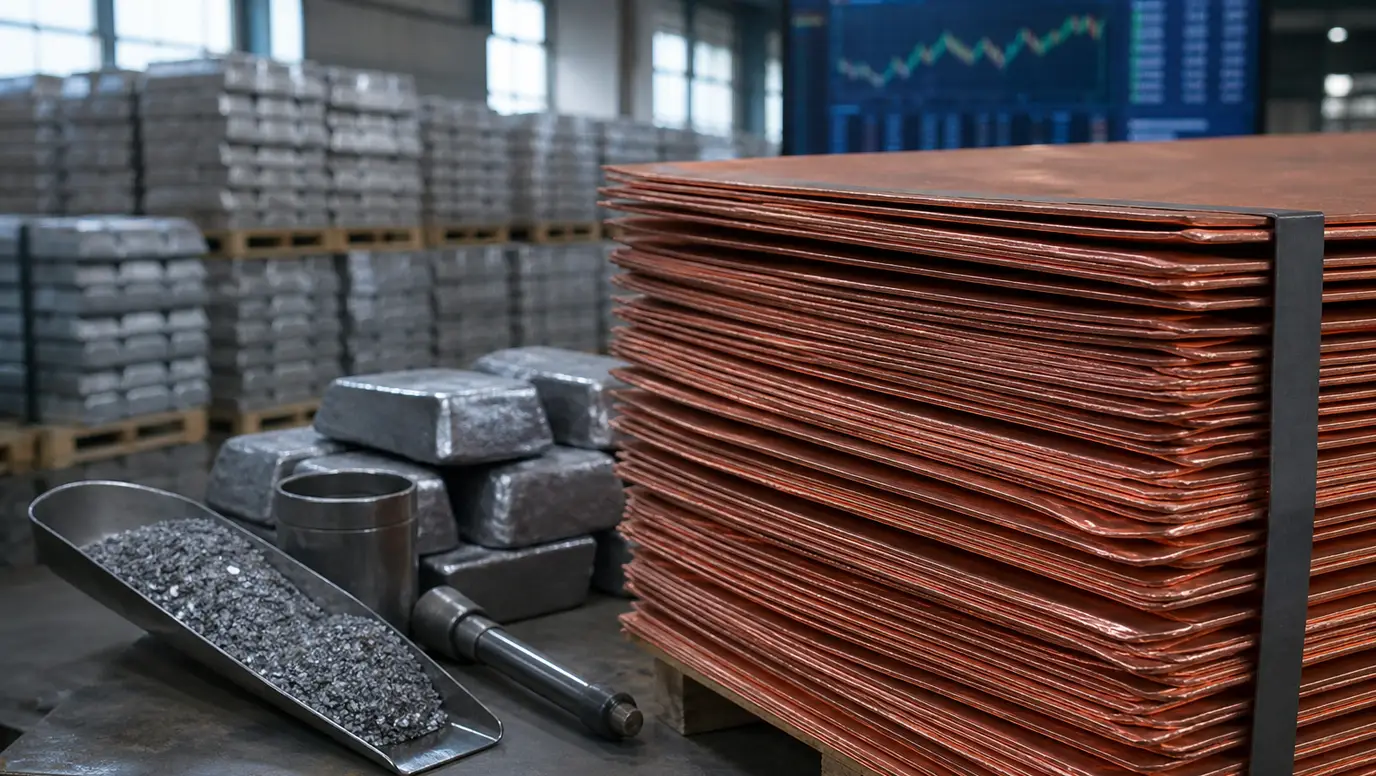
OCTOBER 23, 2026
Copper Metals Market Rebounds as Nickel Slips on Indonesia Cut Watch
OCTOBER 22, 2026
Gold Metals Market Rebounds as Softer Treasury Yields Put PCE Inflation Test in Focus
OCTOBER 21, 2026
Silver Metals Market Slips as US Dollar and Treasury Yields Revive Federal Reserve Risk
OCTOBER 20, 2026
Tin Metals Market Holds Above $50,000 as Inventory Draws Offset Dollar Risk
OCTOBER 18, 2026
Copper Metals Market Holds Near Record as Tight Stocks Offset Federal Reserve Shock
OCTOBER 16, 2026
Gold Metals Market Rebounds as US Dollar and Treasury Yields Ease Before Federal Reserve Decision
OCTOBER 15, 2026
Silver Metals Market Tests 2026 Low as Federal Reserve Rate Bets Lift US Dollar
OCTOBER 13, 2026
Zinc Metals Market Falls as LME Stock Jump and US Dollar Pressure Base Metals
OCTOBER 12, 2026
Copper Metals Market Rises as China Premium and Tight LME Stocks Challenge US Dollar
OCTOBER 11, 2026
Gold Metals Market Braces for Federal Reserve Test as US Dollar and Treasury Yields Bite
OCTOBER 10, 2026
Palladium Metals Market Slips as Auto Demand and US Dollar Pressure Deepen Surplus Worries
OCTOBER 9, 2026
Silver Rebound Tests Metals Market as Treasury Yields Cap XAG Demand
OCTOBER 8, 2026
Zinc Metals Tightness Faces US Dollar and Treasury Yield Test
OCTOBER 7, 2026
Aluminum Rebound Tests Metals Market as Dollar Strength and China Lull Cap Buyers
OCTOBER 6, 2026
Copper Futures Rally Puts Metals Market Focus on Smelter Squeeze
OCTOBER 4, 2026
Gold Metals Rebound Stalls as Treasury Yields Blunt Fed Pause Bets
OCTOBER 2, 2026
Silver Holds Above $61 as Dollar and Treasury Yields Keep Metals Market on Payrolls Watch
SEPTEMBER 30, 2026
Copper Futures Steady as Metals Market Weighs Dollar, Oil and Federal Reserve Risk
SEPTEMBER 27, 2026
Gold Futures Slip as Sticky Inflation and Fed Rate Bets Cap Metals Market Rebound
SEPTEMBER 26, 2026
Silver Futures Rebound as Treasury Yield Pause Tests Metals Market Bears
SEPTEMBER 25, 2026
Copper Futures Climb as China Tightness Puts Metals Market on Supply Watch
SEPTEMBER 22, 2026
Gold Holds Near $4,350 as Federal Reserve Rate Bets Cap Metals Market Rebound
SEPTEMBER 21, 2026
Silver Futures Hold Above $66 as Federal Reserve Hike Tests Metals Market Rally
SEPTEMBER 19, 2026
Copper Futures Rally Puts Metals Market on Federal Reserve and PMI Watch
SEPTEMBER 15, 2026
Gold Holds Near $4,300 as Federal Reserve Hike Bets Pressure Metals Market
SEPTEMBER 14, 2026
Silver Rebound Puts Metals Market on Federal Reserve Real-Yield Watch
SEPTEMBER 13, 2026
Copper Futures Pullback Puts Metals Market on Tariff Doubt Watch
SEPTEMBER 10, 2026
Gold Edges Higher as Soft Dollar Puts Metals Market on Federal Reserve Watch
SEPTEMBER 8, 2026
Copper Hits Record High as Tariff Risk Tightens Metals Market Supply