OCTOBER 14, 2026
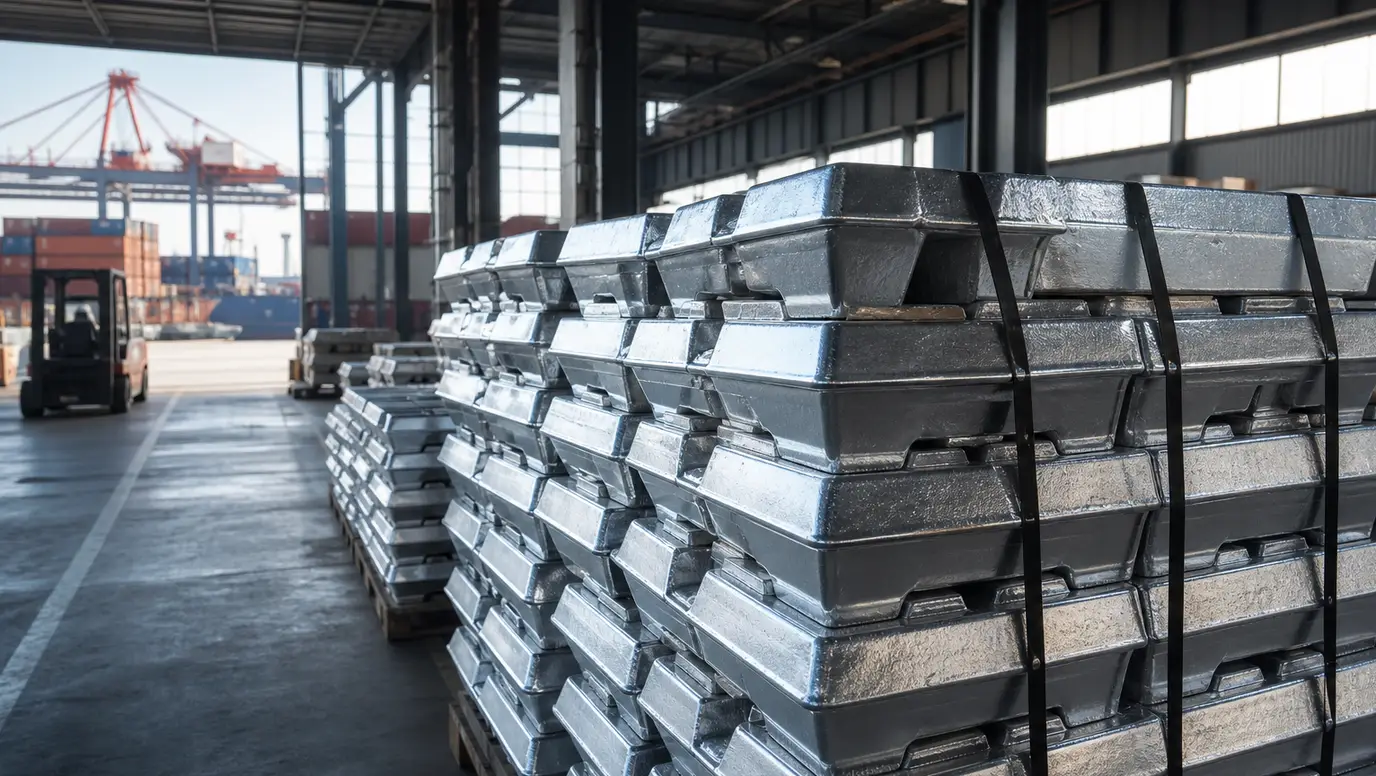
Aluminum Metals Futures Hold Near $3,000 as Japan Premium Drop Masks Supply StressAluminum futures steady near $3,000 as lower Japan premiums clash with tight supply chains and lingering physical market stress.

© 1box.site 2026

SEPTEMBER 19, 2026
Copper futures moved back to the center of the metals market as traders weighed resilient industrial demand against a firmer US dollar, elevated Treasury yields and rising exchange inventories. The latest price action left copper holding near the upper end of its recent range, making the red metal one of the clearest tests of whether growth-linked commodities can keep attracting buyers in a tighter monetary backdrop.
The move stands out because the wider metals complex remains uneven. Precious metals have been capped by higher real-yield pressure, while several base metals continue to reflect supply-specific stories rather than a single broad commodity rally. Copper, however, has retained a stronger cyclical tone, supported by expectations that grid investment, electrification demand and infrastructure spending can absorb some of the near-term inventory build.
Benchmark copper prices recently traded around the mid-$14,000-per-ton area in London and near $6.70 per pound in US futures trading, keeping the market close to recent highs. That strength has developed even as the dollar remains firm following a week of tighter global central-bank signals, a combination that often weighs on metals priced in US currency.
The durability of the advance suggests that copper buyers are looking beyond the immediate drag from rates and focusing instead on demand expectations into the final quarter. Still, the rally is not without friction. Inventories have risen on major exchanges, and that leaves the market vulnerable if fresh manufacturing data fails to confirm a pickup in physical consumption.
For traders, the near-term battle is increasingly technical as well as fundamental. Holding above the latest support zone would preserve the bullish structure and keep attention on another attempt at fresh highs. A break lower, by contrast, could encourage profit-taking after a fast rebound and shift focus back toward warehouse inflows.
Upcoming flash PMI readings are likely to shape the next leg for copper and the broader metals market. Stronger manufacturing indicators would reinforce the view that industrial demand can withstand tighter financial conditions, potentially giving copper another catalyst. Weaker figures would be more complicated, because they could ease yield pressure while also undermining the demand case for base metals.
The Federal Reserve remains an important part of the equation. Expectations for restrictive policy have kept the dollar supported and raised the opportunity cost of holding non-yielding assets, a headwind that has been most visible in gold and silver. For copper, the impact is more balanced: higher rates challenge speculative length, but persistent growth demand can offset part of that pressure when industrial data holds up.
That tension leaves copper futures in a pivotal position. A sustained advance would signal confidence that the metals market can look through tighter policy and focus on long-term supply-demand constraints. Failure to extend the rally would suggest that macro pressure is beginning to overpower the industrial-demand narrative.
The main risk to the bullish copper story is the inventory trend. Rising exchange stocks reduce the urgency of nearby supply concerns and can make rallies harder to sustain unless end-user demand improves at the same time. Traders are therefore watching whether warehouse inflows slow, stabilize or continue to build into the next reporting cycle.
Even with that caution, copper remains one of the more active metals market stories because it connects several themes at once: monetary policy, Chinese and global manufacturing demand, energy transition investment and risk appetite across commodities. That mix gives the metal more market-moving potential than quieter parts of the base-metals board.
For now, copper’s message is constructive but not conclusive. The rally shows that buyers are still willing to pay for growth exposure, yet the next confirmation must come from stronger physical demand signals and supportive macro data. Until then, the metals market is likely to treat copper as its primary barometer for whether the industrial rebound has real staying power.
OCTOBER 14, 2026
Aluminum Metals Futures Hold Near $3,000 as Japan Premium Drop Masks Supply Stress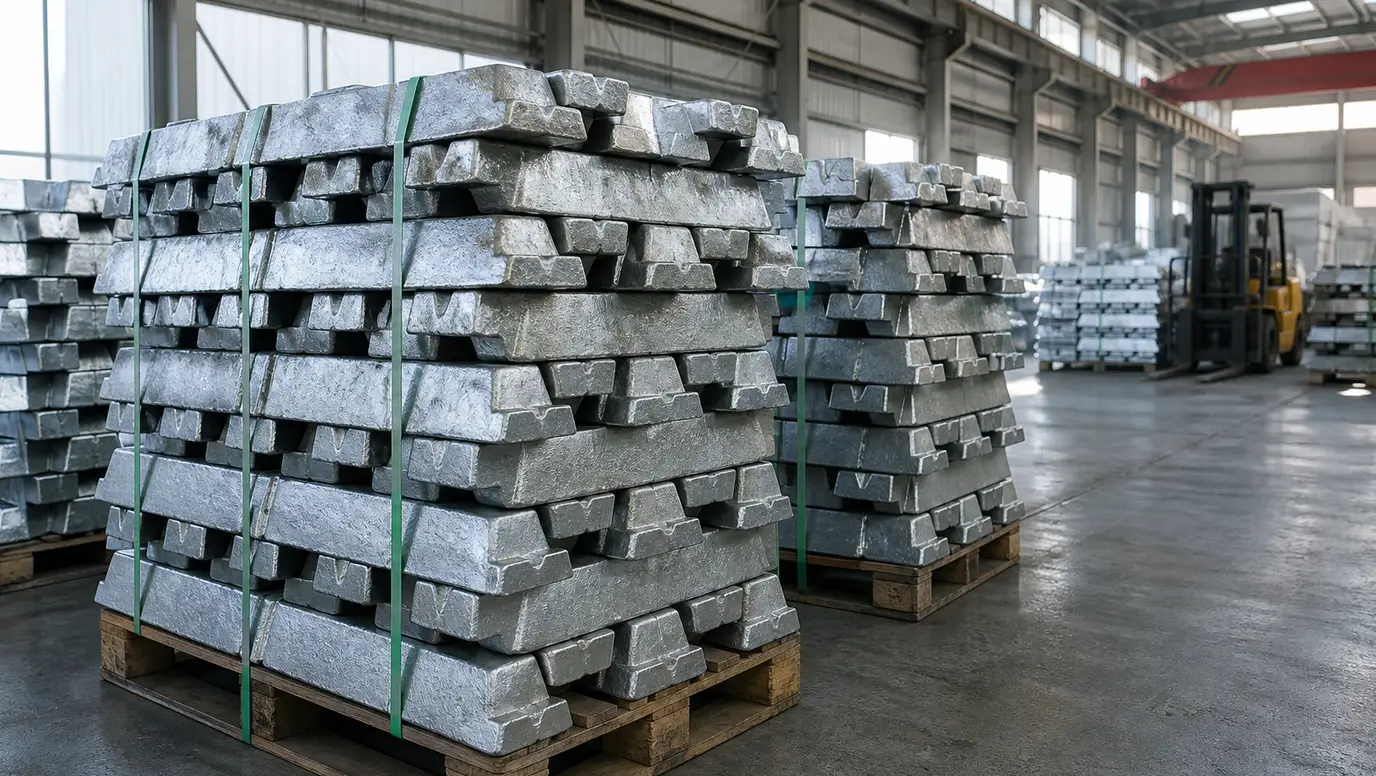
OCTOBER 13, 2026
Zinc Metals Market Falls as LME Stock Jump and US Dollar Pressure Base Metals
OCTOBER 12, 2026
Copper Metals Market Rises as China Premium and Tight LME Stocks Challenge US Dollar
OCTOBER 11, 2026
Gold Metals Market Braces for Federal Reserve Test as US Dollar and Treasury Yields Bite
OCTOBER 10, 2026
Palladium Metals Market Slips as Auto Demand and US Dollar Pressure Deepen Surplus Worries
OCTOBER 9, 2026
Silver Rebound Tests Metals Market as Treasury Yields Cap XAG Demand
OCTOBER 8, 2026
Zinc Metals Tightness Faces US Dollar and Treasury Yield Test
OCTOBER 7, 2026
Aluminum Rebound Tests Metals Market as Dollar Strength and China Lull Cap Buyers
OCTOBER 6, 2026
Copper Futures Rally Puts Metals Market Focus on Smelter Squeeze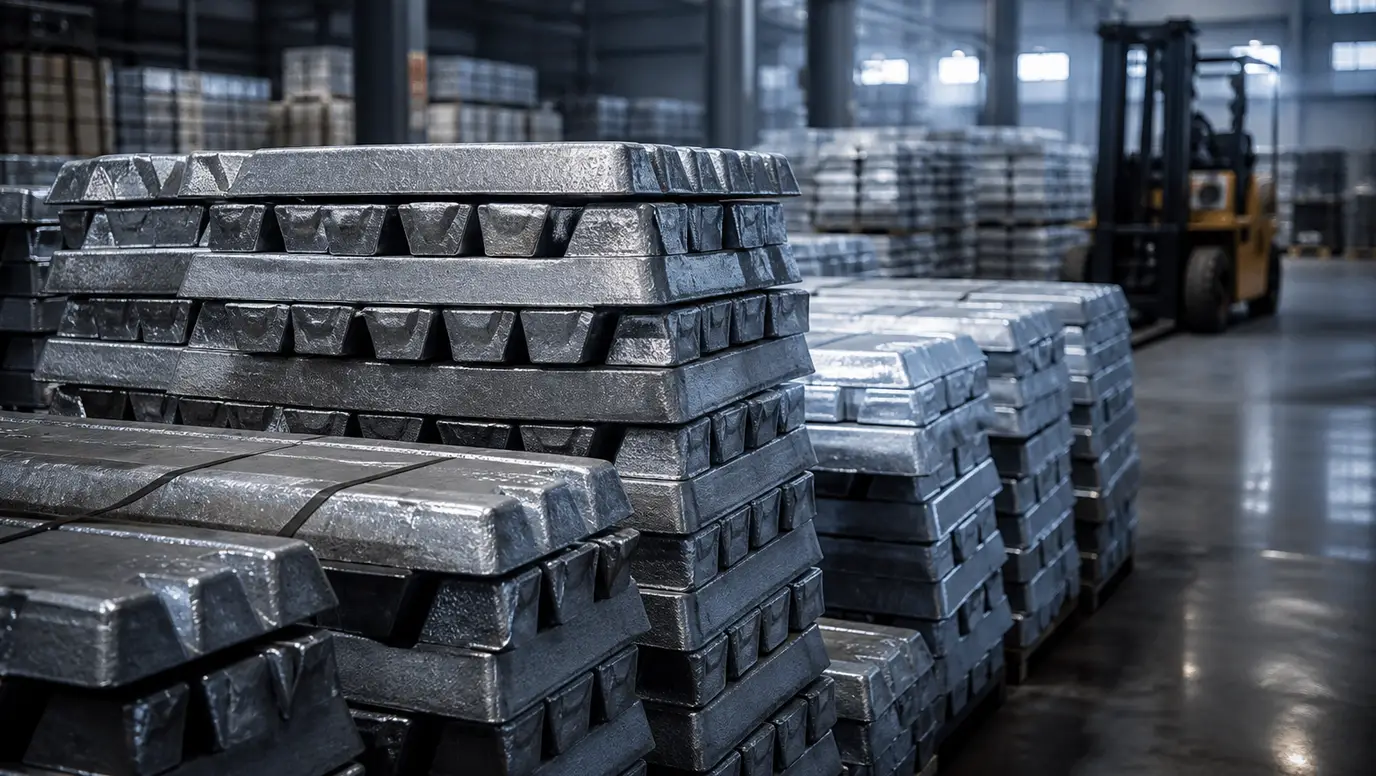
OCTOBER 5, 2026
Lead Futures Rebound as Warehouse Drawdown Puts Battery Metal Back on Metals Watch
OCTOBER 4, 2026
Gold Metals Rebound Stalls as Treasury Yields Blunt Fed Pause Bets
OCTOBER 3, 2026
Palladium Rebound Attempt Puts Metals Market Focus on Auto Demand and Federal Reserve Risk
OCTOBER 2, 2026
Silver Holds Above $61 as Dollar and Treasury Yields Keep Metals Market on Payrolls Watch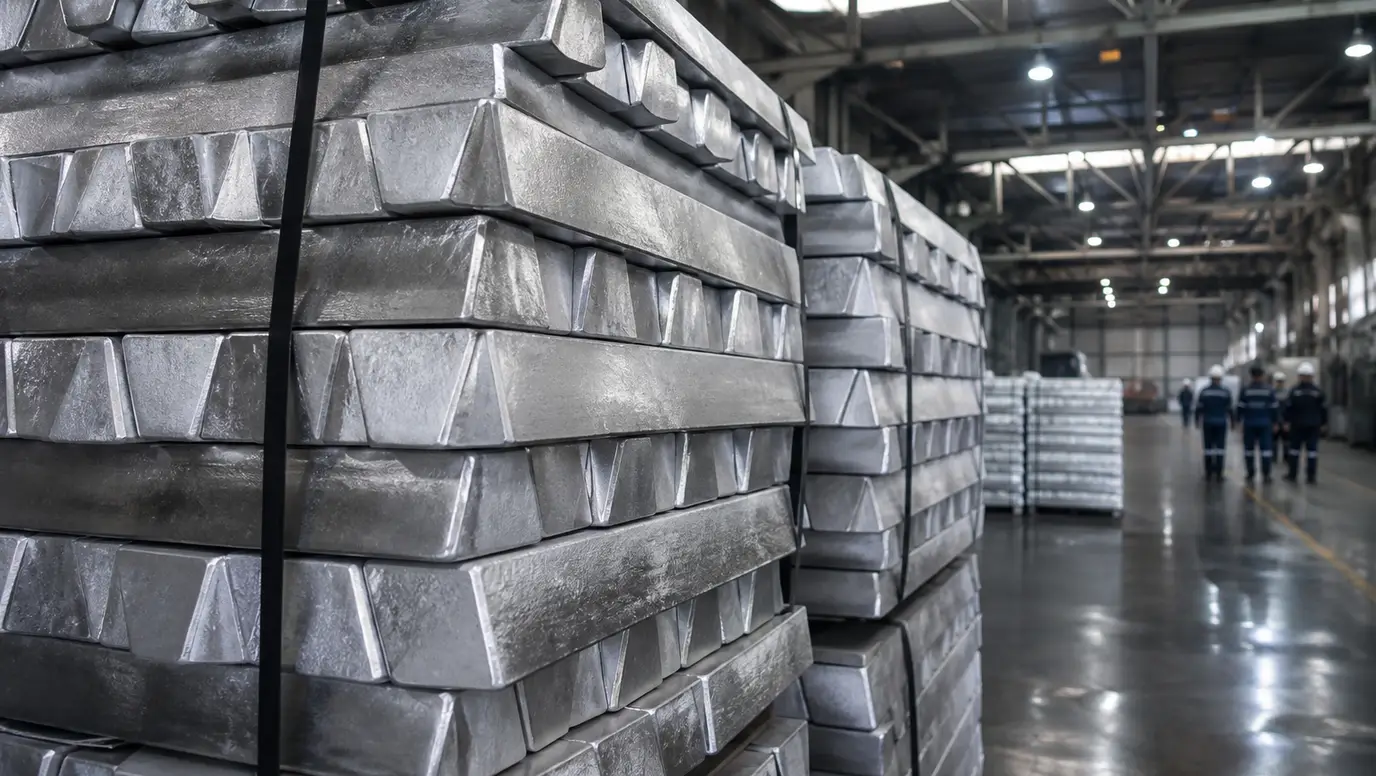
OCTOBER 1, 2026
Aluminum Slumps to 12-Week Low as Strong Dollar Hits Metals Market
SEPTEMBER 30, 2026
Copper Futures Steady as Metals Market Weighs Dollar, Oil and Federal Reserve Risk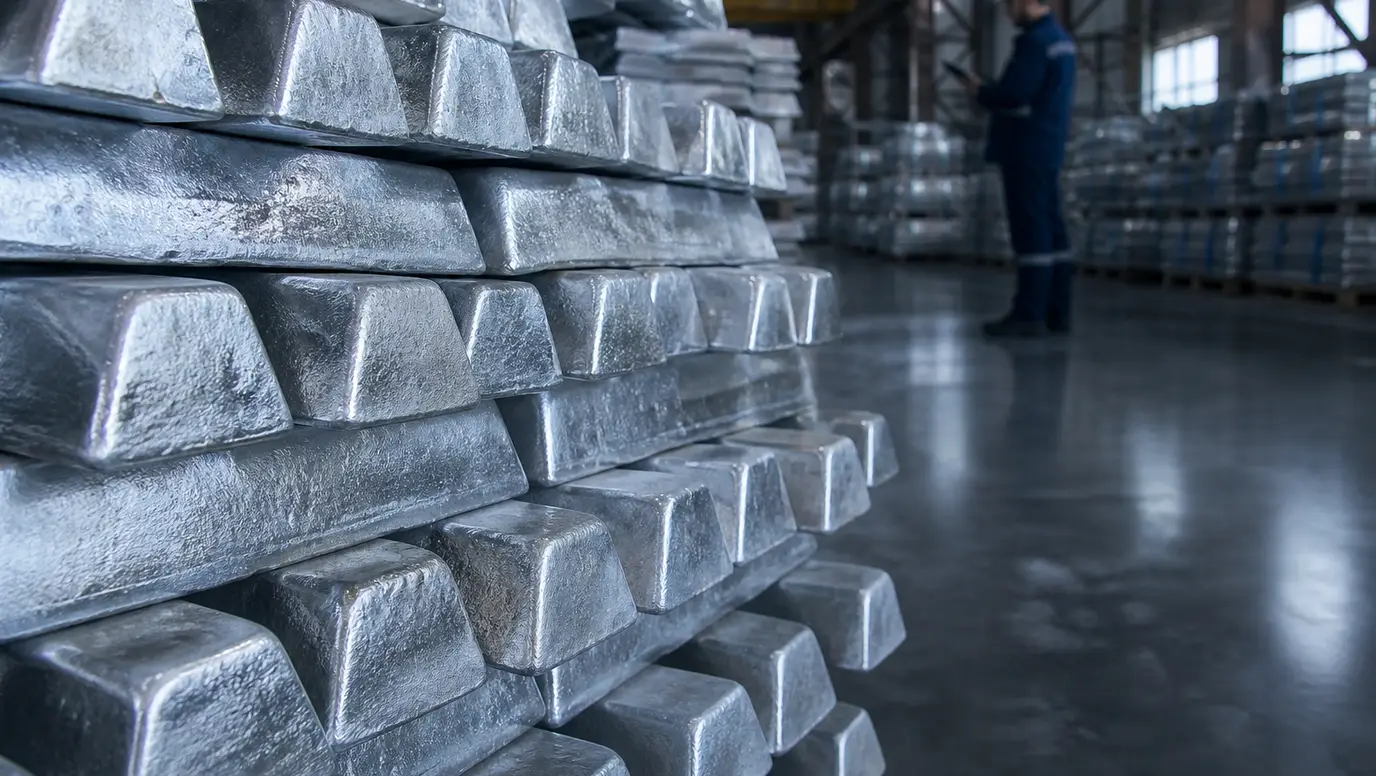
SEPTEMBER 29, 2026
Zinc Futures Fall as China Demand Worries Test Metals Market Tightness
SEPTEMBER 28, 2026
Palladium and Platinum Slide as Dollar, Yields Pressure Metals Market
SEPTEMBER 27, 2026
Gold Futures Slip as Sticky Inflation and Fed Rate Bets Cap Metals Market Rebound
SEPTEMBER 26, 2026
Silver Futures Rebound as Treasury Yield Pause Tests Metals Market Bears
SEPTEMBER 25, 2026
Copper Futures Climb as China Tightness Puts Metals Market on Supply Watch
SEPTEMBER 24, 2026
Aluminum Futures Steady as China Destocking Offsets Metals Market Yield Pressure
SEPTEMBER 23, 2026
Nickel Futures Hold Firm as Indonesia Drought Cuts Put Metals Market on Supply Watch
SEPTEMBER 22, 2026
Gold Holds Near $4,350 as Federal Reserve Rate Bets Cap Metals Market Rebound
SEPTEMBER 21, 2026
Silver Futures Hold Above $66 as Federal Reserve Hike Tests Metals Market Rally
SEPTEMBER 20, 2026
Palladium Futures Rebound Puts Metals Market on Autocatalyst Supply Watch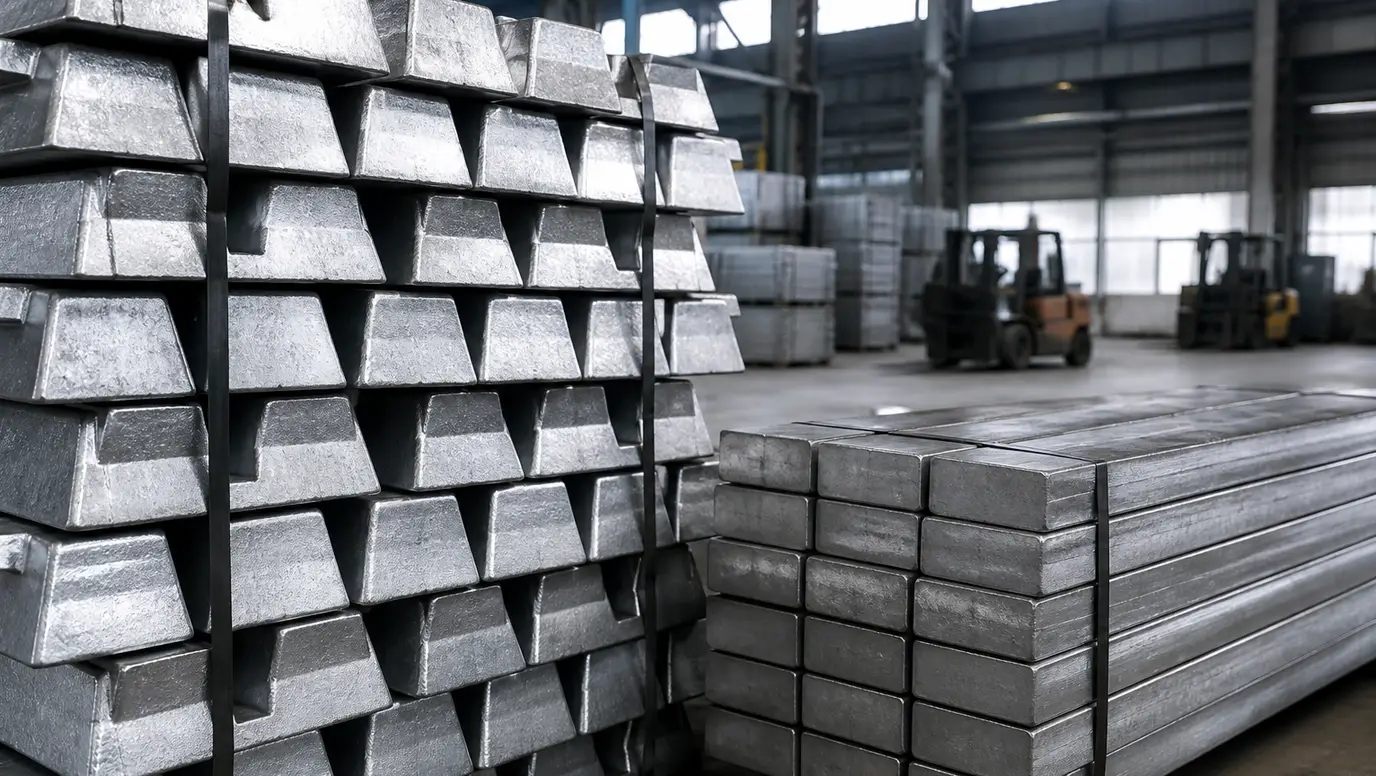
SEPTEMBER 18, 2026
Zinc Futures Squeeze Lifts Metals Market as Lead Inventories Tighten
SEPTEMBER 17, 2026
Nickel Futures Slide as Indonesia Ore Price Reset Tests Metals Market
SEPTEMBER 16, 2026
Aluminum Rally Tests China Supply Cap as Metals Market Weighs Export Surge
SEPTEMBER 15, 2026
Gold Holds Near $4,300 as Federal Reserve Hike Bets Pressure Metals Market
SEPTEMBER 14, 2026
Silver Rebound Puts Metals Market on Federal Reserve Real-Yield Watch