OCTOBER 13, 2026
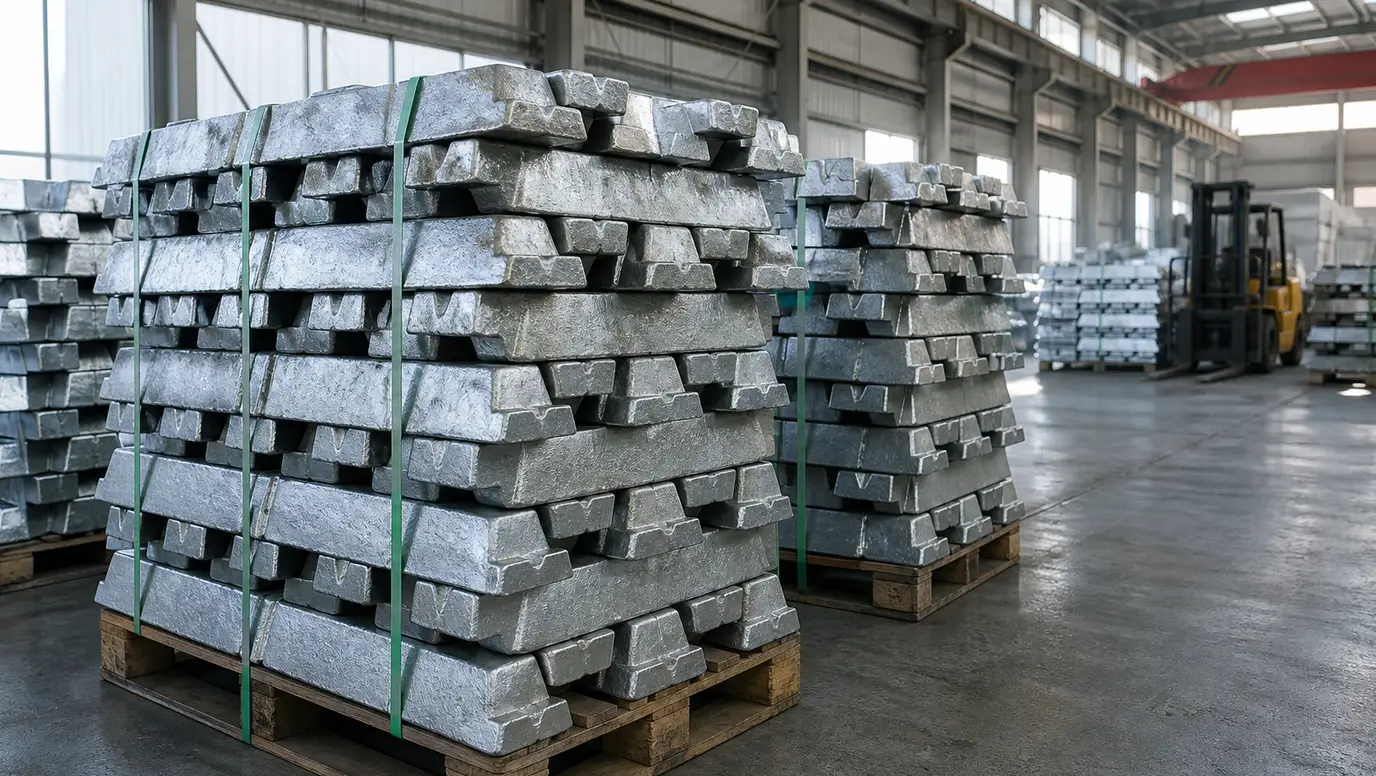
Zinc Metals Market Falls as LME Stock Jump and US Dollar Pressure Base MetalsZinc weakens as LME inventories rise, the US dollar stays firm and traders reassess base metals demand before US inflation data.

© 1box.site 2026
OCTOBER 14, 2026
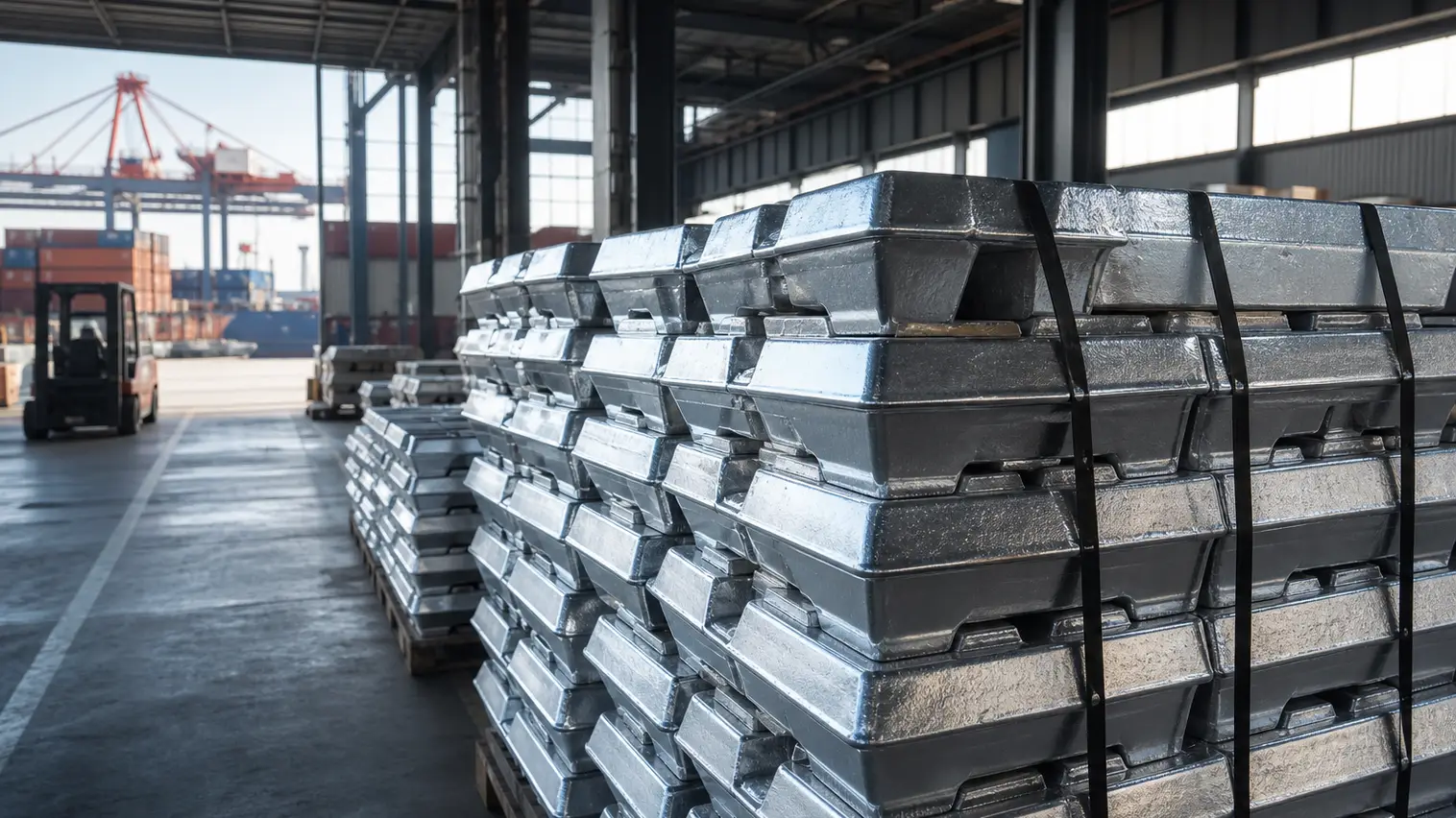
Aluminum stayed close to the $3,000-a-ton area on Wednesday, with futures pricing suggesting a calmer metals market even as physical supply indicators continue to show strain. The move keeps aluminum in a relatively narrow range compared with the sharper swings recently seen in several precious and base metals, but traders are still watching whether the apparent stability can survive tight logistics, regional shortages and elevated delivery costs.
The latest signal came from Asia, where fourth-quarter Japanese import premiums fell sharply from the previous quarter to around $255 a ton over the London cash benchmark. That decline points to some relief after earlier panic buying, but the premium remains high by historical comparison and suggests consumers are still paying up for assured supply.
Japan’s quarterly aluminum premium is closely followed because it reflects the extra cost paid by major Asian buyers above the exchange price for physical metal. A 35% drop from the prior quarter would normally be read as a clear bearish signal. This time, the message is more mixed: premiums have cooled, but they have not returned to levels that would indicate a fully relaxed market.
Physical tightness remains visible in the background. Reported disruptions in Gulf-linked supply chains have removed significant annualized smelting capacity from normal trade flows, while buyers in several regions continue to manage inventory cautiously. At the same time, China’s primary aluminum exports remain limited by a steep export duty, keeping a large share of domestic production inside the country even as global consumers seek more flexible supply.
Chinese alloy shipments have become an important pressure valve. Outbound alloy volumes for the first eight months of the year were reported at more than double the year-earlier level, offering some relief to overseas fabricators. However, alloy exports do not fully replace unrestricted flows of primary metal, leaving the market exposed to renewed stress if demand improves or another production disruption emerges.
The contrast between a steady futures curve and elevated physical costs is now the main issue for aluminum traders. Exchange pricing around the $3,000 level suggests investors are not yet pricing a severe shortage, especially with the US dollar still firm and macro funds cautious before key inflation and central-bank signals. Yet regional premiums show that consumers remain focused on availability rather than headline futures alone.
That split creates a difficult setup for the broader metals market. If global manufacturing demand softens, aluminum could struggle to extend gains because buyers may delay restocking and funds may rotate toward assets with clearer momentum. If demand holds steady, however, the combination of constrained exports, logistics risk and reduced spare capacity could keep physical premiums elevated even if futures remain range-bound.
For now, aluminum is trading less like a runaway commodity rally and more like a market with hidden tension. The headline price has erased much of the urgency seen earlier in the year, but the cost of securing real metal remains high enough to keep supply risk on the radar. That makes upcoming inventory readings, Asian premium negotiations and industrial demand data especially important for the next move in aluminum metals futures.
OCTOBER 13, 2026
Zinc Metals Market Falls as LME Stock Jump and US Dollar Pressure Base Metals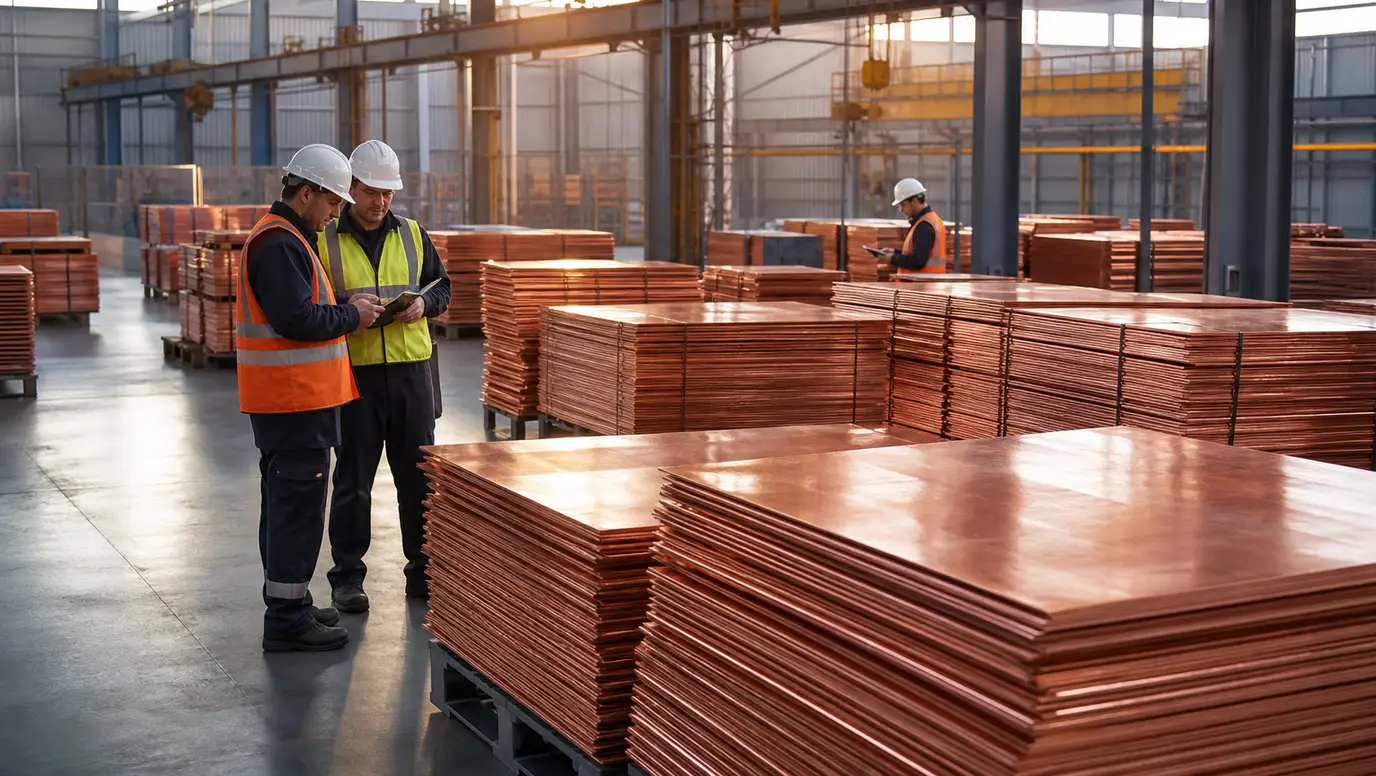
OCTOBER 12, 2026
Copper Metals Market Rises as China Premium and Tight LME Stocks Challenge US Dollar
OCTOBER 11, 2026
Gold Metals Market Braces for Federal Reserve Test as US Dollar and Treasury Yields Bite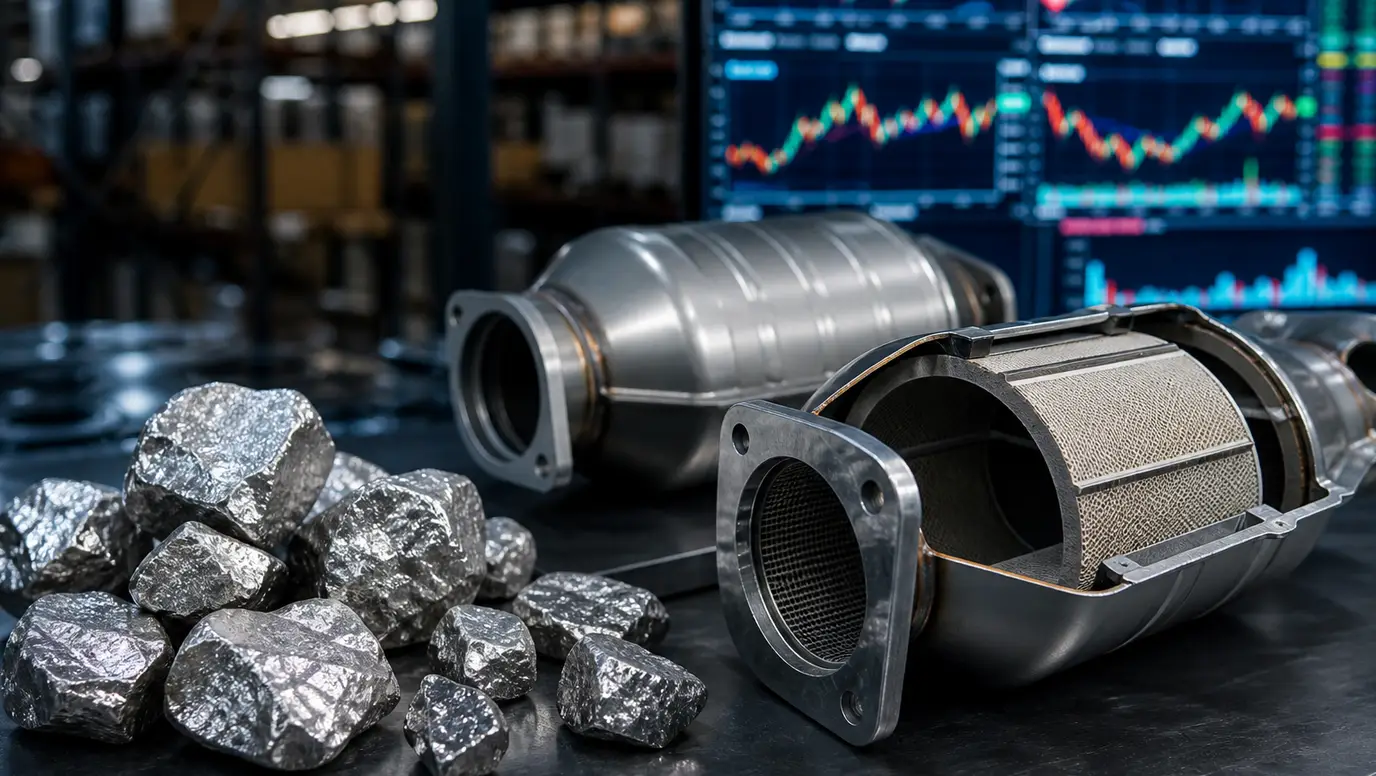
OCTOBER 10, 2026
Palladium Metals Market Slips as Auto Demand and US Dollar Pressure Deepen Surplus Worries
OCTOBER 9, 2026
Silver Rebound Tests Metals Market as Treasury Yields Cap XAG Demand
OCTOBER 8, 2026
Zinc Metals Tightness Faces US Dollar and Treasury Yield Test
OCTOBER 7, 2026
Aluminum Rebound Tests Metals Market as Dollar Strength and China Lull Cap Buyers
OCTOBER 6, 2026
Copper Futures Rally Puts Metals Market Focus on Smelter Squeeze
OCTOBER 5, 2026
Lead Futures Rebound as Warehouse Drawdown Puts Battery Metal Back on Metals Watch
OCTOBER 4, 2026
Gold Metals Rebound Stalls as Treasury Yields Blunt Fed Pause Bets
OCTOBER 3, 2026
Palladium Rebound Attempt Puts Metals Market Focus on Auto Demand and Federal Reserve Risk
OCTOBER 2, 2026
Silver Holds Above $61 as Dollar and Treasury Yields Keep Metals Market on Payrolls Watch
OCTOBER 1, 2026
Aluminum Slumps to 12-Week Low as Strong Dollar Hits Metals Market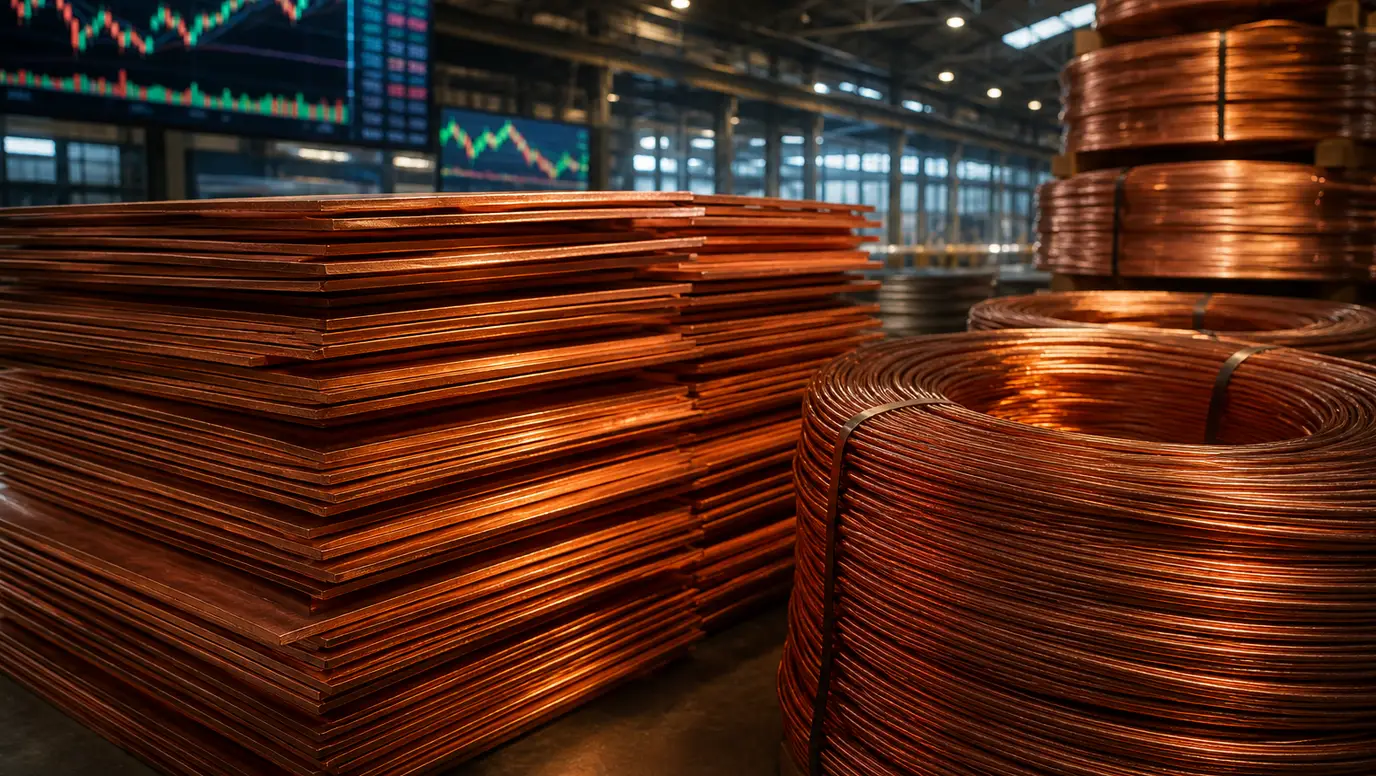
SEPTEMBER 30, 2026
Copper Futures Steady as Metals Market Weighs Dollar, Oil and Federal Reserve Risk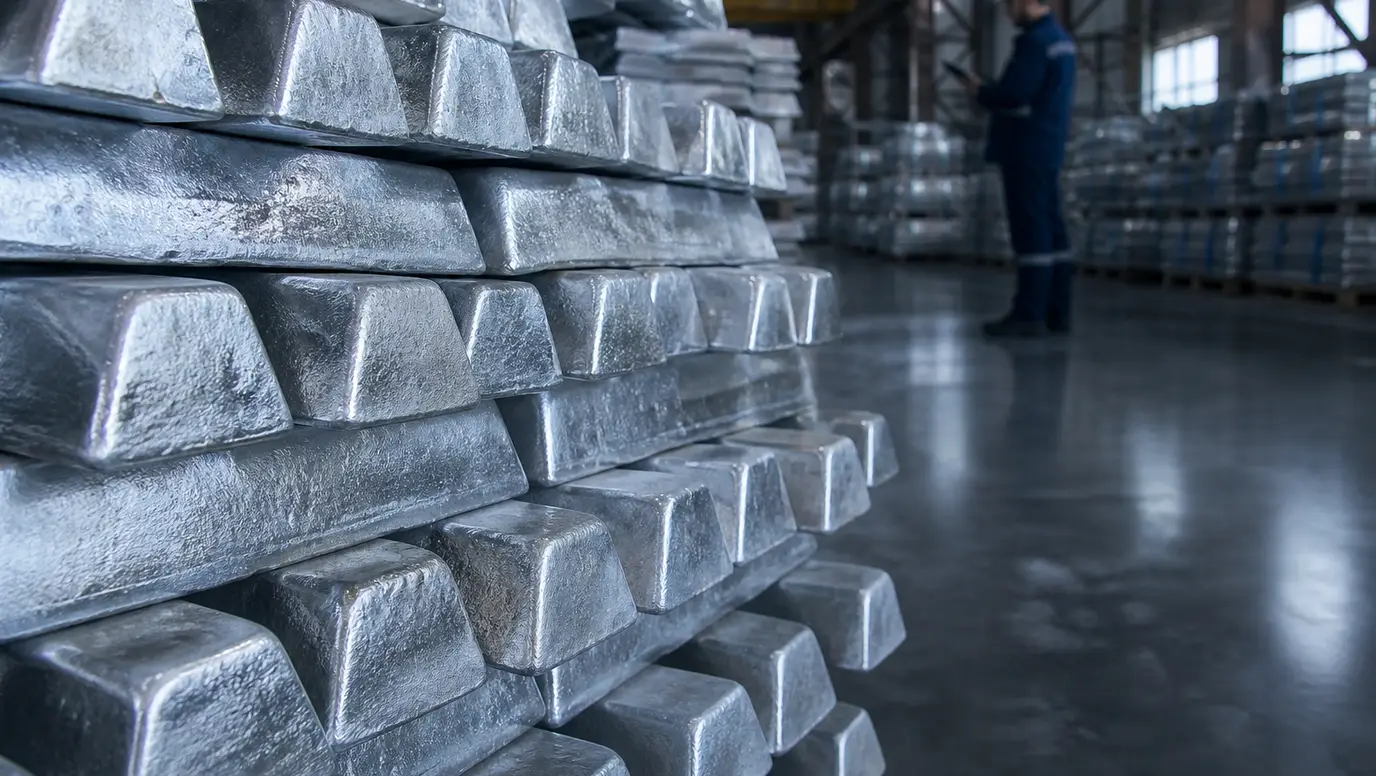
SEPTEMBER 29, 2026
Zinc Futures Fall as China Demand Worries Test Metals Market Tightness
SEPTEMBER 28, 2026
Palladium and Platinum Slide as Dollar, Yields Pressure Metals Market
SEPTEMBER 27, 2026
Gold Futures Slip as Sticky Inflation and Fed Rate Bets Cap Metals Market Rebound
SEPTEMBER 26, 2026
Silver Futures Rebound as Treasury Yield Pause Tests Metals Market Bears
SEPTEMBER 25, 2026
Copper Futures Climb as China Tightness Puts Metals Market on Supply Watch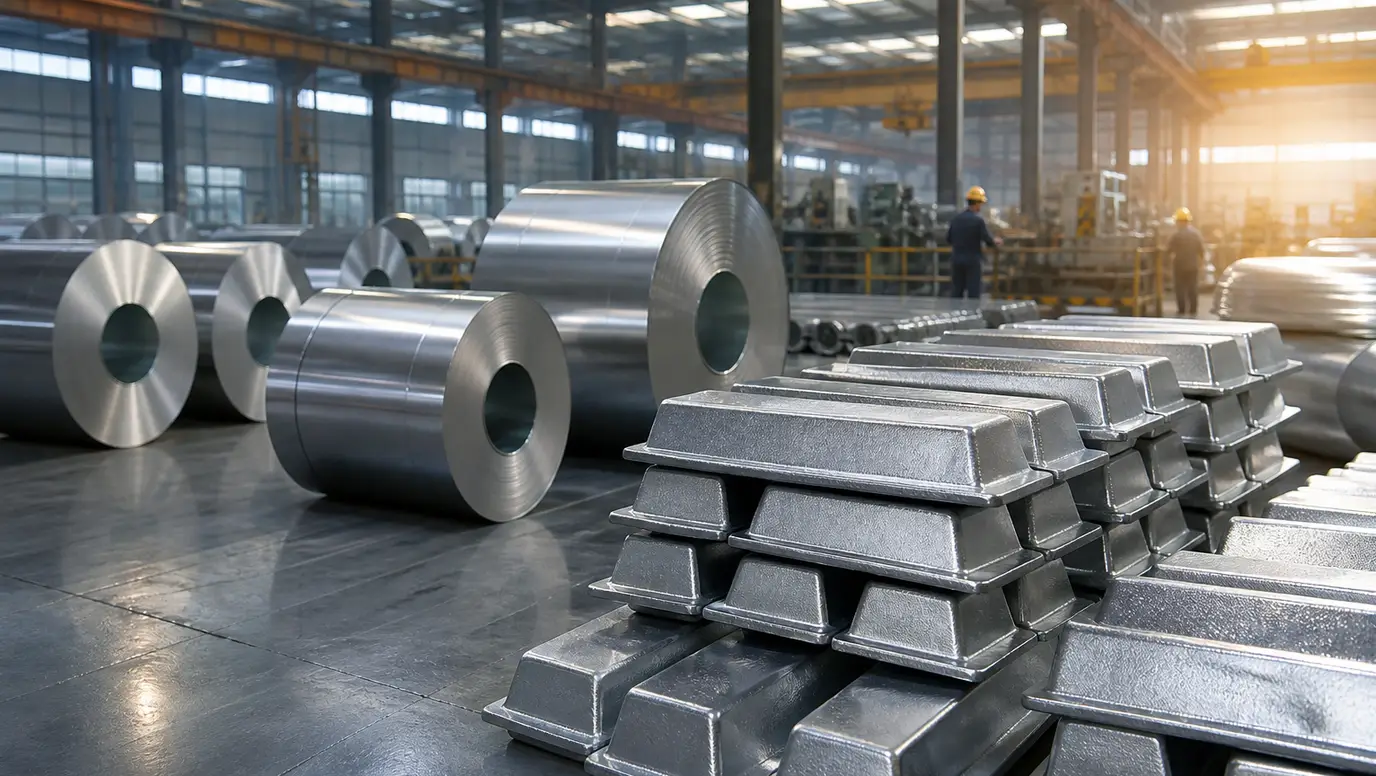
SEPTEMBER 24, 2026
Aluminum Futures Steady as China Destocking Offsets Metals Market Yield Pressure
SEPTEMBER 23, 2026
Nickel Futures Hold Firm as Indonesia Drought Cuts Put Metals Market on Supply Watch
SEPTEMBER 22, 2026
Gold Holds Near $4,350 as Federal Reserve Rate Bets Cap Metals Market Rebound
SEPTEMBER 21, 2026
Silver Futures Hold Above $66 as Federal Reserve Hike Tests Metals Market Rally
SEPTEMBER 20, 2026
Palladium Futures Rebound Puts Metals Market on Autocatalyst Supply Watch
SEPTEMBER 19, 2026
Copper Futures Rally Puts Metals Market on Federal Reserve and PMI Watch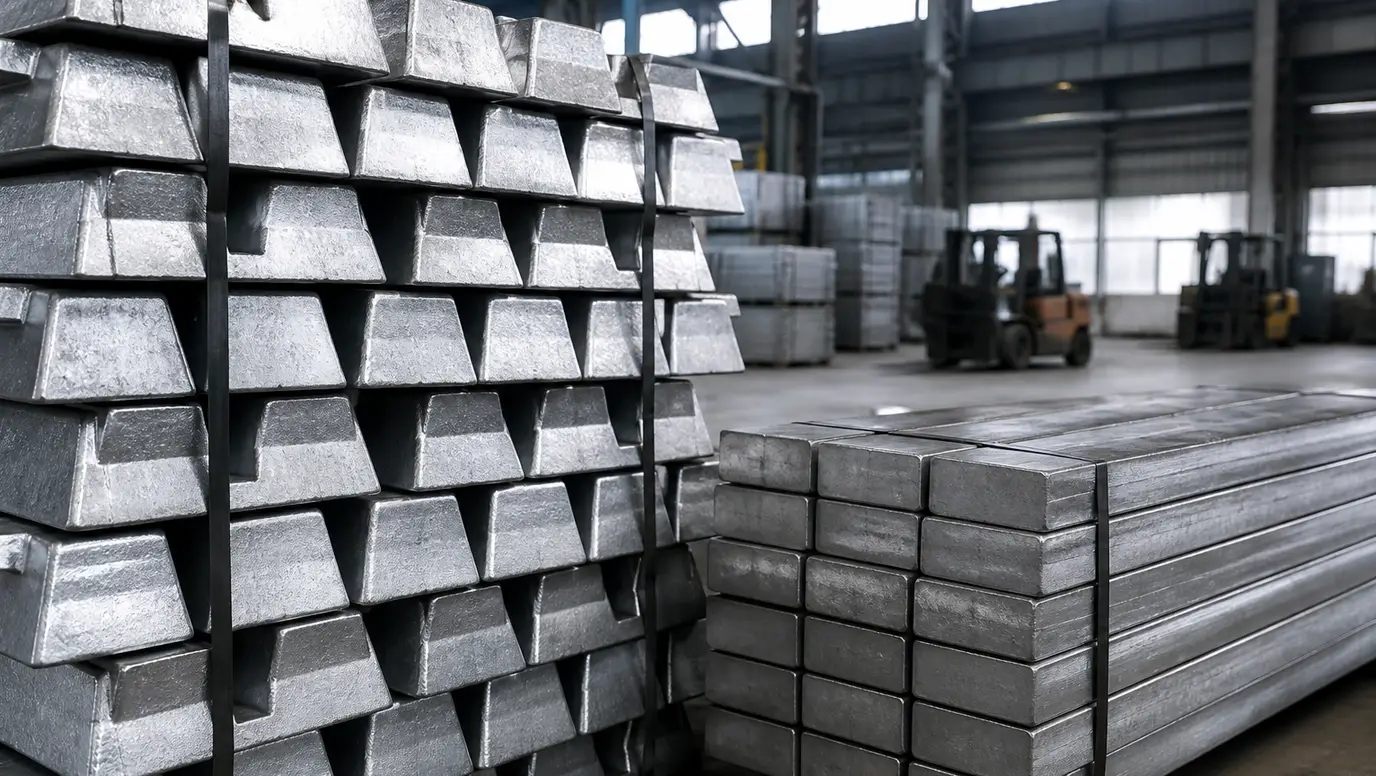
SEPTEMBER 18, 2026
Zinc Futures Squeeze Lifts Metals Market as Lead Inventories Tighten
SEPTEMBER 17, 2026
Nickel Futures Slide as Indonesia Ore Price Reset Tests Metals Market
SEPTEMBER 16, 2026
Aluminum Rally Tests China Supply Cap as Metals Market Weighs Export Surge
SEPTEMBER 15, 2026
Gold Holds Near $4,300 as Federal Reserve Hike Bets Pressure Metals Market
SEPTEMBER 14, 2026
Silver Rebound Puts Metals Market on Federal Reserve Real-Yield Watch