
NOVEMBER 4, 2026
Copper Futures Slide in Metals Market as Inventory Builds Test China Supply PremiumsCopper futures retreat as exchange stock builds clash with China physical tightness, tariff caution and Federal Reserve rate risk.

© 1box.site 2026

NOVEMBER 6, 2026
Zinc moved back into focus across the metals market as shrinking exchange inventories and pressure on smelter margins encouraged traders to reassess the balance between near-term supply and industrial demand. The move stood out because recent metals trading has been dominated by larger swings in gold, silver, copper and nickel, while zinc has quietly built a tighter physical backdrop.
The metal, widely used to galvanize steel, has drawn support from lower visible stocks, elevated energy costs and constrained concentrate availability. Those factors are keeping attention on whether refined zinc supply can expand quickly enough to satisfy demand from construction, infrastructure and manufacturing users, even as the broader macro environment remains shaped by the US dollar, Treasury yields and Federal Reserve rate expectations.
The latest market tone suggests zinc buyers are becoming more sensitive to inventory signals. Exchange-monitored stocks have declined from earlier levels, while traders have also watched signs of tighter nearby availability in physical markets. When inventories fall, even moderate demand can create a stronger price reaction because consumers have less buffer against delivery delays or regional supply disruptions.
That has helped zinc regain a risk premium after a period in which industrial metals were pressured by concerns over uneven global manufacturing activity. The rally is not simply a demand story. It also reflects worries that smelters outside China are facing higher electricity costs, limited raw material availability and tighter economics, making production discipline a more important feature of the market.
For investors, zinc’s latest advance carries a different message from the safe-haven moves often seen in precious metals. Gold and silver frequently react first to changes in real yields and the dollar, but zinc is more directly tied to physical supply chains, construction demand and the cost of turning concentrate into refined metal. That makes inventory data and smelter operating margins central to the short-term price outlook.
Industry forecasts point to a refined zinc deficit in 2026 before a possible return to a small surplus in 2027. That timing matters for the current market because traders are trying to decide whether new capacity and mine supply can relieve tightness fast enough, or whether high operating costs will keep refined availability constrained for longer.
Energy prices remain one of the key variables. Zinc smelting is power-intensive, so higher electricity costs can reduce margins and discourage output, especially in regions where producers cannot fully pass on costs. At the same time, tight concentrate supply has limited flexibility for some smelters, increasing the risk that refined production growth undershoots expectations.
China remains a crucial swing factor. Additional refining capacity there may help offset weakness elsewhere, but traders are also watching domestic construction trends, steel galvanizing demand and the pace of infrastructure spending. A stronger Chinese demand signal could amplify the impact of lower inventories, while a weaker one would make zinc more vulnerable to profit-taking after recent gains.
Macro conditions continue to limit the enthusiasm across base metals. A firm US dollar can make dollar-priced commodities more expensive for overseas buyers, while higher Treasury yields can reduce the appeal of holding non-yielding or inventory-heavy assets. Expectations around the next Federal Reserve decision therefore remain an important outside driver for zinc and the wider metals complex.
Still, zinc’s current setup is increasingly being judged on its own fundamentals. If exchange stocks keep falling and smelter cost pressure persists, prices may remain supported even if broader risk appetite is uneven. Conversely, a rebound in inventories or evidence of weaker end-user demand could quickly cool the rally.
The near-term metals market test is whether zinc can sustain momentum without relying on a broad commodity upswing. For now, the combination of inventory draws, constrained smelter economics and a projected refined deficit has given zinc futures a clearer bullish narrative than many industrial metals have had in recent sessions.
NOVEMBER 4, 2026
Copper Futures Slide in Metals Market as Inventory Builds Test China Supply Premiums
OCTOBER 30, 2026
Zinc Futures Lead Metals Market Toward $4,000 as Warehouse Draws Tighten Supply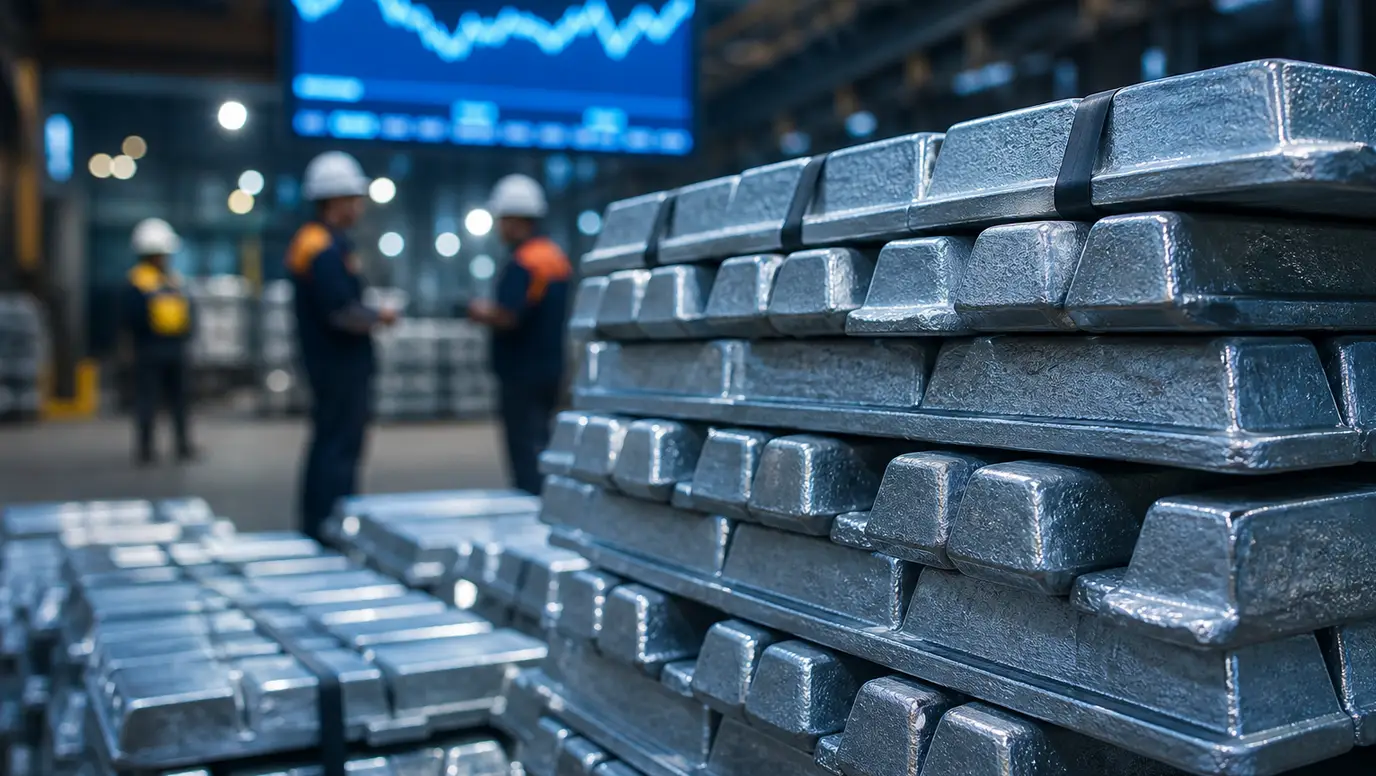
OCTOBER 24, 2026
Zinc Metals Market Leads Base-Metal Rebound as Dollar Risk Meets Inventory Build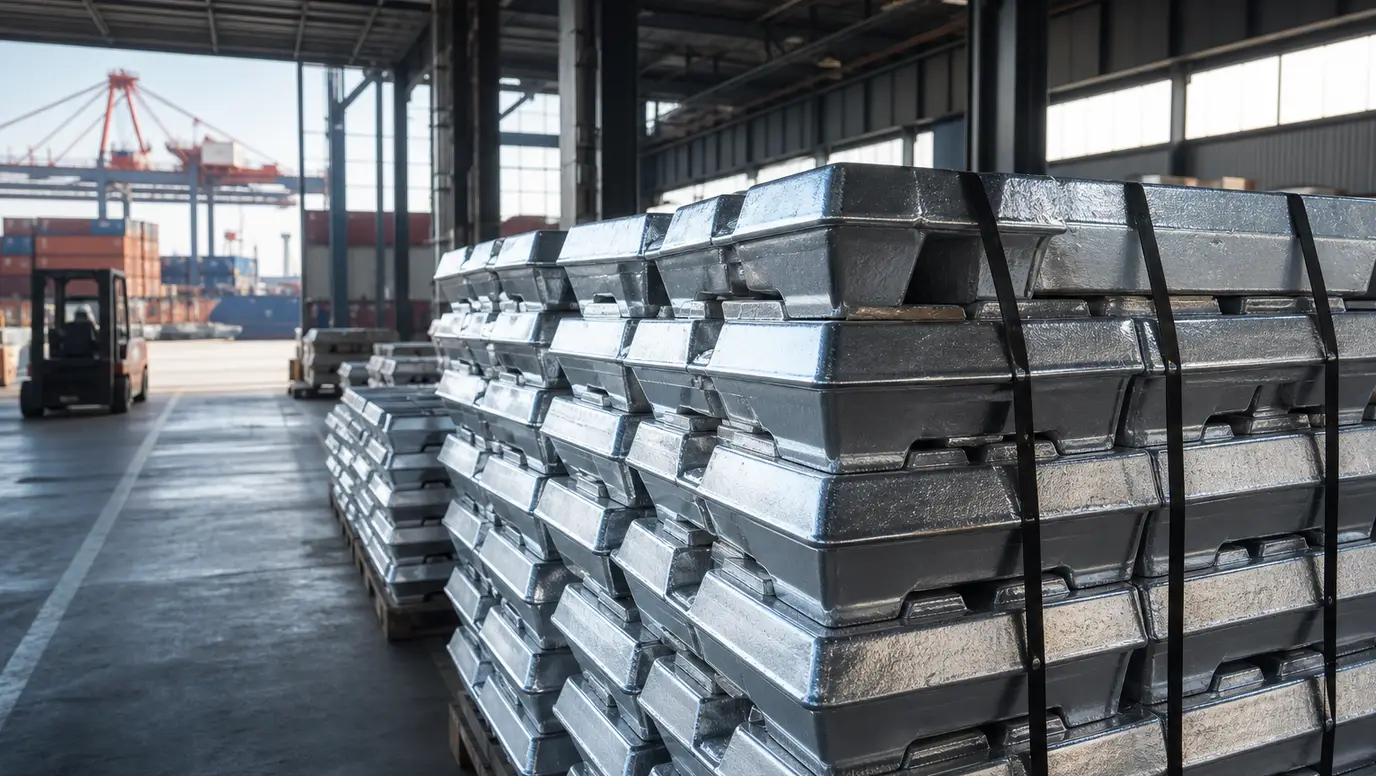
OCTOBER 14, 2026
Aluminum Metals Futures Hold Near $3,000 as Japan Premium Drop Masks Supply Stress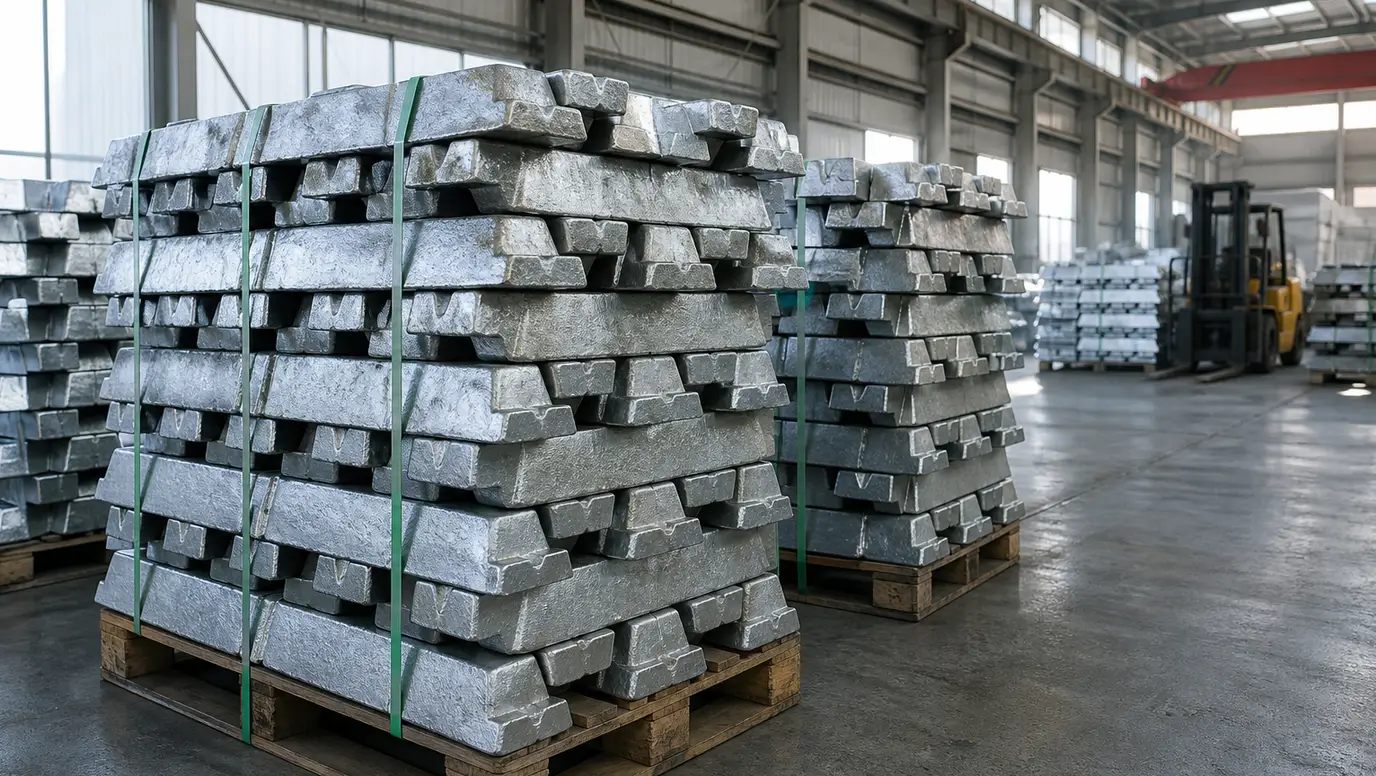
OCTOBER 13, 2026
Zinc Metals Market Falls as LME Stock Jump and US Dollar Pressure Base Metals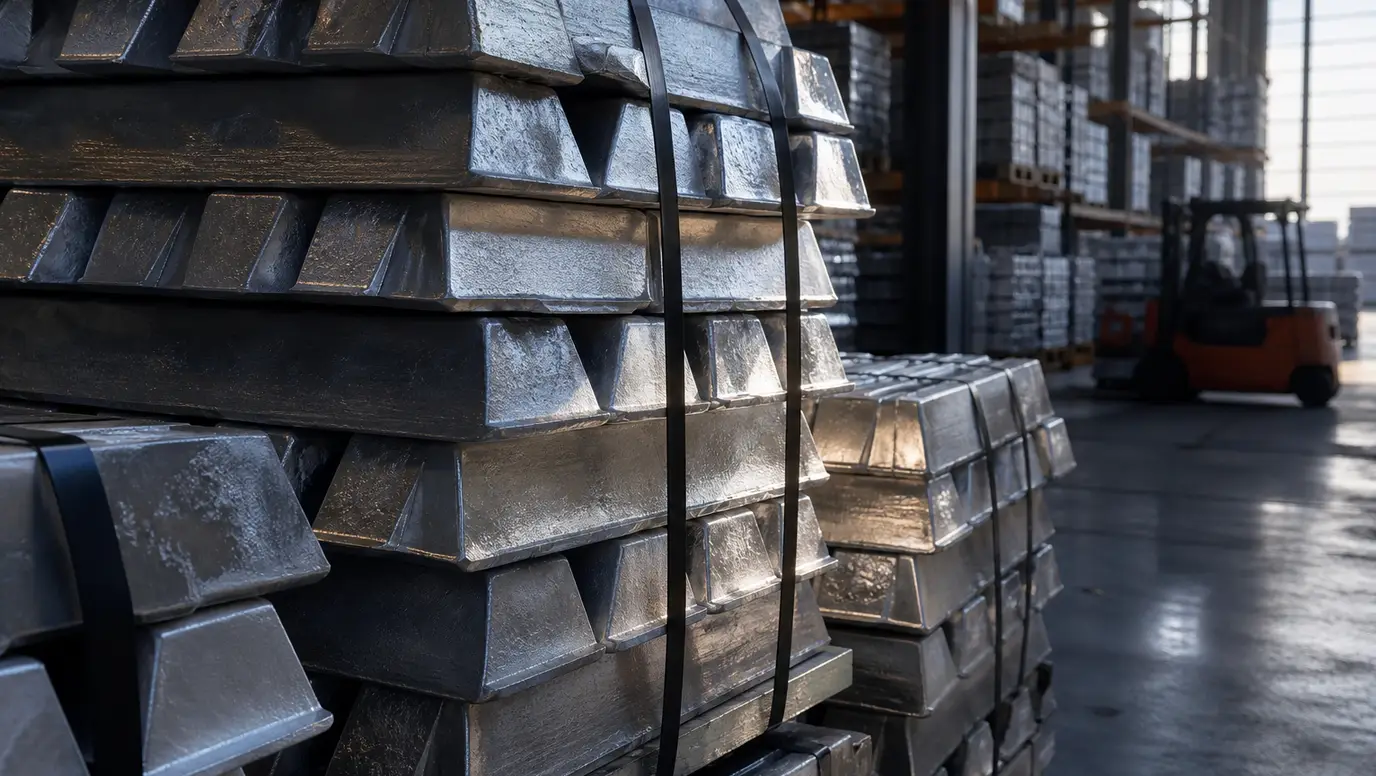
OCTOBER 8, 2026
Zinc Metals Tightness Faces US Dollar and Treasury Yield Test
OCTOBER 6, 2026
Copper Futures Rally Puts Metals Market Focus on Smelter Squeeze
OCTOBER 5, 2026
Lead Futures Rebound as Warehouse Drawdown Puts Battery Metal Back on Metals Watch
SEPTEMBER 30, 2026
Copper Futures Steady as Metals Market Weighs Dollar, Oil and Federal Reserve Risk
SEPTEMBER 29, 2026
Zinc Futures Fall as China Demand Worries Test Metals Market Tightness
SEPTEMBER 26, 2026
Silver Futures Rebound as Treasury Yield Pause Tests Metals Market Bears
SEPTEMBER 24, 2026
Aluminum Futures Steady as China Destocking Offsets Metals Market Yield Pressure
SEPTEMBER 23, 2026
Nickel Futures Hold Firm as Indonesia Drought Cuts Put Metals Market on Supply Watch
SEPTEMBER 21, 2026
Silver Futures Hold Above $66 as Federal Reserve Hike Tests Metals Market Rally
SEPTEMBER 20, 2026
Palladium Futures Rebound Puts Metals Market on Autocatalyst Supply Watch
SEPTEMBER 19, 2026
Copper Futures Rally Puts Metals Market on Federal Reserve and PMI Watch
SEPTEMBER 18, 2026
Zinc Futures Squeeze Lifts Metals Market as Lead Inventories Tighten
SEPTEMBER 17, 2026
Nickel Futures Slide as Indonesia Ore Price Reset Tests Metals Market
SEPTEMBER 13, 2026
Copper Futures Pullback Puts Metals Market on Tariff Doubt Watch
SEPTEMBER 12, 2026
Zinc Futures Rally Faces Inventory Test as Metals Market Weighs Demand Signals
SEPTEMBER 11, 2026
Palladium Futures Swing as Auto Demand Clouds Metals Market Outlook
SEPTEMBER 9, 2026
Nickel Futures Rebound as Indonesia Supply Risk Jolts Metals Market
SEPTEMBER 7, 2026
Zinc Futures Defy Federal Reserve Pressure as Supply Squeeze Tightens Metals Market
SEPTEMBER 6, 2026
Aluminum Futures Split Metals Market as Supply Risk Meets Soft China Demand
SEPTEMBER 1, 2026
Zinc Rally Leads Metals Market as Supply Fears Lift Base Metals
AUGUST 26, 2026
U.S. Zinc Futures Debut Puts Metals Market on Regional Pricing Watch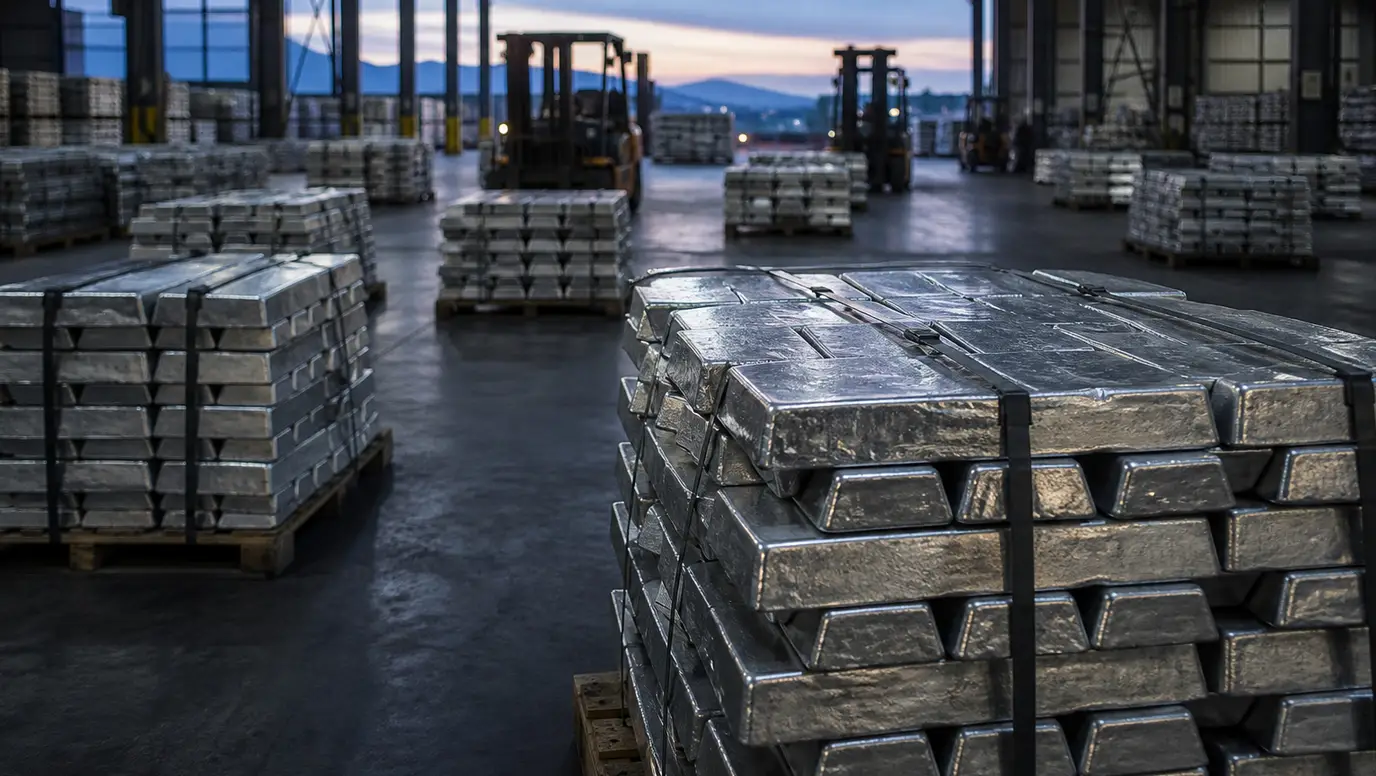
AUGUST 19, 2026
Zinc Tightness Keeps Metals Market Alert as Inventory Cushion Shrinks
AUGUST 13, 2026
Zinc Tightness Keeps Metals Market Alert as China Demand Caps Rally
AUGUST 6, 2026
Zinc Inventory Draw Keeps Metals Market Focused on China Supply and US Dollar Risk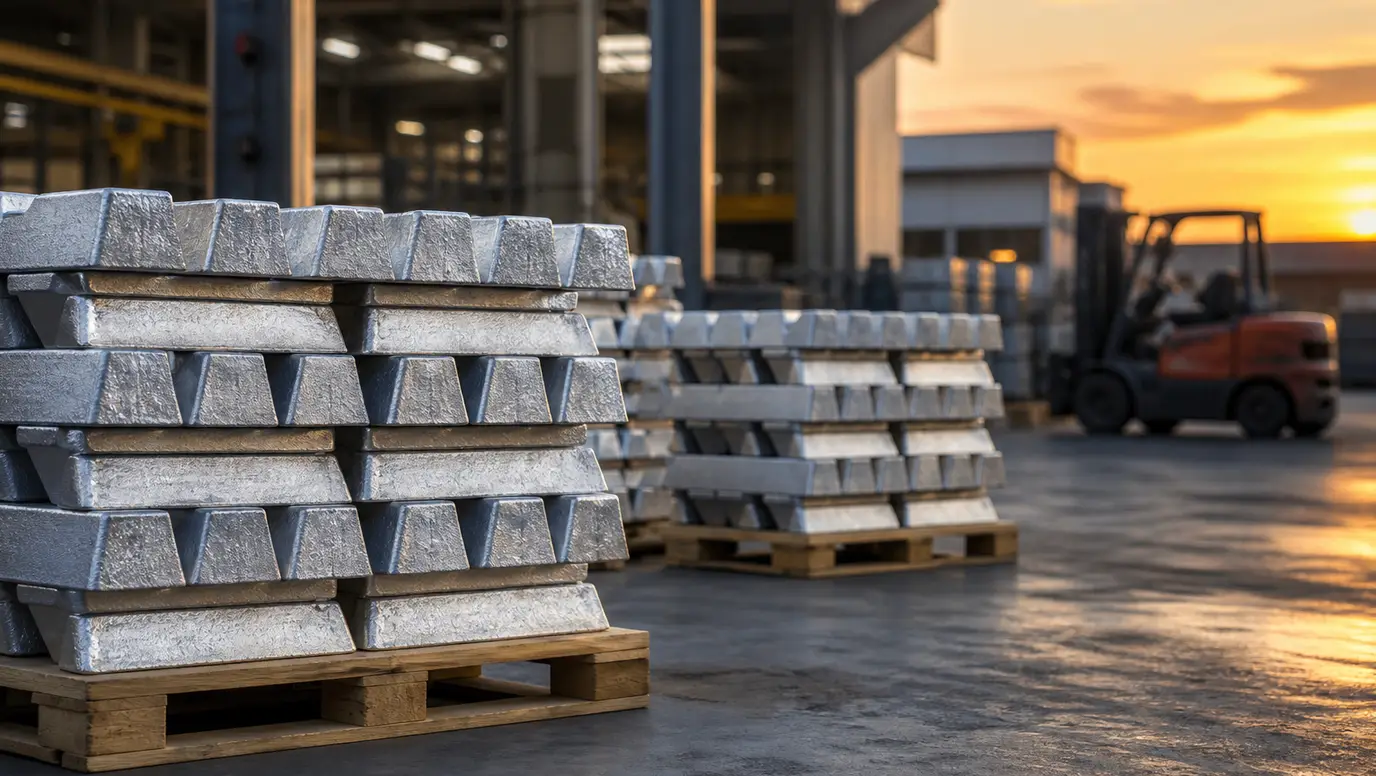
JULY 31, 2026
Zinc Rally Puts Metals Traders on Alert as LME Stocks Slide After US Dollar Pullback