
OCTOBER 22, 2026
Gold Metals Market Rebounds as Softer Treasury Yields Put PCE Inflation Test in FocusGold steadies as Treasury yields ease, with traders watching inflation data and Fed expectations for the next metals market move.

© 1box.site 2026

SEPTEMBER 30, 2026
Copper futures steadied on Wednesday after a sharp pullback, but the broader metals market remained cautious as traders balanced signs of firmer Chinese factory activity against a strong U.S. dollar, elevated energy costs and renewed Federal Reserve rate concerns.
Benchmark three-month copper on the London Metal Exchange was modestly higher near $14,447 per metric ton in early trading, recovering only part of the previous session’s decline. The move suggested that buyers were willing to defend recent lows, but not yet confident enough to rebuild large bullish positions before fresh U.S. inflation and labor-market signals.
The stabilization came as China’s official manufacturing gauge moved back above the 50-point threshold in September, offering a limited demand signal for industrial metals. However, the improvement was not strong enough to erase concerns that high financing costs, expensive energy and uneven construction demand could limit near-term upside for copper.
A firm U.S. dollar remained one of the main headwinds for copper and other dollar-priced metals. When the dollar rises, commodities become more expensive for many overseas buyers, often reducing speculative demand and slowing physical purchasing from importers.
Higher Treasury yields also continued to shape metals sentiment. Copper does not face the same direct yield competition as gold, but elevated borrowing costs can pressure industrial activity, infrastructure spending and manufacturing margins. That makes the metal sensitive to any data that could reinforce expectations for tighter Federal Reserve policy.
Energy prices added another layer of risk. Oil trading above the psychologically important $100 area has raised concern that input costs may stay high for manufacturers and smelters, while also increasing the risk of slower global growth. For copper, that combination can be difficult: supply costs may remain sticky even as demand expectations soften.
Inventory data provided some support for copper. LME copper stocks slipped to around 251,350 tons, and only part of that material was considered readily available to the market. Lower accessible inventories can tighten nearby supply conditions and reduce the risk of a deeper sell-off if physical demand improves.
Still, the broader base-metals complex was mixed to weaker. Aluminum, zinc, lead and nickel all faced pressure, with nickel touching its lowest level in roughly two weeks. That divergence shows that the market is not yet treating the latest China data as a clear turning point for industrial demand.
Traders are now watching whether copper can hold above its post-sell-off range as month-end positioning meets the next round of U.S. macroeconomic data. A softer dollar or lower yields could help the metal extend its recovery, while stronger inflation readings or hawkish Fed commentary may quickly return attention to downside risk.
For now, copper’s steady tone looks more like a pause than a confirmed rebound. The metal remains supported by tight visible supply and long-term electrification demand, but short-term direction is still being set by the dollar, oil prices and expectations for U.S. interest rates.
OCTOBER 22, 2026
Gold Metals Market Rebounds as Softer Treasury Yields Put PCE Inflation Test in Focus
OCTOBER 21, 2026
Silver Metals Market Slips as US Dollar and Treasury Yields Revive Federal Reserve Risk
OCTOBER 20, 2026
Tin Metals Market Holds Above $50,000 as Inventory Draws Offset Dollar Risk
OCTOBER 19, 2026
Platinum and Palladium Metals Market Rallies as Federal Reserve Pause Bets Return
OCTOBER 18, 2026
Copper Metals Market Holds Near Record as Tight Stocks Offset Federal Reserve Shock
OCTOBER 17, 2026
Nickel Metals Market Stalls as Indonesia Smelter Freeze Talk Meets Weak Demand
OCTOBER 16, 2026
Gold Metals Market Rebounds as US Dollar and Treasury Yields Ease Before Federal Reserve Decision
OCTOBER 15, 2026
Silver Metals Market Tests 2026 Low as Federal Reserve Rate Bets Lift US Dollar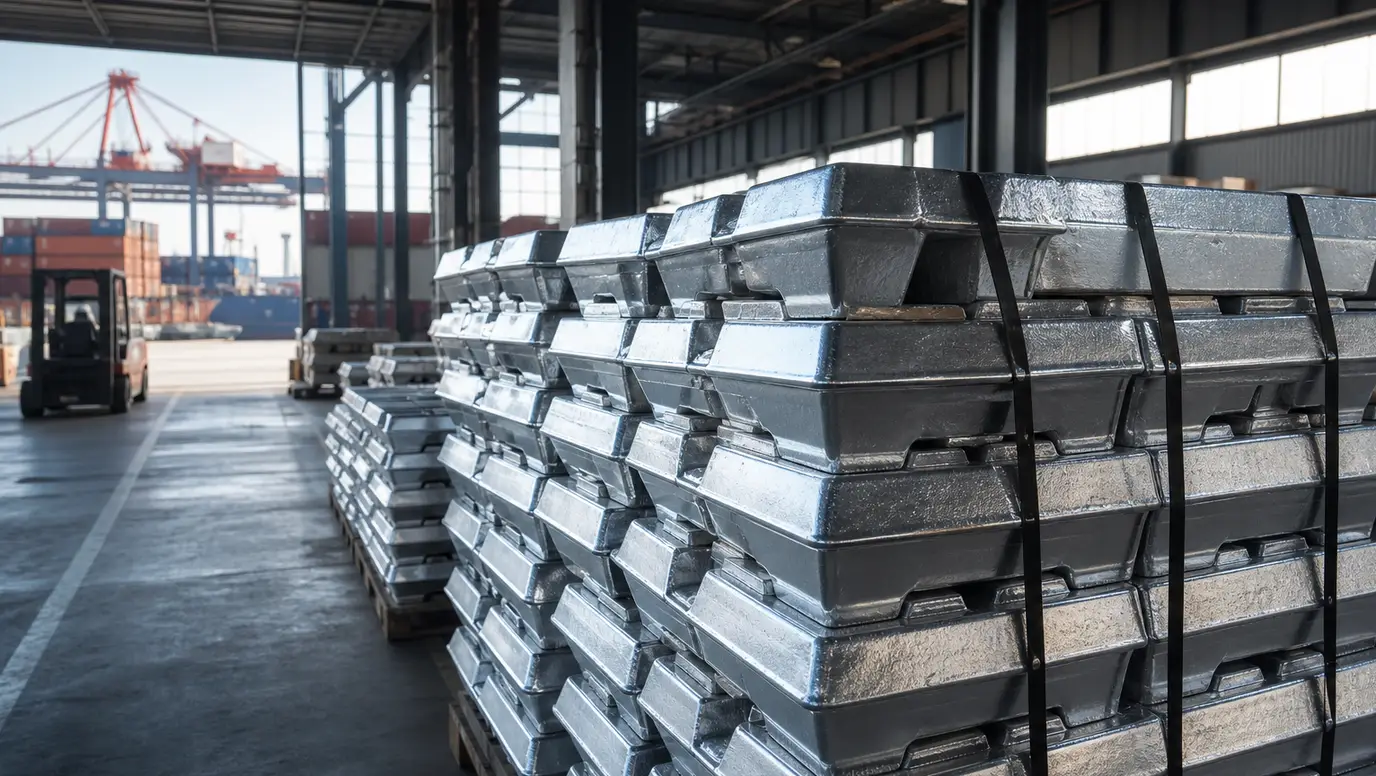
OCTOBER 14, 2026
Aluminum Metals Futures Hold Near $3,000 as Japan Premium Drop Masks Supply Stress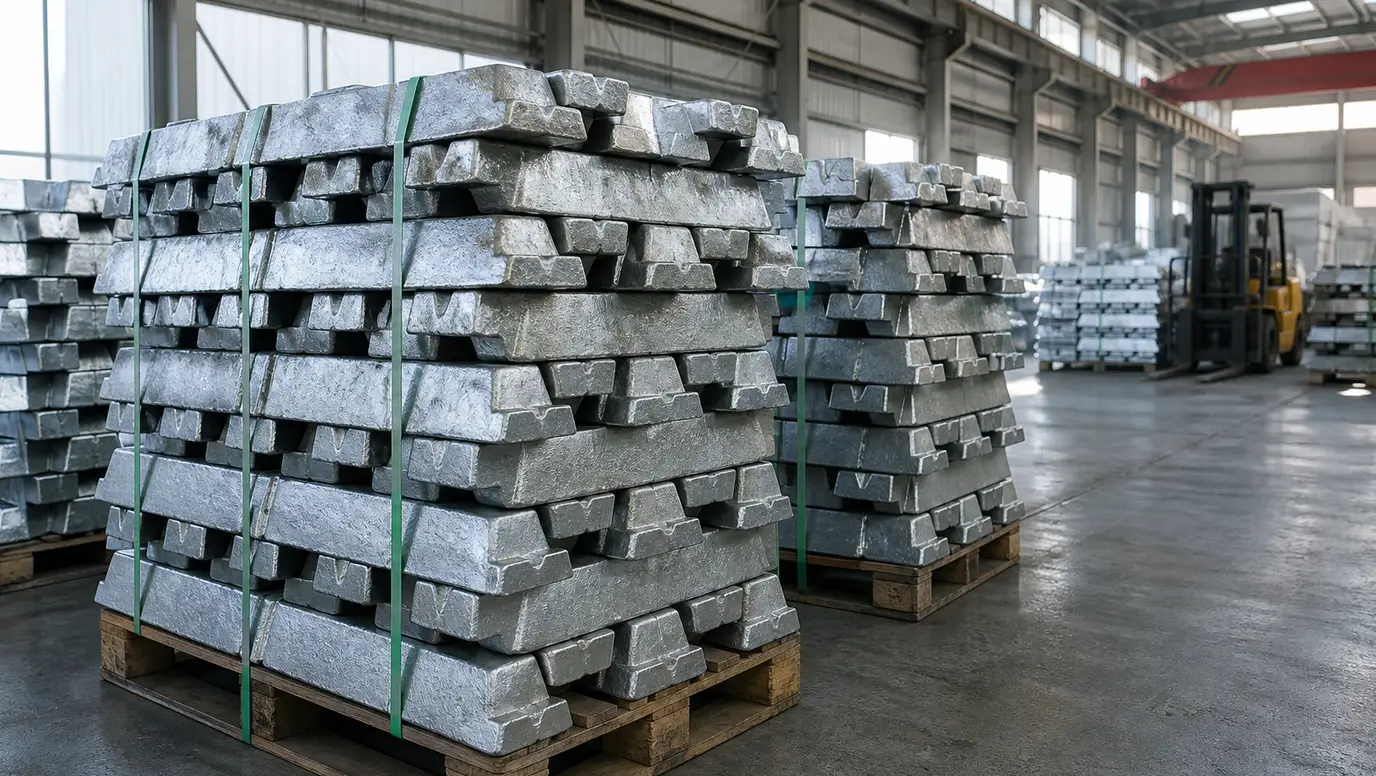
OCTOBER 13, 2026
Zinc Metals Market Falls as LME Stock Jump and US Dollar Pressure Base Metals
OCTOBER 12, 2026
Copper Metals Market Rises as China Premium and Tight LME Stocks Challenge US Dollar
OCTOBER 11, 2026
Gold Metals Market Braces for Federal Reserve Test as US Dollar and Treasury Yields Bite
OCTOBER 10, 2026
Palladium Metals Market Slips as Auto Demand and US Dollar Pressure Deepen Surplus Worries
OCTOBER 9, 2026
Silver Rebound Tests Metals Market as Treasury Yields Cap XAG Demand
OCTOBER 8, 2026
Zinc Metals Tightness Faces US Dollar and Treasury Yield Test
OCTOBER 7, 2026
Aluminum Rebound Tests Metals Market as Dollar Strength and China Lull Cap Buyers
OCTOBER 6, 2026
Copper Futures Rally Puts Metals Market Focus on Smelter Squeeze
OCTOBER 5, 2026
Lead Futures Rebound as Warehouse Drawdown Puts Battery Metal Back on Metals Watch
OCTOBER 4, 2026
Gold Metals Rebound Stalls as Treasury Yields Blunt Fed Pause Bets
OCTOBER 3, 2026
Palladium Rebound Attempt Puts Metals Market Focus on Auto Demand and Federal Reserve Risk
OCTOBER 2, 2026
Silver Holds Above $61 as Dollar and Treasury Yields Keep Metals Market on Payrolls Watch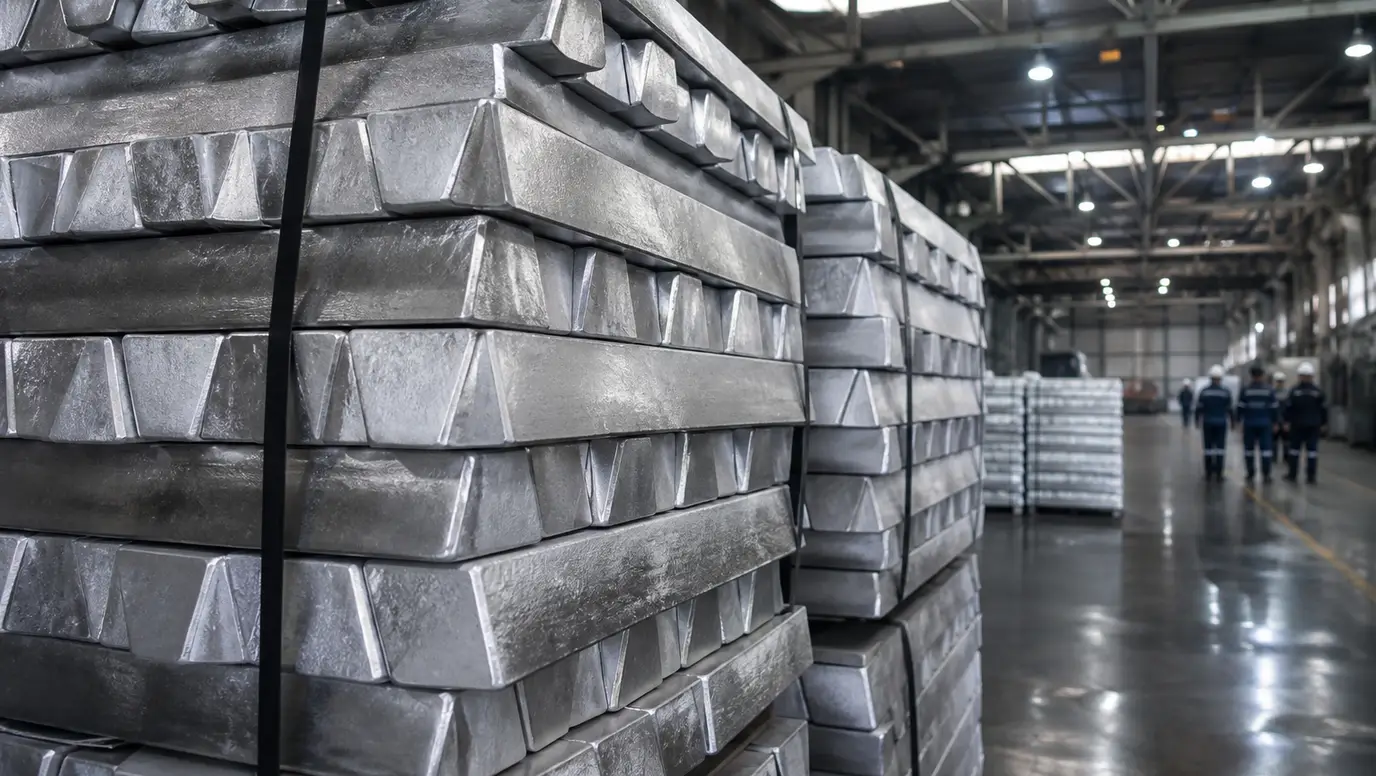
OCTOBER 1, 2026
Aluminum Slumps to 12-Week Low as Strong Dollar Hits Metals Market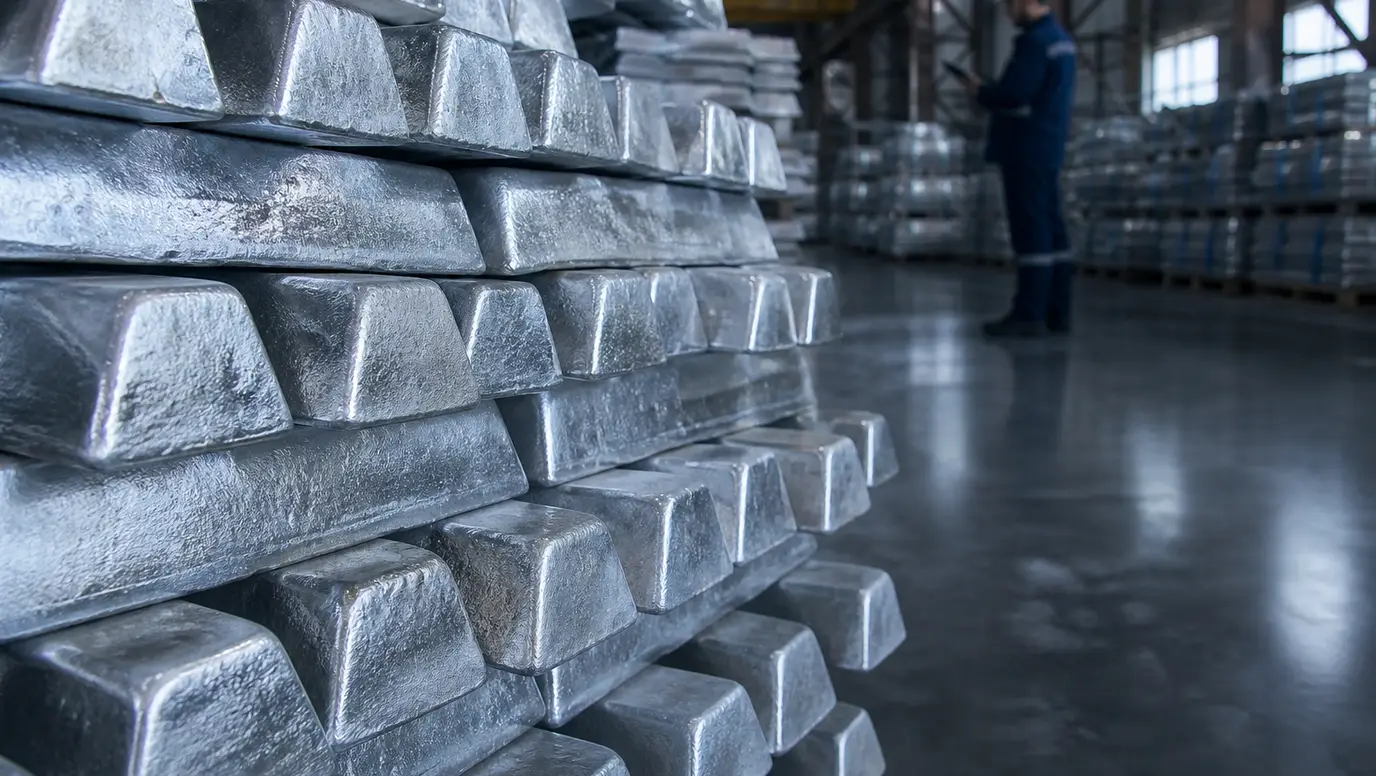
SEPTEMBER 29, 2026
Zinc Futures Fall as China Demand Worries Test Metals Market Tightness
SEPTEMBER 28, 2026
Palladium and Platinum Slide as Dollar, Yields Pressure Metals Market
SEPTEMBER 27, 2026
Gold Futures Slip as Sticky Inflation and Fed Rate Bets Cap Metals Market Rebound
SEPTEMBER 26, 2026
Silver Futures Rebound as Treasury Yield Pause Tests Metals Market Bears
SEPTEMBER 25, 2026
Copper Futures Climb as China Tightness Puts Metals Market on Supply Watch
SEPTEMBER 24, 2026
Aluminum Futures Steady as China Destocking Offsets Metals Market Yield Pressure
SEPTEMBER 23, 2026
Nickel Futures Hold Firm as Indonesia Drought Cuts Put Metals Market on Supply Watch
SEPTEMBER 22, 2026
Gold Holds Near $4,350 as Federal Reserve Rate Bets Cap Metals Market Rebound