OCTOBER 14, 2026
Aluminum Metals Futures Hold Near $3,000 as Japan Premium Drop Masks Supply StressAluminum futures steady near $3,000 as lower Japan premiums clash with tight supply chains and lingering physical market stress.

© 1box.site 2026
AUGUST 31, 2026
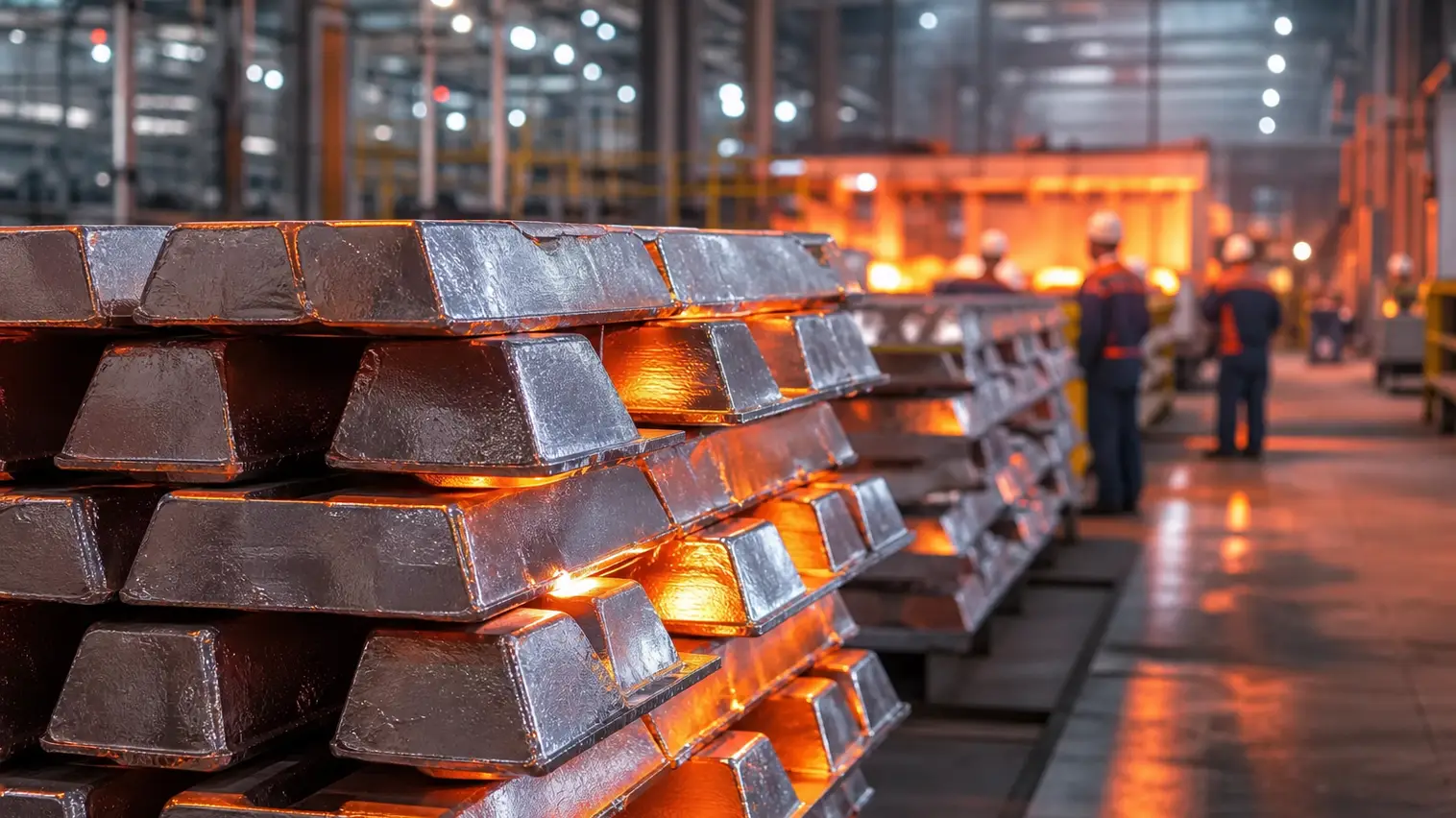
Aluminum moved back into focus across the metals market on Monday as traders weighed a rebound in U.S. physical premiums against fresh signs of pressure in the alumina supply chain. The shift gave the lightweight metal a distinct driver at a time when several precious and base metals remain constrained by U.S. rate expectations, currency swings and uneven industrial demand.
Spot aluminum was little changed near the start of the U.S. session, holding around the mid-$1.46 per pound area, while the latest London pricing remained close to the low-$3,200-per-tonne zone after a late-August pullback. The muted headline price action masked a more active physical market, where premium moves and raw-material disruptions are becoming more important than broad risk appetite alone.
U.S. Midwest primary aluminum premiums have firmed again as the market prices the risk that North American trade tensions will keep replacement costs high for buyers. The collapse of recent U.S.-Canada trade talks and the threat of additional duties have increased uncertainty for fabricators that rely on cross-border metal flows, particularly in transport, packaging and construction supply chains.
That premium strength matters because it can keep the all-in price paid by U.S. consumers elevated even when exchange-traded aluminum prices consolidate. For producers, the higher regional premium can support margins and restart economics. For downstream users, it raises the risk of delayed purchasing, thinner inventories and more aggressive hedging into the final quarter of 2026.
Europe is sending a different signal. Regional duty-paid premiums have eased from earlier peaks as geopolitical supply fears fade and some smelting capacity returns. That divergence between a firmer U.S. premium and softer European premium suggests the aluminum market is becoming more regional, with policy and logistics increasingly shaping local prices.
The upstream story is also tightening. Overseas metallurgical-grade alumina output fell in August, with temporary reductions in Brazil and logistics disruption in Guinea cutting available supply. Higher alumina costs can squeeze smelter margins or force aluminum prices to carry a stronger cost floor if the disruption persists.
At the same time, the market is not ignoring the return of capacity. A major Middle Eastern smelter has restarted a portion of its reduction cells after an earlier shutdown, with a gradual recovery expected before output normalizes in early 2027. That restart limits the risk of a disorderly squeeze, but it does not fully offset the current raw-material tightness or the time needed to rebuild stable trade flows.
China remains another stabilizing factor, though not an unlimited one. Output growth is still constrained by capacity replacement rules and power availability, while demand tied to electric vehicles, grid investment and data centers continues to support medium-term consumption expectations. Traders are therefore treating dips cautiously, but they are also reluctant to chase rallies without confirmation from physical demand.
The near-term aluminum outlook points to a firm but uneven market. If alumina prices continue to rise and U.S. premiums stay elevated, aluminum could remain better supported than metals with weaker physical signals. However, renewed smelter restarts, softer manufacturing activity or a stronger U.S. dollar could cap upside in the exchange price.
For the broader metals market, aluminum is becoming a test case for how regional trade policy and upstream bottlenecks can override a flat headline chart. Investors will watch premium levels, alumina production updates, warehouse stocks and North American tariff headlines for the next directional signal.
OCTOBER 14, 2026
Aluminum Metals Futures Hold Near $3,000 as Japan Premium Drop Masks Supply Stress
OCTOBER 7, 2026
Aluminum Rebound Tests Metals Market as Dollar Strength and China Lull Cap Buyers
OCTOBER 1, 2026
Aluminum Slumps to 12-Week Low as Strong Dollar Hits Metals Market
SEPTEMBER 24, 2026
Aluminum Futures Steady as China Destocking Offsets Metals Market Yield Pressure
SEPTEMBER 16, 2026
Aluminum Rally Tests China Supply Cap as Metals Market Weighs Export Surge
SEPTEMBER 6, 2026
Aluminum Futures Split Metals Market as Supply Risk Meets Soft China Demand
AUGUST 15, 2026
Aluminum Keeps Metals Market on Inventory Watch as China Demand Offsets Tariff Risk
AUGUST 4, 2026
Aluminum Premium Squeeze Keeps Metals and Commodities Traders Focused on U.S. Tariffs
JULY 29, 2026
Aluminum Stockpile Drain Puts Metals and Commodities on Premium Watch
JULY 21, 2026
Aluminum and Copper Rally Puts Metals Market on Tariff Watch
JULY 9, 2026
Copper Retreats as Gulf Tension Turns Base Metals Toward Demand Risk
JULY 8, 2026
Gold Loses Haven Bid as Dollar Strength Splits the Metals Market
JULY 3, 2026
Aluminum and Copper Rebound as Softer Dollar Revives Base Metals Demand
JULY 1, 2026
Copper Leads Metals Lower as Tariff Uncertainty Hits Aluminum and Zinc