OCTOBER 23, 2026
Copper Metals Market Rebounds as Nickel Slips on Indonesia Cut WatchCopper rebounds as risk appetite steadies, while nickel slips as traders await firmer signals on Indonesian output cuts.

© 1box.site 2026

AUGUST 20, 2026
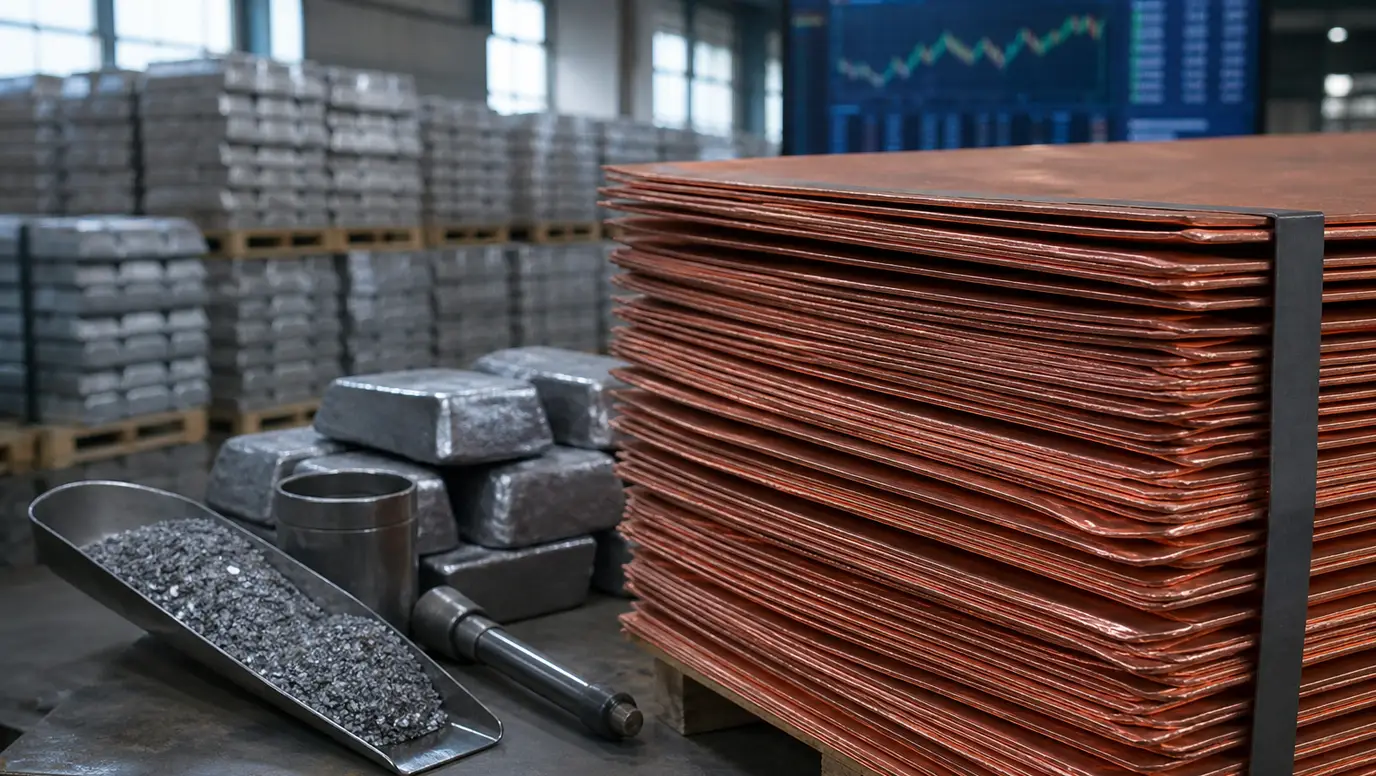
Copper moved to the center of the metals market on August 20, 2026, as tight nearby supply, falling warehouse stocks and tariff uncertainty kept traders focused on physical availability rather than broad macro sentiment. The metal has remained near elevated levels in recent London trading, with the three-month contract holding around the psychologically important $14,000-a-metric-ton area after a strong early-August advance.
The most important signal is not just the outright price. It is the shape of the forward curve. Nearby copper has been trading at a sharp premium to later delivery, a market condition known as backwardation. That structure usually points to immediate demand for deliverable metal and can force consumers, merchants and short-positioned traders to pay up for prompt supply.
Visible copper stocks in major exchange warehouses have fallen sharply through August, reducing the cushion available to the physical market. Recent data showed total London warehouse stocks near 205,000 metric tons for the week ending August 14, down about 18,000 metric tons on the week, while the amount of freely available tonnage was far lower after accounting for metal already earmarked for withdrawal.
That drawdown has made the copper market especially sensitive to warrant movements, shipment flows and regional premiums. When available stocks are thin, even a modest change in cancellations or load-outs can have an outsized impact on spreads. For industrial users, the risk is that a futures price that looks stable from day to day may still mask a more expensive physical procurement environment.
The current setup also highlights a split between financial and physical demand. Macro investors continue to weigh the impact of the US dollar, real yields and global manufacturing data, but physical traders are watching where the metal is located. Copper held above $14,000 despite softer patches in Chinese credit and construction-related indicators, suggesting that supply logistics are carrying more weight than a simple demand-growth story.
Tariff uncertainty has added another layer of volatility. A buildup of copper in the United States, linked to expectations around possible import restrictions, has pulled material away from other regions and complicated the global stock picture. If policy expectations continue to encourage pre-positioning, the market outside the United States could remain tighter even if headline global inventories appear adequate.
The reverse risk is also important. If tariff pressure fades or a policy decision proves less restrictive than feared, some metal parked in the United States could eventually become more mobile. That would not automatically erase the tightness in nearby spreads, but it could reduce the urgency that has supported the recent backwardation.
Supply news has reinforced the bullish tone. Smelter disruption in Indonesia and a lower Chilean production outlook have reminded traders that copper’s refined supply chain is vulnerable to operational setbacks. At the same time, long-term demand themes tied to grid upgrades, electrification, data centers and power-intensive technology infrastructure remain intact, keeping dip-buying interest alive when prices pull back.
The key question for the broader metals market is whether copper’s tightness remains isolated or becomes a wider base-metals signal. Aluminum, zinc, lead, nickel and tin have each traded on their own supply-demand stories this month, but copper is often treated as the bellwether for industrial activity and commodity risk appetite.
For now, the copper rally looks less like a broad speculative surge and more like a market repricing the value of immediately available units. That makes daily warehouse changes, cash-to-forward spreads and regional shipment patterns more important than usual. A sustained rebuild in available stocks would cool the squeeze narrative, while another round of withdrawals could keep copper backwardation at the center of metals trading into late August.
Investors should also watch the currency backdrop. A stronger US dollar or higher Treasury yields can cap commodity rallies by making dollar-priced metals more expensive for overseas buyers. However, when exchange stocks are falling and prompt premiums are widening, macro headwinds may slow the advance rather than fully reverse it.
The near-term bias in copper therefore remains cautiously firm. Prices are already elevated, leaving room for sharp corrections if tariff expectations shift or Chinese demand disappoints. But until available warehouse supply stabilizes, the metals market is likely to treat copper as a tight physical market first and a macro trade second.
OCTOBER 23, 2026
Copper Metals Market Rebounds as Nickel Slips on Indonesia Cut Watch
OCTOBER 18, 2026
Copper Metals Market Holds Near Record as Tight Stocks Offset Federal Reserve Shock
OCTOBER 12, 2026
Copper Metals Market Rises as China Premium and Tight LME Stocks Challenge US Dollar
OCTOBER 6, 2026
Copper Futures Rally Puts Metals Market Focus on Smelter Squeeze
SEPTEMBER 30, 2026
Copper Futures Steady as Metals Market Weighs Dollar, Oil and Federal Reserve Risk
SEPTEMBER 25, 2026
Copper Futures Climb as China Tightness Puts Metals Market on Supply Watch
SEPTEMBER 19, 2026
Copper Futures Rally Puts Metals Market on Federal Reserve and PMI Watch
SEPTEMBER 13, 2026
Copper Futures Pullback Puts Metals Market on Tariff Doubt Watch
SEPTEMBER 8, 2026
Copper Hits Record High as Tariff Risk Tightens Metals Market Supply
SEPTEMBER 2, 2026
Copper Pullback Hits Metals Market as Strong Dollar Revives Federal Reserve Rate Risk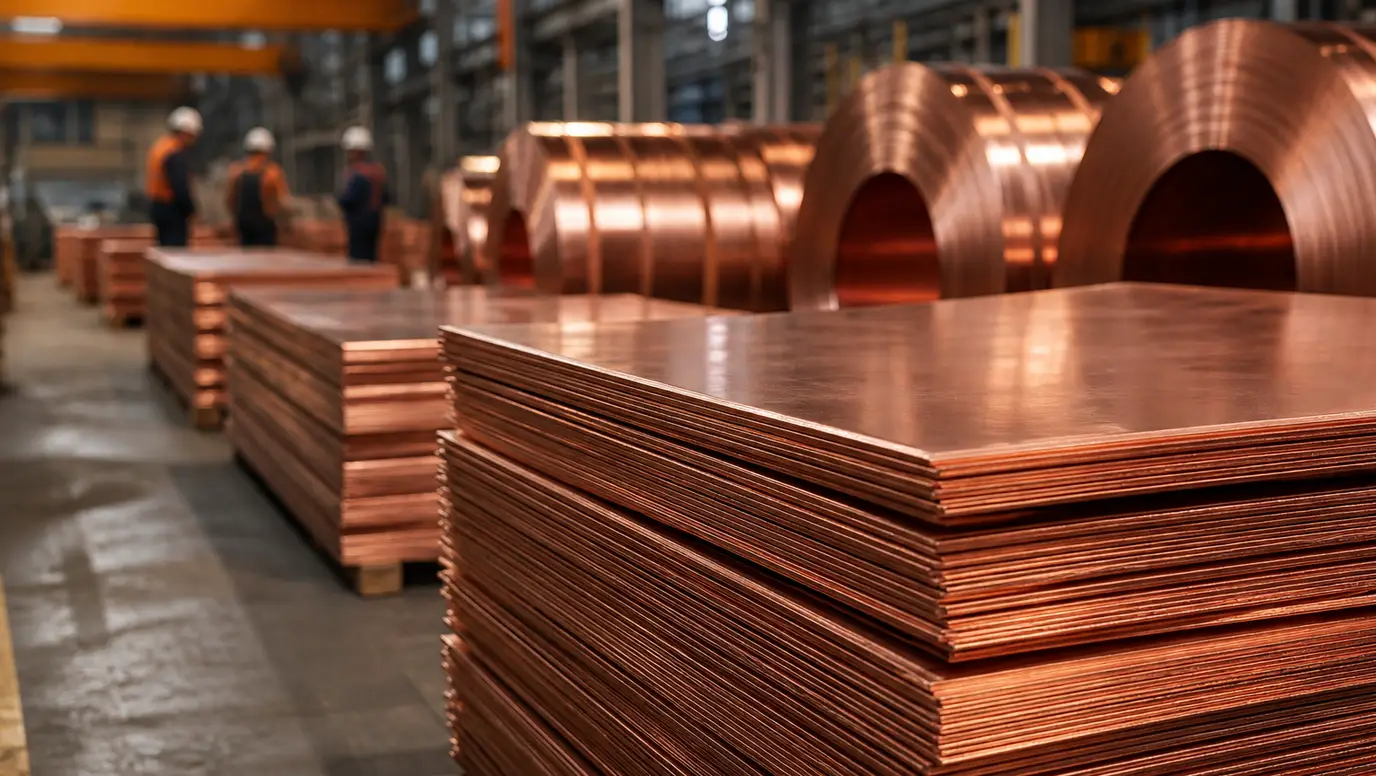
AUGUST 27, 2026
Copper Backwardation Puts Metals Market on Supply Stress Alert as Fed Risk Caps Rally
AUGUST 14, 2026
Copper Squeeze Lifts Metals Market as Treasury Yields Test Rally
AUGUST 8, 2026
Copper Breakout Keeps Metals Market Focused on China Premiums and Inventory Drain
AUGUST 3, 2026
Copper Rebound Puts Metals Market on US Dollar Watch as Supply Tightness Offsets Demand Caution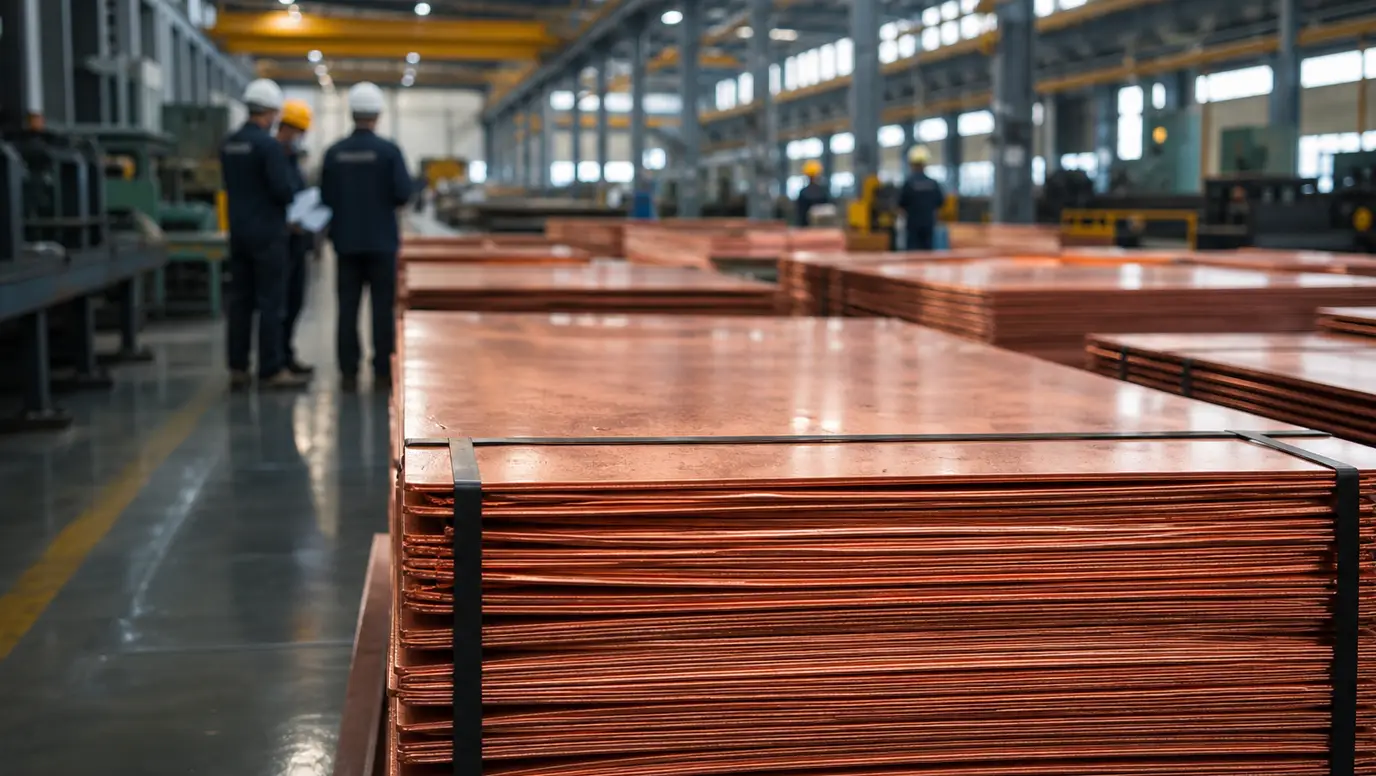
JULY 28, 2026
Copper Tightness Puts Metals and Commodities Traders on China Supply Watch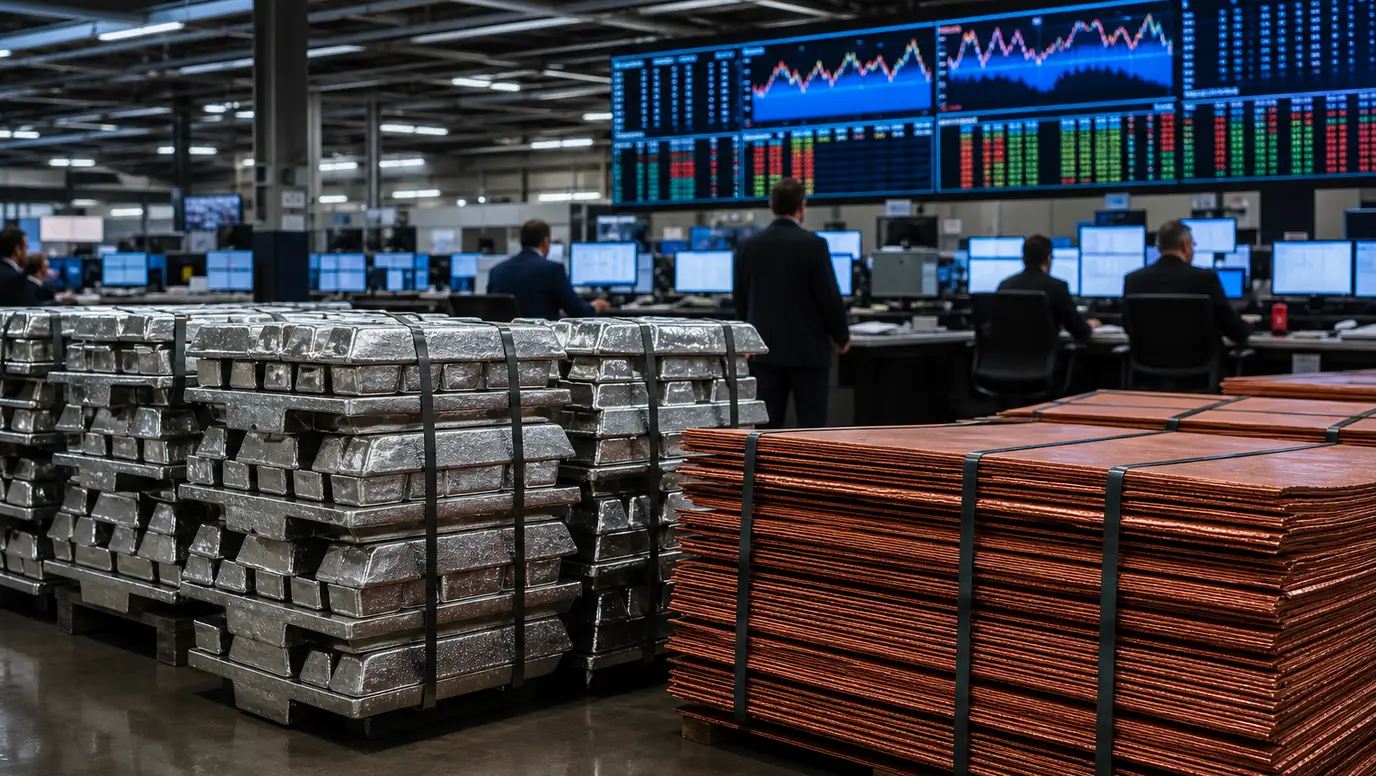
JULY 21, 2026
Aluminum and Copper Rally Puts Metals Market on Tariff Watch
JULY 18, 2026
Copper Pullback Keeps Metals Market Defensive as Gold and Silver Watch Yields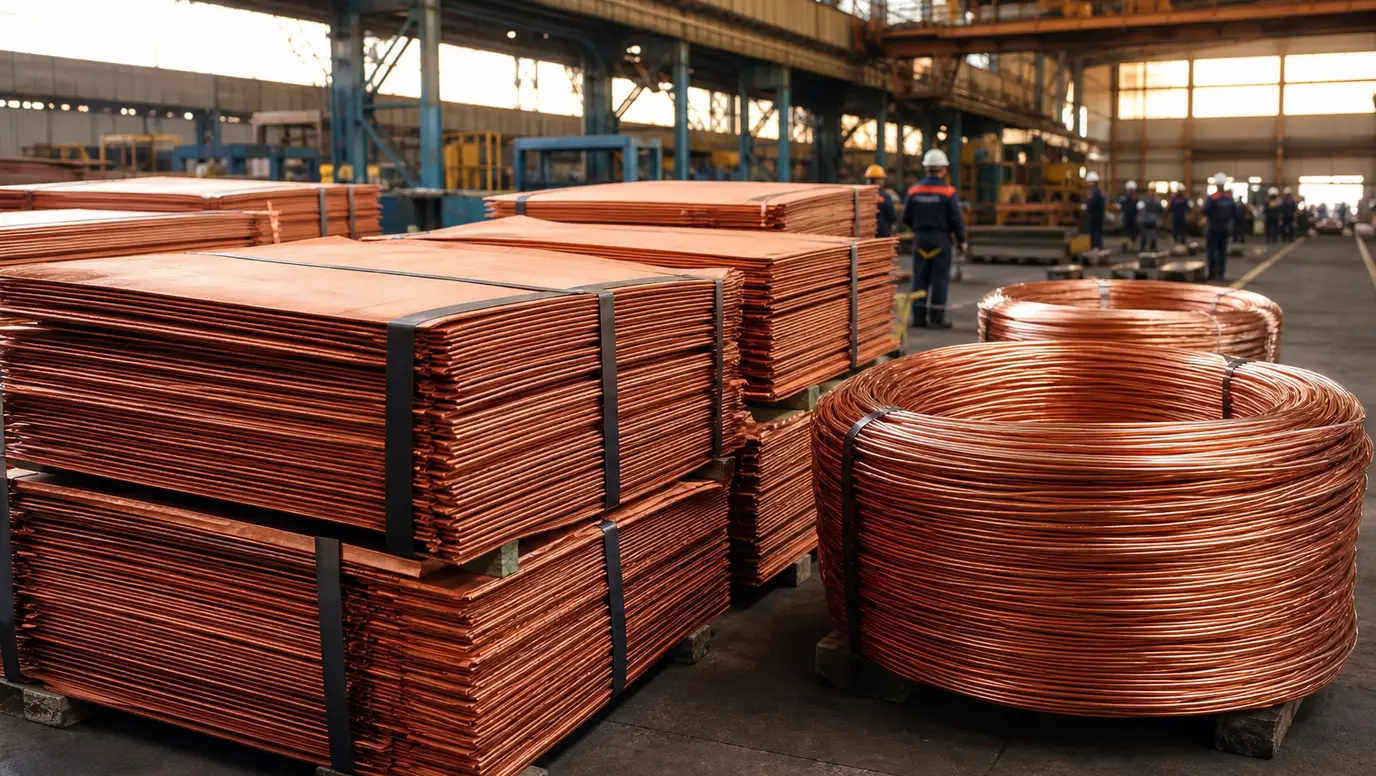
JULY 15, 2026
Copper Prices Lead Metals Market as China Demand Puts Supply Tightness Back in Focus
JULY 14, 2026
Gold and Silver Jump as Cool CPI Pulls Metals Market Back Toward Real-Yield Trade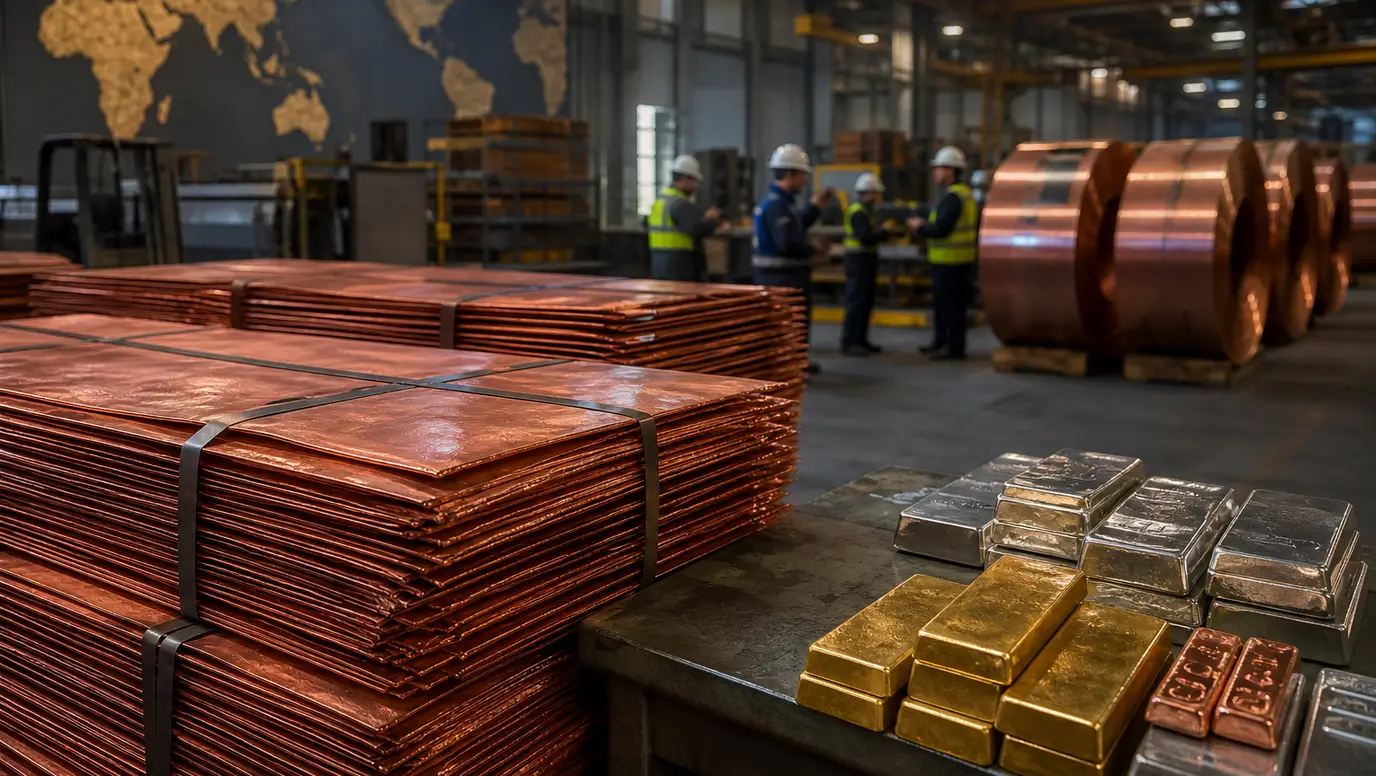
JULY 11, 2026
Copper Premium Takes Center Stage as Metals Market Weighs Tariff Risk and Fed Headwinds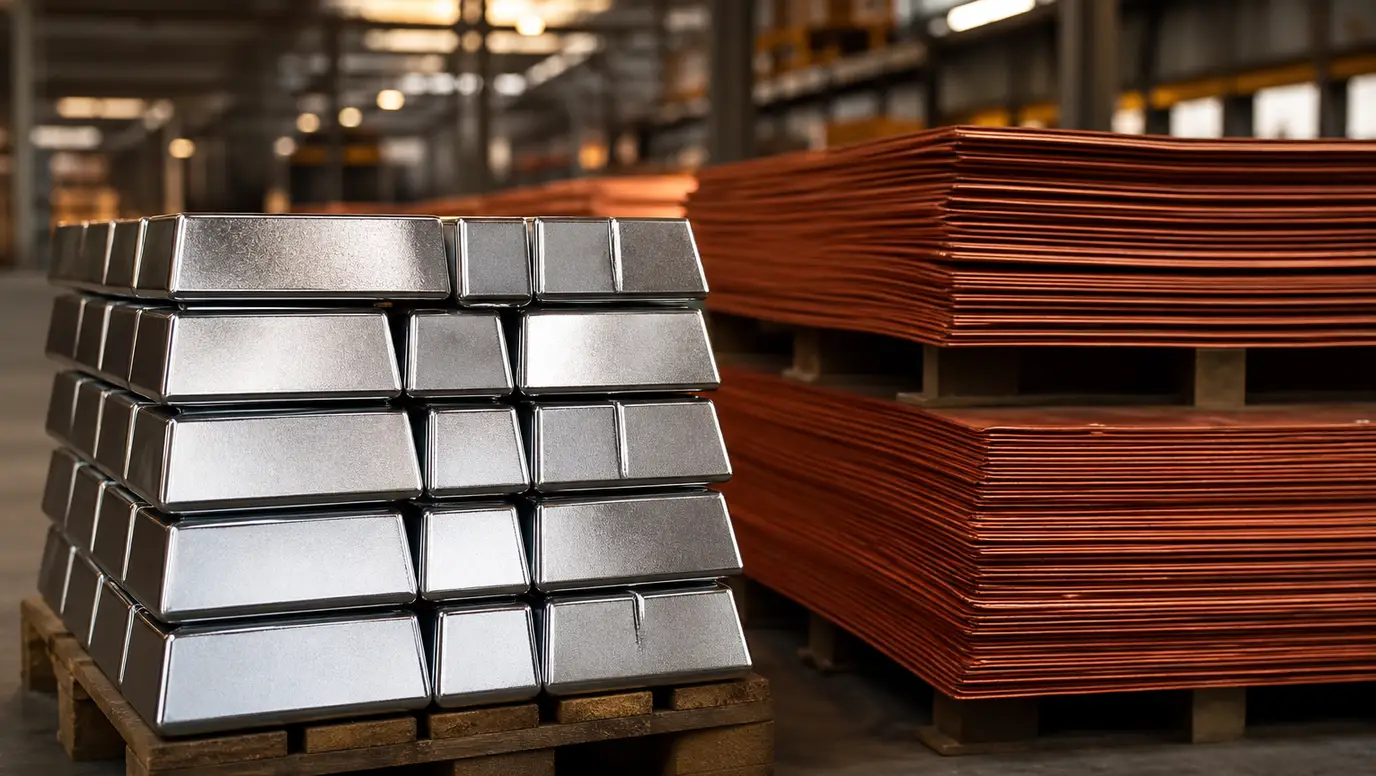
JULY 10, 2026
Silver and Copper Rebound as Softer US Dollar Revives Metals Market Bid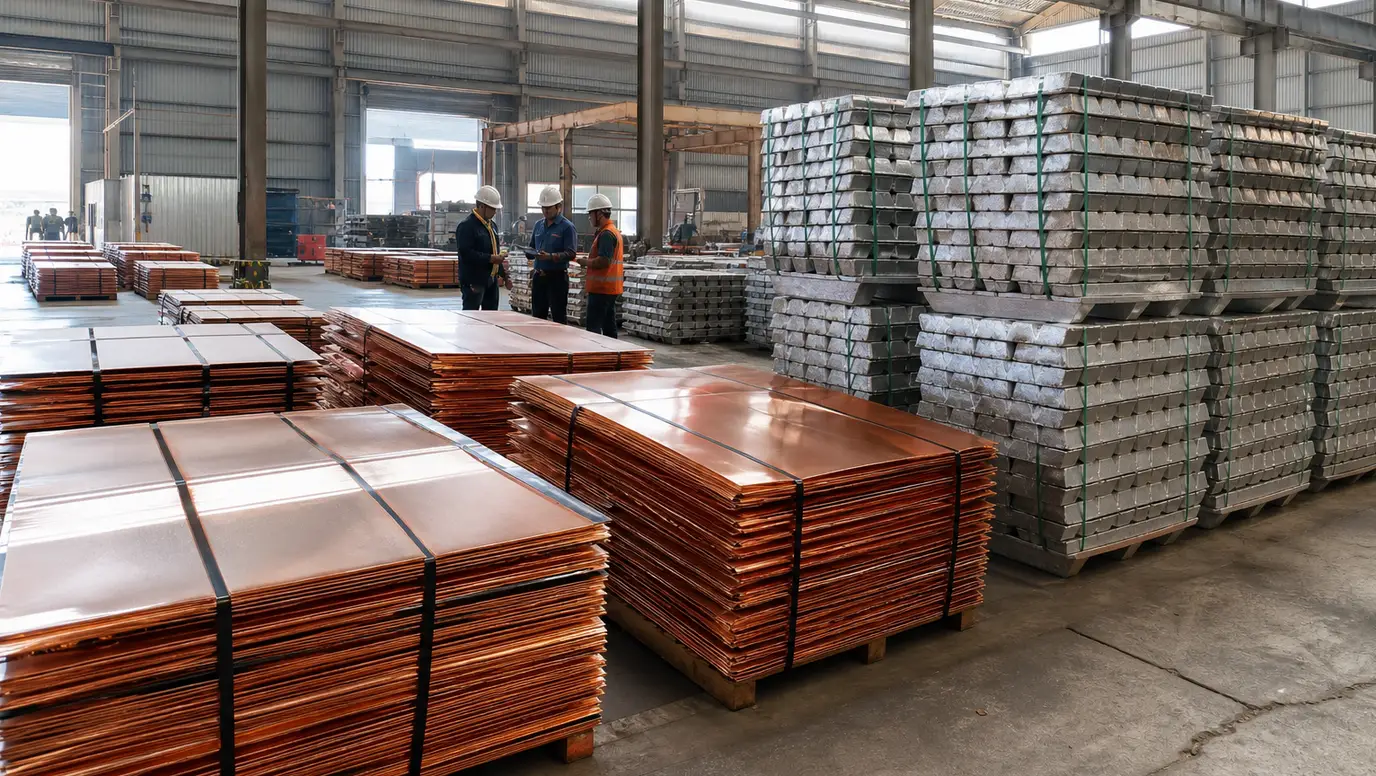
JULY 9, 2026
Copper Retreats as Gulf Tension Turns Base Metals Toward Demand Risk
JULY 8, 2026
Gold Loses Haven Bid as Dollar Strength Splits the Metals Market
JULY 6, 2026
Gold Pullback and Copper Resilience Split Metals Market as Dollar Stabilizes
JULY 5, 2026
Copper Tariff Delay Keeps Metals Market on Edge as Gold Holds Jobs-Report Rebound
JULY 3, 2026
Aluminum and Copper Rebound as Softer Dollar Revives Base Metals Demand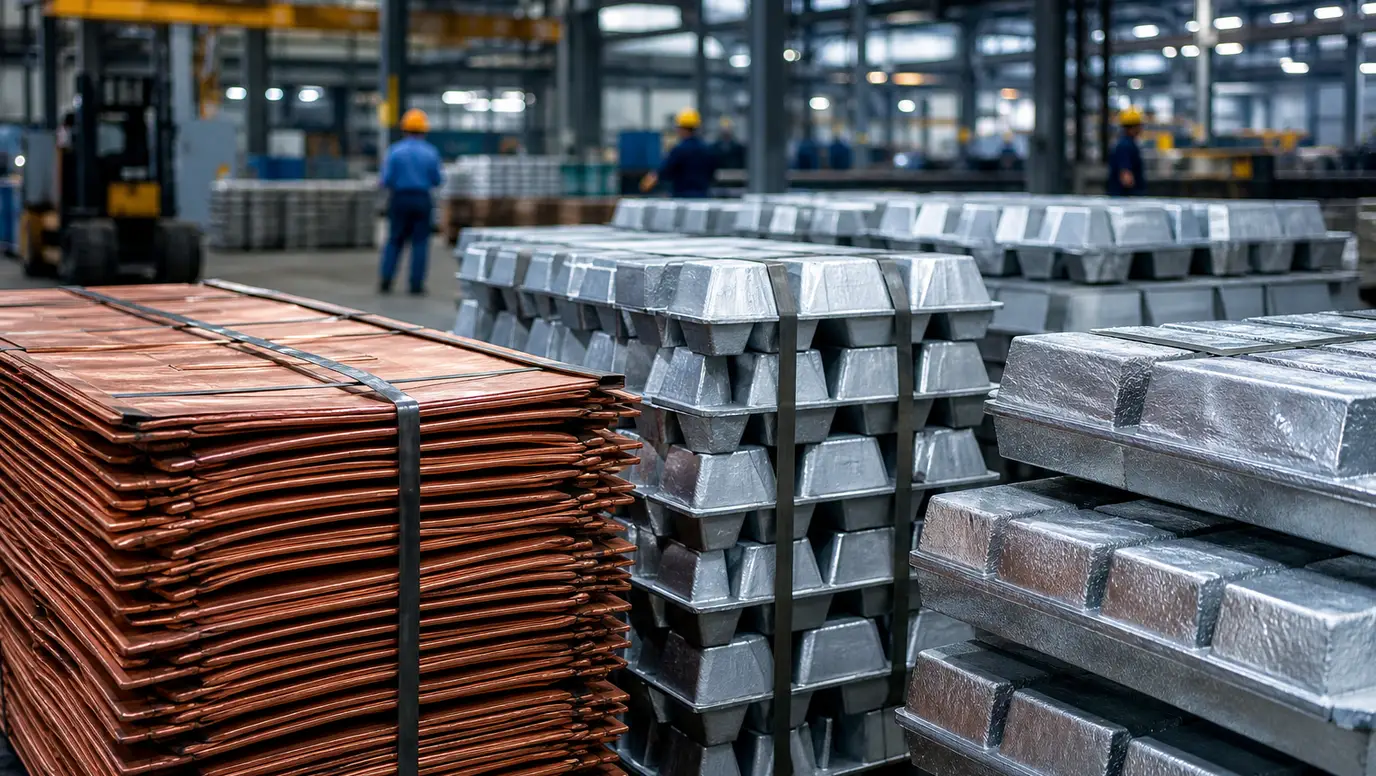
JULY 1, 2026
Copper Leads Metals Lower as Tariff Uncertainty Hits Aluminum and Zinc
JUNE 29, 2026
Silver Breaks Below $60 as Dollar Pressure Spills Into Copper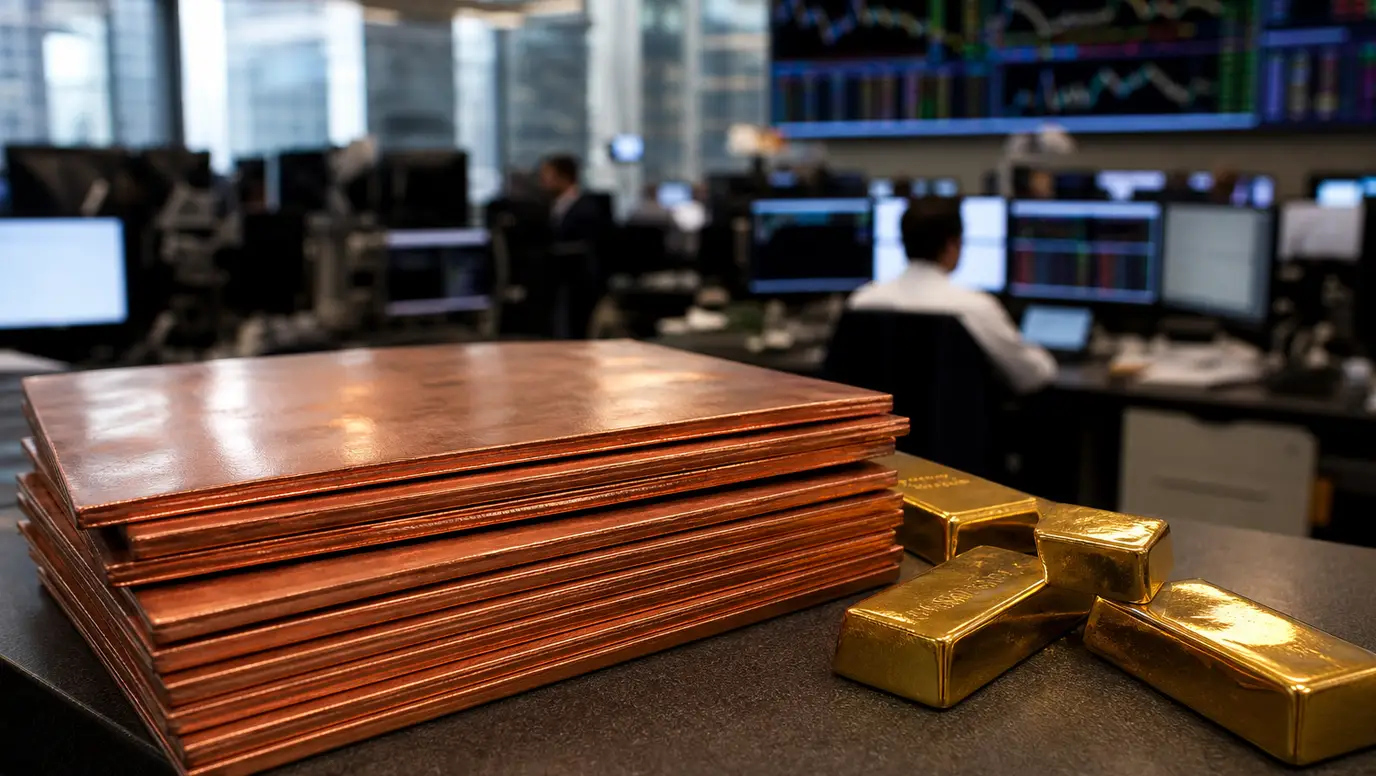
JUNE 28, 2026
Copper Tariff Deadline Overtakes Gold Rebound as Metals Market Enters Quarter-End