OCTOBER 14, 2026
Aluminum Metals Futures Hold Near $3,000 as Japan Premium Drop Masks Supply StressAluminum futures steady near $3,000 as lower Japan premiums clash with tight supply chains and lingering physical market stress.

© 1box.site 2026
AUGUST 15, 2026
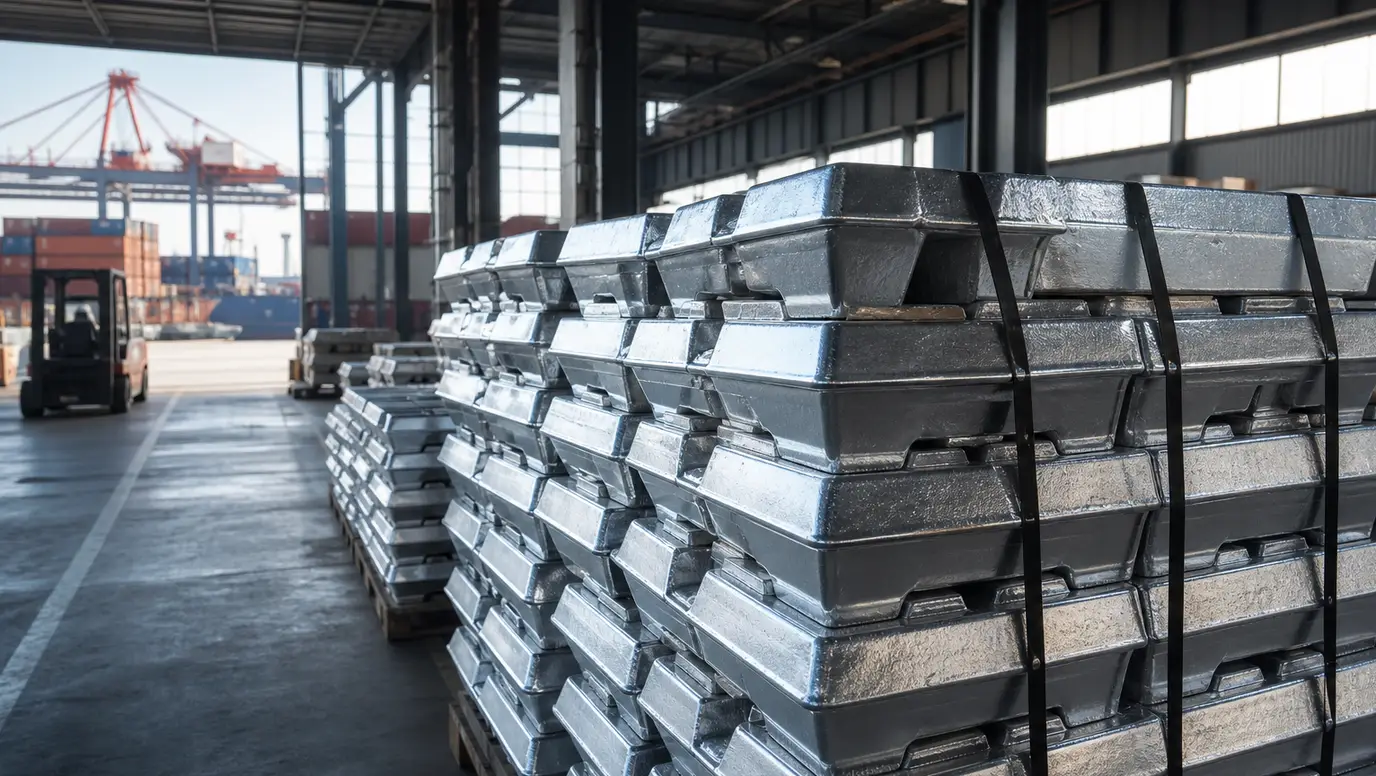
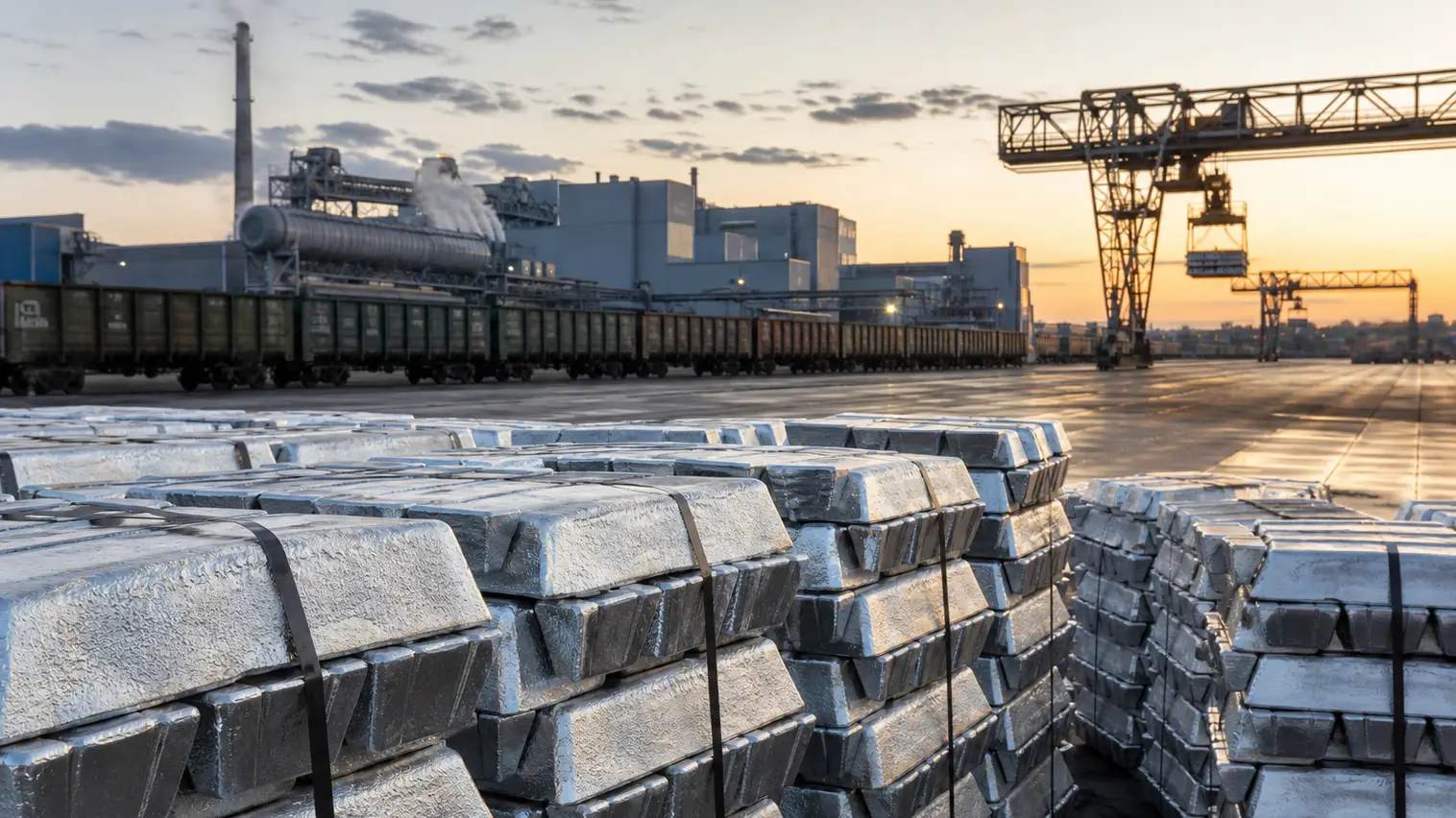
Aluminum has moved to the front of the metals market watch list as traders weigh tightening visible stocks against uneven demand, trade-policy uncertainty and a still-sensitive macro backdrop. The latest market signals point to a metal that is no longer trading purely on broad risk appetite: inventory drawdowns, regional premiums and China’s export flows are now doing more of the work in setting direction.
The shift is notable because recent metals coverage has been dominated by sharper moves in copper, zinc, lead and platinum-group metals. Aluminum’s story is less dramatic but increasingly important for industrial investors. It sits at the center of construction, transport, packaging, power-grid and renewable-energy supply chains, making it a useful gauge of whether manufacturing demand is stabilizing or merely experiencing a short seasonal bounce.
Falling warehouse and social inventories are the main reason aluminum has avoided a deeper break despite softer summer consumption. Chinese spot inventories have been reported well below their spring peak, while exchange stocks remain low by recent historical standards. That combination has limited the market’s ability to price in a large surplus, even as some downstream buyers continue to resist higher offers.
The inventory picture matters because aluminum supply cannot respond as quickly as sentiment can. Smelters are energy-intensive, restart decisions are costly, and China’s capacity ceiling continues to restrict the speed at which new primary production can be added. When demand improves, the market often has to rely on higher operating rates, exports of semi-finished material, or drawdowns from existing stocks rather than a rapid wave of fresh supply.
For now, that leaves prices supported on pullbacks. Traders are watching whether the recent destocking trend continues into the late-summer and early-autumn demand window. If inventories keep falling while fabrication orders improve, aluminum could attract renewed speculative buying. If inventories stabilize or rise, the market may instead treat the recent support as a temporary off-season adjustment.
China remains the central variable for aluminum. Domestic construction demand is still uneven, but transport, grid investment, packaging and green-energy applications are helping offset weakness in property-linked consumption. At the same time, China’s semi-finished aluminum exports have become a key release valve for the global market, especially when overseas premiums rise and export arbitrage improves.
That export channel is a double-edged signal. Strong shipments can tighten China’s domestic inventory position and support local prices, but they can also pressure overseas fabricators if trade flows become politically sensitive. This is why aluminum is increasingly being traded not only as a demand story but also as a tariff and regional-premium story.
In the United States, import policy remains a source of uncertainty for buyers that depend on foreign metal. Tariff adjustments and incentives tied to domestic onshoring may support local production over time, but the near-term effect is often a wider gap between global benchmark pricing and the all-in cost paid by manufacturers. That premium risk can encourage inventory caution, particularly among buyers trying to avoid overpaying during a period of mixed end-user demand.
Aluminum’s fundamentals are improving at the margin, but the broader metals market is still sensitive to the US dollar, Treasury yields and expectations for Federal Reserve policy. A firmer dollar can make dollar-denominated metals more expensive for overseas buyers, while higher yields tend to reduce appetite for commodities that do not provide income. Those pressures can cap rallies even when physical indicators look constructive.
Energy costs are another important variable. Aluminum production is highly power-intensive, so shifts in electricity prices, gas markets and regional energy availability can quickly alter smelter economics. Any renewed disruption to Middle Eastern supply routes or energy flows would likely be reflected in aluminum premiums before it appears in headline production figures.
The near-term setup is therefore balanced rather than one-sided. Aluminum has support from lower inventories, constrained supply growth and potential seasonal demand improvement in China. It also faces headwinds from tariff uncertainty, cautious downstream restocking and macro volatility. For metals investors, the clearest signal may come from whether inventory drawdowns persist while regional premiums remain firm. If both conditions hold, aluminum could become one of the steadier industrial-metal leaders heading into the next trading cycle.
OCTOBER 14, 2026
Aluminum Metals Futures Hold Near $3,000 as Japan Premium Drop Masks Supply Stress
OCTOBER 12, 2026
Copper Metals Market Rises as China Premium and Tight LME Stocks Challenge US Dollar
OCTOBER 7, 2026
Aluminum Rebound Tests Metals Market as Dollar Strength and China Lull Cap Buyers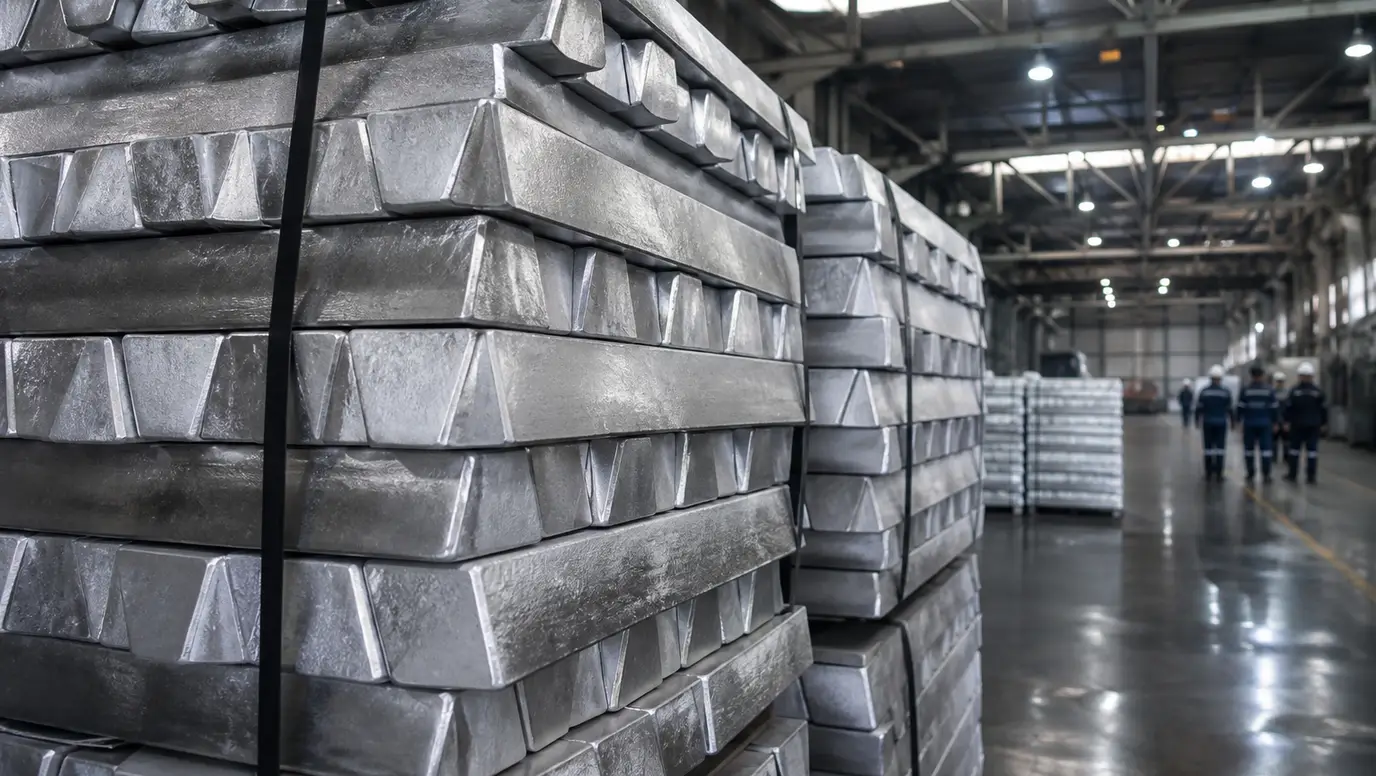
OCTOBER 1, 2026
Aluminum Slumps to 12-Week Low as Strong Dollar Hits Metals Market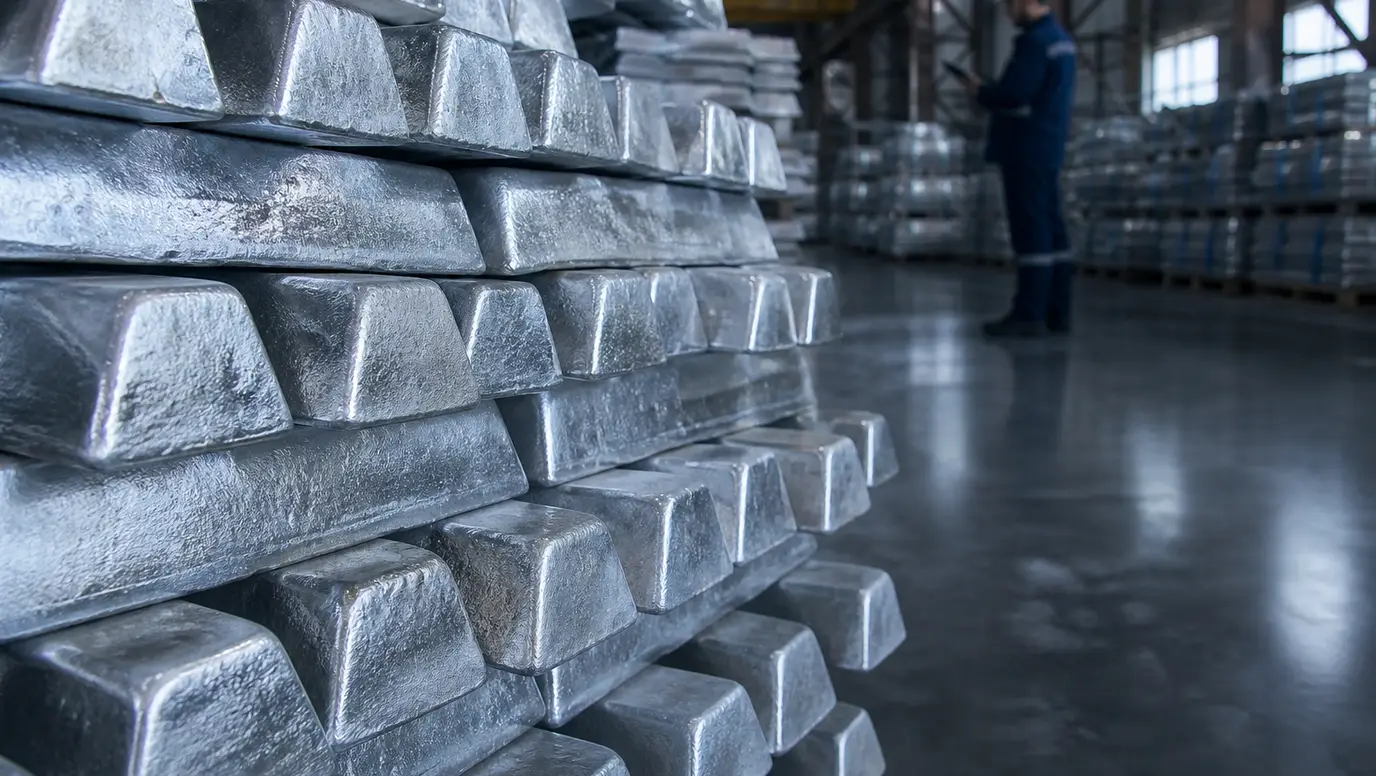
SEPTEMBER 29, 2026
Zinc Futures Fall as China Demand Worries Test Metals Market Tightness
SEPTEMBER 27, 2026
Gold Futures Slip as Sticky Inflation and Fed Rate Bets Cap Metals Market Rebound
SEPTEMBER 25, 2026
Copper Futures Climb as China Tightness Puts Metals Market on Supply Watch
SEPTEMBER 24, 2026
Aluminum Futures Steady as China Destocking Offsets Metals Market Yield Pressure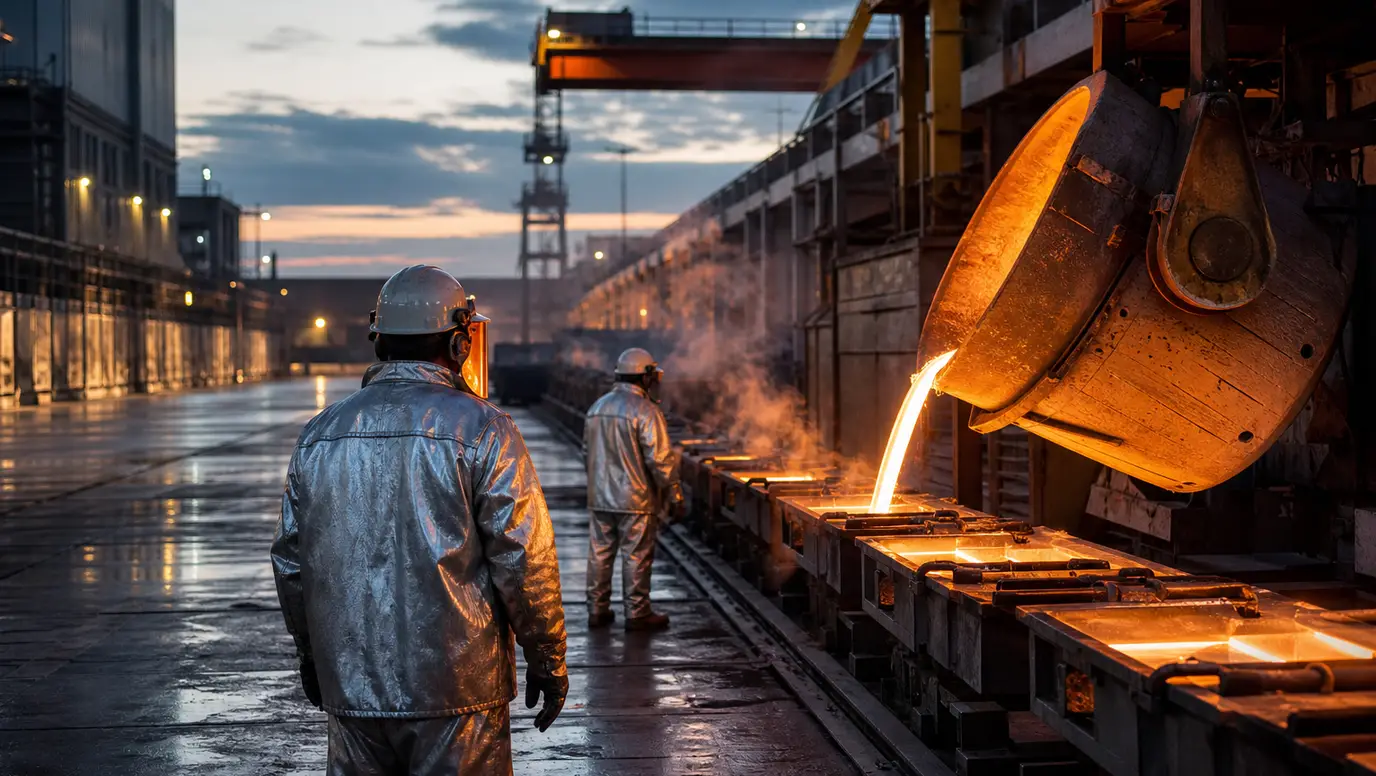
SEPTEMBER 16, 2026
Aluminum Rally Tests China Supply Cap as Metals Market Weighs Export Surge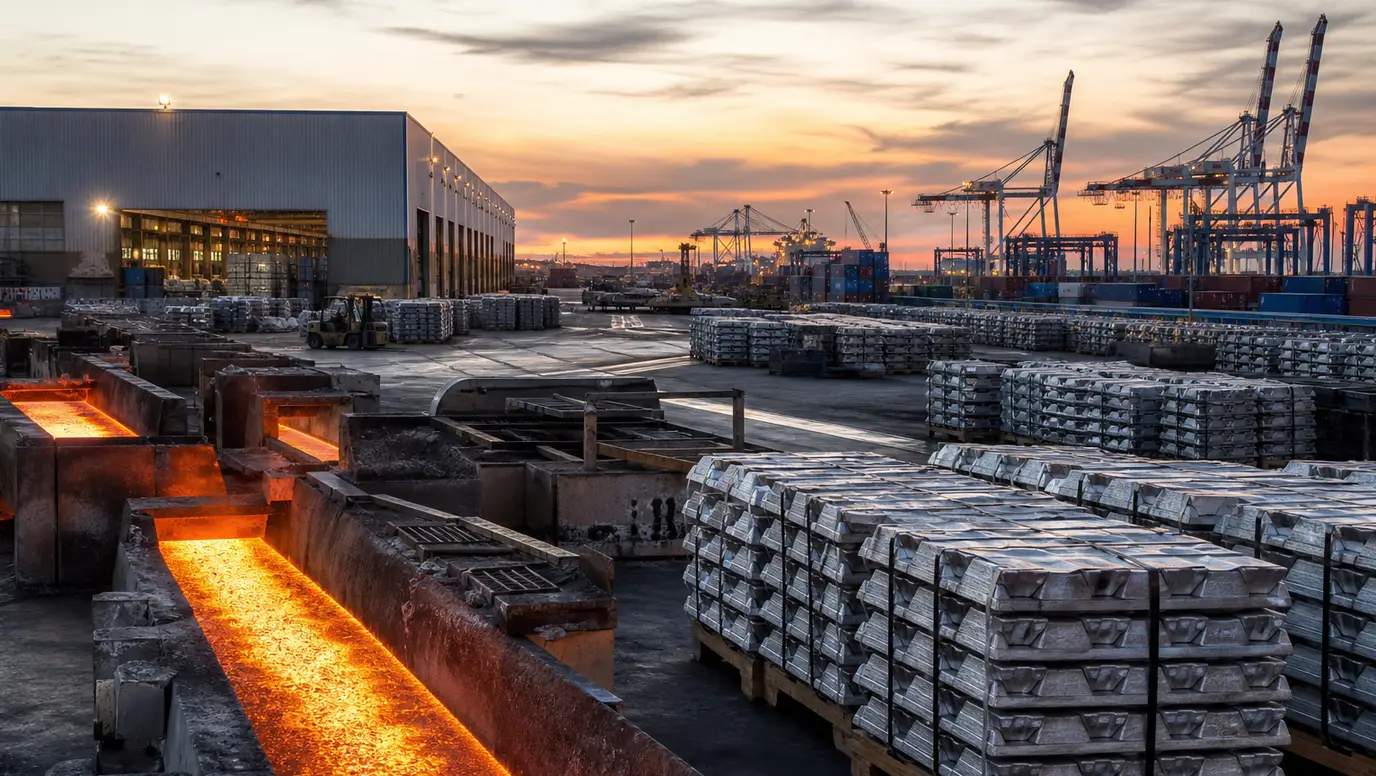
SEPTEMBER 6, 2026
Aluminum Futures Split Metals Market as Supply Risk Meets Soft China Demand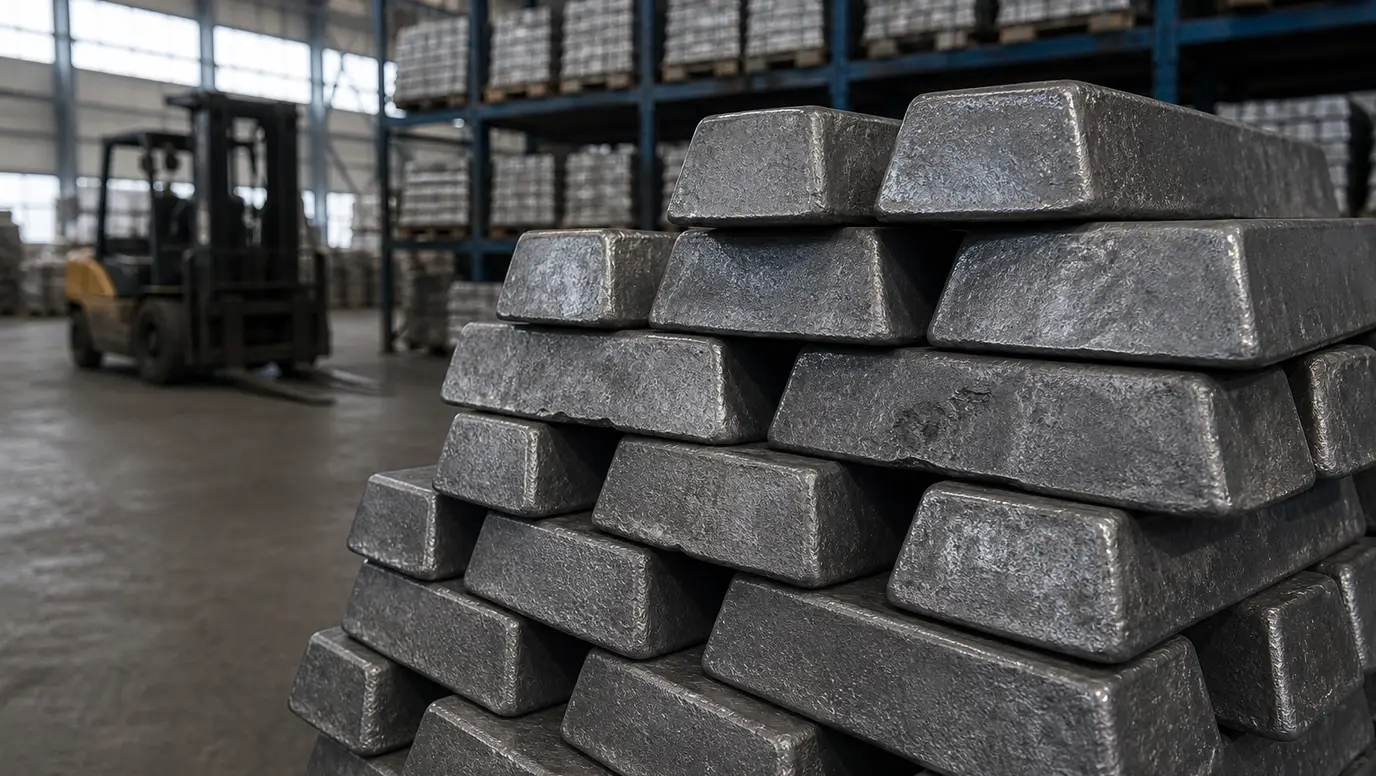
SEPTEMBER 5, 2026
Lead Lags Metals Market as Inventory Draws Fail to Shift Demand Doubts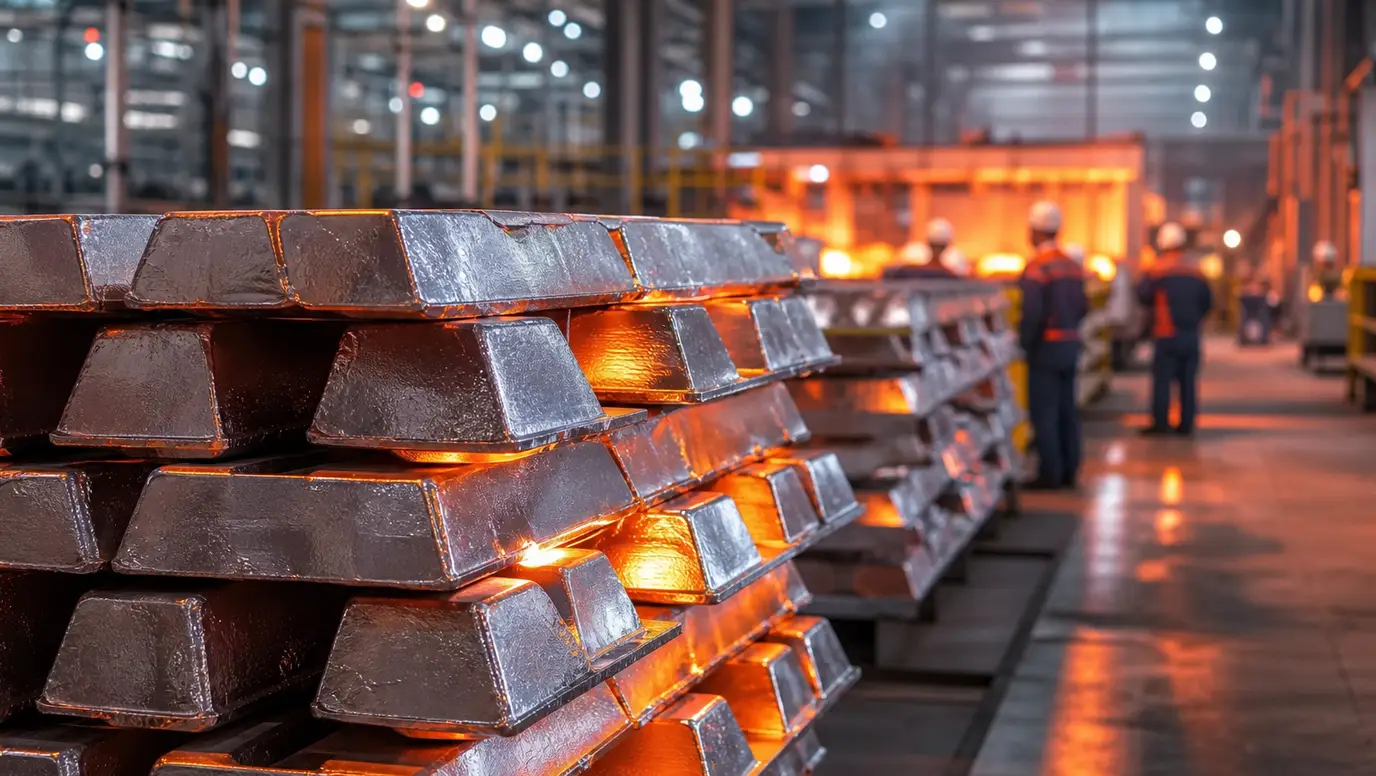
AUGUST 31, 2026
Aluminum Premiums Rebound as Metals Market Tracks Tariff Risk and Alumina Squeeze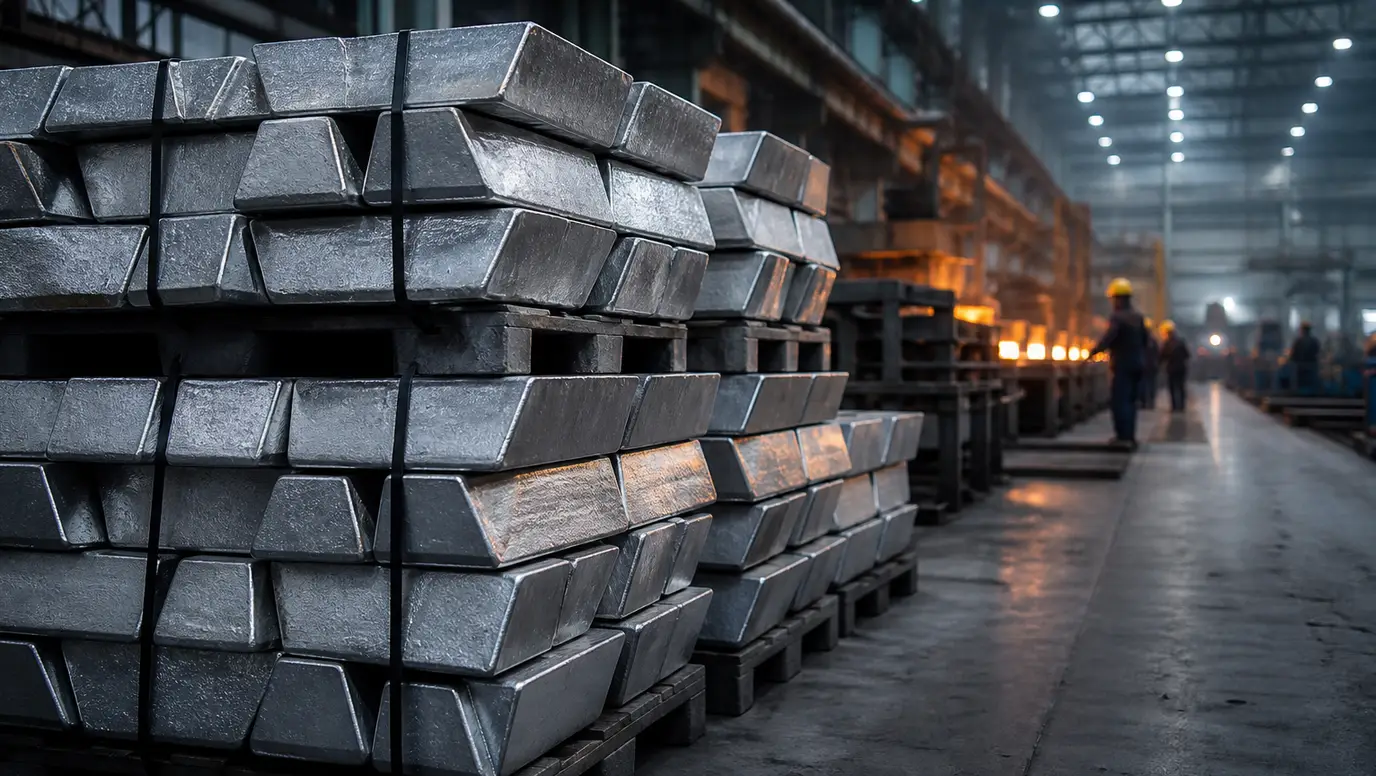
AUGUST 23, 2026
Aluminum Rally Puts Metals Market on Smelter Restart Watch as Inventories Tighten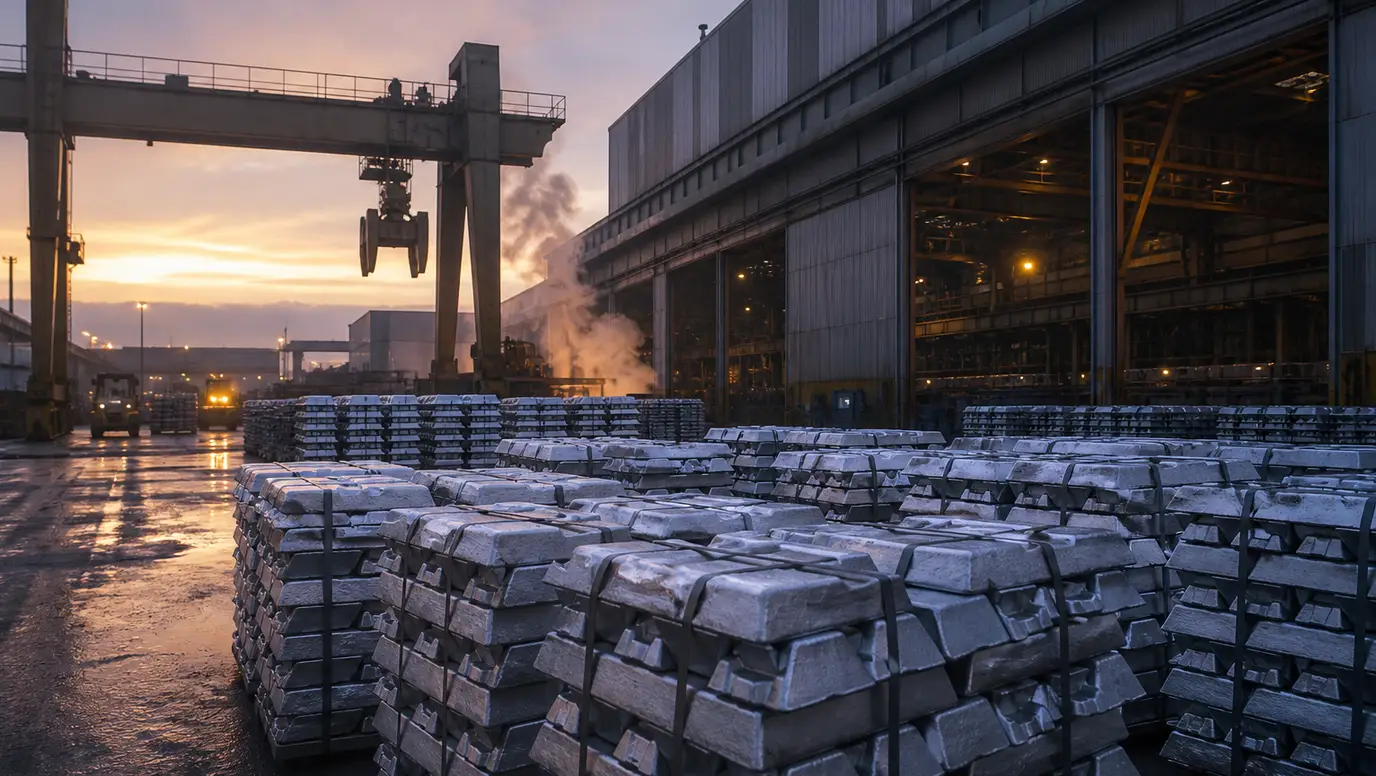
AUGUST 13, 2026
Zinc Tightness Keeps Metals Market Alert as China Demand Caps Rally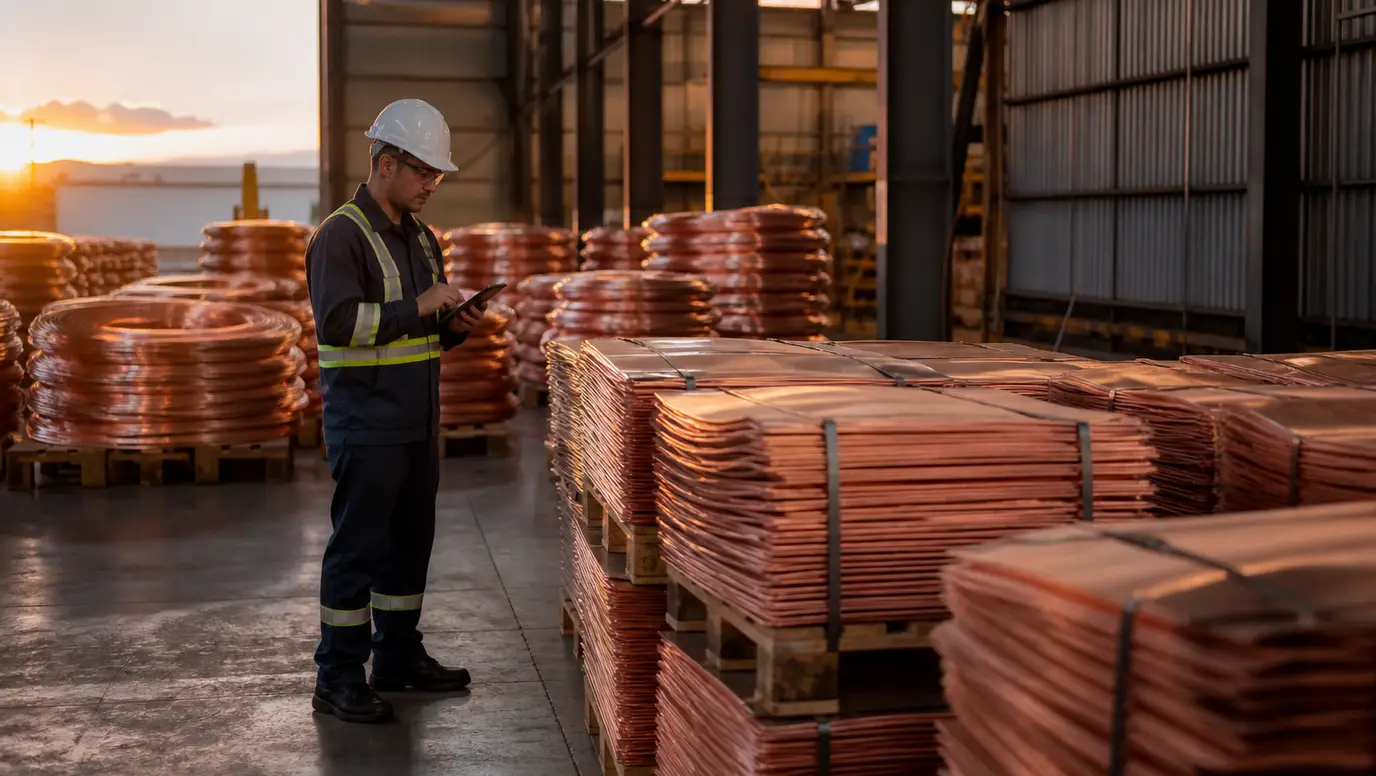
AUGUST 8, 2026
Copper Breakout Keeps Metals Market Focused on China Premiums and Inventory Drain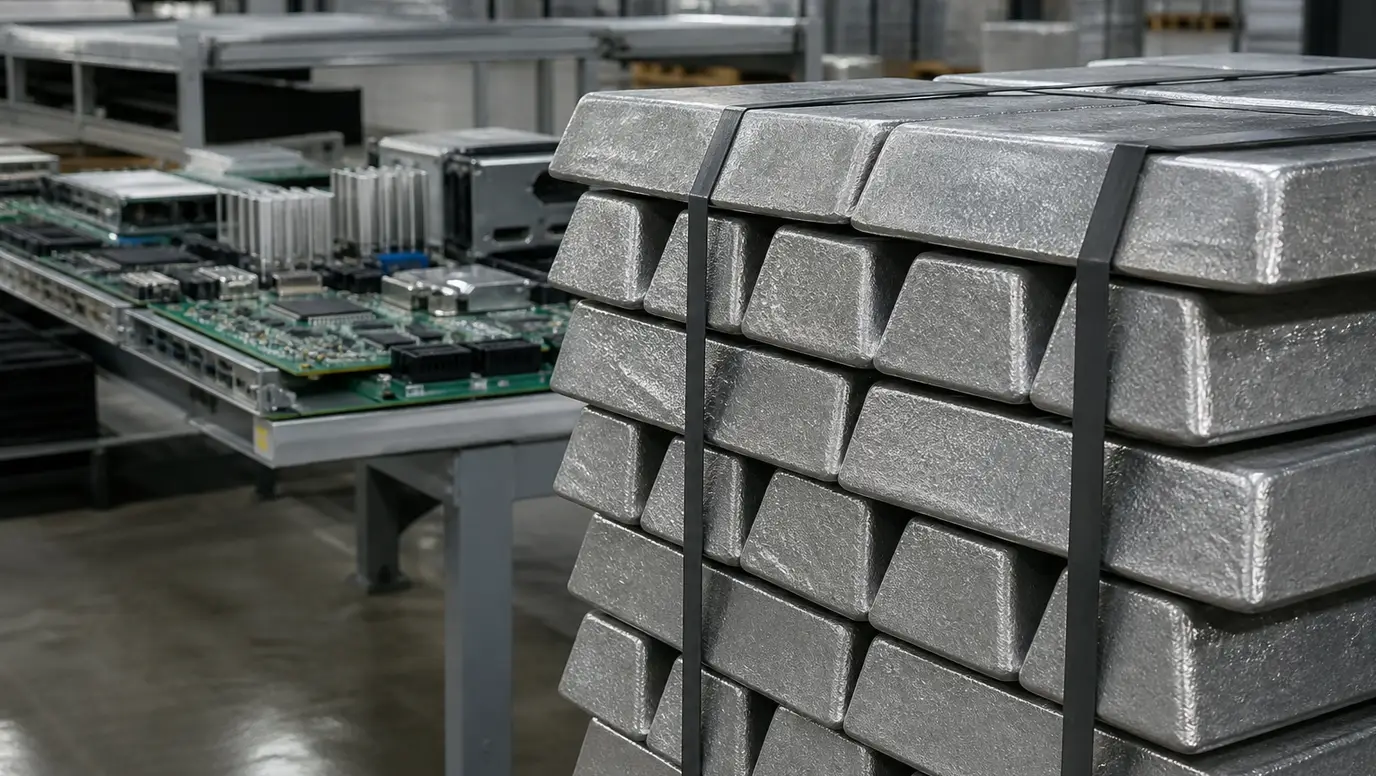
AUGUST 7, 2026
Tin Keeps Metals Market on Supply Watch as AI Demand Supports Commodities
AUGUST 6, 2026
Zinc Inventory Draw Keeps Metals Market Focused on China Supply and US Dollar Risk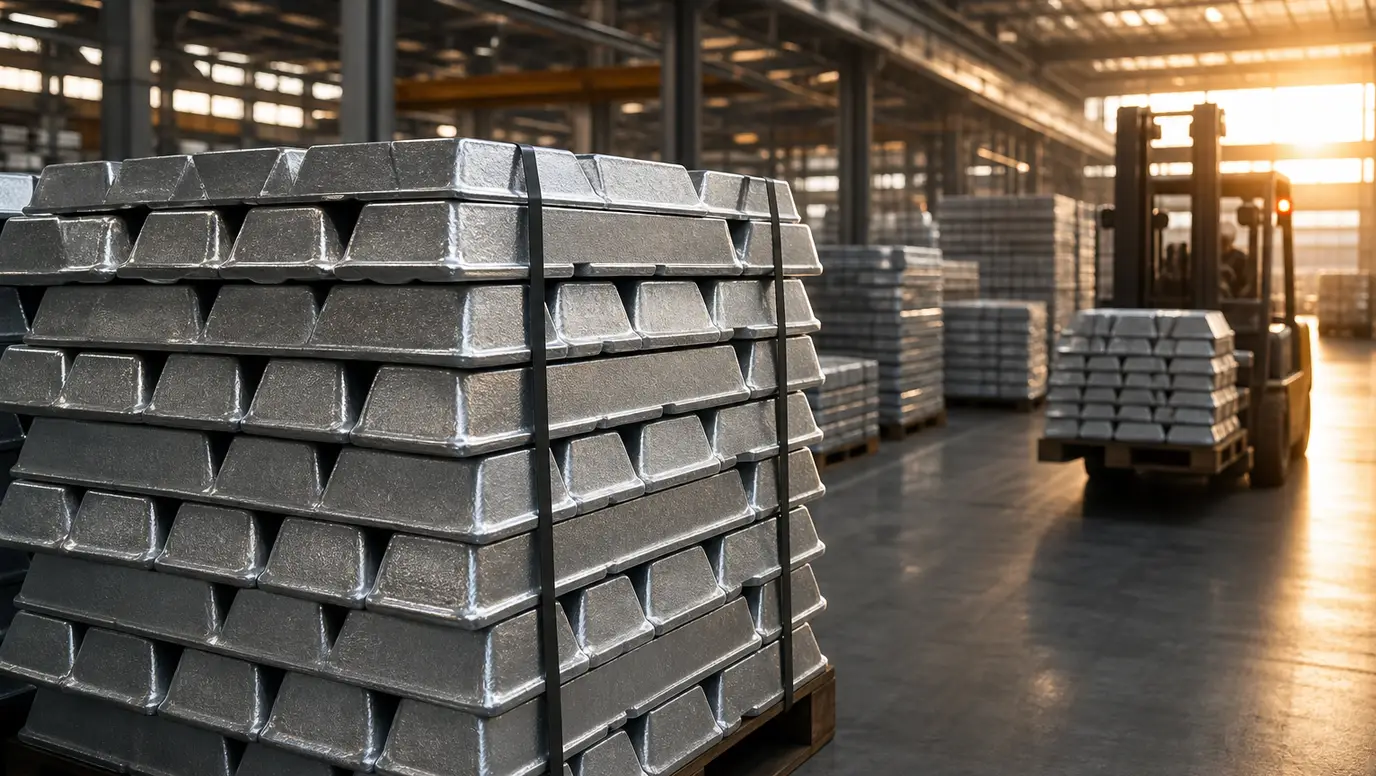
AUGUST 4, 2026
Aluminum Premium Squeeze Keeps Metals and Commodities Traders Focused on U.S. Tariffs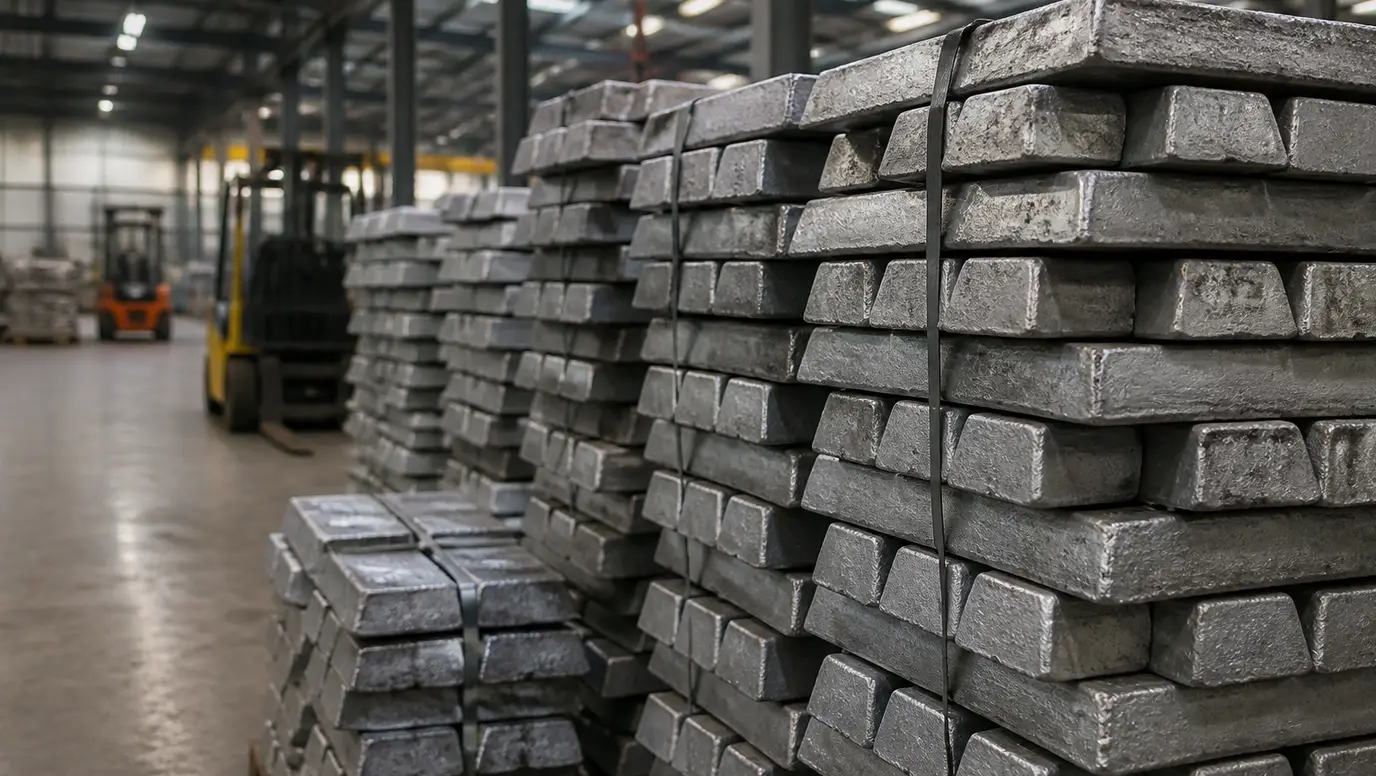
AUGUST 2, 2026
Lead Rebound Tests Metals and Commodities as Warehouse Overhang Caps Rally
JULY 30, 2026
Palladium Rebound Stalls as Metals and Commodities Traders Weigh Auto Demand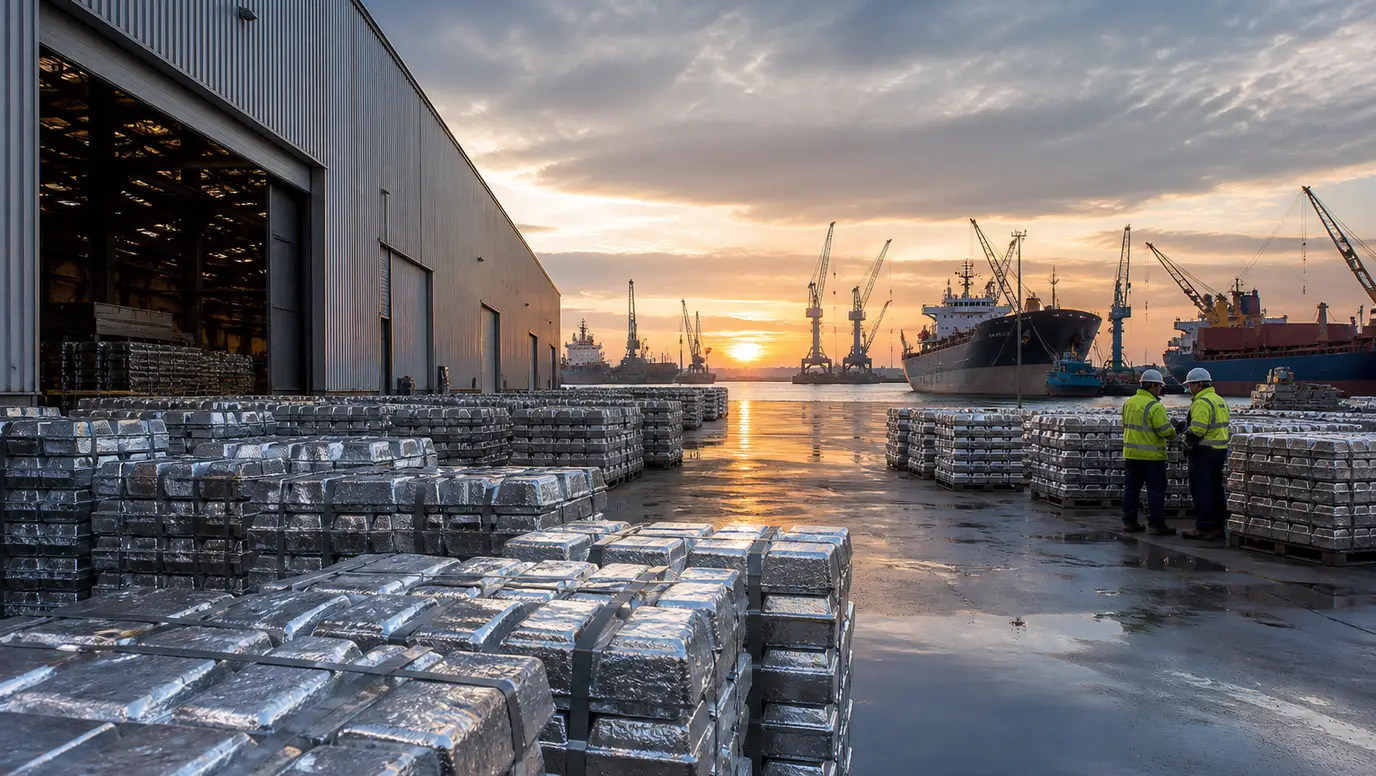
JULY 29, 2026
Aluminum Stockpile Drain Puts Metals and Commodities on Premium Watch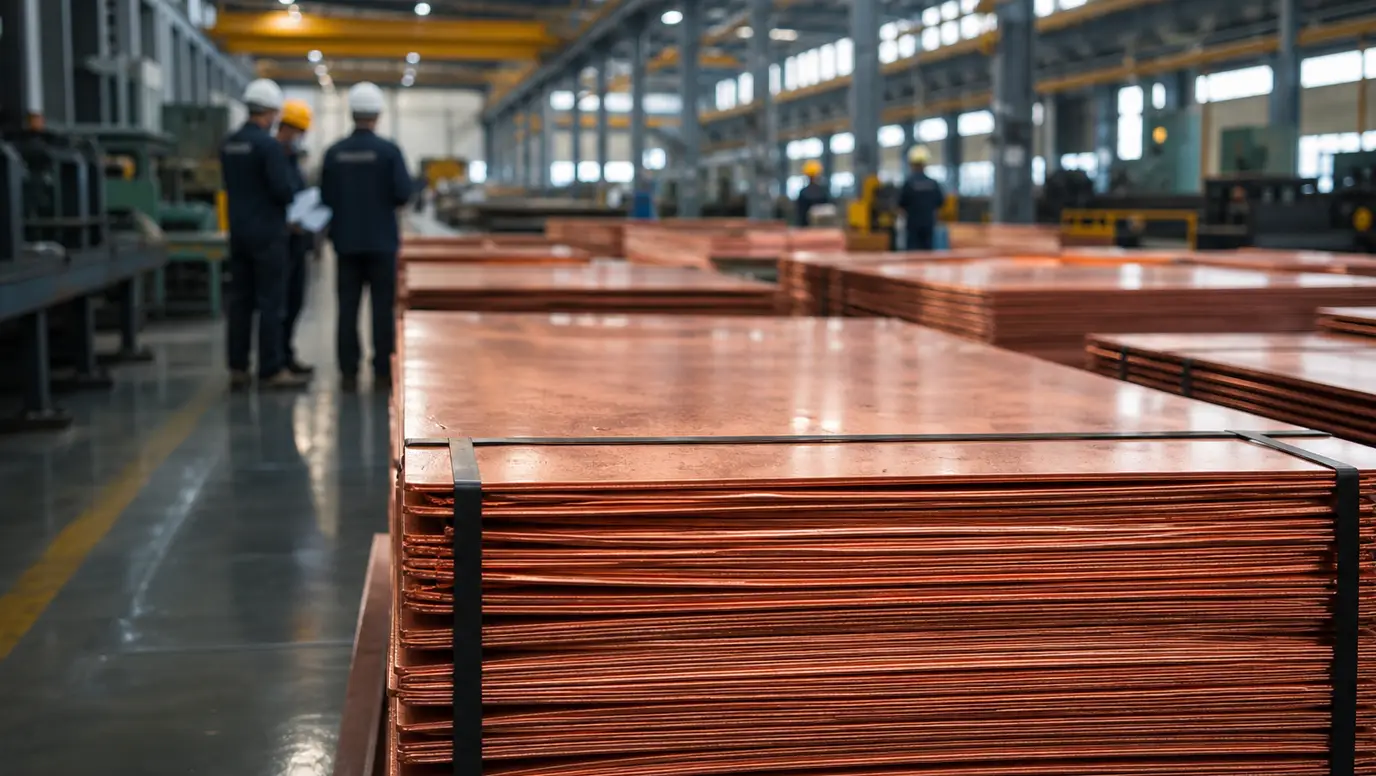
JULY 28, 2026
Copper Tightness Puts Metals and Commodities Traders on China Supply Watch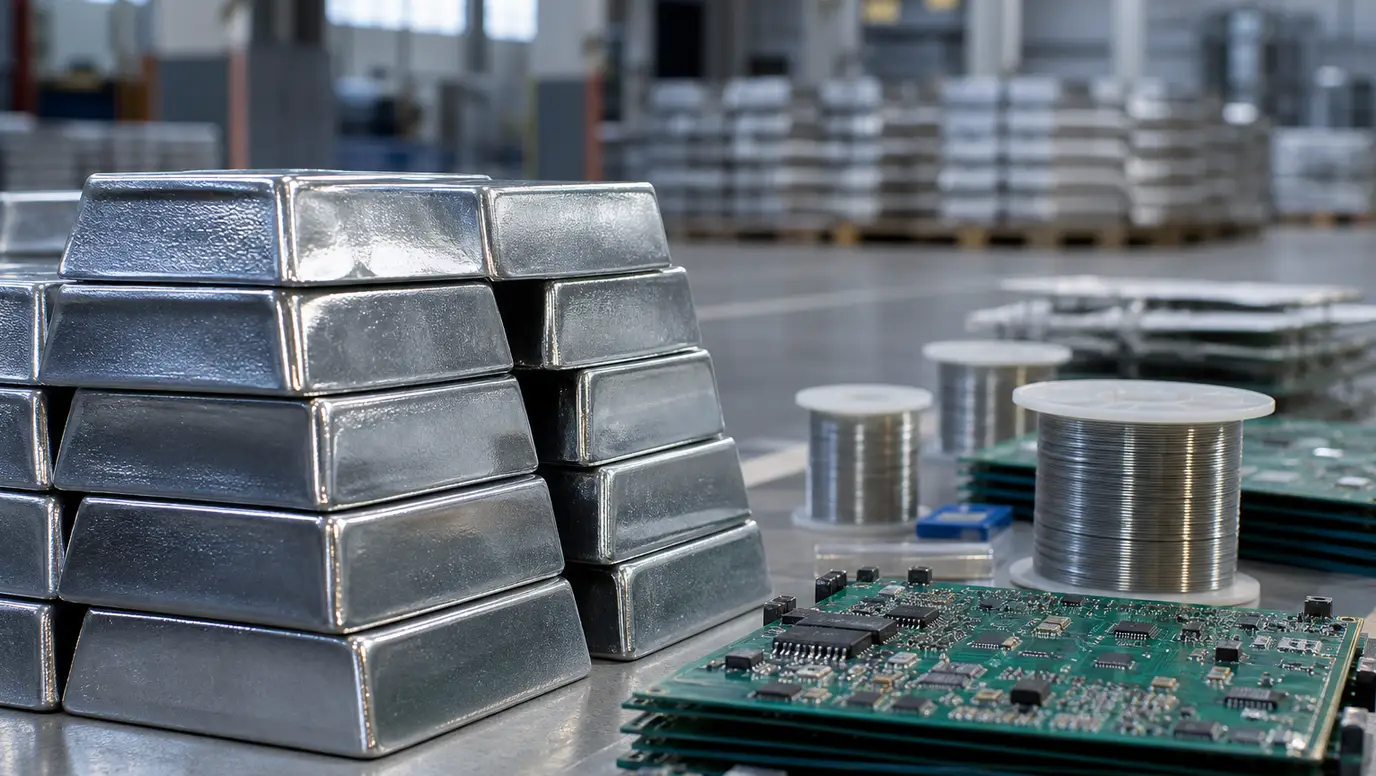
JULY 25, 2026
Tin Tightness Puts Metals and Commodities Traders on Solder Supply Watch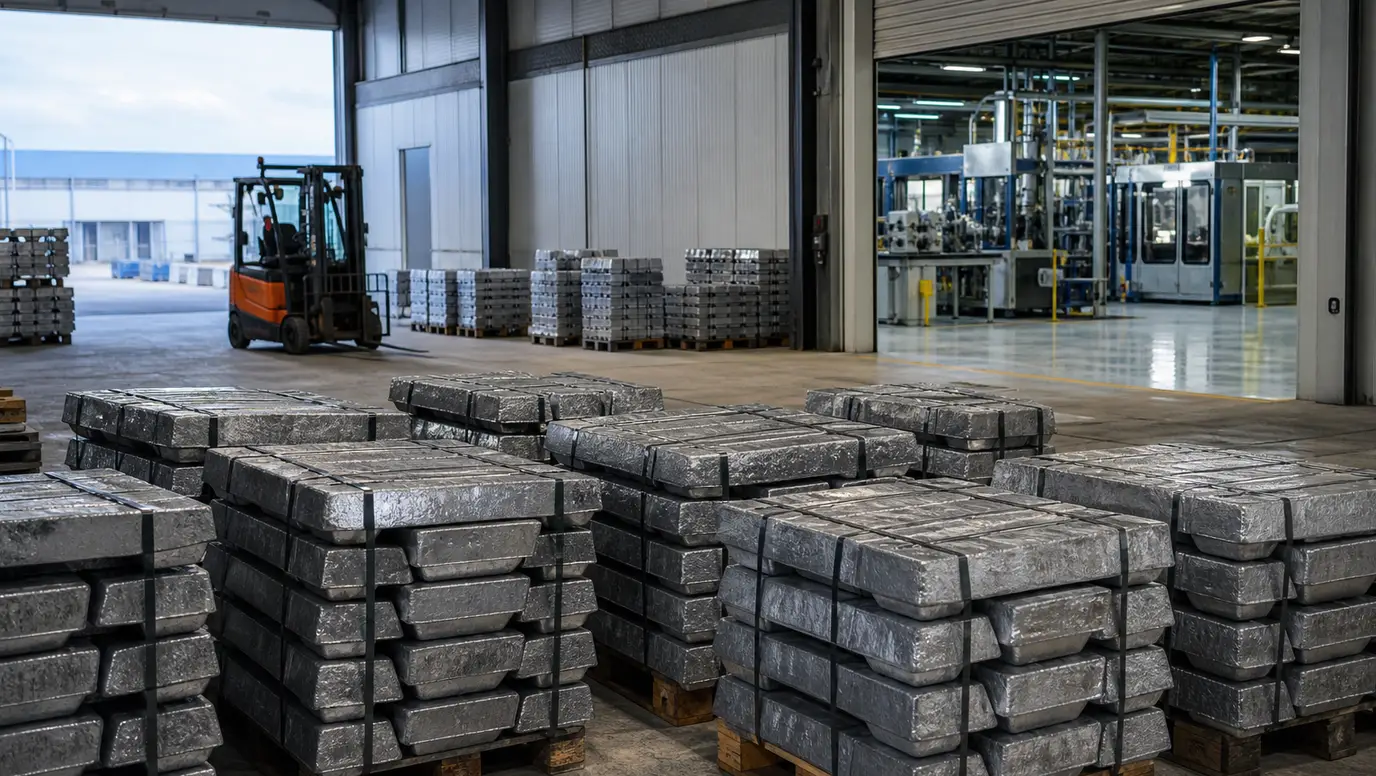
JULY 24, 2026
Lead Inventory Shock Puts Metals Traders on Battery Demand Watch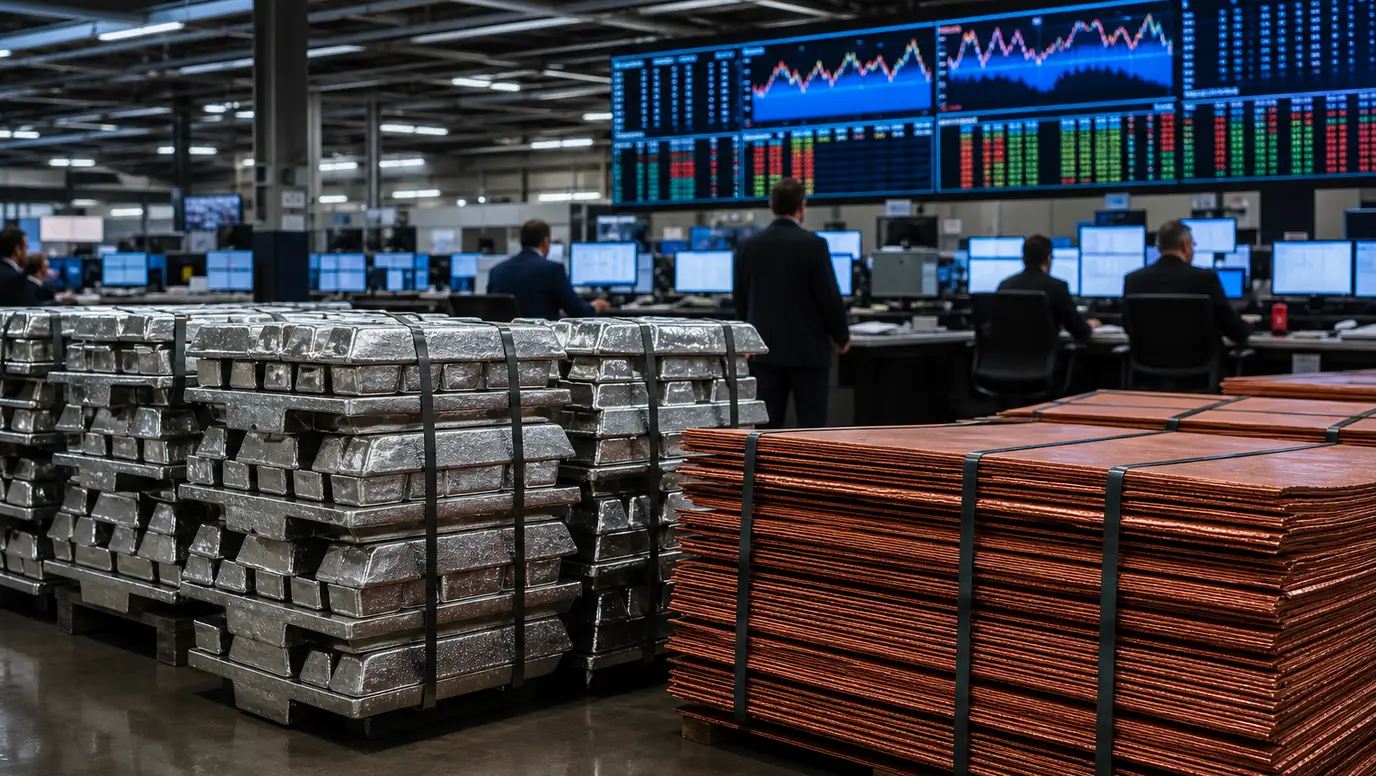
JULY 21, 2026
Aluminum and Copper Rally Puts Metals Market on Tariff Watch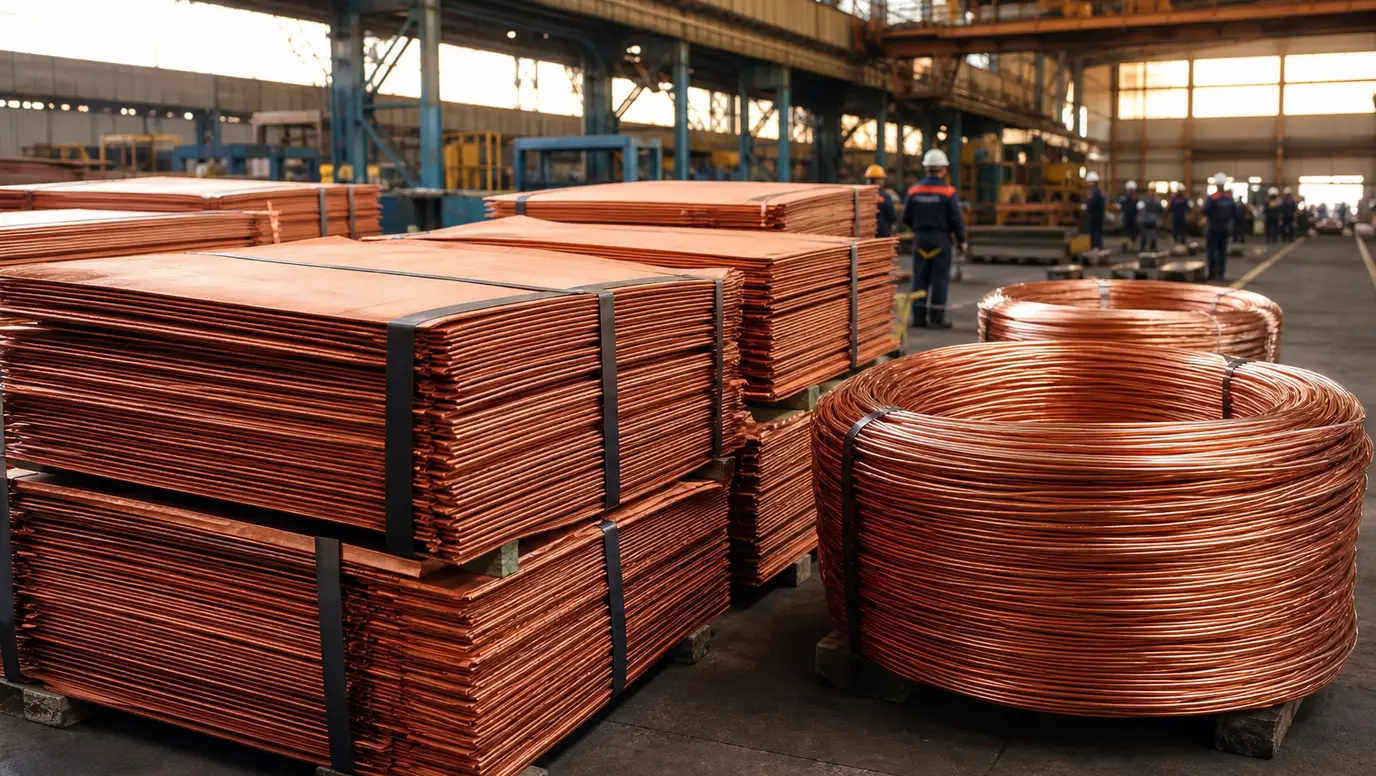
JULY 15, 2026
Copper Prices Lead Metals Market as China Demand Puts Supply Tightness Back in Focus
JULY 14, 2026
Gold and Silver Jump as Cool CPI Pulls Metals Market Back Toward Real-Yield Trade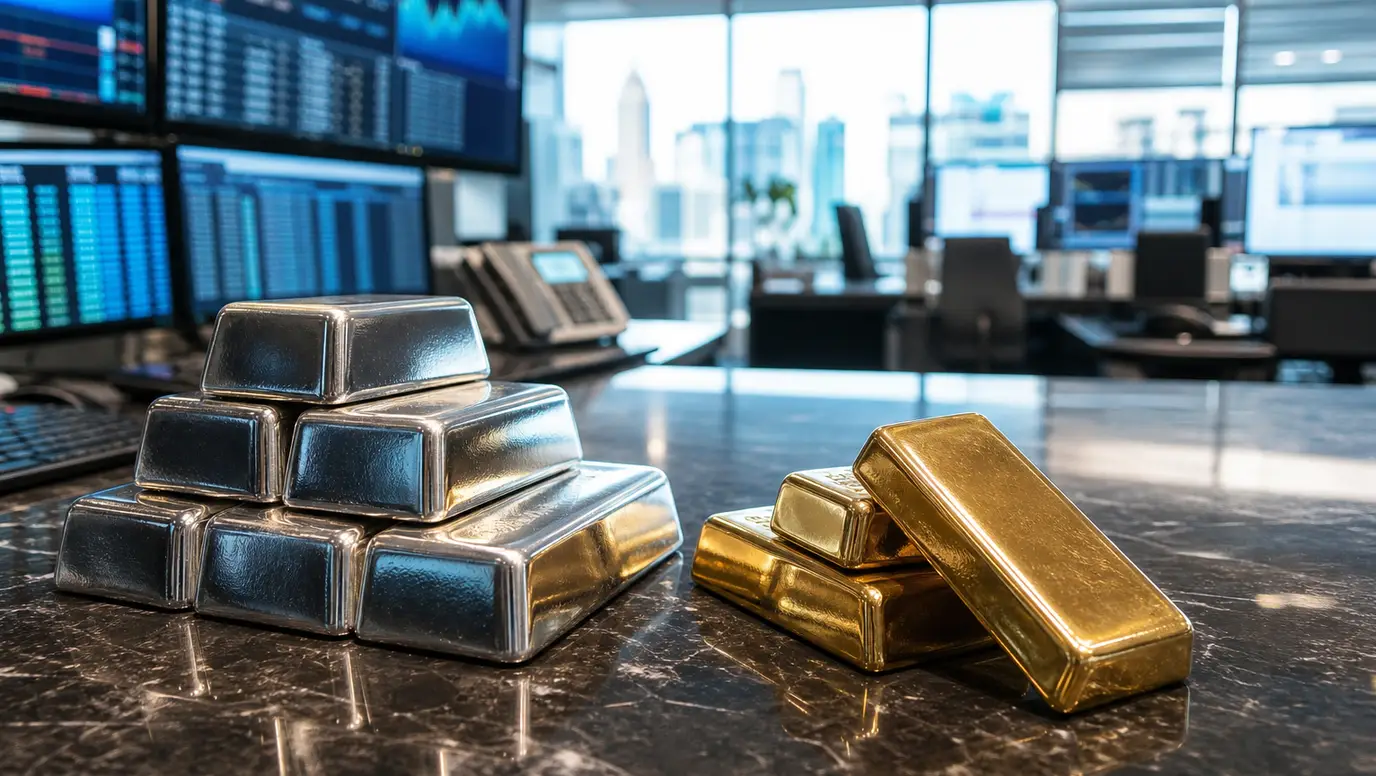
JULY 13, 2026
Silver Slides as Yield Shock Overpowers Haven Demand in Metals Market
JULY 12, 2026
Gold Bulls Face Oil-Inflation Trap as Metals Market Watches $4,000 Support
JULY 11, 2026
Copper Premium Takes Center Stage as Metals Market Weighs Tariff Risk and Fed Headwinds