OCTOBER 23, 2026
Copper Metals Market Rebounds as Nickel Slips on Indonesia Cut WatchCopper rebounds as risk appetite steadies, while nickel slips as traders await firmer signals on Indonesian output cuts.

© 1box.site 2026

AUGUST 8, 2026
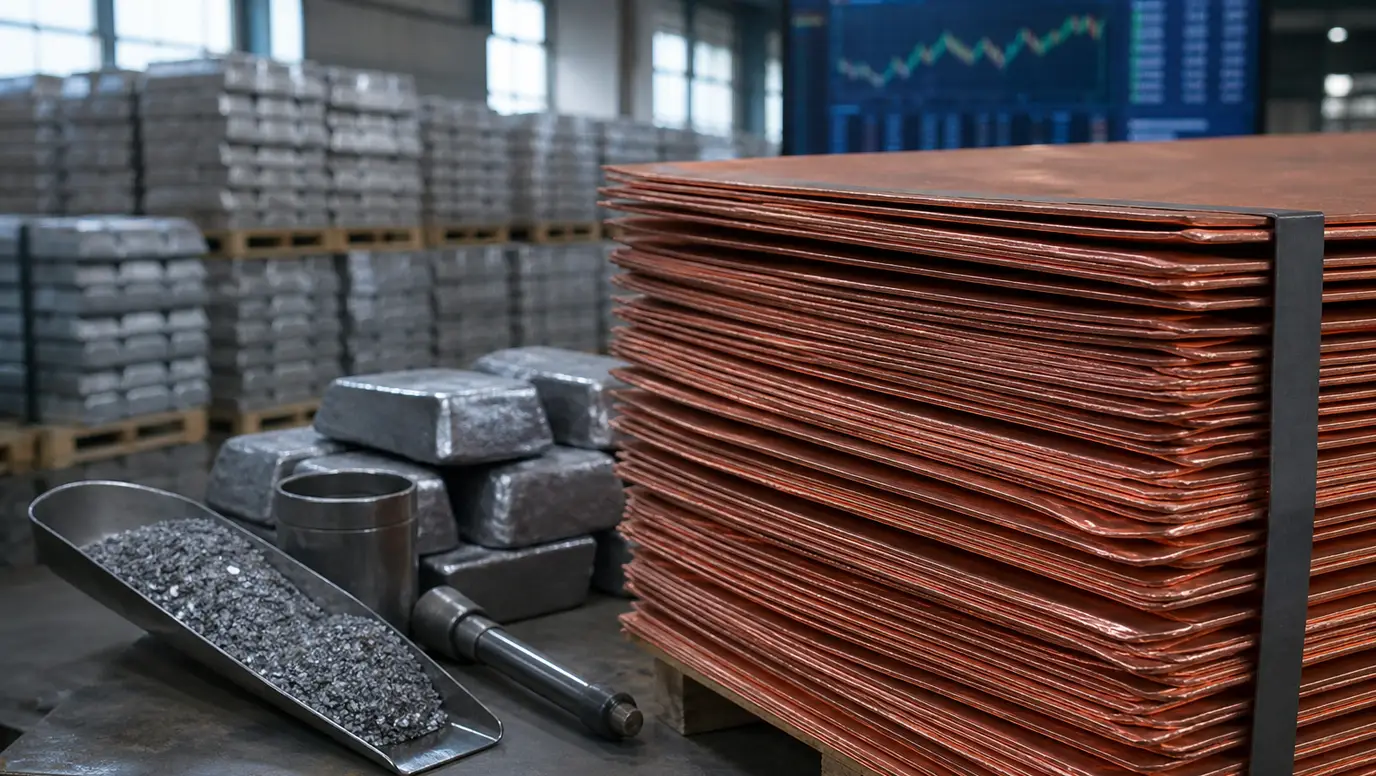
Copper has moved back to the front of the metals market after futures pushed to fresh highs this week, forcing traders to reassess whether the latest rally is mainly a speculative breakout or a reflection of tighter physical supply. The move has been especially notable because it comes as investors are still weighing a firm U.S. dollar, elevated inflation expectations and uncertainty around Federal Reserve policy.
The rally has been supported by signs that available copper outside the United States is becoming harder to source. Import premiums in China have strengthened, social inventories have drawn down, and buyers have shown a willingness to pay more for prompt material even as high outright prices restrain some downstream demand. That combination points to a market where supply tightness is doing more of the work than broad industrial optimism.
China remains the key demand signal for copper because of its large role in power grids, construction, appliances, electric vehicles and renewable energy supply chains. Recent market activity suggests that refined copper availability has tightened in several Asian channels, with import premiums rising as buyers compete for material and sellers resist discounting cargoes.
The strength in premiums matters because it can confirm or challenge futures price action. When exchange prices rise without physical premiums, traders often treat the move as fragile. When premiums rise at the same time, the market tends to view the rally as more fundamentally grounded. In copper’s case, the latest premium strength has added credibility to the bullish argument, even though demand remains uneven across China’s property-linked sectors.
Inventory trends are also sharpening the focus on deliverable supply. Exchange-monitored stockpiles have been shifting between regions, with U.S. warehouses holding relatively high volumes after earlier tariff-related positioning, while inventories tied to Asian and European delivery channels have looked tighter. This uneven distribution has encouraged traders to track location, warrant status and delivery availability rather than headline stockpile totals alone.
Despite the bullish physical signals, copper’s advance is not free of macro risk. A stronger U.S. dollar makes dollar-priced metals more expensive for many overseas buyers, while higher Treasury yields can reduce the appeal of commodities that do not generate income. Those factors are particularly important as markets debate whether U.S. inflation will keep the Federal Reserve cautious for longer.
Tariff uncertainty is another major variable for copper traders. The U.S. review of refined copper imports has already influenced flows, encouraging some stockpiling and regional price distortions. If policy headlines point toward tighter import rules, the market could see renewed volatility between U.S. and international contracts. If tariff risk fades, some of the premium embedded in U.S.-linked pricing could unwind.
For now, copper’s breakout leaves the metals market in a constructive but delicate position. Bulls can point to firmer China premiums, lower readily available inventories and long-term demand from electrification, grid investment and data-center infrastructure. Bears can point to high prices, uneven manufacturing momentum and the risk that macro tightening cools risk appetite. The next test will be whether physical buyers continue to accept higher prices or step back and wait for a pullback.
Copper’s leadership could influence sentiment across the broader metals complex. A sustained move higher would support the view that industrial metals are entering a tighter phase, particularly if Chinese restocking continues and inventories remain concentrated in less accessible locations. It could also revive investor interest in miners, smelters and metal-linked exchange products.
However, the rally may remain selective. Metals with weaker demand signals or more comfortable supply cushions may struggle to follow copper higher. That makes relative performance important: if copper continues to outperform while other base metals lag, traders may read the move as a copper-specific supply story rather than a broad commodities upswing.
The near-term setup leaves copper highly sensitive to inventory updates, China import premiums, U.S. tariff headlines and shifts in the dollar. Unless those signals deteriorate quickly, copper is likely to remain one of the main anchors for metals market sentiment in the coming sessions.
OCTOBER 23, 2026
Copper Metals Market Rebounds as Nickel Slips on Indonesia Cut Watch
OCTOBER 18, 2026
Copper Metals Market Holds Near Record as Tight Stocks Offset Federal Reserve Shock
OCTOBER 12, 2026
Copper Metals Market Rises as China Premium and Tight LME Stocks Challenge US Dollar
OCTOBER 7, 2026
Aluminum Rebound Tests Metals Market as Dollar Strength and China Lull Cap Buyers
OCTOBER 6, 2026
Copper Futures Rally Puts Metals Market Focus on Smelter Squeeze
SEPTEMBER 30, 2026
Copper Futures Steady as Metals Market Weighs Dollar, Oil and Federal Reserve Risk
SEPTEMBER 29, 2026
Zinc Futures Fall as China Demand Worries Test Metals Market Tightness
SEPTEMBER 25, 2026
Copper Futures Climb as China Tightness Puts Metals Market on Supply Watch
SEPTEMBER 24, 2026
Aluminum Futures Steady as China Destocking Offsets Metals Market Yield Pressure
SEPTEMBER 19, 2026
Copper Futures Rally Puts Metals Market on Federal Reserve and PMI Watch
SEPTEMBER 16, 2026
Aluminum Rally Tests China Supply Cap as Metals Market Weighs Export Surge
SEPTEMBER 13, 2026
Copper Futures Pullback Puts Metals Market on Tariff Doubt Watch
SEPTEMBER 8, 2026
Copper Hits Record High as Tariff Risk Tightens Metals Market Supply
SEPTEMBER 6, 2026
Aluminum Futures Split Metals Market as Supply Risk Meets Soft China Demand
SEPTEMBER 2, 2026
Copper Pullback Hits Metals Market as Strong Dollar Revives Federal Reserve Rate Risk
AUGUST 27, 2026
Copper Backwardation Puts Metals Market on Supply Stress Alert as Fed Risk Caps Rally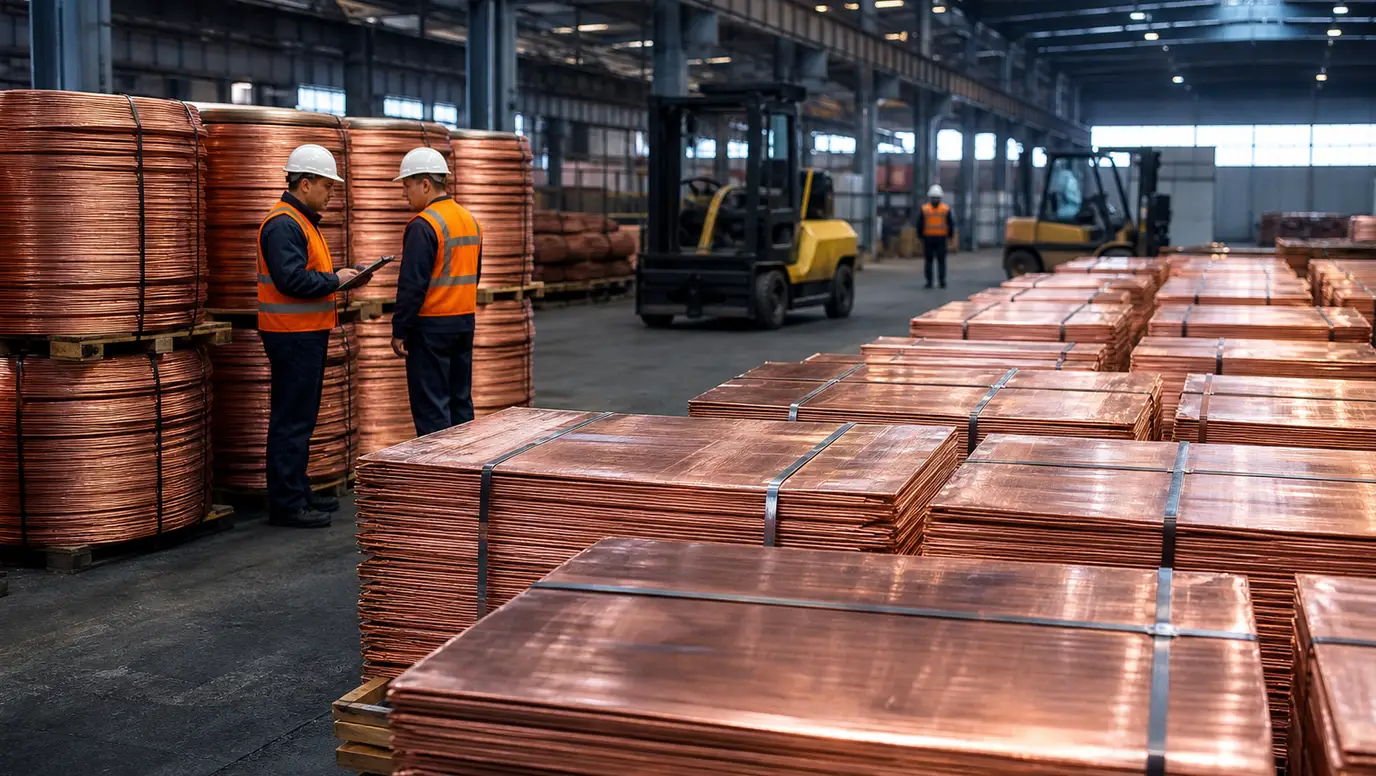
AUGUST 20, 2026
Copper Backwardation Puts Metals Market on Tariff Watch as Warehouse Stocks Fall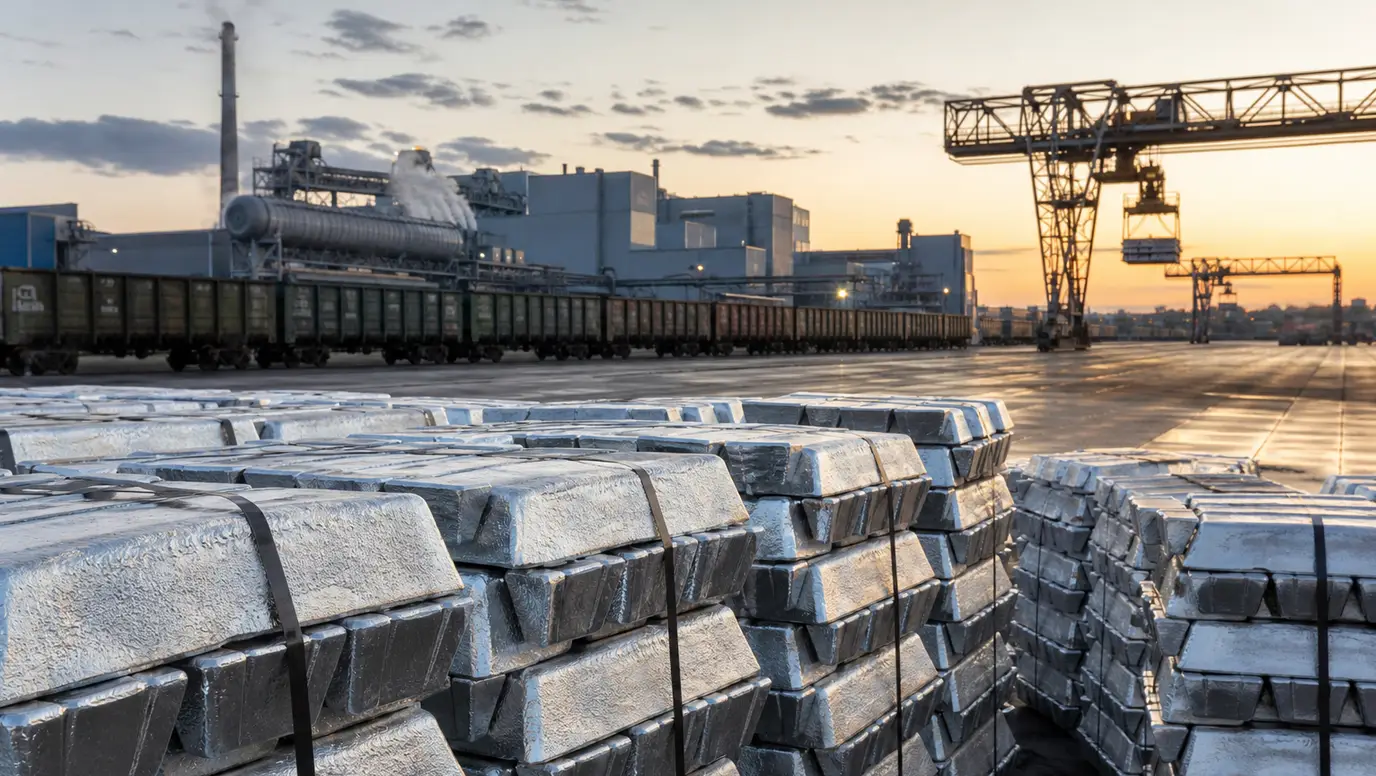
AUGUST 15, 2026
Aluminum Keeps Metals Market on Inventory Watch as China Demand Offsets Tariff Risk
AUGUST 14, 2026
Copper Squeeze Lifts Metals Market as Treasury Yields Test Rally
AUGUST 13, 2026
Zinc Tightness Keeps Metals Market Alert as China Demand Caps Rally
AUGUST 6, 2026
Zinc Inventory Draw Keeps Metals Market Focused on China Supply and US Dollar Risk
AUGUST 3, 2026
Copper Rebound Puts Metals Market on US Dollar Watch as Supply Tightness Offsets Demand Caution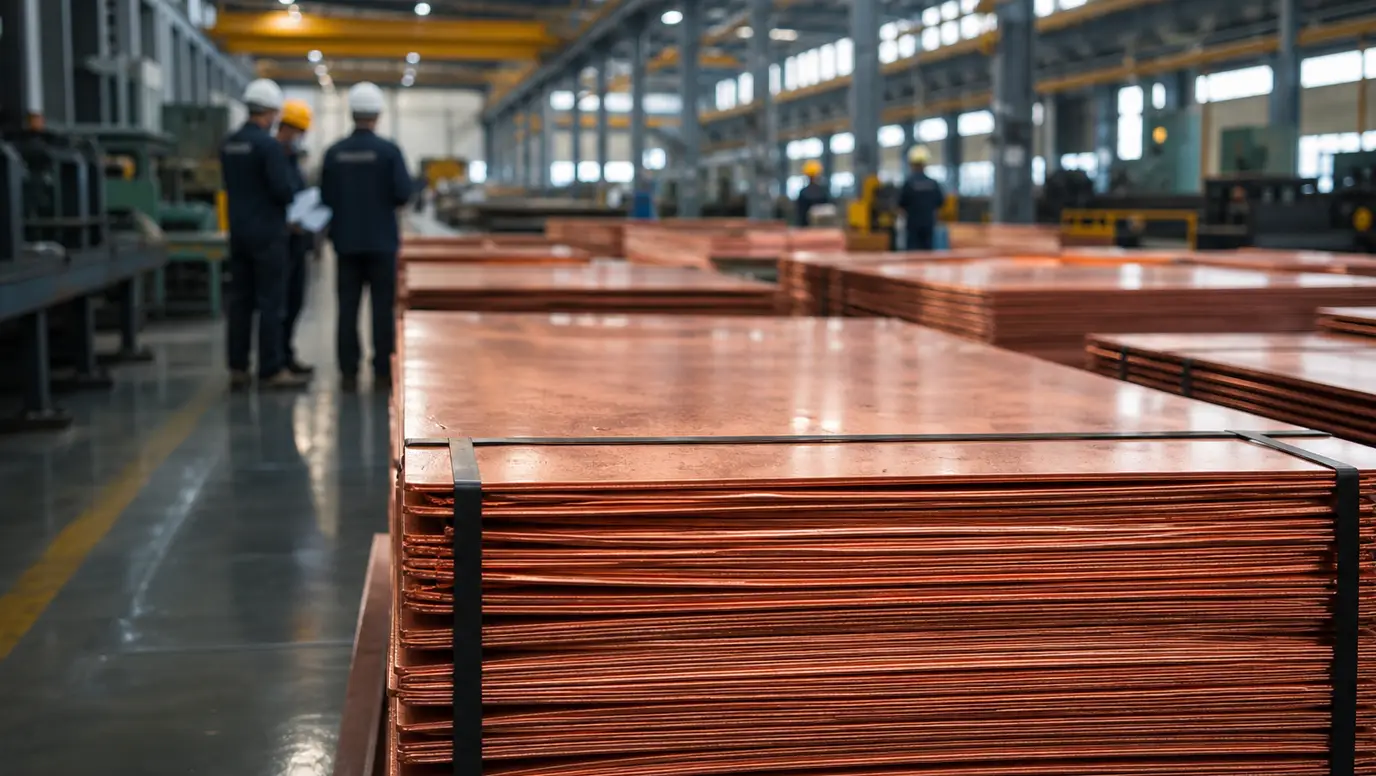
JULY 28, 2026
Copper Tightness Puts Metals and Commodities Traders on China Supply Watch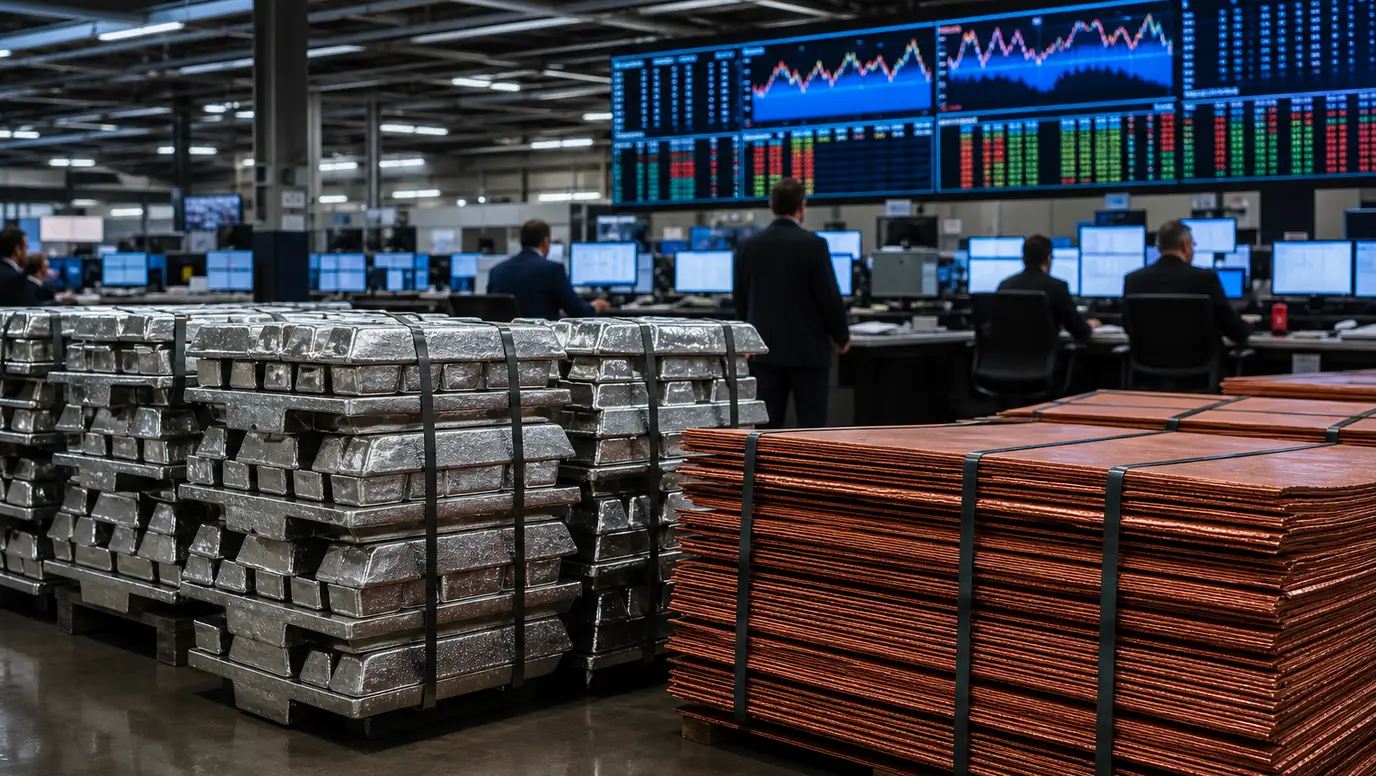
JULY 21, 2026
Aluminum and Copper Rally Puts Metals Market on Tariff Watch
JULY 18, 2026
Copper Pullback Keeps Metals Market Defensive as Gold and Silver Watch Yields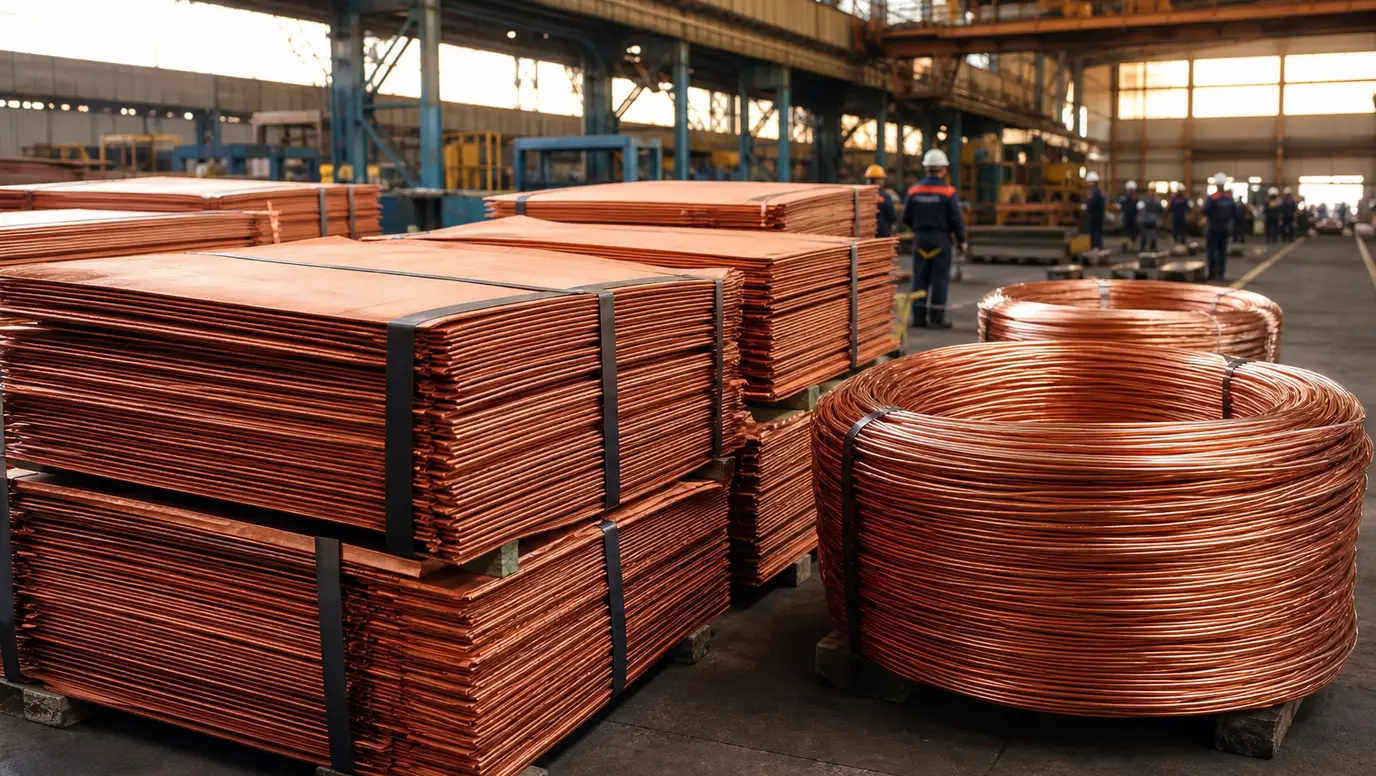
JULY 15, 2026
Copper Prices Lead Metals Market as China Demand Puts Supply Tightness Back in Focus
JULY 14, 2026
Gold and Silver Jump as Cool CPI Pulls Metals Market Back Toward Real-Yield Trade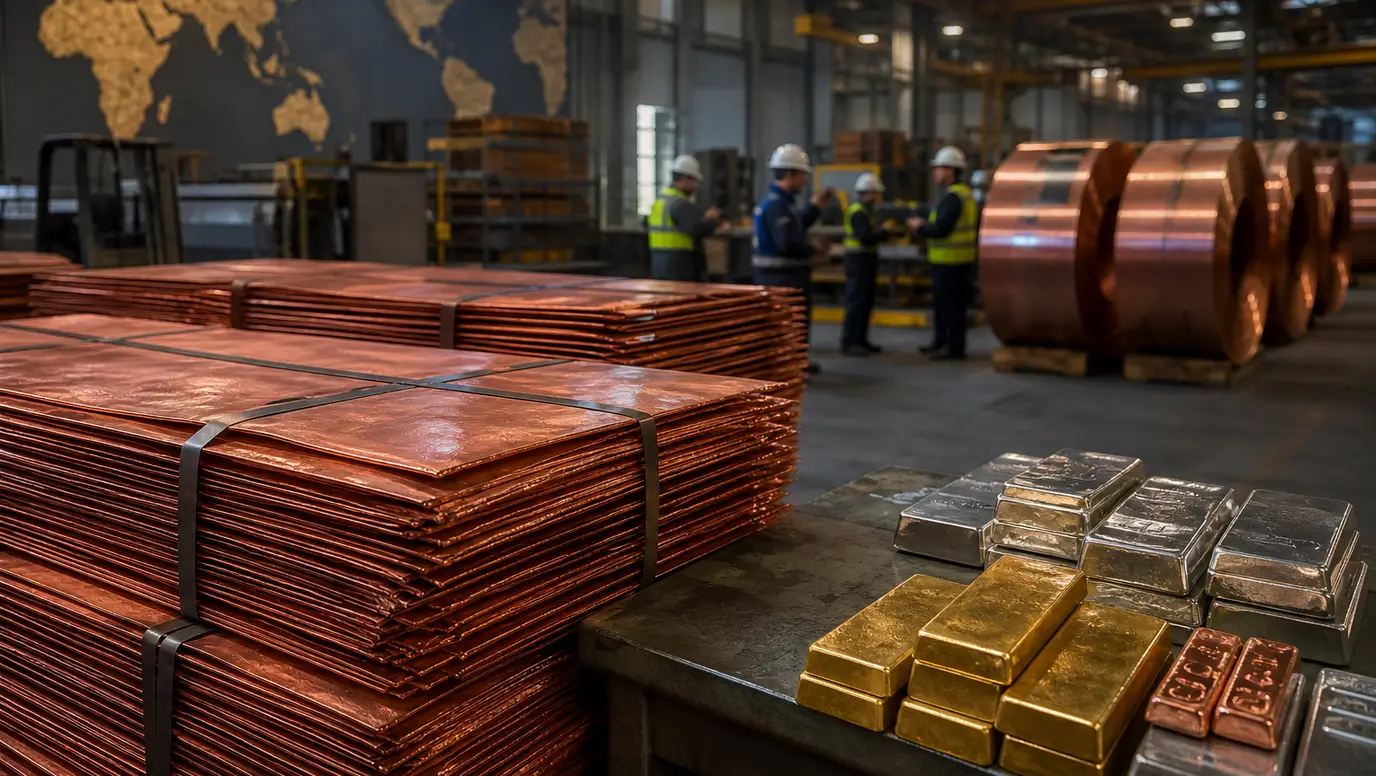
JULY 11, 2026
Copper Premium Takes Center Stage as Metals Market Weighs Tariff Risk and Fed Headwinds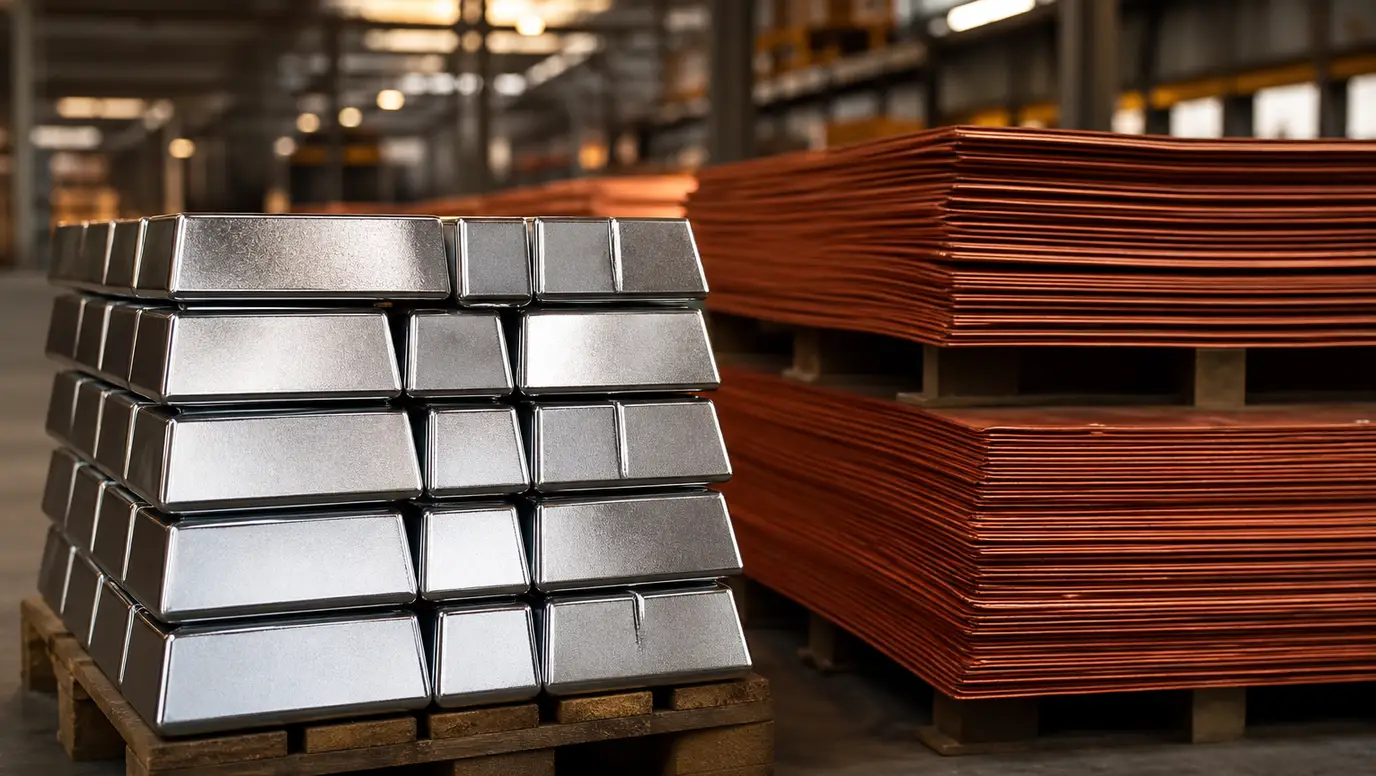
JULY 10, 2026
Silver and Copper Rebound as Softer US Dollar Revives Metals Market Bid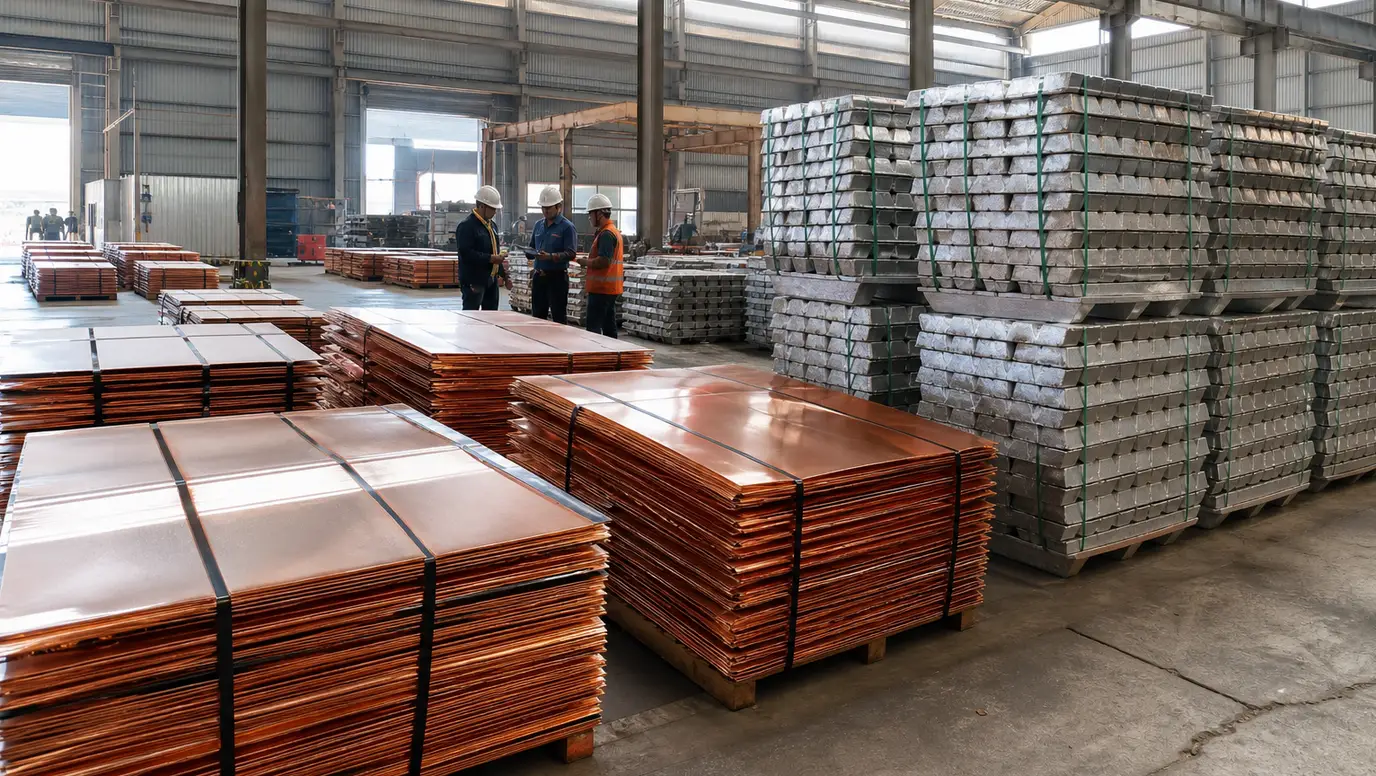
JULY 9, 2026
Copper Retreats as Gulf Tension Turns Base Metals Toward Demand Risk