OCTOBER 14, 2026
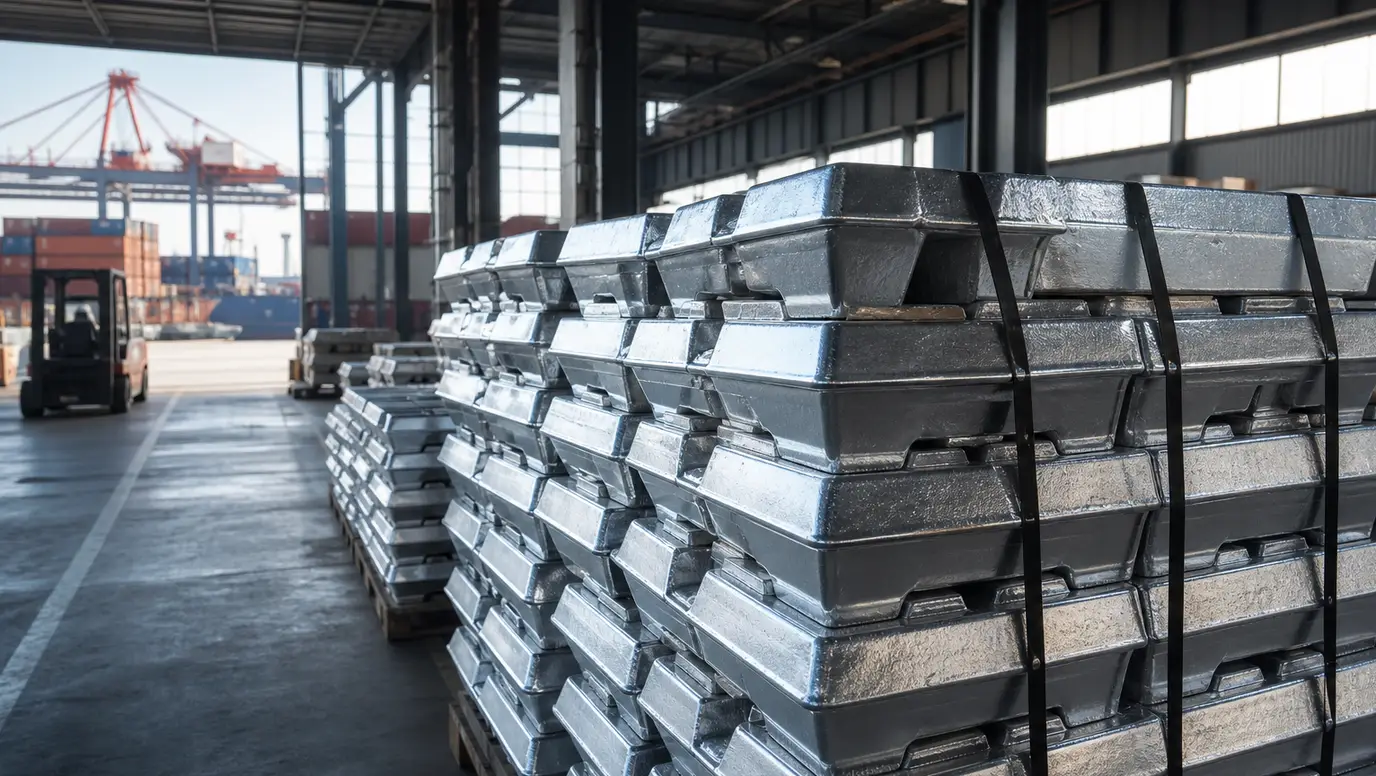
Aluminum Metals Futures Hold Near $3,000 as Japan Premium Drop Masks Supply StressAluminum futures steady near $3,000 as lower Japan premiums clash with tight supply chains and lingering physical market stress.

© 1box.site 2026

SEPTEMBER 22, 2026
Gold traded close to the $4,350 an ounce area on Tuesday as the metals market weighed renewed safe-haven demand against a still-hawkish interest-rate backdrop. The move left bullion broadly supported, but unable to build a decisive breakout after last week’s Federal Reserve rate increase shifted attention back to real yields, the dollar and the timing of any further policy tightening.
The latest price action shows how divided the gold market has become. Lower oil prices have eased some immediate inflation anxiety and helped pull Treasury yields back from recent highs, giving bullion a modest cushion. At the same time, investors remain cautious because policymakers have not signaled that the tightening cycle is over, leaving non-yielding assets exposed whenever the dollar firms or bond yields rise again.
The central issue for gold is no longer simply whether inflation remains elevated, but whether the Federal Reserve believes demand is strong enough to require additional rate pressure. A higher-for-longer path raises the opportunity cost of holding bullion, particularly when short-term and long-term government yields offer attractive returns compared with a metal that pays no income.
That dynamic has kept gold’s rebound measured despite persistent geopolitical risk and continued portfolio demand for defensive assets. Traders are watching upcoming remarks from Federal Reserve officials for signs that the latest rate increase was a one-off response to inflation pressure or part of a broader campaign to restrain demand into year-end.
A softer dollar would normally give gold more room to extend gains, but the currency has remained resilient as markets price the possibility of another policy move. If rate expectations continue to drift higher, gold could struggle to sustain rallies above nearby resistance. If yields retreat further, however, dip buyers may become more active around the lower end of the recent trading range.
Even with the rate headwind, bullion-backed funds have seen renewed inflows this month, suggesting that longer-term investors are not abandoning the metal. That buying has helped cushion pullbacks and reflects a broader view that gold still has a role as a hedge against geopolitical shocks, fiscal uncertainty and volatility in other asset classes.
The haven case has also been supported by tensions around the Middle East and uncertainty surrounding diplomatic efforts at the United Nations General Assembly. Any deterioration in the geopolitical backdrop could quickly revive defensive flows into gold, particularly if energy markets stabilize or rebound after their recent pullback.
For now, the market appears to be trading in a narrow balance between macro restraint and strategic demand. Bulls need a clearer decline in real yields or the dollar to regain momentum, while bears need evidence that the Federal Reserve is prepared to keep tightening despite easing oil prices. Until one side gains a stronger catalyst, gold may remain range-bound near the mid-$4,000s, with volatility likely around central bank commentary and incoming U.S. economic data.
Across the metals market, the next phase depends heavily on whether the bond market continues to relax after last week’s yield spike. Precious metals are especially sensitive to that adjustment because the inflation hedge argument weakens when investors can earn higher real returns in cash or government debt.
Still, the resilience of gold near $4,350 suggests the market is not treating the latest policy repricing as a full reversal of the bullish thesis. Instead, investors appear to be testing how much rate pressure bullion can absorb before long-term holders step in again. That makes Treasury yields, the dollar index and Fed communication the key signals for the next directional move.
OCTOBER 14, 2026
Aluminum Metals Futures Hold Near $3,000 as Japan Premium Drop Masks Supply Stress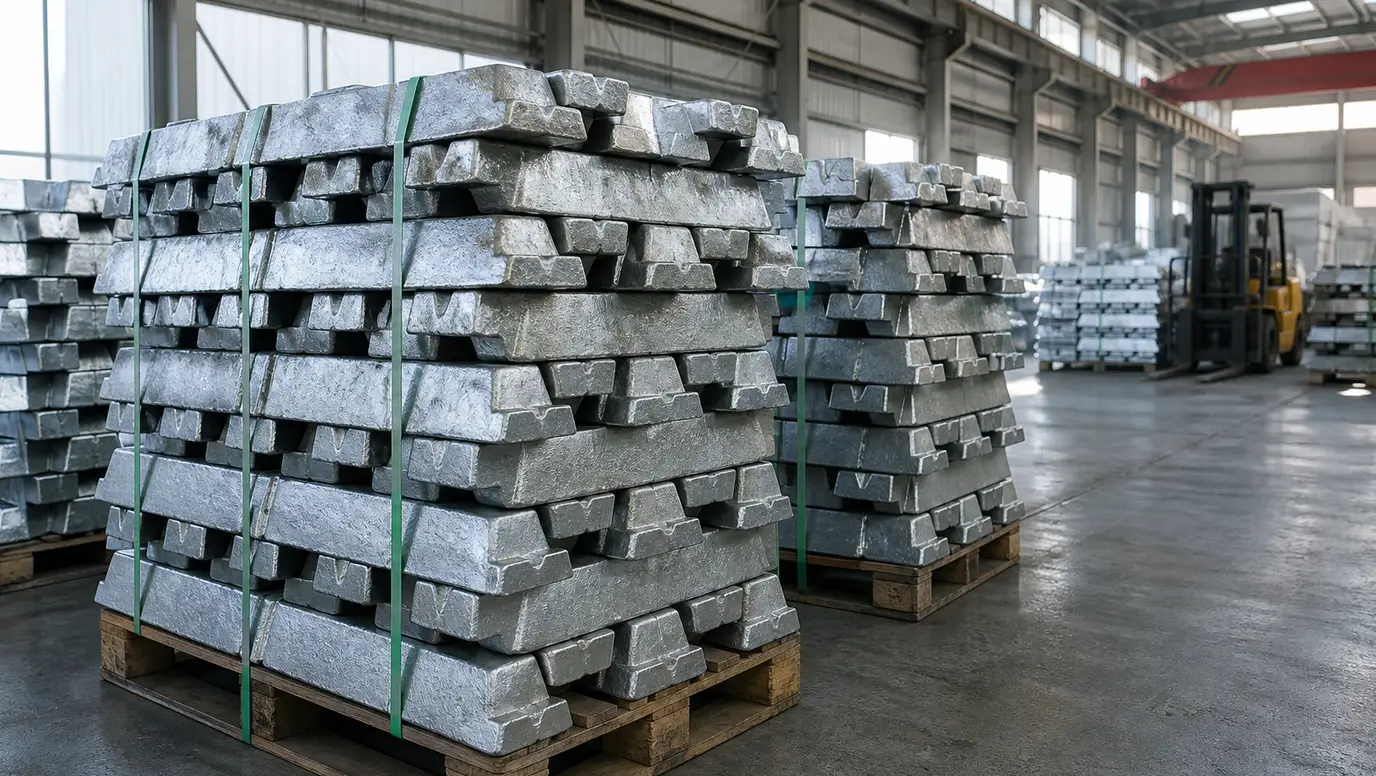
OCTOBER 13, 2026
Zinc Metals Market Falls as LME Stock Jump and US Dollar Pressure Base Metals
OCTOBER 12, 2026
Copper Metals Market Rises as China Premium and Tight LME Stocks Challenge US Dollar
OCTOBER 11, 2026
Gold Metals Market Braces for Federal Reserve Test as US Dollar and Treasury Yields Bite
OCTOBER 10, 2026
Palladium Metals Market Slips as Auto Demand and US Dollar Pressure Deepen Surplus Worries
OCTOBER 9, 2026
Silver Rebound Tests Metals Market as Treasury Yields Cap XAG Demand
OCTOBER 8, 2026
Zinc Metals Tightness Faces US Dollar and Treasury Yield Test
OCTOBER 7, 2026
Aluminum Rebound Tests Metals Market as Dollar Strength and China Lull Cap Buyers
OCTOBER 6, 2026
Copper Futures Rally Puts Metals Market Focus on Smelter Squeeze
OCTOBER 5, 2026
Lead Futures Rebound as Warehouse Drawdown Puts Battery Metal Back on Metals Watch
OCTOBER 4, 2026
Gold Metals Rebound Stalls as Treasury Yields Blunt Fed Pause Bets
OCTOBER 3, 2026
Palladium Rebound Attempt Puts Metals Market Focus on Auto Demand and Federal Reserve Risk
OCTOBER 2, 2026
Silver Holds Above $61 as Dollar and Treasury Yields Keep Metals Market on Payrolls Watch
OCTOBER 1, 2026
Aluminum Slumps to 12-Week Low as Strong Dollar Hits Metals Market
SEPTEMBER 30, 2026
Copper Futures Steady as Metals Market Weighs Dollar, Oil and Federal Reserve Risk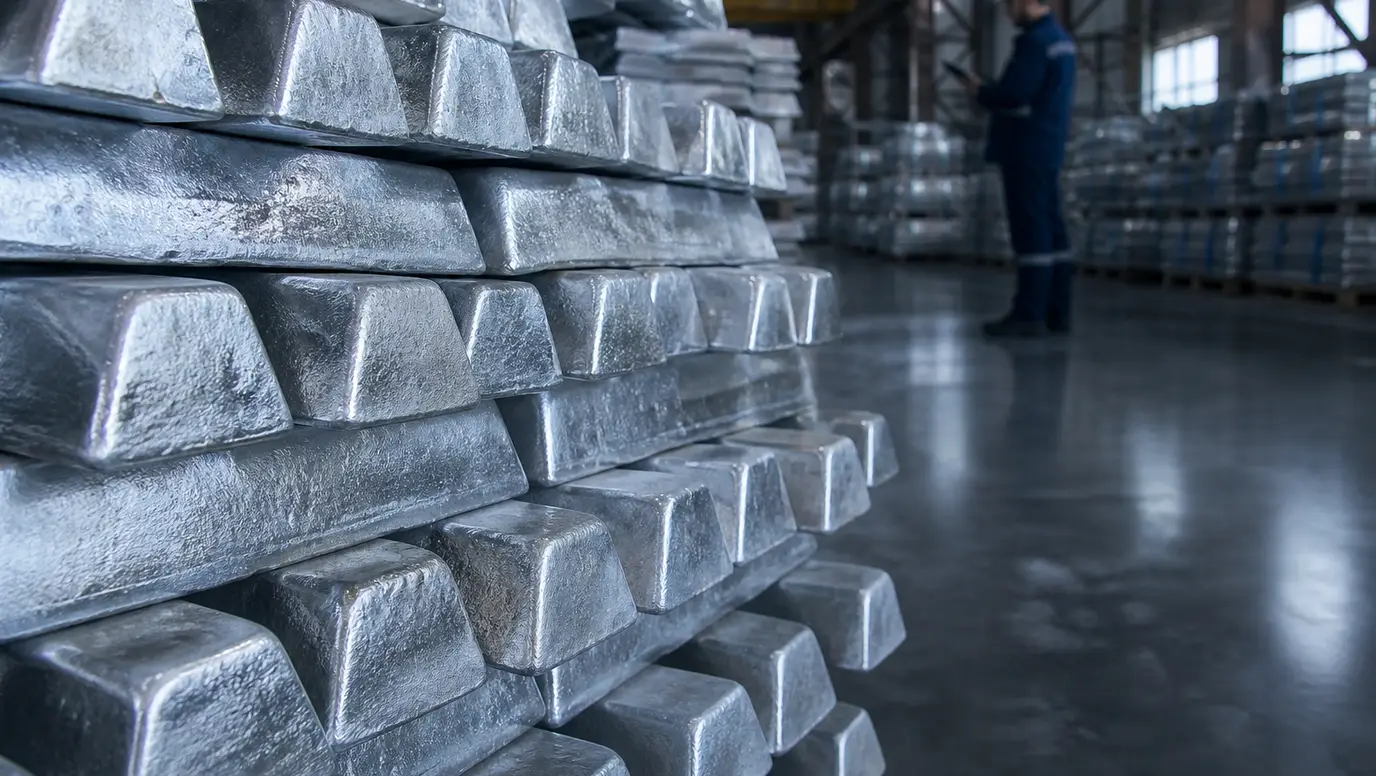
SEPTEMBER 29, 2026
Zinc Futures Fall as China Demand Worries Test Metals Market Tightness
SEPTEMBER 28, 2026
Palladium and Platinum Slide as Dollar, Yields Pressure Metals Market
SEPTEMBER 27, 2026
Gold Futures Slip as Sticky Inflation and Fed Rate Bets Cap Metals Market Rebound
SEPTEMBER 26, 2026
Silver Futures Rebound as Treasury Yield Pause Tests Metals Market Bears
SEPTEMBER 25, 2026
Copper Futures Climb as China Tightness Puts Metals Market on Supply Watch
SEPTEMBER 24, 2026
Aluminum Futures Steady as China Destocking Offsets Metals Market Yield Pressure
SEPTEMBER 23, 2026
Nickel Futures Hold Firm as Indonesia Drought Cuts Put Metals Market on Supply Watch
SEPTEMBER 21, 2026
Silver Futures Hold Above $66 as Federal Reserve Hike Tests Metals Market Rally
SEPTEMBER 20, 2026
Palladium Futures Rebound Puts Metals Market on Autocatalyst Supply Watch
SEPTEMBER 19, 2026
Copper Futures Rally Puts Metals Market on Federal Reserve and PMI Watch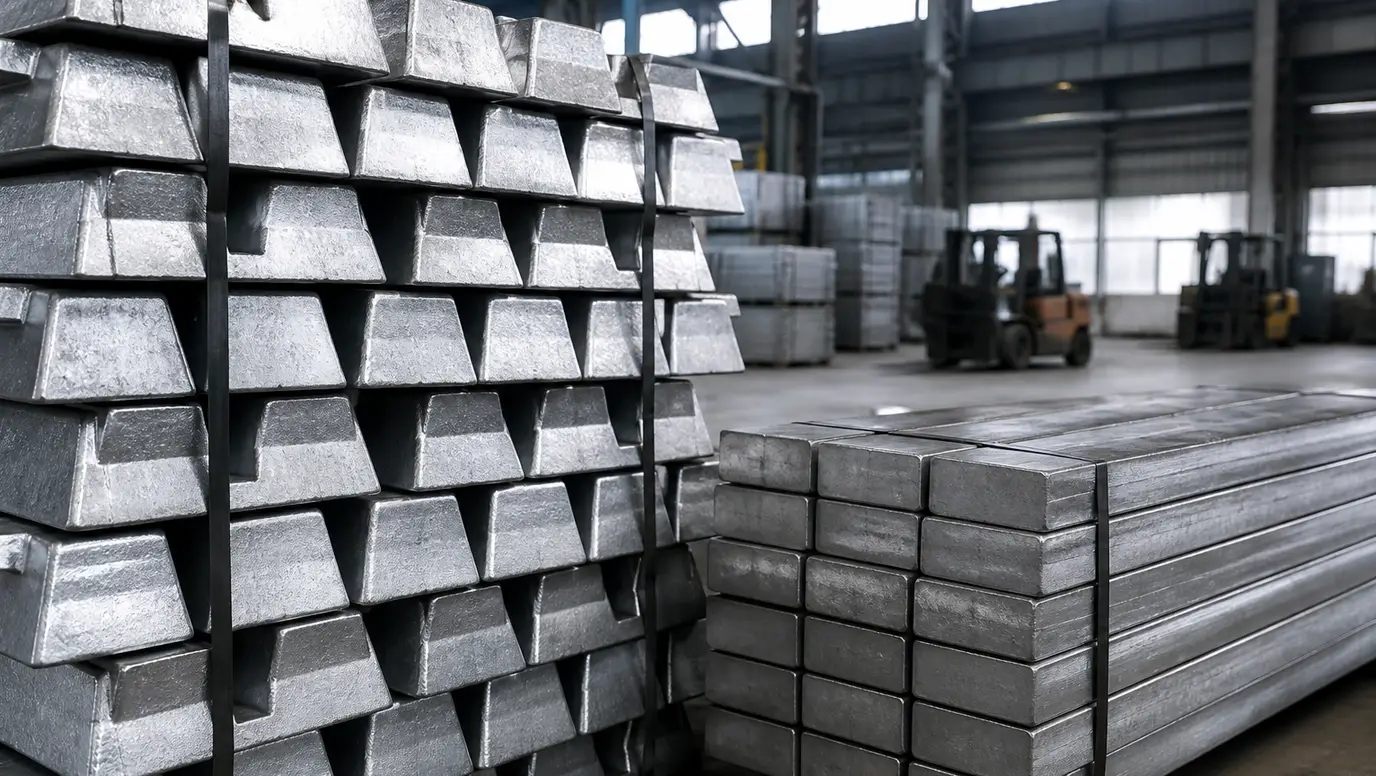
SEPTEMBER 18, 2026
Zinc Futures Squeeze Lifts Metals Market as Lead Inventories Tighten
SEPTEMBER 17, 2026
Nickel Futures Slide as Indonesia Ore Price Reset Tests Metals Market
SEPTEMBER 16, 2026
Aluminum Rally Tests China Supply Cap as Metals Market Weighs Export Surge
SEPTEMBER 15, 2026
Gold Holds Near $4,300 as Federal Reserve Hike Bets Pressure Metals Market
SEPTEMBER 14, 2026
Silver Rebound Puts Metals Market on Federal Reserve Real-Yield Watch