
OCTOBER 20, 2026
Tin Metals Market Holds Above $50,000 as Inventory Draws Offset Dollar RiskTin prices steady near $50,000 as shrinking inventories and supply risks counter US dollar and semiconductor demand pressure.

© 1box.site 2026
AUGUST 7, 2026
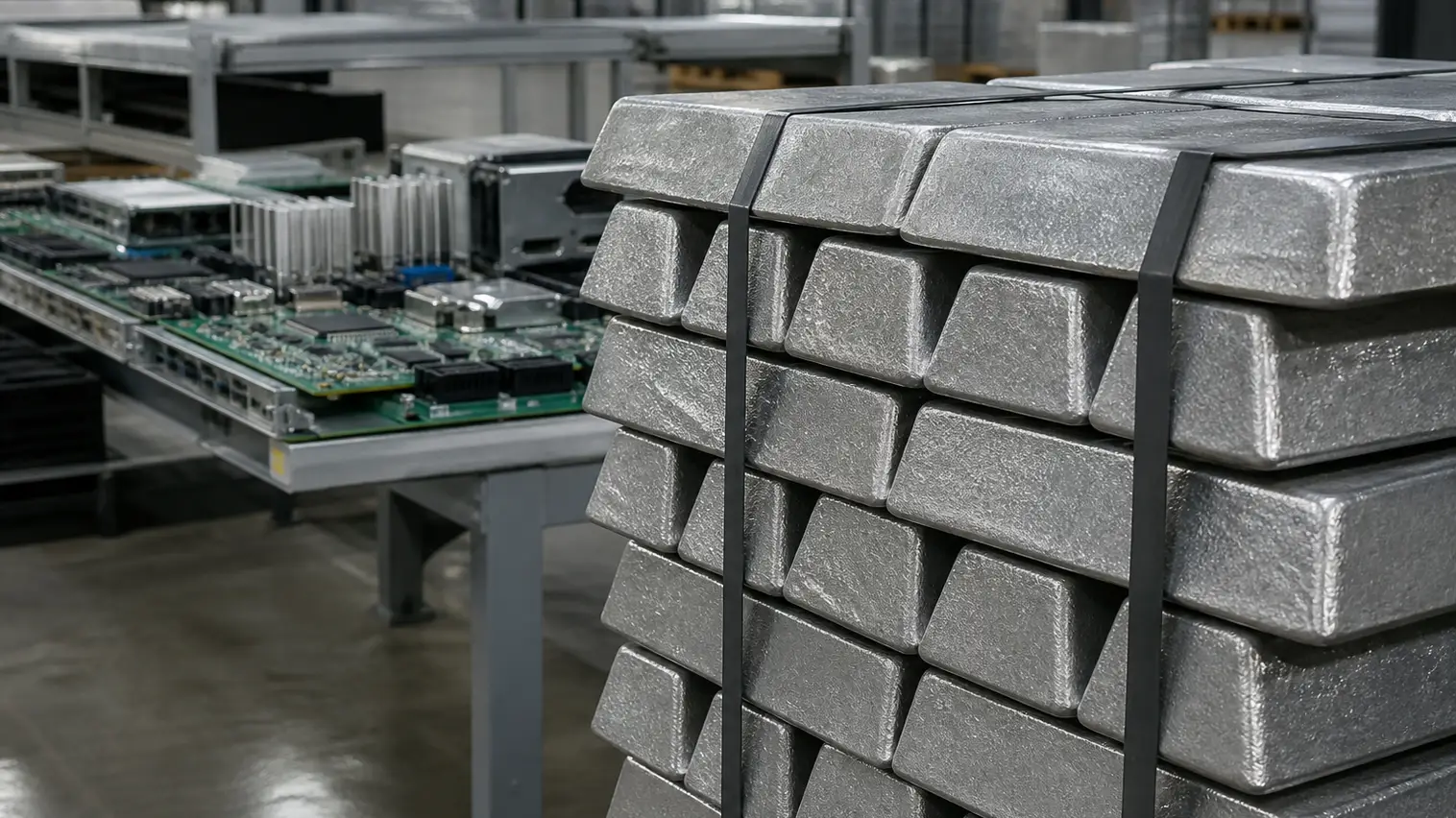
Tin is moving back to the center of the metals market as traders weigh tight physical supply against resilient demand from electronics, data-center hardware and broader artificial intelligence infrastructure. The metal remains elevated near historically high territory, with recent exchange pricing still signaling a market that has limited room for fresh disruption.
The latest activity across the metals complex shows tin attracting one of the stronger current narratives because it combines both sides of the commodity story: constrained mine supply and improving demand visibility. While other base metals continue to react to the US dollar, China demand signals and broader risk appetite, tin is being treated more as a scarcity trade tied to the semiconductor and soldering supply chain.
Market attention remains fixed on whether supply from key Asian producing regions can normalize in the second half of the year. The recovery path is still uncertain, particularly where weather, permitting and mine restart timing can affect concentrate availability. That uncertainty has helped keep nearby prices firm even during sessions when the wider industrial metals complex has traded defensively.
Low visible inventories are also making tin more sensitive to incremental demand. In a market where annual refined supply is relatively small compared with larger metals such as copper and aluminum, modest changes in smelter output, export approvals or warehouse availability can create outsized price reactions. This is why traders are watching inventory accumulation, rather than headline price alone, as the clearer test of whether tightness is easing.
Tin’s demand profile is closely linked to solder used in circuit boards, servers, consumer electronics and industrial equipment. That gives the metal a direct channel into the investment cycle around AI servers and higher-performance computing equipment. Strong capital spending by major technology companies has therefore become an important sentiment driver for tin, even though the metal remains a much smaller and less liquid market than copper.
The AI link does not remove cyclical risk. If electronics orders slow, manufacturers rebuild inventories more cautiously, or China’s factory momentum weakens, tin could lose some of its demand premium. For now, however, traders appear reluctant to price in a full reversal because the supply side has not delivered enough evidence of sustained relief.
Macroeconomic conditions remain important for all metals, including tin. A softer US dollar generally helps dollar-denominated commodities by making them cheaper for non-US buyers, while falling Treasury yields can support risk appetite across the metals complex. Expectations around Federal Reserve policy are therefore likely to remain a key short-term influence, especially after recent US labor data revived debate over the timing of potential rate cuts.
For tin, the macro backdrop is acting more like an amplifier than the main story. When the dollar weakens, tight supply can translate into sharper rallies. When the dollar rebounds, downside pressure can appear quickly, but limited inventories may prevent deeper declines unless physical demand also softens.
The near-term outlook for tin remains constructive but volatile. Bulls will be watching for signs that visible stocks fail to rebuild, that Asian supply restarts remain slow, and that electronics demand stays firm into the next production cycle. Bears will focus on any evidence of faster mine recovery, smelter normalization or weaker orders from electronics manufacturers.
That combination leaves tin as one of the more closely watched metals in early August trading. Unless inventories rise meaningfully or AI-linked demand expectations cool, the market may continue to assign a scarcity premium to tin, keeping the broader metals market alert to sudden price swings.
OCTOBER 20, 2026
Tin Metals Market Holds Above $50,000 as Inventory Draws Offset Dollar Risk
SEPTEMBER 27, 2026
Gold Futures Slip as Sticky Inflation and Fed Rate Bets Cap Metals Market Rebound
SEPTEMBER 5, 2026
Lead Lags Metals Market as Inventory Draws Fail to Shift Demand Doubts
AUGUST 15, 2026
Aluminum Keeps Metals Market on Inventory Watch as China Demand Offsets Tariff Risk
AUGUST 4, 2026
Aluminum Premium Squeeze Keeps Metals and Commodities Traders Focused on U.S. Tariffs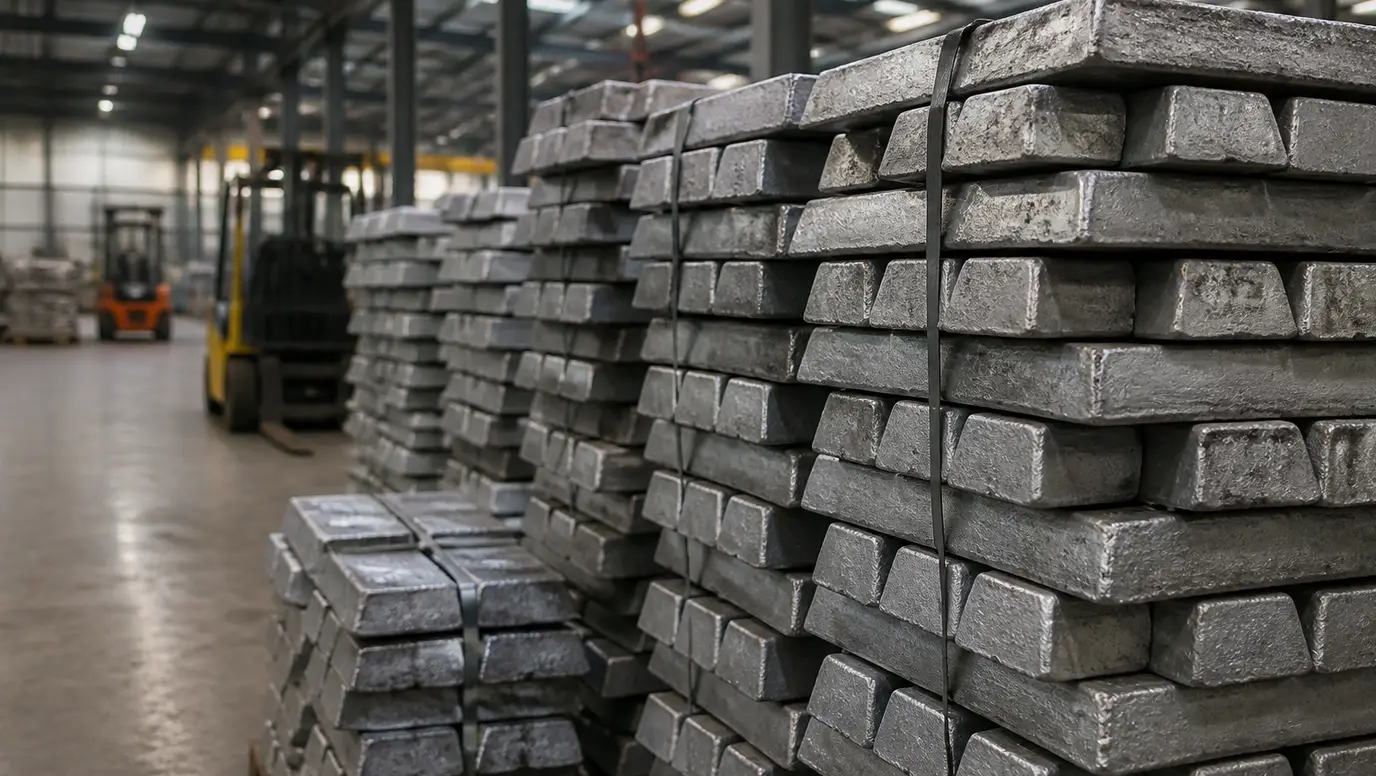
AUGUST 2, 2026
Lead Rebound Tests Metals and Commodities as Warehouse Overhang Caps Rally
JULY 30, 2026
Palladium Rebound Stalls as Metals and Commodities Traders Weigh Auto Demand
JULY 29, 2026
Aluminum Stockpile Drain Puts Metals and Commodities on Premium Watch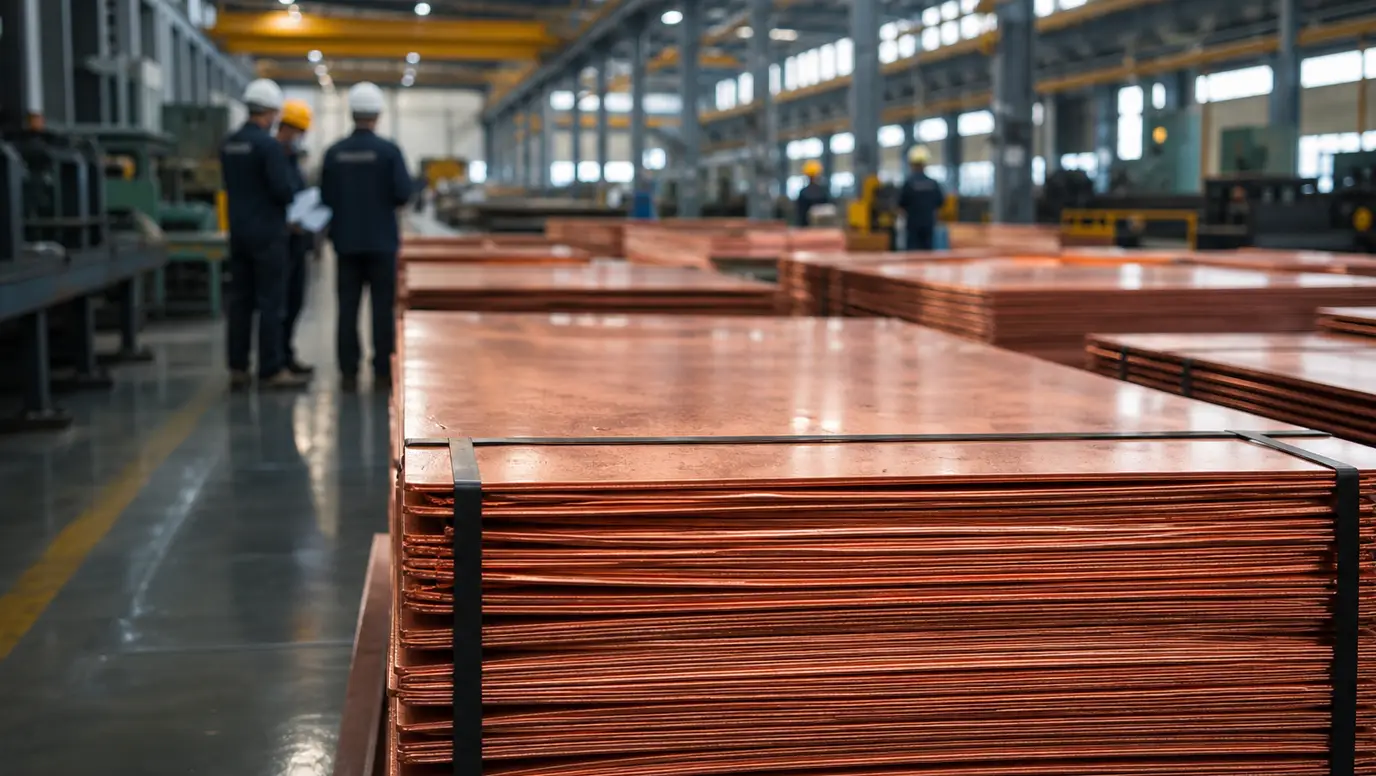
JULY 28, 2026
Copper Tightness Puts Metals and Commodities Traders on China Supply Watch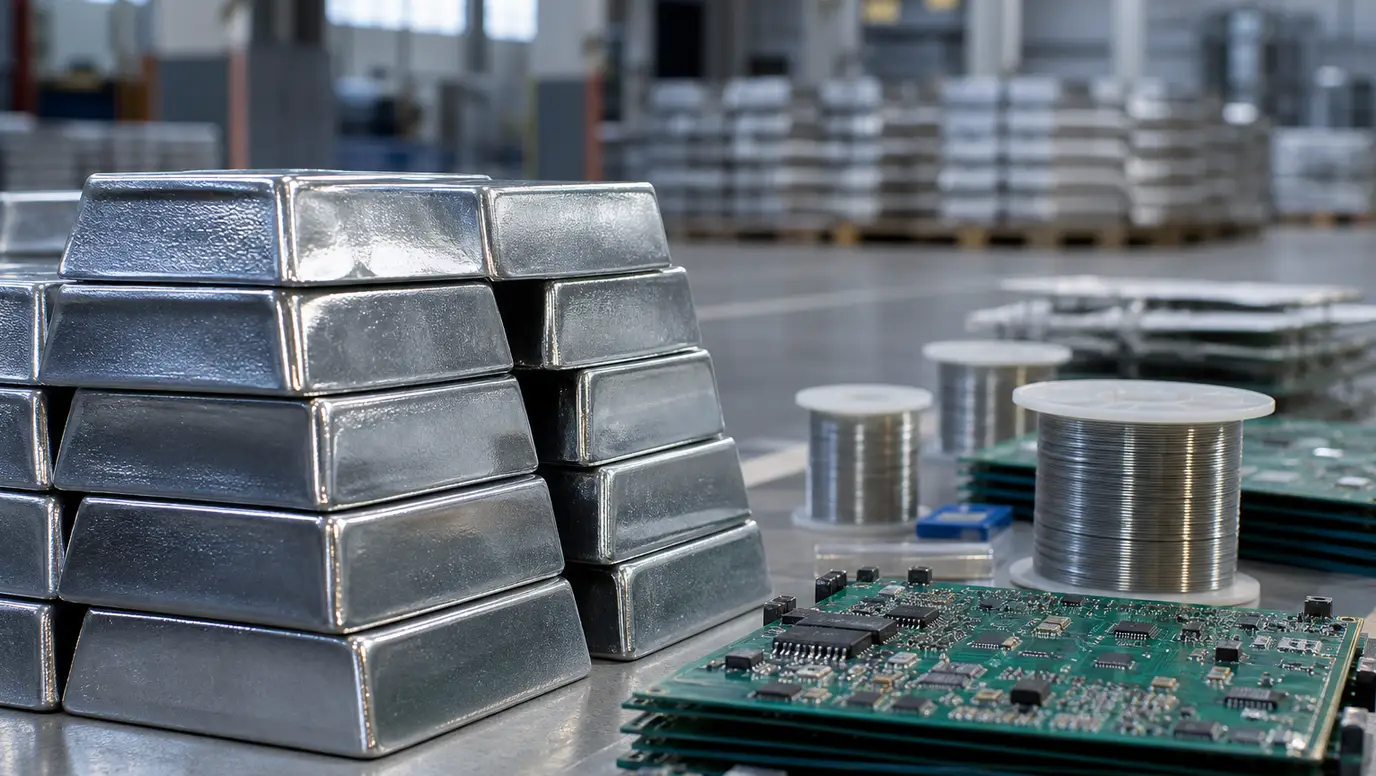
JULY 25, 2026
Tin Tightness Puts Metals and Commodities Traders on Solder Supply Watch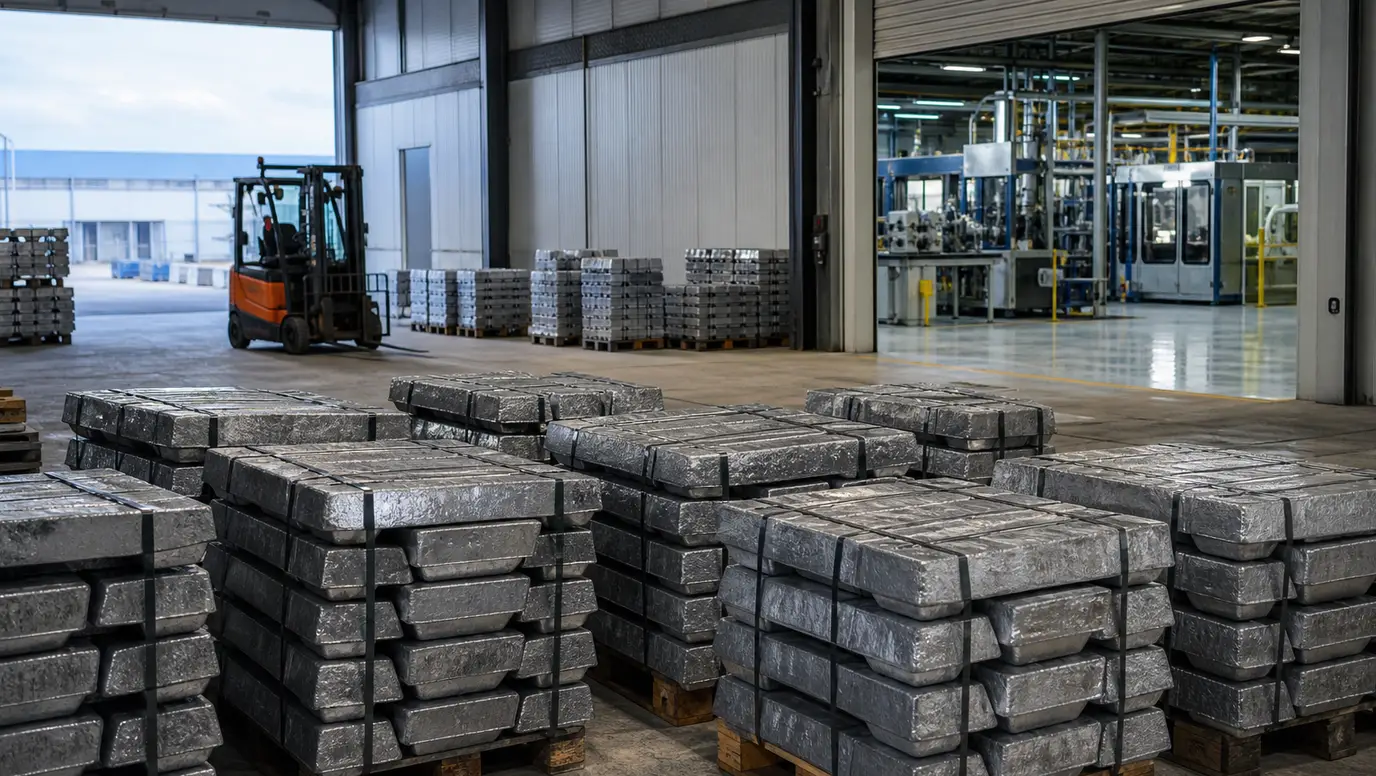
JULY 24, 2026
Lead Inventory Shock Puts Metals Traders on Battery Demand Watch
JULY 15, 2026
Copper Prices Lead Metals Market as China Demand Puts Supply Tightness Back in Focus
JULY 14, 2026
Gold and Silver Jump as Cool CPI Pulls Metals Market Back Toward Real-Yield Trade
JULY 13, 2026
Silver Slides as Yield Shock Overpowers Haven Demand in Metals Market
JULY 12, 2026
Gold Bulls Face Oil-Inflation Trap as Metals Market Watches $4,000 Support
JULY 11, 2026
Copper Premium Takes Center Stage as Metals Market Weighs Tariff Risk and Fed Headwinds
JULY 9, 2026
Copper Retreats as Gulf Tension Turns Base Metals Toward Demand Risk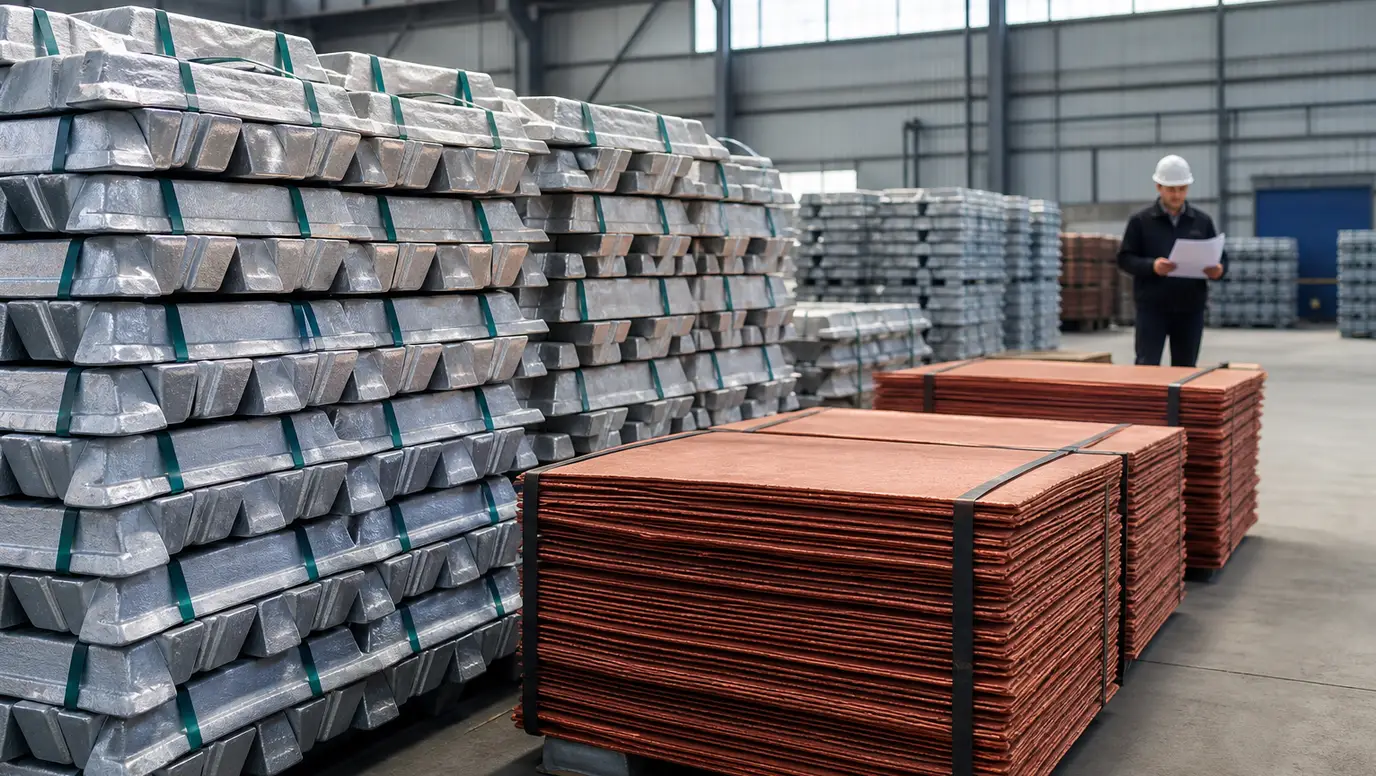
JULY 3, 2026
Aluminum and Copper Rebound as Softer Dollar Revives Base Metals Demand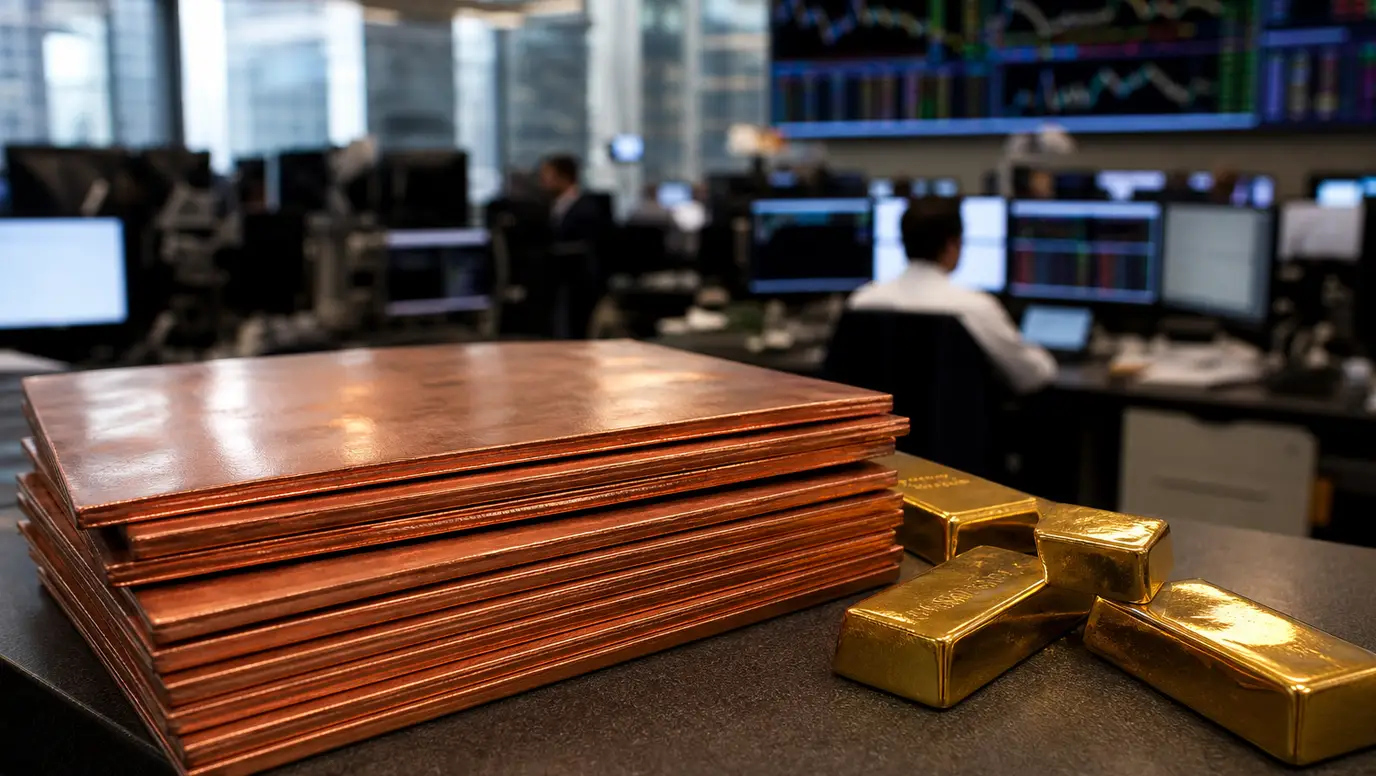
JUNE 28, 2026
Copper Tariff Deadline Overtakes Gold Rebound as Metals Market Enters Quarter-End