
OCTOBER 20, 2026
Tin Metals Market Holds Above $50,000 as Inventory Draws Offset Dollar RiskTin prices steady near $50,000 as shrinking inventories and supply risks counter US dollar and semiconductor demand pressure.

© 1box.site 2026
JULY 25, 2026
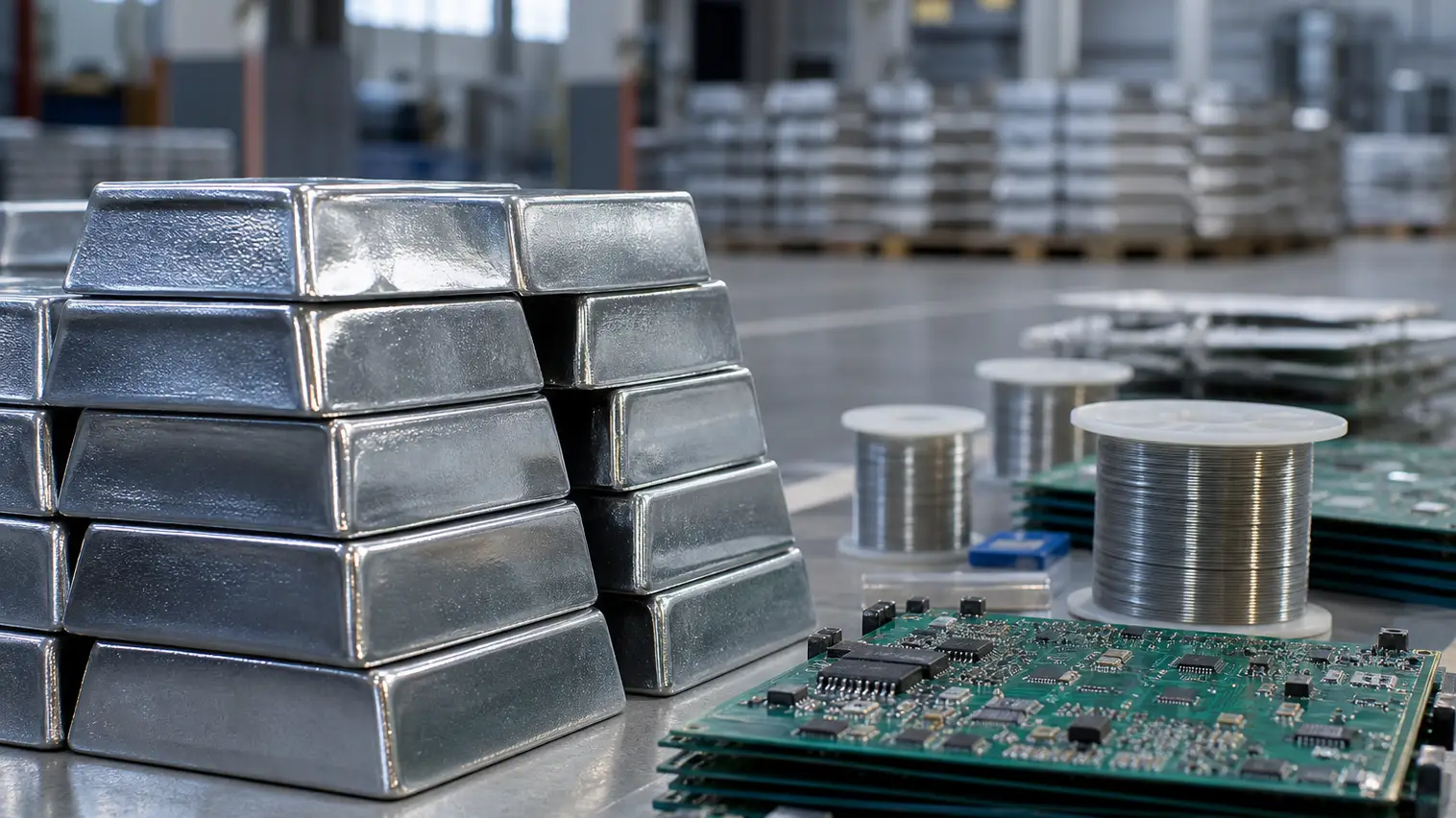
Tin is drawing fresh attention in the metals market as tight available supply and steady electronics-linked demand keep prices elevated near recent highs. Benchmark tin held above $54,000 a metric ton in the latest London dealings, outperforming several base-metal peers as traders weighed thin exchange inventories, Asian spot premiums and the risk that downstream buyers may need to rebuild cover before the next seasonal demand window.
The move matters because tin is a small but strategically important market. Its main use in solder links it directly to circuit boards, consumer electronics, servers, autos and renewable-power equipment. When inventories are low, even modest changes in semiconductor production schedules or shipping availability can produce outsized price swings.
Recent Asian market data showed a sharp weekly decline in visible tin ingot stocks in China, reinforcing the view that the physical market remains vulnerable to restocking pressure. Traders are also monitoring mine and smelter flows from Southeast Asia, where supply disruptions and slow restarts have previously tightened the raw-material chain.
Unlike copper or aluminum, tin has limited depth in both physical and futures markets. That means price discovery can move quickly when consumers, merchants or funds respond to the same supply signal. For manufacturers, the issue is less about absolute tonnage and more about timing: solder demand is difficult to defer when electronics assembly lines are already scheduled.
The latest rally is not purely a warehouse story. Artificial intelligence infrastructure, high-performance computing and data-center hardware are keeping the market focused on electronics demand even as broader industrial indicators remain uneven. Tin has become a quiet beneficiary of the hardware cycle because every expansion in circuit-board production increases attention on solder availability.
That demand backdrop is arriving while the US dollar, Treasury yields and Federal Reserve expectations continue to shape commodity risk appetite. A firmer dollar can limit upside across metals by making dollar-priced contracts more expensive for overseas buyers, but tight physical conditions have helped tin resist some of that pressure.
Tin’s strength is also being read as a signal for the broader metals complex. While large markets such as copper and aluminum remain more exposed to construction, grid spending and trade policy, tin is sending a more targeted message about electronics supply chains. If restocking continues, traders may begin to price a wider premium for metals with direct exposure to technology manufacturing.
For now, the base case is a choppy but supported market. A sustained break higher would likely require evidence that inventories are still falling while electronics orders improve. A pullback, meanwhile, could emerge if mine supply normalizes faster than expected or if macro pressure reduces speculative appetite across commodities. Until one of those signals becomes clearer, tin is likely to remain one of the most closely watched smaller metals in the complex.
OCTOBER 20, 2026
Tin Metals Market Holds Above $50,000 as Inventory Draws Offset Dollar Risk
SEPTEMBER 27, 2026
Gold Futures Slip as Sticky Inflation and Fed Rate Bets Cap Metals Market Rebound
SEPTEMBER 5, 2026
Lead Lags Metals Market as Inventory Draws Fail to Shift Demand Doubts
AUGUST 15, 2026
Aluminum Keeps Metals Market on Inventory Watch as China Demand Offsets Tariff Risk
AUGUST 7, 2026
Tin Keeps Metals Market on Supply Watch as AI Demand Supports Commodities
AUGUST 4, 2026
Aluminum Premium Squeeze Keeps Metals and Commodities Traders Focused on U.S. Tariffs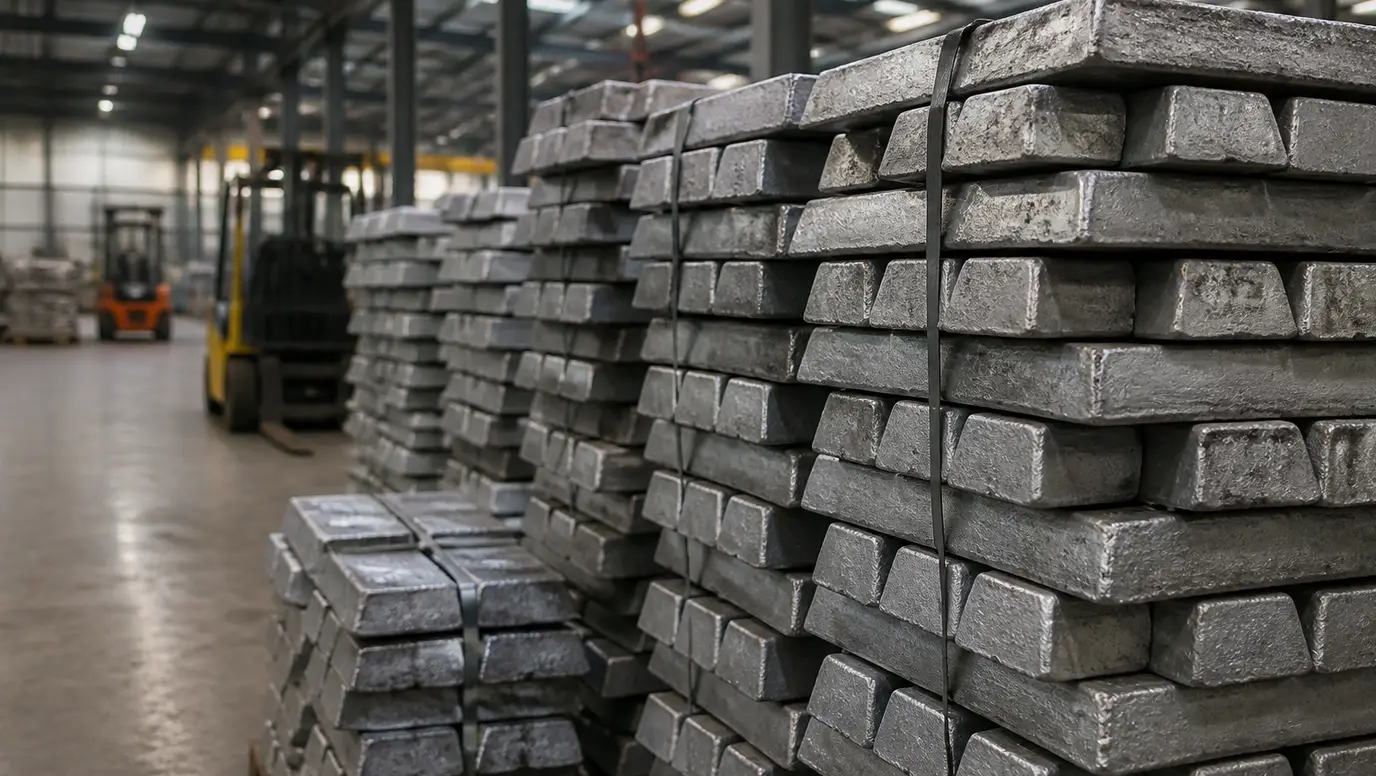
AUGUST 2, 2026
Lead Rebound Tests Metals and Commodities as Warehouse Overhang Caps Rally
JULY 30, 2026
Palladium Rebound Stalls as Metals and Commodities Traders Weigh Auto Demand
JULY 29, 2026
Aluminum Stockpile Drain Puts Metals and Commodities on Premium Watch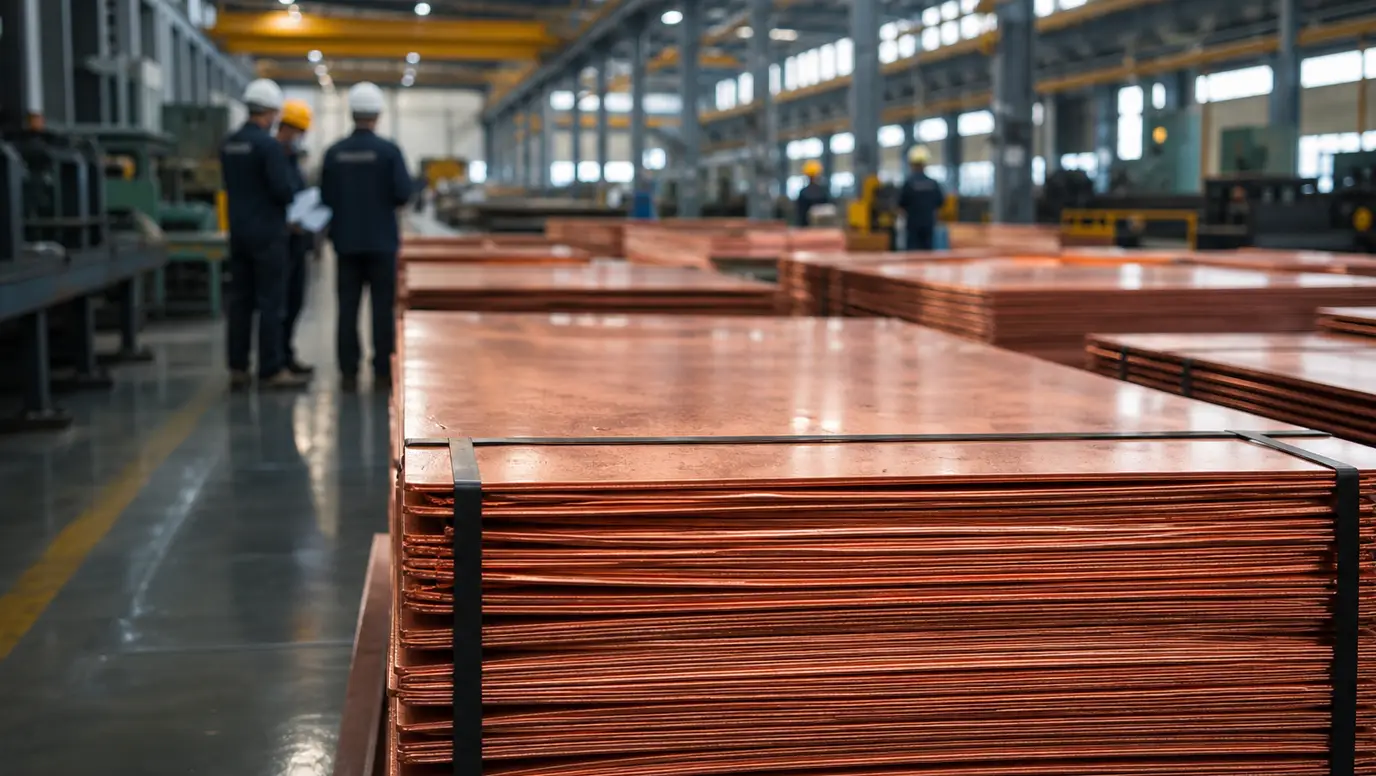
JULY 28, 2026
Copper Tightness Puts Metals and Commodities Traders on China Supply Watch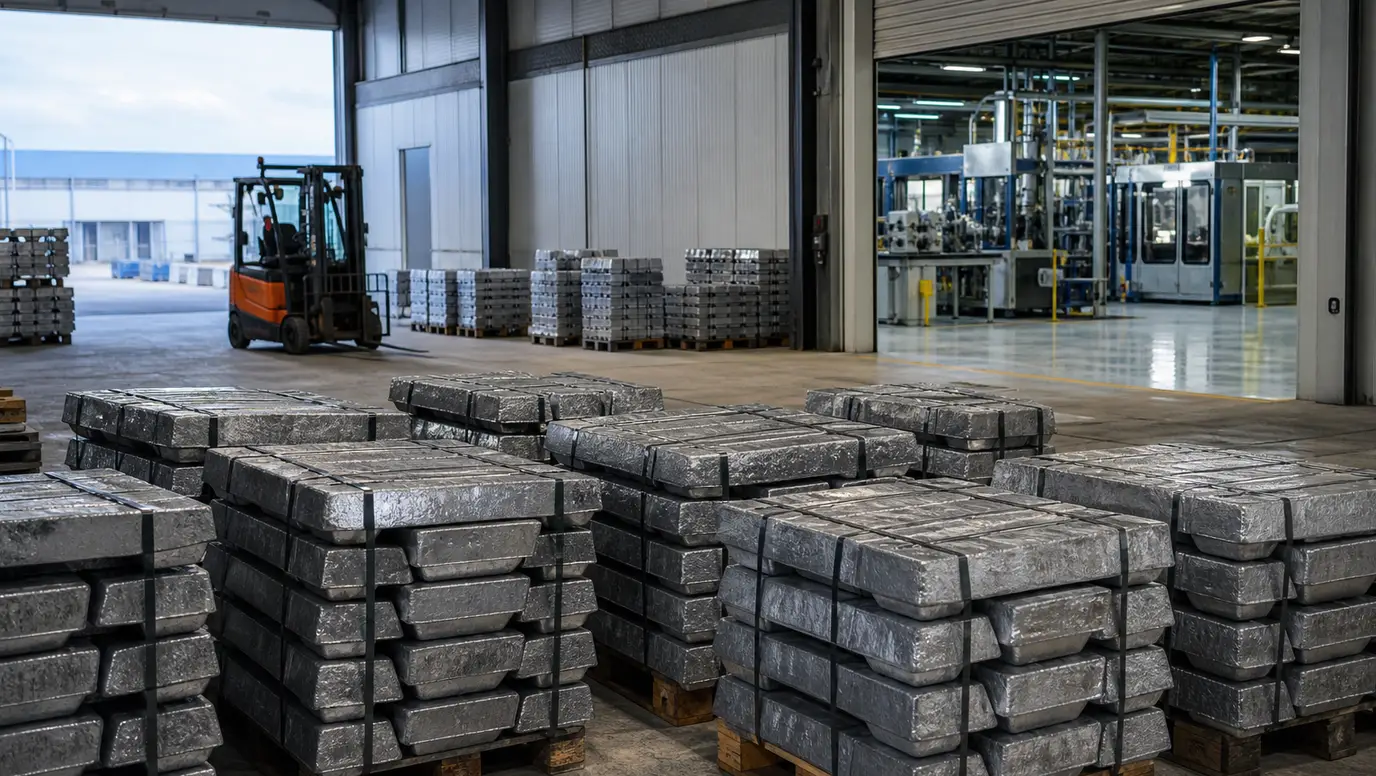
JULY 24, 2026
Lead Inventory Shock Puts Metals Traders on Battery Demand Watch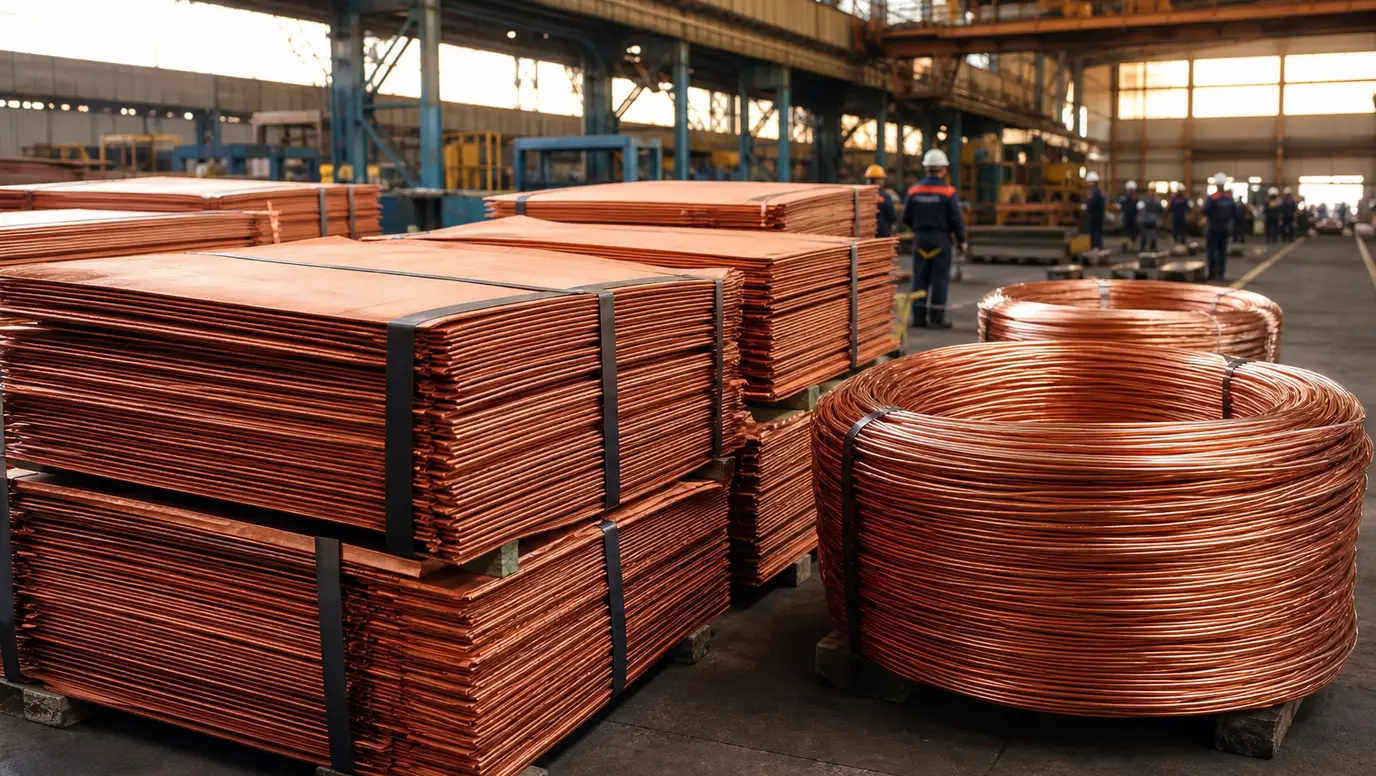
JULY 15, 2026
Copper Prices Lead Metals Market as China Demand Puts Supply Tightness Back in Focus
JULY 14, 2026
Gold and Silver Jump as Cool CPI Pulls Metals Market Back Toward Real-Yield Trade
JULY 13, 2026
Silver Slides as Yield Shock Overpowers Haven Demand in Metals Market
JULY 12, 2026
Gold Bulls Face Oil-Inflation Trap as Metals Market Watches $4,000 Support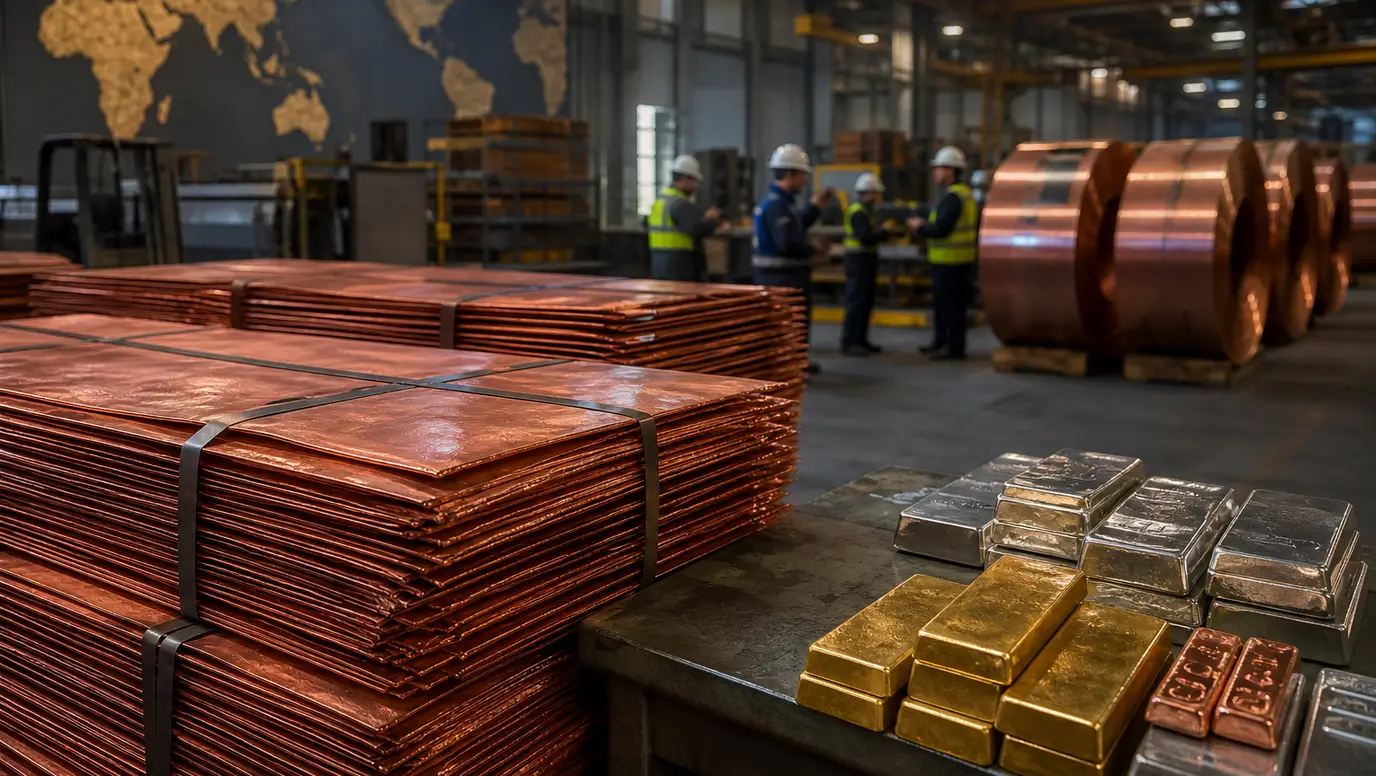
JULY 11, 2026
Copper Premium Takes Center Stage as Metals Market Weighs Tariff Risk and Fed Headwinds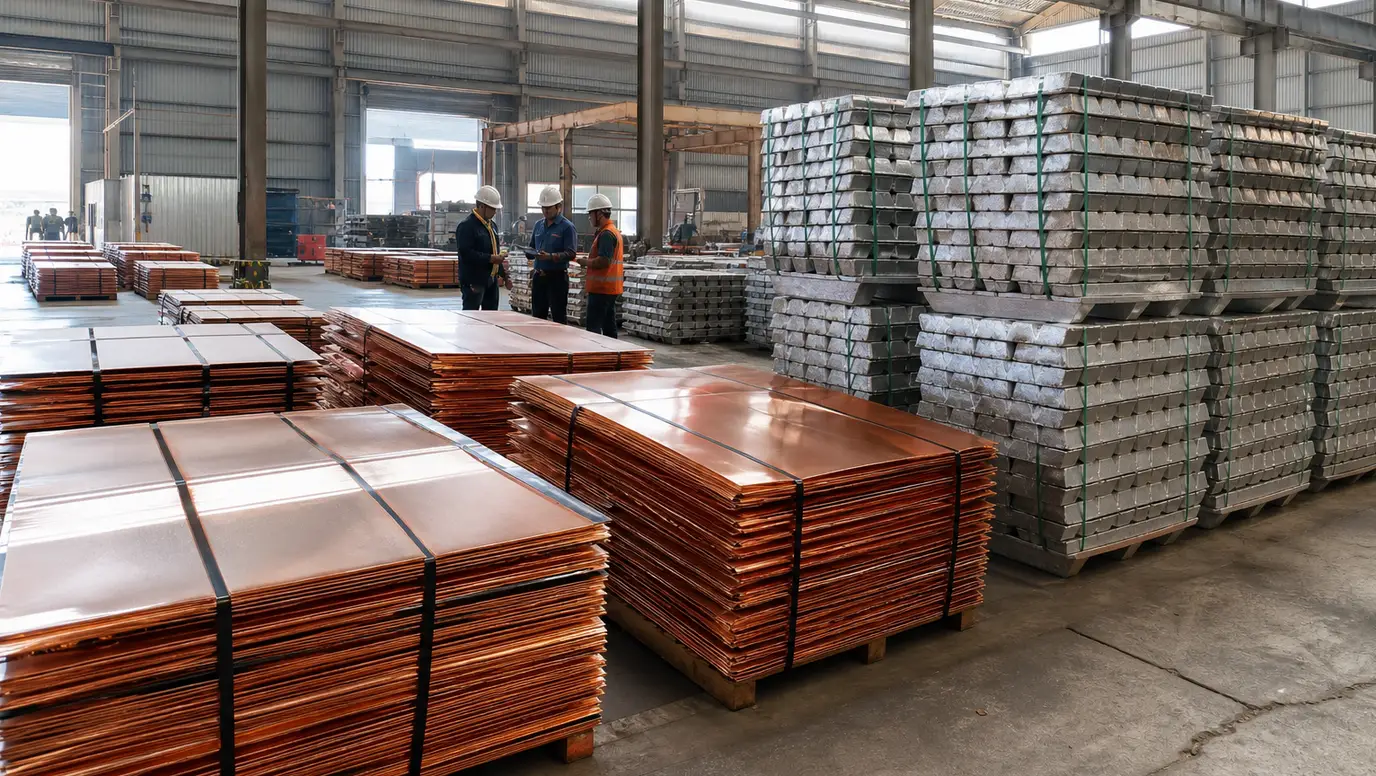
JULY 9, 2026
Copper Retreats as Gulf Tension Turns Base Metals Toward Demand Risk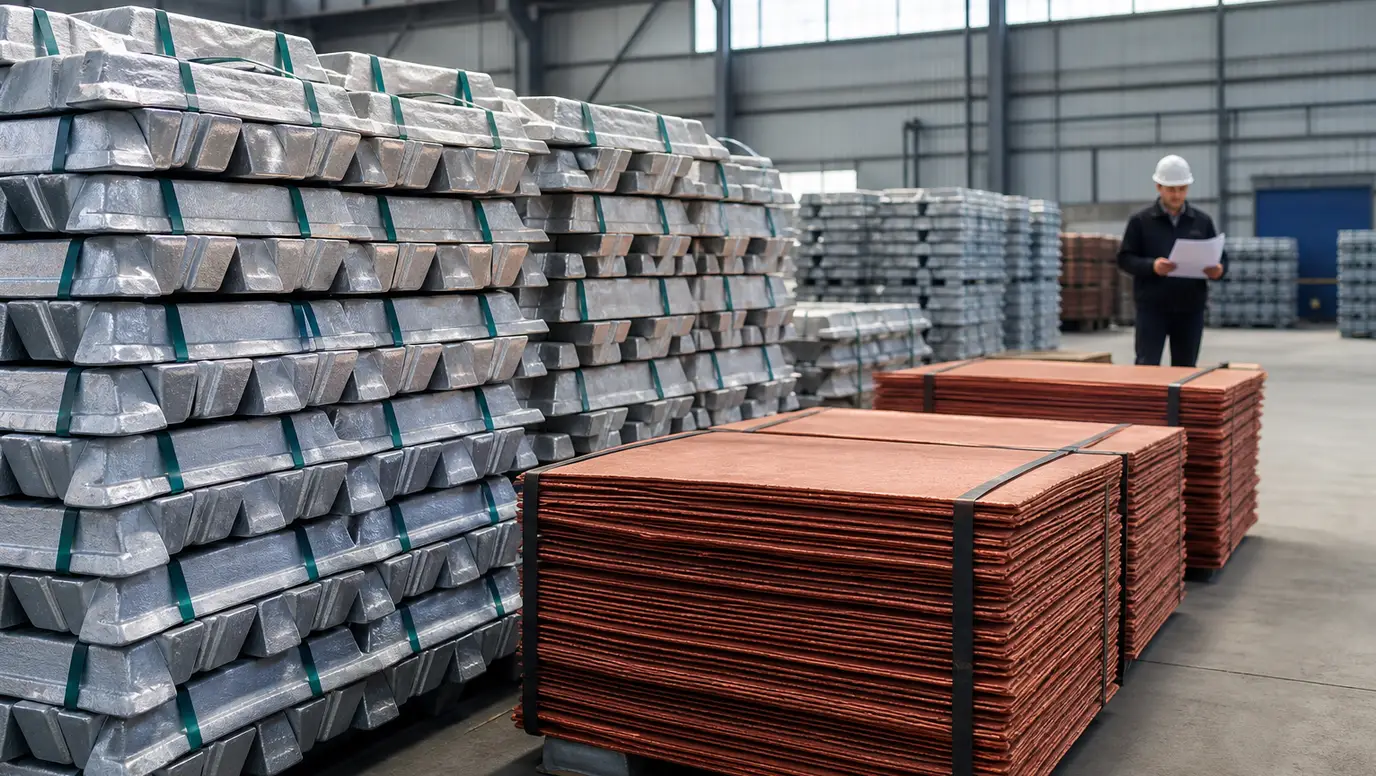
JULY 3, 2026
Aluminum and Copper Rebound as Softer Dollar Revives Base Metals Demand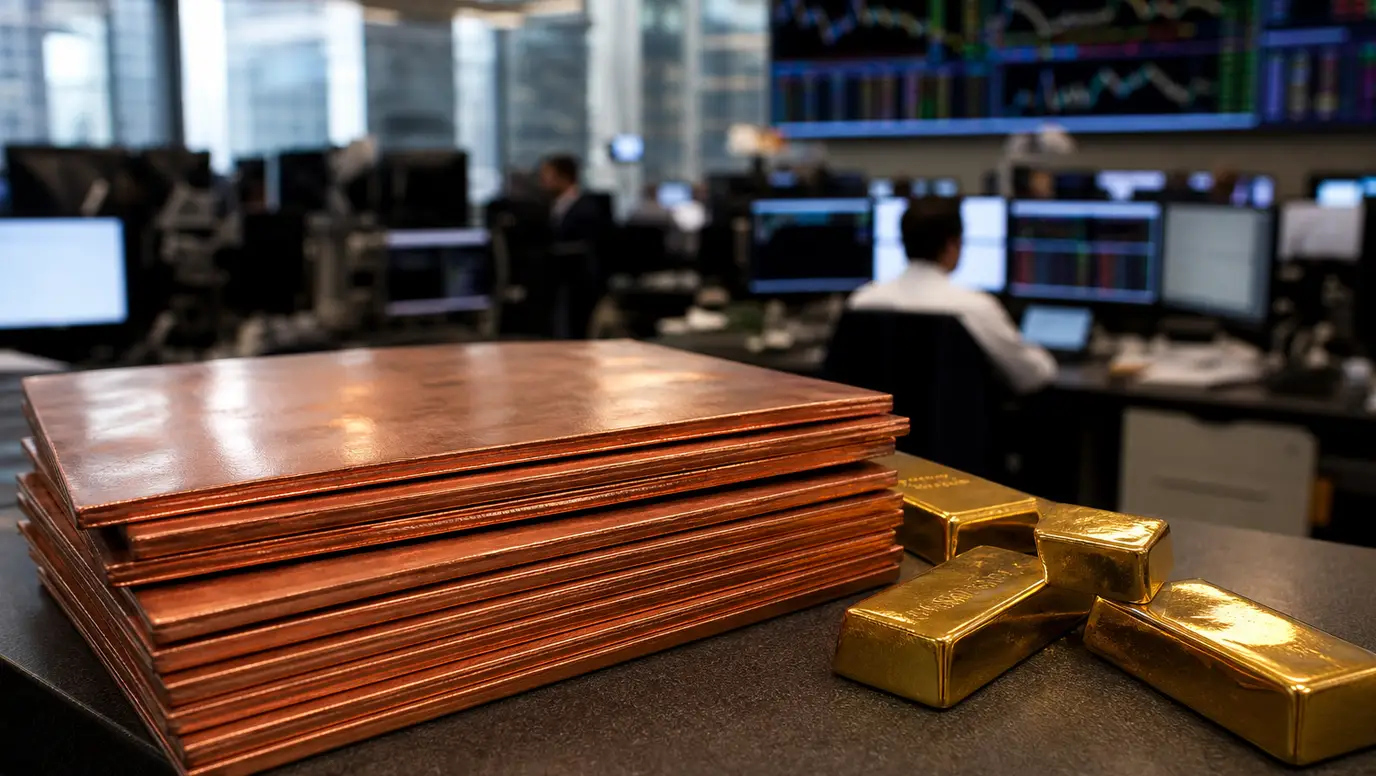
JUNE 28, 2026
Copper Tariff Deadline Overtakes Gold Rebound as Metals Market Enters Quarter-End