
OCTOBER 5, 2026
Lead Futures Rebound as Warehouse Drawdown Puts Battery Metal Back on Metals WatchLead futures recover after a weak week as lower warehouse stocks, battery demand and Fed rate expectations shape metals sentiment.

© 1box.site 2026

AUGUST 12, 2026
Lead moved back into focus across the metals market on Wednesday as traders weighed a sharp reshuffling of exchange warehouse stocks against a softer U.S. inflation backdrop. The battery metal has not delivered the headline momentum seen in some precious and industrial metals this month, but the inventory signal has become harder to ignore.
Benchmark lead cash settlement prices were last recorded around $1,878 per metric ton on August 11, with the three-month contract near $1,907. The gap leaves the market in a modest contango, suggesting nearby supply is not yet scarce. Even so, the recent stock movement has created a more complicated picture for investors trying to separate genuine physical demand from warehouse financing flows.
Exchange-monitored lead inventories stood near 420,300 metric tons on August 11, down from more than 456,000 tons in mid-July but still well above levels seen earlier in the year. The build was unusually fast, with a major inflow into Singapore warehouses followed by a wave of cancelled warrants that marked metal for removal. That sequence has put warehouse data at the center of the lead market debate.
The latest activity shows why lead can move on logistics as much as on end-user demand. Large deliveries into exchange sheds can make the market look oversupplied, while cancellations can create the impression that physical consumers are drawing material back out. In practice, the same metal may be moving between warehouses, financing structures, traders or customers.
Industry reports in late July pointed to roughly 46,100 tons of lead warrants being cancelled in a short period, taking total cancelled warrants to more than 65,000 tons, or about 14% of total exchange stocks at that time. Most of that metal was tied to Singapore, where warehouse incentives and regional trade flows can have an outsized effect on visible inventories.
For price discovery, the key question is whether the drawdown continues. If stocks keep falling while cancelled warrants remain elevated, traders may start to price a tighter prompt market. If removals slow and three-month lead continues to trade above cash metal, the market may treat the move as a warehouse shuffle rather than a clear demand breakout.
Lead demand remains heavily linked to replacement batteries, automotive aftermarkets, industrial backup power and energy storage systems. That demand base is steadier than the more cyclical construction exposure seen in some other base metals, but it is not immune to broader manufacturing conditions. The result is a market that can look fundamentally dull until warehouse data suddenly changes the tone.
The macro backdrop also became slightly less restrictive after July U.S. consumer prices rose 0.1% month over month and 3.4% from a year earlier. Core inflation rose 0.2% on the month and eased to 2.5% annually. For metals traders, the report matters because softer inflation can reduce upward pressure on Treasury yields and the U.S. dollar, improving the relative appeal of dollar-priced commodities.
Lead is not as sensitive to interest-rate expectations as gold, but a calmer Federal Reserve outlook can still help base metals by supporting risk appetite and improving liquidity across commodity books. If yields drift lower, funds may be more willing to hold industrial metals exposure, particularly where inventory or supply signals are becoming more supportive.
Still, the lead market is not yet sending a straightforward bullish signal. The current contango suggests buyers are not urgently competing for prompt metal, and the absolute level of warehouse stocks remains high. A stronger rally would likely require evidence that cancellations are translating into real deliveries to consumers, not simply a relocation of exchange material.
The next test is whether lead can hold above the mid-$1,800s while warehouse stocks continue to fall. A move toward a flatter forward curve would be an important technical and fundamental signal, especially if accompanied by stronger physical premiums in Asia or Europe.
Investors are also watching zinc and other base metals for confirmation. Zinc has shown firmer pricing and lower visible stock levels through early August, which may be encouraging traders to reassess the wider galvanizing and battery-metal complex. If zinc strength persists while lead inventories tighten, the broader metals market could begin pricing a more constructive base-metals setup into late summer.
For now, lead remains a warehouse-led story rather than a clean demand surge. That makes it a more cautious trade than the recent rallies in metals with clearer deficit narratives. But with inflation data easing some macro pressure and exchange stocks moving quickly, lead has earned a place back on the metals market watchlist.
OCTOBER 5, 2026
Lead Futures Rebound as Warehouse Drawdown Puts Battery Metal Back on Metals Watch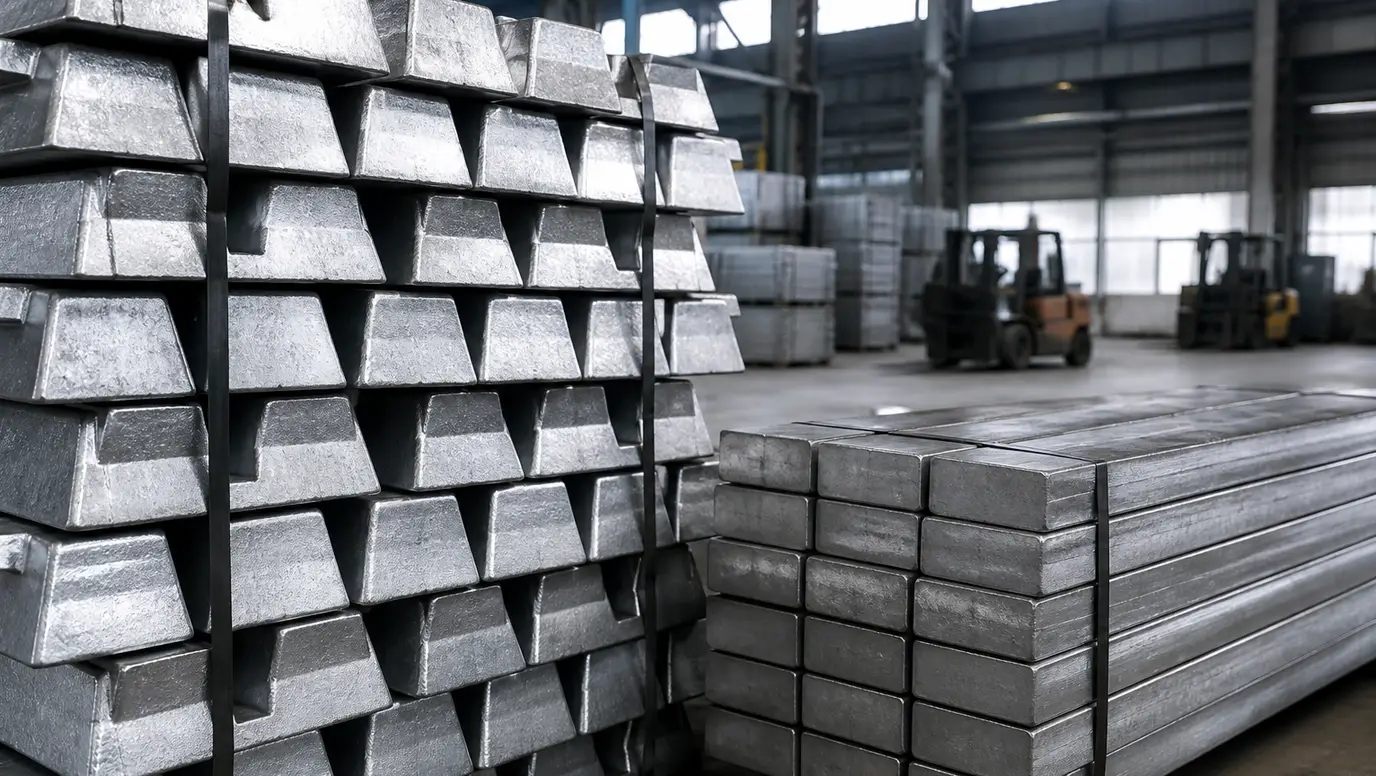
SEPTEMBER 18, 2026
Zinc Futures Squeeze Lifts Metals Market as Lead Inventories Tighten
SEPTEMBER 5, 2026
Lead Lags Metals Market as Inventory Draws Fail to Shift Demand Doubts
AUGUST 2, 2026
Lead Rebound Tests Metals and Commodities as Warehouse Overhang Caps Rally
JULY 24, 2026
Lead Inventory Shock Puts Metals Traders on Battery Demand Watch