OCTOBER 13, 2026
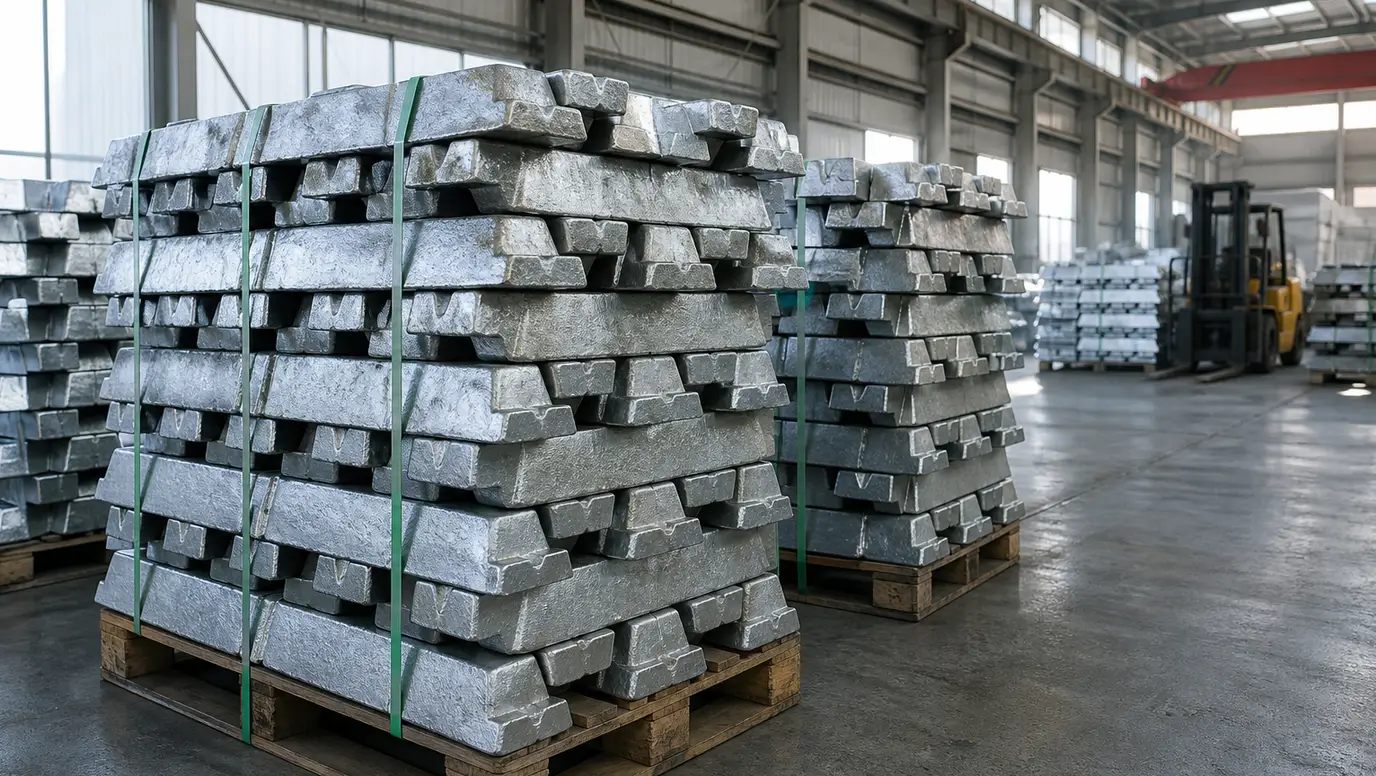
Zinc Metals Market Falls as LME Stock Jump and US Dollar Pressure Base MetalsZinc weakens as LME inventories rise, the US dollar stays firm and traders reassess base metals demand before US inflation data.

© 1box.site 2026

OCTOBER 24, 2026
Zinc moved to the front of the metals market rebound on Saturday, with traders shifting back into base metals after a sharp midweek pullback exposed how sensitive the complex remains to the US dollar, Treasury yields and expectations for Federal Reserve policy.
The latest overnight session showed a broad recovery across nonferrous metals, with zinc outperforming most of the group. LME zinc advanced more than 2%, while the most-traded SHFE zinc contract also gained more than 1%. The move followed a weaker session a day earlier, when zinc joined a wider selloff across industrial metals as firmer energy prices and resilient US data revived concerns that interest rates could remain restrictive for longer.
The rebound does not remove the main tension in the zinc market. Prices are being supported by short-covering, low treatment charges and signs of better downstream activity, but rising exchange inventories are making it harder for bulls to argue that nearby supply is still as tight as it was earlier in the month.
Zinc’s latest gain came as the broader metals market attempted to stabilize before a heavy macro calendar. Traders are looking ahead to the Federal Reserve decision, US inflation data, third-quarter growth figures and European central bank signals, all of which can influence the dollar and the cost of carrying commodity positions.
For zinc specifically, the price action has been choppy rather than one-directional. Earlier in the week, LME zinc held a recovery tone after dipping toward the lower end of its recent range, helped by a softer dollar and the exit of some bearish positions. That support was then interrupted by renewed pressure across metals before buyers returned in the latest session.
This pattern suggests the zinc market is still trading more like a tactical macro instrument than a pure supply squeeze. When the dollar eases and risk appetite improves, zinc can recover quickly. When Treasury yields climb or traders price in a more hawkish Fed, the metal remains vulnerable to fresh selling.
The key counterweight to the rebound is inventory. Recent data showed LME zinc stocks continuing to rise, while deliverable material has become more visible after an earlier period of tightness. That shift has cooled some of the urgency that previously supported nearby prices and narrowed the argument for an immediate squeeze.
At the same time, the market is not moving cleanly into a bearish surplus story. Treatment charges remain low, pointing to ongoing pressure in the concentrate market, and Chinese zinc exports have stayed active. Downstream consumption has shown modest improvement, but end-user orders have not strengthened enough to give the rally a fully demand-led foundation.
That leaves zinc in a narrow balance. A continued inventory build could cap rallies and keep prices range-bound, especially if the dollar strengthens into the Fed meeting. But if Chinese restocking improves, if exports absorb more refined metal, or if smelter margins tighten further, sellers may struggle to push prices much lower.
The next directional test for zinc is likely to come from macro markets. A higher-for-longer Fed message would support the dollar and raise the opportunity cost of holding industrial metals, particularly after the recent rebound. A softer policy tone, or inflation data that reduces rate-hike pressure, could extend the recovery across base metals and keep zinc at the front of the move.
For now, the zinc metals market is showing resilience rather than a clean breakout. The latest rally confirms that buyers are still willing to defend the metal when macro pressure eases, but rising inventories mean the market needs stronger physical signals to sustain a larger advance.
OCTOBER 13, 2026
Zinc Metals Market Falls as LME Stock Jump and US Dollar Pressure Base Metals
OCTOBER 8, 2026
Zinc Metals Tightness Faces US Dollar and Treasury Yield Test
SEPTEMBER 29, 2026
Zinc Futures Fall as China Demand Worries Test Metals Market Tightness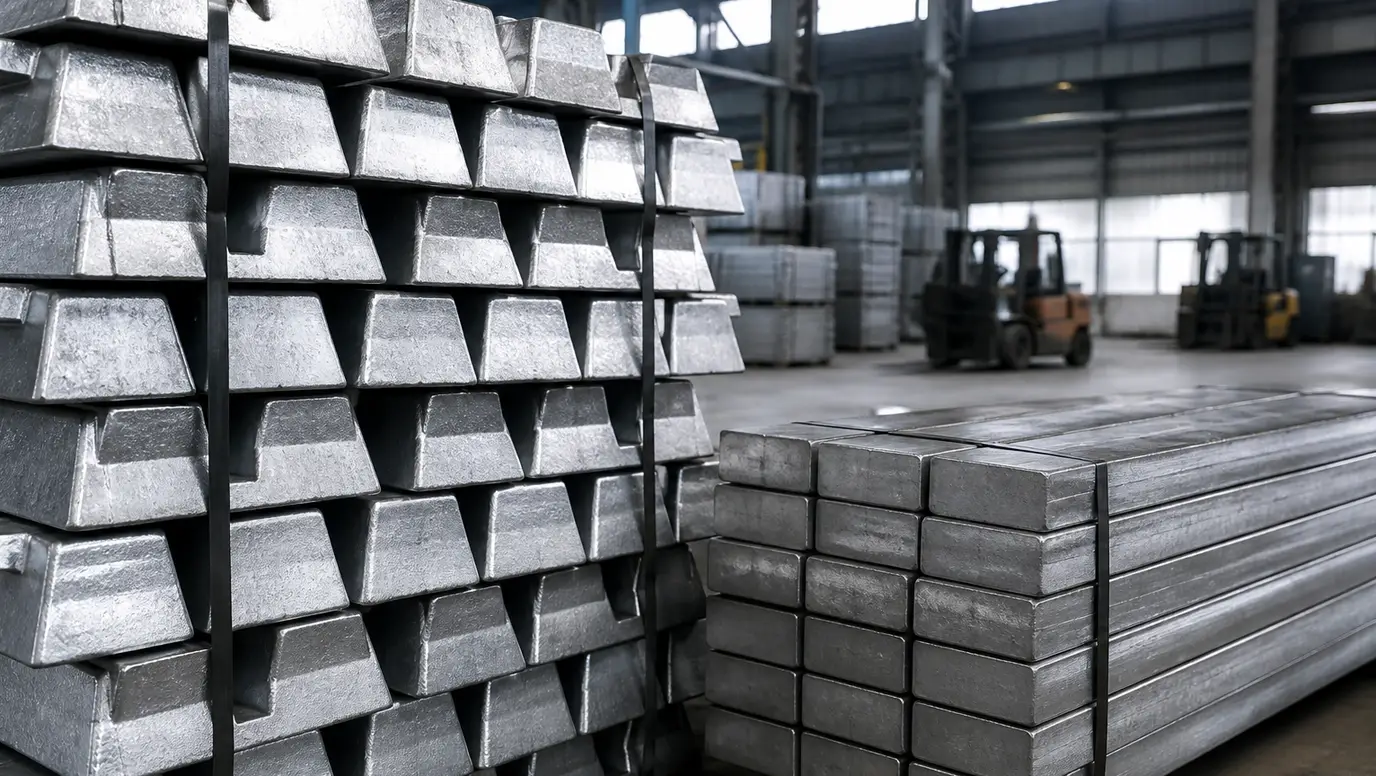
SEPTEMBER 18, 2026
Zinc Futures Squeeze Lifts Metals Market as Lead Inventories Tighten
SEPTEMBER 12, 2026
Zinc Futures Rally Faces Inventory Test as Metals Market Weighs Demand Signals
SEPTEMBER 7, 2026
Zinc Futures Defy Federal Reserve Pressure as Supply Squeeze Tightens Metals Market
SEPTEMBER 1, 2026
Zinc Rally Leads Metals Market as Supply Fears Lift Base Metals
AUGUST 26, 2026
U.S. Zinc Futures Debut Puts Metals Market on Regional Pricing Watch
AUGUST 19, 2026
Zinc Tightness Keeps Metals Market Alert as Inventory Cushion Shrinks
AUGUST 13, 2026
Zinc Tightness Keeps Metals Market Alert as China Demand Caps Rally
AUGUST 6, 2026
Zinc Inventory Draw Keeps Metals Market Focused on China Supply and US Dollar Risk
JULY 31, 2026
Zinc Rally Puts Metals Traders on Alert as LME Stocks Slide After US Dollar Pullback
JULY 22, 2026
Nickel and Zinc Join Metals Rally as China Supply Signals Revive Risk Appetite
JULY 4, 2026
Silver and Zinc Lead Broad Metals Rally as Dollar Weakness Extends Holiday Bounce
JULY 1, 2026
Copper Leads Metals Lower as Tariff Uncertainty Hits Aluminum and Zinc
JUNE 27, 2026
Zinc Bounce Masks Gold and Silver Weekly Slump as Metals Market Splits on Fed Risk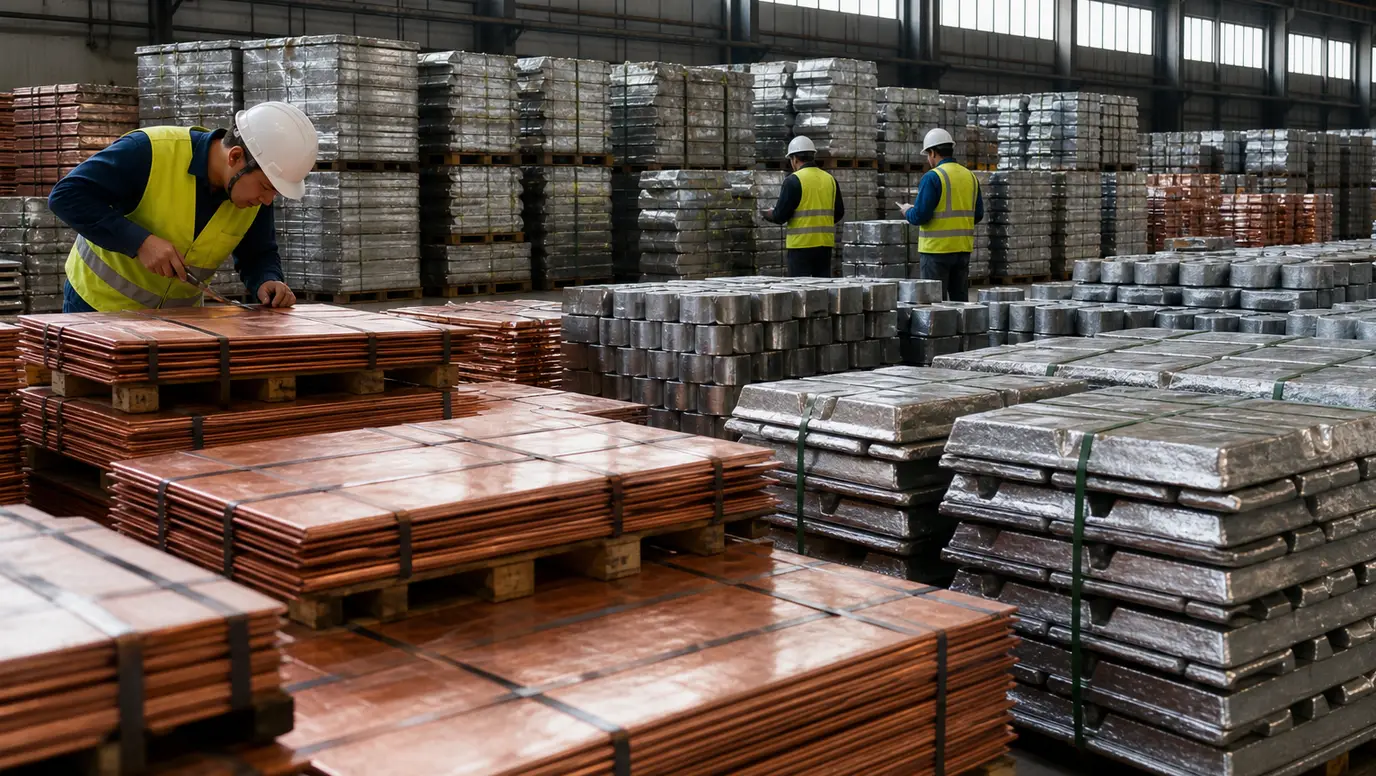
JUNE 26, 2026
Base Metals Reverse Early Rally as Copper, Nickel and Zinc Drag Metals Market Lower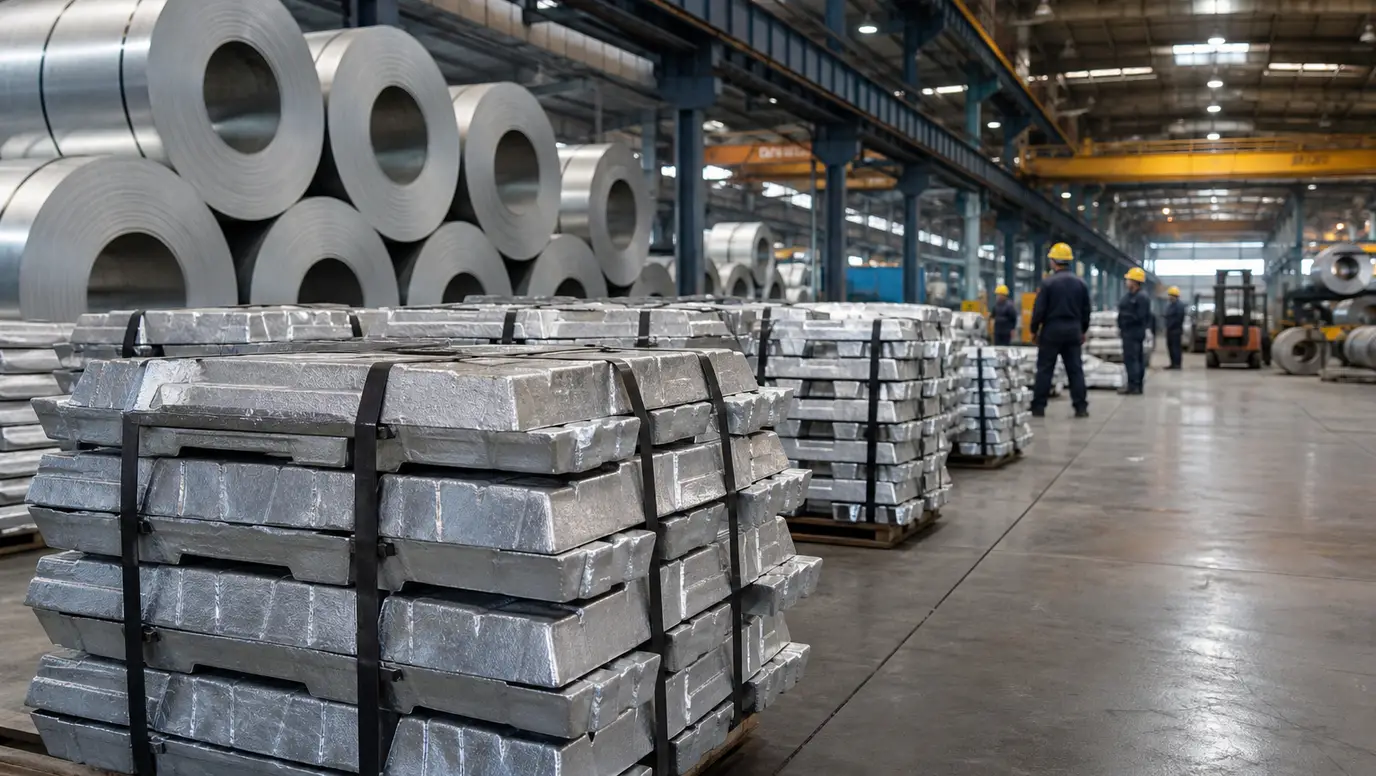
JUNE 4, 2026
Zinc Breakout Moves to Center of Metals Market as Copper Rally Cools