
NOVEMBER 10, 2026
Euro Forex Market Slips as Hot US CPI Revives US Dollar and Federal Reserve Hike BetsEuro forex market weakens near 1.12 as hotter US CPI and hawkish Fed signals revive US dollar demand and rate-hike risk.

© 1box.site 2026

NOVEMBER 10, 2026
Copper remained one of the most active stories in the metals market on Tuesday as prices held above the psychologically important $14,000-a-ton level, with traders weighing tight nearby supply against renewed strength in the US dollar. The move kept copper in focus for investors looking for signals on global manufacturing, electrification demand and the durability of this year’s industrial metals rally.
The latest price action follows a volatile stretch in which copper pulled back from record territory but continued to find support from physical-market tightness. Cash metal has recently traded at a meaningful premium to forward contracts, a structure that typically suggests buyers are paying up for prompt delivery rather than waiting for later shipments. That has helped limit downside momentum even as macro traders turn more cautious before fresh US inflation and interest-rate signals.
For the broader metals market, copper’s resilience stands out because several other base metals have faced heavier pressure from supply recovery, uneven Chinese construction demand and concern that elevated borrowing costs could slow industrial activity. Copper, however, remains tied to longer-term themes that are harder for investors to ignore, including power-grid expansion, electric vehicles, renewable energy infrastructure and data-center buildouts.
The strongest support for copper continues to come from the physical side of the market. Traders have been watching elevated regional premiums, low readily available inventories and tight concentrate supply, all of which suggest that refined metal is not moving freely enough to fully satisfy nearby demand. Even after warehouse inflows eased some anxiety in recent weeks, the market has not fully abandoned the view that available copper units remain scarce in key consuming regions.
China remains central to that discussion. Demand indicators linked to imported copper have stayed firm enough to counter fears about weaker property activity and softer factory margins. At the same time, smelters face intense competition for concentrate as new processing capacity has expanded faster than mine supply. That imbalance has kept treatment charges under pressure and reinforced the view that the bottleneck is not only demand, but also the ability of the supply chain to deliver enough feedstock and refined metal at the right time.
Supply risks are also keeping a floor under sentiment. Border restrictions, mine disruptions and permitting delays have reminded the market that copper supply is difficult to expand quickly. With major new projects requiring years of development, short-term disruptions can have an outsized impact when inventories are already thin. That is why traders have been reluctant to treat recent price dips as a clear reversal of the broader bull trend.
The main headwind is macroeconomic. A stronger US dollar makes dollar-priced metals more expensive for buyers using other currencies, while higher Treasury yields can reduce the appeal of commodities that do not provide income. If upcoming inflation data strengthens expectations for a more restrictive Federal Reserve path, copper could face another round of fund selling, particularly after the sharp gains already seen this year.
Still, the current setup is not purely bearish. Copper often reacts to growth expectations as much as to interest rates, and investors continue to treat the metal as a barometer for the energy transition and industrial investment. Any evidence that manufacturing activity is stabilizing, grid spending is accelerating or China’s import demand remains firm could quickly revive upside momentum.
That leaves copper in a narrow but important zone for the metals market. A sustained break below $14,000 would suggest macro pressure is finally overwhelming supply tightness. Holding above that level, by contrast, would keep the focus on nearby scarcity and could invite fresh buying from funds seeking exposure to long-term electrification demand.
For now, the copper market is sending a mixed but constructive signal: speculative enthusiasm has cooled, yet physical buyers are still active enough to prevent a deeper correction. Unless inventories rebuild decisively or the dollar rally becomes much stronger, copper may remain the base metal most capable of anchoring sentiment across the wider metals complex.
NOVEMBER 10, 2026
Euro Forex Market Slips as Hot US CPI Revives US Dollar and Federal Reserve Hike Bets
NOVEMBER 8, 2026
Gold Metals Market Defends $4,000 as US Dollar and Treasury Yields Revive Federal Reserve Risk
NOVEMBER 7, 2026
Silver Holds Near $52 in Metals Market as Stronger US Dollar Tests Precious Metals Rally
NOVEMBER 4, 2026
Copper Futures Slide in Metals Market as Inventory Builds Test China Supply Premiums
NOVEMBER 2, 2026
Gold and Silver Metals Market Rebounds as Softer Oil Eases Federal Reserve Rate Fears
OCTOBER 29, 2026
Copper Metals Market Holds Near Two-Week High as China Premium and US Dollar Shape Squeeze
OCTOBER 29, 2026
US Dollar Forex Holds Firm as Fed Pause Puts Euro and GDP Data in Focus
OCTOBER 28, 2026
Gold Metals Market Holds Near $4,030 as ETF Demand Buffers Federal Reserve and US Dollar Pressure
OCTOBER 28, 2026
Euro Forex Slides Toward $1.11 as Fed and ECB Decisions Put Dollar in Control
OCTOBER 27, 2026
Silver Metals Market Falls Toward $53 as US Dollar and Federal Reserve Risk Pressure Bulls
OCTOBER 25, 2026
Palladium Metals Market Tests $1,050 as Platinum Premium Widens Before Federal Reserve Week
OCTOBER 25, 2026
Japanese Yen Forex Rebounds as USD/JPY Nears 157 Before Fed and Bank of Japan Decisions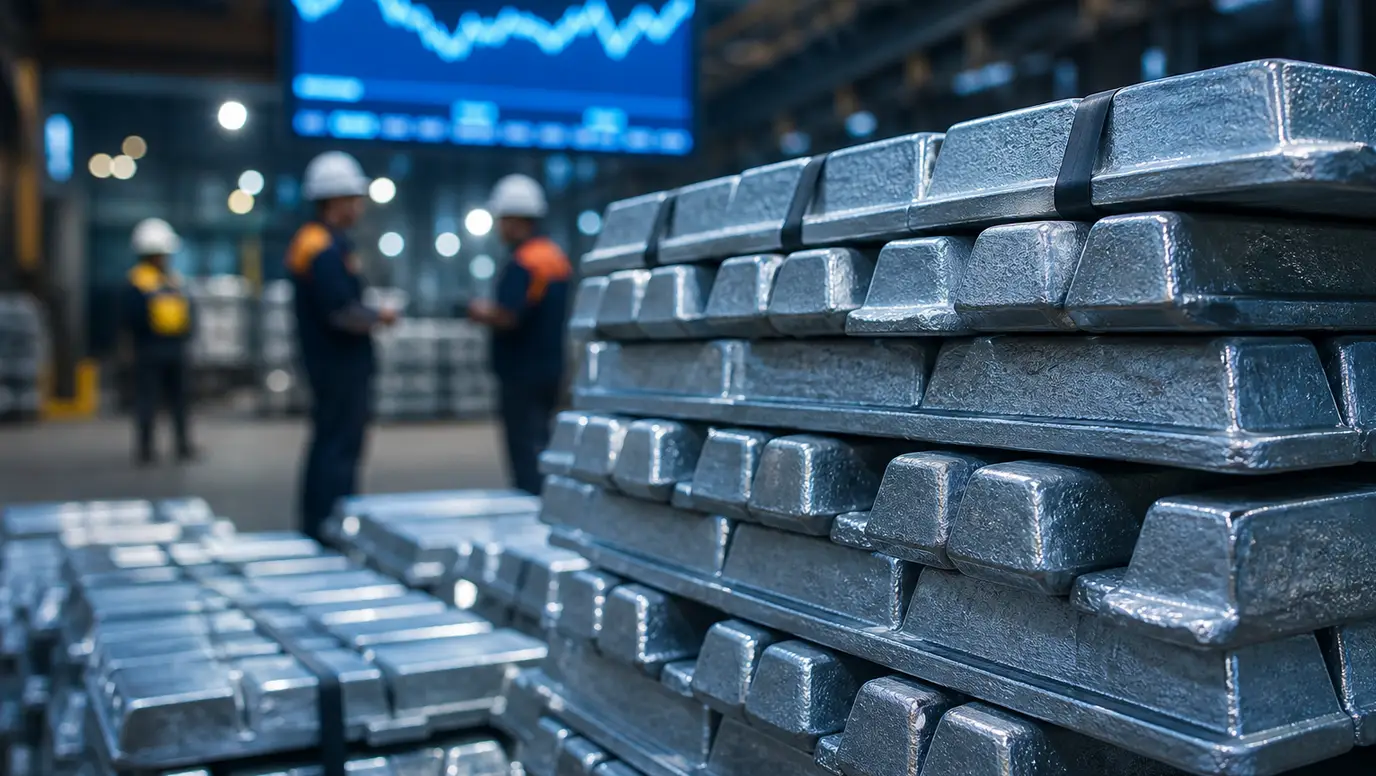
OCTOBER 24, 2026
Zinc Metals Market Leads Base-Metal Rebound as Dollar Risk Meets Inventory Build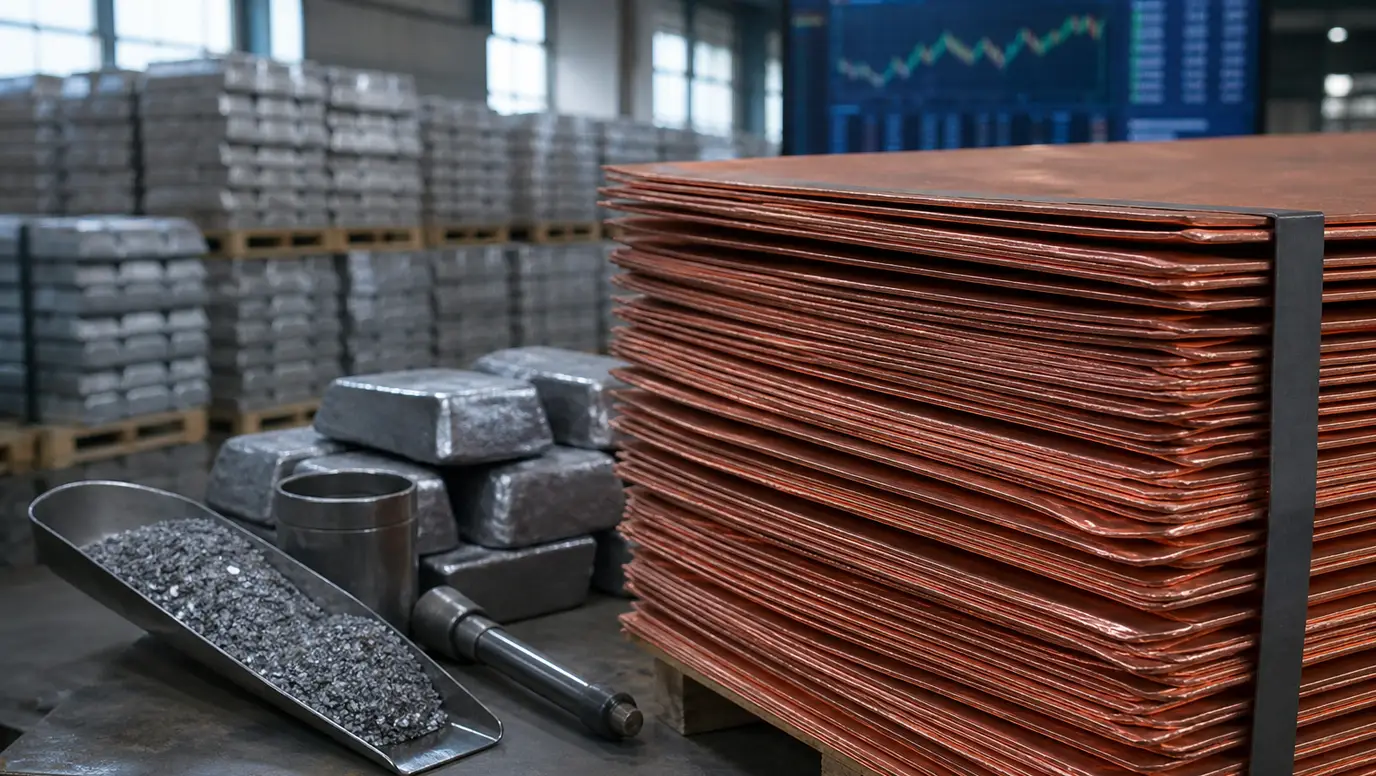
OCTOBER 23, 2026
Copper Metals Market Rebounds as Nickel Slips on Indonesia Cut Watch
OCTOBER 21, 2026
Silver Metals Market Slips as US Dollar and Treasury Yields Revive Federal Reserve Risk
OCTOBER 20, 2026
Australian Dollar Forex Eyes 0.70 as China Growth and Fed Pause Bets Lift AUD/USD
OCTOBER 20, 2026
Tin Metals Market Holds Above $50,000 as Inventory Draws Offset Dollar Risk
OCTOBER 19, 2026
Platinum and Palladium Metals Market Rallies as Federal Reserve Pause Bets Return
OCTOBER 18, 2026
Copper Metals Market Holds Near Record as Tight Stocks Offset Federal Reserve Shock
OCTOBER 16, 2026
Gold Metals Market Rebounds as US Dollar and Treasury Yields Ease Before Federal Reserve Decision
OCTOBER 15, 2026
Silver Metals Market Tests 2026 Low as Federal Reserve Rate Bets Lift US Dollar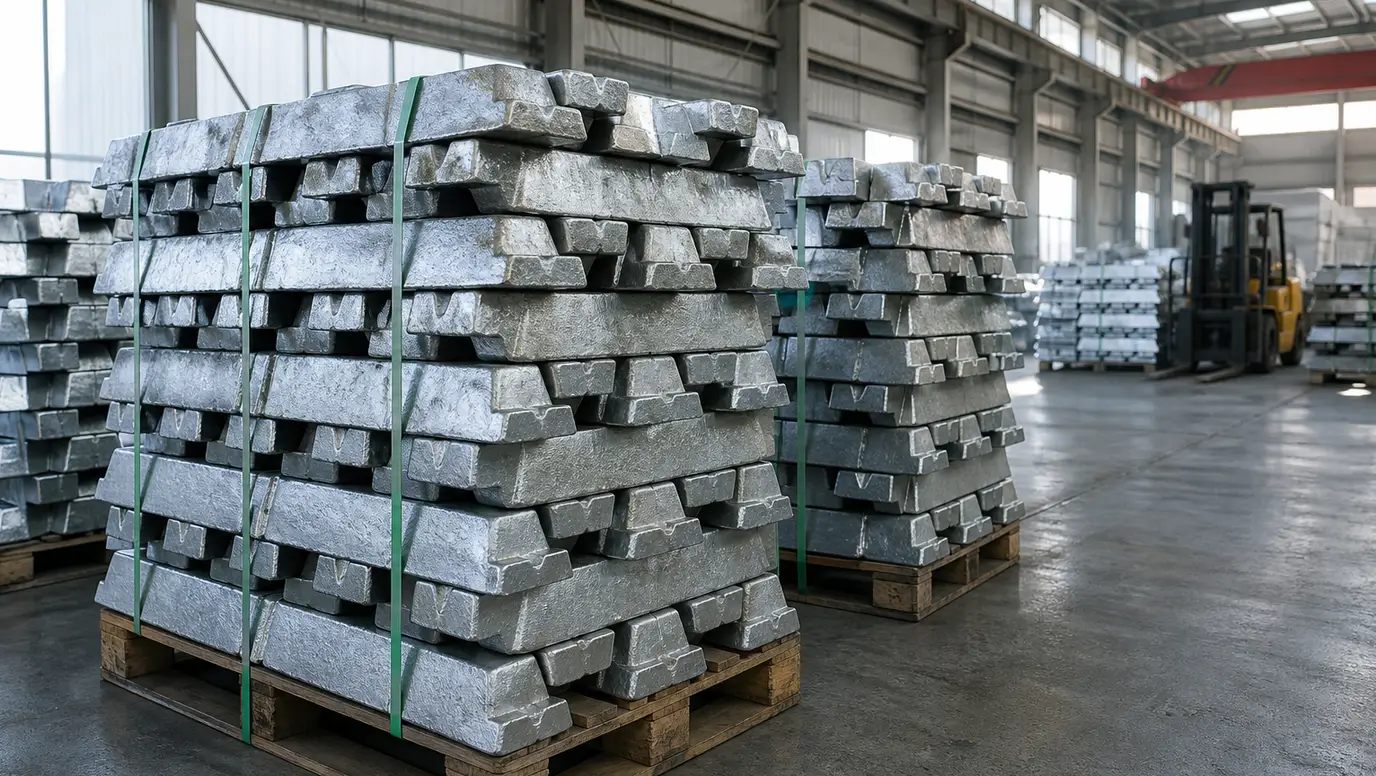
OCTOBER 13, 2026
Zinc Metals Market Falls as LME Stock Jump and US Dollar Pressure Base Metals
OCTOBER 12, 2026
Copper Metals Market Rises as China Premium and Tight LME Stocks Challenge US Dollar
OCTOBER 11, 2026
Gold Metals Market Braces for Federal Reserve Test as US Dollar and Treasury Yields Bite
OCTOBER 10, 2026
Palladium Metals Market Slips as Auto Demand and US Dollar Pressure Deepen Surplus Worries
OCTOBER 8, 2026
Zinc Metals Tightness Faces US Dollar and Treasury Yield Test
OCTOBER 7, 2026
Japanese Yen Forex Weakens as USD/JPY Tests 158 Before Fed Minutes
OCTOBER 7, 2026
Aluminum Rebound Tests Metals Market as Dollar Strength and China Lull Cap Buyers
OCTOBER 6, 2026
Copper Futures Rally Puts Metals Market Focus on Smelter Squeeze
OCTOBER 4, 2026
Gold Metals Rebound Stalls as Treasury Yields Blunt Fed Pause Bets