NOVEMBER 15, 2026
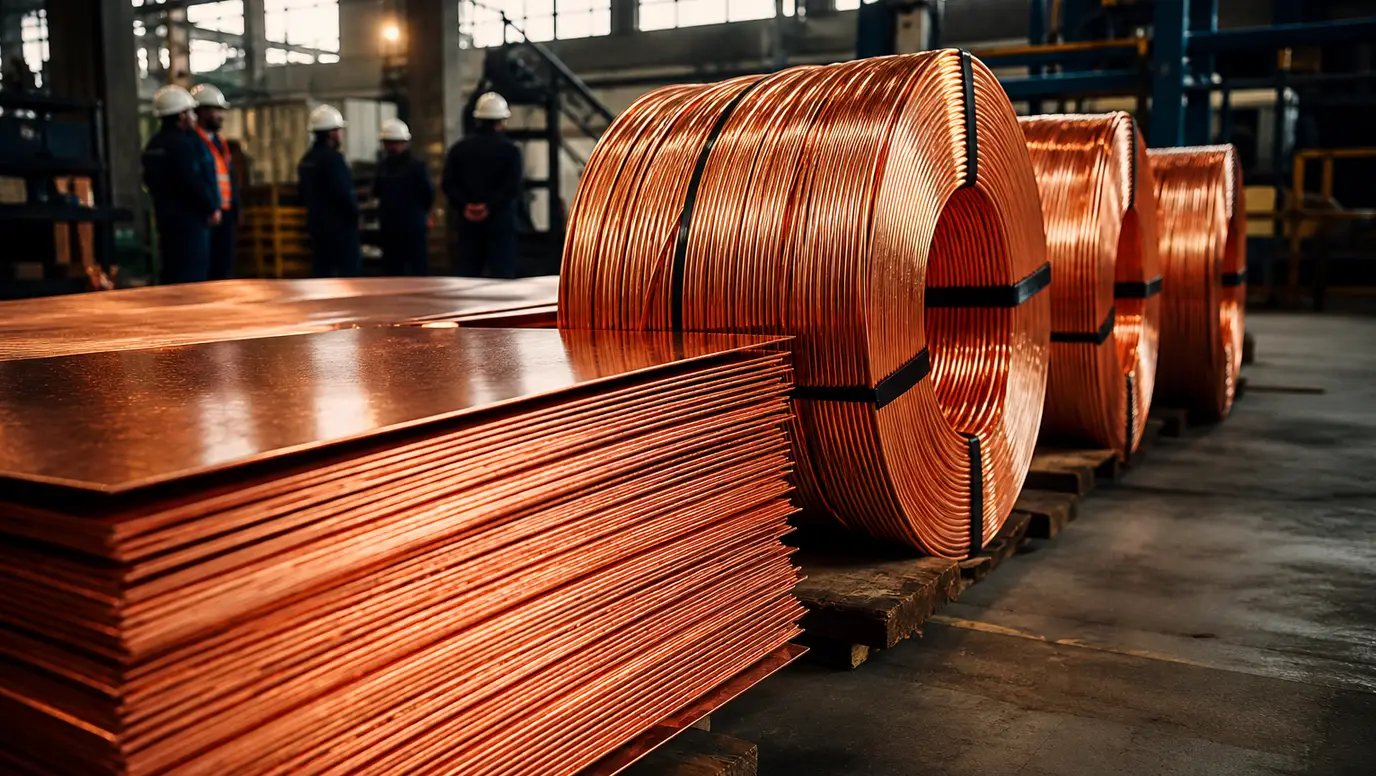
Copper Metals Market Nears Four-Month Low as Federal Reserve Bets Lift US DollarCopper metals market weakens as Federal Reserve rate bets, a firmer US dollar and rising exchange inventories pressure demand hopes.

© 1box.site 2026

NOVEMBER 21, 2026
Copper prices fell sharply in the week ended November 20, as concern about demand from data centers and a stronger US dollar outweighed signs that supplies remain tight in China.
London Metal Exchange cash copper settled at about $12,231 per metric ton on Friday, down 10.1% from $13,610 a week earlier. The decline came alongside a broader retreat in risk assets and left traders weighing weak investor sentiment against the cost of securing metal for immediate delivery.
Shanghai Futures Exchange copper stocks rose by 3,204 tons during the week to 30,846 tons. The increase offered some relief to buyers, but inventories remained below the levels recorded a month earlier.
Chinese import premiums have also been elevated, signaling that some buyers are paying substantially above benchmark prices to obtain copper. Such premiums reflect local availability and delivery costs; they do not necessarily mean demand is equally strong across every consuming sector.
In London, the cash price shifted from a $65-per-ton premium over three-month delivery a week earlier to a $6.50 discount on Friday. That change suggests immediate supply pressure in the London market eased, even as conditions in China remained tighter.
Copper is used in electrical wiring, power grids and data centers, making expectations for technology investment an important part of its demand outlook. The recent selloff in technology shares has raised questions about the pace of future infrastructure spending, while softer-than-expected Chinese industrial data have added to concerns.
A stronger dollar can also make dollar-priced copper more expensive for buyers using other currencies. Expectations for US interest rates matter because higher financing costs can discourage investment and raise the cost of holding inventories.
Traders will be watching whether Shanghai stocks continue to recover, whether Chinese import premiums ease and how copper responds to incoming economic data. A decline in local premiums could signal improved availability, but it would not on its own establish that global demand is weakening or that prices have found a floor.
NOVEMBER 15, 2026
Copper Metals Market Nears Four-Month Low as Federal Reserve Bets Lift US Dollar
NOVEMBER 10, 2026
Copper Metals Market Holds Above $14,000 as Tight Supply Offsets Stronger Dollar
NOVEMBER 4, 2026
Copper Futures Slide in Metals Market as Inventory Builds Test China Supply Premiums
OCTOBER 29, 2026
Copper Metals Market Holds Near Two-Week High as China Premium and US Dollar Shape Squeeze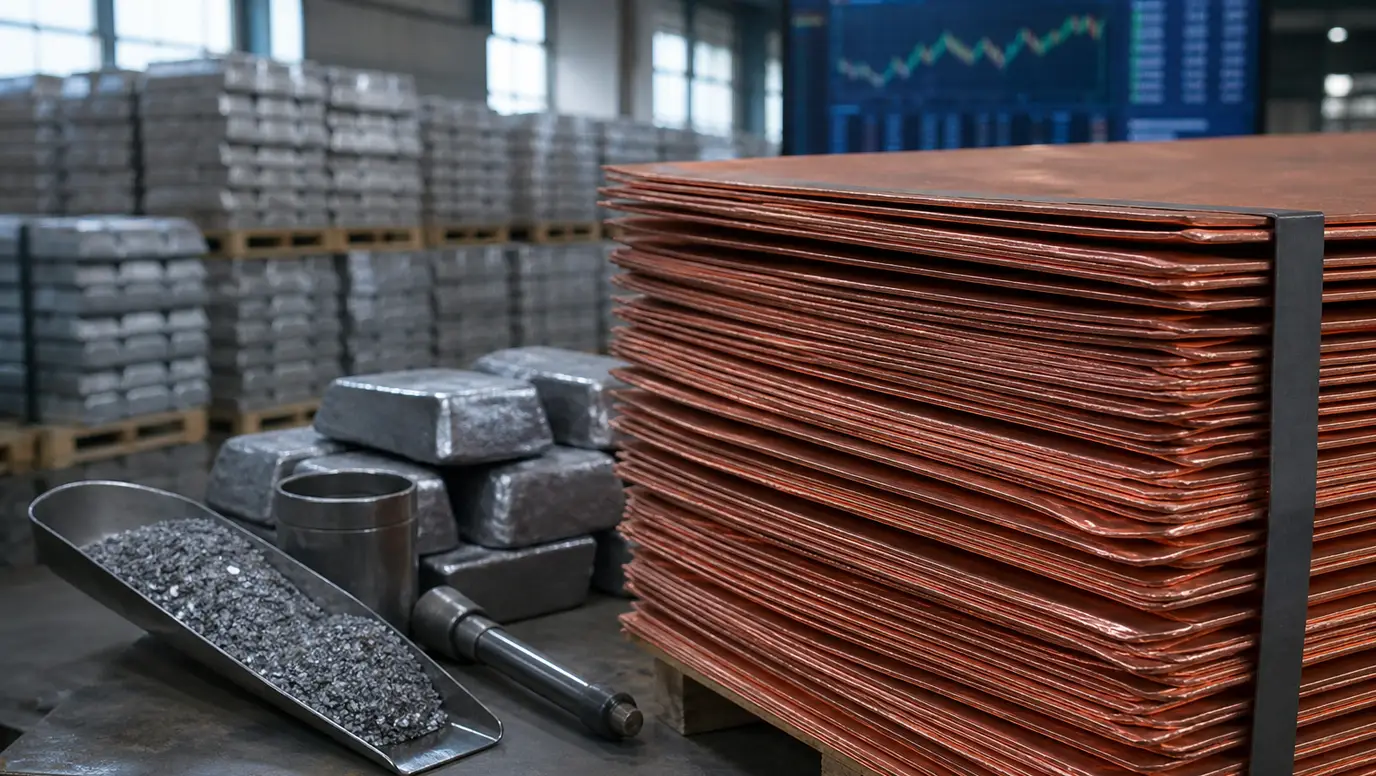
OCTOBER 23, 2026
Copper Metals Market Rebounds as Nickel Slips on Indonesia Cut Watch
OCTOBER 18, 2026
Copper Metals Market Holds Near Record as Tight Stocks Offset Federal Reserve Shock
OCTOBER 12, 2026
Copper Metals Market Rises as China Premium and Tight LME Stocks Challenge US Dollar
OCTOBER 6, 2026
Copper Futures Rally Puts Metals Market Focus on Smelter Squeeze
SEPTEMBER 30, 2026
Copper Futures Steady as Metals Market Weighs Dollar, Oil and Federal Reserve Risk
SEPTEMBER 25, 2026
Copper Futures Climb as China Tightness Puts Metals Market on Supply Watch
SEPTEMBER 19, 2026
Copper Futures Rally Puts Metals Market on Federal Reserve and PMI Watch
SEPTEMBER 13, 2026
Copper Futures Pullback Puts Metals Market on Tariff Doubt Watch
SEPTEMBER 8, 2026
Copper Hits Record High as Tariff Risk Tightens Metals Market Supply
SEPTEMBER 2, 2026
Copper Pullback Hits Metals Market as Strong Dollar Revives Federal Reserve Rate Risk
AUGUST 27, 2026
Copper Backwardation Puts Metals Market on Supply Stress Alert as Fed Risk Caps Rally
AUGUST 20, 2026
Copper Backwardation Puts Metals Market on Tariff Watch as Warehouse Stocks Fall
AUGUST 14, 2026
Copper Squeeze Lifts Metals Market as Treasury Yields Test Rally
AUGUST 8, 2026
Copper Breakout Keeps Metals Market Focused on China Premiums and Inventory Drain
AUGUST 3, 2026
Copper Rebound Puts Metals Market on US Dollar Watch as Supply Tightness Offsets Demand Caution
JULY 28, 2026
Copper Tightness Puts Metals and Commodities Traders on China Supply Watch
JULY 21, 2026
Aluminum and Copper Rally Puts Metals Market on Tariff Watch
JULY 18, 2026
Copper Pullback Keeps Metals Market Defensive as Gold and Silver Watch Yields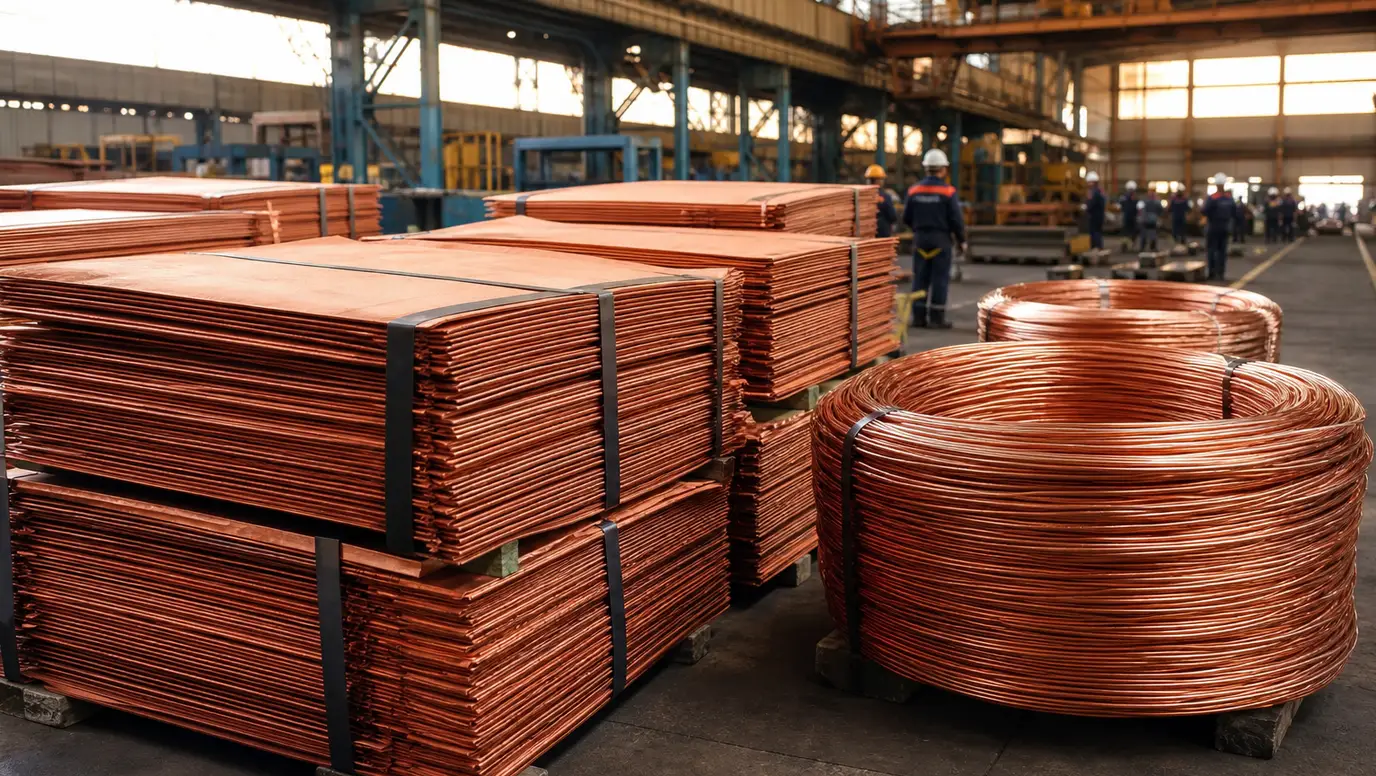
JULY 15, 2026
Copper Prices Lead Metals Market as China Demand Puts Supply Tightness Back in Focus
JULY 14, 2026
Gold and Silver Jump as Cool CPI Pulls Metals Market Back Toward Real-Yield Trade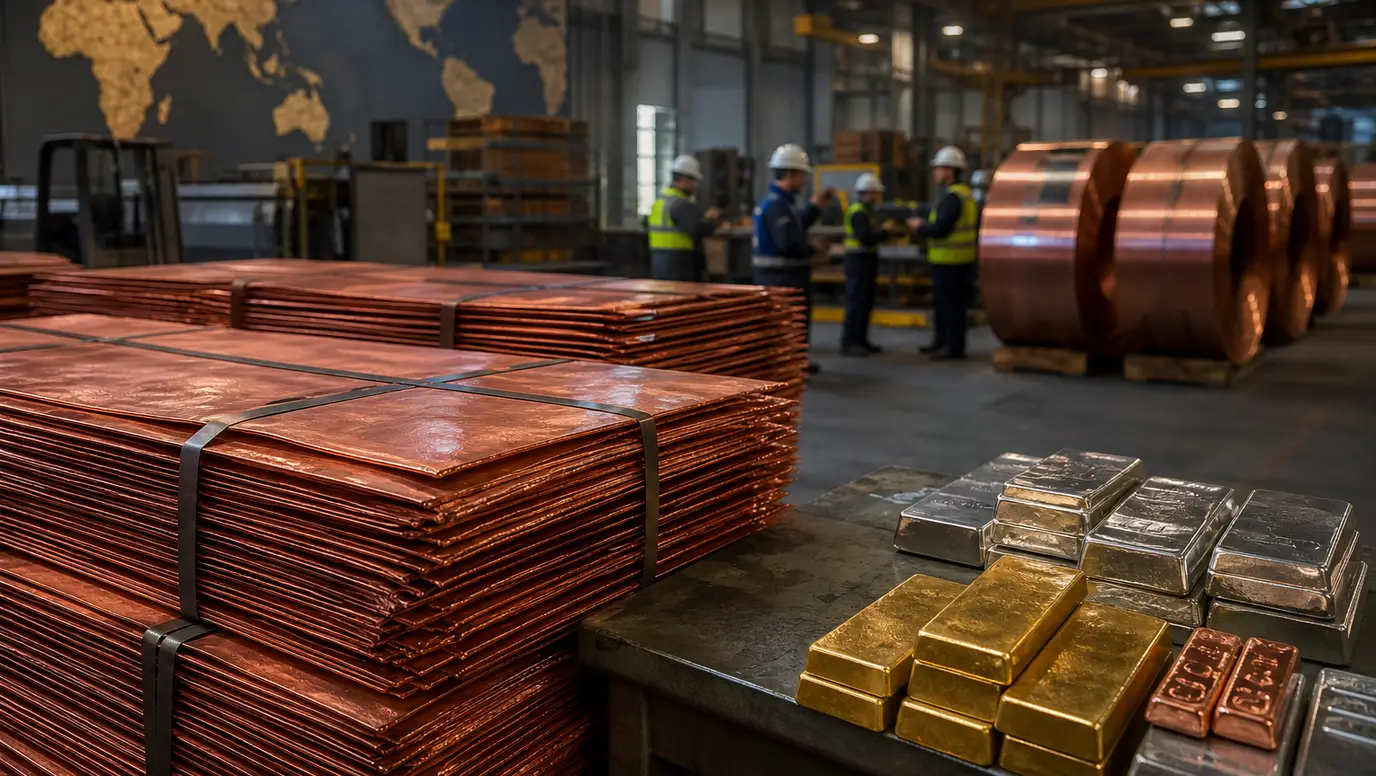
JULY 11, 2026
Copper Premium Takes Center Stage as Metals Market Weighs Tariff Risk and Fed Headwinds
JULY 10, 2026
Silver and Copper Rebound as Softer US Dollar Revives Metals Market Bid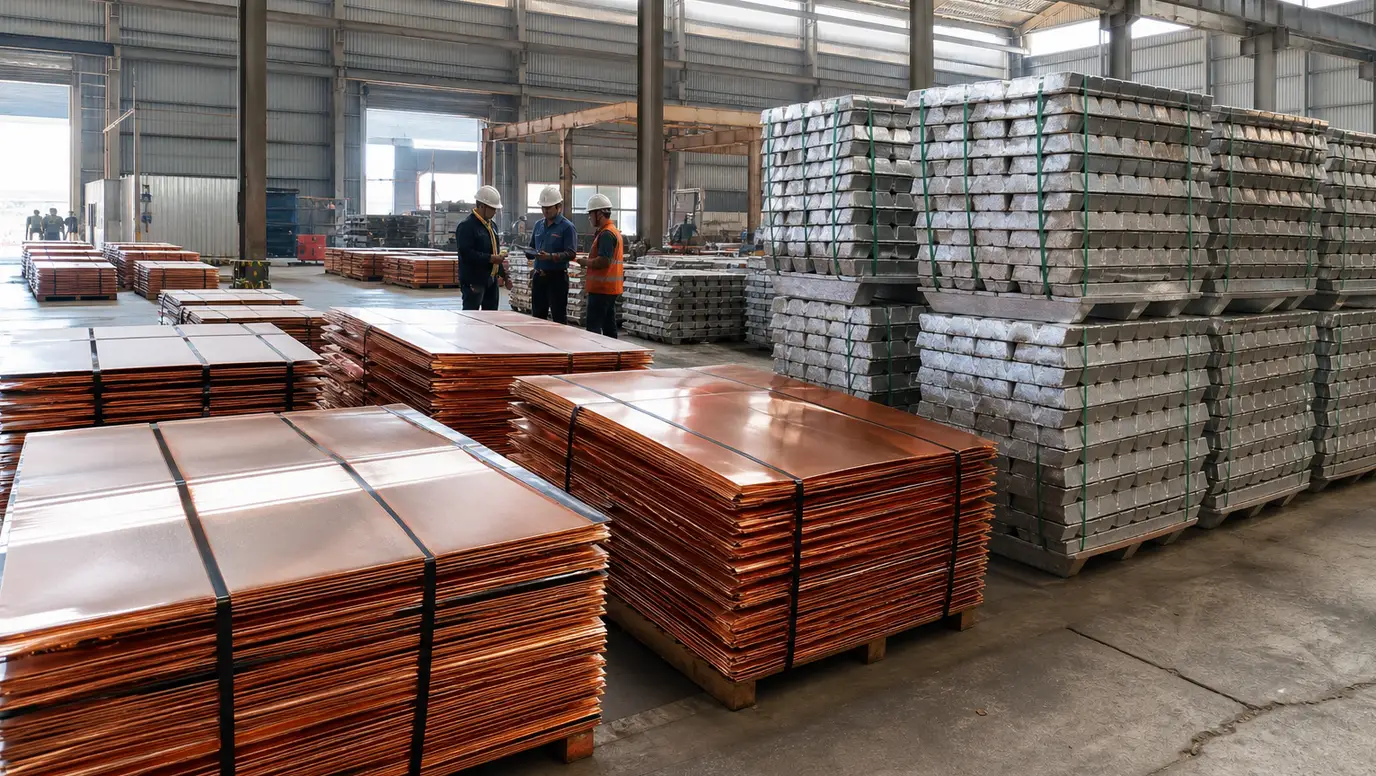
JULY 9, 2026
Copper Retreats as Gulf Tension Turns Base Metals Toward Demand Risk
JULY 8, 2026
Gold Loses Haven Bid as Dollar Strength Splits the Metals Market
JULY 6, 2026
Gold Pullback and Copper Resilience Split Metals Market as Dollar Stabilizes
JULY 5, 2026
Copper Tariff Delay Keeps Metals Market on Edge as Gold Holds Jobs-Report Rebound