OCTOBER 23, 2026
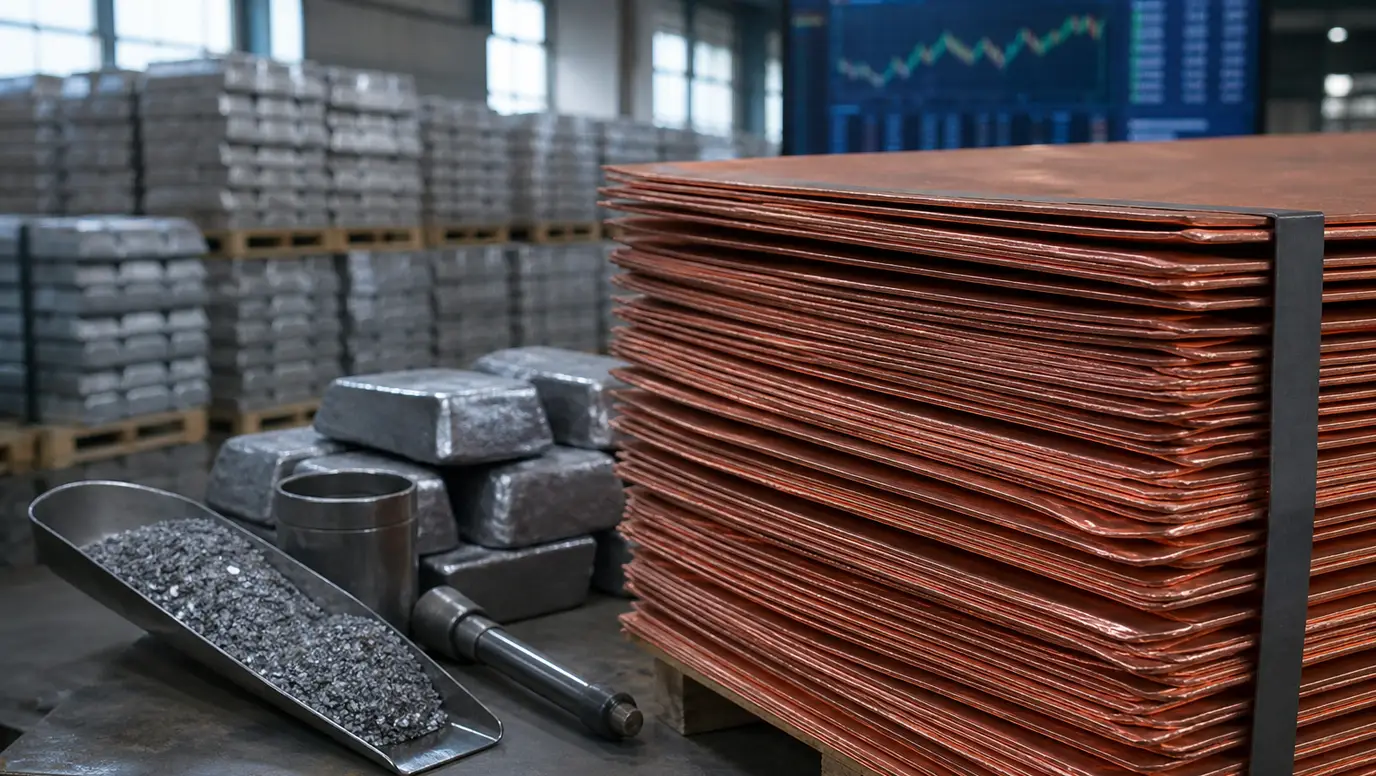
Copper Metals Market Rebounds as Nickel Slips on Indonesia Cut WatchCopper rebounds as risk appetite steadies, while nickel slips as traders await firmer signals on Indonesian output cuts.

© 1box.site 2026
JULY 15, 2026
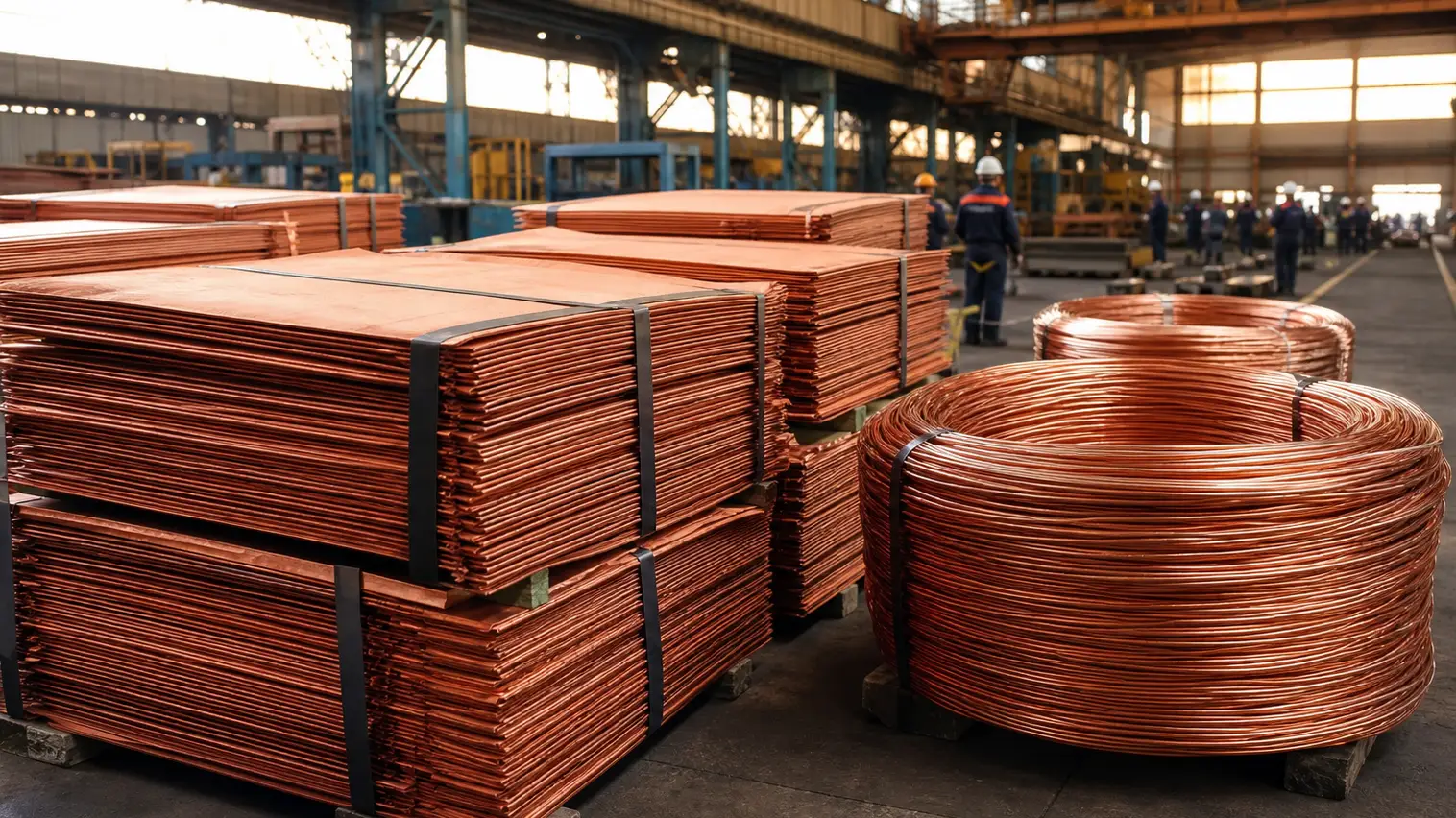
Copper prices took the lead in the metals market on Wednesday, July 15, as traders moved beyond the immediate relief from softer U.S. inflation and refocused on signs of firmer Chinese demand, tight available supply and a weaker U.S. dollar. The move kept base metals at the center of the commodity tape even as gold and silver continued to draw attention from investors watching real yields and Federal Reserve expectations.
The latest price action suggests that copper is again trading less like a passive macro asset and more like a market with its own physical constraints. Three-month copper extended its recent advance after touching its strongest level in roughly three weeks, while several industrial metals also found support from improved risk appetite. Tin showed one of the sharper gains in overnight trading, while aluminum, nickel, zinc and lead were more mixed as investors separated short-term currency effects from underlying demand signals.
The central driver for copper is the perception that Chinese demand is proving more resilient than many traders expected earlier in the quarter. Buying linked to power grids, manufacturing, electric vehicles and infrastructure has helped tighten the tone in the market, while domestic availability has remained a key concern. That matters because copper is often treated as the most sensitive barometer of industrial activity across the metals complex.
For investors, the key shift is that copper is no longer relying only on expectations of easier financial conditions. Softer U.S. inflation has weakened the dollar and improved the purchasing power of non-U.S. buyers, but the metal’s latest strength also reflects supply-side unease. Mine disruptions, weather-related production issues and maintenance outages in major producing regions have made traders more cautious about assuming that any rally will quickly attract enough fresh supply.
That combination has changed the tone of the metals market. Earlier this month, copper was pulled between tariff speculation, oil-driven inflation fears and uncertainty over Federal Reserve policy. Now, the market is paying closer attention to whether physical tightness can keep prices supported even if Treasury yields stabilize or the dollar recovers from its post-inflation decline.
Precious metals remain highly sensitive to the macro backdrop. Gold and silver rebounded after the softer U.S. inflation reading reduced immediate fears of another near-term rate increase, but the move was not entirely one-sided. Higher oil prices and continuing geopolitical risk still leave traders wary that inflation pressure could return later in the year, limiting the extent to which bullion can price a clean dovish turn.
Gold’s role as a haven remains intact, but its short-term direction is still closely linked to real yields. If Treasury yields continue to ease, bullion could attract fresh demand from investors seeking protection against policy uncertainty and geopolitical volatility. If yields rebound, gold may struggle to extend gains despite supportive safe-haven flows. Silver faces an additional layer of complexity because it trades as both a precious metal and an industrial input, leaving it exposed to the same demand debate that is supporting copper.
The current setup favors a more selective approach across the metals market. Copper has the clearest near-term fundamental narrative because demand, inventories and supply risks are all pointing in the same direction. Zinc and aluminum may benefit if manufacturing sentiment improves, but they still need stronger evidence of sustained end-user demand. Nickel remains more vulnerable to supply overhang concerns, while lead has lagged parts of the broader base metals move.
The next test will come from U.S. producer-price data, retail demand signals and additional updates from China’s industrial sector. A continued decline in the dollar would likely support metals priced in U.S. currency, but a renewed rise in oil prices could complicate the picture by reviving inflation concerns and keeping policy expectations unsettled.
For now, copper’s leadership gives the metals market a firmer foundation than a simple relief rally. If China demand remains steady and supply risks persist, copper prices could continue to outperform the wider complex. However, the rally still depends on a delicate balance: a dollar weak enough to support commodity demand, but not an inflation shock strong enough to push yields higher and drain liquidity from metals trading.
OCTOBER 23, 2026
Copper Metals Market Rebounds as Nickel Slips on Indonesia Cut Watch
OCTOBER 18, 2026
Copper Metals Market Holds Near Record as Tight Stocks Offset Federal Reserve Shock
OCTOBER 12, 2026
Copper Metals Market Rises as China Premium and Tight LME Stocks Challenge US Dollar
OCTOBER 6, 2026
Copper Futures Rally Puts Metals Market Focus on Smelter Squeeze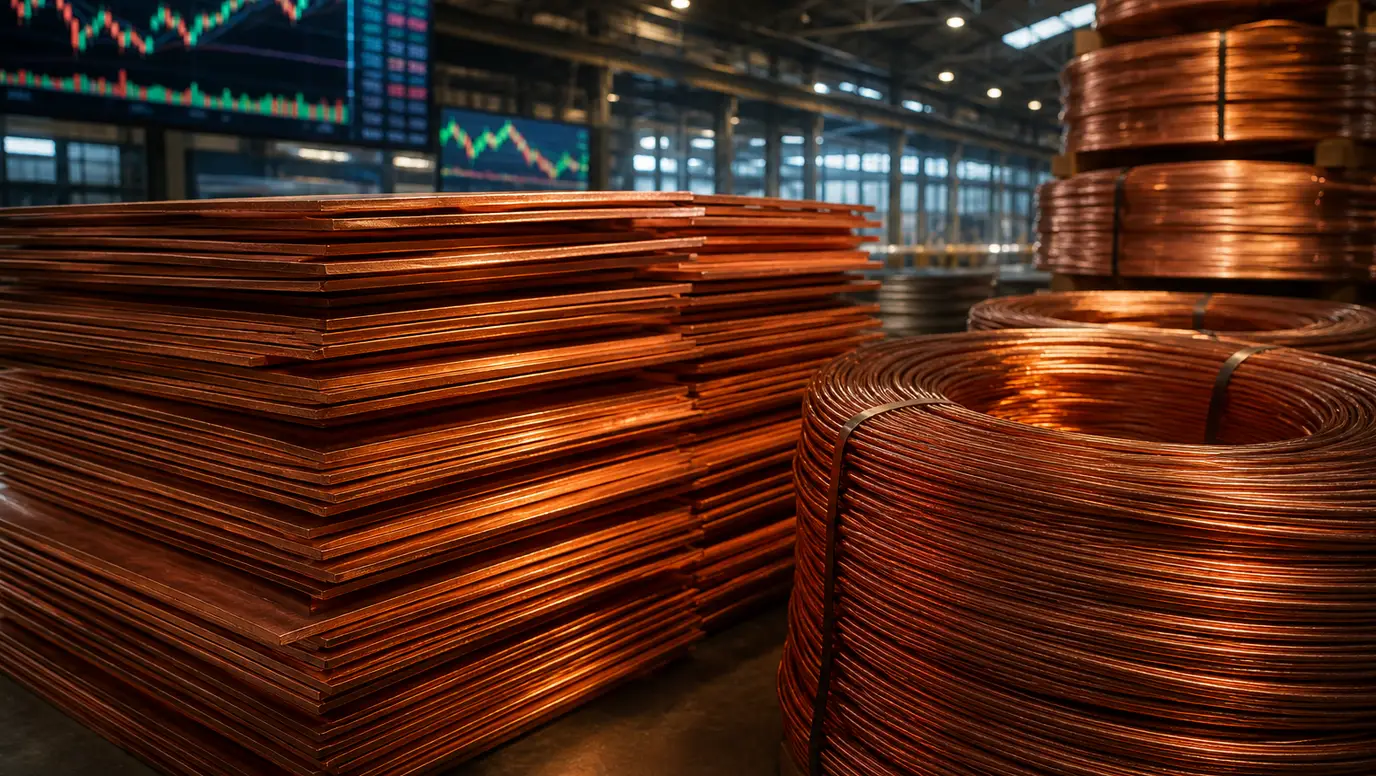
SEPTEMBER 30, 2026
Copper Futures Steady as Metals Market Weighs Dollar, Oil and Federal Reserve Risk
SEPTEMBER 27, 2026
Gold Futures Slip as Sticky Inflation and Fed Rate Bets Cap Metals Market Rebound
SEPTEMBER 25, 2026
Copper Futures Climb as China Tightness Puts Metals Market on Supply Watch
SEPTEMBER 19, 2026
Copper Futures Rally Puts Metals Market on Federal Reserve and PMI Watch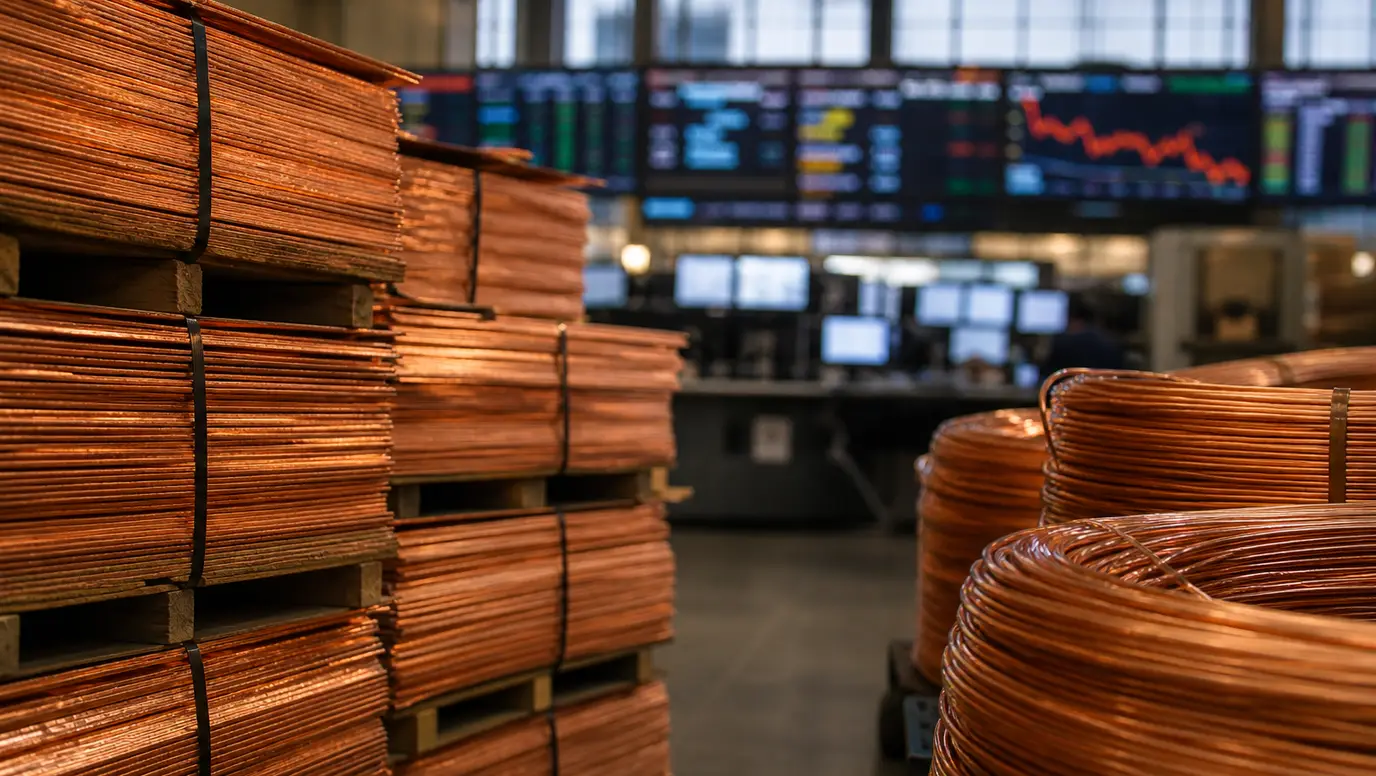
SEPTEMBER 13, 2026
Copper Futures Pullback Puts Metals Market on Tariff Doubt Watch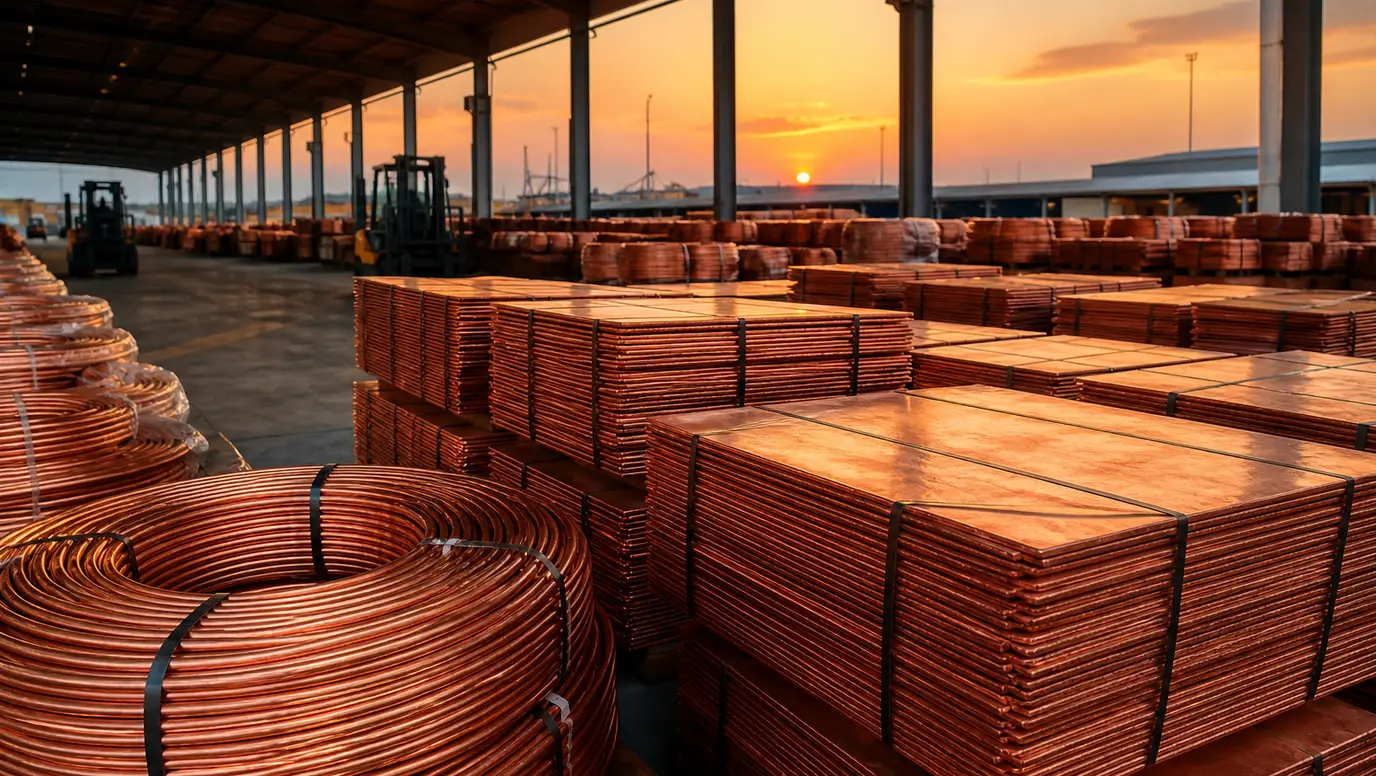
SEPTEMBER 8, 2026
Copper Hits Record High as Tariff Risk Tightens Metals Market Supply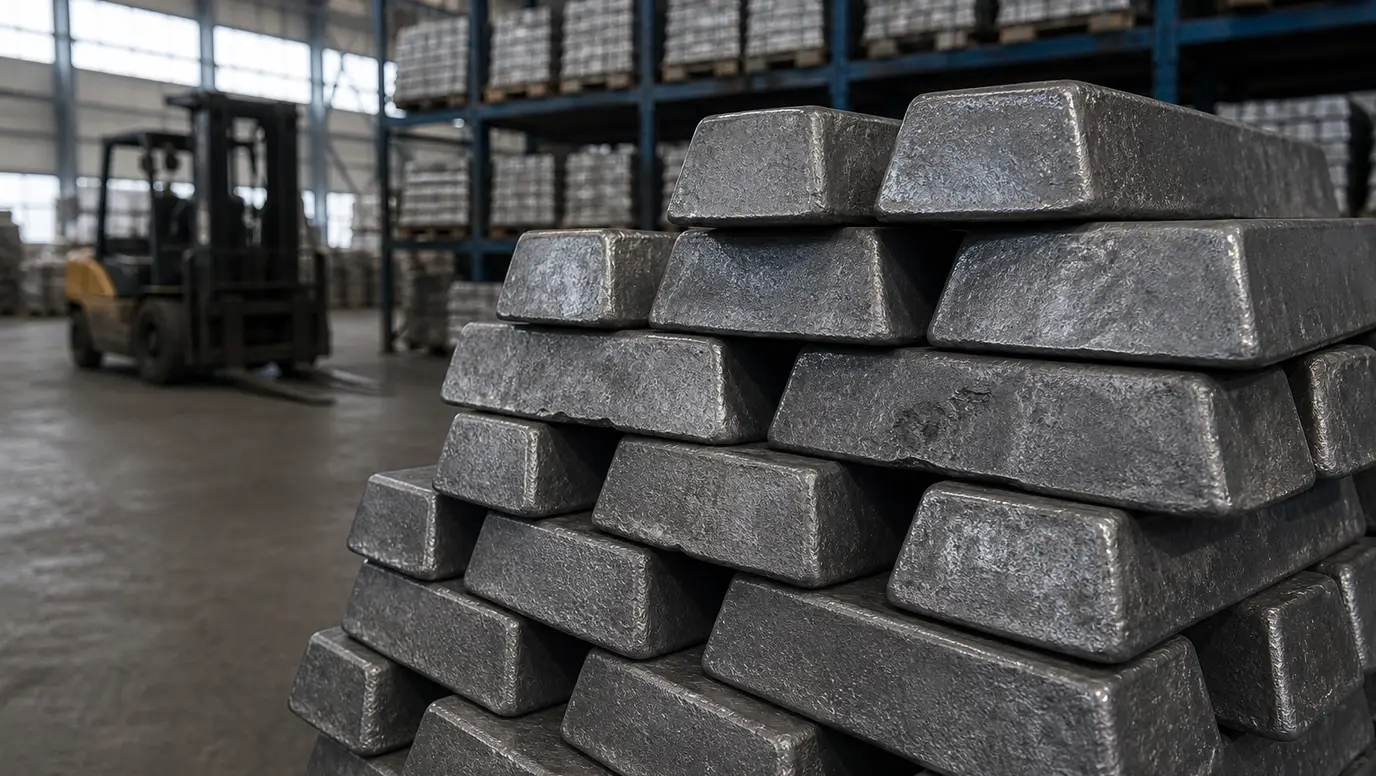
SEPTEMBER 5, 2026
Lead Lags Metals Market as Inventory Draws Fail to Shift Demand Doubts
SEPTEMBER 2, 2026
Copper Pullback Hits Metals Market as Strong Dollar Revives Federal Reserve Rate Risk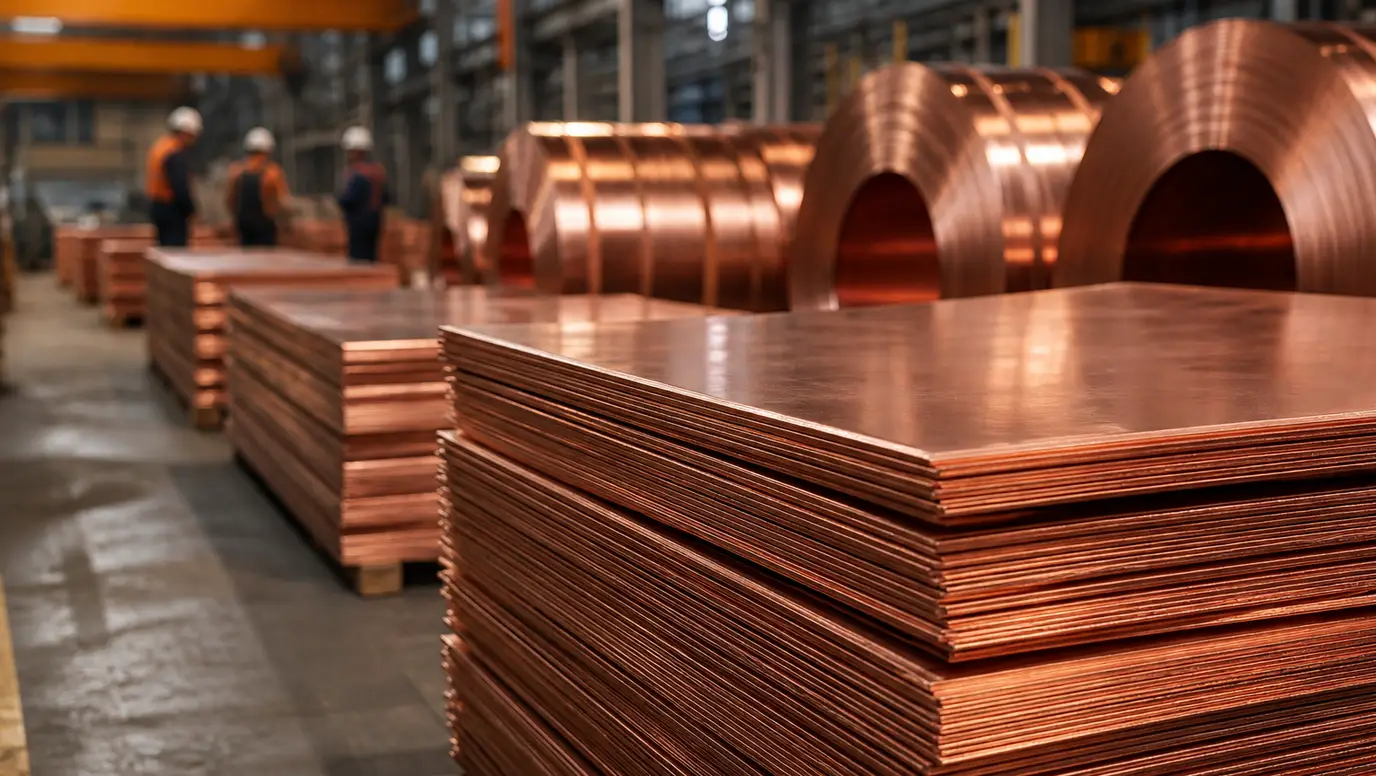
AUGUST 27, 2026
Copper Backwardation Puts Metals Market on Supply Stress Alert as Fed Risk Caps Rally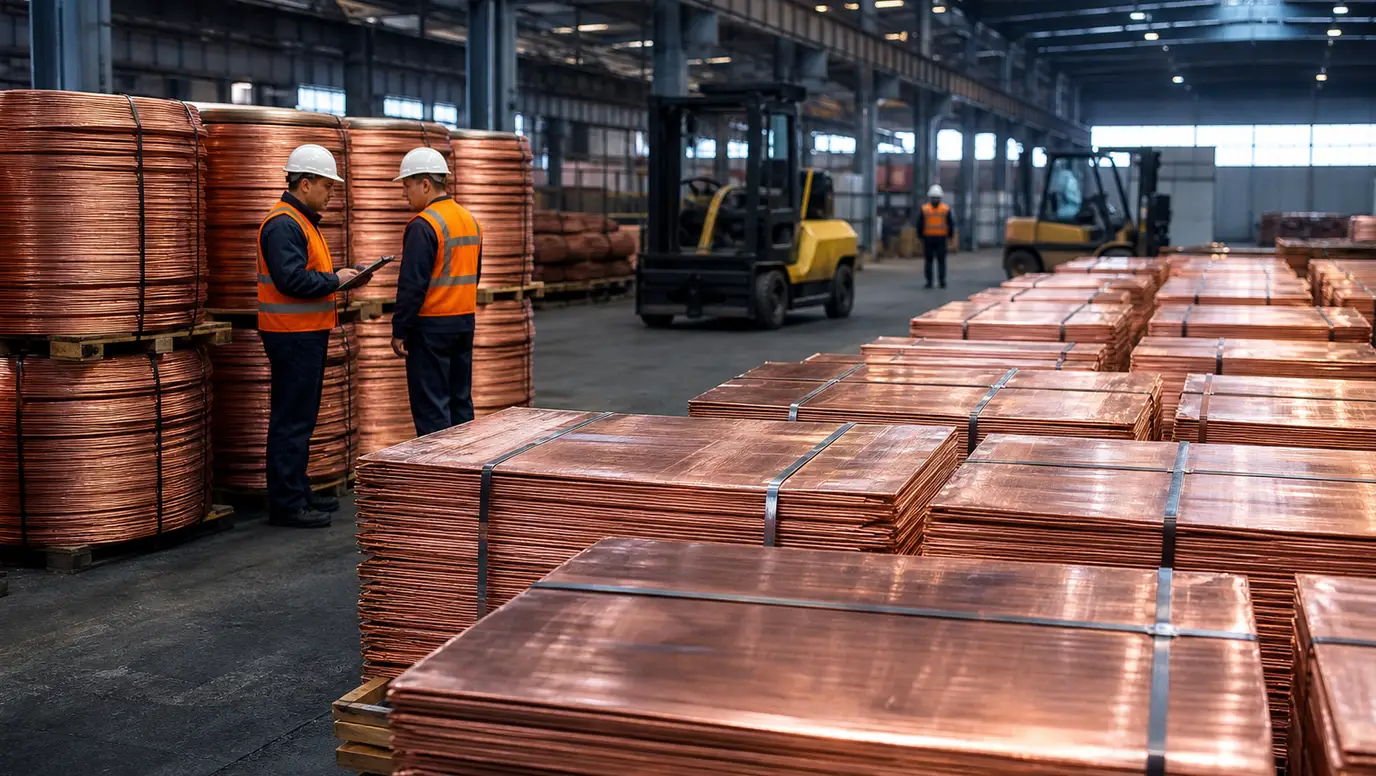
AUGUST 20, 2026
Copper Backwardation Puts Metals Market on Tariff Watch as Warehouse Stocks Fall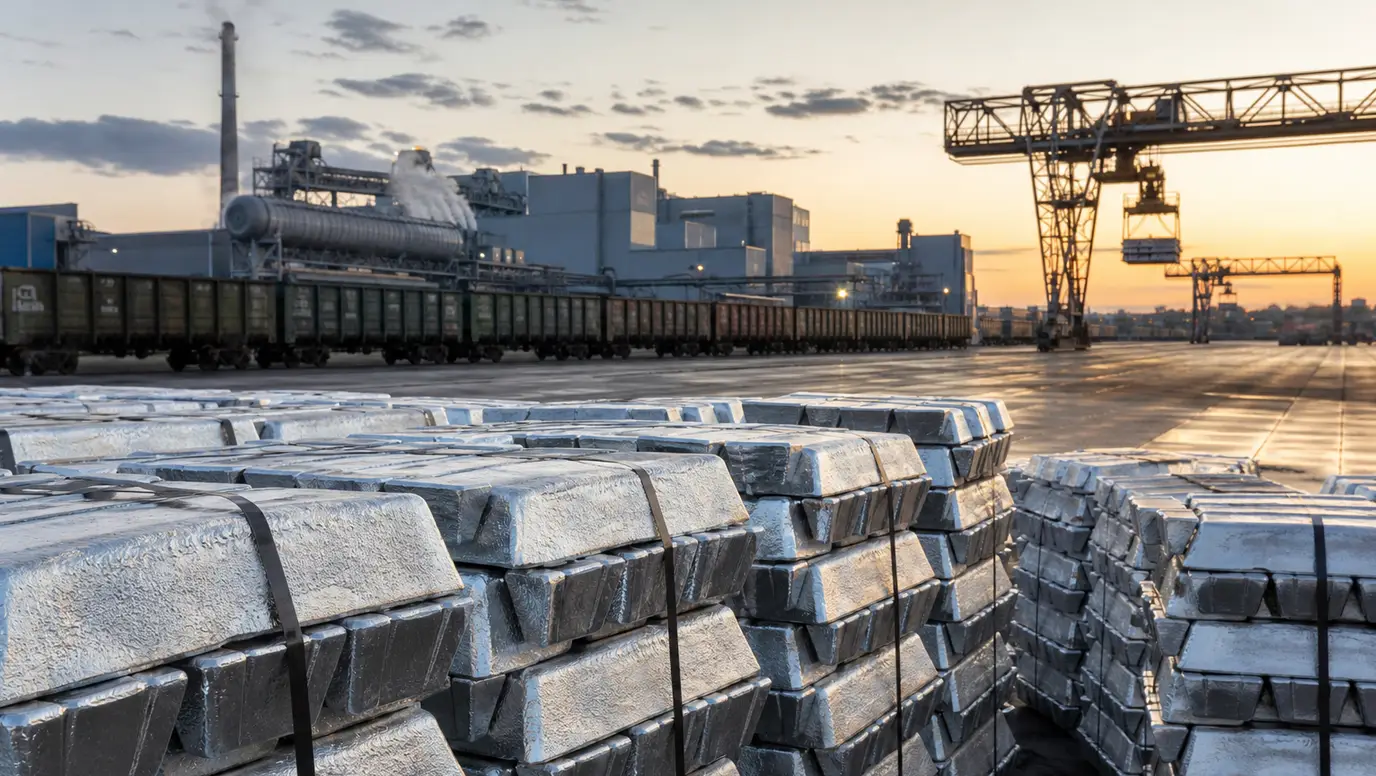
AUGUST 15, 2026
Aluminum Keeps Metals Market on Inventory Watch as China Demand Offsets Tariff Risk
AUGUST 14, 2026
Copper Squeeze Lifts Metals Market as Treasury Yields Test Rally
AUGUST 8, 2026
Copper Breakout Keeps Metals Market Focused on China Premiums and Inventory Drain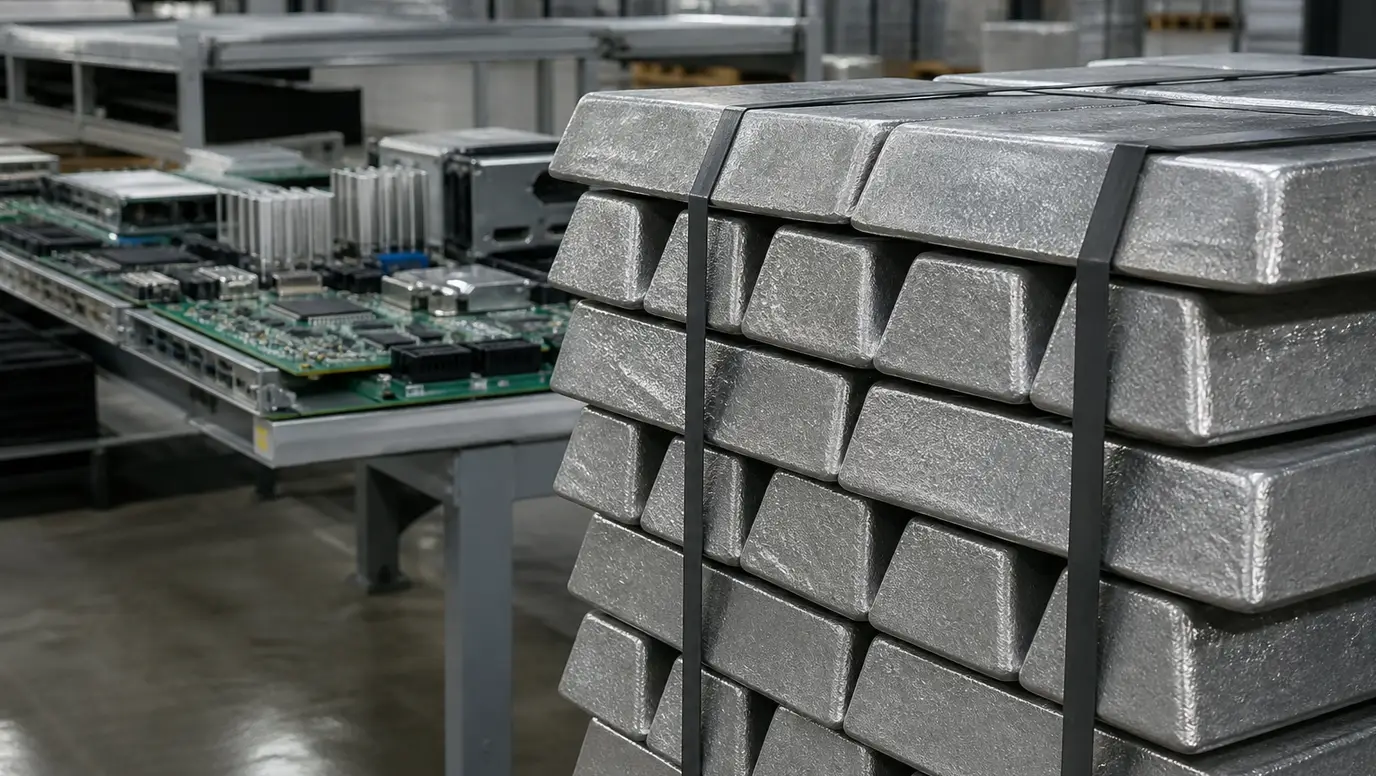
AUGUST 7, 2026
Tin Keeps Metals Market on Supply Watch as AI Demand Supports Commodities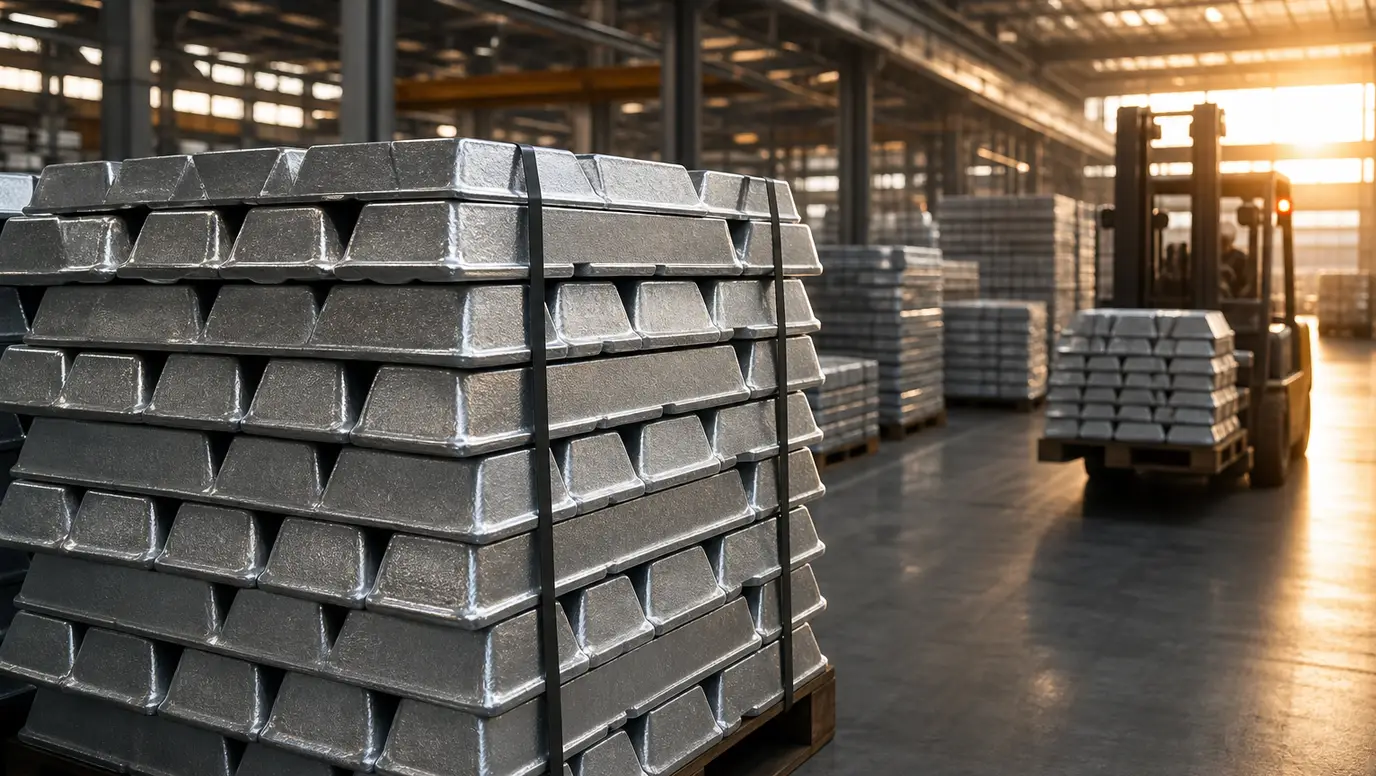
AUGUST 4, 2026
Aluminum Premium Squeeze Keeps Metals and Commodities Traders Focused on U.S. Tariffs
AUGUST 3, 2026
Copper Rebound Puts Metals Market on US Dollar Watch as Supply Tightness Offsets Demand Caution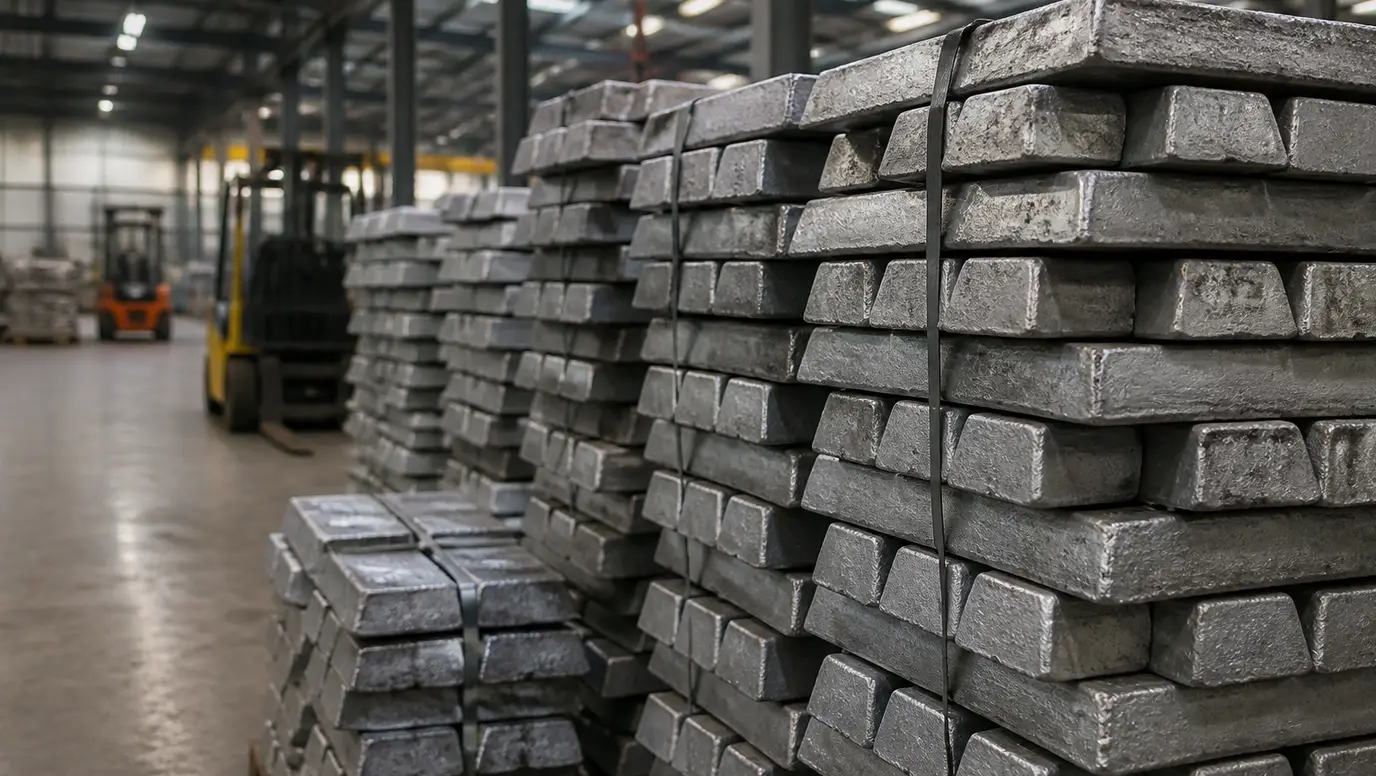
AUGUST 2, 2026
Lead Rebound Tests Metals and Commodities as Warehouse Overhang Caps Rally
JULY 30, 2026
Palladium Rebound Stalls as Metals and Commodities Traders Weigh Auto Demand
JULY 29, 2026
Aluminum Stockpile Drain Puts Metals and Commodities on Premium Watch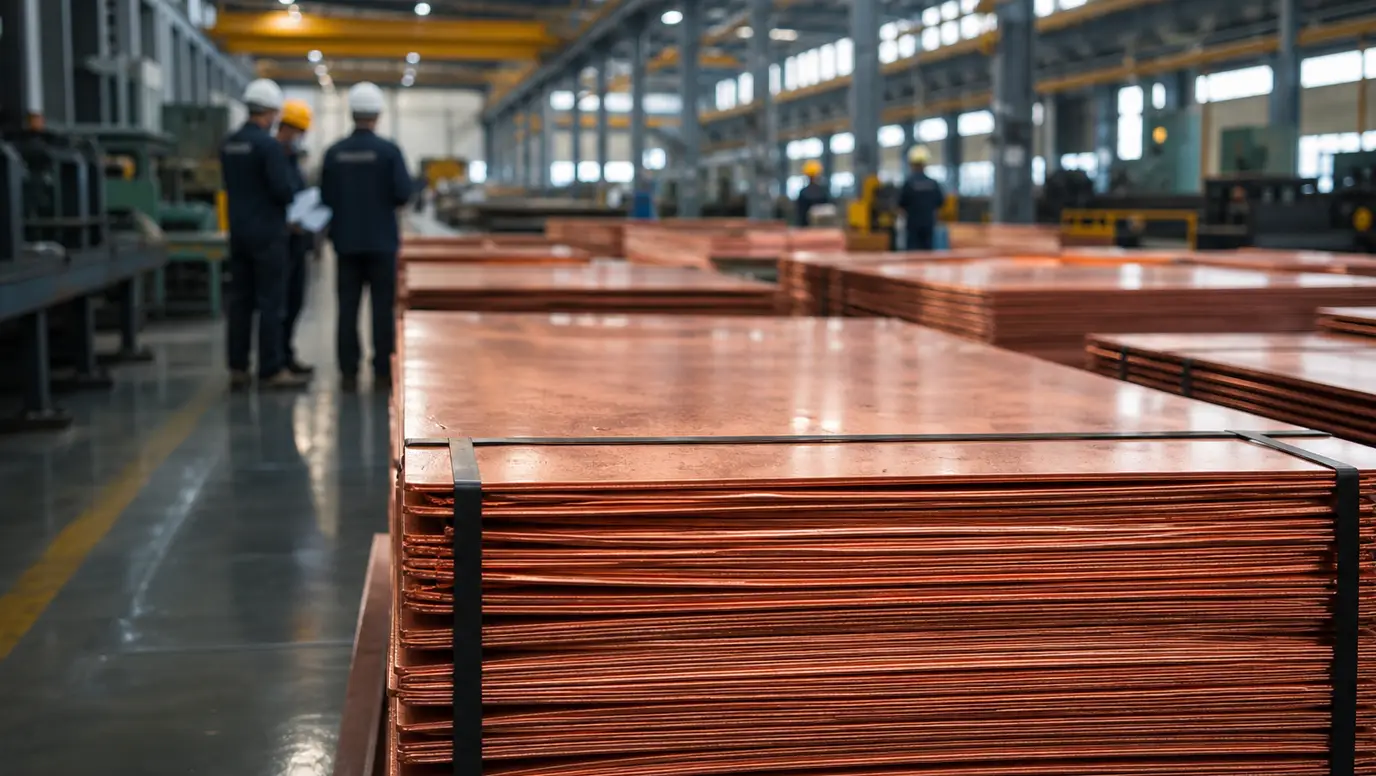
JULY 28, 2026
Copper Tightness Puts Metals and Commodities Traders on China Supply Watch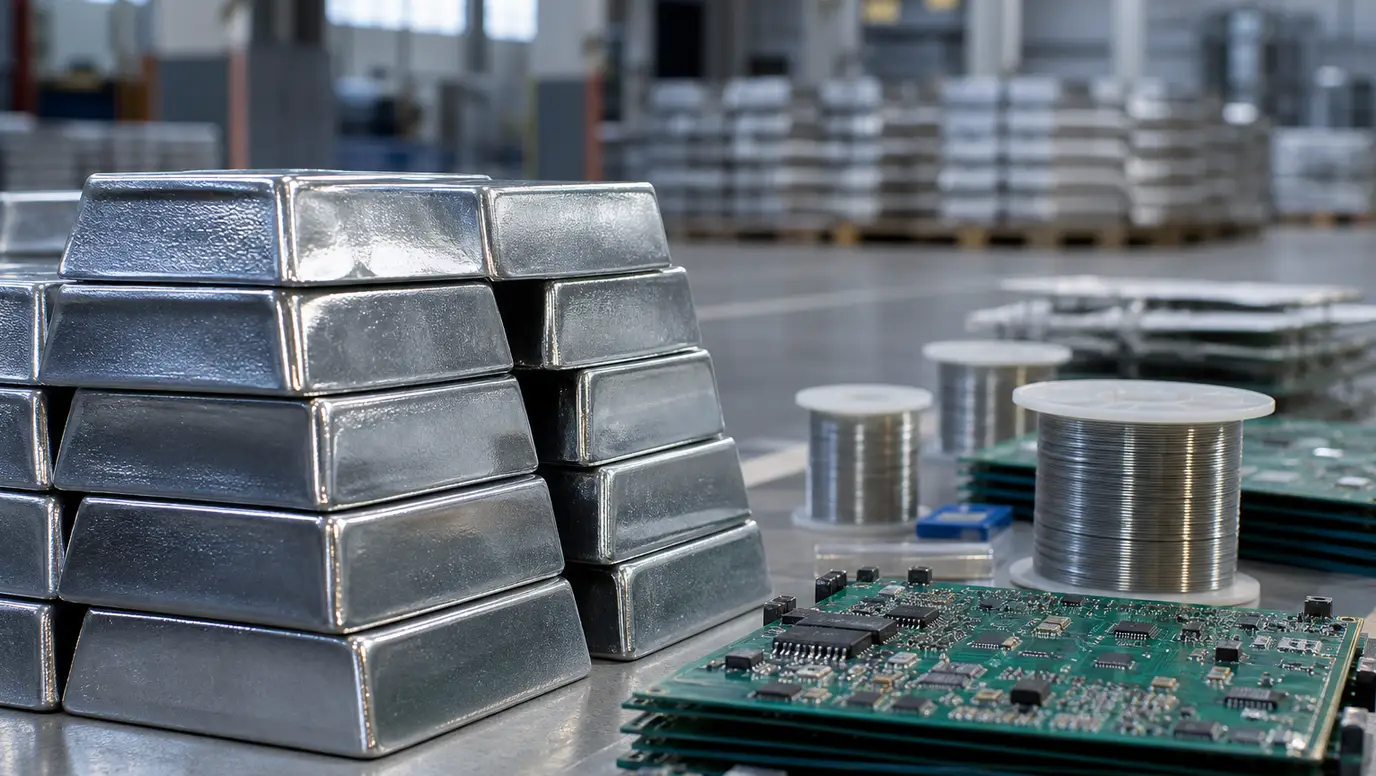
JULY 25, 2026
Tin Tightness Puts Metals and Commodities Traders on Solder Supply Watch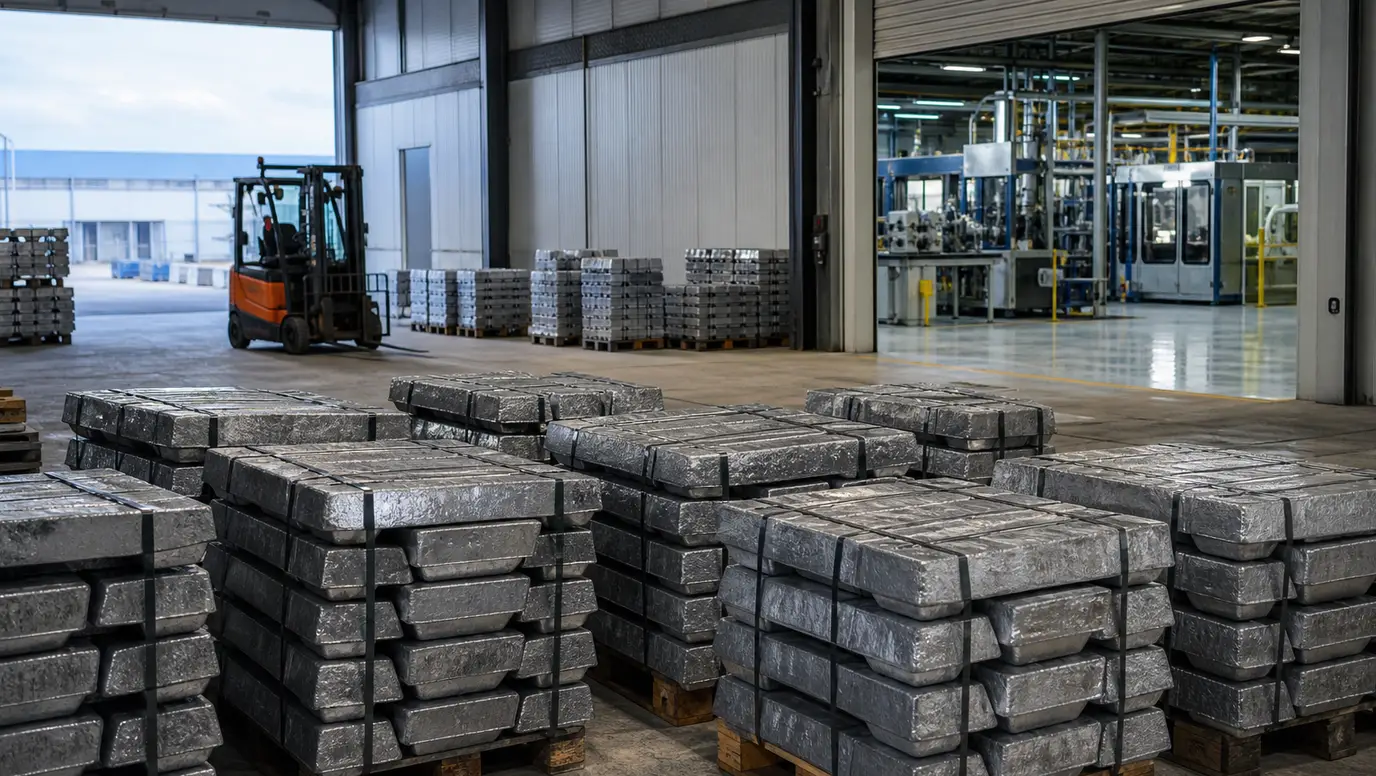
JULY 24, 2026
Lead Inventory Shock Puts Metals Traders on Battery Demand Watch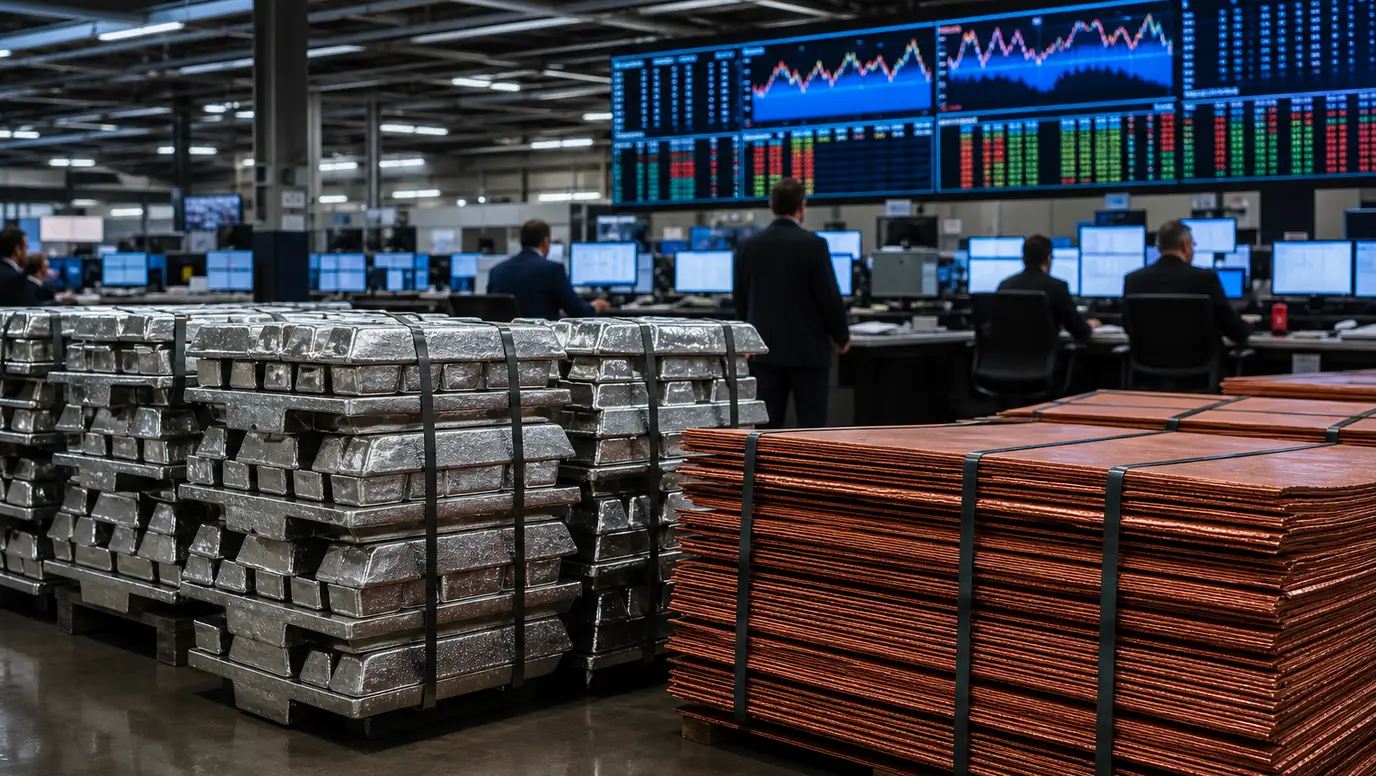
JULY 21, 2026
Aluminum and Copper Rally Puts Metals Market on Tariff Watch
JULY 18, 2026
Copper Pullback Keeps Metals Market Defensive as Gold and Silver Watch Yields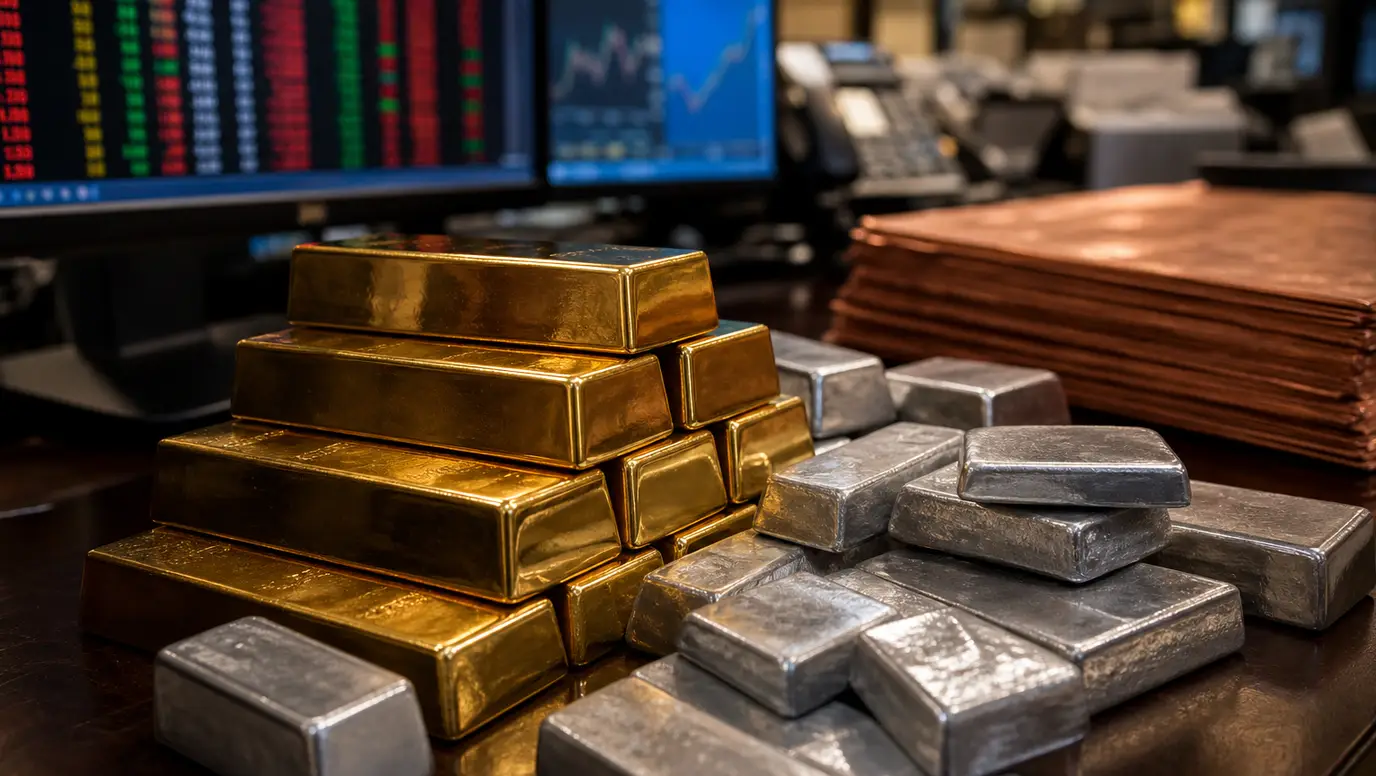
JULY 14, 2026
Gold and Silver Jump as Cool CPI Pulls Metals Market Back Toward Real-Yield Trade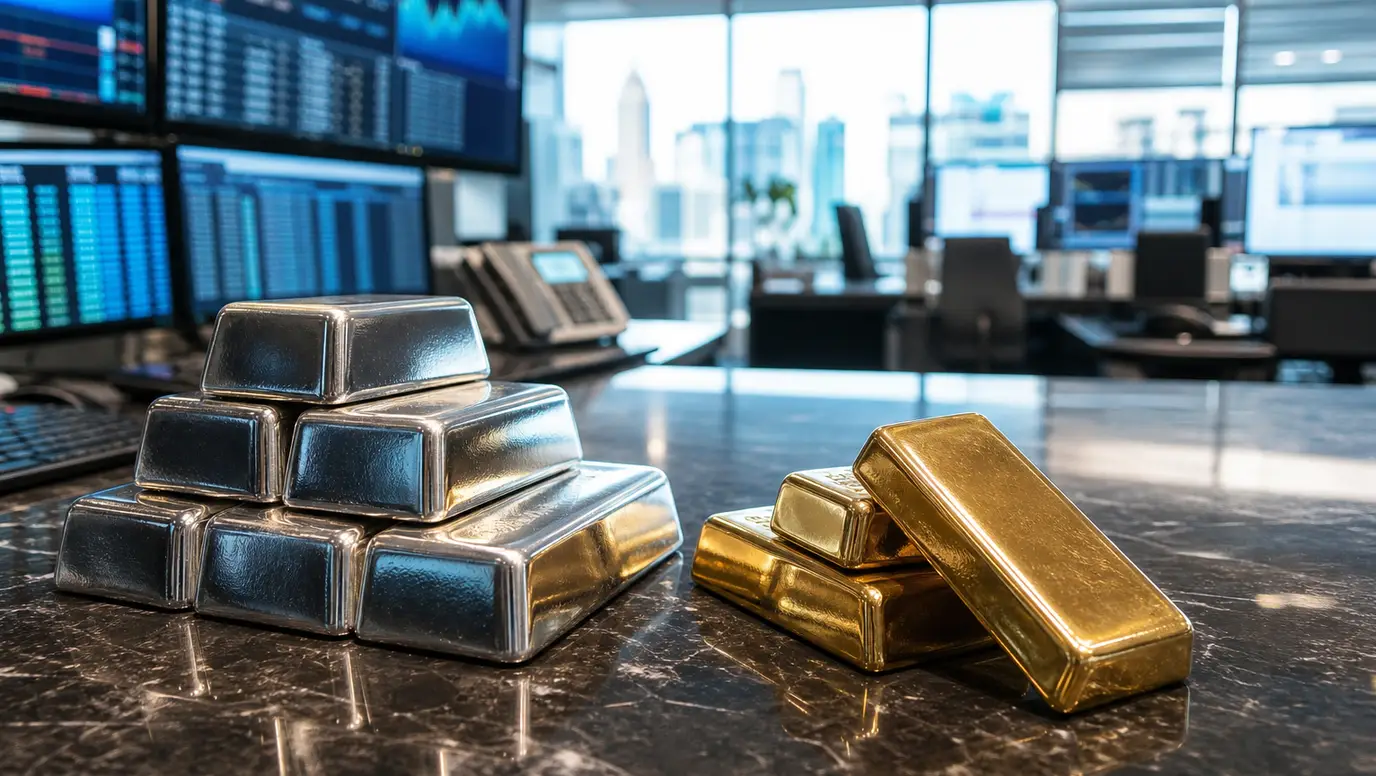
JULY 13, 2026
Silver Slides as Yield Shock Overpowers Haven Demand in Metals Market