OCTOBER 14, 2026
Aluminum Metals Futures Hold Near $3,000 as Japan Premium Drop Masks Supply StressAluminum futures steady near $3,000 as lower Japan premiums clash with tight supply chains and lingering physical market stress.

© 1box.site 2026
AUGUST 4, 2026
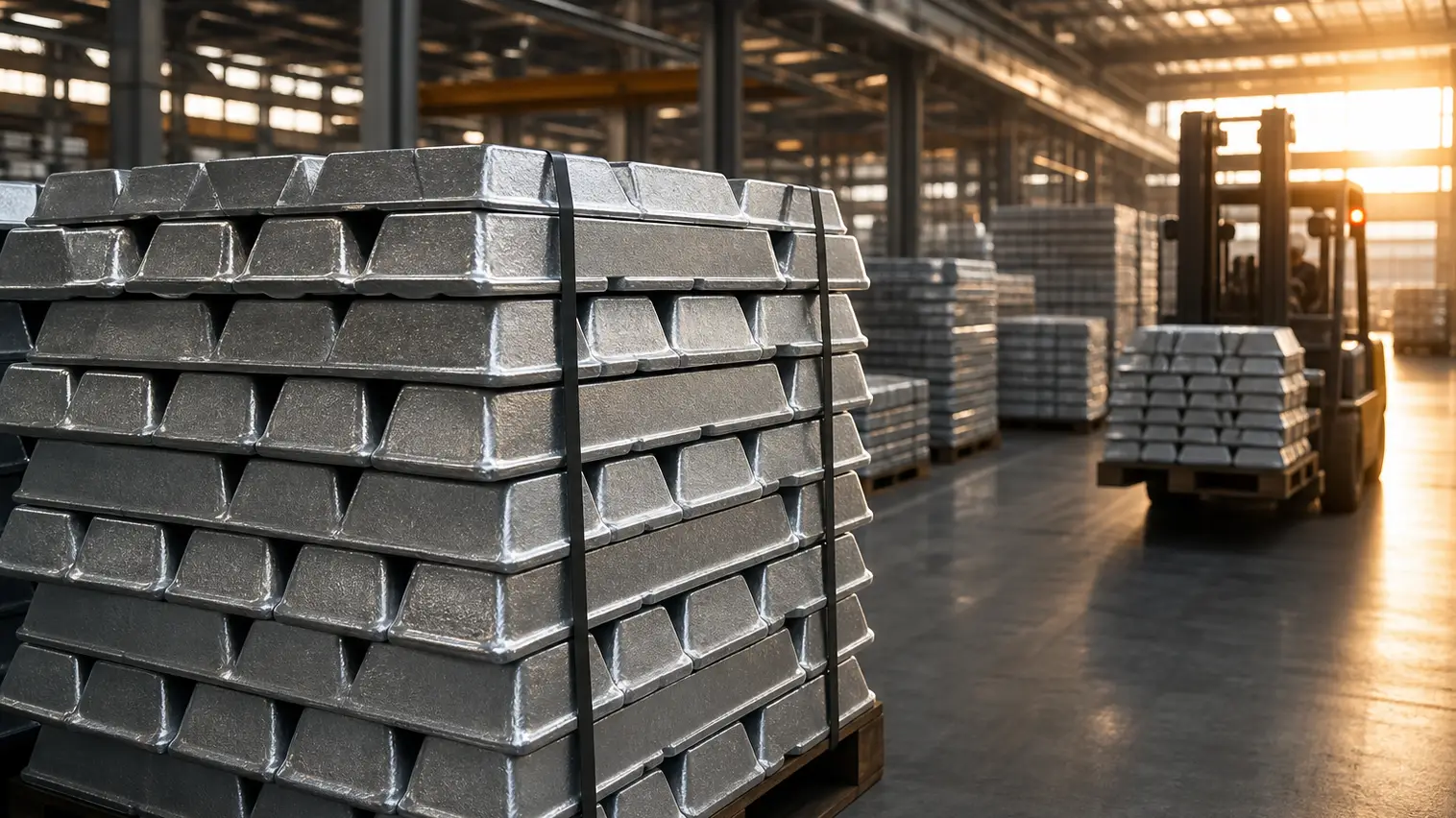
Aluminum is moving back to the center of the metals market as traders weigh a sharp U.S. premium squeeze against signs that global supply risk is easing. The benchmark price has retreated from the most stressed levels seen during the spring disruption, but the cost paid by American consumers remains elevated because regional delivery premiums and import duties are doing as much work as the exchange price itself.
The latest focus is the U.S. tariff framework for primary aluminum. A recent policy update kept pressure on import costs while creating an incentive route for companies that commit to building, expanding or refurbishing domestic primary aluminum capacity. For buyers, the problem is timing: new smelting capacity can take years to arrive, while fabricators, packagers, automakers and construction suppliers need metal now.
That mismatch is keeping the metals and commodities desk focused on the all-in U.S. transaction cost rather than the headline global futures price alone. With regional inventories thin and importers still adjusting trade flows, even a moderate move in the London benchmark can translate into a larger cost shock for U.S. consumers when tariffs and freight-sensitive premiums are added.
The Midwest aluminum premium has become the market’s main stress gauge. It reflects freight, handling, financing, regional availability and tariff effects, and it has risen far above pre-disruption norms. Traders say the premium is now a clearer signal of U.S. scarcity than the global three-month aluminum contract, because available metal in the American system remains limited even as some overseas supply concerns improve.
U.S. stocks have been drawn down after months of altered trade flows. Canadian and other foreign suppliers have had stronger incentives to ship to markets where tariff costs are lower or where premiums better compensate the seller. That has left domestic buyers more exposed to spot availability and less able to rely on the buffer that warehouse stocks normally provide.
The tariff structure also amplifies price moves. Since the duty is calculated as a percentage of the import value, a higher global aluminum price raises the tariff bill in dollar terms. That means a rally in the exchange contract can lift both the base price and the associated import cost, tightening margins for manufacturers that cannot pass increases through immediately.
Global supply concerns have cooled from the most acute phase as Middle East aluminum operations continue to recover. Smelter and refinery restarts have reduced the probability of the most severe shortage scenario, while China’s high output and stronger exports have helped improve availability outside the country. Even so, market balances still look tight for 2026, and traders remain cautious about assuming a clean return to surplus conditions.
China is already operating close to its effective capacity ceiling, limiting how much additional primary aluminum it can contribute if another disruption hits. That constraint matters because aluminum is energy-intensive, logistics-sensitive and heavily exposed to regional policy. A restart in one region can calm prices, but it does not fully solve shortages in another region when tariffs, shipping routes and customer specifications redirect physical metal.
For investors, the near-term setup is therefore less about a simple bullish or bearish call and more about regional dispersion. A softer global price could coexist with stubborn U.S. premiums if domestic stocks remain tight. Conversely, a faster recovery in Middle East supply could cap futures while still leaving American buyers paying historically high all-in costs.
The aluminum squeeze is also pushing attention toward recycling, scrap availability and substitution. Secondary aluminum uses far less energy than primary production and can reduce exposure to imported metal, but quality constraints remain important for automotive, aerospace and electrical applications. Not all scrap can replace primary aluminum without additional processing, and contamination risks can limit its use in higher-grade products.
Automakers and packaging companies are likely to remain sensitive to the premium curve. Electric vehicles, beverage cans, building products and power infrastructure all depend on aluminum, so prolonged regional tightness can feed into broader manufacturing costs. Buyers with hedging programs may increasingly separate their exposure between the global metal price and regional premium contracts.
The next catalysts for the metals market are clear: U.S. policy details on approved onshoring plans, evidence of actual inventory rebuilding, further Middle East production updates and Chinese export momentum. Until those signals improve together, aluminum may stay supported by a scarcity premium even if the wider commodities market turns more cautious.
OCTOBER 14, 2026
Aluminum Metals Futures Hold Near $3,000 as Japan Premium Drop Masks Supply Stress
OCTOBER 7, 2026
Aluminum Rebound Tests Metals Market as Dollar Strength and China Lull Cap Buyers
OCTOBER 1, 2026
Aluminum Slumps to 12-Week Low as Strong Dollar Hits Metals Market
SEPTEMBER 27, 2026
Gold Futures Slip as Sticky Inflation and Fed Rate Bets Cap Metals Market Rebound
SEPTEMBER 24, 2026
Aluminum Futures Steady as China Destocking Offsets Metals Market Yield Pressure
SEPTEMBER 16, 2026
Aluminum Rally Tests China Supply Cap as Metals Market Weighs Export Surge
SEPTEMBER 6, 2026
Aluminum Futures Split Metals Market as Supply Risk Meets Soft China Demand
SEPTEMBER 5, 2026
Lead Lags Metals Market as Inventory Draws Fail to Shift Demand Doubts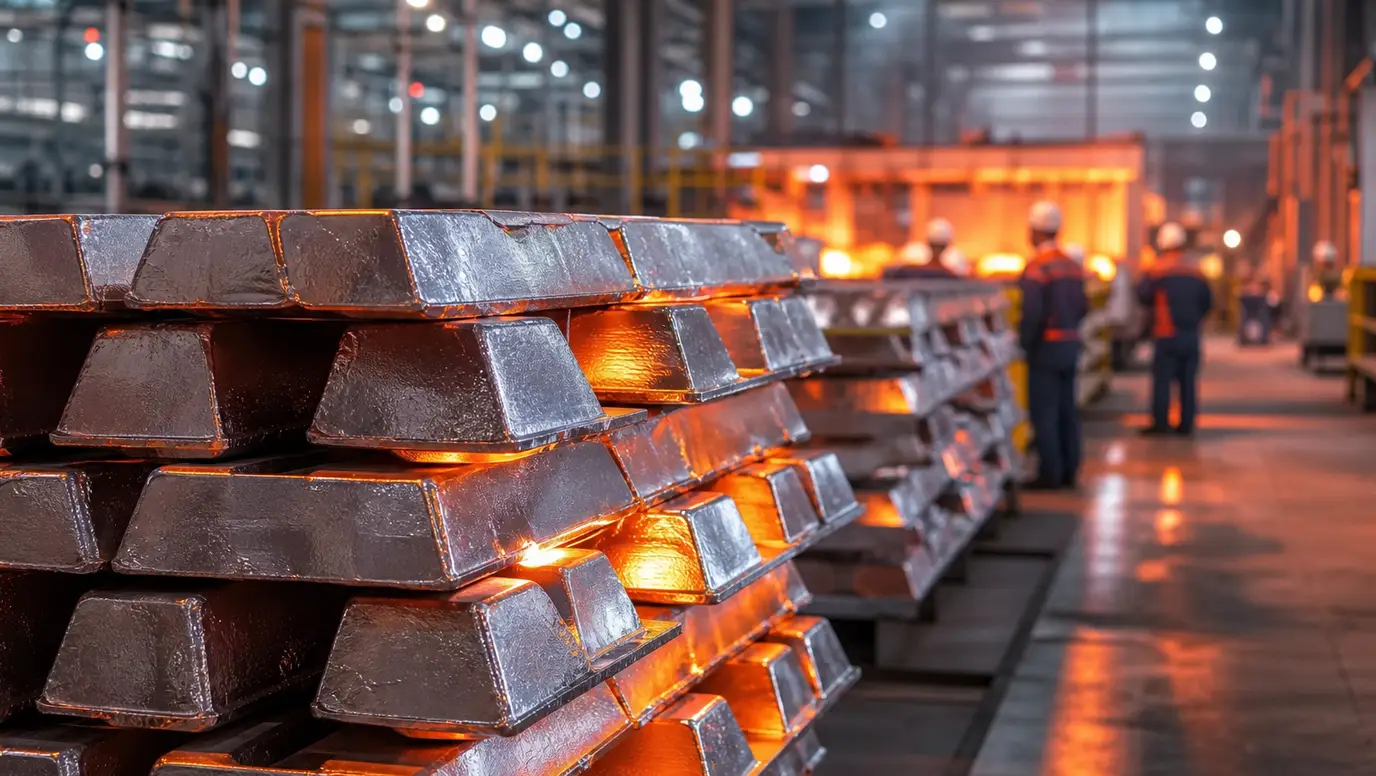
AUGUST 31, 2026
Aluminum Premiums Rebound as Metals Market Tracks Tariff Risk and Alumina Squeeze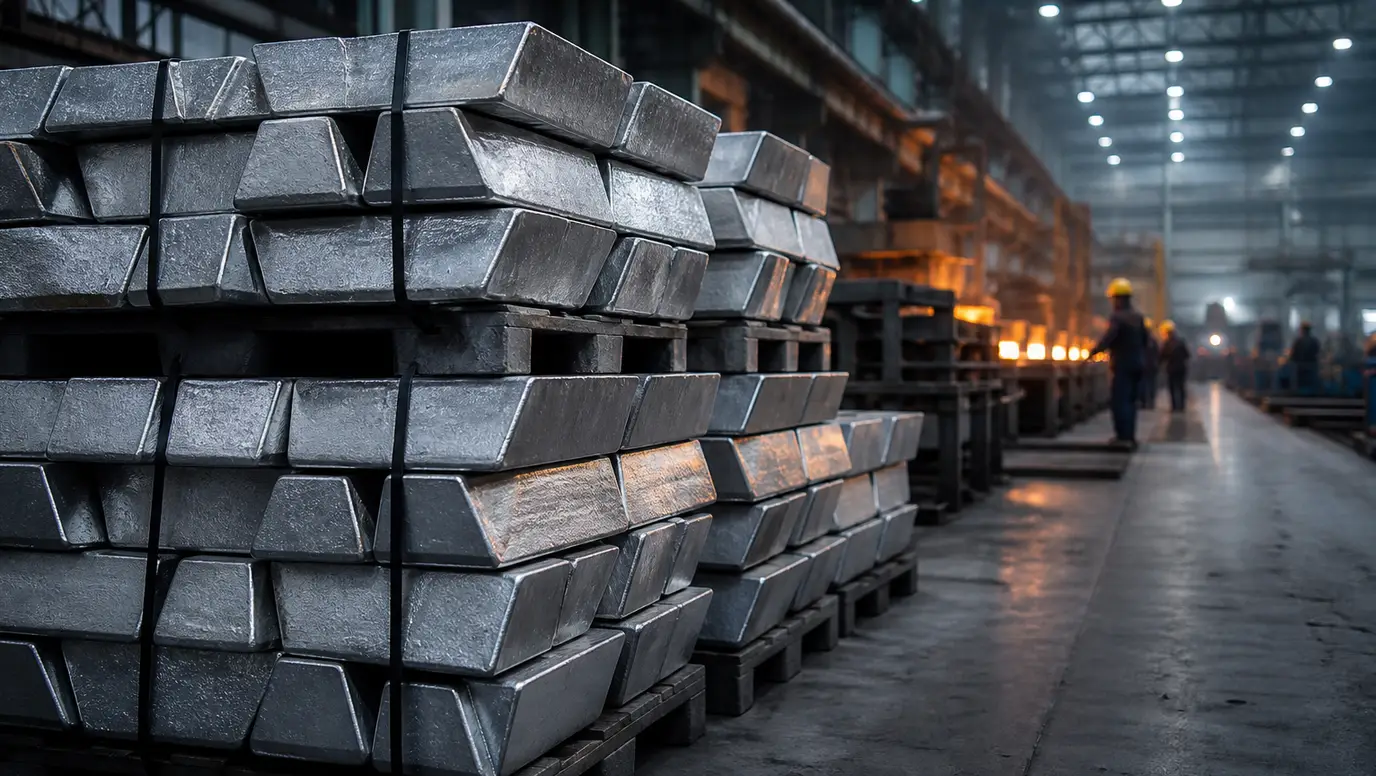
AUGUST 23, 2026
Aluminum Rally Puts Metals Market on Smelter Restart Watch as Inventories Tighten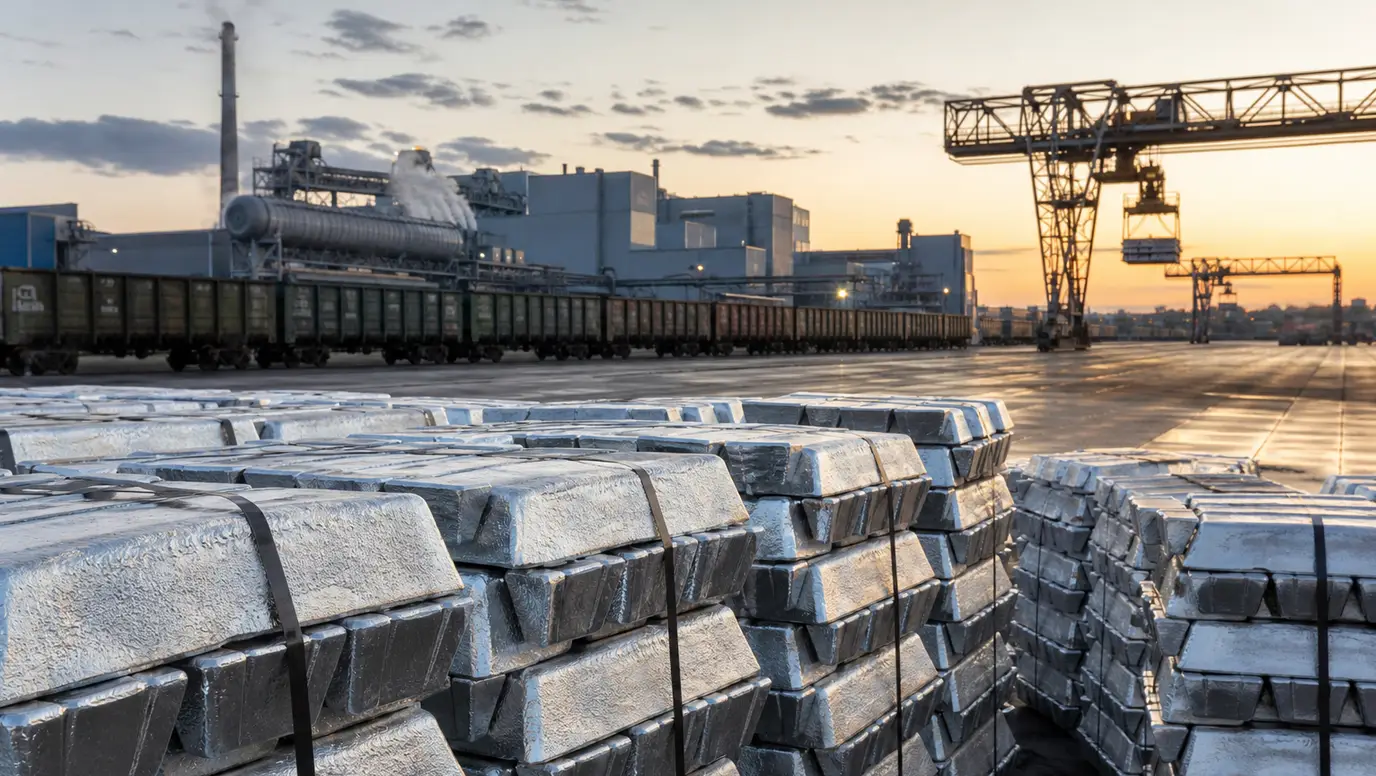
AUGUST 15, 2026
Aluminum Keeps Metals Market on Inventory Watch as China Demand Offsets Tariff Risk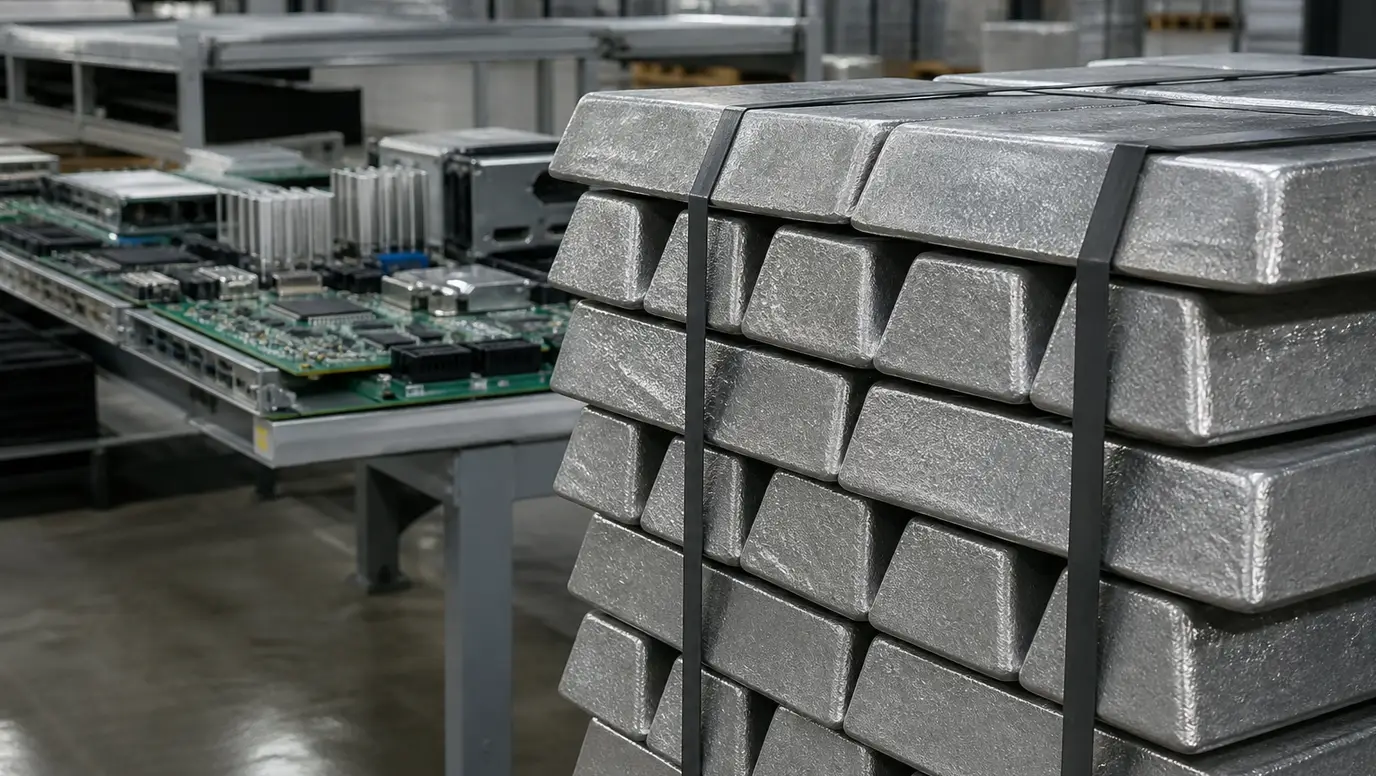
AUGUST 7, 2026
Tin Keeps Metals Market on Supply Watch as AI Demand Supports Commodities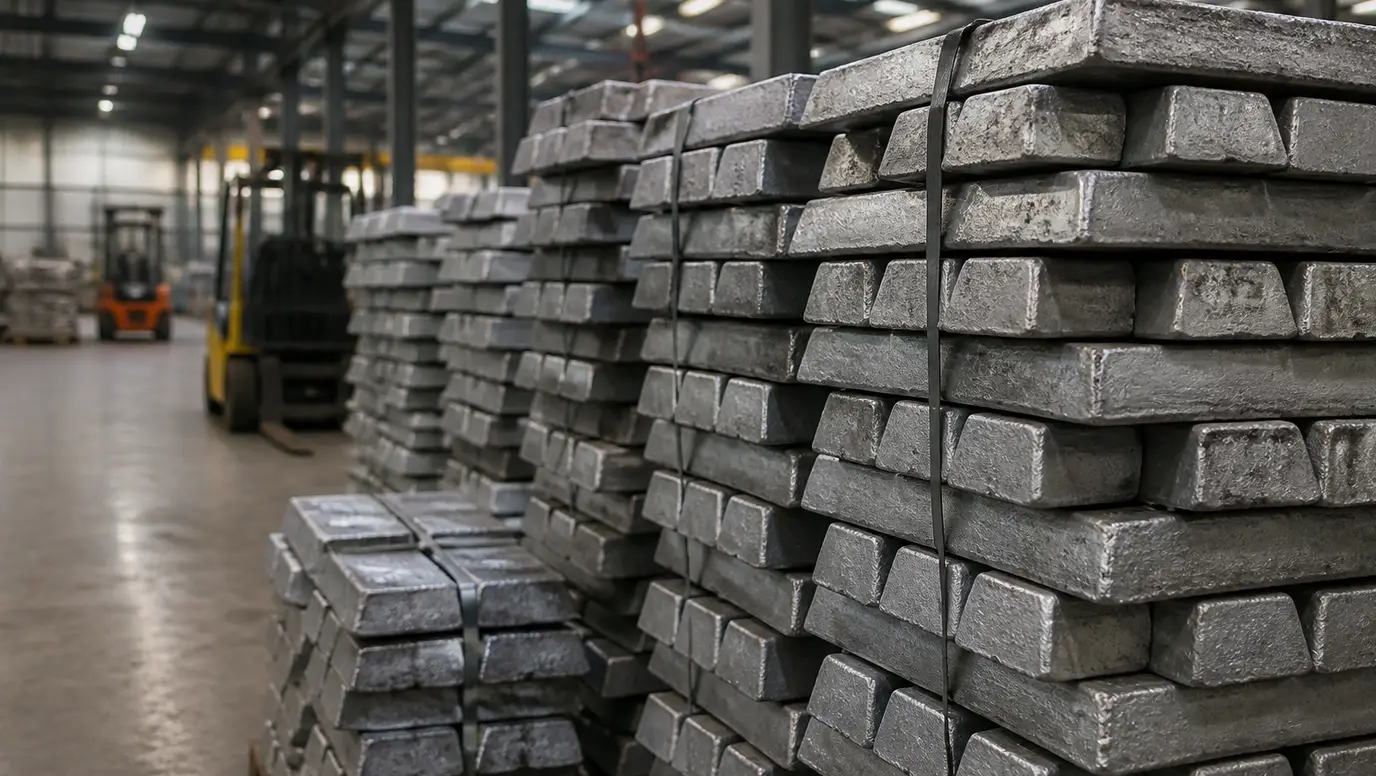
AUGUST 2, 2026
Lead Rebound Tests Metals and Commodities as Warehouse Overhang Caps Rally
JULY 30, 2026
Palladium Rebound Stalls as Metals and Commodities Traders Weigh Auto Demand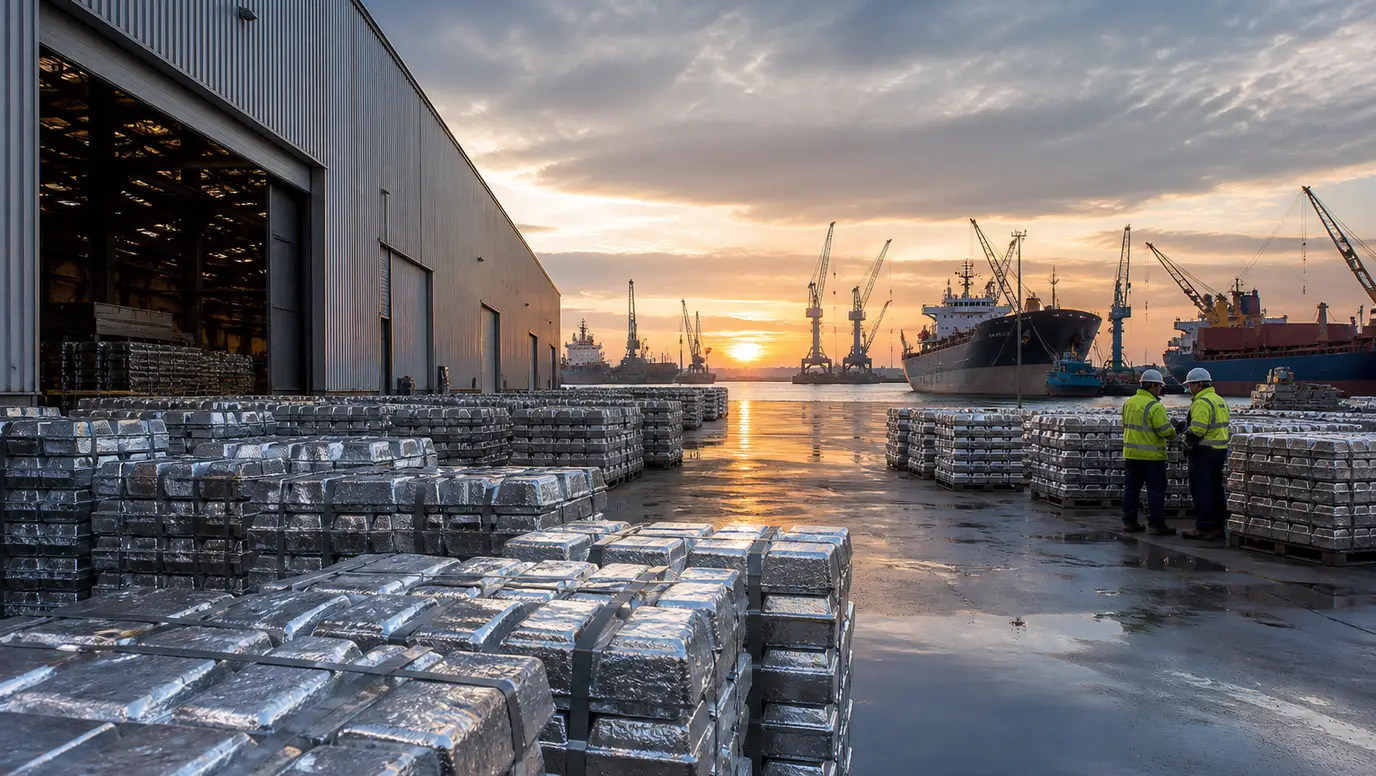
JULY 29, 2026
Aluminum Stockpile Drain Puts Metals and Commodities on Premium Watch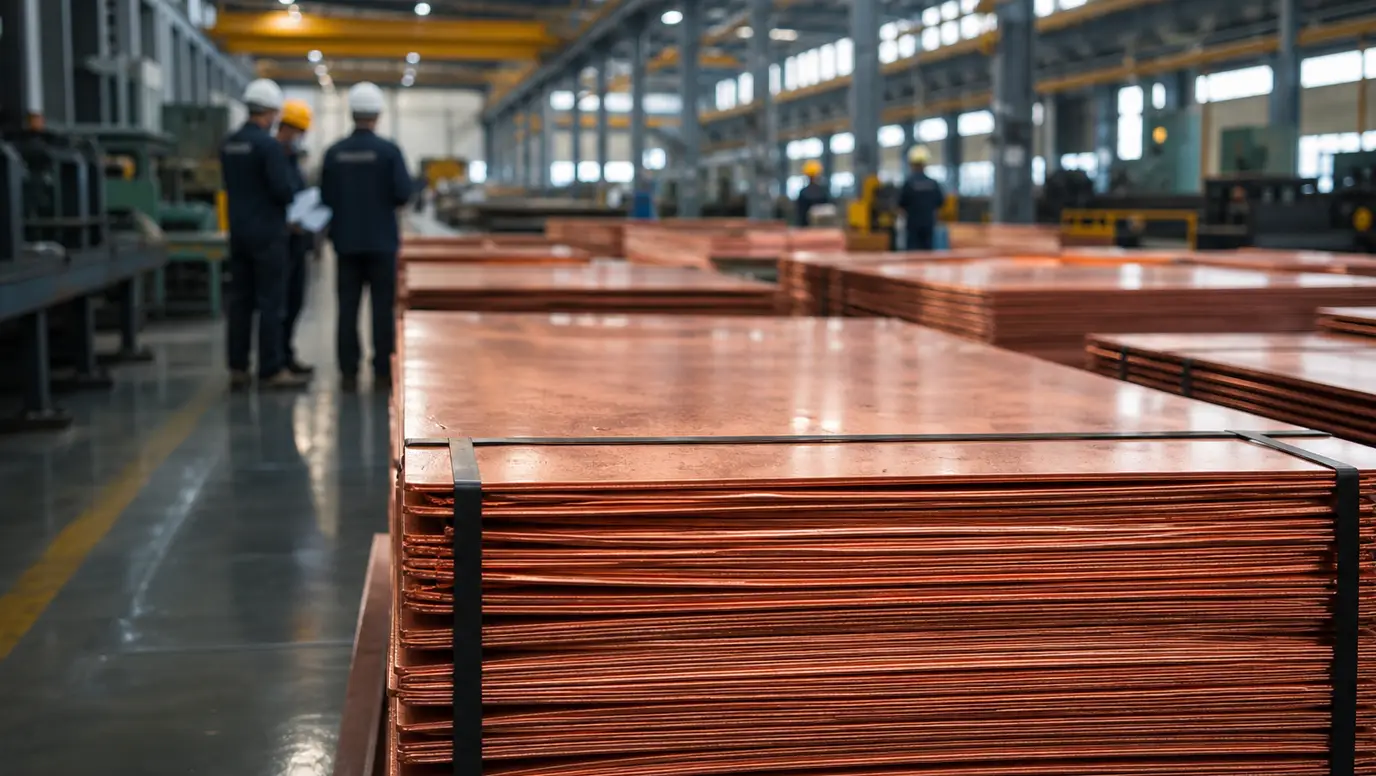
JULY 28, 2026
Copper Tightness Puts Metals and Commodities Traders on China Supply Watch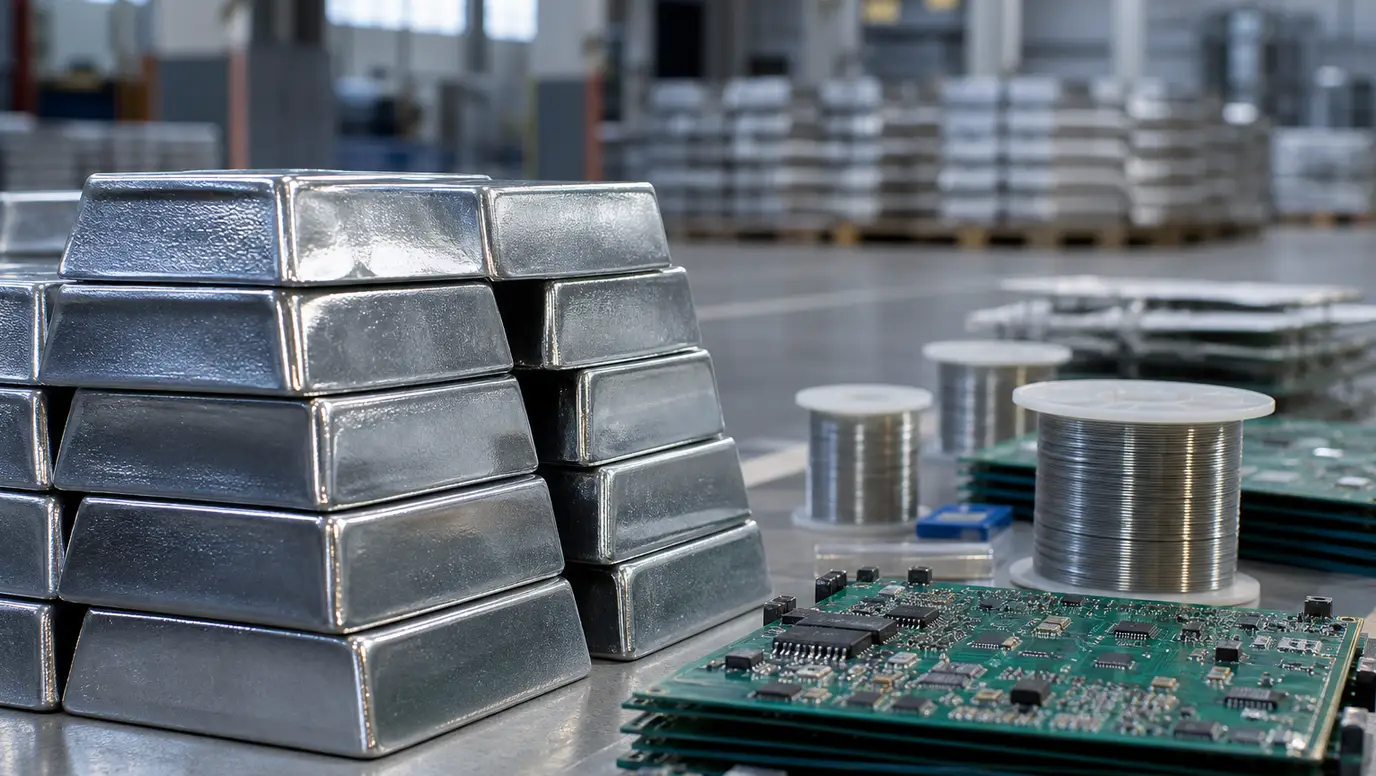
JULY 25, 2026
Tin Tightness Puts Metals and Commodities Traders on Solder Supply Watch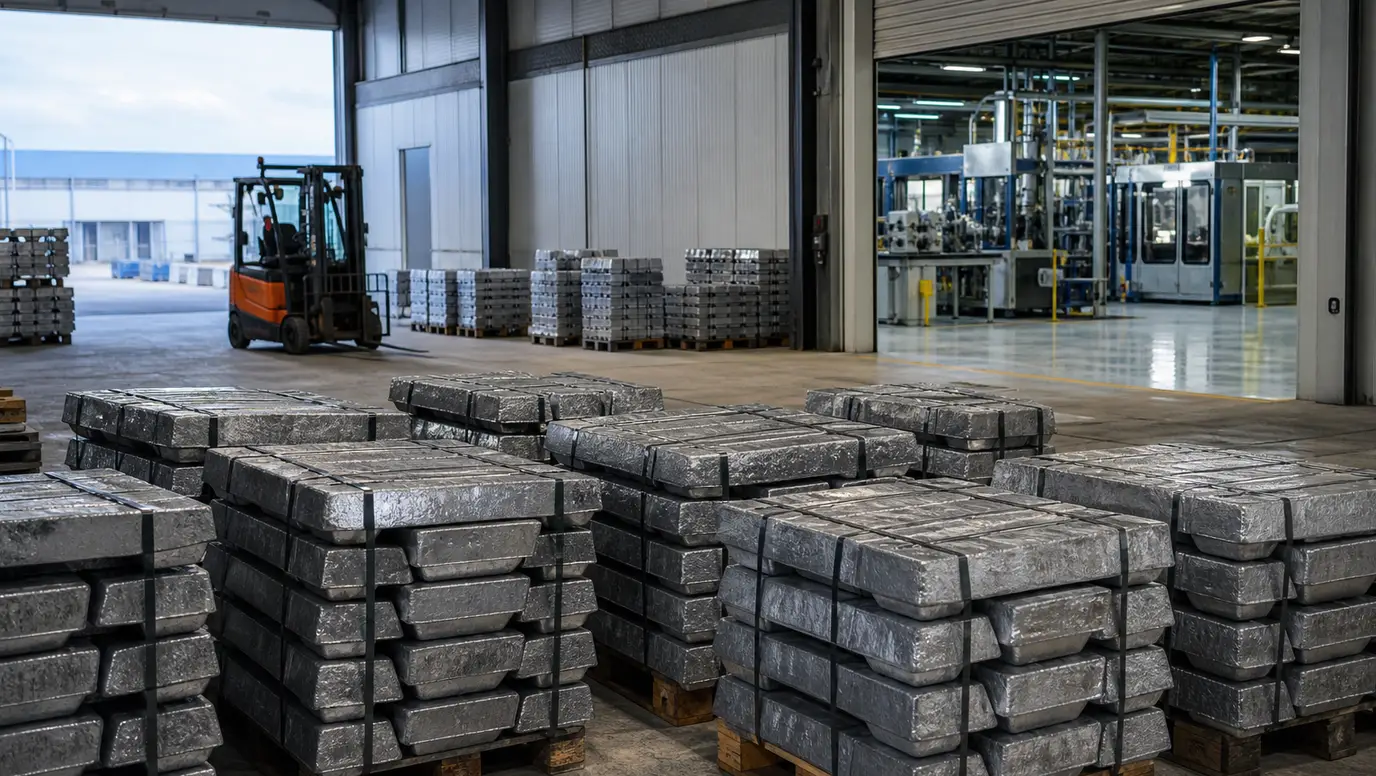
JULY 24, 2026
Lead Inventory Shock Puts Metals Traders on Battery Demand Watch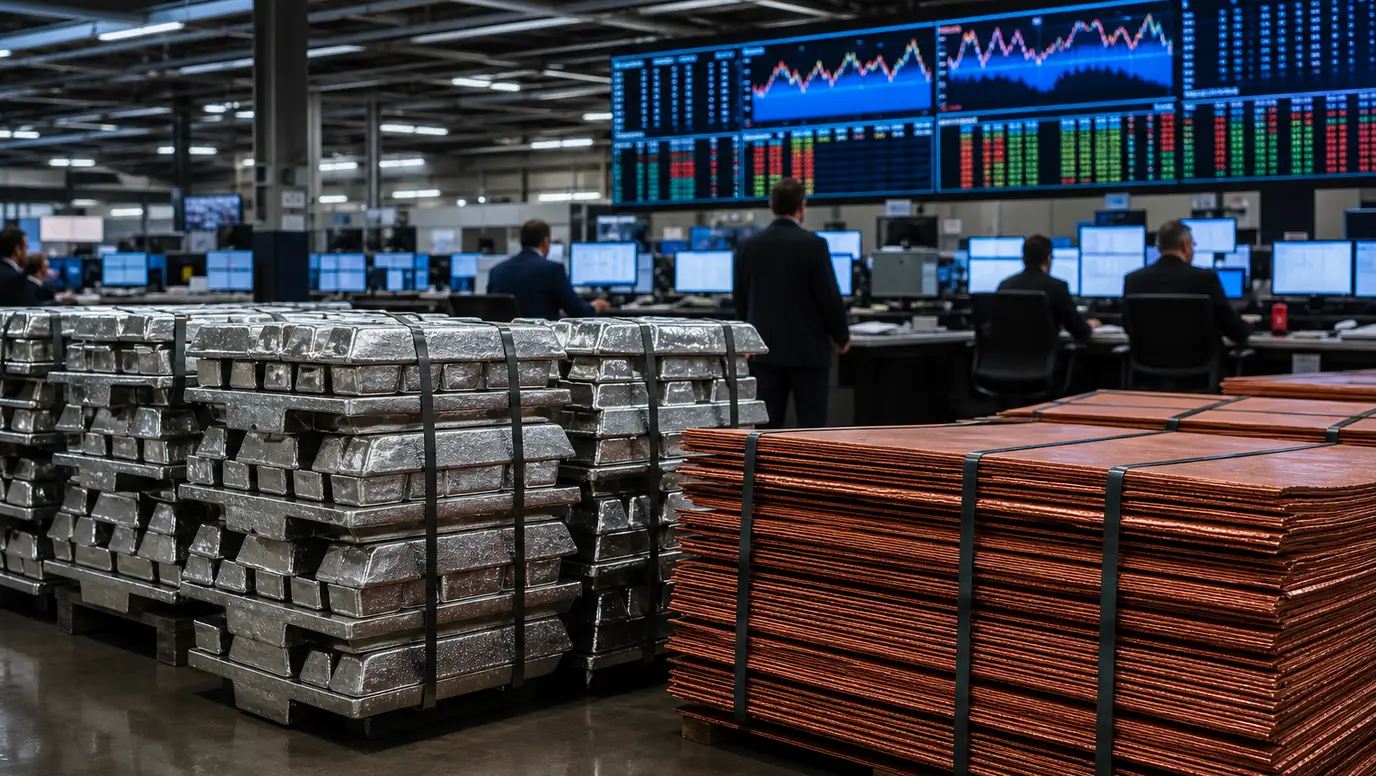
JULY 21, 2026
Aluminum and Copper Rally Puts Metals Market on Tariff Watch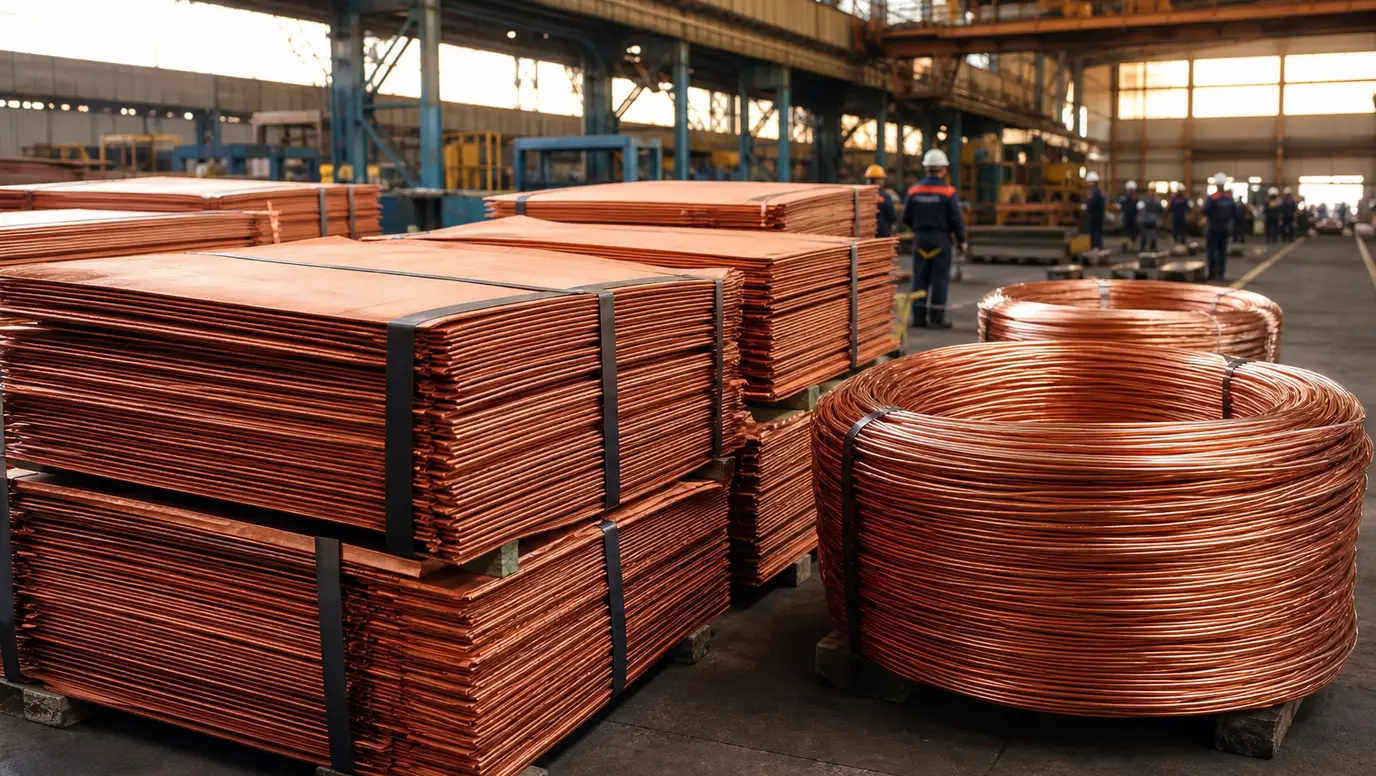
JULY 15, 2026
Copper Prices Lead Metals Market as China Demand Puts Supply Tightness Back in Focus
JULY 14, 2026
Gold and Silver Jump as Cool CPI Pulls Metals Market Back Toward Real-Yield Trade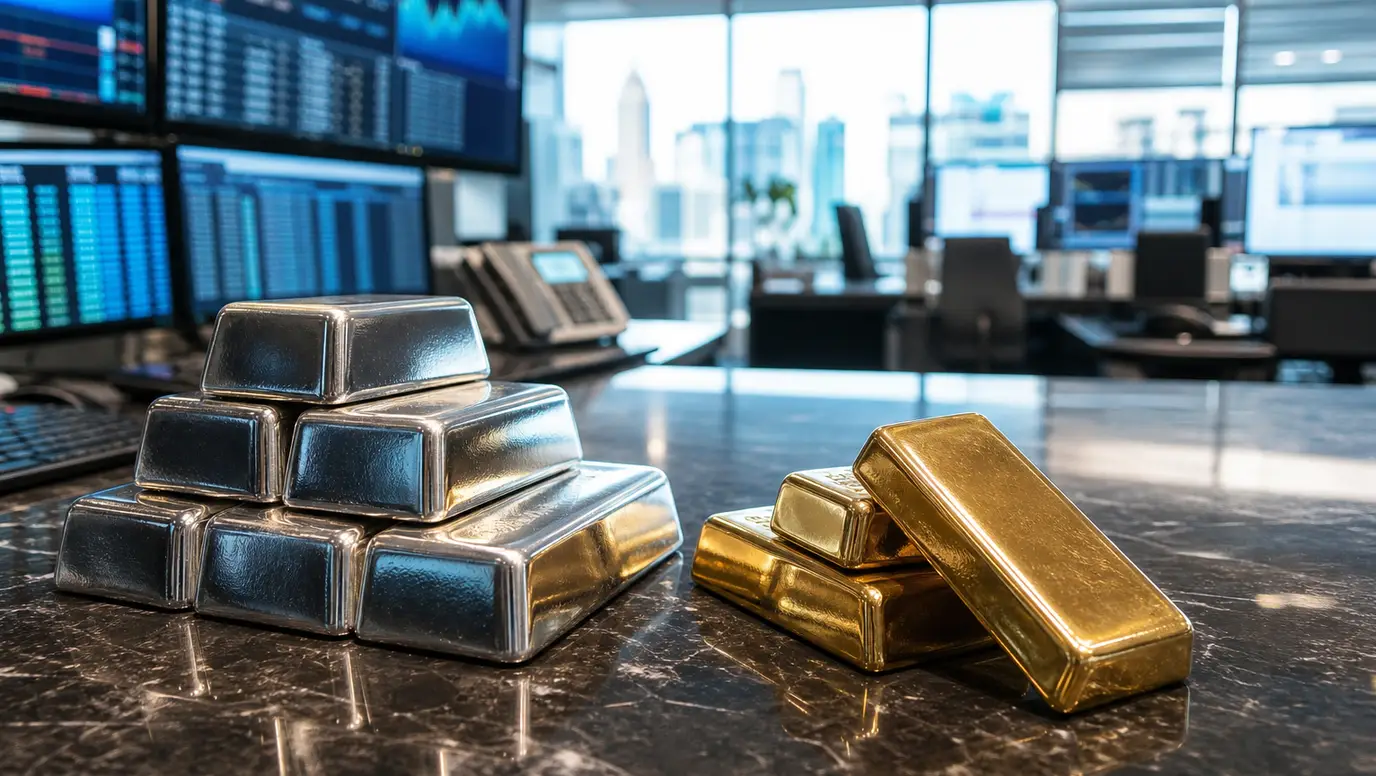
JULY 13, 2026
Silver Slides as Yield Shock Overpowers Haven Demand in Metals Market
JULY 12, 2026
Gold Bulls Face Oil-Inflation Trap as Metals Market Watches $4,000 Support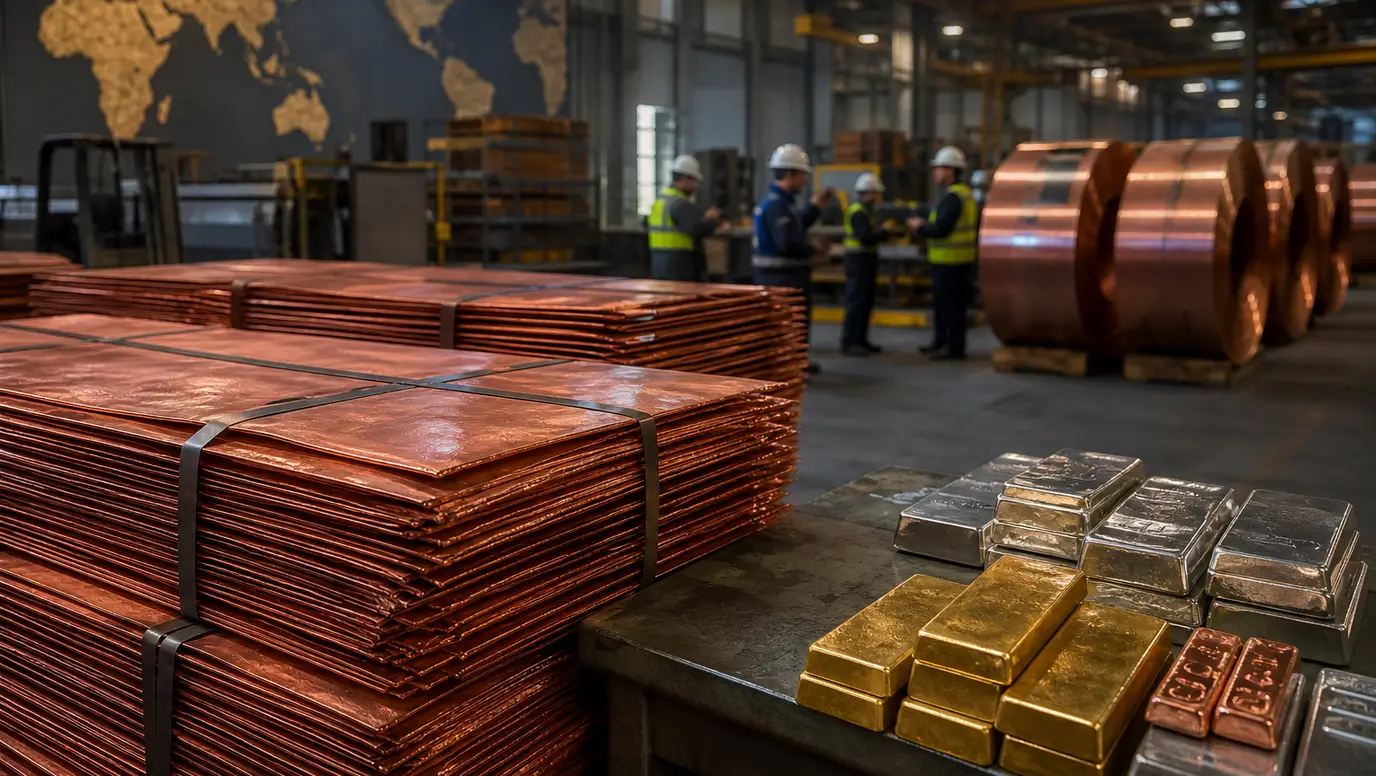
JULY 11, 2026
Copper Premium Takes Center Stage as Metals Market Weighs Tariff Risk and Fed Headwinds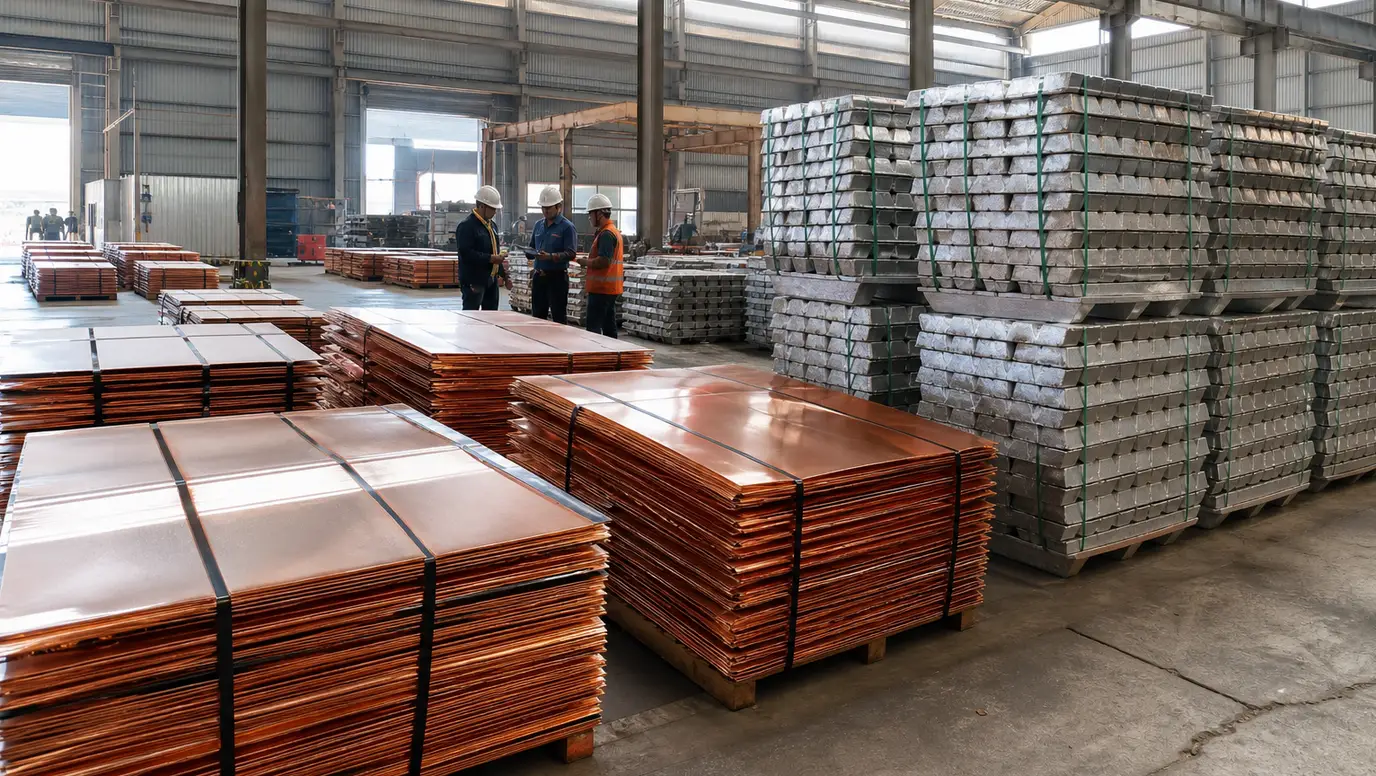
JULY 9, 2026
Copper Retreats as Gulf Tension Turns Base Metals Toward Demand Risk
JULY 8, 2026
Gold Loses Haven Bid as Dollar Strength Splits the Metals Market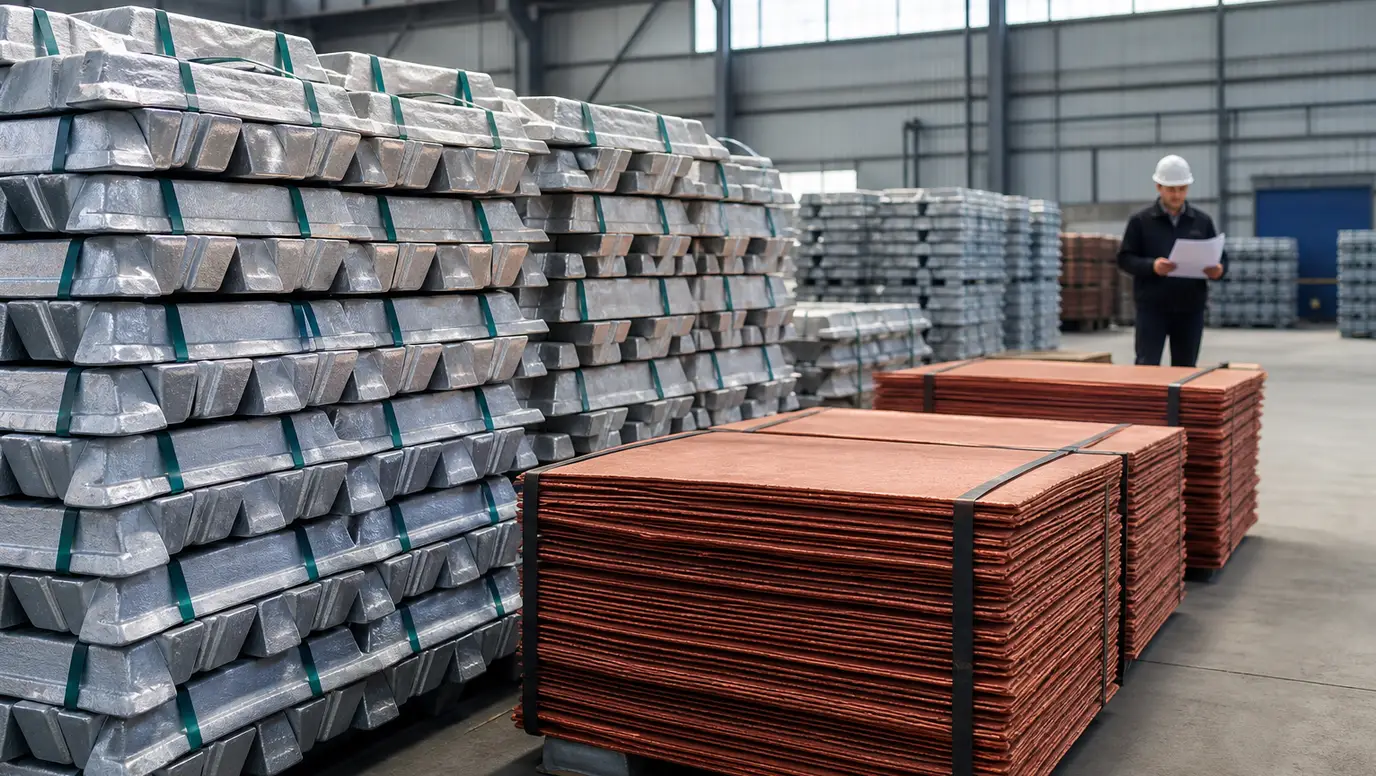
JULY 3, 2026
Aluminum and Copper Rebound as Softer Dollar Revives Base Metals Demand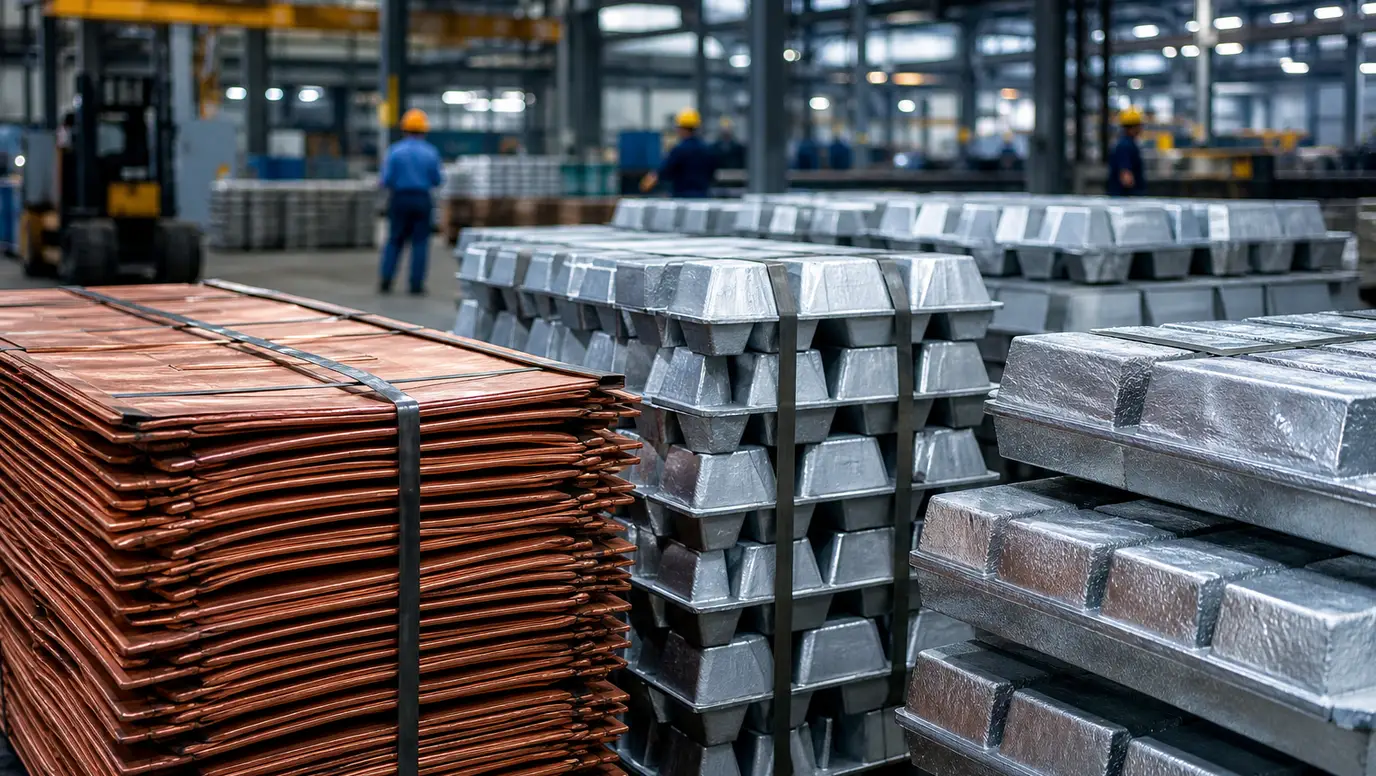
JULY 1, 2026
Copper Leads Metals Lower as Tariff Uncertainty Hits Aluminum and Zinc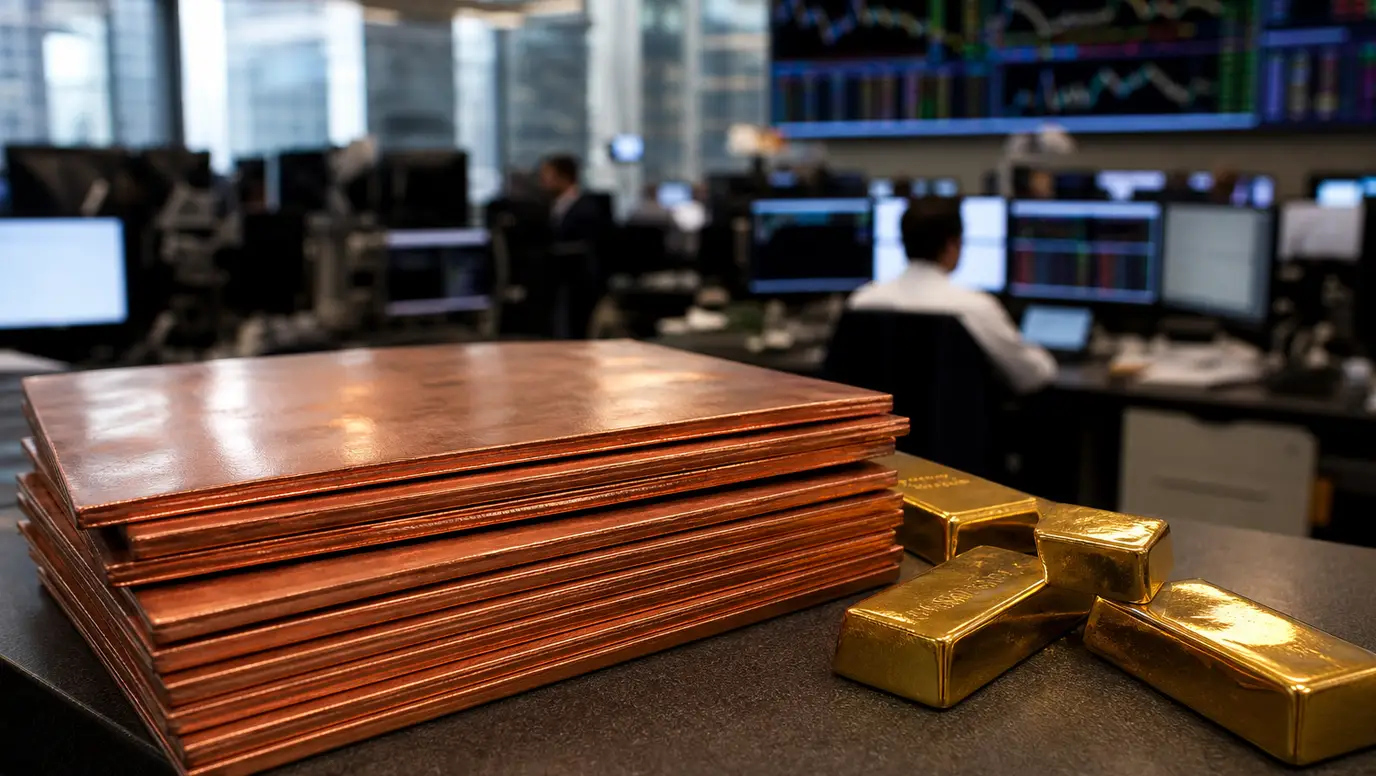
JUNE 28, 2026
Copper Tariff Deadline Overtakes Gold Rebound as Metals Market Enters Quarter-End