OCTOBER 14, 2026
Aluminum Metals Futures Hold Near $3,000 as Japan Premium Drop Masks Supply StressAluminum futures steady near $3,000 as lower Japan premiums clash with tight supply chains and lingering physical market stress.

© 1box.site 2026

JULY 29, 2026
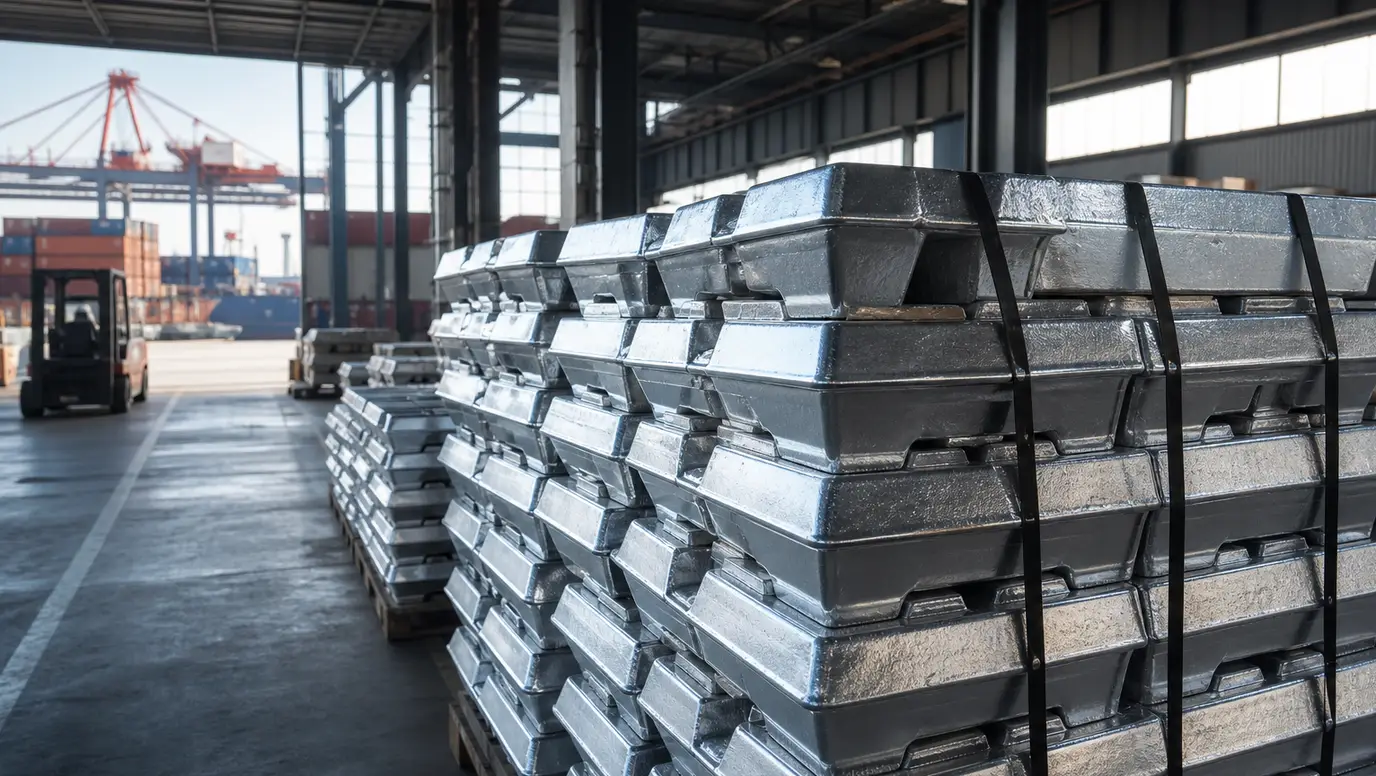
Aluminum has moved back to the center of the metals market as shrinking exchange stockpiles and firm regional premiums point to a physical market that remains tighter than the headline price action suggests.
Benchmark three-month aluminum recently traded near $3,170 a metric ton, well below the early-summer peak, but the pullback has not fully eased concerns over available metal. Exchange inventories have continued to fall, with total London Metal Exchange aluminum stocks recently reported near 271,000 metric tons, the lowest level since the late 1990s. On-warrant metal, the portion immediately available for trading and delivery, has also declined, keeping buyers alert to any new disruption in supply routes.
The setup matters for commodities traders because aluminum is heavily exposed to energy costs, shipping reliability and regional trade flows. Unlike some precious metals, aluminum demand is tied closely to industrial production, packaging, transport, construction and power infrastructure, making physical availability a key signal for manufacturers as well as futures markets.
The latest inventory draw suggests consumers are still using exchange stocks to secure supply, even as speculative momentum in futures has cooled. That split has created a two-speed market: the exchange price has retreated from its strongest levels, while premiums paid for prompt, acceptable-origin material remain elevated in several regions.
Japan’s third-quarter import premium for primary aluminum settled around $395 per metric ton above the LME cash price, up from the prior quarter and close to the highest levels seen in more than a decade. Main Japanese port stocks have also been hovering near historically low levels, reinforcing the view that buyers remain cautious about relying on a rapid recovery in seaborne supply.
In Europe and North America, regional premiums have eased from earlier spikes but remain a key part of the total cost paid by consumers. That means the LME price alone may understate the pressure faced by buyers that need specific origin, delivery timing or quality requirements.
Aluminum supply concerns are still linked to the Gulf region, which accounts for a meaningful share of global primary output and a large portion of internationally traded metal. Disruptions earlier this year affected raw material movements, smelter operations and finished-metal exports, forcing buyers to look for replacement units from other regions.
Market participants are watching whether shipping and production normalize quickly enough to rebuild inventories before seasonal industrial demand improves. A smooth recovery could cap further gains in aluminum and narrow regional premiums, but a slower restart would leave the market vulnerable to renewed price spikes, especially if warehouse stocks drop below psychologically important thresholds.
China and other Asian producers have increased output and exports where possible, but the ability to offset lost Middle Eastern supply appears limited in the near term. Power availability, environmental checks, capacity discipline and domestic demand all constrain how much additional metal can move into the global market.
For metals traders, the next signal may come less from a single futures close and more from the interaction between cancelled warrants, on-warrant stocks and regional premiums. Rising cancelled warrants would suggest more metal is being booked for withdrawal, while further falls in on-warrant inventory would tighten the pool available for delivery.
Demand is not uniformly strong, and some downstream buyers are still purchasing only what they need. However, the market does not need a powerful demand cycle to stay supported if exchange inventories remain thin and preferred-origin metal is difficult to source.
The near-term aluminum outlook is therefore balanced but sensitive. Futures may struggle to extend gains without stronger manufacturing data, yet the physical market is warning that supply buffers are thin. That keeps aluminum firmly on the commodities watchlist as traders weigh softer macro signals against a warehouse system with little spare room for another disruption.
OCTOBER 14, 2026
Aluminum Metals Futures Hold Near $3,000 as Japan Premium Drop Masks Supply Stress
OCTOBER 7, 2026
Aluminum Rebound Tests Metals Market as Dollar Strength and China Lull Cap Buyers
OCTOBER 1, 2026
Aluminum Slumps to 12-Week Low as Strong Dollar Hits Metals Market
SEPTEMBER 27, 2026
Gold Futures Slip as Sticky Inflation and Fed Rate Bets Cap Metals Market Rebound
SEPTEMBER 24, 2026
Aluminum Futures Steady as China Destocking Offsets Metals Market Yield Pressure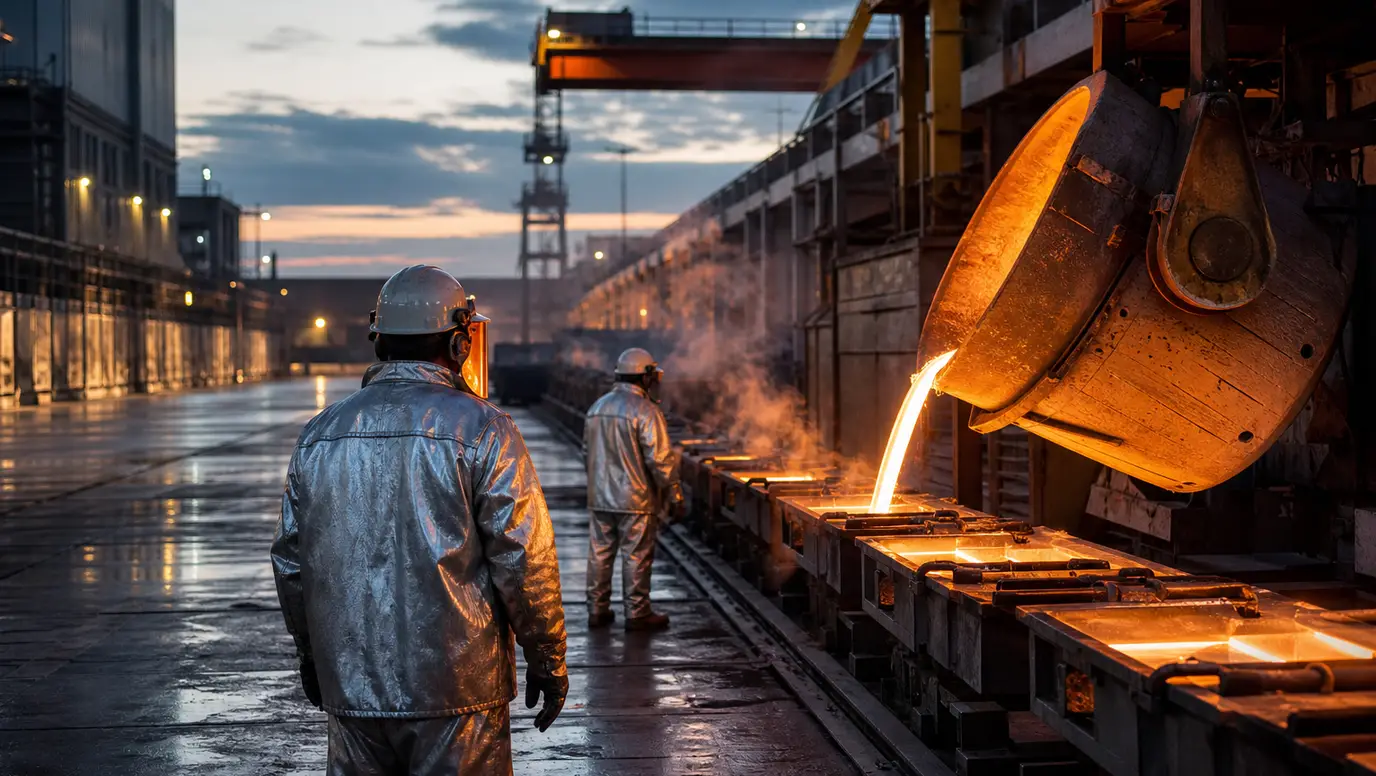
SEPTEMBER 16, 2026
Aluminum Rally Tests China Supply Cap as Metals Market Weighs Export Surge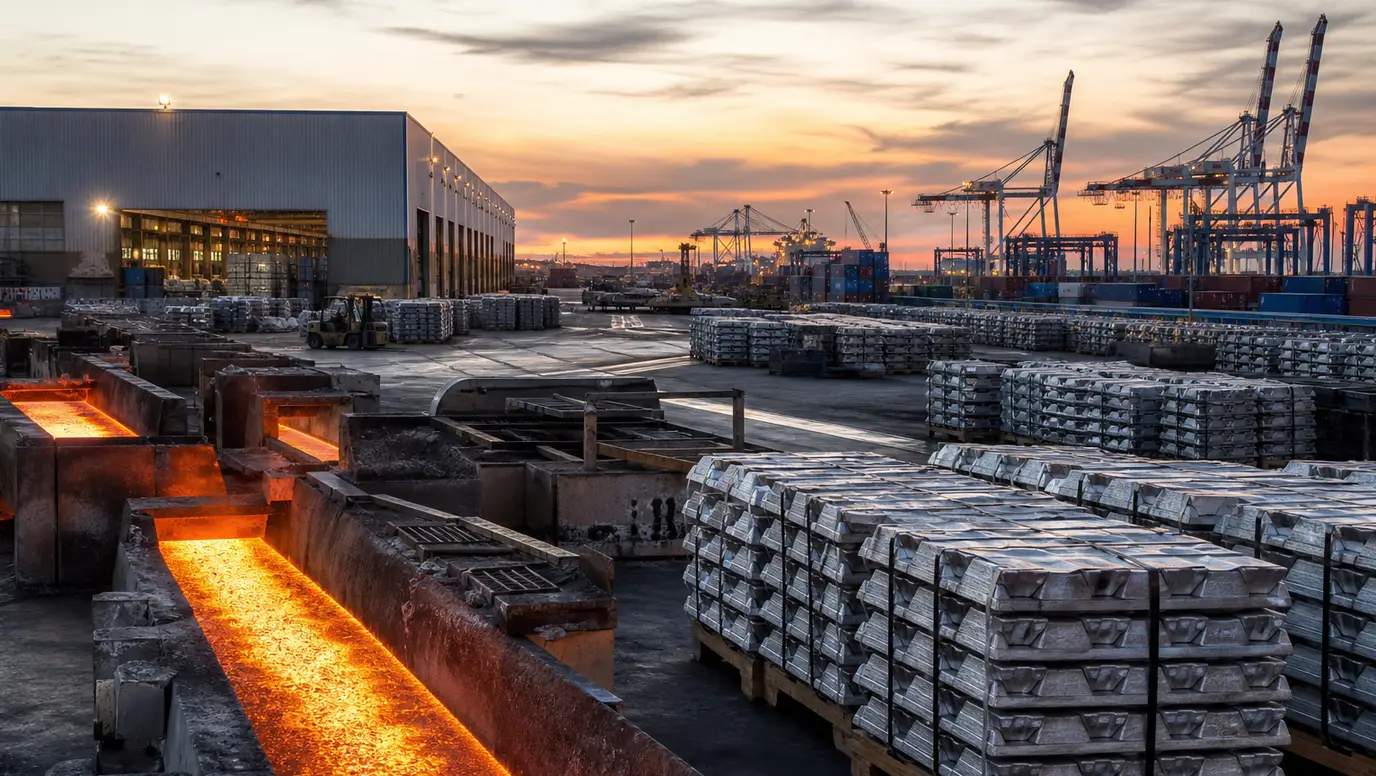
SEPTEMBER 6, 2026
Aluminum Futures Split Metals Market as Supply Risk Meets Soft China Demand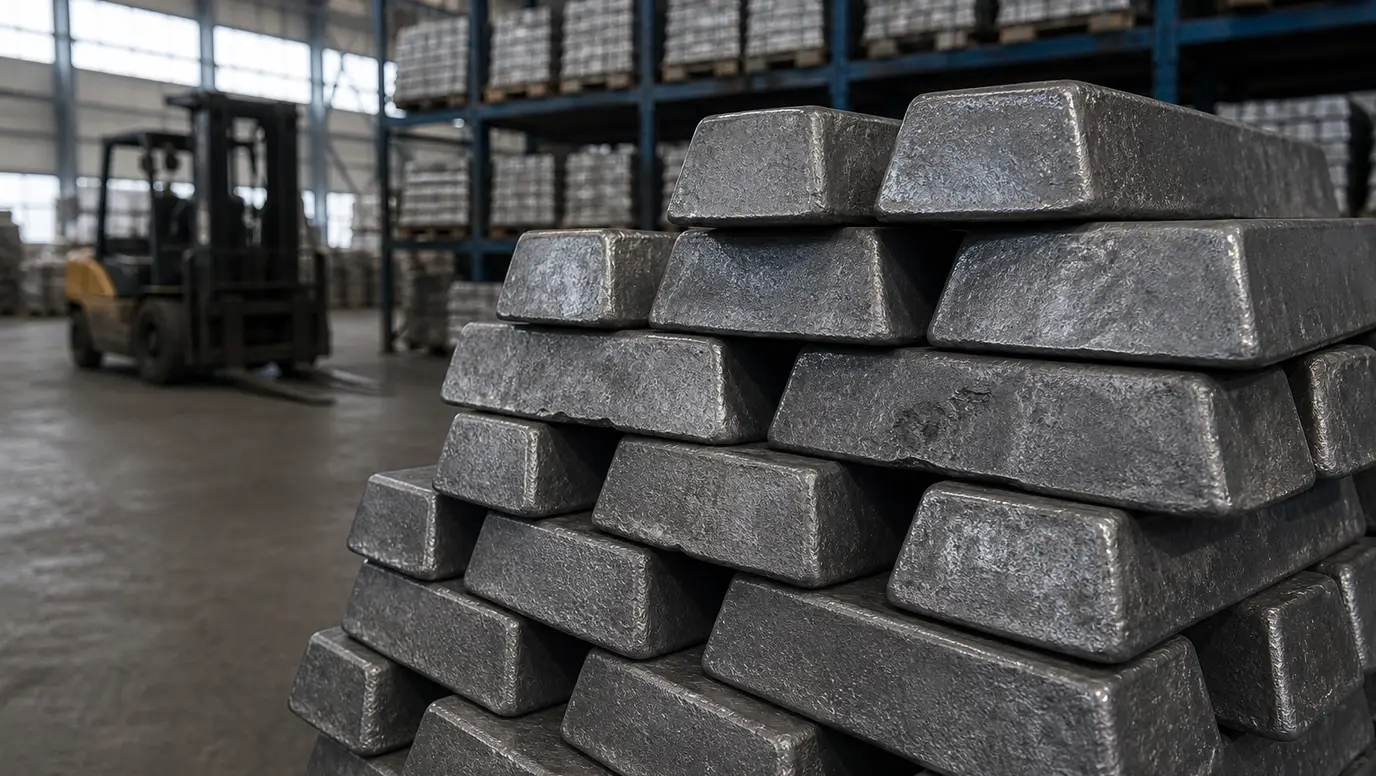
SEPTEMBER 5, 2026
Lead Lags Metals Market as Inventory Draws Fail to Shift Demand Doubts
AUGUST 31, 2026
Aluminum Premiums Rebound as Metals Market Tracks Tariff Risk and Alumina Squeeze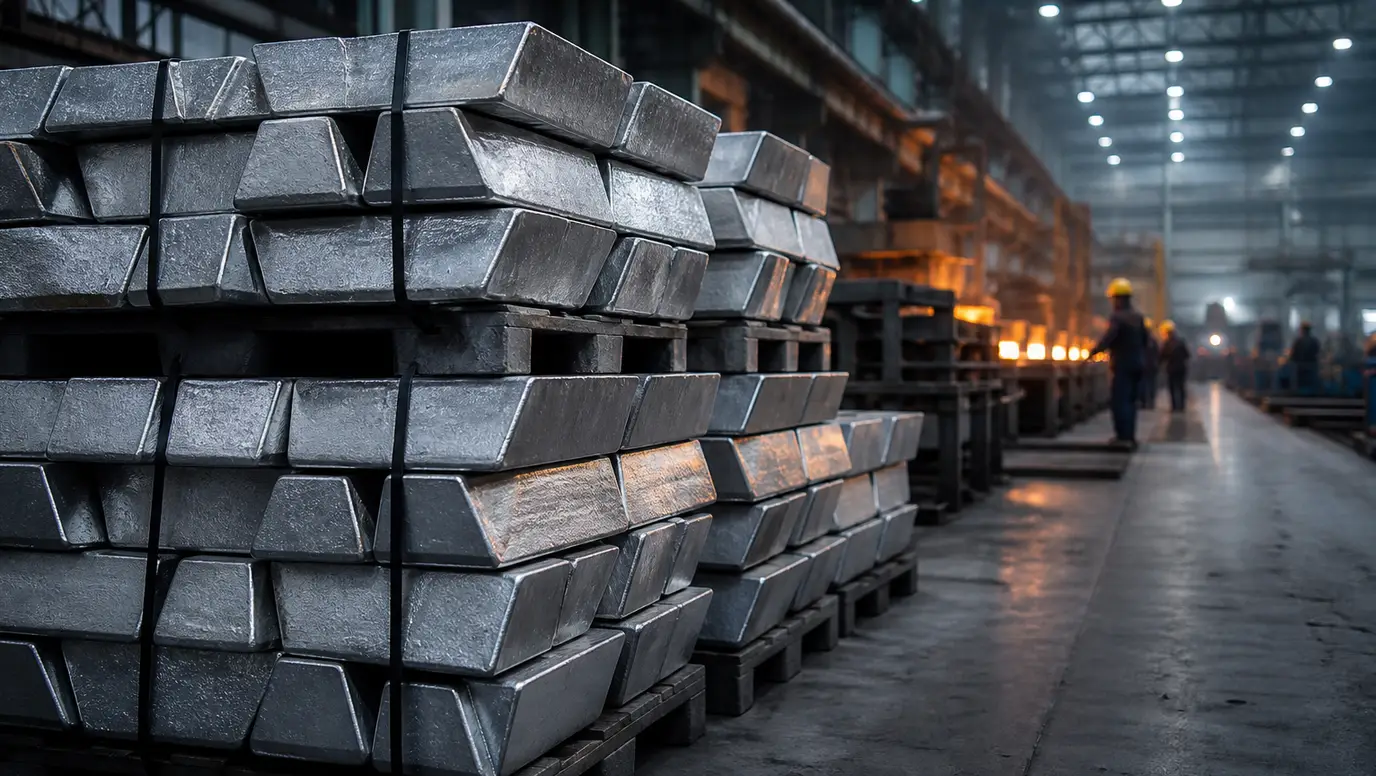
AUGUST 23, 2026
Aluminum Rally Puts Metals Market on Smelter Restart Watch as Inventories Tighten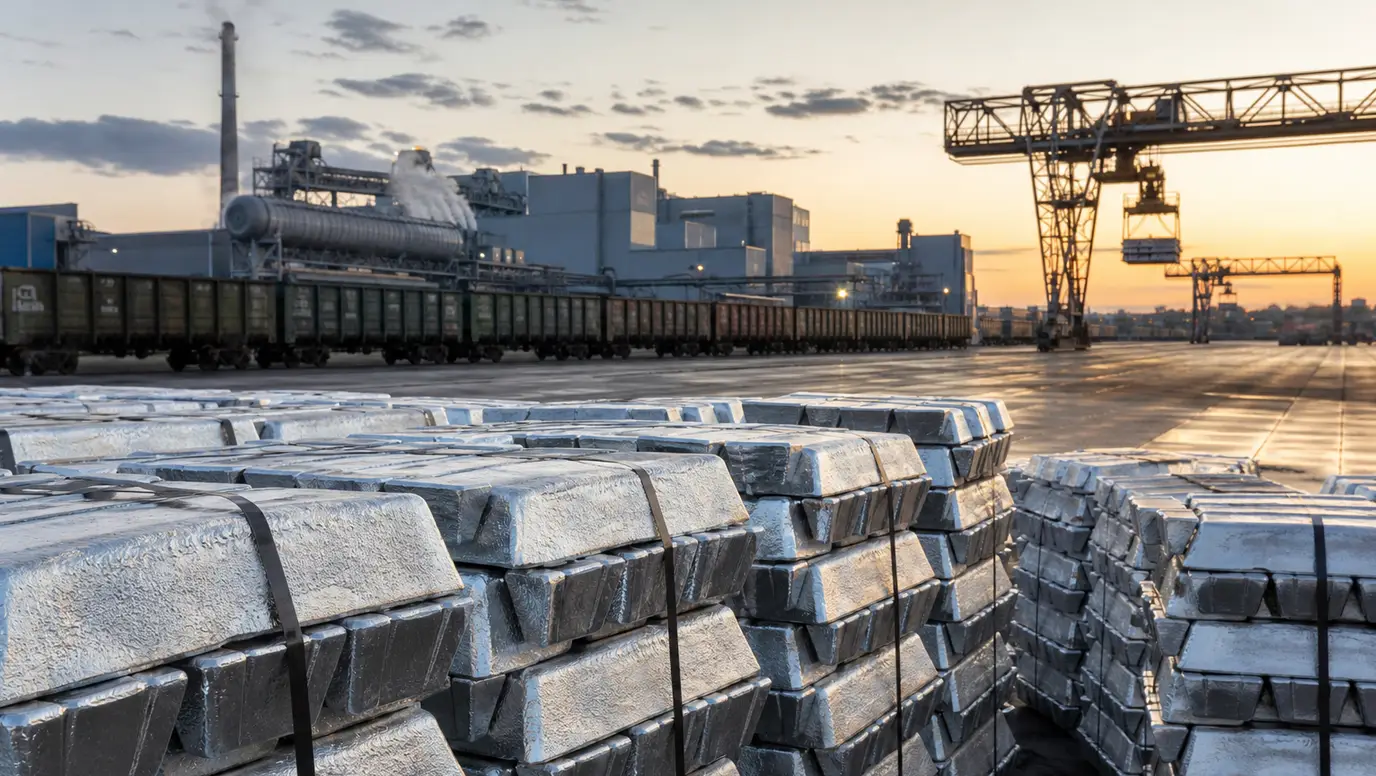
AUGUST 15, 2026
Aluminum Keeps Metals Market on Inventory Watch as China Demand Offsets Tariff Risk
AUGUST 7, 2026
Tin Keeps Metals Market on Supply Watch as AI Demand Supports Commodities
AUGUST 4, 2026
Aluminum Premium Squeeze Keeps Metals and Commodities Traders Focused on U.S. Tariffs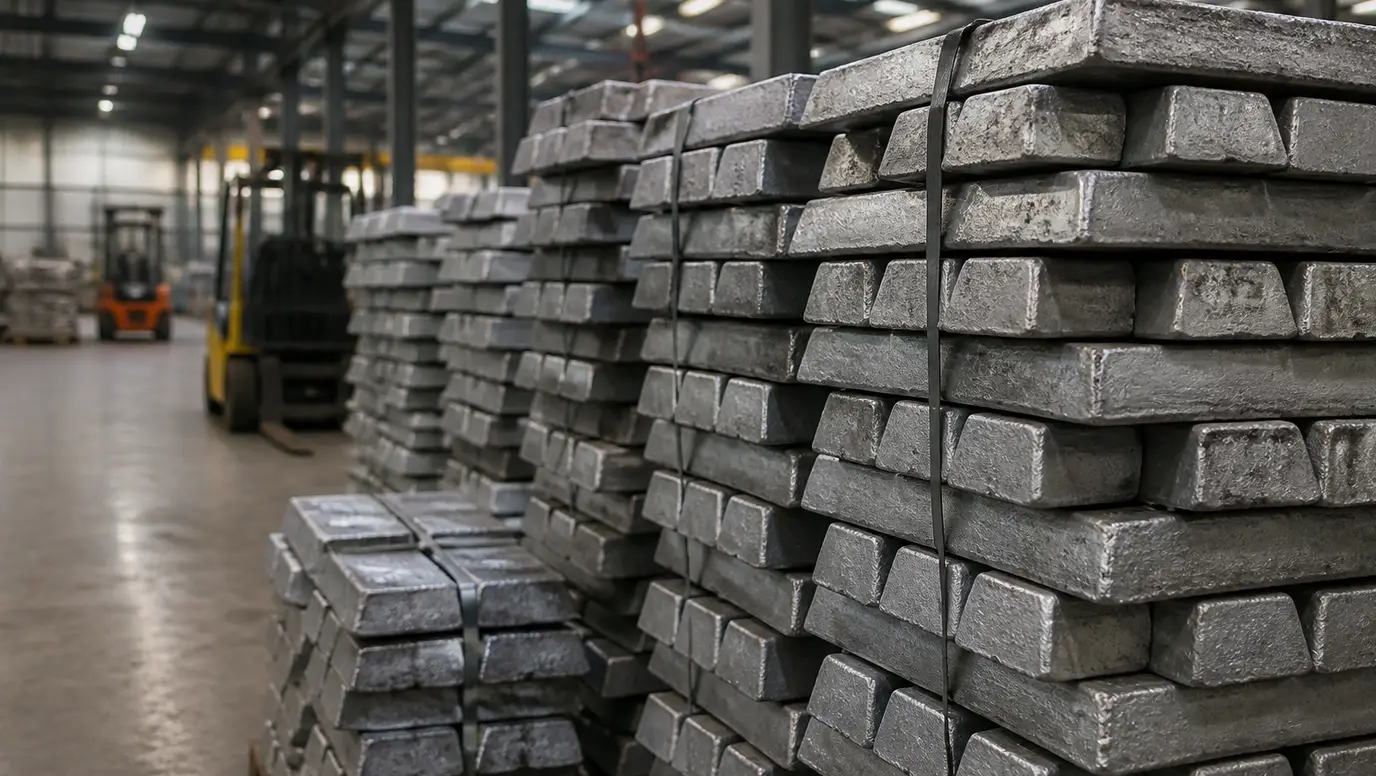
AUGUST 2, 2026
Lead Rebound Tests Metals and Commodities as Warehouse Overhang Caps Rally
JULY 30, 2026
Palladium Rebound Stalls as Metals and Commodities Traders Weigh Auto Demand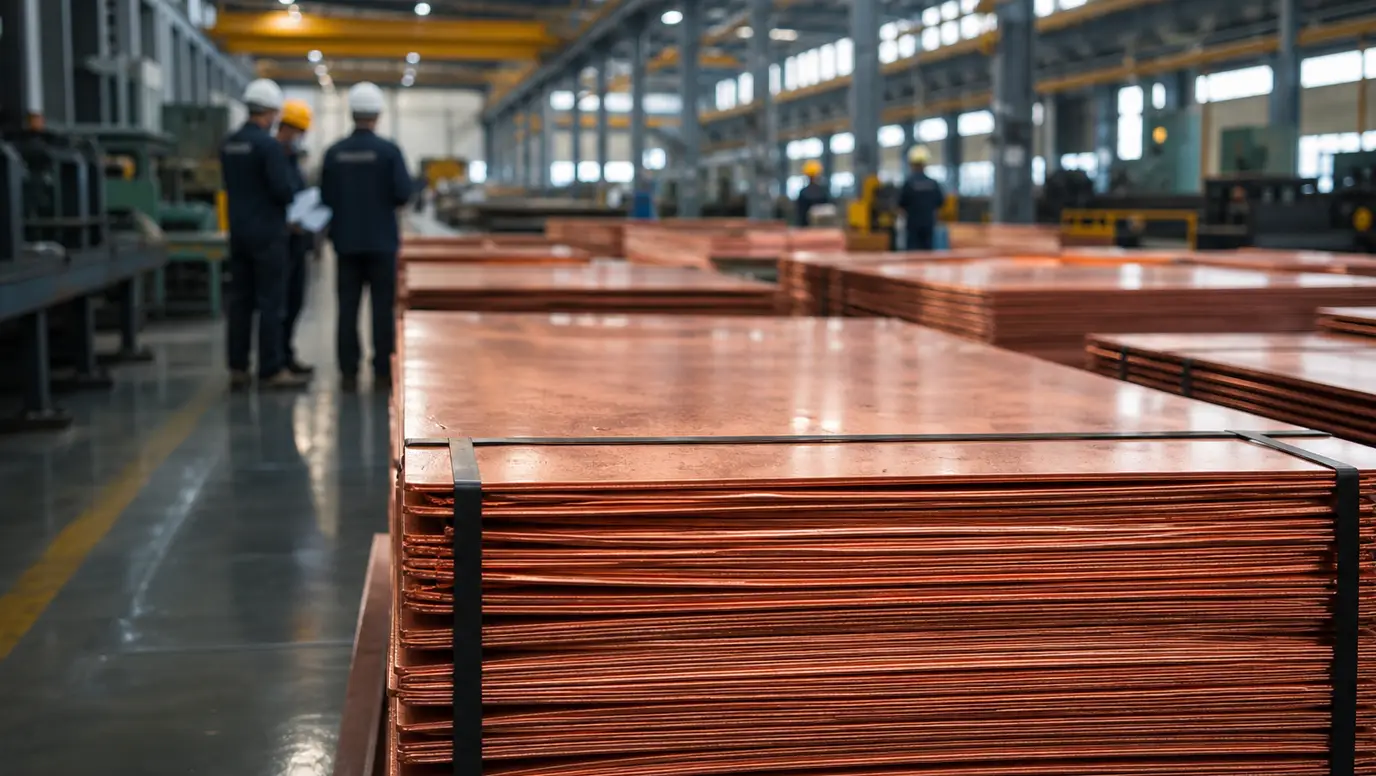
JULY 28, 2026
Copper Tightness Puts Metals and Commodities Traders on China Supply Watch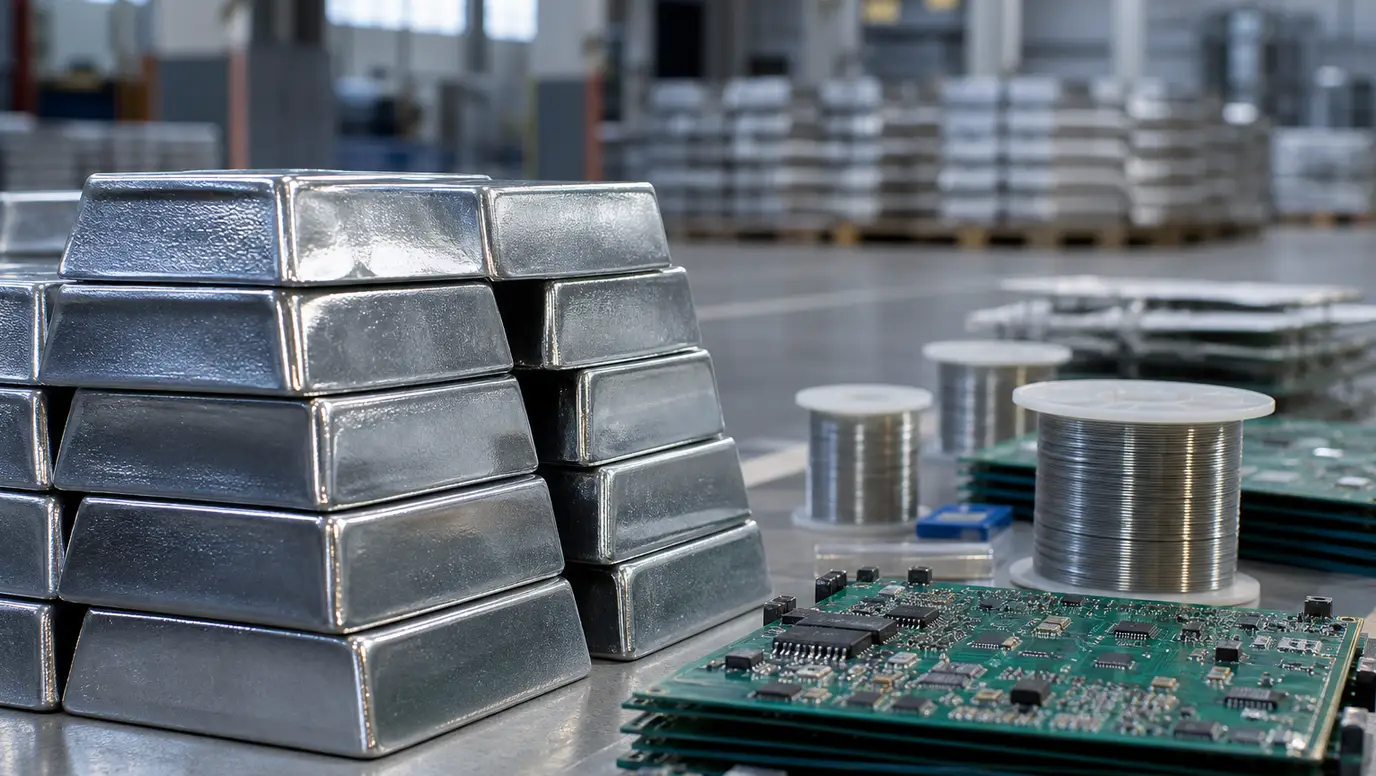
JULY 25, 2026
Tin Tightness Puts Metals and Commodities Traders on Solder Supply Watch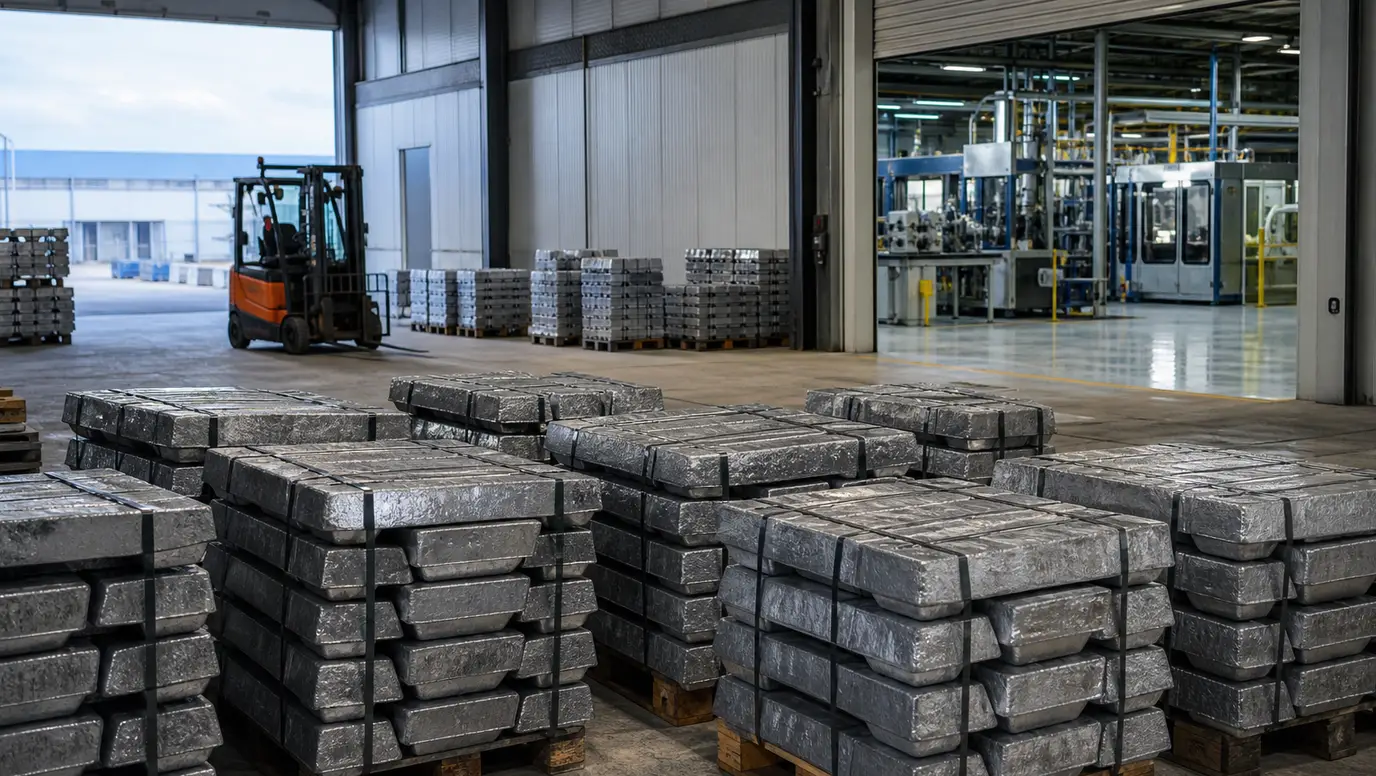
JULY 24, 2026
Lead Inventory Shock Puts Metals Traders on Battery Demand Watch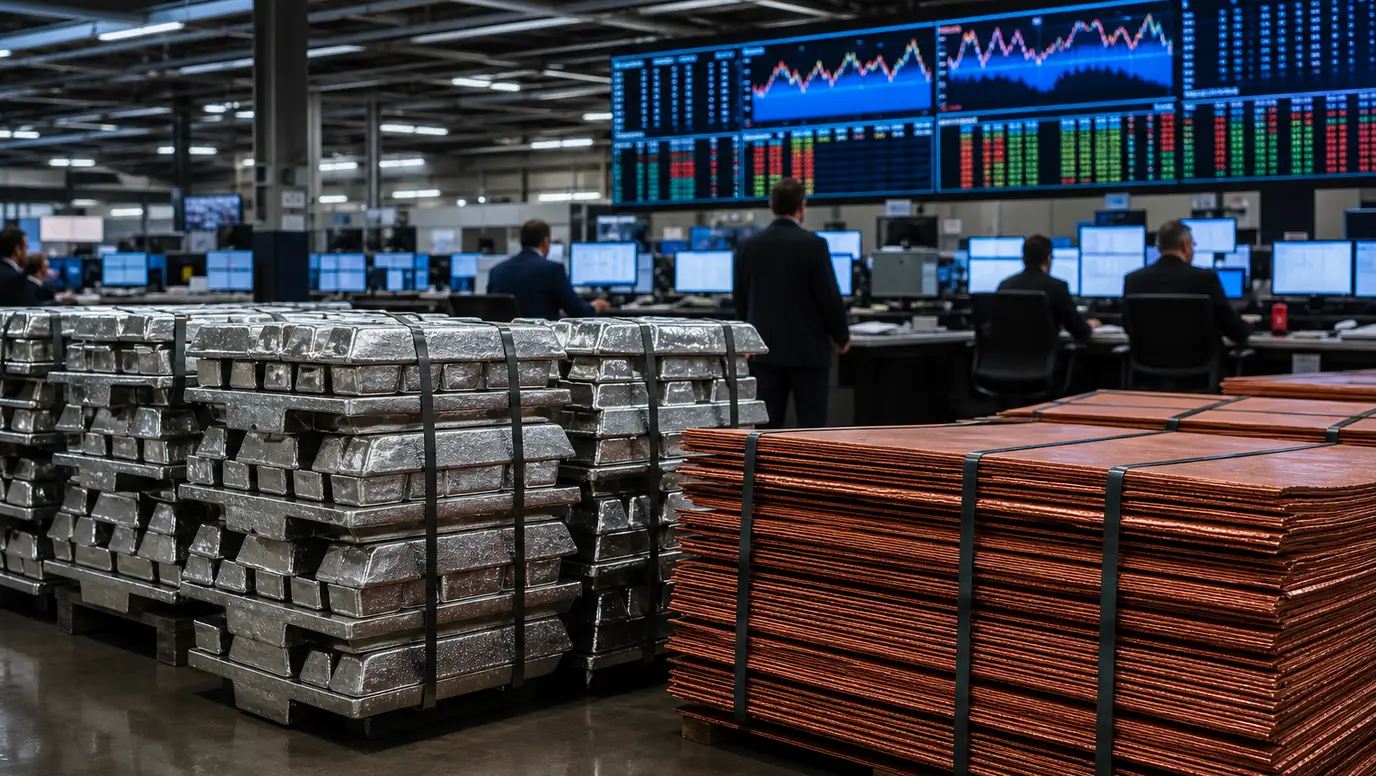
JULY 21, 2026
Aluminum and Copper Rally Puts Metals Market on Tariff Watch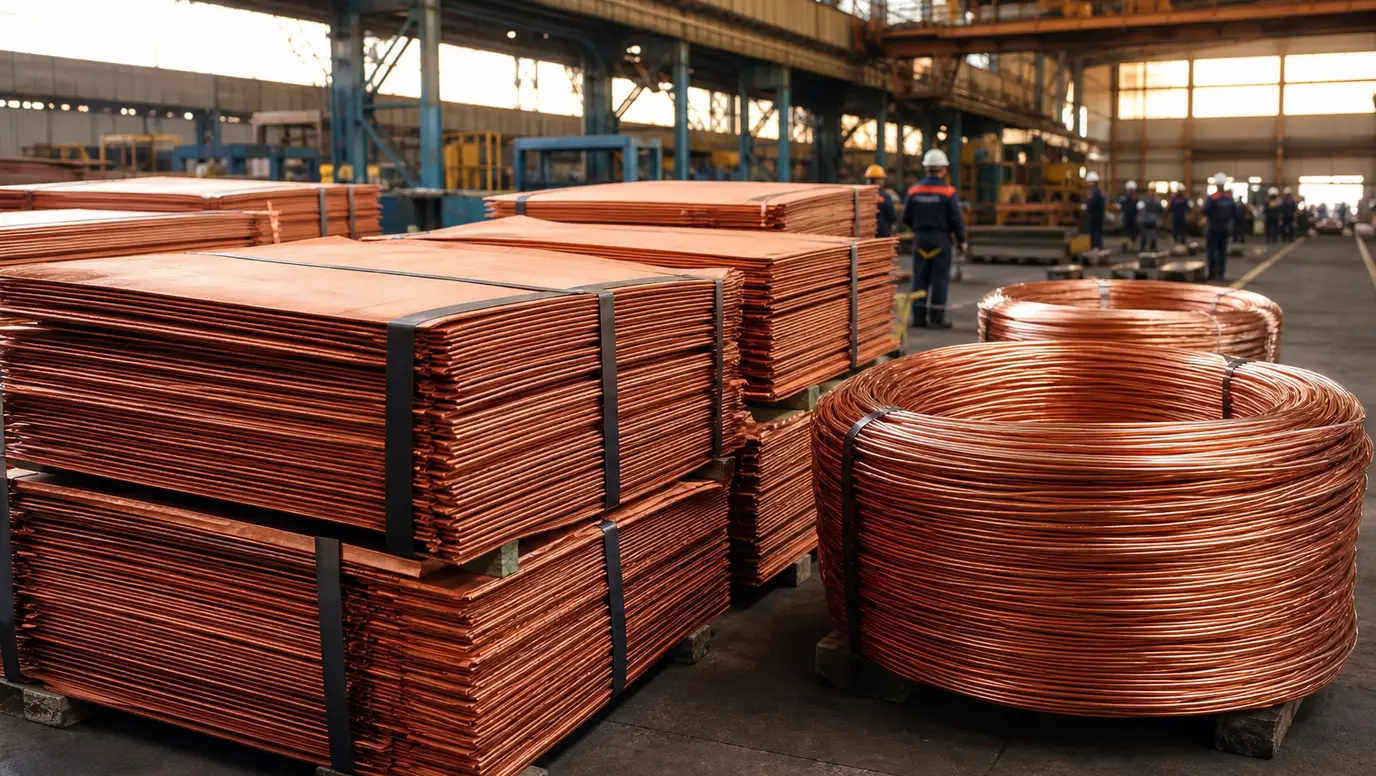
JULY 15, 2026
Copper Prices Lead Metals Market as China Demand Puts Supply Tightness Back in Focus
JULY 14, 2026
Gold and Silver Jump as Cool CPI Pulls Metals Market Back Toward Real-Yield Trade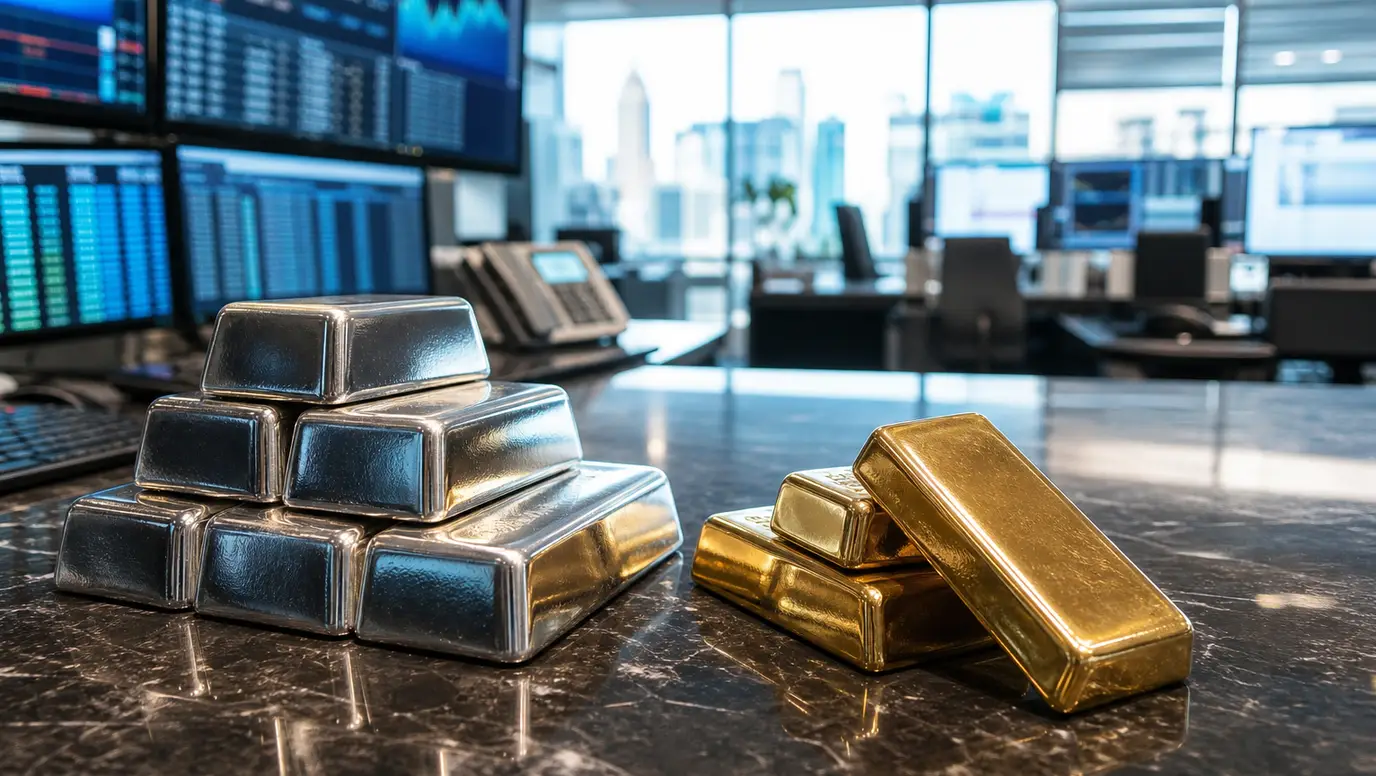
JULY 13, 2026
Silver Slides as Yield Shock Overpowers Haven Demand in Metals Market
JULY 12, 2026
Gold Bulls Face Oil-Inflation Trap as Metals Market Watches $4,000 Support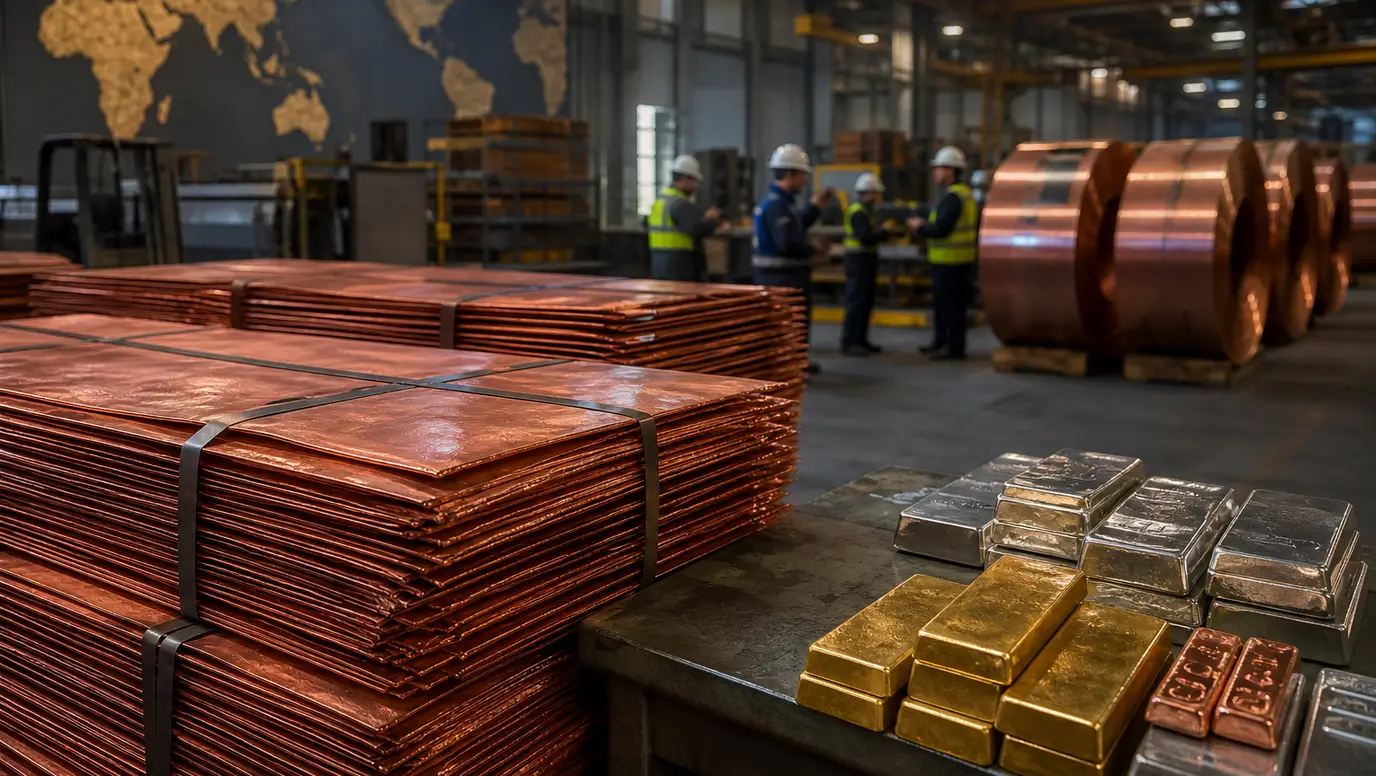
JULY 11, 2026
Copper Premium Takes Center Stage as Metals Market Weighs Tariff Risk and Fed Headwinds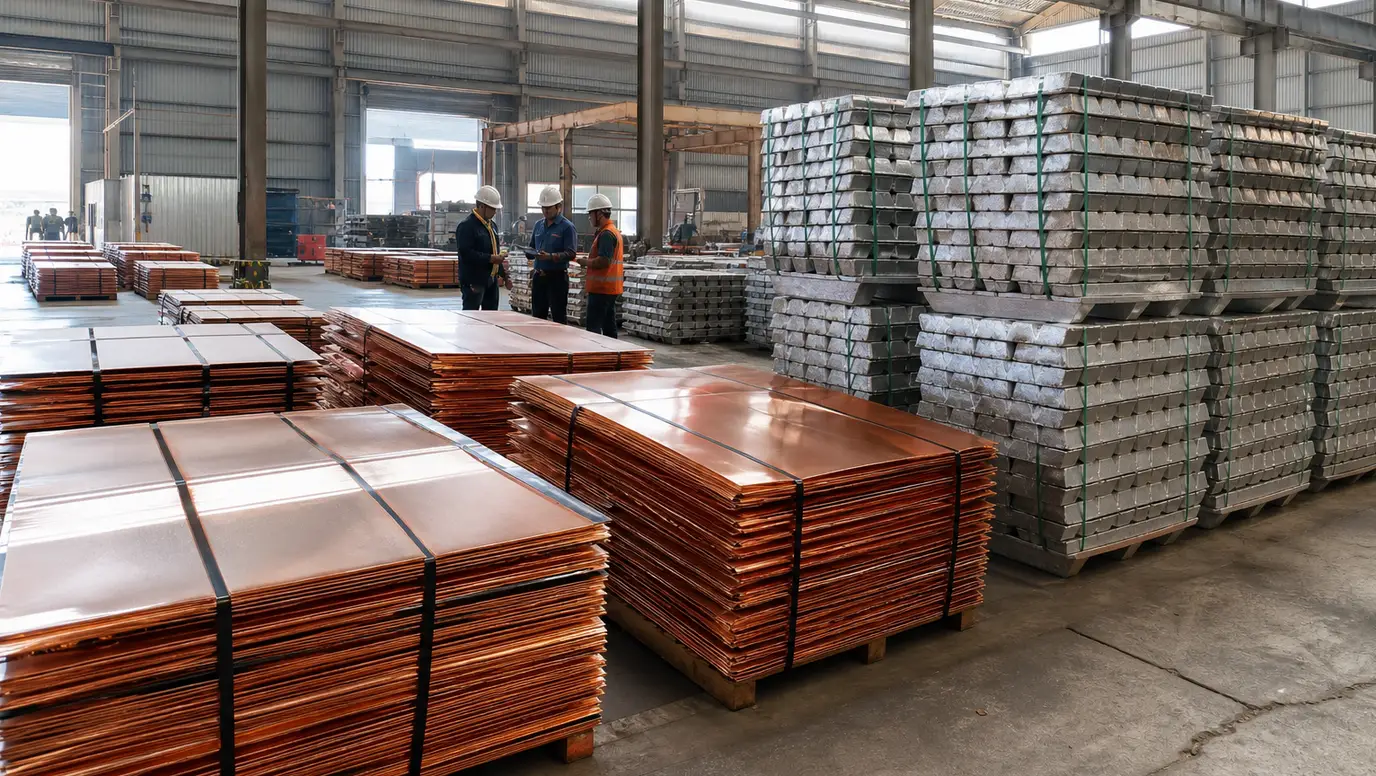
JULY 9, 2026
Copper Retreats as Gulf Tension Turns Base Metals Toward Demand Risk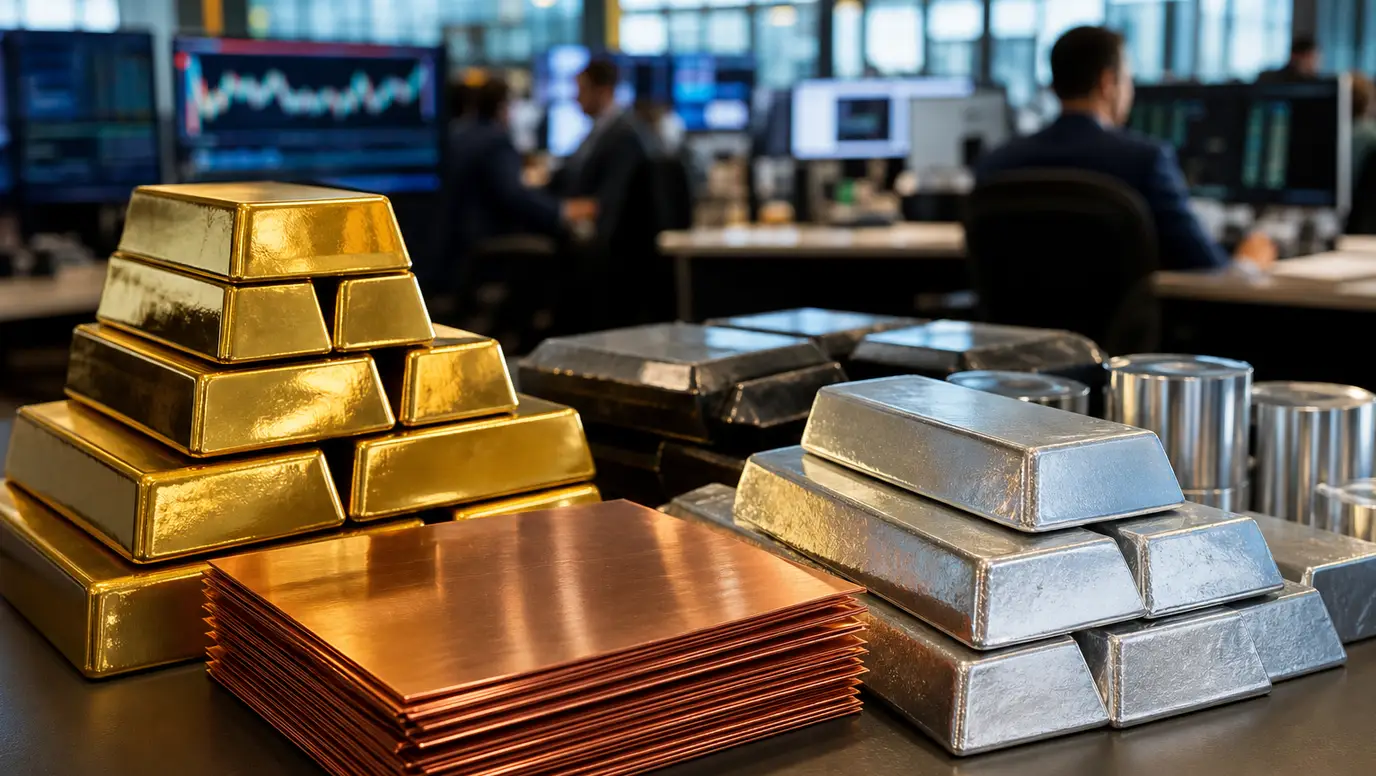
JULY 8, 2026
Gold Loses Haven Bid as Dollar Strength Splits the Metals Market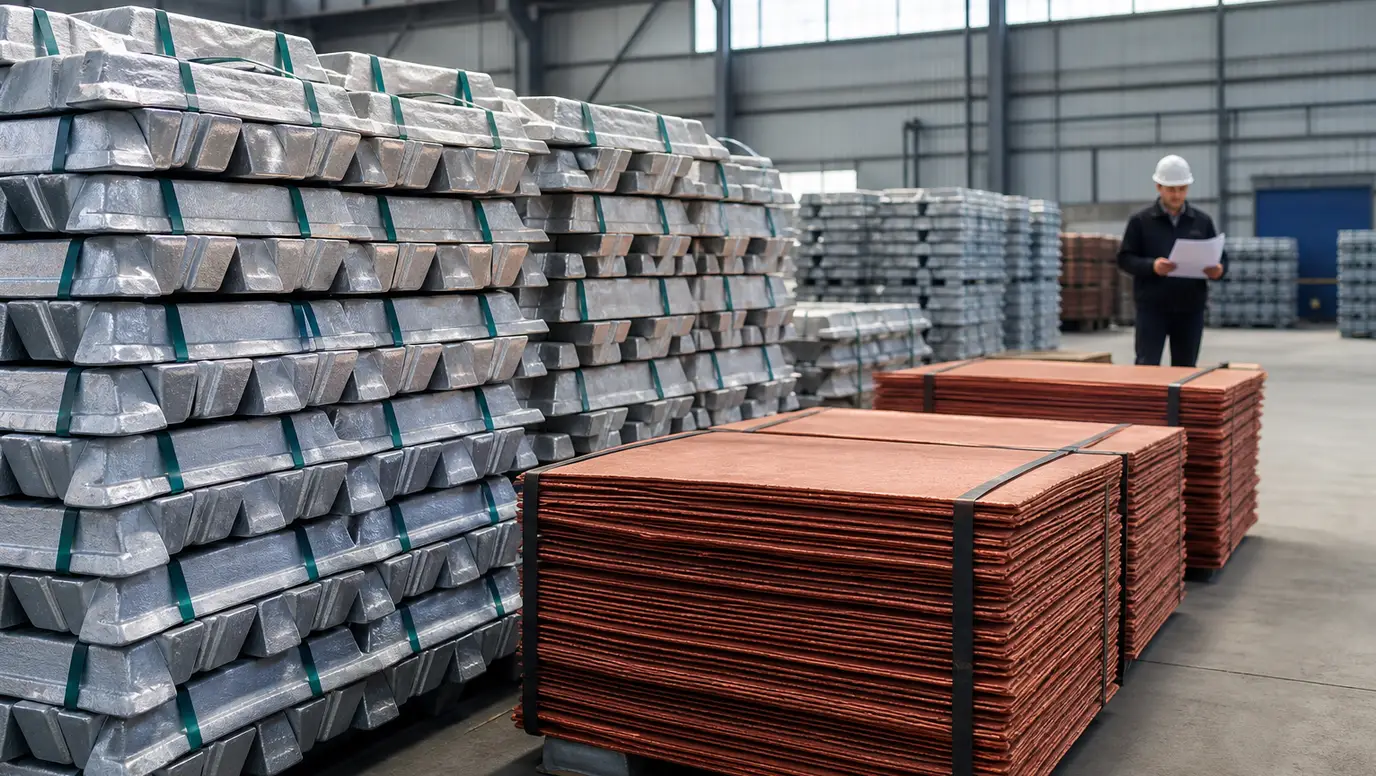
JULY 3, 2026
Aluminum and Copper Rebound as Softer Dollar Revives Base Metals Demand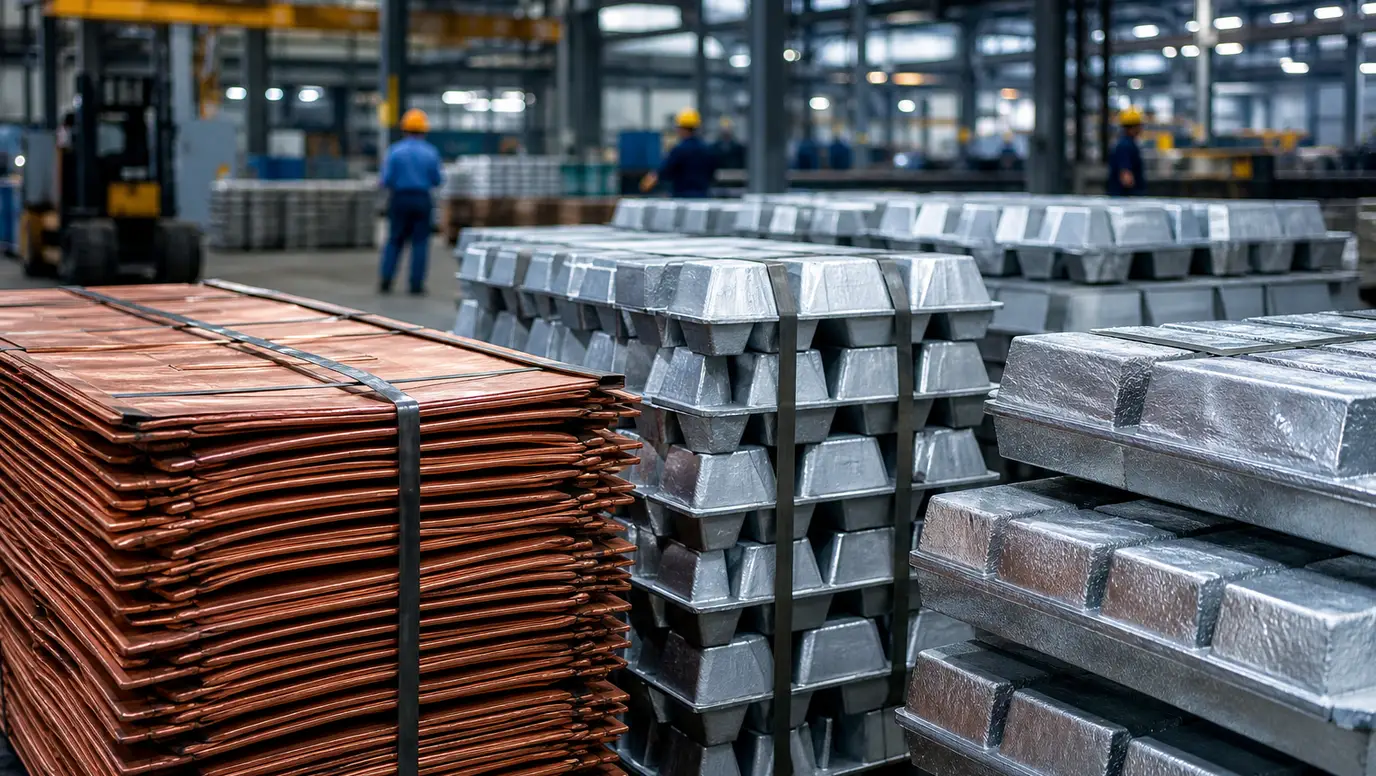
JULY 1, 2026
Copper Leads Metals Lower as Tariff Uncertainty Hits Aluminum and Zinc
JUNE 28, 2026
Copper Tariff Deadline Overtakes Gold Rebound as Metals Market Enters Quarter-End