
OCTOBER 5, 2026
Lead Futures Rebound as Warehouse Drawdown Puts Battery Metal Back on Metals WatchLead futures recover after a weak week as lower warehouse stocks, battery demand and Fed rate expectations shape metals sentiment.

© 1box.site 2026

JULY 24, 2026
Lead moved back onto the metals market radar on Friday as a rapid build in exchange-monitored inventories forced traders to reassess the balance between visible supply, battery demand and near-term price risk. The battery metal has been less prominent than copper, aluminum or precious metals in recent sessions, but the latest warehouse signals have made lead one of the more closely watched base metals heading into the end of July.
Market attention has centered on a sharp increase in reported lead stocks, with visible inventories recently reaching the highest zone in years. That build has reinforced the view that physical supply is not scarce in the near term, even as some traders prepare to move material out of registered storage. For investors, the key question is whether the withdrawals represent genuine end-user demand or a reshuffling of stock within the broader financing and warehouse system.
The latest lead story is not simply about price direction. It is about market structure. When inventories climb quickly, the metal can trade with a softer nearby tone because buyers have less urgency to secure immediate supply. A wide contango, where later-dated contracts trade above nearby metal, often reinforces that message by rewarding storage rather than immediate consumption.
That dynamic matters because lead is heavily tied to replacement battery demand, especially for vehicles and backup power systems. Unlike some energy-transition metals, lead does not usually trade on a single dramatic growth narrative. Instead, it is driven by a steadier mix of battery replacement cycles, recycling flows, smelter output, freight costs and regional demand from automotive and industrial users.
The recent jump in warehouse stocks suggests that more metal has become available to the exchange system than the market expected. At the same time, planned cancellations and withdrawals show that traders are not treating the stockpile as static. If large tonnages leave storage without a matching improvement in consumption, the move could be viewed as logistical rather than bullish. If the withdrawals are tied to real battery-sector orders, sentiment could stabilize more quickly.
Lead demand remains closely linked to the health of the replacement battery market. Seasonal patterns can support orders when vehicle usage rises, but weaker consumer spending, slower auto sales or cautious distributor restocking can blunt that effect. In China and other major manufacturing hubs, battery producers have also faced pressure from tight margins and uneven downstream orders, keeping the demand outlook mixed.
For metals traders, this makes lead a more technical market than a headline-driven one. The immediate focus is likely to remain on daily stock changes, cancelled warrants, cash-to-three-month spreads and any signs that physical premiums are firming outside exchange warehouses. A sustained drawdown in stocks accompanied by stronger nearby spreads would point to improving consumption. A high stockpile alongside a persistent contango would keep surplus concerns in place.
The U.S. dollar and Treasury yields add another layer of pressure. A firm dollar can make dollar-priced metals more expensive for non-U.S. buyers, while higher yields reduce the appeal of holding non-income-producing commodities. Although lead is primarily an industrial metal, it is still vulnerable to broad commodity fund flows when macro traders reduce exposure to cyclical assets.
The broader metals market has spent much of the week rotating between supply-risk stories and macro caution. Copper has drawn attention from elevated prices and supply worries, while precious metals have been sensitive to inflation expectations and central bank policy. Lead now offers a different signal: a market where the visible stockpile is large, but the movement of that stock could still create short bursts of volatility.
That combination may keep lead in focus even if outright price moves remain contained. A large inventory buffer usually limits panic buying, but it can also attract spread traders, warehouse operators and physical merchants looking for opportunities in location, timing and financing. As a result, lead may trade less like a simple demand story and more like a warehouse-flow story in the near term.
For investors tracking the metals market, the takeaway is cautious rather than aggressively bearish. High inventories argue against a tightness narrative, but planned withdrawals prevent the surplus signal from being one-dimensional. Until traders see whether the latest stock movements translate into stronger physical demand, lead is likely to remain a watchlist metal rather than a confirmed breakout trade.
OCTOBER 5, 2026
Lead Futures Rebound as Warehouse Drawdown Puts Battery Metal Back on Metals Watch
SEPTEMBER 27, 2026
Gold Futures Slip as Sticky Inflation and Fed Rate Bets Cap Metals Market Rebound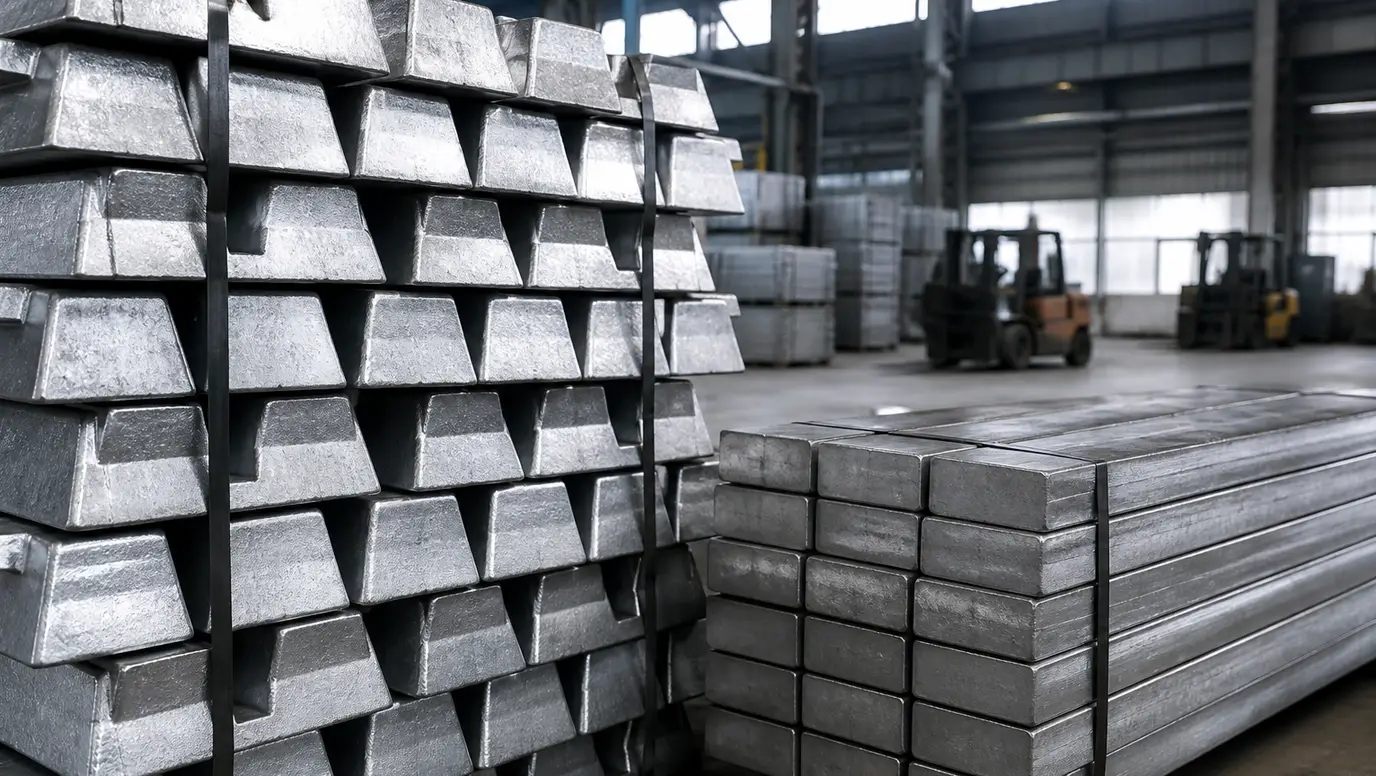
SEPTEMBER 18, 2026
Zinc Futures Squeeze Lifts Metals Market as Lead Inventories Tighten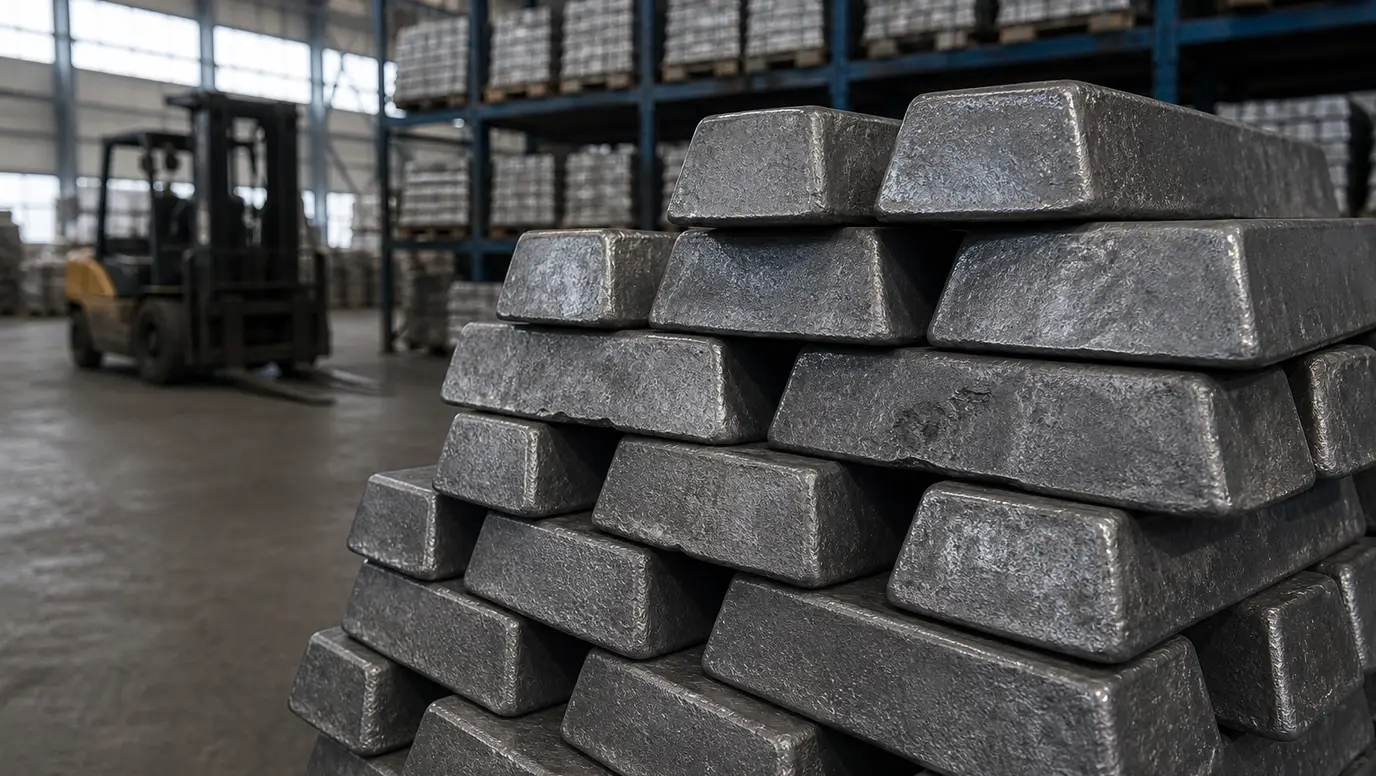
SEPTEMBER 5, 2026
Lead Lags Metals Market as Inventory Draws Fail to Shift Demand Doubts
AUGUST 15, 2026
Aluminum Keeps Metals Market on Inventory Watch as China Demand Offsets Tariff Risk
AUGUST 12, 2026
Lead Stocks Swing Puts Metals Market on Warehouse Watch After CPI Relief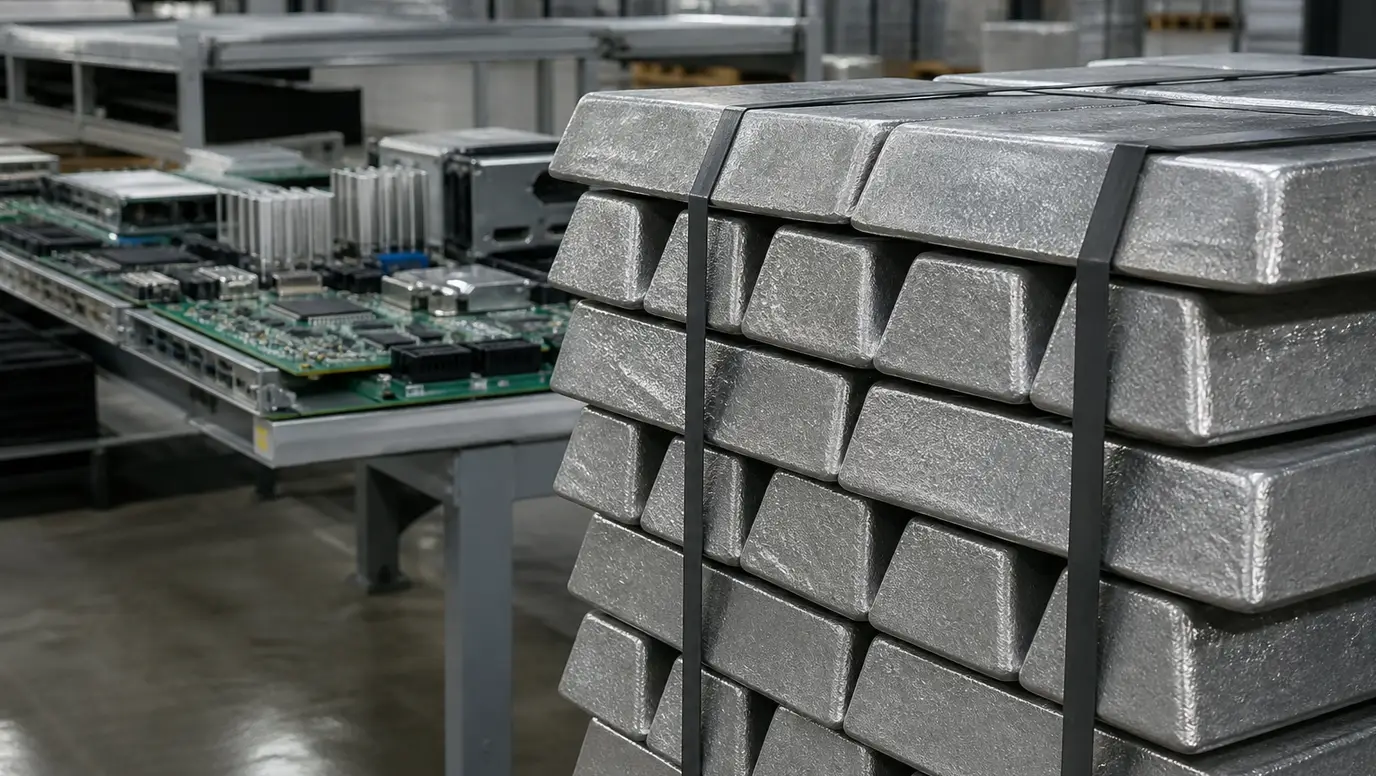
AUGUST 7, 2026
Tin Keeps Metals Market on Supply Watch as AI Demand Supports Commodities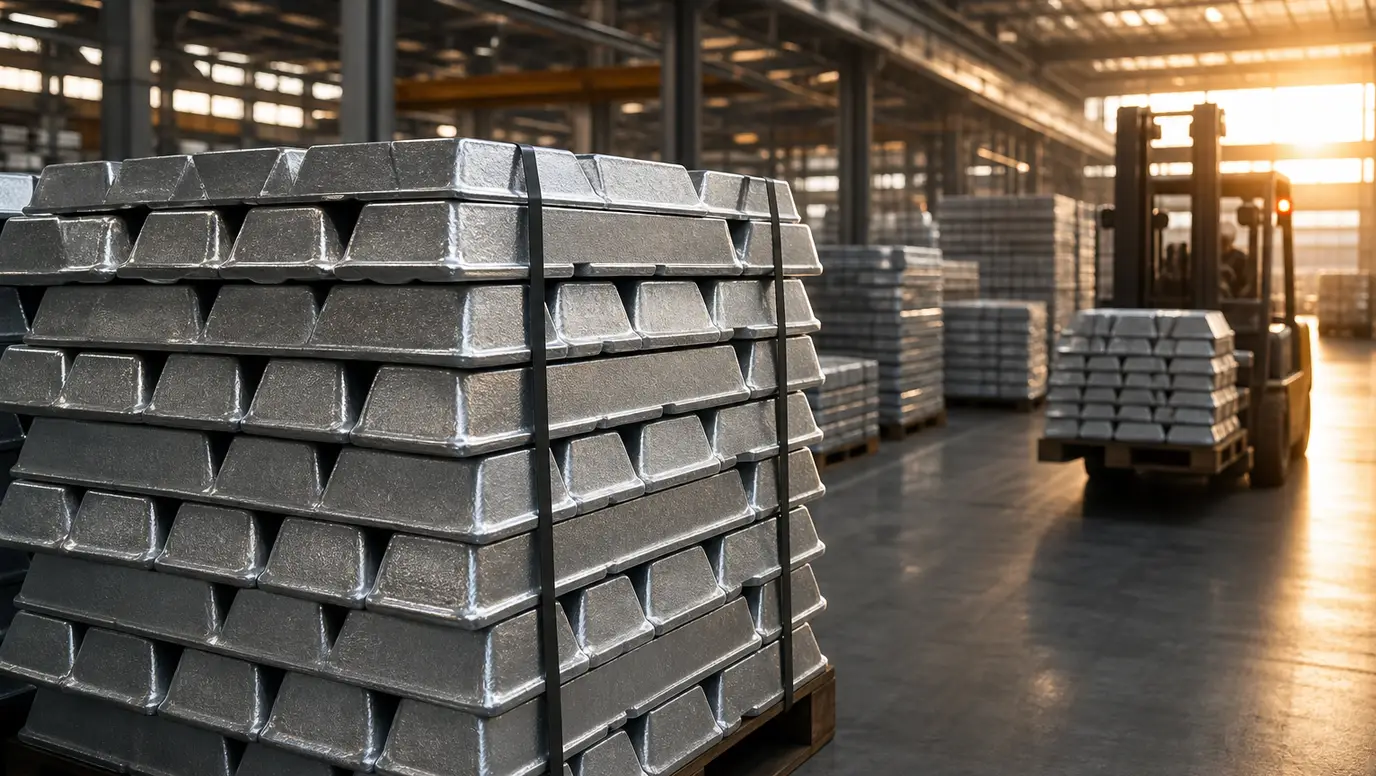
AUGUST 4, 2026
Aluminum Premium Squeeze Keeps Metals and Commodities Traders Focused on U.S. Tariffs
AUGUST 2, 2026
Lead Rebound Tests Metals and Commodities as Warehouse Overhang Caps Rally
JULY 30, 2026
Palladium Rebound Stalls as Metals and Commodities Traders Weigh Auto Demand
JULY 29, 2026
Aluminum Stockpile Drain Puts Metals and Commodities on Premium Watch
JULY 28, 2026
Copper Tightness Puts Metals and Commodities Traders on China Supply Watch
JULY 25, 2026
Tin Tightness Puts Metals and Commodities Traders on Solder Supply Watch
JULY 15, 2026
Copper Prices Lead Metals Market as China Demand Puts Supply Tightness Back in Focus
JULY 14, 2026
Gold and Silver Jump as Cool CPI Pulls Metals Market Back Toward Real-Yield Trade
JULY 13, 2026
Silver Slides as Yield Shock Overpowers Haven Demand in Metals Market
JULY 12, 2026
Gold Bulls Face Oil-Inflation Trap as Metals Market Watches $4,000 Support
JULY 11, 2026
Copper Premium Takes Center Stage as Metals Market Weighs Tariff Risk and Fed Headwinds
JULY 9, 2026
Copper Retreats as Gulf Tension Turns Base Metals Toward Demand Risk
JULY 3, 2026
Aluminum and Copper Rebound as Softer Dollar Revives Base Metals Demand
JUNE 28, 2026
Copper Tariff Deadline Overtakes Gold Rebound as Metals Market Enters Quarter-End