OCTOBER 23, 2026
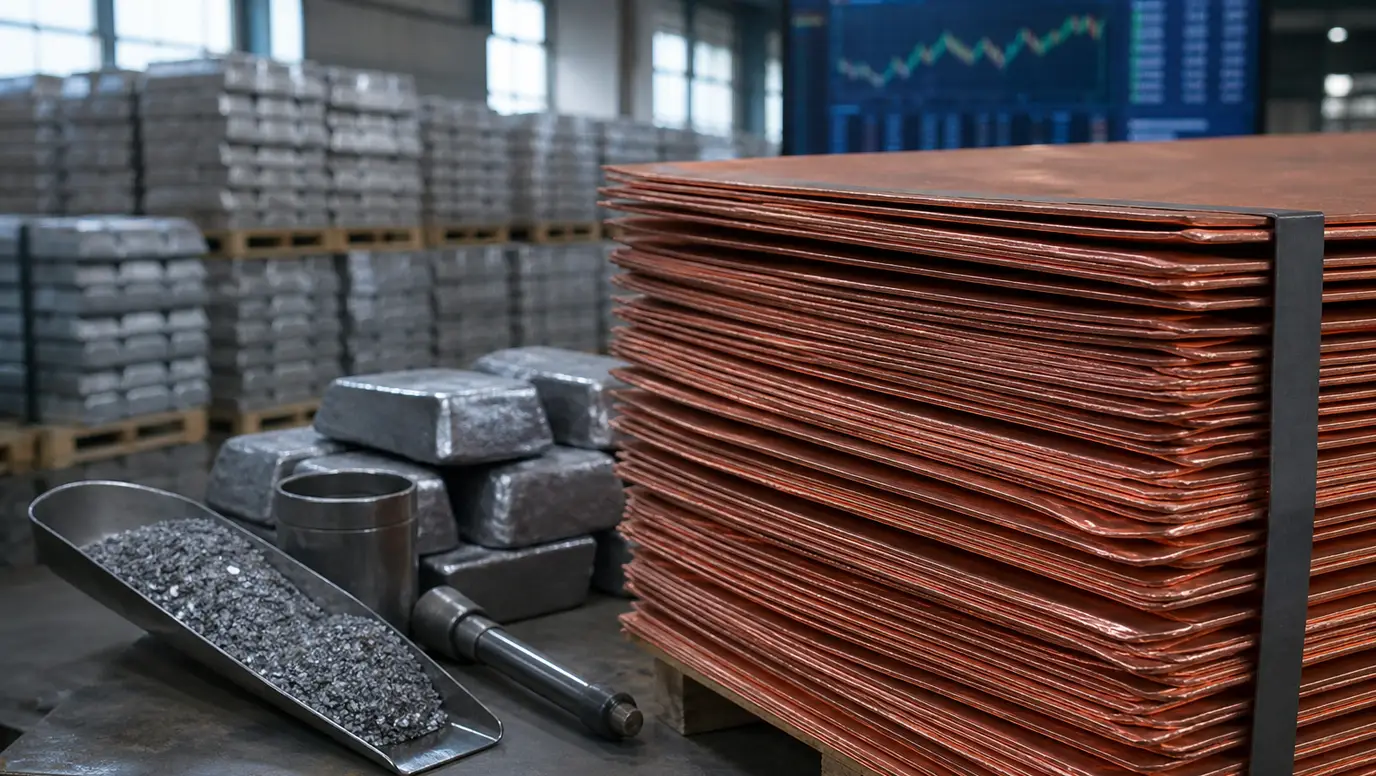
Copper Metals Market Rebounds as Nickel Slips on Indonesia Cut WatchCopper rebounds as risk appetite steadies, while nickel slips as traders await firmer signals on Indonesian output cuts.

© 1box.site 2026
JULY 21, 2026
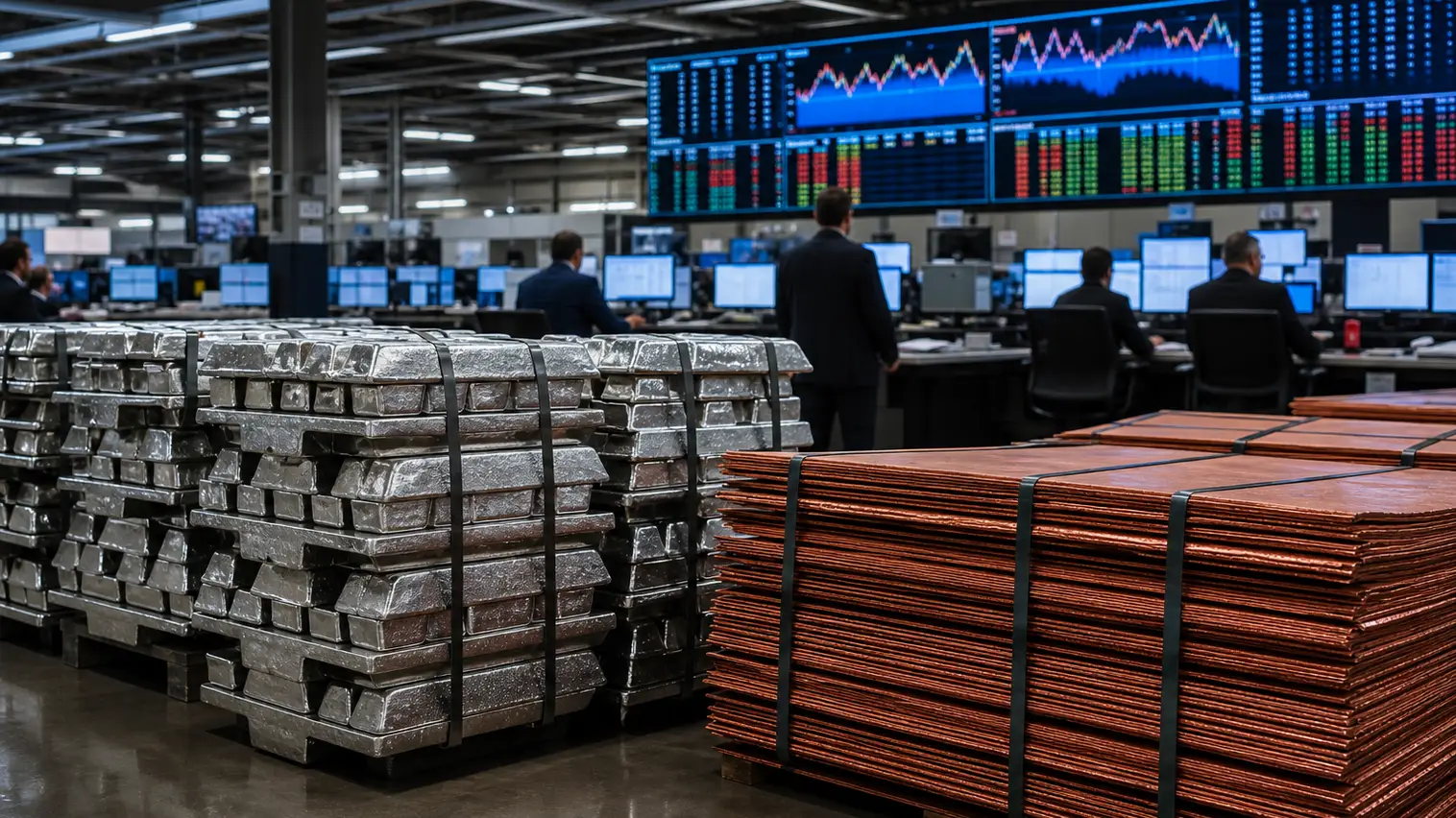
Base metals moved back to the center of commodity trading on Tuesday as aluminum and copper drew fresh buying, giving the metals market a stronger current news pulse than precious metals or major currency pairs. The latest move was driven by a mix of tighter physical indicators, firmer Chinese demand signals and renewed attention on US trade policy after Washington adjusted its stance on aluminum imports.
Copper touched its highest level in more than a month in London trading, supported by declining inventories and evidence that Chinese import appetite remains resilient despite broader macroeconomic caution. Aluminum also advanced as traders assessed the impact of a US tariff adjustment and the ongoing gap between American primary aluminum demand and domestic smelting capacity.
The rally does not remove the risk of sharp reversals. The US dollar remains relatively firm, energy-market volatility is feeding inflation concerns, and the Federal Reserve’s next policy decision is approaching. Still, Tuesday’s metals action suggests traders are paying more attention to real-economy supply tightness than to broad risk aversion alone.
Aluminum’s move was notable because it combined macro and policy drivers. The US tariff adjustment highlighted a persistent structural issue: domestic primary aluminum output is not enough to cover demand from transport, packaging, construction and industrial users. When policy signals point to tighter import conditions, buyers tend to price in a higher premium for reliable supply.
That dynamic matters for the wider metals market because aluminum is a large-volume industrial metal with direct links to manufacturing cycles. If import costs rise or supply chains become more selective, downstream users may increase forward buying, adjust inventories or pass costs into product prices. Those actions can reinforce short-term price strength even when global growth expectations are mixed.
The market is also watching global production trends. Lower monthly primary output in some regions can quickly change sentiment when inventories are already sensitive. In this environment, aluminum is trading less like a passive macro proxy and more like a metal with its own supply story.
Copper’s advance added weight to the bullish base-metals tone. The metal is often treated as a barometer for construction, power-grid investment, electric vehicles and data-center infrastructure. Its latest rise was supported by reports of strong Chinese buying and tighter available stocks, both of which can offset concerns about higher energy prices or geopolitical uncertainty.
A stronger Chinese import premium signaled that physical buyers were willing to pay more to secure material. That is important because paper-market rallies can fade quickly if they are not confirmed by real demand. In this case, the physical backdrop gave traders a clearer reason to chase copper higher rather than treat the move as a purely speculative bounce.
Copper’s rally also kept attention on other base metals. Zinc, nickel, lead and tin traded firmer alongside the red metal, suggesting the move was not isolated. When several industrial metals rise together, funds often interpret the pattern as a broader tightening signal rather than a single-contract squeeze.
The main restraint is the macro backdrop. A firm US dollar usually makes dollar-priced commodities more expensive for non-US buyers, while higher Treasury yields can reduce the appeal of non-yielding or inventory-heavy assets. Even for industrial metals, the Federal Reserve outlook remains important because borrowing costs influence manufacturing demand, warehouse financing and speculative positioning.
Energy-market volatility is another complication. Higher oil prices can lift production and transport costs for miners and smelters, but they can also raise inflation expectations and keep central banks cautious. That creates a mixed setup for metals: supply costs may rise, yet demand expectations can weaken if tighter monetary policy lasts longer.
For now, the base-metals rally looks more durable than a simple headline reaction, but it still needs confirmation. Traders will watch whether copper can hold its breakout zone, whether aluminum premiums continue to firm and whether Chinese buying remains visible after the latest price jump. If those signals persist, metals could keep outperforming other market sections in the near term.
OCTOBER 23, 2026
Copper Metals Market Rebounds as Nickel Slips on Indonesia Cut Watch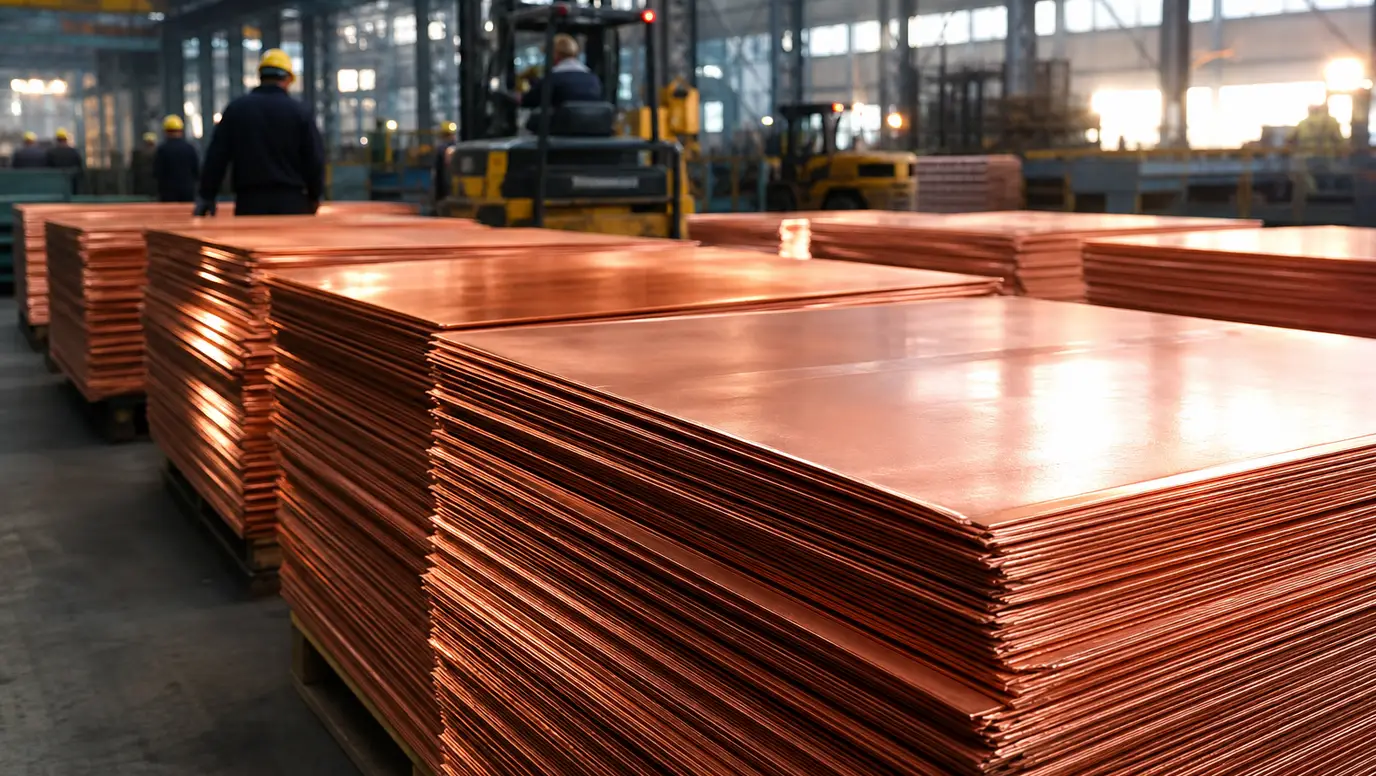
OCTOBER 18, 2026
Copper Metals Market Holds Near Record as Tight Stocks Offset Federal Reserve Shock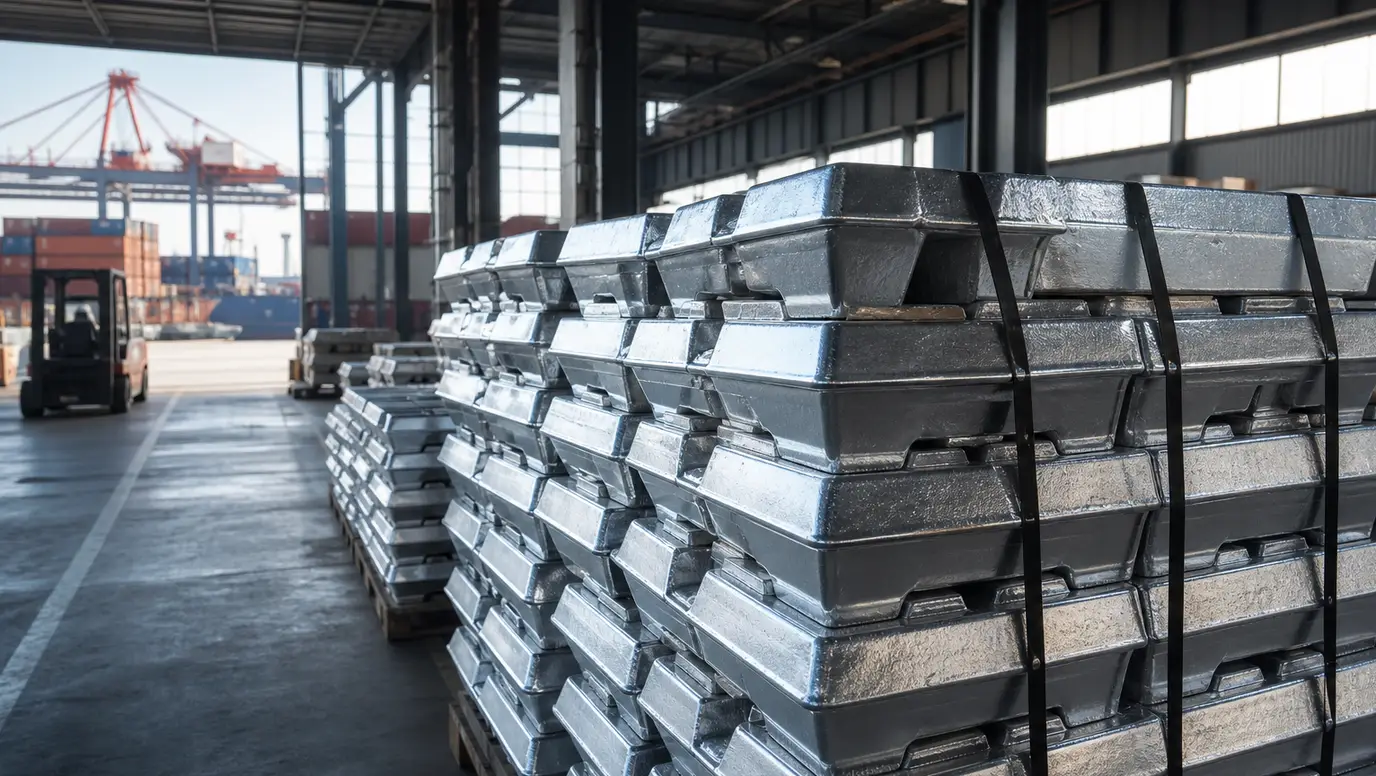
OCTOBER 14, 2026
Aluminum Metals Futures Hold Near $3,000 as Japan Premium Drop Masks Supply Stress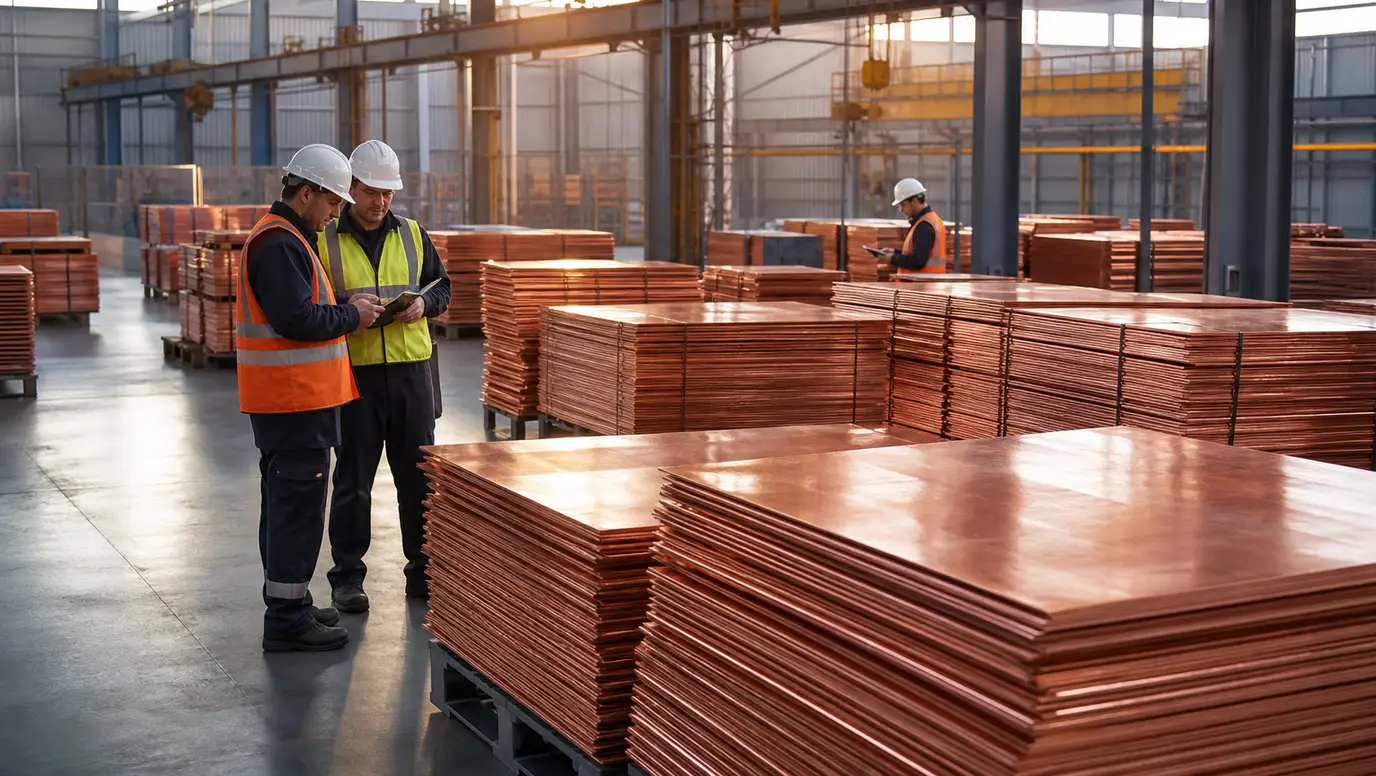
OCTOBER 12, 2026
Copper Metals Market Rises as China Premium and Tight LME Stocks Challenge US Dollar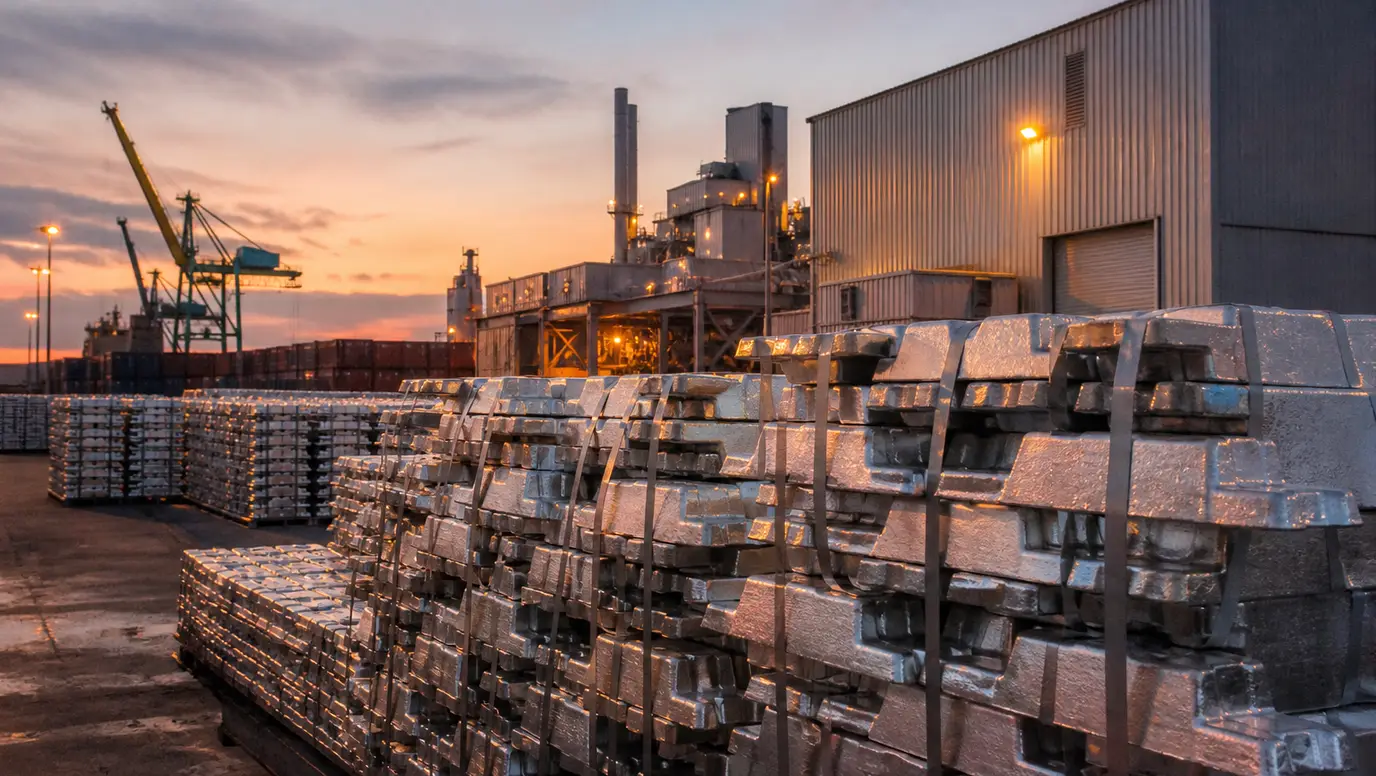
OCTOBER 7, 2026
Aluminum Rebound Tests Metals Market as Dollar Strength and China Lull Cap Buyers
OCTOBER 6, 2026
Copper Futures Rally Puts Metals Market Focus on Smelter Squeeze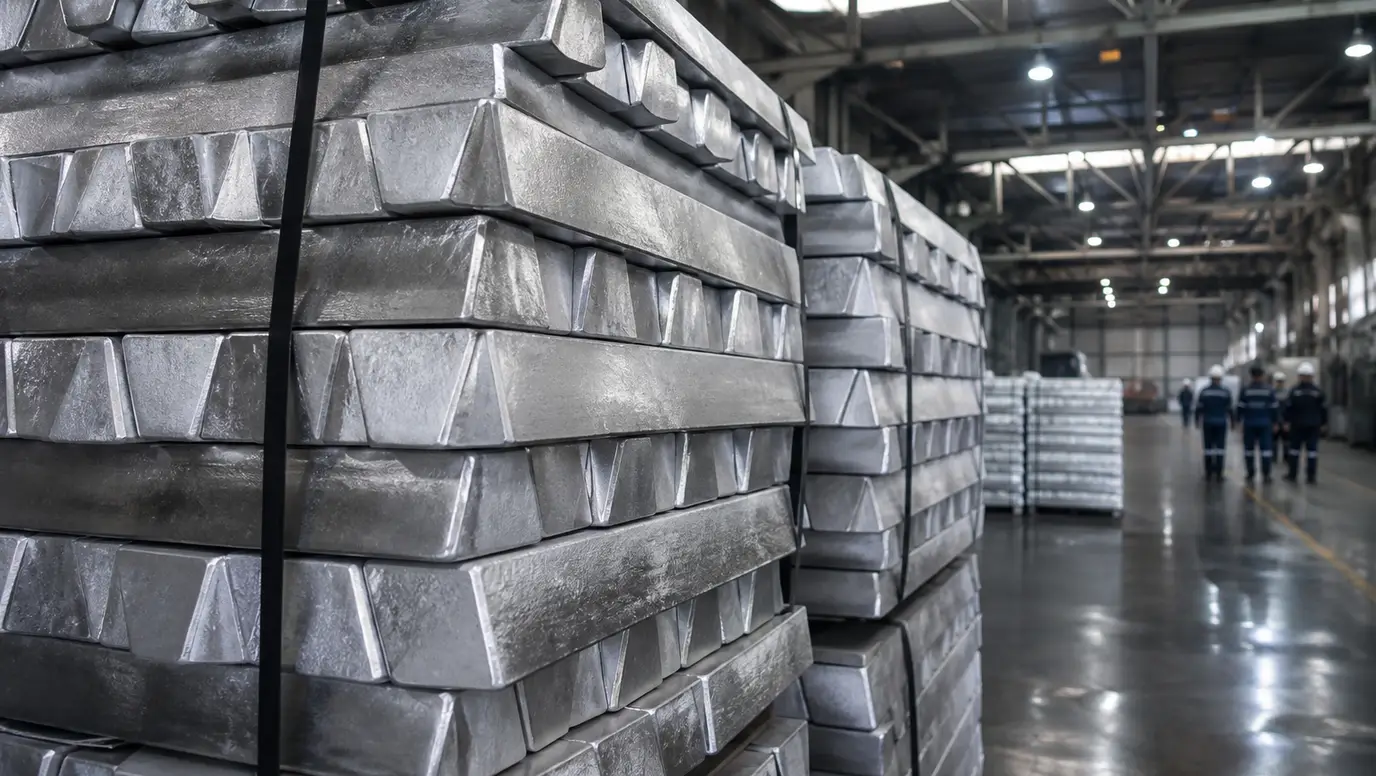
OCTOBER 1, 2026
Aluminum Slumps to 12-Week Low as Strong Dollar Hits Metals Market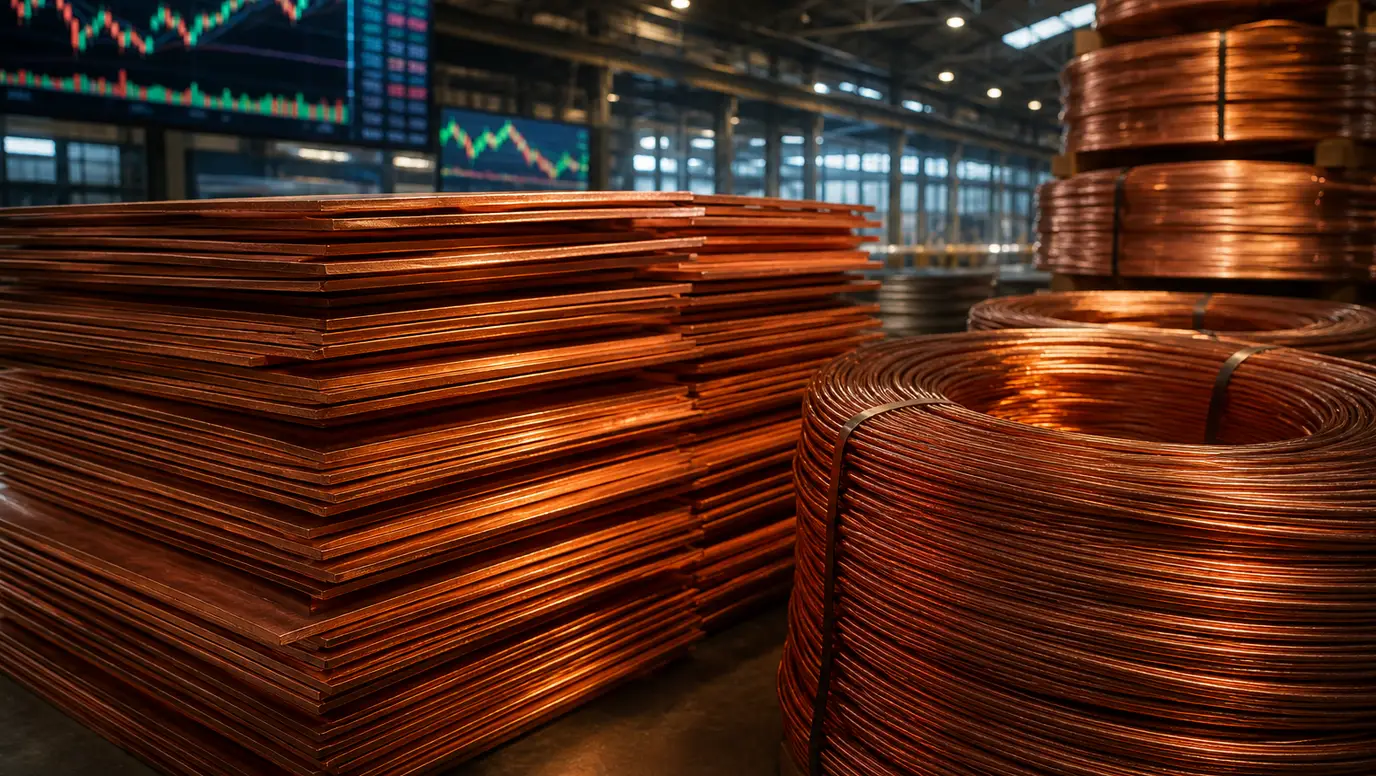
SEPTEMBER 30, 2026
Copper Futures Steady as Metals Market Weighs Dollar, Oil and Federal Reserve Risk
SEPTEMBER 25, 2026
Copper Futures Climb as China Tightness Puts Metals Market on Supply Watch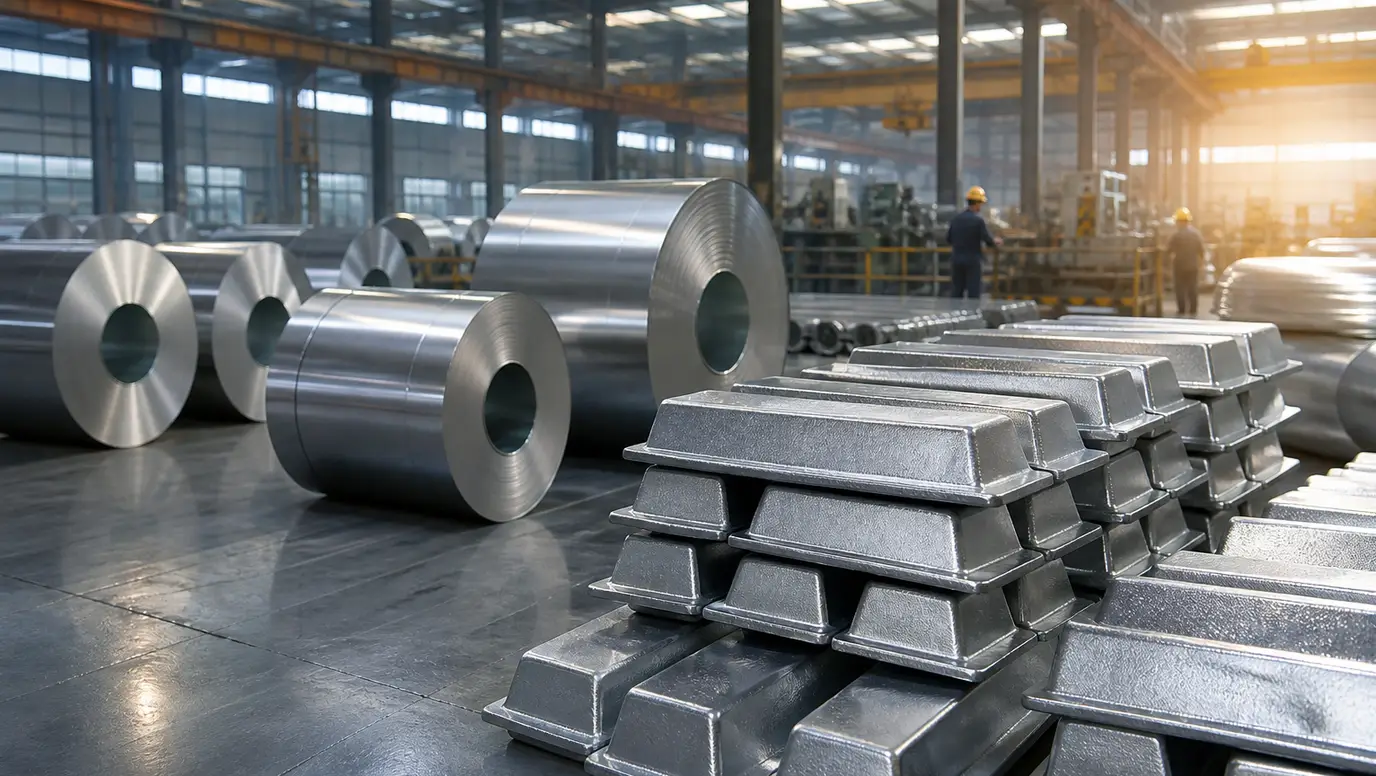
SEPTEMBER 24, 2026
Aluminum Futures Steady as China Destocking Offsets Metals Market Yield Pressure
SEPTEMBER 19, 2026
Copper Futures Rally Puts Metals Market on Federal Reserve and PMI Watch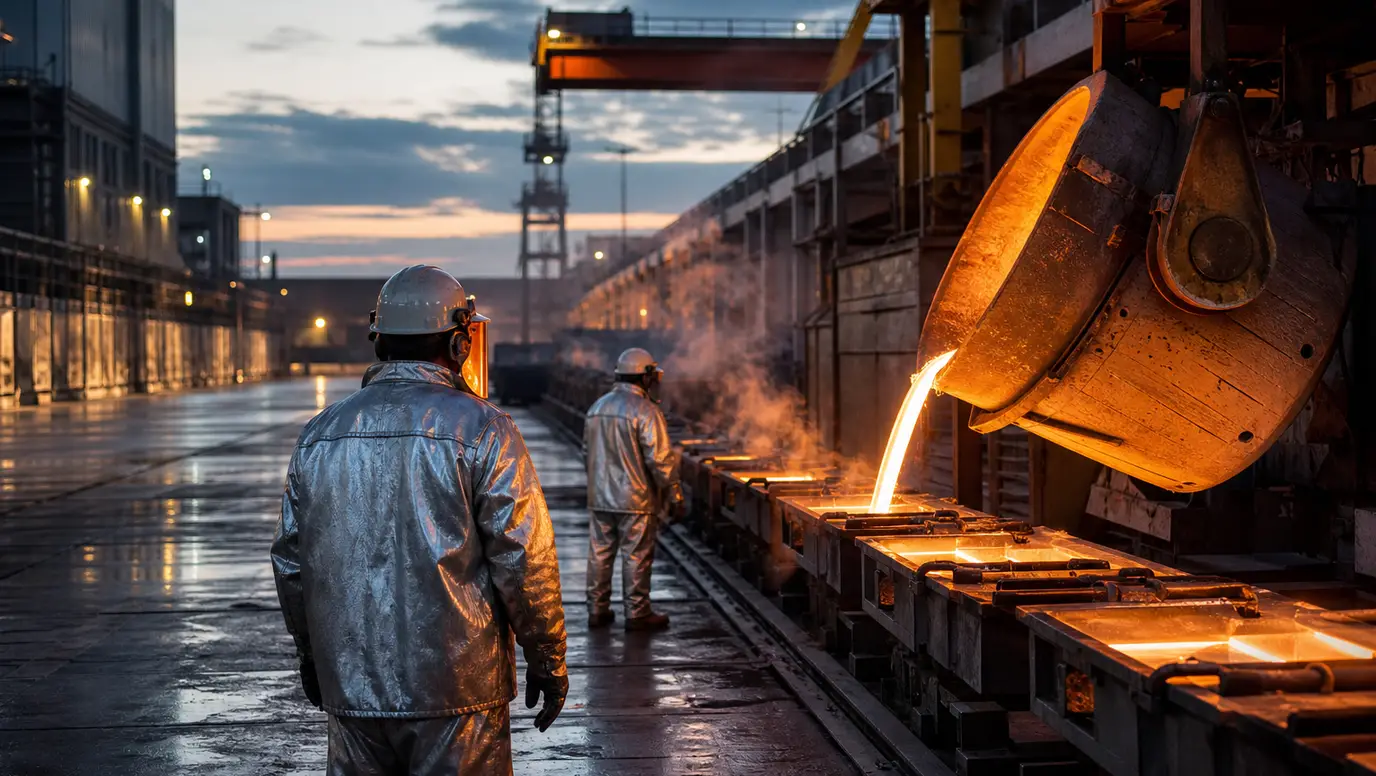
SEPTEMBER 16, 2026
Aluminum Rally Tests China Supply Cap as Metals Market Weighs Export Surge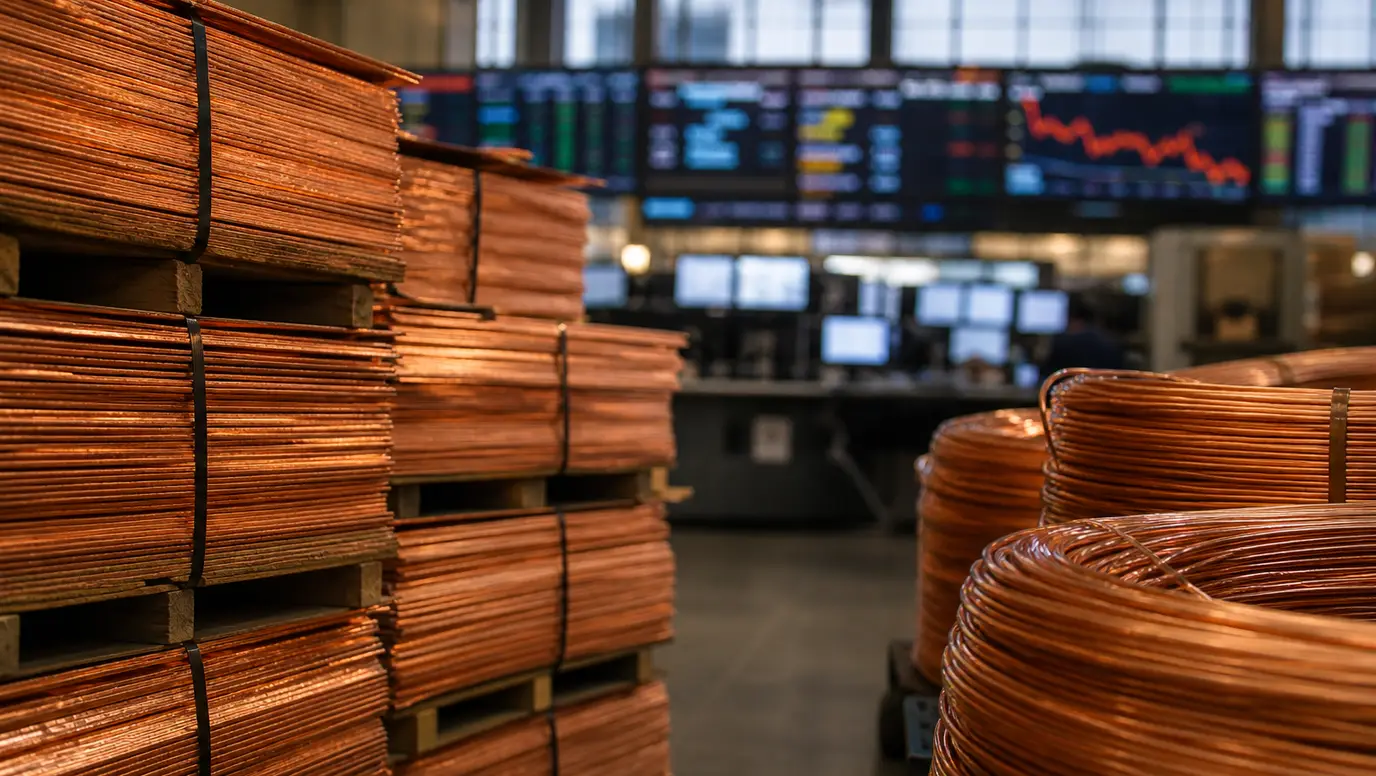
SEPTEMBER 13, 2026
Copper Futures Pullback Puts Metals Market on Tariff Doubt Watch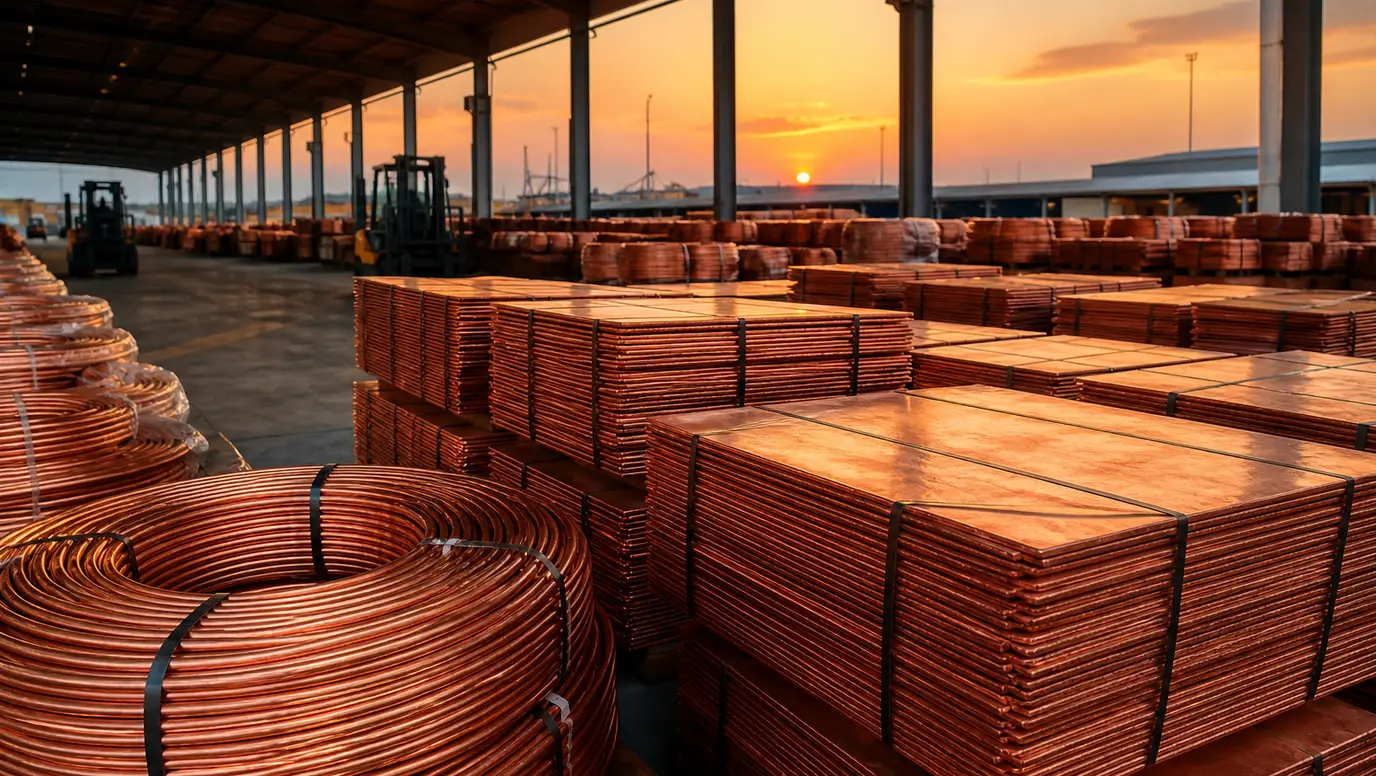
SEPTEMBER 8, 2026
Copper Hits Record High as Tariff Risk Tightens Metals Market Supply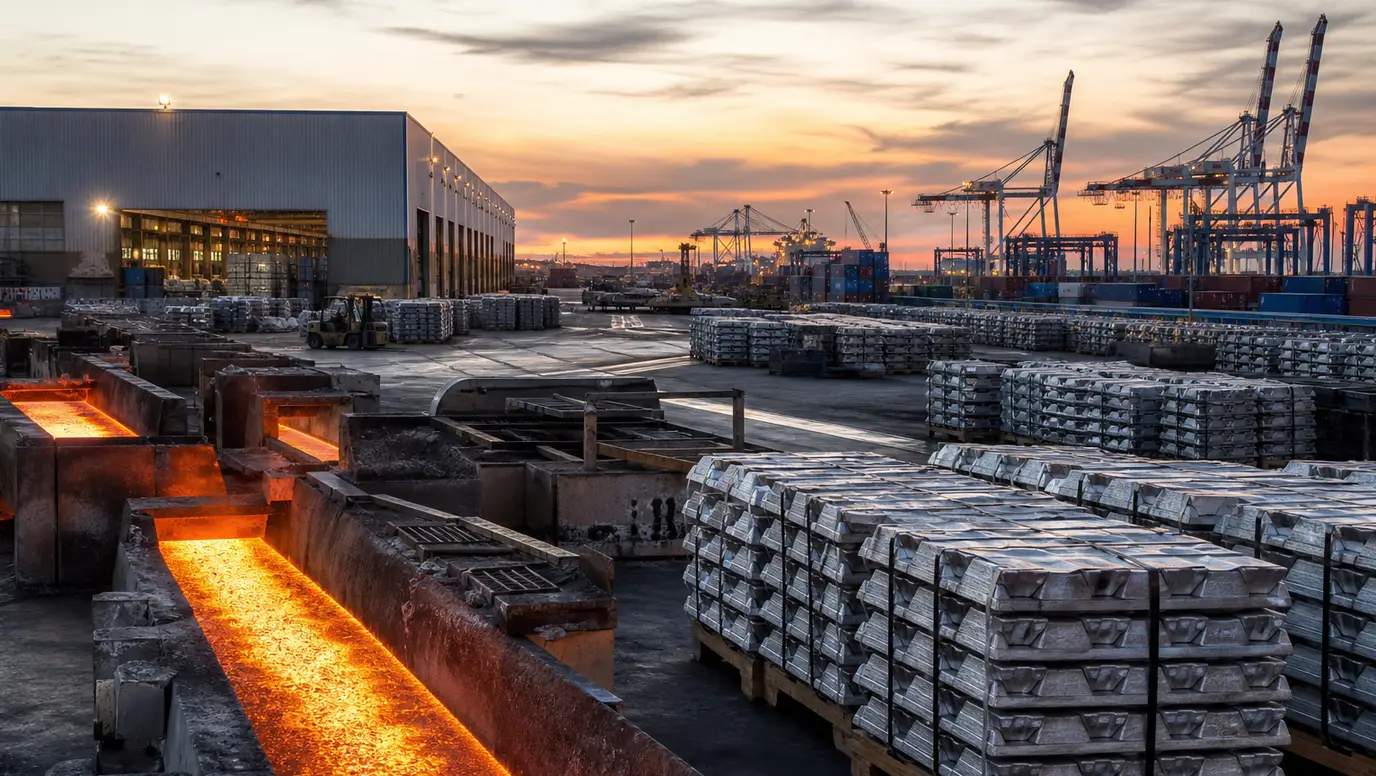
SEPTEMBER 6, 2026
Aluminum Futures Split Metals Market as Supply Risk Meets Soft China Demand
SEPTEMBER 2, 2026
Copper Pullback Hits Metals Market as Strong Dollar Revives Federal Reserve Rate Risk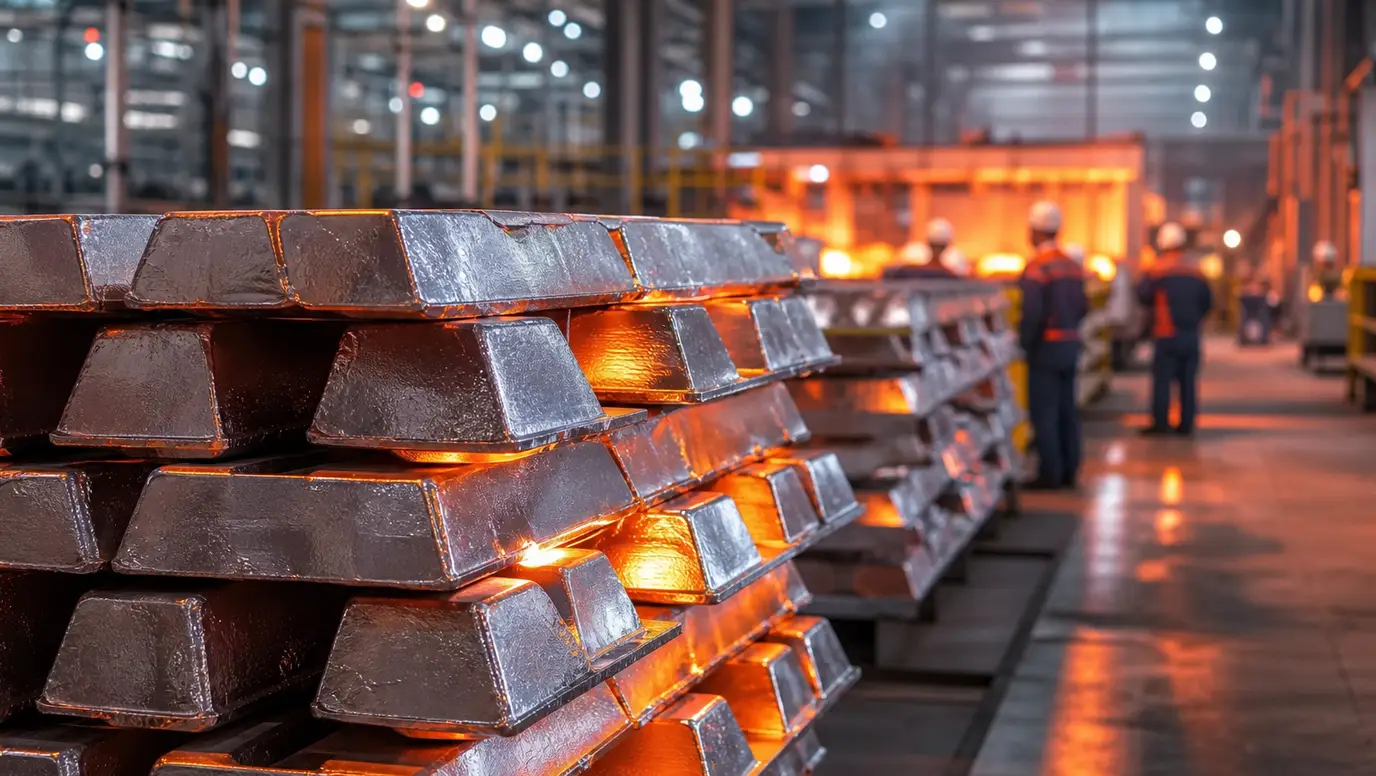
AUGUST 31, 2026
Aluminum Premiums Rebound as Metals Market Tracks Tariff Risk and Alumina Squeeze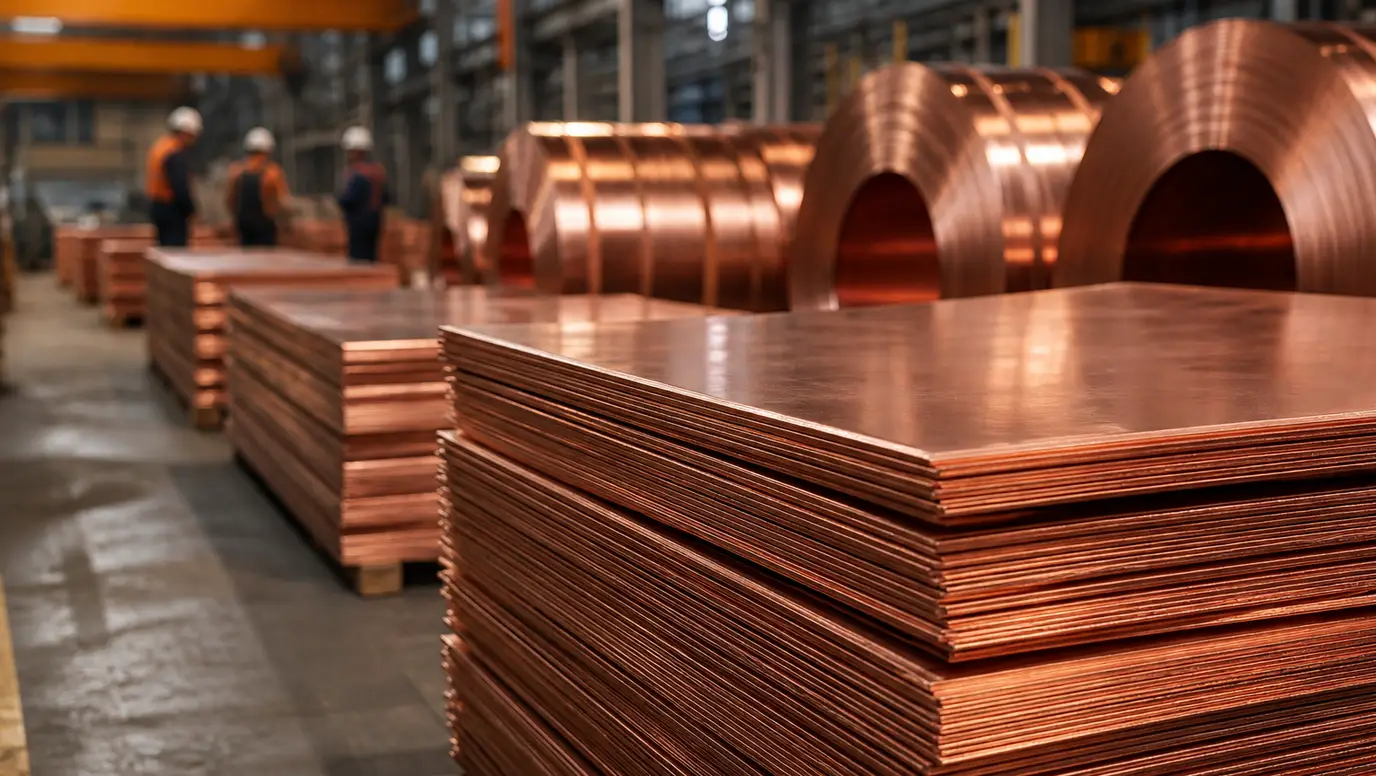
AUGUST 27, 2026
Copper Backwardation Puts Metals Market on Supply Stress Alert as Fed Risk Caps Rally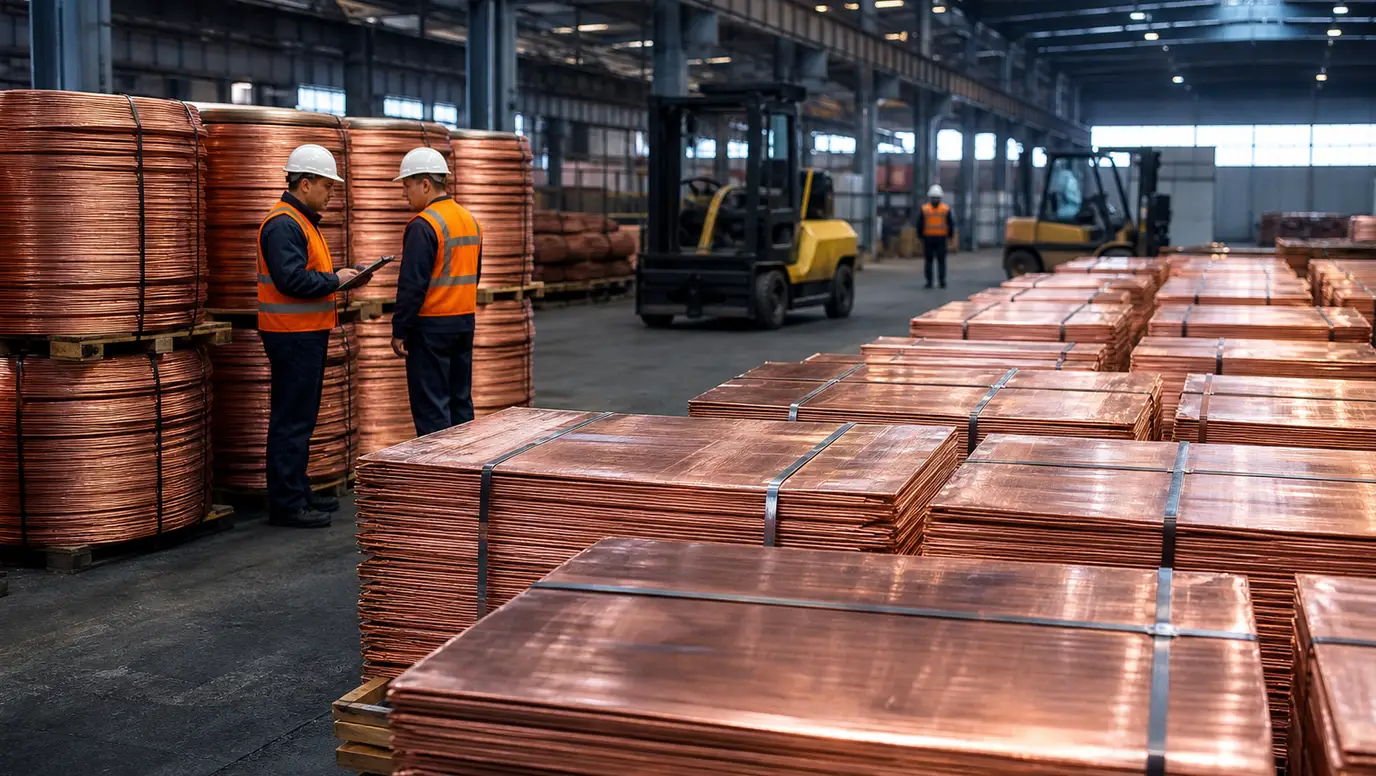
AUGUST 20, 2026
Copper Backwardation Puts Metals Market on Tariff Watch as Warehouse Stocks Fall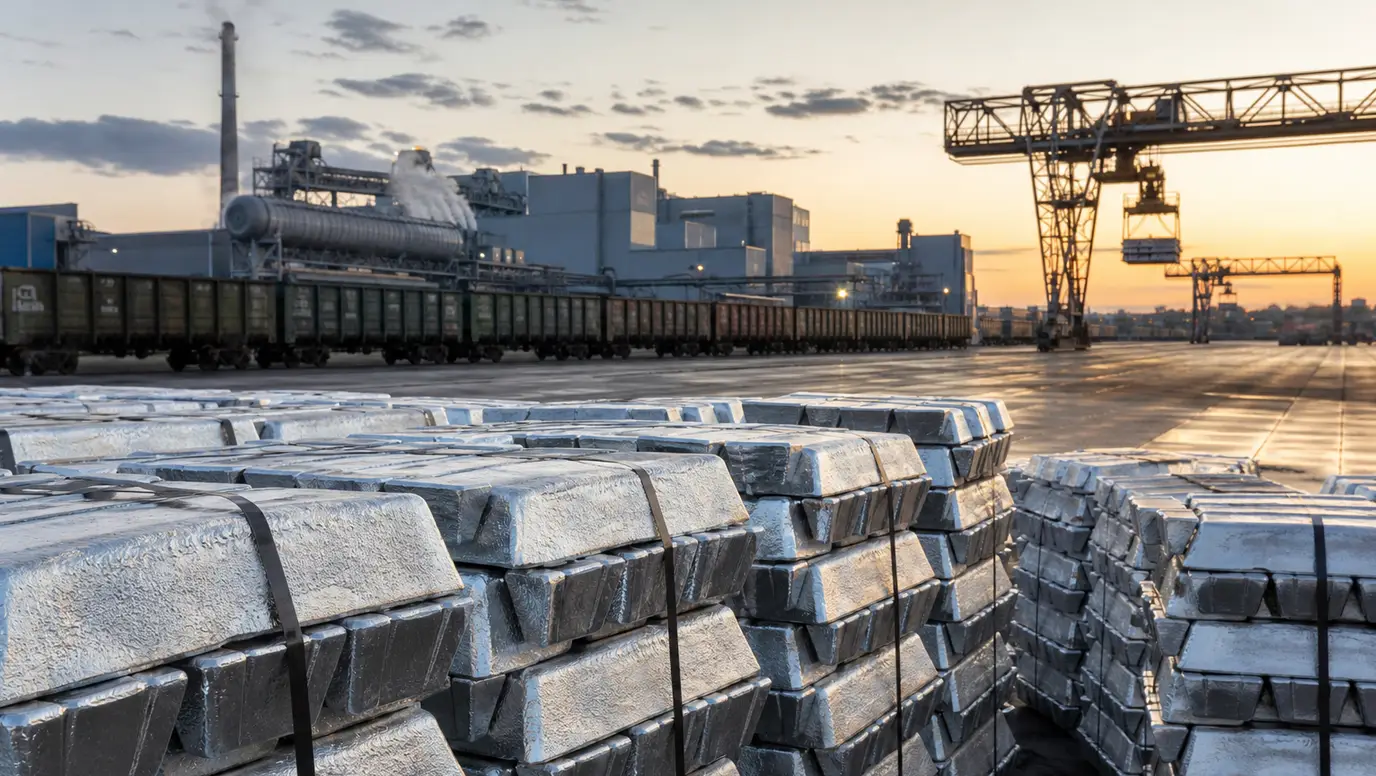
AUGUST 15, 2026
Aluminum Keeps Metals Market on Inventory Watch as China Demand Offsets Tariff Risk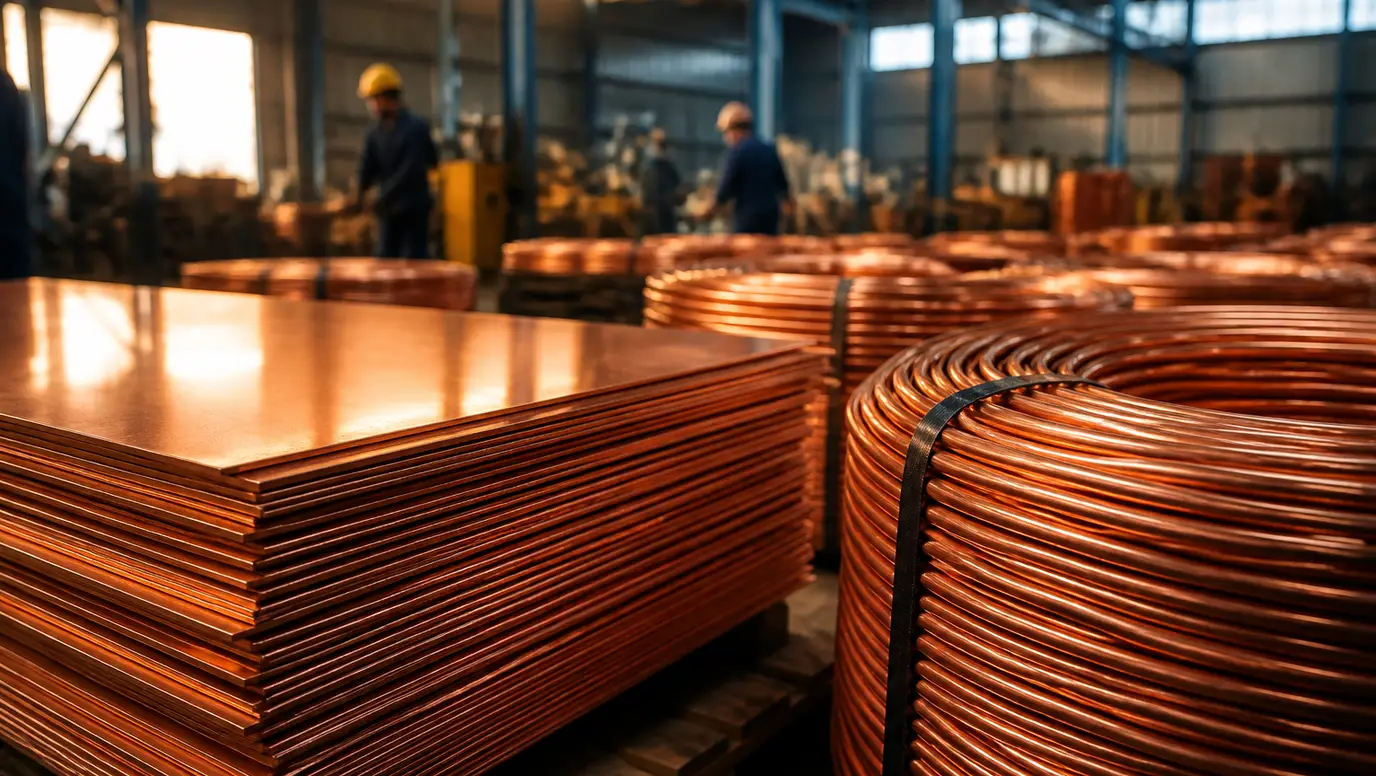
AUGUST 14, 2026
Copper Squeeze Lifts Metals Market as Treasury Yields Test Rally
AUGUST 8, 2026
Copper Breakout Keeps Metals Market Focused on China Premiums and Inventory Drain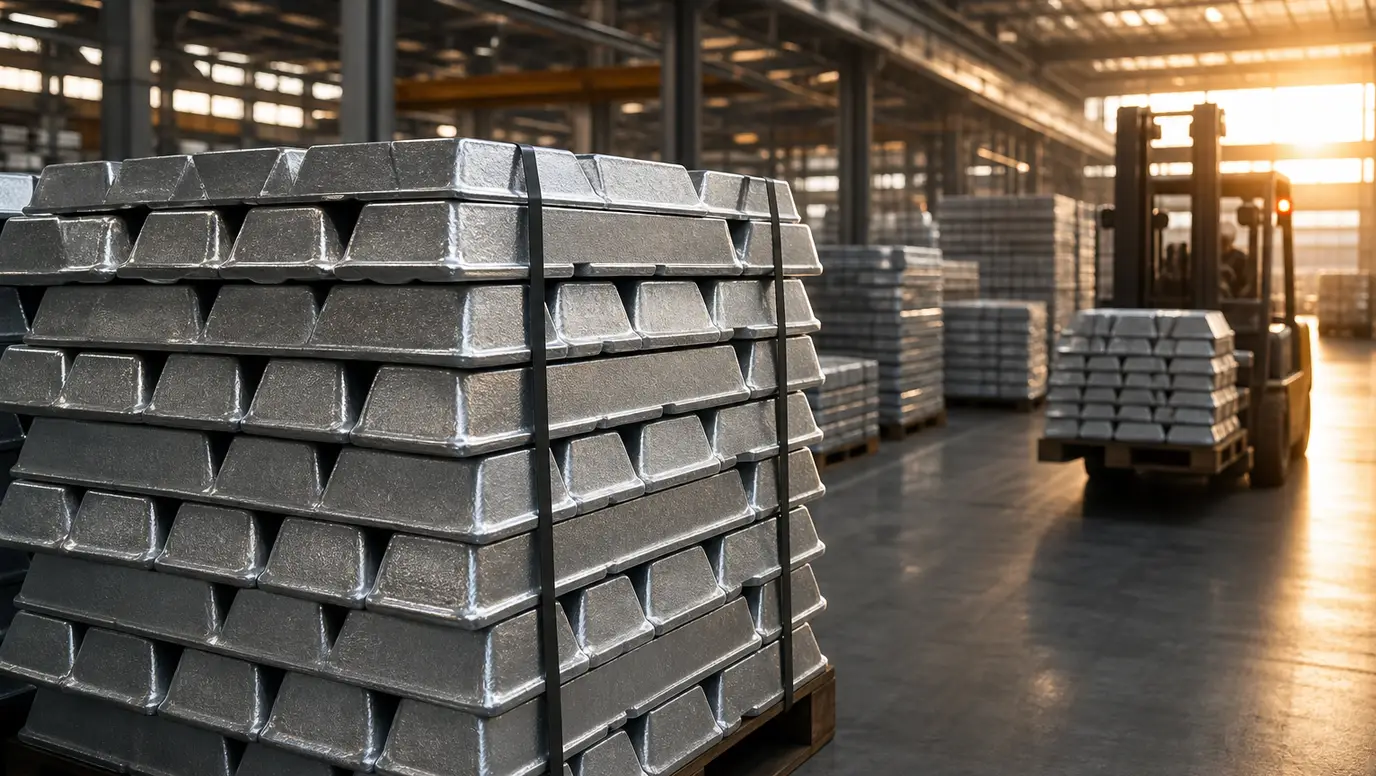
AUGUST 4, 2026
Aluminum Premium Squeeze Keeps Metals and Commodities Traders Focused on U.S. Tariffs
AUGUST 3, 2026
Copper Rebound Puts Metals Market on US Dollar Watch as Supply Tightness Offsets Demand Caution
JULY 29, 2026
Aluminum Stockpile Drain Puts Metals and Commodities on Premium Watch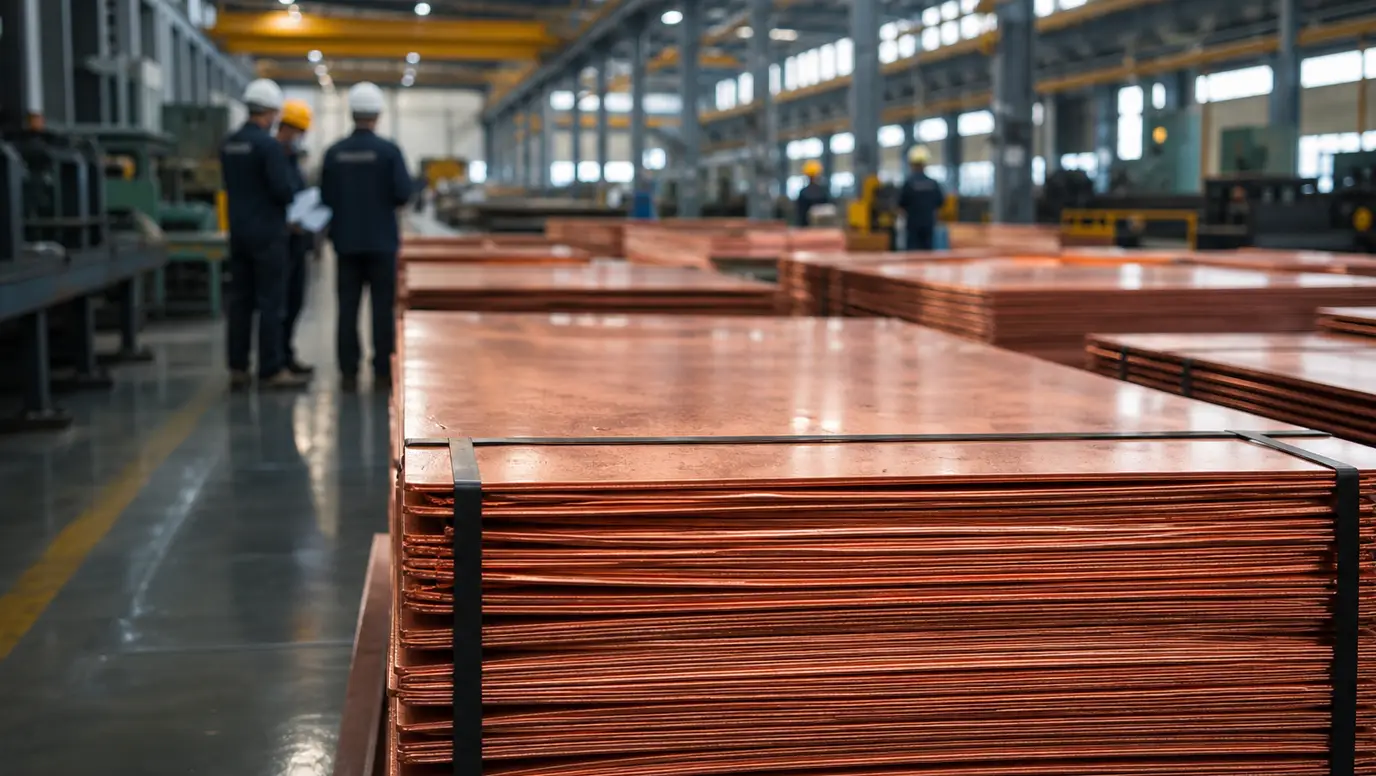
JULY 28, 2026
Copper Tightness Puts Metals and Commodities Traders on China Supply Watch
JULY 18, 2026
Copper Pullback Keeps Metals Market Defensive as Gold and Silver Watch Yields
JULY 15, 2026
Copper Prices Lead Metals Market as China Demand Puts Supply Tightness Back in Focus
JULY 14, 2026
Gold and Silver Jump as Cool CPI Pulls Metals Market Back Toward Real-Yield Trade
JULY 11, 2026
Copper Premium Takes Center Stage as Metals Market Weighs Tariff Risk and Fed Headwinds