OCTOBER 24, 2026
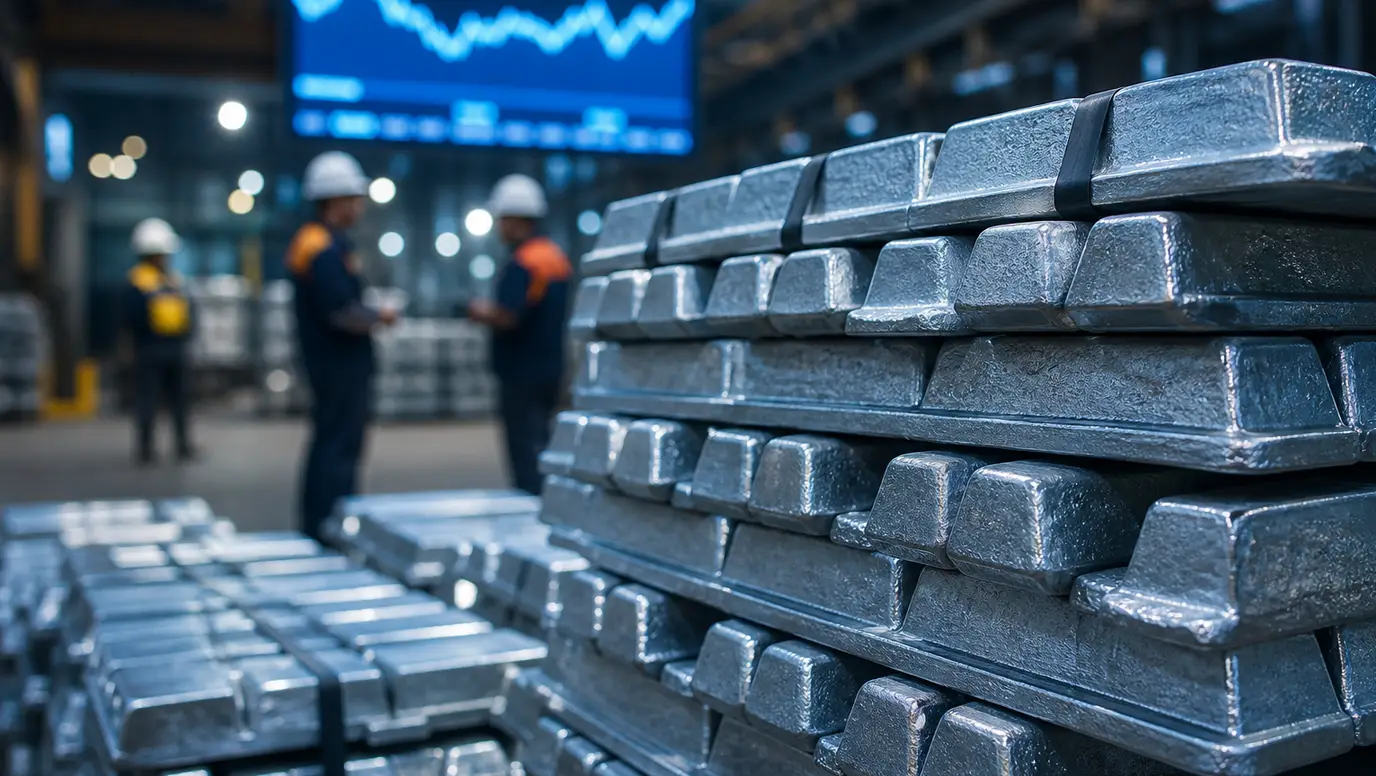
Zinc Metals Market Leads Base-Metal Rebound as Dollar Risk Meets Inventory BuildZinc leads the metals market rebound as traders weigh stronger base-metal demand signals against rising inventories and dollar risk.

© 1box.site 2026

JULY 6, 2026
The metals market opened the week with a sharper divide between precious and industrial contracts, as gold eased after touching a two-week high while copper found support from firmer base-metal demand signals. The move left traders balancing a stabilizing US Dollar against reduced expectations for another near-term Federal Reserve rate hike.
Gold’s retreat looked more like a pause than a full reversal. Bullion had benefited from lower rate-hike expectations and softer Treasury yield pressure after recent US labor data, but a modest rebound in the dollar encouraged profit-taking in early Monday trade. Silver also slipped after testing its strongest level since late June, showing that precious metals remain sensitive to short-term currency moves even as the broader macro backdrop stays supportive.
The immediate driver for precious metals was the US Dollar’s attempt to recover from recent lows. A firmer dollar typically raises the effective cost of dollar-denominated metals for non-US buyers, and that pressure was visible across gold and silver. However, the downside was limited by the market’s view that the Federal Reserve has less room to tighten policy if labor-market momentum continues to cool.
For gold traders, that creates a two-sided setup. On one side, a stronger dollar can cap rallies and trigger short-term selling after quick gains. On the other, any renewed slide in yields or further evidence of weaker US growth could revive demand for bullion as a defensive asset. This keeps gold’s near-term direction tied closely to incoming Fed commentary, Treasury market pricing and the next major inflation readings.
Copper showed a different tone, with London trading supported by signs of tighter available supply and continued attention on physical inventory drawdowns. While macro uncertainty remains a constraint for industrial metals, copper’s resilience suggests that traders are still reluctant to abandon the demand story linked to electrification, grid investment and infrastructure spending.
The split between gold and copper is important because it shows that the metals market is no longer moving as one block. Precious metals are reacting most directly to the dollar and real-rate expectations, while copper is receiving more support from supply-chain tightness and industrial end-use demand. That divergence could remain a defining theme if central-bank expectations stay volatile while physical base-metal availability remains constrained.
The next test for the sector is whether the dollar rebound extends or fades. A stronger US currency would likely keep gold and silver rallies uneven, especially after their latest push higher. Conversely, fresh evidence of softer US activity could pull yields lower and restore momentum in precious metals.
For copper, traders are watching whether inventory destocking continues and whether buying interest holds at elevated price levels. If physical demand remains steady, copper may continue to outperform even during periods when gold struggles with currency headwinds. That would keep the metals market focused on relative value rather than a single macro trade.
Overall, the latest price action points to a more selective metals market. Gold still has support from easing rate fears, but it needs a softer dollar to regain upside momentum. Copper, meanwhile, is drawing strength from tighter supply conditions, making the industrial side of the complex the more resilient pocket as the new trading week begins.
OCTOBER 24, 2026
Zinc Metals Market Leads Base-Metal Rebound as Dollar Risk Meets Inventory Build
OCTOBER 23, 2026
Copper Metals Market Rebounds as Nickel Slips on Indonesia Cut Watch
OCTOBER 22, 2026
Gold Metals Market Rebounds as Softer Treasury Yields Put PCE Inflation Test in Focus
OCTOBER 21, 2026
Silver Metals Market Slips as US Dollar and Treasury Yields Revive Federal Reserve Risk
OCTOBER 20, 2026
Tin Metals Market Holds Above $50,000 as Inventory Draws Offset Dollar Risk
OCTOBER 18, 2026
Copper Metals Market Holds Near Record as Tight Stocks Offset Federal Reserve Shock
OCTOBER 16, 2026
Gold Metals Market Rebounds as US Dollar and Treasury Yields Ease Before Federal Reserve Decision
OCTOBER 15, 2026
Silver Metals Market Tests 2026 Low as Federal Reserve Rate Bets Lift US Dollar
OCTOBER 13, 2026
Zinc Metals Market Falls as LME Stock Jump and US Dollar Pressure Base Metals
OCTOBER 12, 2026
Copper Metals Market Rises as China Premium and Tight LME Stocks Challenge US Dollar
OCTOBER 11, 2026
Gold Metals Market Braces for Federal Reserve Test as US Dollar and Treasury Yields Bite
OCTOBER 10, 2026
Palladium Metals Market Slips as Auto Demand and US Dollar Pressure Deepen Surplus Worries
OCTOBER 8, 2026
Zinc Metals Tightness Faces US Dollar and Treasury Yield Test
OCTOBER 7, 2026
Aluminum Rebound Tests Metals Market as Dollar Strength and China Lull Cap Buyers
OCTOBER 6, 2026
Copper Futures Rally Puts Metals Market Focus on Smelter Squeeze
OCTOBER 4, 2026
Gold Metals Rebound Stalls as Treasury Yields Blunt Fed Pause Bets
OCTOBER 2, 2026
Silver Holds Above $61 as Dollar and Treasury Yields Keep Metals Market on Payrolls Watch
SEPTEMBER 30, 2026
Copper Futures Steady as Metals Market Weighs Dollar, Oil and Federal Reserve Risk
SEPTEMBER 27, 2026
Gold Futures Slip as Sticky Inflation and Fed Rate Bets Cap Metals Market Rebound
SEPTEMBER 25, 2026
Copper Futures Climb as China Tightness Puts Metals Market on Supply Watch
SEPTEMBER 22, 2026
Gold Holds Near $4,350 as Federal Reserve Rate Bets Cap Metals Market Rebound
SEPTEMBER 19, 2026
Copper Futures Rally Puts Metals Market on Federal Reserve and PMI Watch
SEPTEMBER 15, 2026
Gold Holds Near $4,300 as Federal Reserve Hike Bets Pressure Metals Market
SEPTEMBER 13, 2026
Copper Futures Pullback Puts Metals Market on Tariff Doubt Watch
SEPTEMBER 10, 2026
Gold Edges Higher as Soft Dollar Puts Metals Market on Federal Reserve Watch
SEPTEMBER 8, 2026
Copper Hits Record High as Tariff Risk Tightens Metals Market Supply
SEPTEMBER 4, 2026
Gold Slides as Strong US Jobs Report Reprices Metals Market for Federal Reserve Risk
SEPTEMBER 2, 2026
Copper Pullback Hits Metals Market as Strong Dollar Revives Federal Reserve Rate Risk
AUGUST 29, 2026
Gold Retreat Puts Metals Market on Federal Reserve Rate-Hike Watch
AUGUST 27, 2026
Copper Backwardation Puts Metals Market on Supply Stress Alert as Fed Risk Caps Rally