
OCTOBER 17, 2026
Nickel Metals Market Stalls as Indonesia Smelter Freeze Talk Meets Weak DemandNickel steadies near recent lows as Indonesia smelter freeze talk is offset by weak stainless and battery demand signals.

© 1box.site 2026

OCTOBER 18, 2026
Copper stayed close to record territory at the end of the week as traders weighed a stronger macro headwind from U.S. inflation against signs that the physical metals market remains tight. Three-month copper futures eased from recent highs after hotter U.S. price data revived expectations that the Federal Reserve may keep policy restrictive for longer, but the pullback was limited by falling exchange inventories and persistent concern over mine supply.
The red metal has become one of the clearest battlegrounds in the metals market because it sits between two opposing forces. On one side, higher Treasury yields and a firmer U.S. dollar can pressure dollar-priced commodities by making them more expensive for non-U.S. buyers. On the other, the long-term demand case tied to power grids, data centers, electrification and renewable energy remains intact, while available supply has not expanded quickly enough to calm buyers.
Recent trading showed that copper is no longer reacting only to broad risk appetite. Even as investors reduced exposure to cyclical assets after stronger U.S. inflation and retail sales numbers, copper held a large share of its earlier rally. That resilience suggests that physical tightness is still shaping price discovery, especially when nearby spreads and warehouse stock levels point to limited immediately deliverable material.
Exchange stock data has become a central driver for copper traders. Reported LME warehouse inventories have fallen meaningfully in recent weeks, while available warrants remain closely watched for evidence of whether metal can move quickly into the market. A lower stock buffer makes prices more sensitive to any disruption at major mines, smelters or ports, particularly when buyers are already competing for high-grade material.
Supply risk is not limited to one region. Chilean labor negotiations, uneven output from mature mines and delayed recovery at large-scale operations have all contributed to a market narrative in which new supply is expensive, slow and uncertain. Even when individual disruption risks ease, traders have been reluctant to price in a comfortable surplus because the project pipeline remains thin relative to expected demand growth.
China remains the other major variable. Domestic inventory buildup in some locations has tempered bullish momentum, but industrial demand has not collapsed. Copper consumption linked to grid investment, electric equipment, air conditioning, electric vehicles and manufacturing infrastructure continues to provide a floor, even as property-related demand remains uneven. That mix leaves the market vulnerable to sharp two-way moves when Chinese demand indicators surprise either direction.
The near-term challenge for copper bulls is monetary policy. Stronger U.S. inflation readings have lifted the risk that the Federal Reserve stays hawkish, which can strengthen the dollar and raise real-rate pressure across the commodities complex. For copper, that means a structurally constructive supply story must compete with a higher cost of capital and the possibility of softer global manufacturing sentiment.
That macro pressure helps explain why profit-taking appeared quickly after copper approached fresh highs. Funds that had built long positions on supply tightness and electrification demand now face a more complicated backdrop: resilient U.S. data may delay rate relief, while elevated oil and transport costs could keep inflation sticky. If the dollar extends its rebound, copper could test support levels even without a major shift in physical fundamentals.
Still, the downside may remain contained unless inventories rebuild decisively or Chinese consumption weakens more clearly. Traders are watching whether nearby spreads stay firm, whether exchange stocks continue to decline, and whether producers offer stronger guidance on output recovery. A renewed fall in the dollar or any fresh mine disruption could quickly return attention to the record-high zone.
For now, copper’s metals market signal is mixed but still constructive. The Federal Reserve has created a ceiling by reviving rate risk, yet tight stocks and structural demand have preserved a floor. That balance leaves copper positioned for continued volatility, with the next major move likely to depend on whether macro pressure or physical scarcity becomes the dominant story in the week ahead.
OCTOBER 17, 2026
Nickel Metals Market Stalls as Indonesia Smelter Freeze Talk Meets Weak Demand
OCTOBER 16, 2026
Gold Metals Market Rebounds as US Dollar and Treasury Yields Ease Before Federal Reserve Decision
OCTOBER 15, 2026
Silver Metals Market Tests 2026 Low as Federal Reserve Rate Bets Lift US Dollar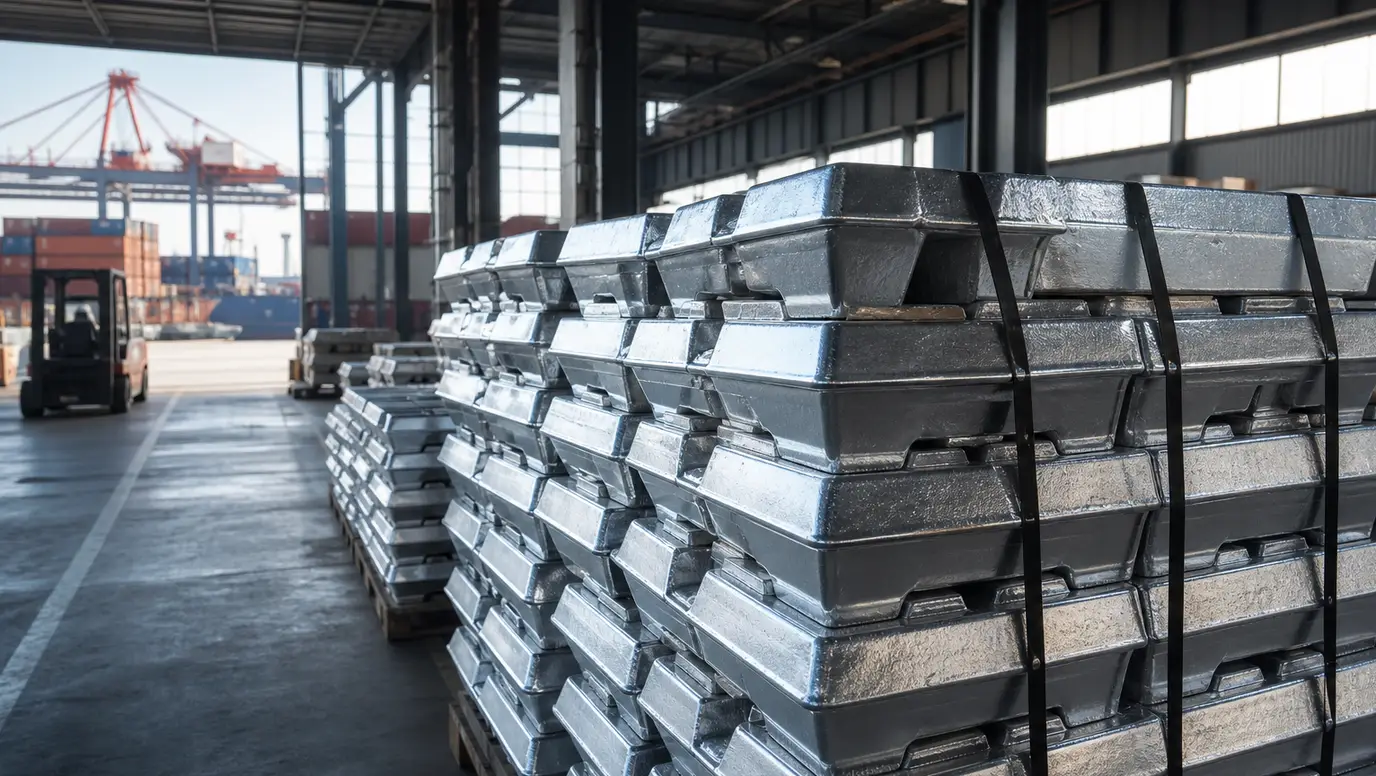
OCTOBER 14, 2026
Aluminum Metals Futures Hold Near $3,000 as Japan Premium Drop Masks Supply Stress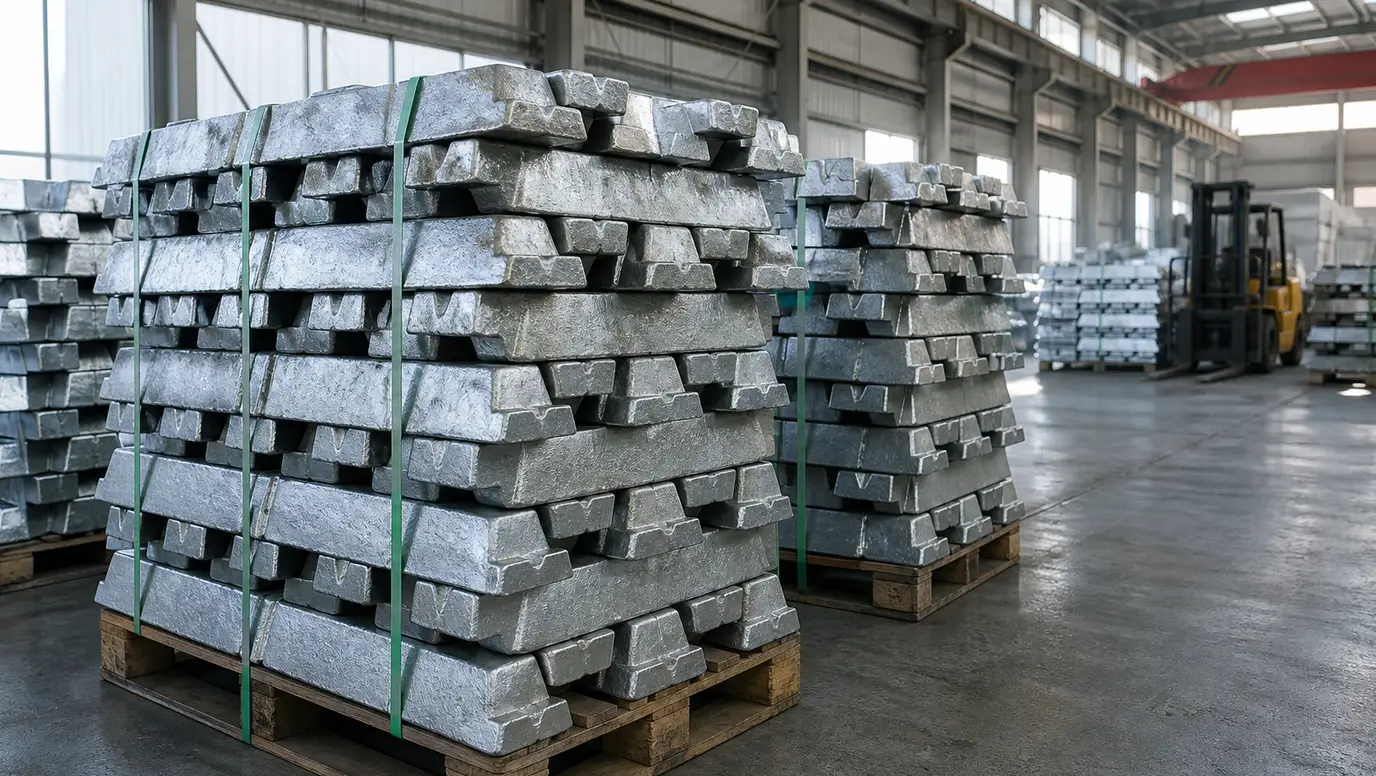
OCTOBER 13, 2026
Zinc Metals Market Falls as LME Stock Jump and US Dollar Pressure Base Metals
OCTOBER 12, 2026
Copper Metals Market Rises as China Premium and Tight LME Stocks Challenge US Dollar
OCTOBER 11, 2026
Gold Metals Market Braces for Federal Reserve Test as US Dollar and Treasury Yields Bite
OCTOBER 10, 2026
Palladium Metals Market Slips as Auto Demand and US Dollar Pressure Deepen Surplus Worries
OCTOBER 9, 2026
Silver Rebound Tests Metals Market as Treasury Yields Cap XAG Demand
OCTOBER 8, 2026
Zinc Metals Tightness Faces US Dollar and Treasury Yield Test
OCTOBER 7, 2026
Aluminum Rebound Tests Metals Market as Dollar Strength and China Lull Cap Buyers
OCTOBER 6, 2026
Copper Futures Rally Puts Metals Market Focus on Smelter Squeeze
OCTOBER 5, 2026
Lead Futures Rebound as Warehouse Drawdown Puts Battery Metal Back on Metals Watch
OCTOBER 4, 2026
Gold Metals Rebound Stalls as Treasury Yields Blunt Fed Pause Bets
OCTOBER 3, 2026
Palladium Rebound Attempt Puts Metals Market Focus on Auto Demand and Federal Reserve Risk
OCTOBER 2, 2026
Silver Holds Above $61 as Dollar and Treasury Yields Keep Metals Market on Payrolls Watch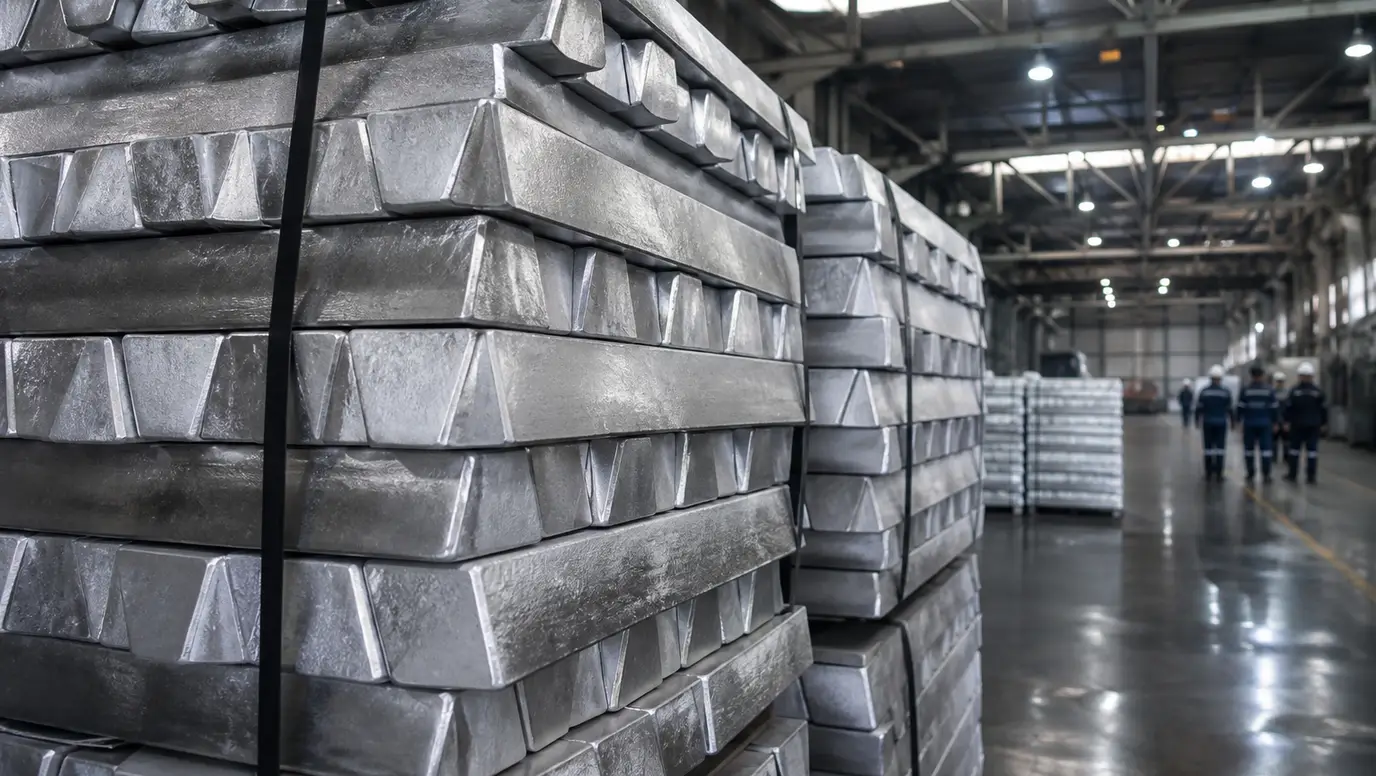
OCTOBER 1, 2026
Aluminum Slumps to 12-Week Low as Strong Dollar Hits Metals Market
SEPTEMBER 30, 2026
Copper Futures Steady as Metals Market Weighs Dollar, Oil and Federal Reserve Risk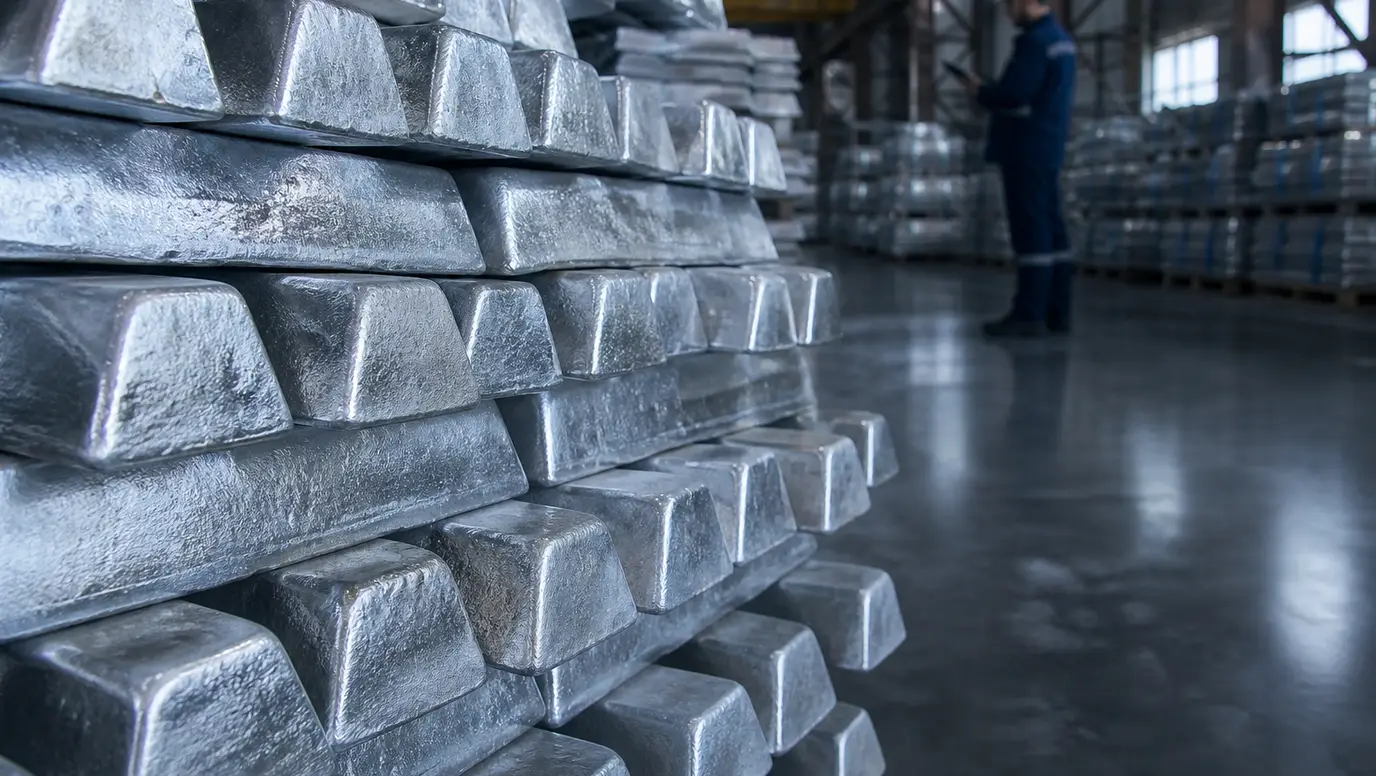
SEPTEMBER 29, 2026
Zinc Futures Fall as China Demand Worries Test Metals Market Tightness
SEPTEMBER 28, 2026
Palladium and Platinum Slide as Dollar, Yields Pressure Metals Market
SEPTEMBER 27, 2026
Gold Futures Slip as Sticky Inflation and Fed Rate Bets Cap Metals Market Rebound
SEPTEMBER 26, 2026
Silver Futures Rebound as Treasury Yield Pause Tests Metals Market Bears
SEPTEMBER 25, 2026
Copper Futures Climb as China Tightness Puts Metals Market on Supply Watch
SEPTEMBER 24, 2026
Aluminum Futures Steady as China Destocking Offsets Metals Market Yield Pressure
SEPTEMBER 23, 2026
Nickel Futures Hold Firm as Indonesia Drought Cuts Put Metals Market on Supply Watch
SEPTEMBER 22, 2026
Gold Holds Near $4,350 as Federal Reserve Rate Bets Cap Metals Market Rebound
SEPTEMBER 21, 2026
Silver Futures Hold Above $66 as Federal Reserve Hike Tests Metals Market Rally
SEPTEMBER 20, 2026
Palladium Futures Rebound Puts Metals Market on Autocatalyst Supply Watch
SEPTEMBER 19, 2026
Copper Futures Rally Puts Metals Market on Federal Reserve and PMI Watch
SEPTEMBER 18, 2026
Zinc Futures Squeeze Lifts Metals Market as Lead Inventories Tighten