
OCTOBER 28, 2026
Gold Metals Market Holds Near $4,030 as ETF Demand Buffers Federal Reserve and US Dollar PressureGold holds near $4,030 before the Fed decision as high Treasury yields weigh, while record ETF holdings support the metals market.

© 1box.site 2026

NOVEMBER 2, 2026
Gold and silver moved higher on Monday as the metals market attempted to stabilize after a sharp late-October selloff, with softer oil prices helping to ease inflation anxiety and reduce immediate pressure from rising rate expectations.
Spot gold traded back near the $3,900 an ounce area, while silver recovered above the $50 an ounce threshold after briefly losing momentum in the previous session. The rebound was cautious rather than euphoric, reflecting a market still trying to judge whether the latest bounce is a technical recovery or the start of a more durable turn in precious metals sentiment.
The move came as investors reassessed the balance between safe-haven demand, Federal Reserve policy risk, and the inflation impact of energy prices. Lower crude prices improved the tone across several rate-sensitive assets, but metals traders remained wary because any renewed rise in inflation expectations could keep real yields elevated and limit upside for non-yielding assets such as gold.
The immediate driver for the rebound was a calmer inflation backdrop. Oil’s pullback reduced fears that energy costs would force the Federal Reserve into a more aggressive policy path, giving gold and silver some relief after a difficult close to October.
Gold had been pressured by concerns that sticky inflation and hawkish central bank language would keep U.S. borrowing costs higher for longer. Silver faced an even more volatile setup because it trades as both a precious metal and an industrial input, making it sensitive to shifts in real yields, risk appetite, and manufacturing expectations.
For gold, the $3,900 region is now a key sentiment zone. A sustained hold above that area could encourage dip buyers to rebuild exposure, while another failure would keep attention on deeper support levels after the recent decline. Silver’s recovery above $50 is also important because the metal’s high volatility can quickly amplify momentum in either direction.
Despite Monday’s bounce, the broader metals market remains tied to expectations for U.S. interest rates. Traders are watching upcoming economic data, policy commentary, and bond-market pricing for signs of whether the Federal Reserve will maintain a restrictive stance or allow financial conditions to loosen.
A stronger U.S. dollar or another rise in Treasury yields would likely challenge the rebound, particularly for gold. Conversely, softer inflation data, weaker employment figures, or a more cautious tone from policymakers could support renewed demand for precious metals as portfolio hedges.
Silver may continue to trade with wider swings than gold because industrial demand expectations are also in play. If equity markets steady and manufacturing sentiment improves, silver could benefit from both risk appetite and metals demand. If growth concerns return, the metal may struggle to hold gains even if gold attracts defensive buying.
The latest recovery does not erase the damage from the prior selloff. October’s weakness left precious metals vulnerable to short-term profit-taking and forced positioning adjustments, especially after crowded long trades were tested by higher rate expectations.
Still, the rebound shows that buyers remain willing to defend gold and silver when inflation fears cool and the dollar loses momentum. The next stage for the metals market will depend on whether easing energy prices can persist long enough to shift the rate narrative in favor of precious metals.
For now, gold and silver are trading as a policy-sensitive recovery rather than a clean breakout. The market has regained some footing, but confirmation will require steadier price action, softer yield pressure, and a clearer signal that Federal Reserve rate fears are no longer intensifying.
OCTOBER 28, 2026
Gold Metals Market Holds Near $4,030 as ETF Demand Buffers Federal Reserve and US Dollar Pressure
OCTOBER 27, 2026
Silver Metals Market Falls Toward $53 as US Dollar and Federal Reserve Risk Pressure Bulls
OCTOBER 25, 2026
Palladium Metals Market Tests $1,050 as Platinum Premium Widens Before Federal Reserve Week
OCTOBER 22, 2026
Gold Metals Market Rebounds as Softer Treasury Yields Put PCE Inflation Test in Focus
OCTOBER 21, 2026
Silver Metals Market Slips as US Dollar and Treasury Yields Revive Federal Reserve Risk
OCTOBER 19, 2026
Platinum and Palladium Metals Market Rallies as Federal Reserve Pause Bets Return
OCTOBER 18, 2026
Copper Metals Market Holds Near Record as Tight Stocks Offset Federal Reserve Shock
OCTOBER 16, 2026
Gold Metals Market Rebounds as US Dollar and Treasury Yields Ease Before Federal Reserve Decision
OCTOBER 15, 2026
Silver Metals Market Tests 2026 Low as Federal Reserve Rate Bets Lift US Dollar
OCTOBER 11, 2026
Gold Metals Market Braces for Federal Reserve Test as US Dollar and Treasury Yields Bite
OCTOBER 9, 2026
Silver Rebound Tests Metals Market as Treasury Yields Cap XAG Demand
OCTOBER 4, 2026
Gold Metals Rebound Stalls as Treasury Yields Blunt Fed Pause Bets
OCTOBER 3, 2026
Palladium Rebound Attempt Puts Metals Market Focus on Auto Demand and Federal Reserve Risk
OCTOBER 2, 2026
Silver Holds Above $61 as Dollar and Treasury Yields Keep Metals Market on Payrolls Watch
OCTOBER 1, 2026
Aluminum Slumps to 12-Week Low as Strong Dollar Hits Metals Market
SEPTEMBER 30, 2026
Copper Futures Steady as Metals Market Weighs Dollar, Oil and Federal Reserve Risk
SEPTEMBER 27, 2026
Gold Futures Slip as Sticky Inflation and Fed Rate Bets Cap Metals Market Rebound
SEPTEMBER 26, 2026
Silver Futures Rebound as Treasury Yield Pause Tests Metals Market Bears
SEPTEMBER 22, 2026
Gold Holds Near $4,350 as Federal Reserve Rate Bets Cap Metals Market Rebound
SEPTEMBER 21, 2026
Silver Futures Hold Above $66 as Federal Reserve Hike Tests Metals Market Rally
SEPTEMBER 19, 2026
Copper Futures Rally Puts Metals Market on Federal Reserve and PMI Watch
SEPTEMBER 15, 2026
Gold Holds Near $4,300 as Federal Reserve Hike Bets Pressure Metals Market
SEPTEMBER 14, 2026
Silver Rebound Puts Metals Market on Federal Reserve Real-Yield Watch
SEPTEMBER 10, 2026
Gold Edges Higher as Soft Dollar Puts Metals Market on Federal Reserve Watch
SEPTEMBER 7, 2026
Zinc Futures Defy Federal Reserve Pressure as Supply Squeeze Tightens Metals Market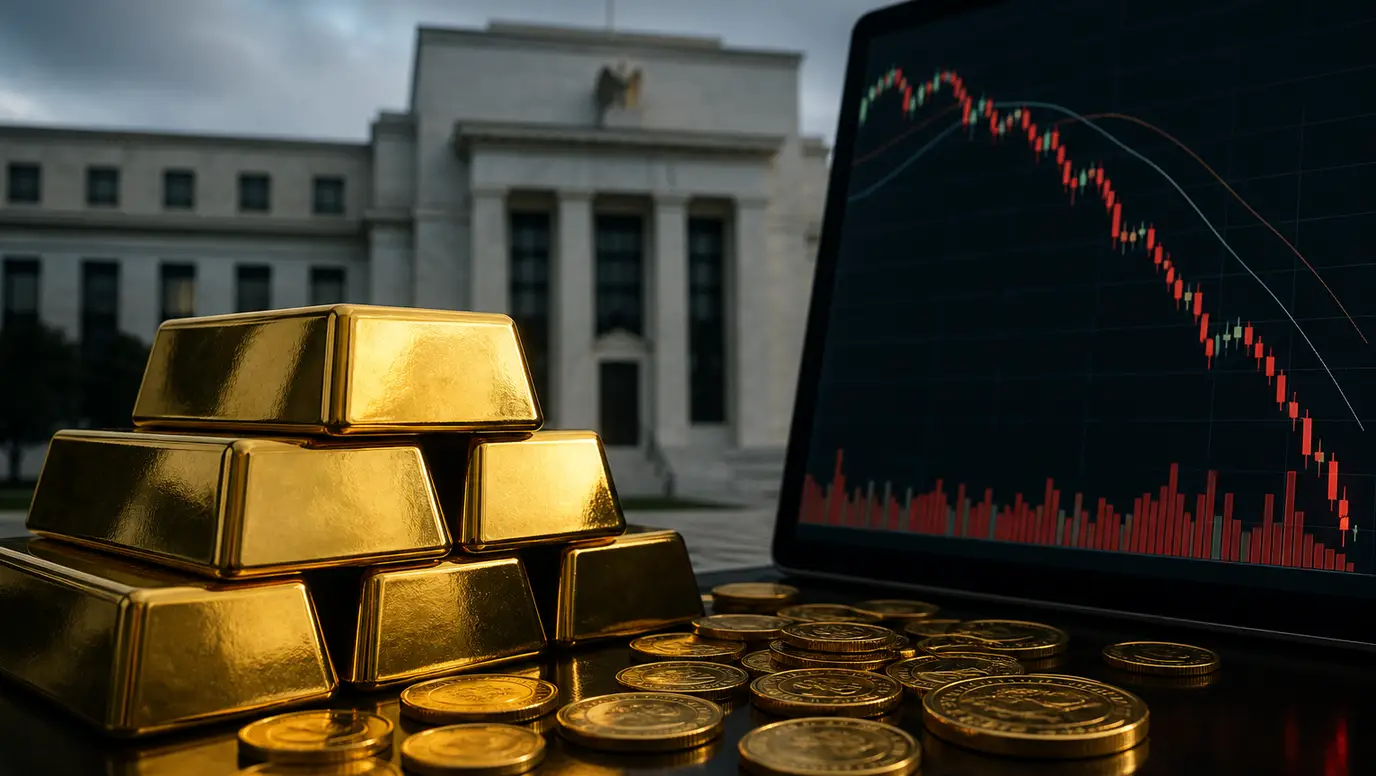
SEPTEMBER 4, 2026
Gold Slides as Strong US Jobs Report Reprices Metals Market for Federal Reserve Risk
SEPTEMBER 2, 2026
Copper Pullback Hits Metals Market as Strong Dollar Revives Federal Reserve Rate Risk
AUGUST 30, 2026
Silver Breakout Failure Puts Metals Market on Federal Reserve Yield Watch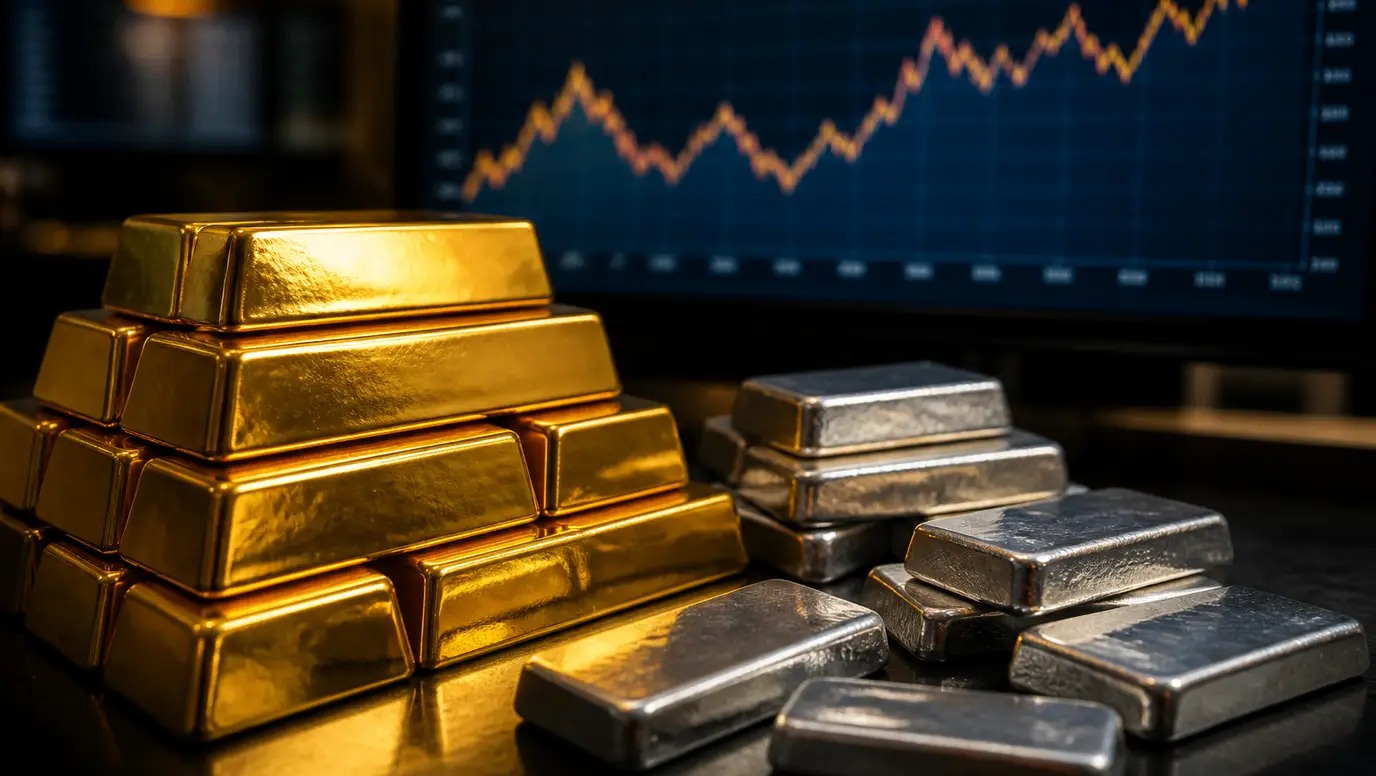
AUGUST 29, 2026
Gold Retreat Puts Metals Market on Federal Reserve Rate-Hike Watch
AUGUST 28, 2026
Palladium Jump Puts Metals Market on Federal Reserve Watch as Supply Risks Return