
OCTOBER 29, 2026
Copper Metals Market Holds Near Two-Week High as China Premium and US Dollar Shape SqueezeCopper holds near a two-week high as China premiums surge, SHFE stocks fall, and the US dollar limits metals market upside.

© 1box.site 2026

OCTOBER 28, 2026
Gold traded on the defensive on Wednesday, October 28, with spot prices hovering near $4,030 an ounce and U.S. gold futures slipping toward the low $4,040s as traders waited for the Federal Reserve's policy decision. The move kept the precious metal inside a narrow but tense range, where buyers are leaning on resilient investment demand while sellers point to a firmer US Dollar and elevated Treasury yields.
The immediate metals market story is not a collapse in demand, but a repricing of patience. Gold remains close to the psychologically important $4,000 area after a choppy October, yet the metal has struggled to build momentum while real yields stay high and investors question whether the next policy signal from the Federal Reserve will leave room for another rate increase later this year.
The Federal Reserve is widely expected to leave rates unchanged at the end of its October 27-28 meeting, but gold traders are more focused on the tone of the statement and the press conference. A hold that still warns about sticky inflation would likely keep the yield hurdle in place for non-yielding assets such as gold. A softer message, by contrast, could weaken the US Dollar and revive demand for bullion as a portfolio hedge.
That distinction matters because the metal is being pulled in opposite directions. Higher energy prices have revived inflation concerns, which can support gold's long-term hedge appeal. At the same time, inflation pressure can also keep bond yields elevated, increasing the opportunity cost of holding bullion. This is why gold has not reacted like a straightforward safe-haven trade despite a busy macro backdrop.
The stronger part of the bullish case is investment demand. Recent industry data showed global gold-backed exchange-traded fund holdings rising in September even as prices came under pressure, with total holdings reaching a record level. That suggests institutional investors have not abandoned the metal, even while short-term traders reduce exposure before central-bank risk events.
This ETF demand gives the market a cushion, but not immunity. Gold still needs either a weaker US Dollar, lower real yields, or a fresh safe-haven catalyst to extend a durable rebound. Without that, rallies may continue to run into selling near prior resistance zones as funds rebalance around the Federal Reserve's rate path.
For the next session, the $4,000 area is the key downside marker for sentiment. A decisive break below that level would suggest that yield pressure is overwhelming ETF and reserve-demand support. Below there, traders may reassess whether October's consolidation is turning into a deeper correction rather than a pause in a broader metals-market trend.
On the upside, a recovery through the $4,075 to $4,100 region would show that buyers are willing to look beyond the near-term policy risk. A move toward the mid-$4,100s would likely require confirmation from lower Treasury yields or a softer dollar reaction after the Fed statement. Until then, gold's metals-market outlook remains balanced: structurally supported by investment demand, but tactically restrained by monetary policy and currency pressure.
OCTOBER 29, 2026
Copper Metals Market Holds Near Two-Week High as China Premium and US Dollar Shape Squeeze
OCTOBER 29, 2026
US Dollar Forex Holds Firm as Fed Pause Puts Euro and GDP Data in Focus
OCTOBER 28, 2026
Euro Forex Slides Toward $1.11 as Fed and ECB Decisions Put Dollar in Control
OCTOBER 27, 2026
Silver Metals Market Falls Toward $53 as US Dollar and Federal Reserve Risk Pressure Bulls
OCTOBER 25, 2026
Palladium Metals Market Tests $1,050 as Platinum Premium Widens Before Federal Reserve Week
OCTOBER 25, 2026
Japanese Yen Forex Rebounds as USD/JPY Nears 157 Before Fed and Bank of Japan Decisions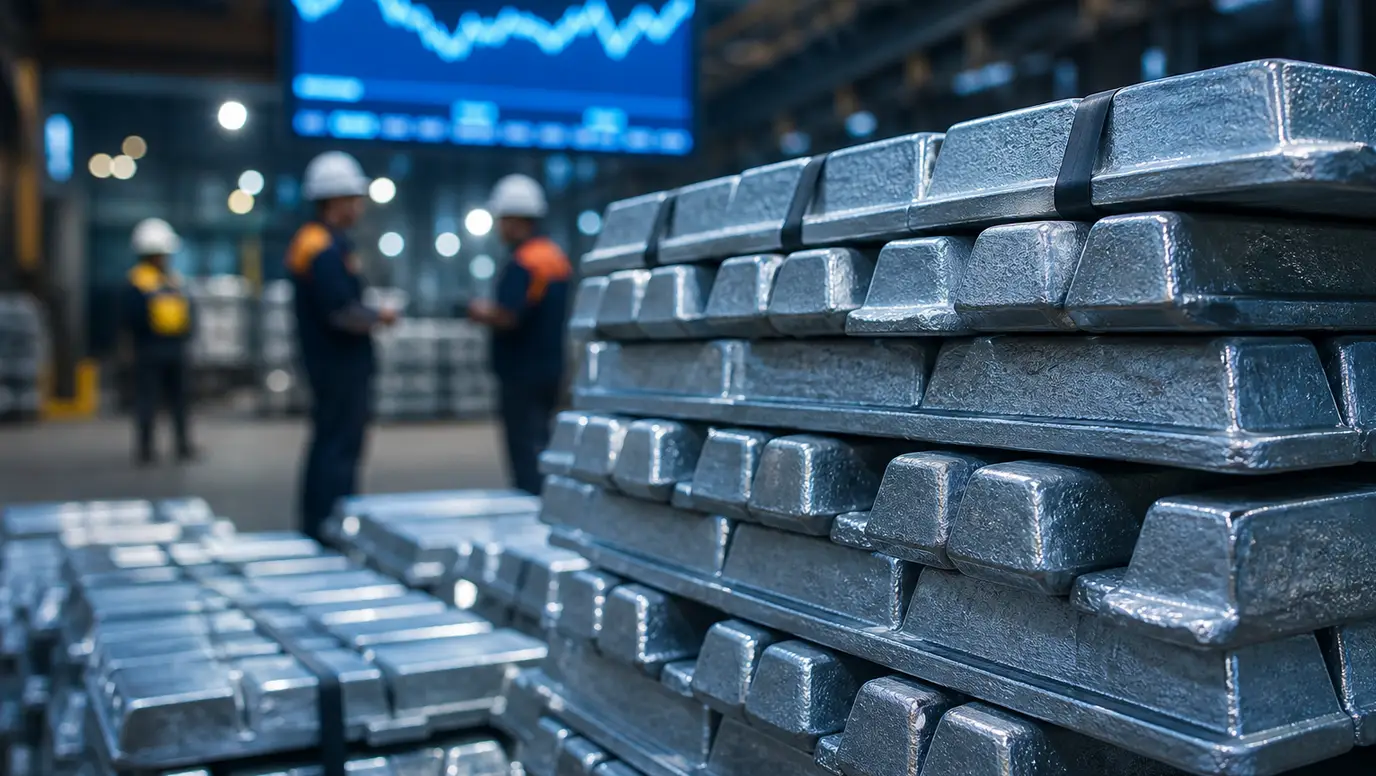
OCTOBER 24, 2026
Zinc Metals Market Leads Base-Metal Rebound as Dollar Risk Meets Inventory Build
OCTOBER 22, 2026
Gold Metals Market Rebounds as Softer Treasury Yields Put PCE Inflation Test in Focus
OCTOBER 21, 2026
Silver Metals Market Slips as US Dollar and Treasury Yields Revive Federal Reserve Risk
OCTOBER 20, 2026
Australian Dollar Forex Eyes 0.70 as China Growth and Fed Pause Bets Lift AUD/USD
OCTOBER 20, 2026
Tin Metals Market Holds Above $50,000 as Inventory Draws Offset Dollar Risk
OCTOBER 19, 2026
Platinum and Palladium Metals Market Rallies as Federal Reserve Pause Bets Return
OCTOBER 18, 2026
Copper Metals Market Holds Near Record as Tight Stocks Offset Federal Reserve Shock
OCTOBER 16, 2026
Gold Metals Market Rebounds as US Dollar and Treasury Yields Ease Before Federal Reserve Decision
OCTOBER 15, 2026
Silver Metals Market Tests 2026 Low as Federal Reserve Rate Bets Lift US Dollar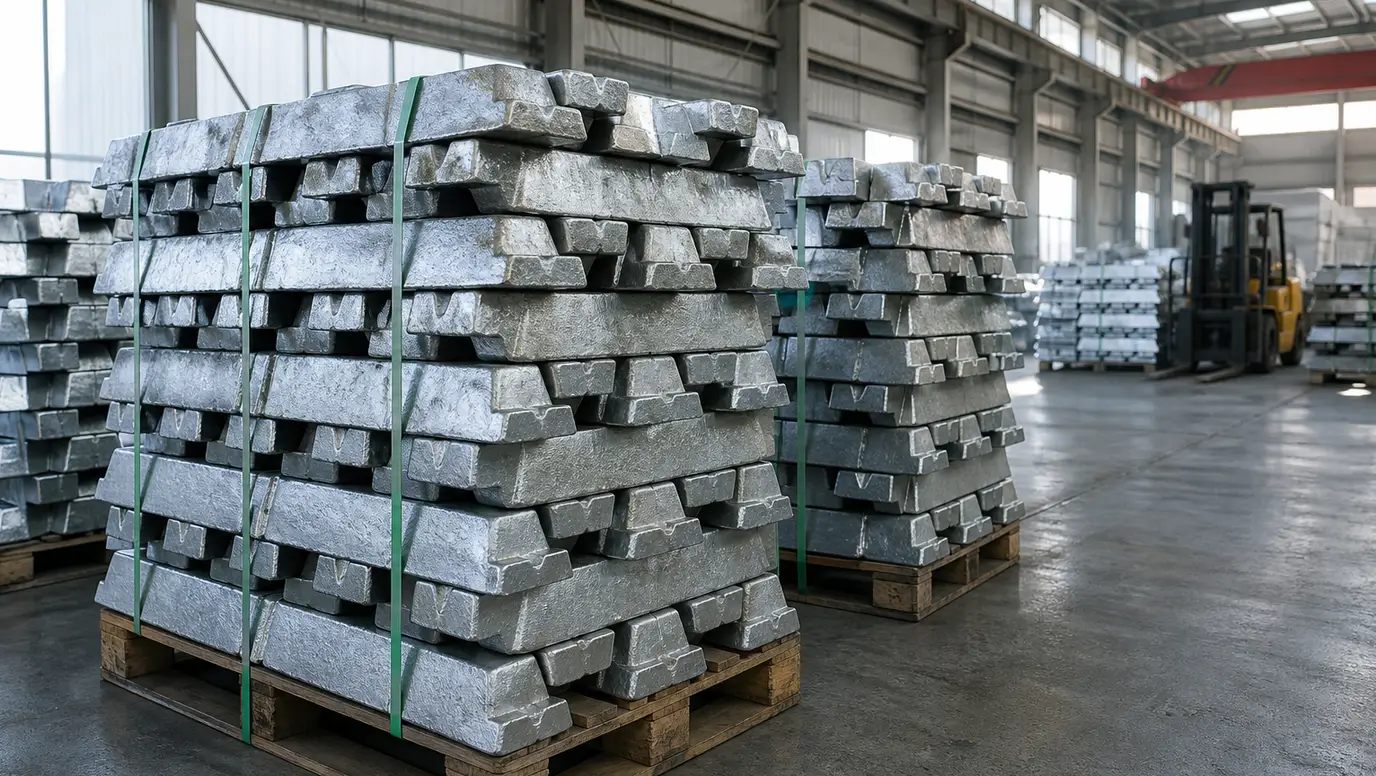
OCTOBER 13, 2026
Zinc Metals Market Falls as LME Stock Jump and US Dollar Pressure Base Metals
OCTOBER 12, 2026
Copper Metals Market Rises as China Premium and Tight LME Stocks Challenge US Dollar
OCTOBER 11, 2026
Gold Metals Market Braces for Federal Reserve Test as US Dollar and Treasury Yields Bite
OCTOBER 10, 2026
Palladium Metals Market Slips as Auto Demand and US Dollar Pressure Deepen Surplus Worries
OCTOBER 8, 2026
Zinc Metals Tightness Faces US Dollar and Treasury Yield Test
OCTOBER 7, 2026
Japanese Yen Forex Weakens as USD/JPY Tests 158 Before Fed Minutes
OCTOBER 7, 2026
Aluminum Rebound Tests Metals Market as Dollar Strength and China Lull Cap Buyers
OCTOBER 4, 2026
Gold Metals Rebound Stalls as Treasury Yields Blunt Fed Pause Bets
OCTOBER 3, 2026
Palladium Rebound Attempt Puts Metals Market Focus on Auto Demand and Federal Reserve Risk
OCTOBER 2, 2026
Silver Holds Above $61 as Dollar and Treasury Yields Keep Metals Market on Payrolls Watch
OCTOBER 1, 2026
Aluminum Slumps to 12-Week Low as Strong Dollar Hits Metals Market
SEPTEMBER 30, 2026
Swiss Franc Forex Rebound Tests US Dollar Rally as Federal Reserve Inflation Gauge Cools
SEPTEMBER 30, 2026
Copper Futures Steady as Metals Market Weighs Dollar, Oil and Federal Reserve Risk
SEPTEMBER 27, 2026
Gold Futures Slip as Sticky Inflation and Fed Rate Bets Cap Metals Market Rebound
SEPTEMBER 26, 2026
Silver Futures Rebound as Treasury Yield Pause Tests Metals Market Bears