
NOVEMBER 21, 2026
Copper Metals Market Slides 10% as China’s Supply Squeeze PersistsCopper posts a steep weekly loss as investors reassess demand, even as low Shanghai inventories point to lingering physical supply tightness.

© 1box.site 2026
NOVEMBER 26, 2026
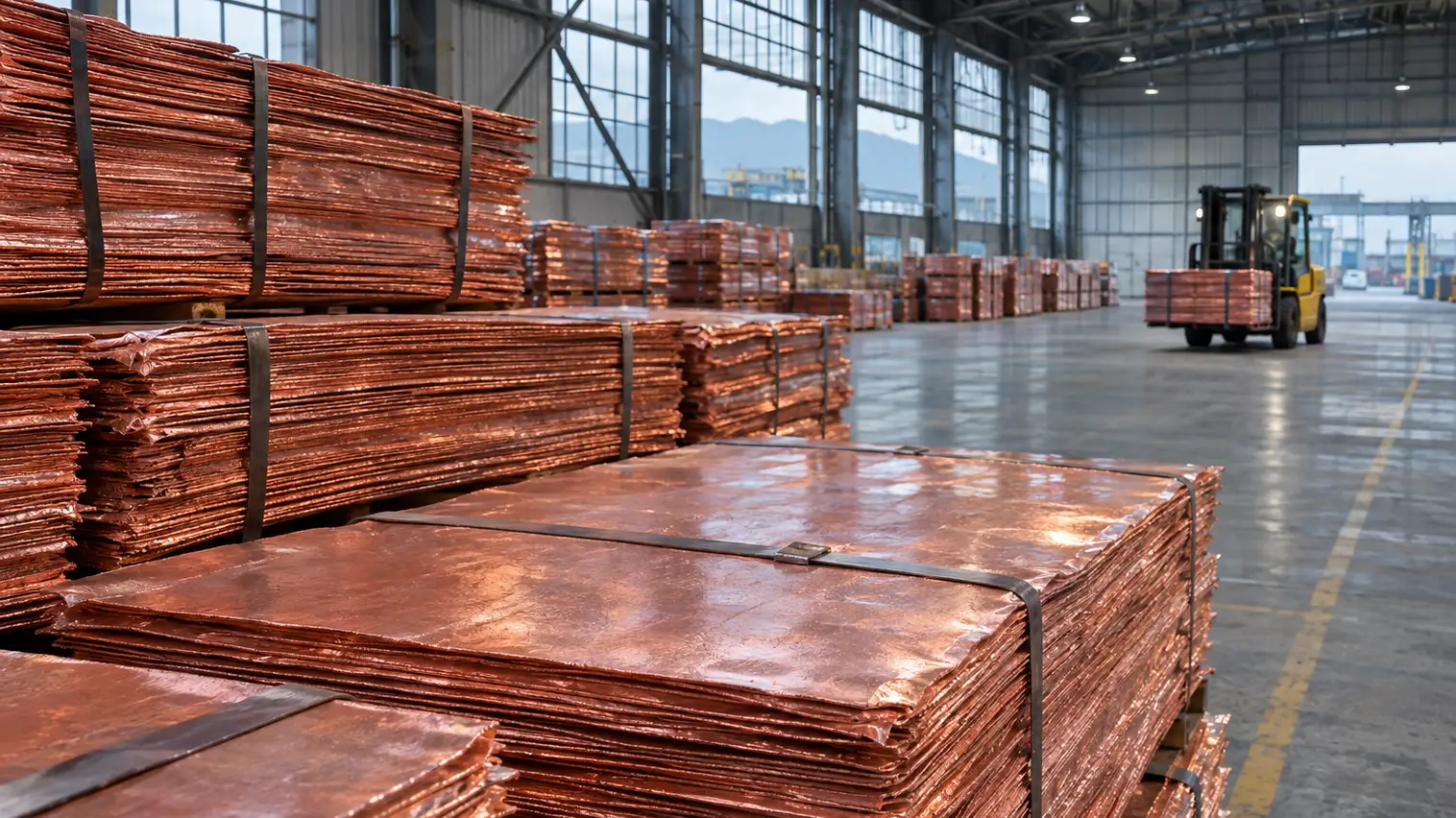
Copper's official London cash price fell to its lowest level of 2026 on November 25, as rising exchange inventories and uncertainty over demand added to pressure on the industrial metal.
The London Metal Exchange cash settlement dropped to $11,703 per metric ton, down from $12,035 a day earlier and about 21% below its August high of $14,850. The official three-month price stood at $11,758 per ton, down roughly 8% over the week.
Copper inventories in London Metal Exchange warehouses reached 336,750 tons on November 25, up from 327,475 tons on November 16. Stocks declined slightly from the previous day, but remained well above the 274,000 tons recorded at the end of October.
Rising exchange inventories can signal that more metal is available to buyers, although they capture only part of global supply. Metal can also move between regions and storage facilities in response to differences in local prices and trade policy.
In China, the premium paid to import copper through Yangshan fell to $340 per ton on November 25 from a record $500 the previous week, pointing to softer buying interest. That decline comes as traders assess the potential for copper held in the United States to move to Asia.
Uncertainty over a proposed US tariff on refined copper has complicated decisions about where to hold and ship the metal. The measure has not been finalized, leaving the future cost of importing refined copper into the United States unclear.
Copper is widely used in power networks, construction and electrical equipment, making its price sensitive to expectations for industrial activity and investment. A weaker outlook for growth or tighter financial conditions can weigh on demand expectations, even when supply constraints persist in parts of the market.
For the next direction in prices, traders will be watching warehouse flows, Chinese buying interest and any clarification of US trade policy. A further inventory build could reinforce concerns about near-term availability, while stronger physical demand or production disruptions could help support prices.
NOVEMBER 21, 2026
Copper Metals Market Slides 10% as China’s Supply Squeeze Persists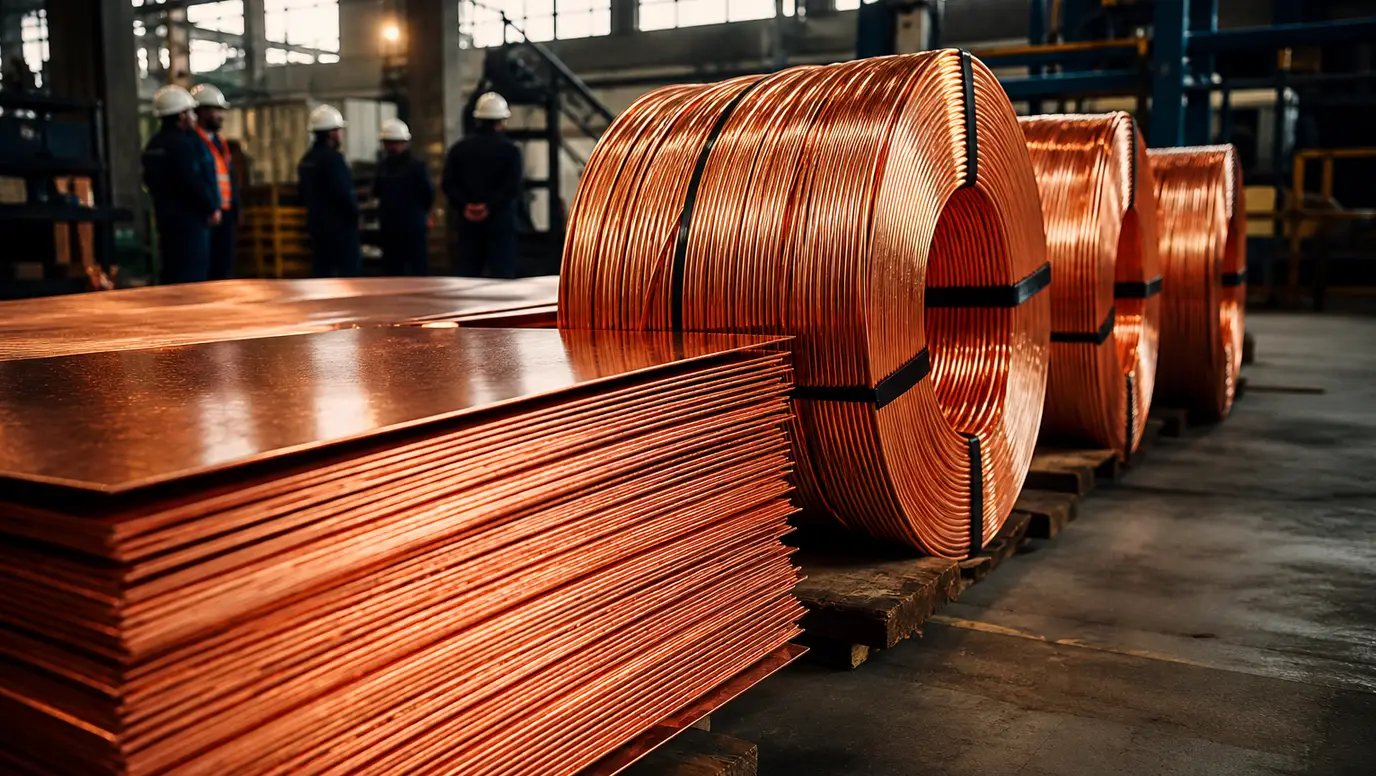
NOVEMBER 15, 2026
Copper Metals Market Nears Four-Month Low as Federal Reserve Bets Lift US Dollar
NOVEMBER 10, 2026
Copper Metals Market Holds Above $14,000 as Tight Supply Offsets Stronger Dollar
NOVEMBER 4, 2026
Copper Futures Slide in Metals Market as Inventory Builds Test China Supply Premiums
OCTOBER 29, 2026
Copper Metals Market Holds Near Two-Week High as China Premium and US Dollar Shape Squeeze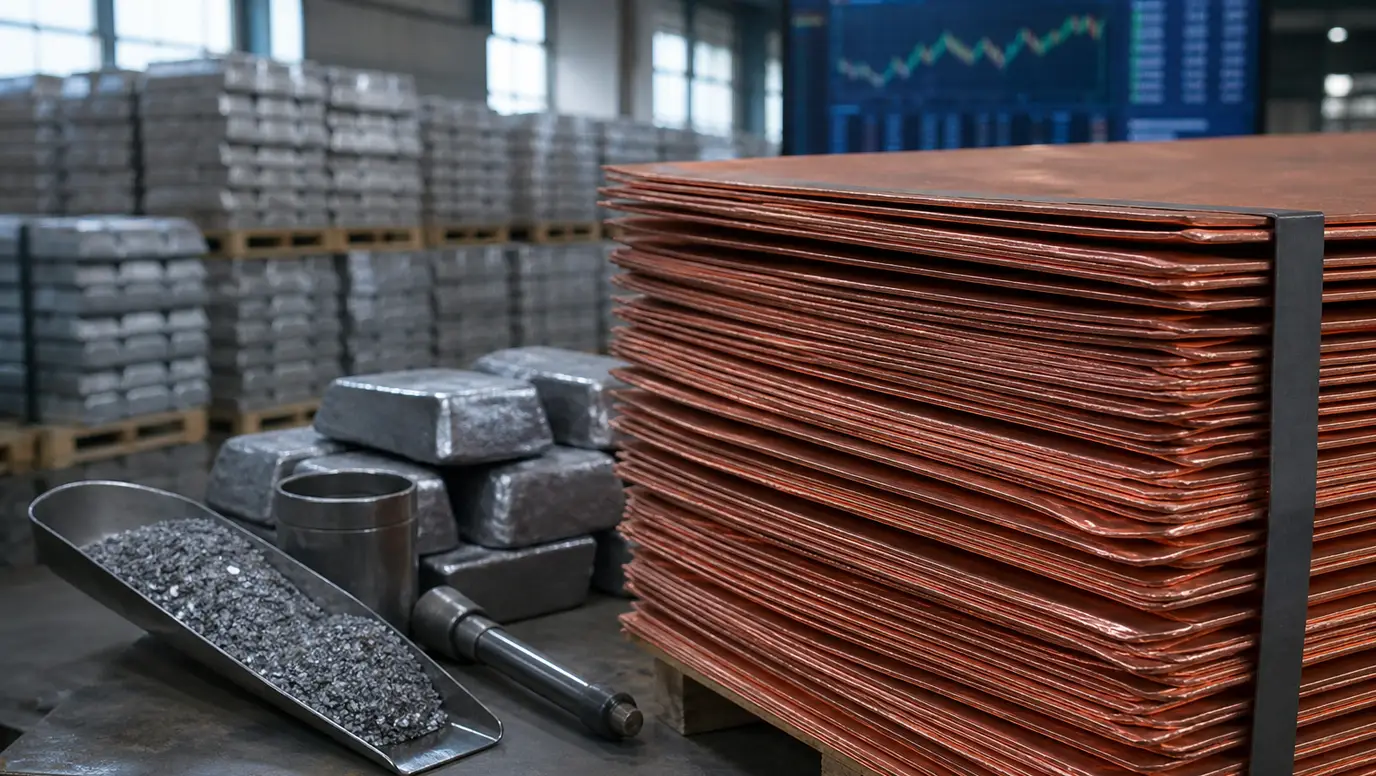
OCTOBER 23, 2026
Copper Metals Market Rebounds as Nickel Slips on Indonesia Cut Watch
OCTOBER 18, 2026
Copper Metals Market Holds Near Record as Tight Stocks Offset Federal Reserve Shock
OCTOBER 12, 2026
Copper Metals Market Rises as China Premium and Tight LME Stocks Challenge US Dollar
OCTOBER 6, 2026
Copper Futures Rally Puts Metals Market Focus on Smelter Squeeze
SEPTEMBER 30, 2026
Copper Futures Steady as Metals Market Weighs Dollar, Oil and Federal Reserve Risk
SEPTEMBER 25, 2026
Copper Futures Climb as China Tightness Puts Metals Market on Supply Watch
SEPTEMBER 19, 2026
Copper Futures Rally Puts Metals Market on Federal Reserve and PMI Watch
SEPTEMBER 13, 2026
Copper Futures Pullback Puts Metals Market on Tariff Doubt Watch
SEPTEMBER 8, 2026
Copper Hits Record High as Tariff Risk Tightens Metals Market Supply
SEPTEMBER 2, 2026
Copper Pullback Hits Metals Market as Strong Dollar Revives Federal Reserve Rate Risk
AUGUST 27, 2026
Copper Backwardation Puts Metals Market on Supply Stress Alert as Fed Risk Caps Rally
AUGUST 20, 2026
Copper Backwardation Puts Metals Market on Tariff Watch as Warehouse Stocks Fall
AUGUST 14, 2026
Copper Squeeze Lifts Metals Market as Treasury Yields Test Rally
AUGUST 8, 2026
Copper Breakout Keeps Metals Market Focused on China Premiums and Inventory Drain
AUGUST 3, 2026
Copper Rebound Puts Metals Market on US Dollar Watch as Supply Tightness Offsets Demand Caution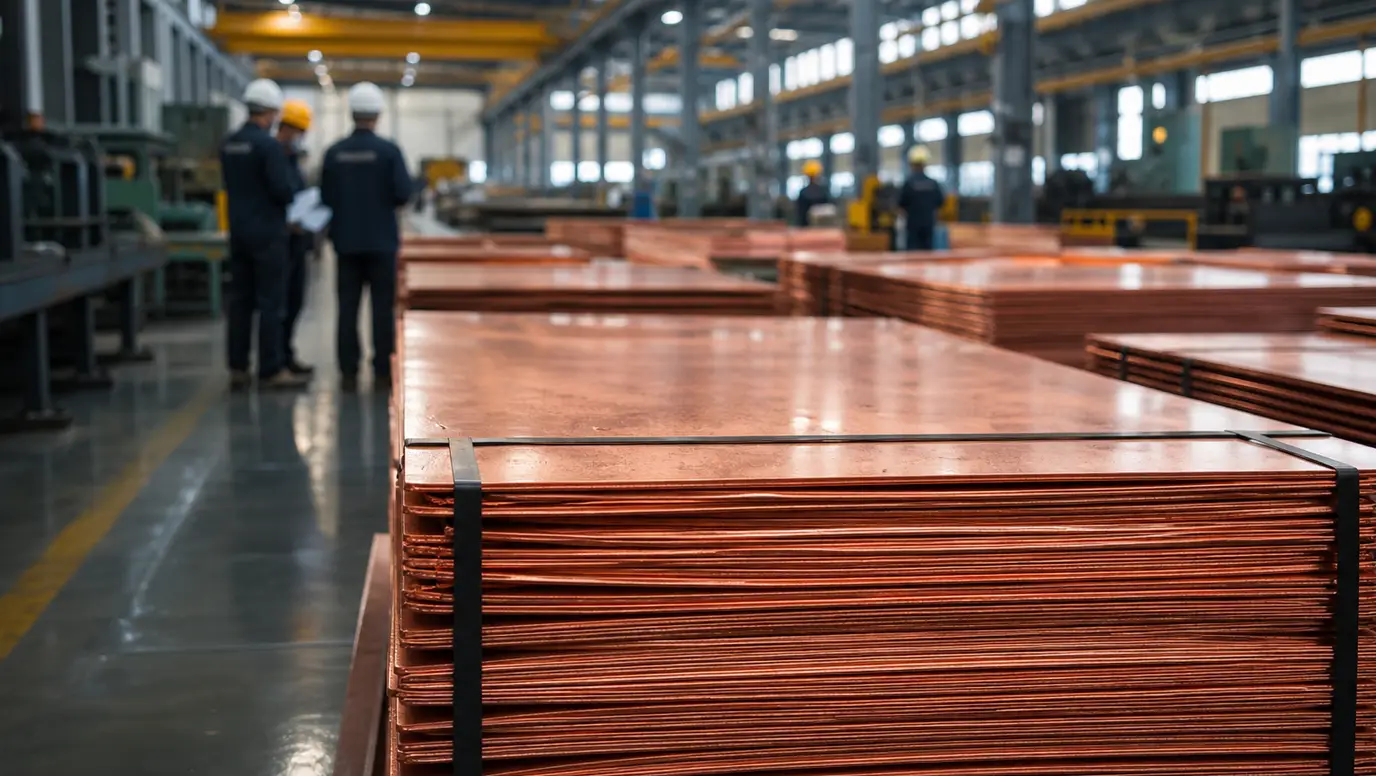
JULY 28, 2026
Copper Tightness Puts Metals and Commodities Traders on China Supply Watch
JULY 21, 2026
Aluminum and Copper Rally Puts Metals Market on Tariff Watch
JULY 18, 2026
Copper Pullback Keeps Metals Market Defensive as Gold and Silver Watch Yields
JULY 15, 2026
Copper Prices Lead Metals Market as China Demand Puts Supply Tightness Back in Focus
JULY 14, 2026
Gold and Silver Jump as Cool CPI Pulls Metals Market Back Toward Real-Yield Trade
JULY 11, 2026
Copper Premium Takes Center Stage as Metals Market Weighs Tariff Risk and Fed Headwinds
JULY 10, 2026
Silver and Copper Rebound as Softer US Dollar Revives Metals Market Bid
JULY 9, 2026
Copper Retreats as Gulf Tension Turns Base Metals Toward Demand Risk
JULY 8, 2026
Gold Loses Haven Bid as Dollar Strength Splits the Metals Market
JULY 6, 2026
Gold Pullback and Copper Resilience Split Metals Market as Dollar Stabilizes