
NOVEMBER 6, 2026
Zinc Futures Climb in Metals Market as Inventory Draws Tighten Smelter SupplyZinc futures gain as falling exchange stocks, high power costs and a refined market deficit sharpen focus on smelter supply.

© 1box.site 2026
NOVEMBER 24, 2026
Zinc futures rebounded in overnight trading reported on November 24, following a steep weekly decline that left investors weighing tight smelter feed supplies against rising exchange inventories.
London zinc gained 1.38% during the overnight session, while Shanghai zinc futures rose 1.49%. The recovery followed a 5.6% fall in the London benchmark during the week ended November 20, when three-month zinc finished at $3,504 per metric ton.
Even as the three-month price fell last week, cash zinc remained more expensive than metal for delivery three months later. That structure, known as backwardation, can signal demand for nearby supply, although trading positions and the availability of eligible metal can also influence the spread.
The cash premium over the three-month contract reached $162 per ton on Thursday before easing to $138.50 by Friday. The widening during much of the week cushioned the fall for holders selling at the cash price.
At the same time, registered London warehouse stocks rose by 3,050 tons over the week to 145,675 tons. The amount available for delivery increased by 7,275 tons, suggesting that headline stock growth alone did not capture the full change in immediately available inventory.
Chinese smelters continued to compete for zinc concentrate ahead of seasonal mine closures. Spot treatment charges for imported concentrate were assessed at minus $173.57 per dry metric ton on November 20. Negative charges mean smelters effectively pay for the material rather than receive a processing fee, adding pressure to margins.
The refined metal balance also offers a mixed picture. The global market recorded a 31,000-ton deficit in September after an August surplus, but remained in surplus over the first nine months of 2026.
For traders, the question is whether the rebound can hold as available warehouse stocks grow. Changes in concentrate costs, nearby premiums and industrial demand could provide clues about the durability of the recovery.
NOVEMBER 6, 2026
Zinc Futures Climb in Metals Market as Inventory Draws Tighten Smelter Supply
OCTOBER 30, 2026
Zinc Futures Lead Metals Market Toward $4,000 as Warehouse Draws Tighten Supply
OCTOBER 24, 2026
Zinc Metals Market Leads Base-Metal Rebound as Dollar Risk Meets Inventory Build
OCTOBER 13, 2026
Zinc Metals Market Falls as LME Stock Jump and US Dollar Pressure Base Metals
OCTOBER 8, 2026
Zinc Metals Tightness Faces US Dollar and Treasury Yield Test
SEPTEMBER 29, 2026
Zinc Futures Fall as China Demand Worries Test Metals Market Tightness
SEPTEMBER 18, 2026
Zinc Futures Squeeze Lifts Metals Market as Lead Inventories Tighten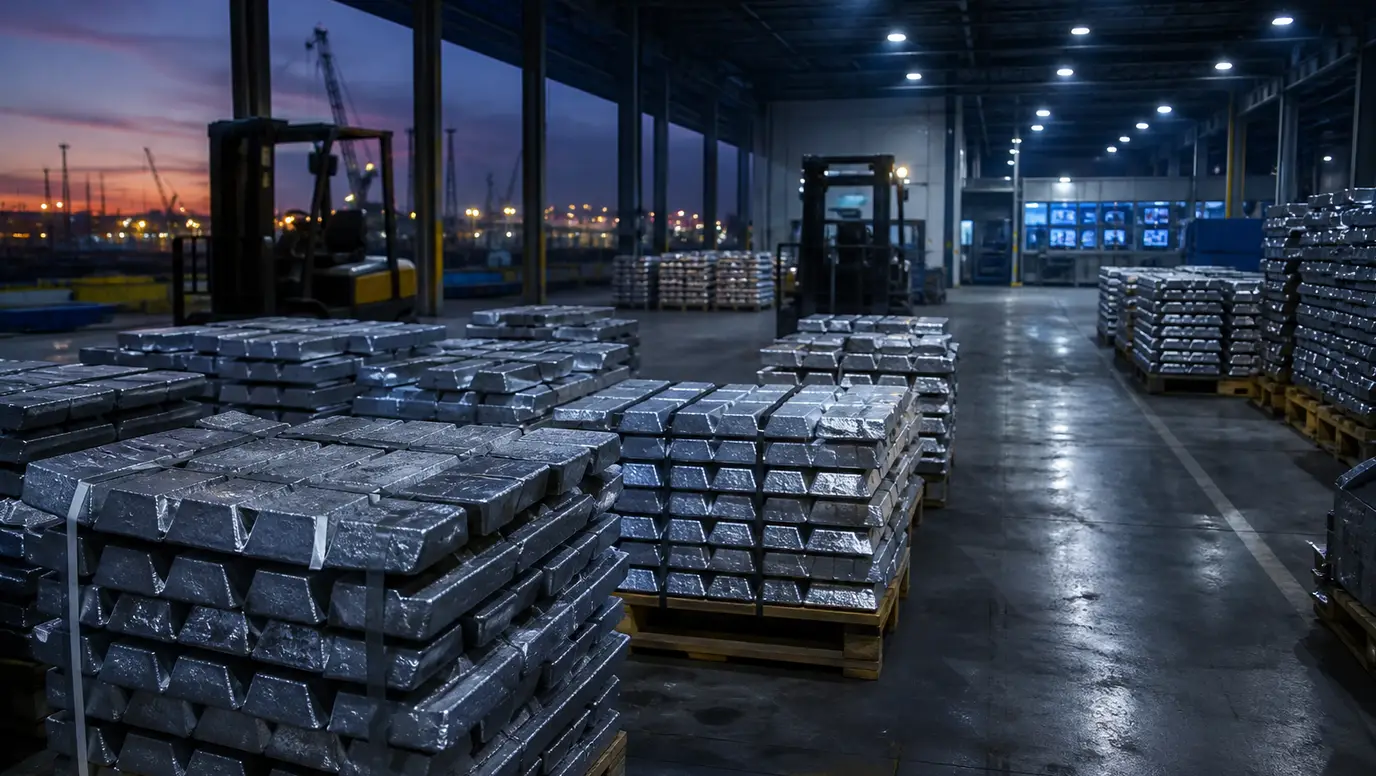
SEPTEMBER 12, 2026
Zinc Futures Rally Faces Inventory Test as Metals Market Weighs Demand Signals
SEPTEMBER 7, 2026
Zinc Futures Defy Federal Reserve Pressure as Supply Squeeze Tightens Metals Market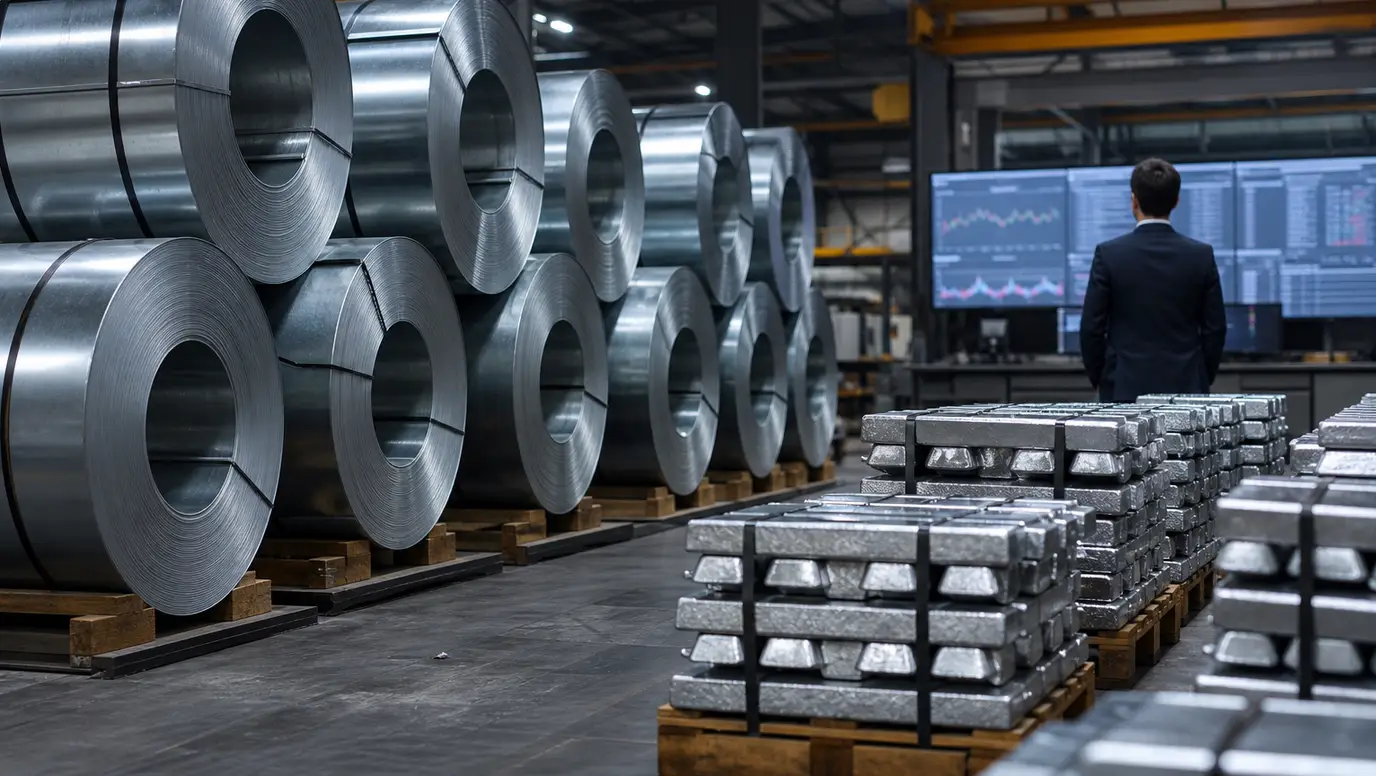
SEPTEMBER 1, 2026
Zinc Rally Leads Metals Market as Supply Fears Lift Base Metals
AUGUST 26, 2026
U.S. Zinc Futures Debut Puts Metals Market on Regional Pricing Watch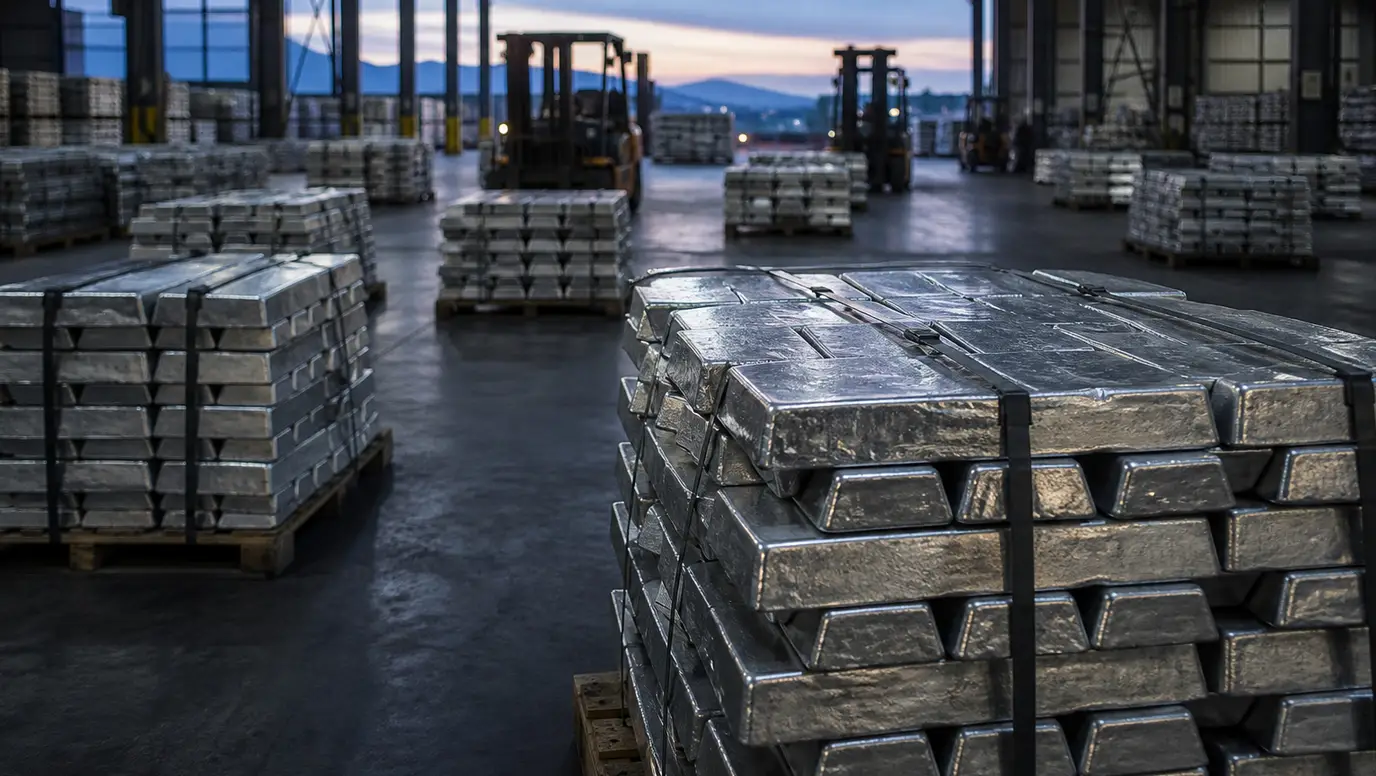
AUGUST 19, 2026
Zinc Tightness Keeps Metals Market Alert as Inventory Cushion Shrinks
AUGUST 13, 2026
Zinc Tightness Keeps Metals Market Alert as China Demand Caps Rally
AUGUST 6, 2026
Zinc Inventory Draw Keeps Metals Market Focused on China Supply and US Dollar Risk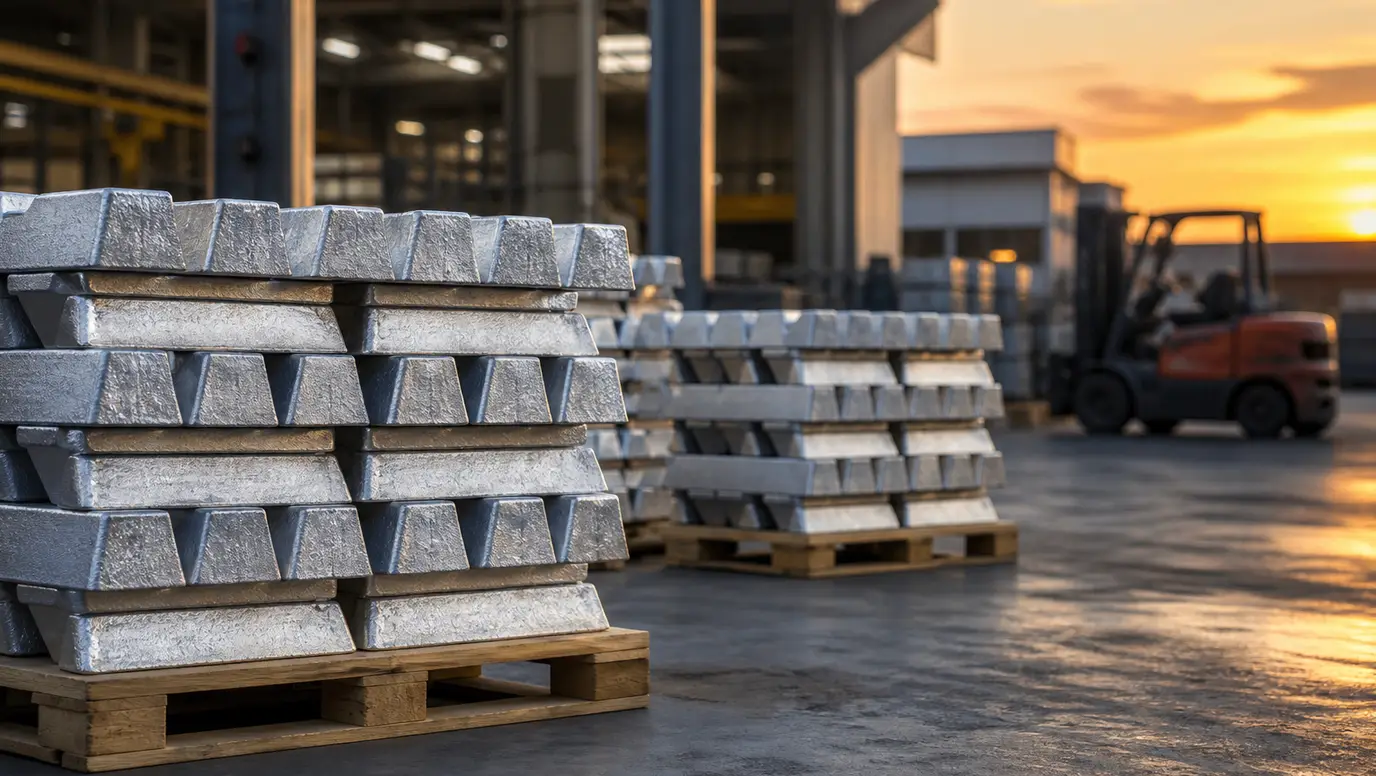
JULY 31, 2026
Zinc Rally Puts Metals Traders on Alert as LME Stocks Slide After US Dollar Pullback
JULY 22, 2026
Nickel and Zinc Join Metals Rally as China Supply Signals Revive Risk Appetite
JULY 4, 2026
Silver and Zinc Lead Broad Metals Rally as Dollar Weakness Extends Holiday Bounce
JULY 1, 2026
Copper Leads Metals Lower as Tariff Uncertainty Hits Aluminum and Zinc