NOVEMBER 9, 2026
Aluminum Metals Market Stalls Near $3,070 as Supply Recovery Meets Thin InventoriesAluminum prices hold near $3,070 as recovering smelter supply clashes with thin inventories and softer China demand signals.

© 1box.site 2026
NOVEMBER 20, 2026
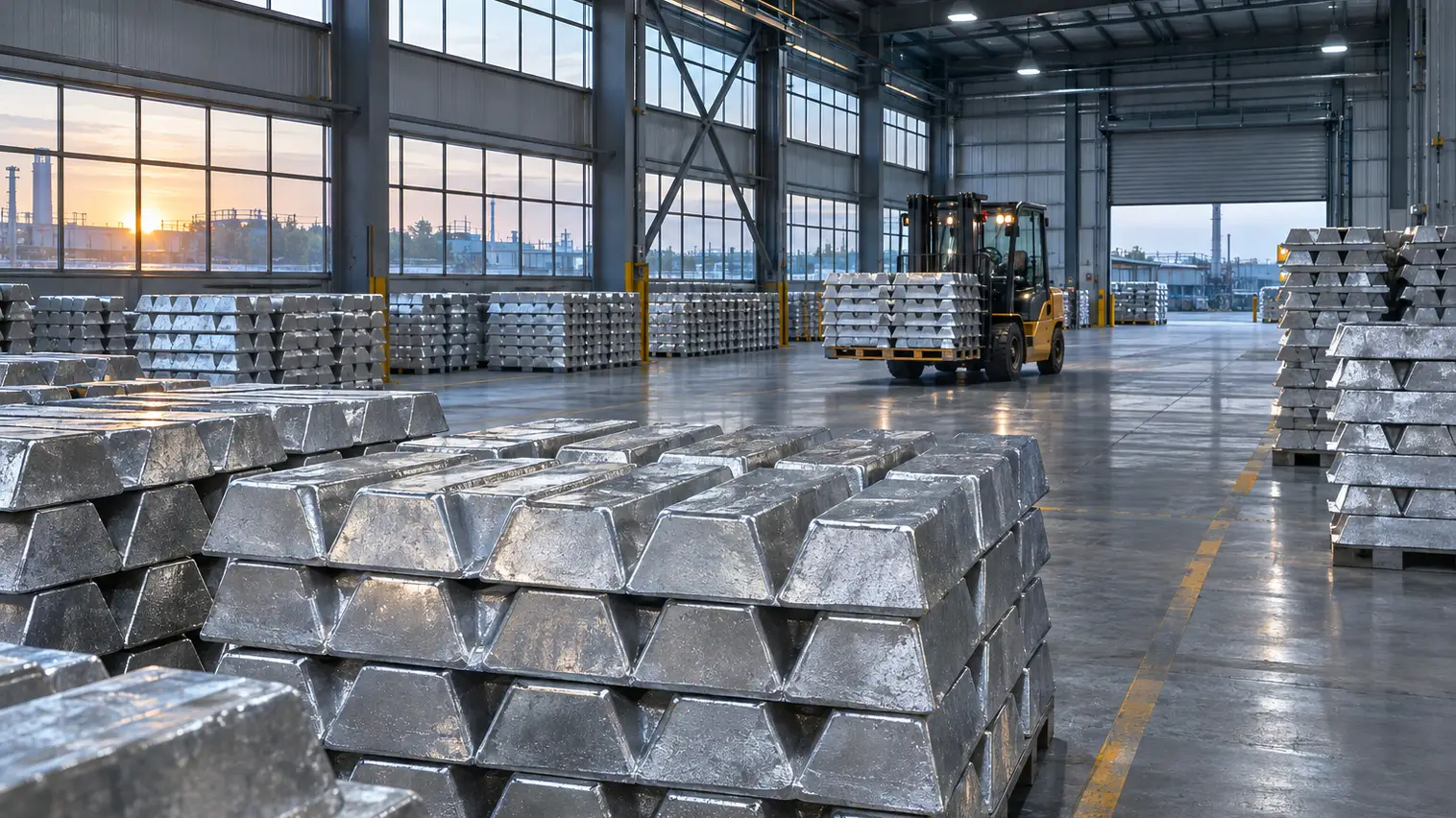
Aluminum’s cash price is trading well above its three-month price, highlighting a shortage of readily available metal even as the longer-dated market comes under pressure.
On November 19, the London Metal Exchange’s official cash bid was $3,104 per metric ton, compared with $2,843 for three-month delivery. The resulting $261 gap was wider than the $230 difference between the corresponding bids a day earlier.
The divergence leaves buyers facing a costly near-term market while traders weigh the prospect of improving supply next year. The three-month bid fell $21 from November 18, even as the cash bid rose $10.
When metal for immediate delivery costs more than metal for later delivery, the market is in backwardation. A wide premium can signal that buyers are willing to pay more to secure material now, although it does not by itself establish a shortage across the entire global market.
Exchange inventories have fallen substantially this year, and the metal held in registered warehouses is not equally accessible to every buyer. Origin, location and ownership can all affect how readily stock reaches the market. Metal marked for withdrawal is also different from stock available for delivery against exchange contracts.
The premium creates an incentive for holders to release material sooner rather than later. Whether that happens depends on the cost of moving and storing metal, as well as whether available brands and locations meet buyers’ needs.
The longer-term outlook is less supportive of high prices. Recovering Middle Eastern production and new capacity in Indonesia could increase availability, though the timing of output and its eligibility for exchange delivery remain important uncertainties.
For manufacturers, the split between cash and forward prices complicates purchasing decisions: a lower benchmark for future delivery does not guarantee cheaper metal today. Traders will be watching warehouse movements, the cash premium and evidence that additional supply can reach buyers before judging whether the squeeze is easing.
NOVEMBER 9, 2026
Aluminum Metals Market Stalls Near $3,070 as Supply Recovery Meets Thin Inventories
NOVEMBER 3, 2026
Aluminum Metals Market Rebounds as China Demand Doubts Meet Tight Supply Signals
OCTOBER 26, 2026
Aluminum Metals Market Tightens as Exchange Stocks Fall and Tariff Flows Keep Premiums Elevated
OCTOBER 14, 2026
Aluminum Metals Futures Hold Near $3,000 as Japan Premium Drop Masks Supply Stress
OCTOBER 7, 2026
Aluminum Rebound Tests Metals Market as Dollar Strength and China Lull Cap Buyers
OCTOBER 1, 2026
Aluminum Slumps to 12-Week Low as Strong Dollar Hits Metals Market
SEPTEMBER 24, 2026
Aluminum Futures Steady as China Destocking Offsets Metals Market Yield Pressure
SEPTEMBER 16, 2026
Aluminum Rally Tests China Supply Cap as Metals Market Weighs Export Surge
SEPTEMBER 6, 2026
Aluminum Futures Split Metals Market as Supply Risk Meets Soft China Demand
AUGUST 31, 2026
Aluminum Premiums Rebound as Metals Market Tracks Tariff Risk and Alumina Squeeze
AUGUST 15, 2026
Aluminum Keeps Metals Market on Inventory Watch as China Demand Offsets Tariff Risk
AUGUST 4, 2026
Aluminum Premium Squeeze Keeps Metals and Commodities Traders Focused on U.S. Tariffs
JULY 29, 2026
Aluminum Stockpile Drain Puts Metals and Commodities on Premium Watch
JULY 21, 2026
Aluminum and Copper Rally Puts Metals Market on Tariff Watch
JULY 9, 2026
Copper Retreats as Gulf Tension Turns Base Metals Toward Demand Risk
JULY 8, 2026
Gold Loses Haven Bid as Dollar Strength Splits the Metals Market
JULY 3, 2026
Aluminum and Copper Rebound as Softer Dollar Revives Base Metals Demand
JULY 1, 2026
Copper Leads Metals Lower as Tariff Uncertainty Hits Aluminum and Zinc