OCTOBER 14, 2026
Aluminum Metals Futures Hold Near $3,000 as Japan Premium Drop Masks Supply StressAluminum futures steady near $3,000 as lower Japan premiums clash with tight supply chains and lingering physical market stress.

© 1box.site 2026

OCTOBER 26, 2026
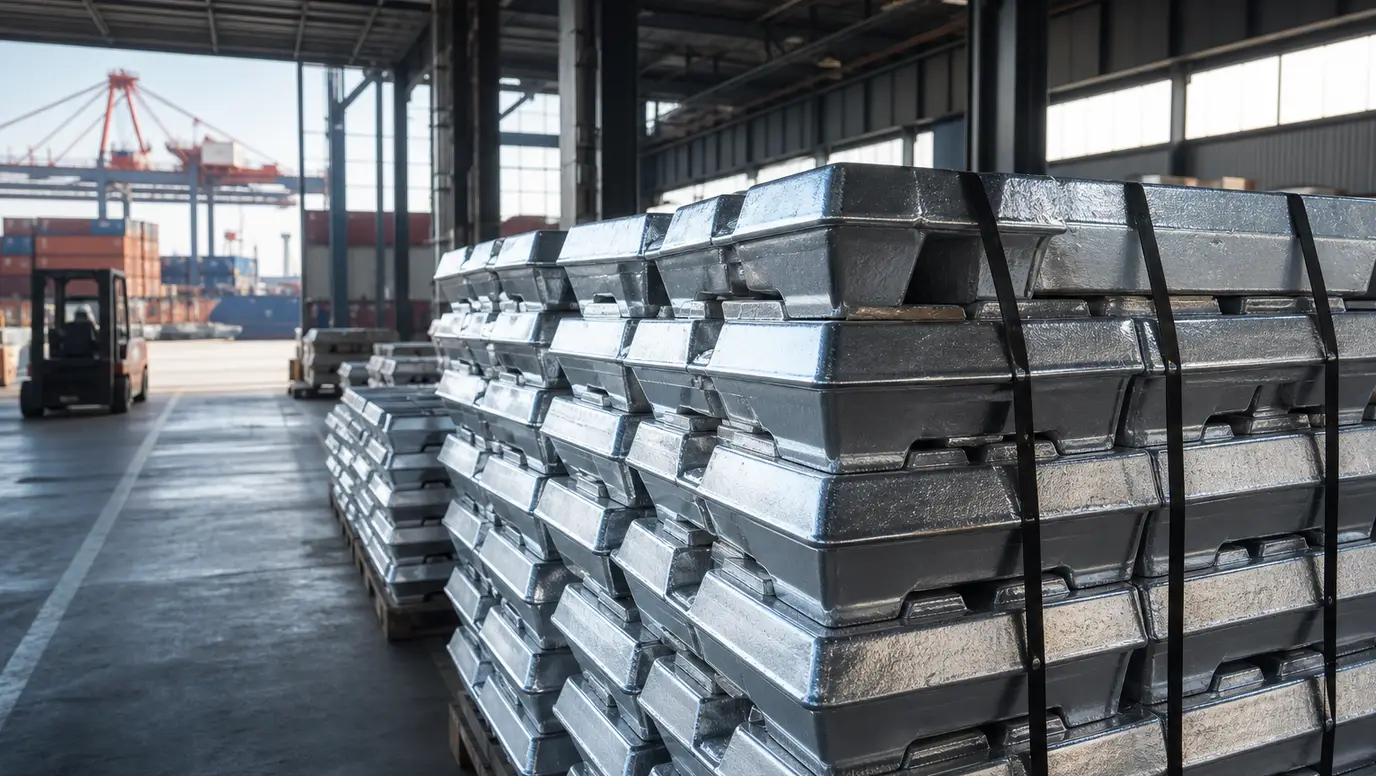
The aluminum metals market started the week with a tighter physical tone as visible exchange inventories declined again, keeping attention on supply availability even as benchmark prices remain sensitive to the US dollar, Treasury yields and broader risk appetite. Fresh warehouse data showed aluminum stocks falling by 1,750 metric tons on October 26 to 234,100 metric tons, extending a modest but persistent draw over the past week and month.
The move is not large enough by itself to declare a supply squeeze, but it matters because aluminum has already been trading in a market shaped by uneven regional availability. European buyers have faced elevated physical premiums, while Asian premiums have softened, suggesting that global supply is not uniformly tight but is increasingly being redirected by freight, tariff and regional demand signals.
For traders, the near-term question is whether lower visible stocks can offset a softer price backdrop that developed earlier in October. Aluminum prices moved lower into the month after a strong September peak, pressured by reduced speculative length and concern that the market may be able to absorb new supply if exports from Asia continue to rise. That makes this week’s stock draw a test of whether physical tightness can reassert itself before macro events dominate the base-metals tape.
Aluminum’s inventory profile is the clearest bullish input for the market at the moment. Exchange stocks have declined over the past week and over the past month, reinforcing the view that available units are not building quickly despite earlier price weakness. In metals trading, that kind of stock trend often becomes more important when buyers are uncertain about future delivery costs or when regional premiums begin to diverge.
The European market remains the center of that debate. Premiums there recently climbed to their highest level in several months as buyers assessed the risk that Canadian metal could be pulled toward the United States if tariff terms become more favorable. If more Canadian supply moves into the US market, European consumers may need to compete harder for replacement units from other regions, adding support to duty-paid premiums even if headline exchange prices stay volatile.
At the same time, the global picture is not one-directional. Asia has shown signs of looser spot conditions, with regional premiums easing from late-summer levels. That split suggests aluminum is trading less like a single global shortage and more like a logistics and policy-driven market in which the location of metal matters as much as the total volume available.
Tariff policy remains a major swing factor for aluminum. The market has been pricing the possibility that changes to North American metal tariffs could redirect supply, alter import incentives and shift the balance between regional premiums. Any confirmed tariff adjustment would likely be felt first in physical premiums, then in consumer hedging behavior, and only later in benchmark futures if enough metal is diverted away from one region to another.
This is why aluminum traders are watching trade flows as closely as macro indicators. A lower tariff burden on Canadian aluminum entering the United States could improve supply into the US but tighten availability elsewhere. Conversely, if negotiations fail or existing tariff settings remain in place, European tightness may ease more slowly, while Asian surplus metal could continue searching for a home.
Indonesian and Indian shipments are another important part of the equation. Market participants entered late October expecting more attention on Asian deliveries into Europe, especially in the duty-unpaid segment. If those flows arrive smoothly, they could cap premiums and reduce the urgency among European consumers. If logistics, financing or policy hurdles slow those shipments, the inventory drawdown may carry more weight in pricing.
Aluminum’s fundamentals are firm enough to attract dip-buying, but the metal is still exposed to macro volatility. A stronger US dollar typically makes dollar-priced commodities more expensive for non-US buyers, while higher Treasury yields can reduce the appeal of holding inventory or speculative long positions. With central-bank expectations back in focus, traders may be reluctant to chase aluminum higher unless physical signals become more convincing.
Industrial demand is also being assessed cautiously. Aluminum remains tied to autos, packaging, construction, power equipment and renewable infrastructure, but demand strength varies sharply by region. Western manufacturers are still managing high input costs, while Chinese and broader Asian demand indicators remain central to the outlook for any sustained base-metals rally.
The result is a market that looks fundamentally supported but not yet decisively bullish. Falling stocks and elevated regional premiums argue for resilience, while potential supply growth and macro headwinds limit upside momentum. For now, aluminum bulls need continued inventory draws and stable physical demand to keep control. Bears need evidence that Asian supply can rebuild stocks or that tariff-driven tightness will fade before consumers are forced to restock more aggressively.
Until that balance becomes clearer, aluminum is likely to trade as one of the more policy-sensitive base metals in the complex. The next move may depend less on a single warehouse number and more on whether regional premiums confirm that buyers are still paying up for nearby metal.
OCTOBER 14, 2026
Aluminum Metals Futures Hold Near $3,000 as Japan Premium Drop Masks Supply Stress
OCTOBER 7, 2026
Aluminum Rebound Tests Metals Market as Dollar Strength and China Lull Cap Buyers
OCTOBER 1, 2026
Aluminum Slumps to 12-Week Low as Strong Dollar Hits Metals Market
SEPTEMBER 24, 2026
Aluminum Futures Steady as China Destocking Offsets Metals Market Yield Pressure
SEPTEMBER 16, 2026
Aluminum Rally Tests China Supply Cap as Metals Market Weighs Export Surge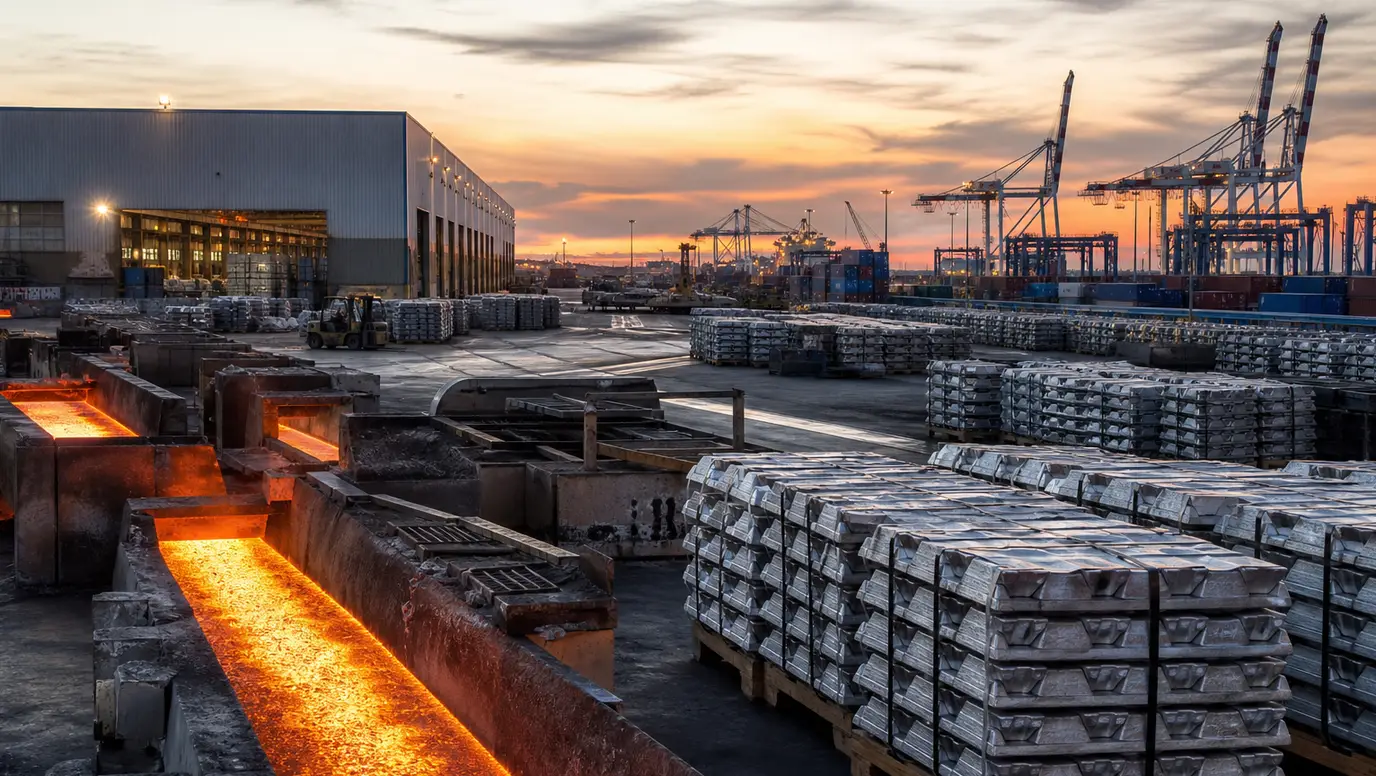
SEPTEMBER 6, 2026
Aluminum Futures Split Metals Market as Supply Risk Meets Soft China Demand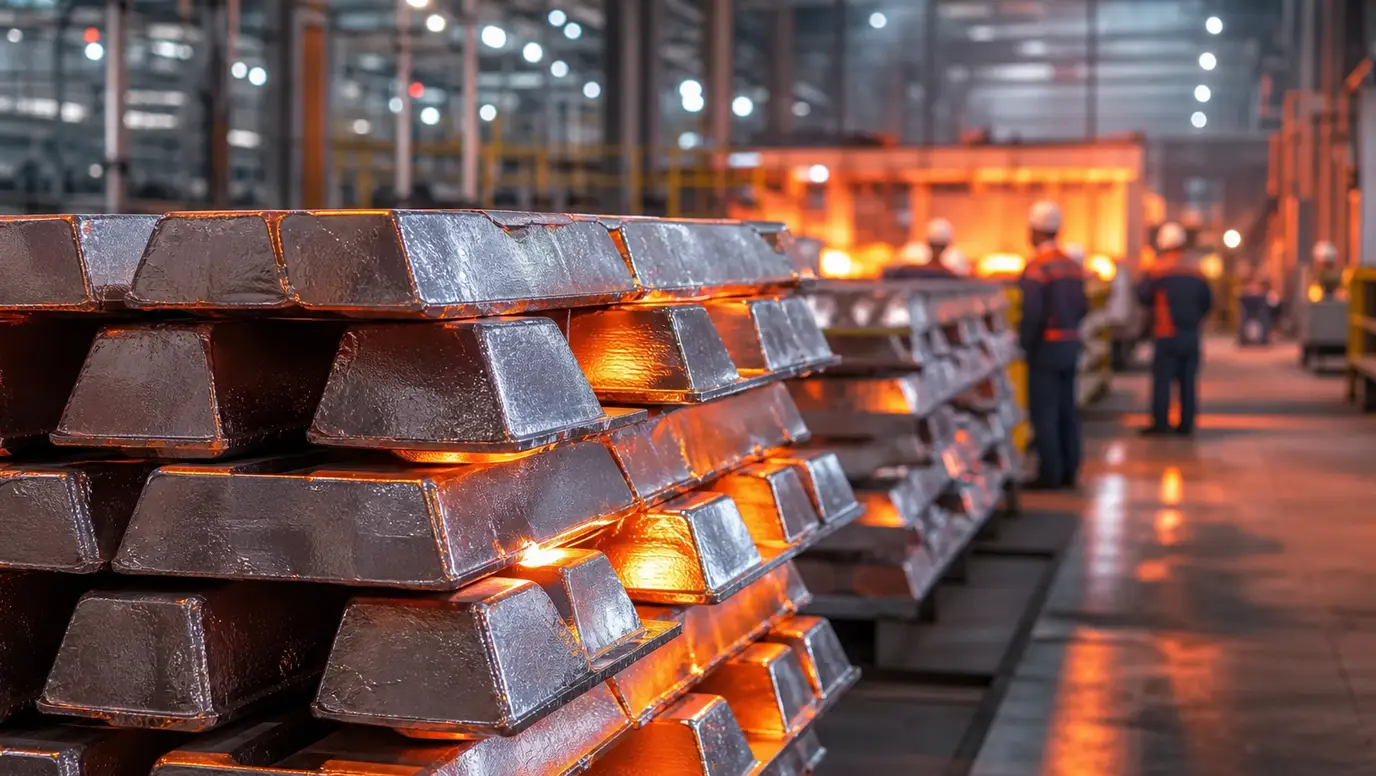
AUGUST 31, 2026
Aluminum Premiums Rebound as Metals Market Tracks Tariff Risk and Alumina Squeeze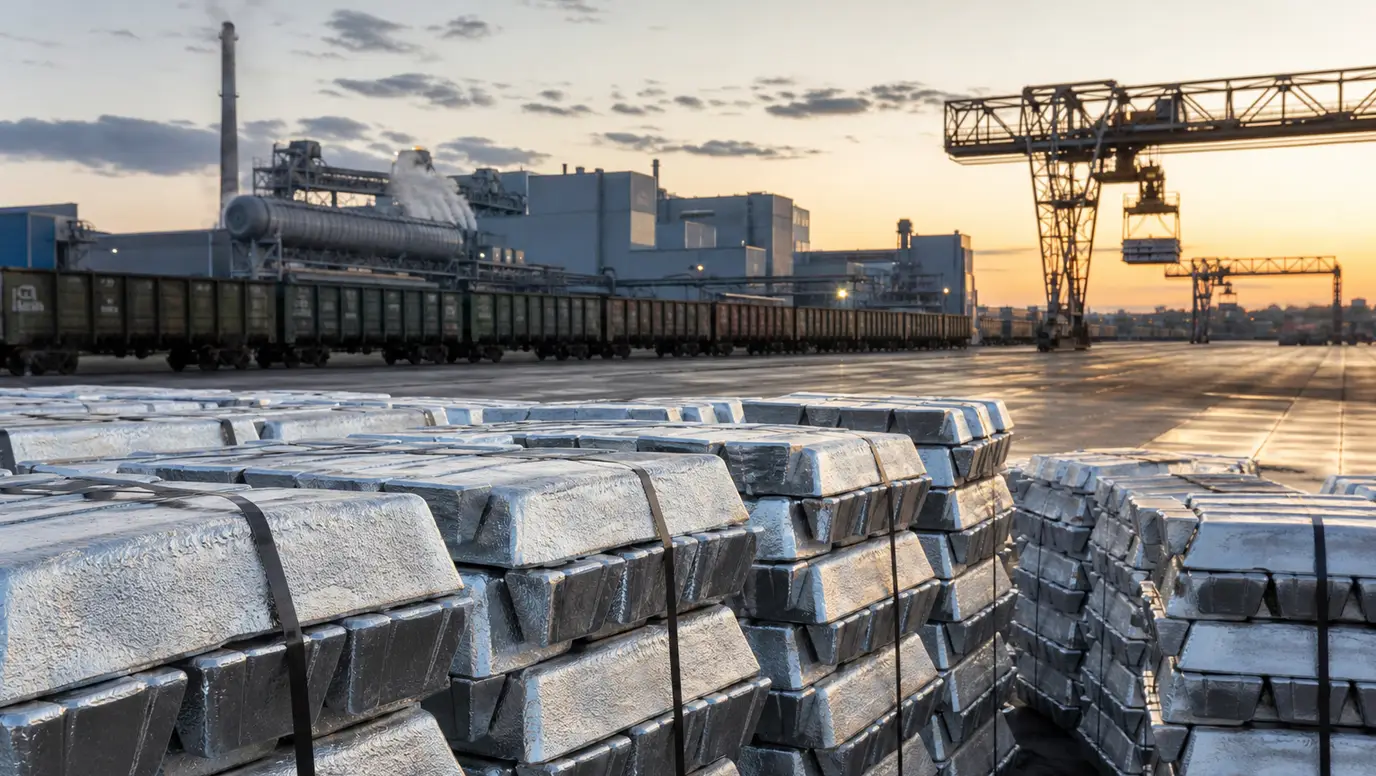
AUGUST 15, 2026
Aluminum Keeps Metals Market on Inventory Watch as China Demand Offsets Tariff Risk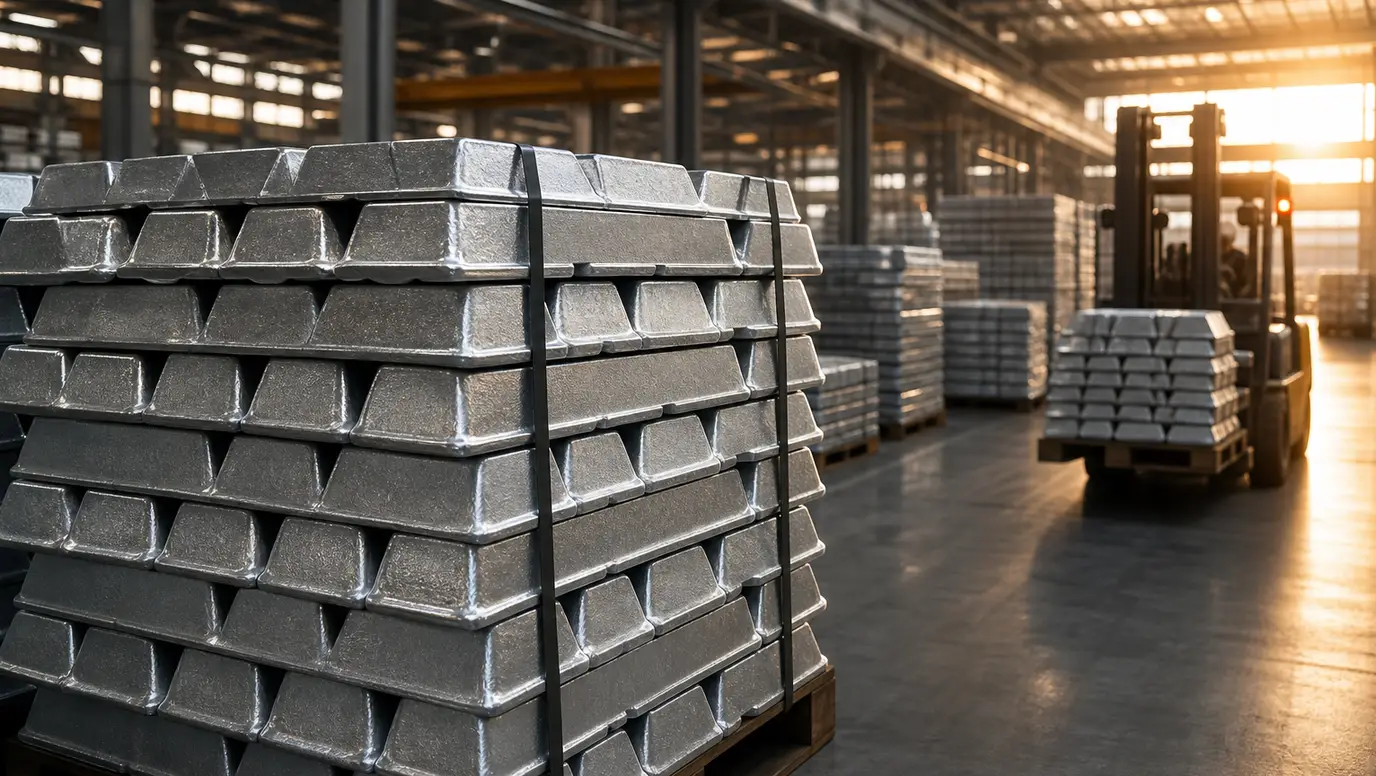
AUGUST 4, 2026
Aluminum Premium Squeeze Keeps Metals and Commodities Traders Focused on U.S. Tariffs
JULY 29, 2026
Aluminum Stockpile Drain Puts Metals and Commodities on Premium Watch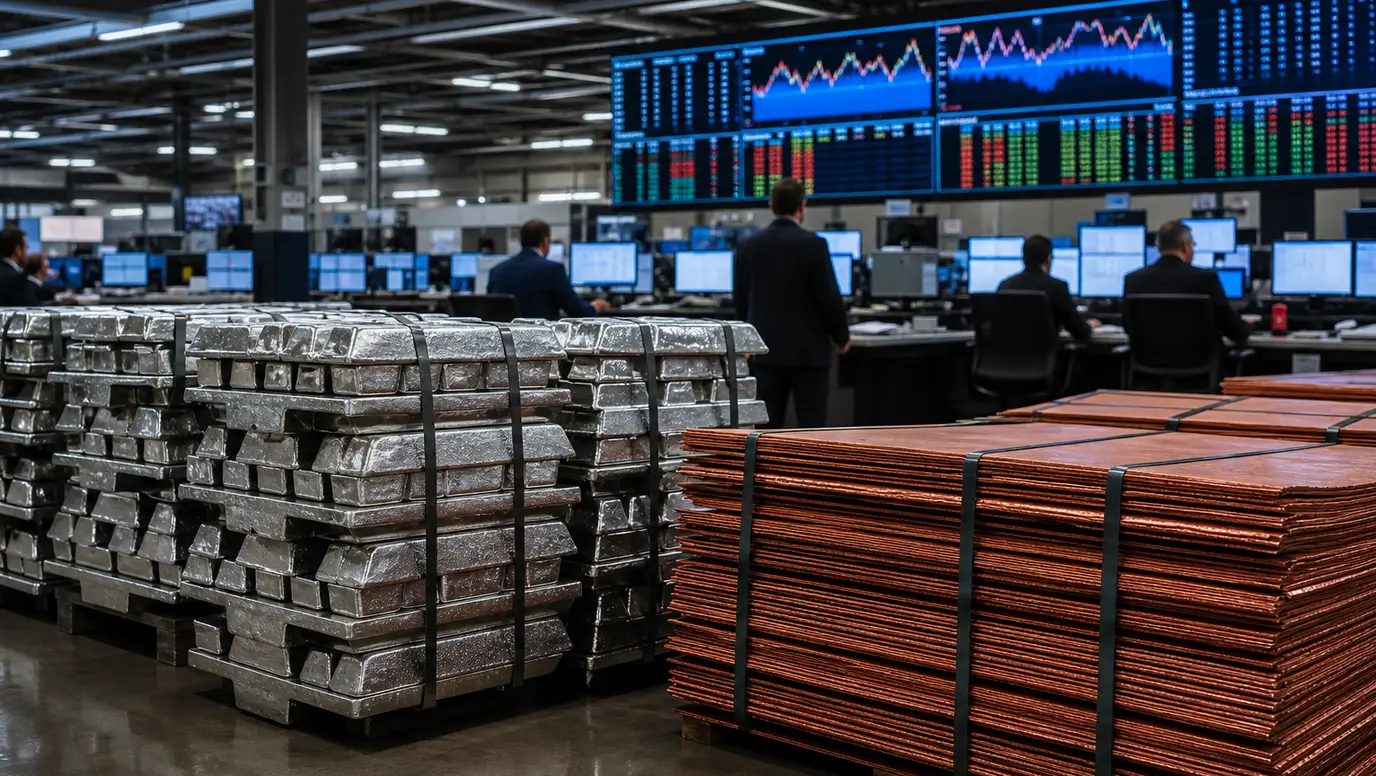
JULY 21, 2026
Aluminum and Copper Rally Puts Metals Market on Tariff Watch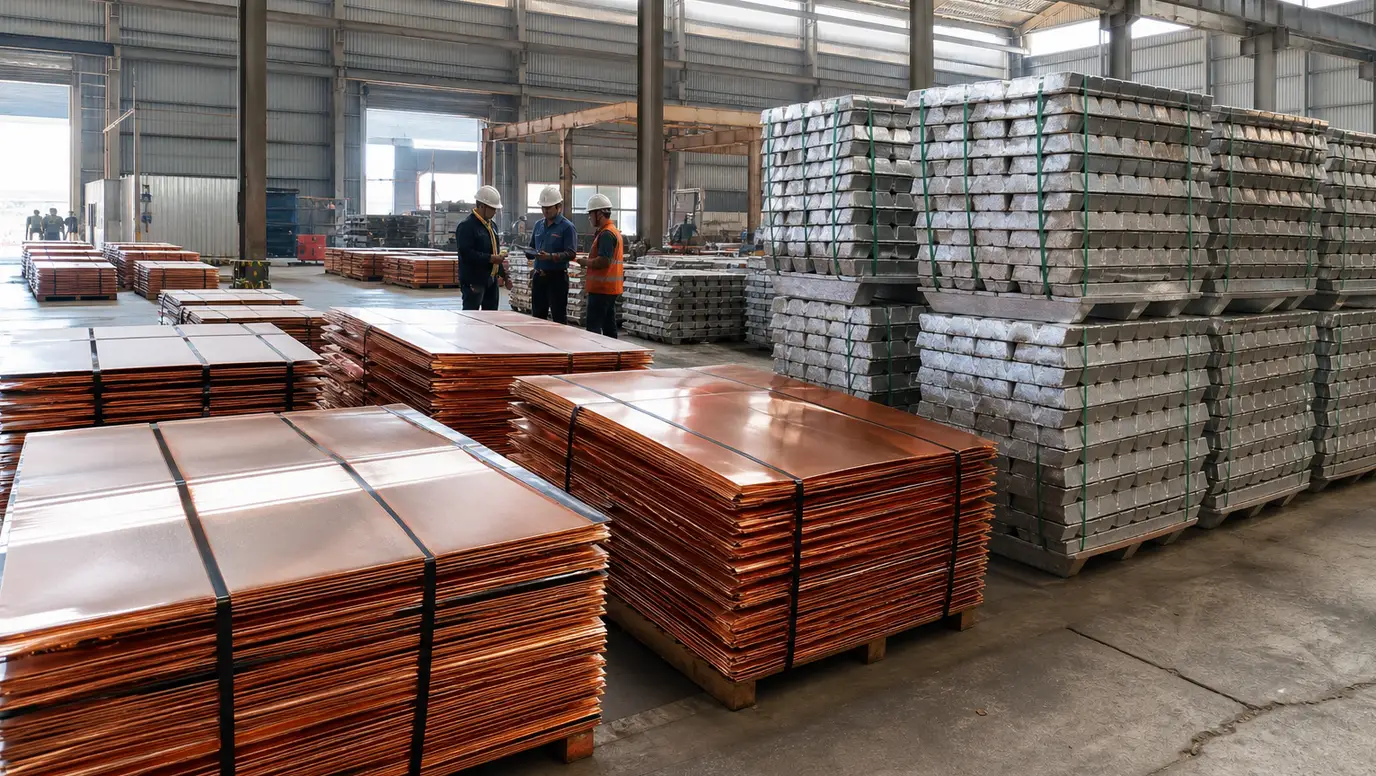
JULY 9, 2026
Copper Retreats as Gulf Tension Turns Base Metals Toward Demand Risk
JULY 8, 2026
Gold Loses Haven Bid as Dollar Strength Splits the Metals Market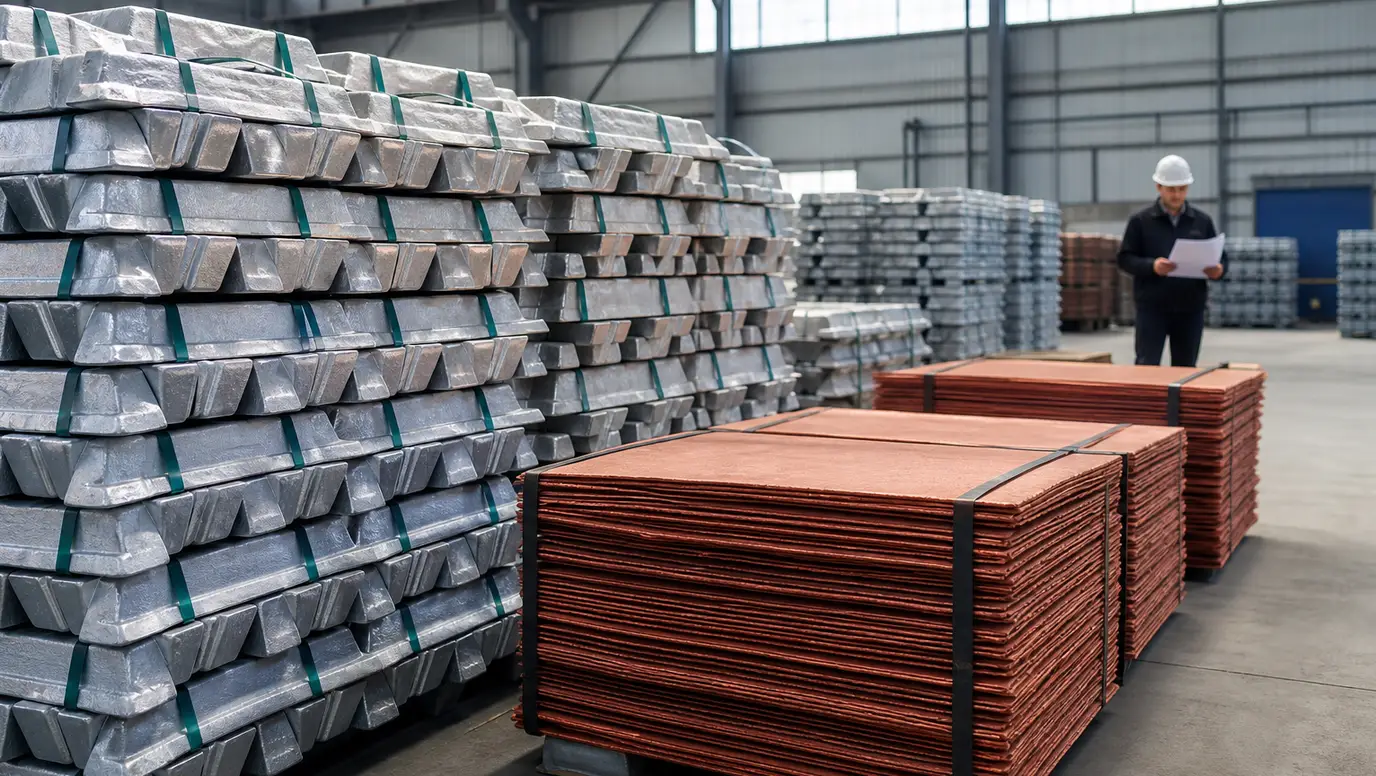
JULY 3, 2026
Aluminum and Copper Rebound as Softer Dollar Revives Base Metals Demand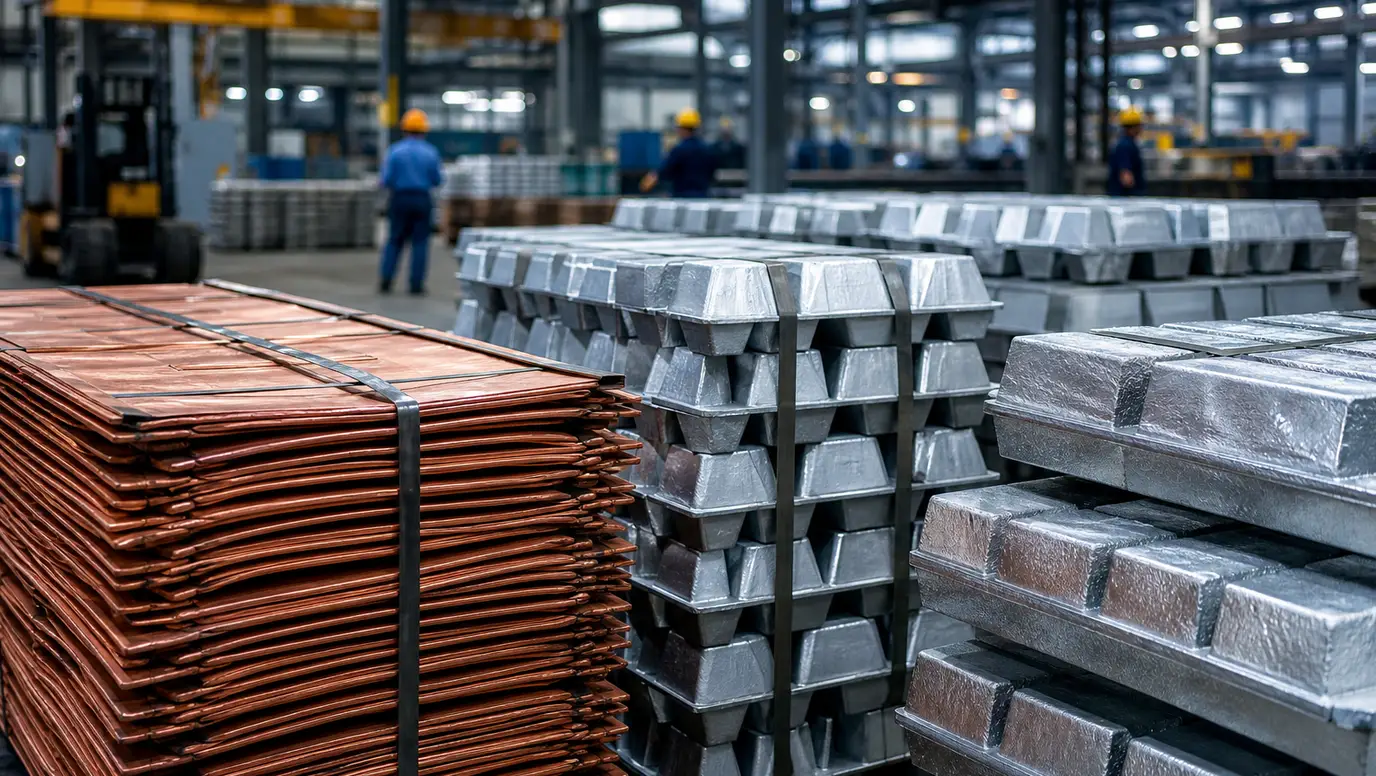
JULY 1, 2026
Copper Leads Metals Lower as Tariff Uncertainty Hits Aluminum and Zinc