OCTOBER 29, 2026
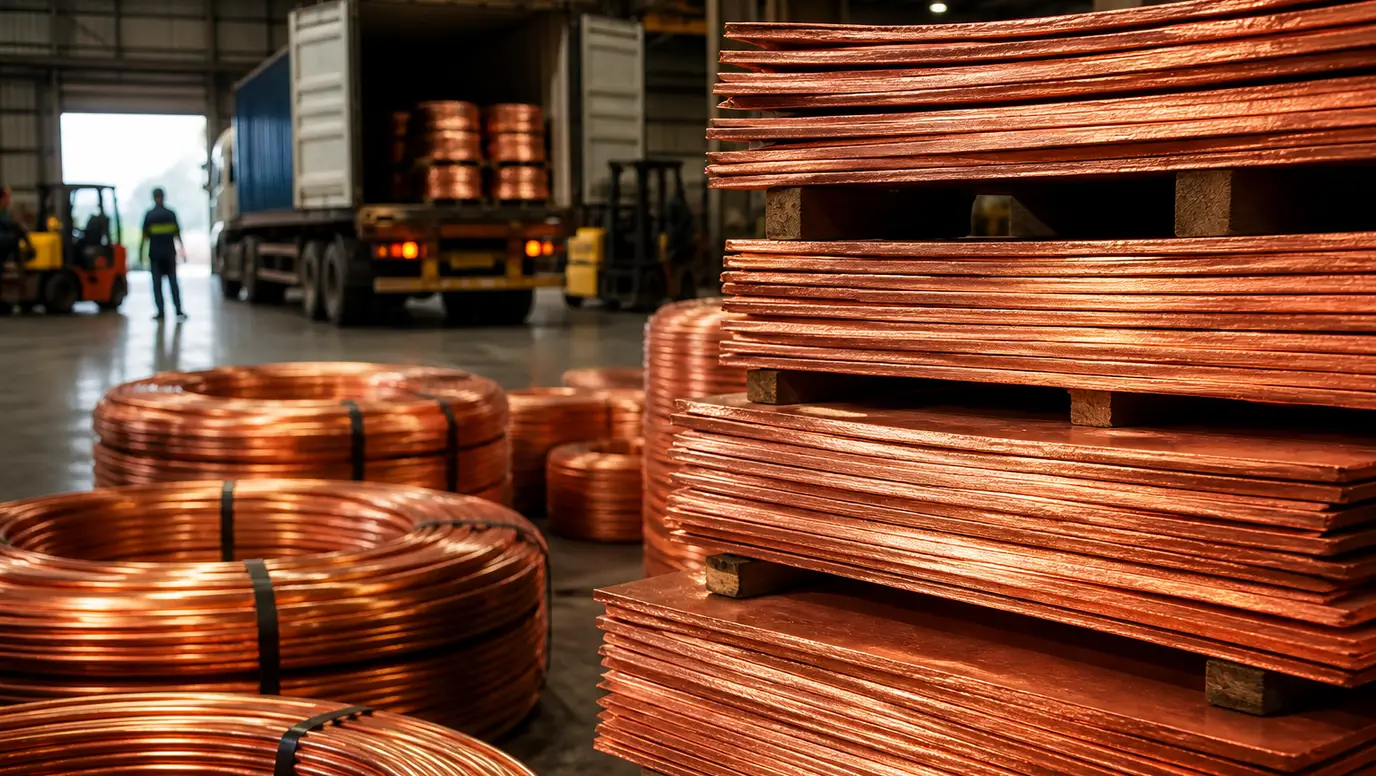
Copper Metals Market Holds Near Two-Week High as China Premium and US Dollar Shape SqueezeCopper holds near a two-week high as China premiums surge, SHFE stocks fall, and the US dollar limits metals market upside.

© 1box.site 2026

NOVEMBER 3, 2026
Aluminum moved back into focus in the metals market on Tuesday as traders weighed a modest price rebound against signs that China’s seasonal demand peak is fading. Benchmark aluminum prices recently recovered toward the low $3,000-per-ton area, while Shanghai futures also firmed, but the advance remained cautious as buyers tested whether tight supply can offset softer downstream orders.
The latest move follows a volatile stretch for industrial metals, with investors rotating away from earlier precious-metal headlines and back toward base metals tied to manufacturing, construction, packaging and vehicle production. Aluminum’s appeal is being shaped by a more complicated mix than simple risk appetite: inventories remain closely watched, regional premiums are elevated in some markets, and China’s post-peak-season demand signals have become less convincing.
Market commentary from physical trading desks points to slower destocking of aluminum ingot inventories in China after the traditional September-October consumption window. That matters because China remains the central demand anchor for base metals, and any sign that fabricators, builders or transport-related buyers are turning more selective can limit upside momentum even when headline prices recover.
For now, the aluminum market is not showing a clean bearish breakdown. Futures have stabilized after recent pressure, and traders continue to cite support from relatively tight availability in key regions. Still, the demand side has become less aggressive, with spot transactions in parts of China reportedly occurring at discounts to near-month futures, suggesting that buyers are resisting higher offers unless end-use orders improve.
The supply backdrop remains supportive enough to keep short sellers cautious. Recent industry estimates indicate that the global aluminum market stayed in deficit during the third quarter, although the shortage narrowed from the previous quarter. That smaller deficit is important for pricing: it supports the argument that aluminum is not oversupplied, but it also reduces the urgency that helped drive stronger rallies earlier in the year.
Average quarterly aluminum prices have also reflected that balance. Prices eased in the third quarter from the second-quarter peak but remained above first-quarter levels, showing that demand doubts have not fully erased the broader tightening theme. In practical terms, traders are treating aluminum as a market with downside protection from supply limits but limited breakout power unless China demand, energy costs or Western premiums deliver a fresh catalyst.
The US dollar remains another near-term driver for the aluminum metals market. A firmer dollar can make dollar-priced metals more expensive for non-US buyers, while lower Treasury yields and softer rate expectations tend to improve the appeal of commodities. With investors still debating the path of Federal Reserve policy, aluminum may continue to trade as much on macro signals as on physical-market data.
For industrial users, the key question is whether the recent rebound represents the start of a sustained restocking cycle or only a technical correction after October weakness. A move above the upper end of the recent trading range would likely require stronger evidence of end-user demand, faster inventory draws or renewed concern over smelter output. Conversely, a break back below recent support could invite fresh selling if China’s demand slowdown becomes more visible.
That leaves aluminum in a finely balanced position at the start of November. The metal has recovered enough to regain attention across the commodities desk, but not enough to prove that buyers are in control. Until demand data improves, the market’s bullish case rests on tight supply, regional dislocations and the possibility that macro conditions become more favorable for base metals.
OCTOBER 29, 2026
Copper Metals Market Holds Near Two-Week High as China Premium and US Dollar Shape Squeeze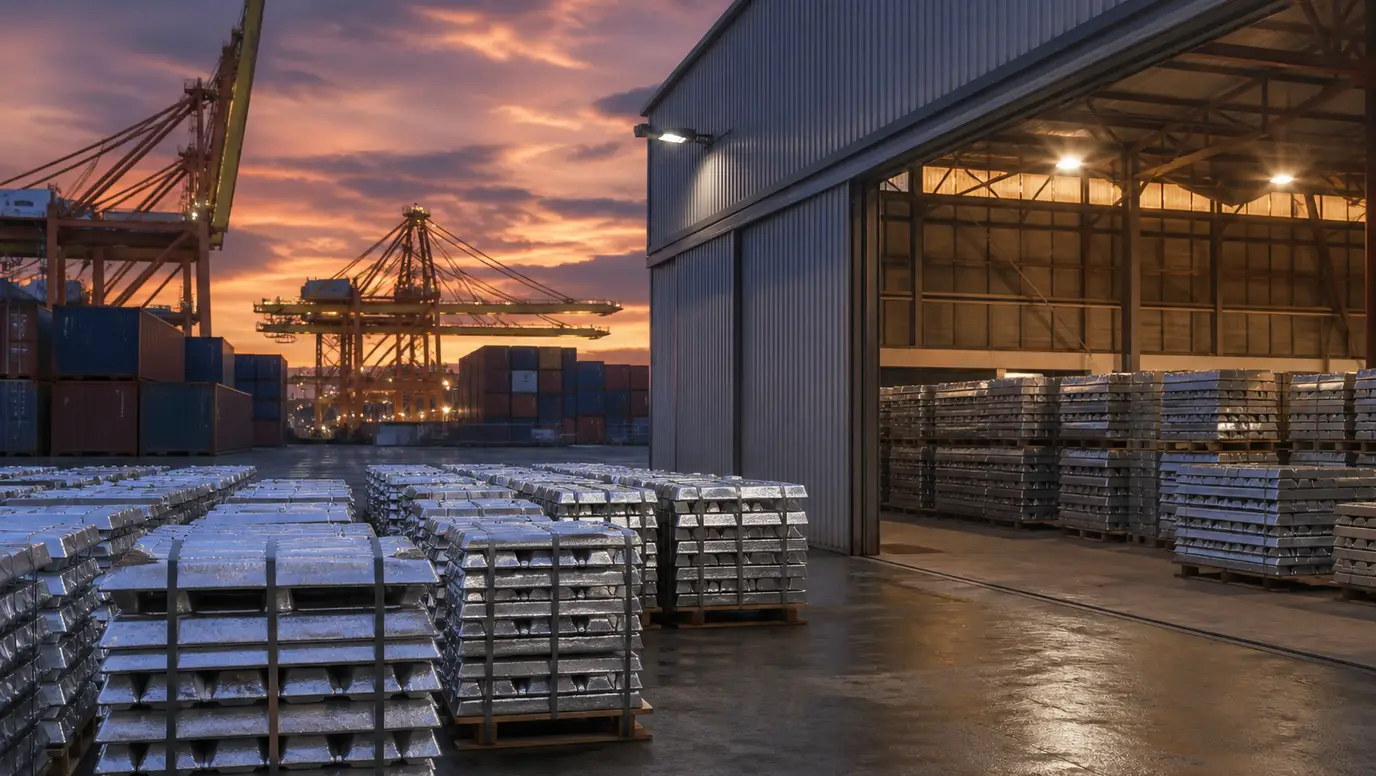
OCTOBER 26, 2026
Aluminum Metals Market Tightens as Exchange Stocks Fall and Tariff Flows Keep Premiums Elevated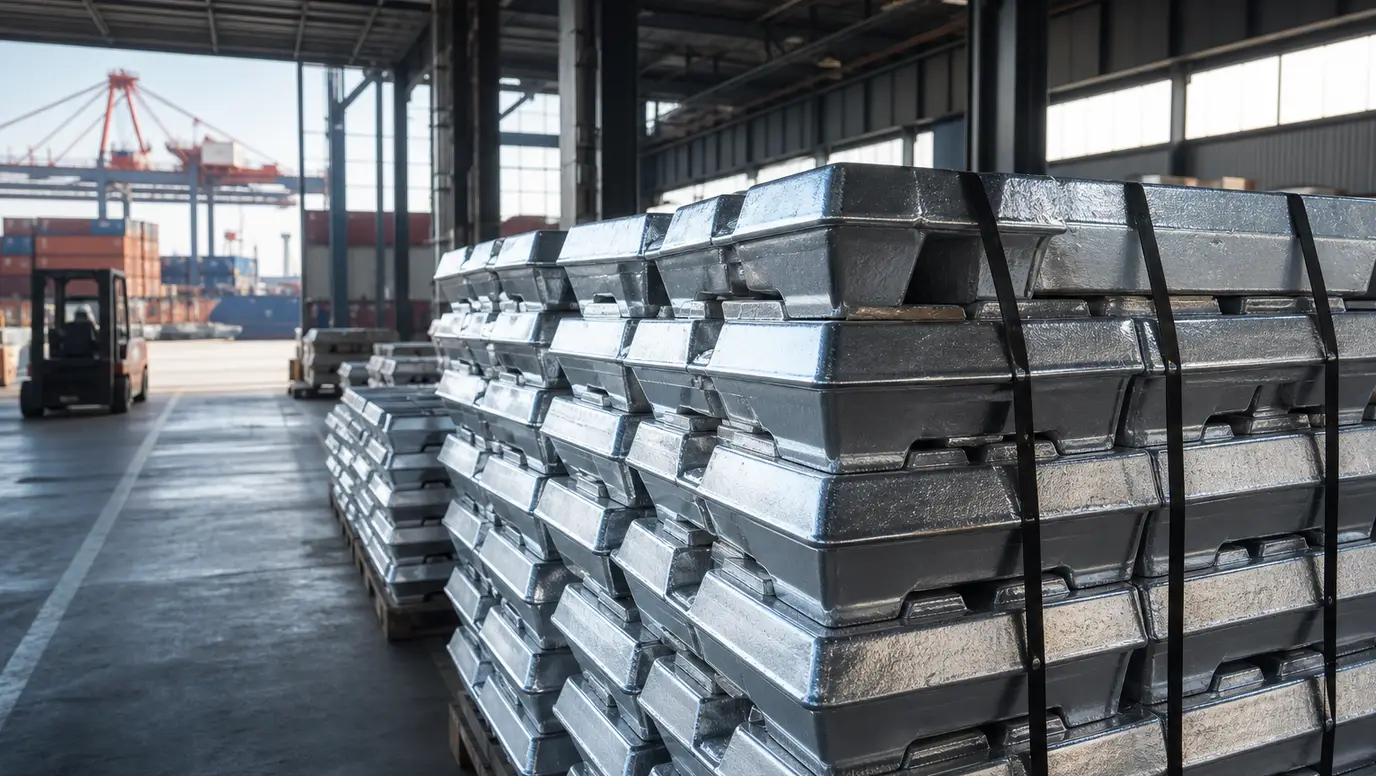
OCTOBER 14, 2026
Aluminum Metals Futures Hold Near $3,000 as Japan Premium Drop Masks Supply Stress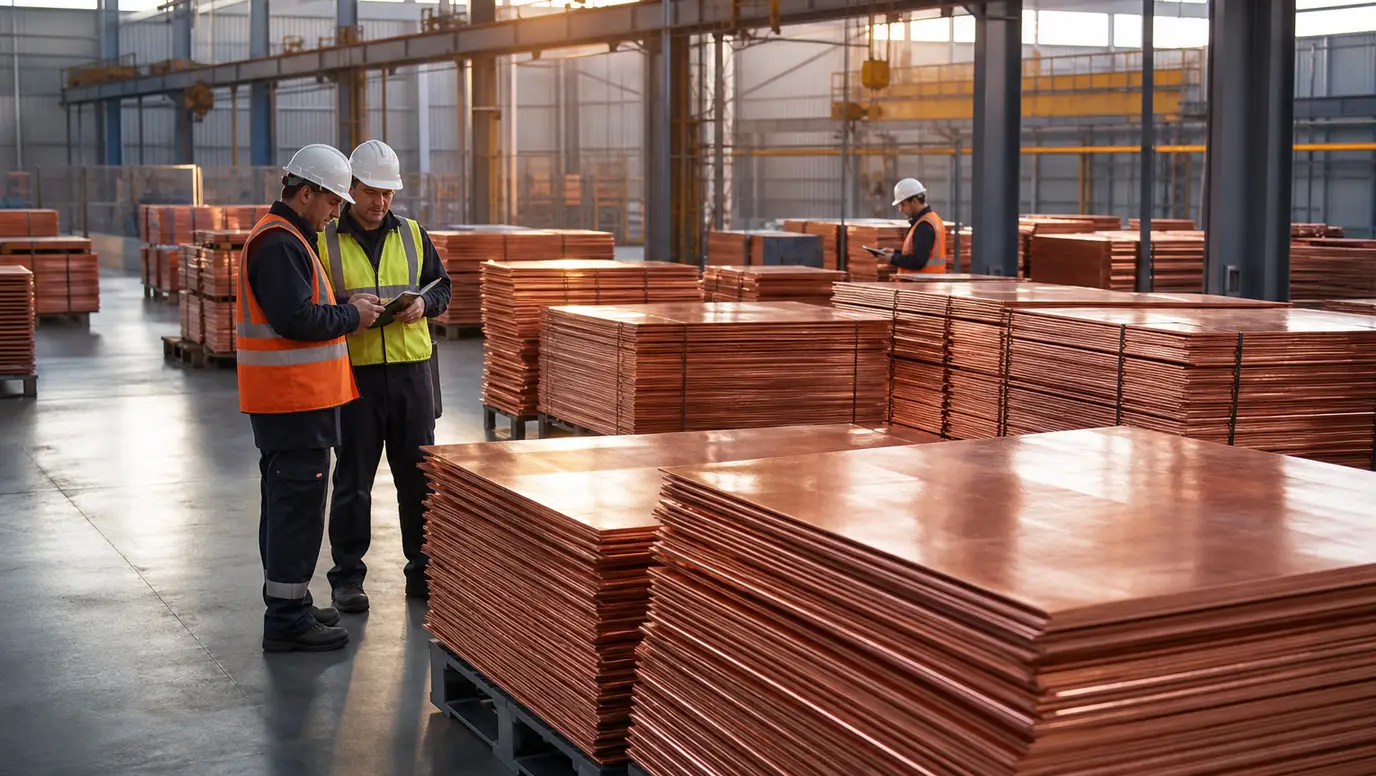
OCTOBER 12, 2026
Copper Metals Market Rises as China Premium and Tight LME Stocks Challenge US Dollar
OCTOBER 7, 2026
Aluminum Rebound Tests Metals Market as Dollar Strength and China Lull Cap Buyers
OCTOBER 1, 2026
Aluminum Slumps to 12-Week Low as Strong Dollar Hits Metals Market
SEPTEMBER 29, 2026
Zinc Futures Fall as China Demand Worries Test Metals Market Tightness
SEPTEMBER 25, 2026
Copper Futures Climb as China Tightness Puts Metals Market on Supply Watch
SEPTEMBER 24, 2026
Aluminum Futures Steady as China Destocking Offsets Metals Market Yield Pressure
SEPTEMBER 16, 2026
Aluminum Rally Tests China Supply Cap as Metals Market Weighs Export Surge
SEPTEMBER 6, 2026
Aluminum Futures Split Metals Market as Supply Risk Meets Soft China Demand
AUGUST 31, 2026
Aluminum Premiums Rebound as Metals Market Tracks Tariff Risk and Alumina Squeeze
AUGUST 15, 2026
Aluminum Keeps Metals Market on Inventory Watch as China Demand Offsets Tariff Risk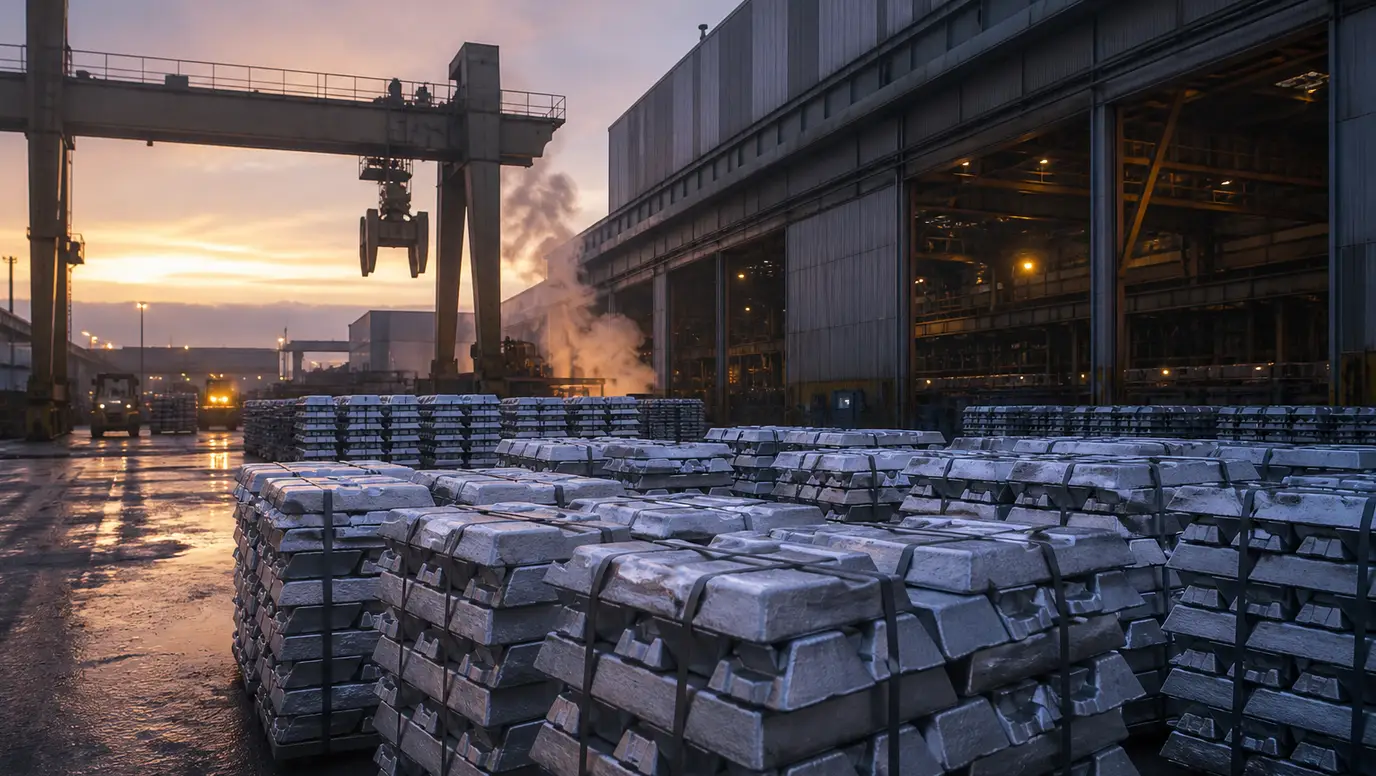
AUGUST 13, 2026
Zinc Tightness Keeps Metals Market Alert as China Demand Caps Rally
AUGUST 8, 2026
Copper Breakout Keeps Metals Market Focused on China Premiums and Inventory Drain
AUGUST 6, 2026
Zinc Inventory Draw Keeps Metals Market Focused on China Supply and US Dollar Risk
AUGUST 4, 2026
Aluminum Premium Squeeze Keeps Metals and Commodities Traders Focused on U.S. Tariffs
JULY 29, 2026
Aluminum Stockpile Drain Puts Metals and Commodities on Premium Watch
JULY 21, 2026
Aluminum and Copper Rally Puts Metals Market on Tariff Watch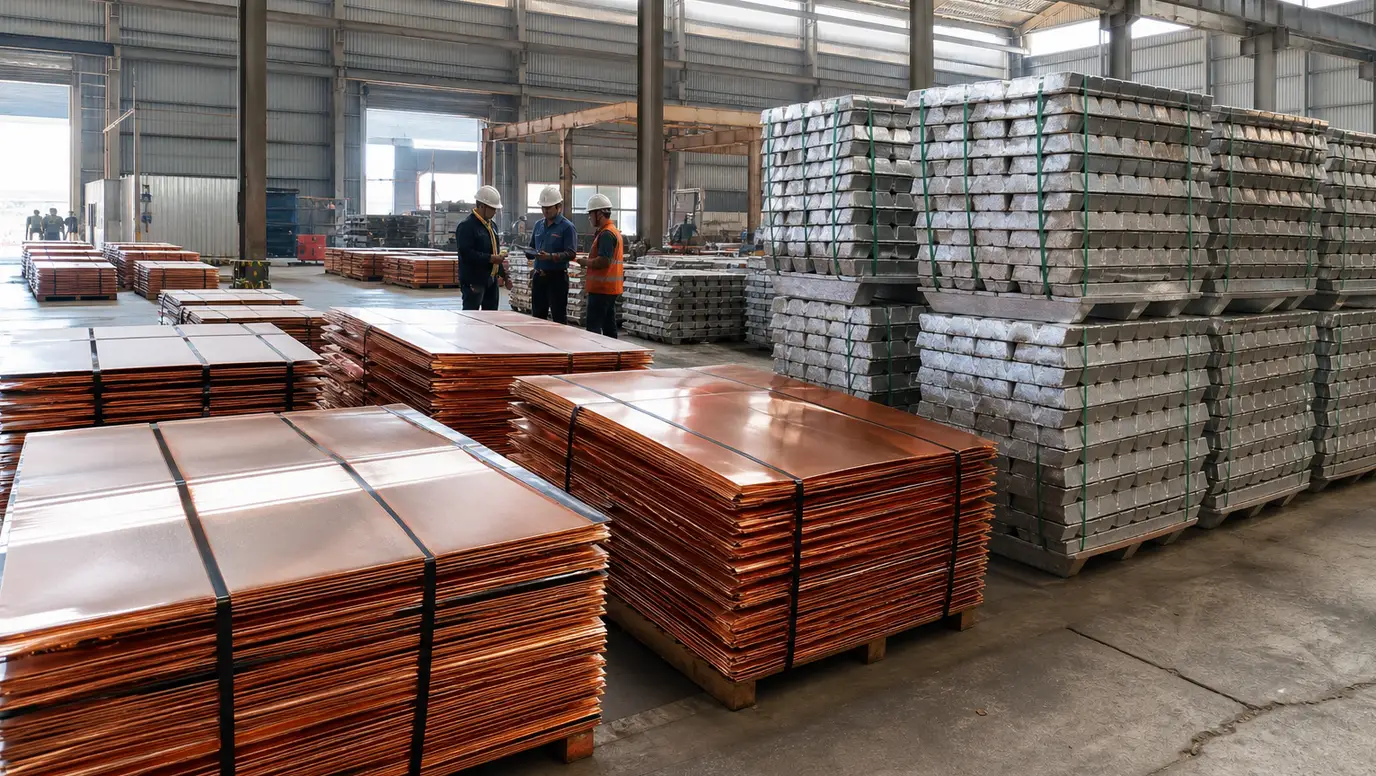
JULY 9, 2026
Copper Retreats as Gulf Tension Turns Base Metals Toward Demand Risk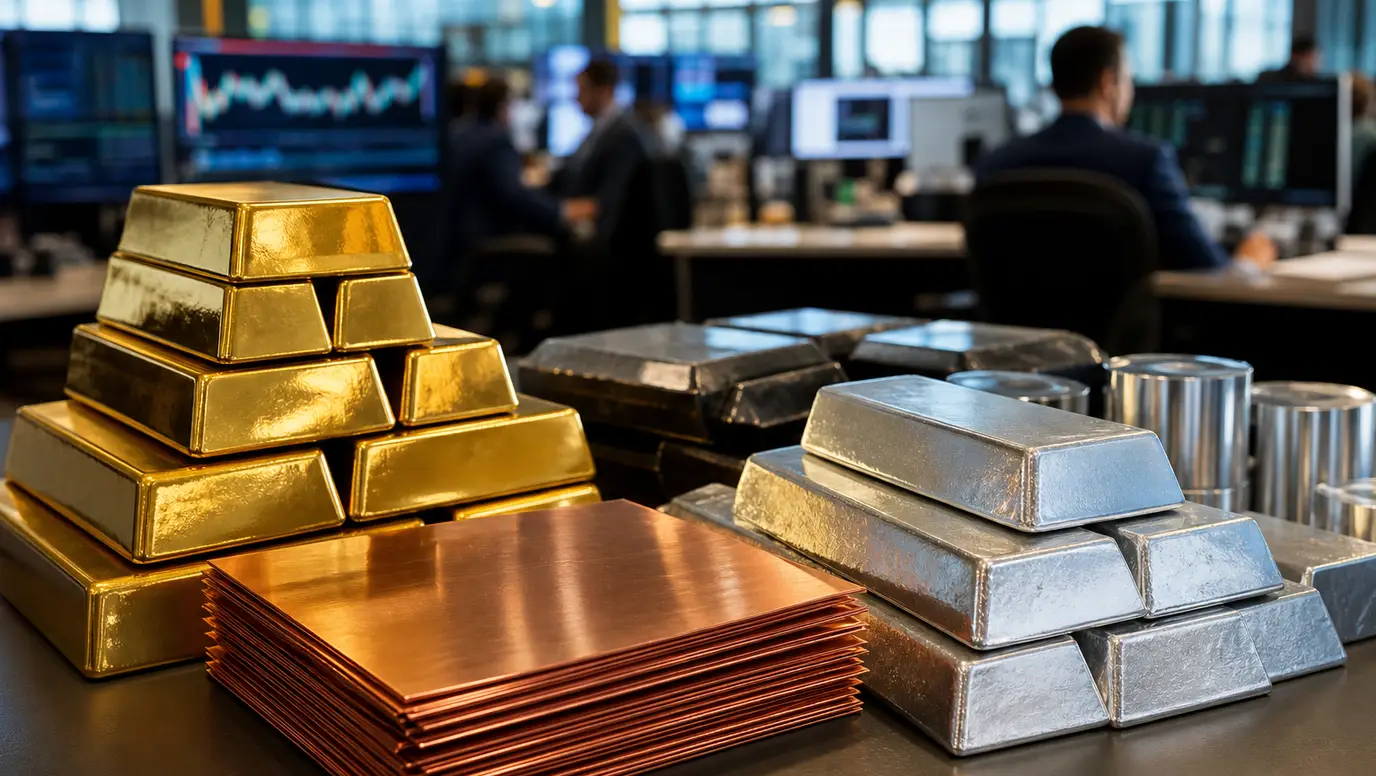
JULY 8, 2026
Gold Loses Haven Bid as Dollar Strength Splits the Metals Market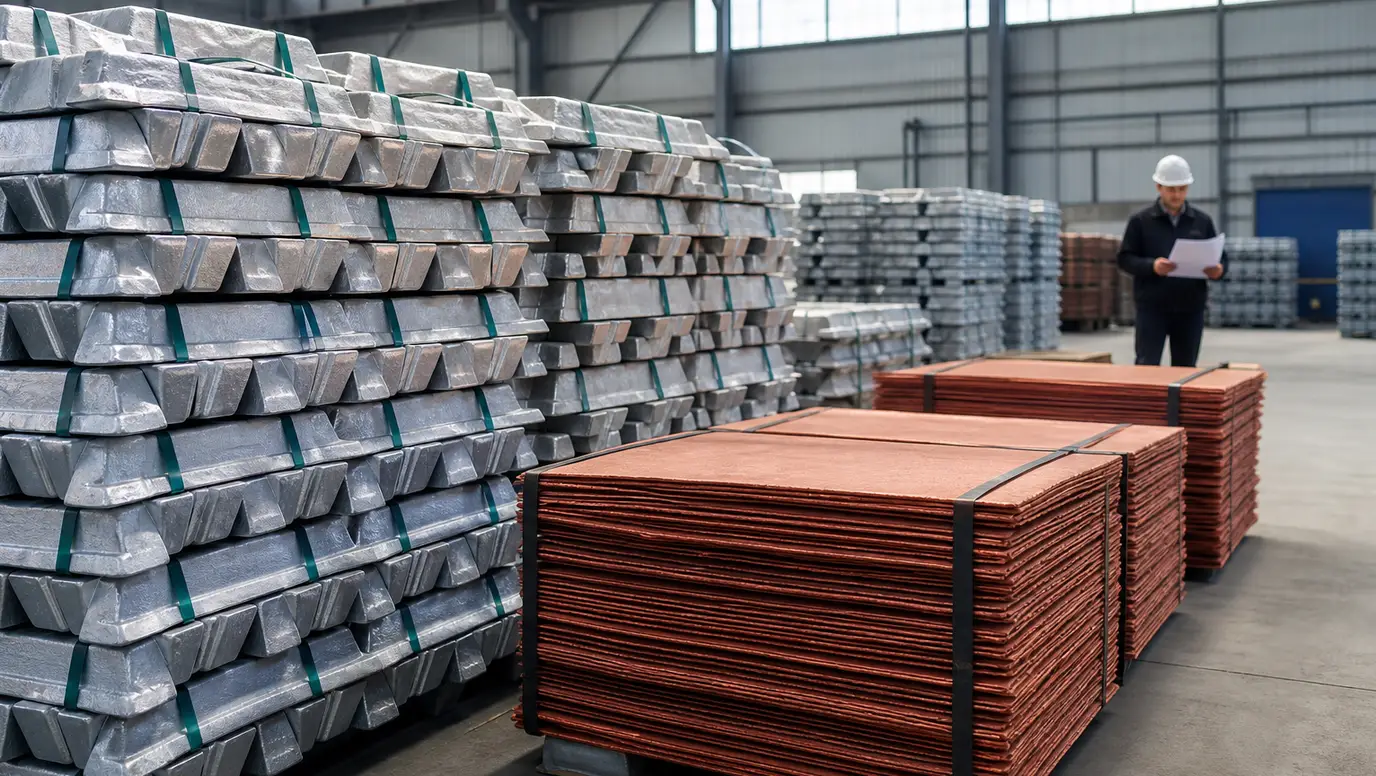
JULY 3, 2026
Aluminum and Copper Rebound as Softer Dollar Revives Base Metals Demand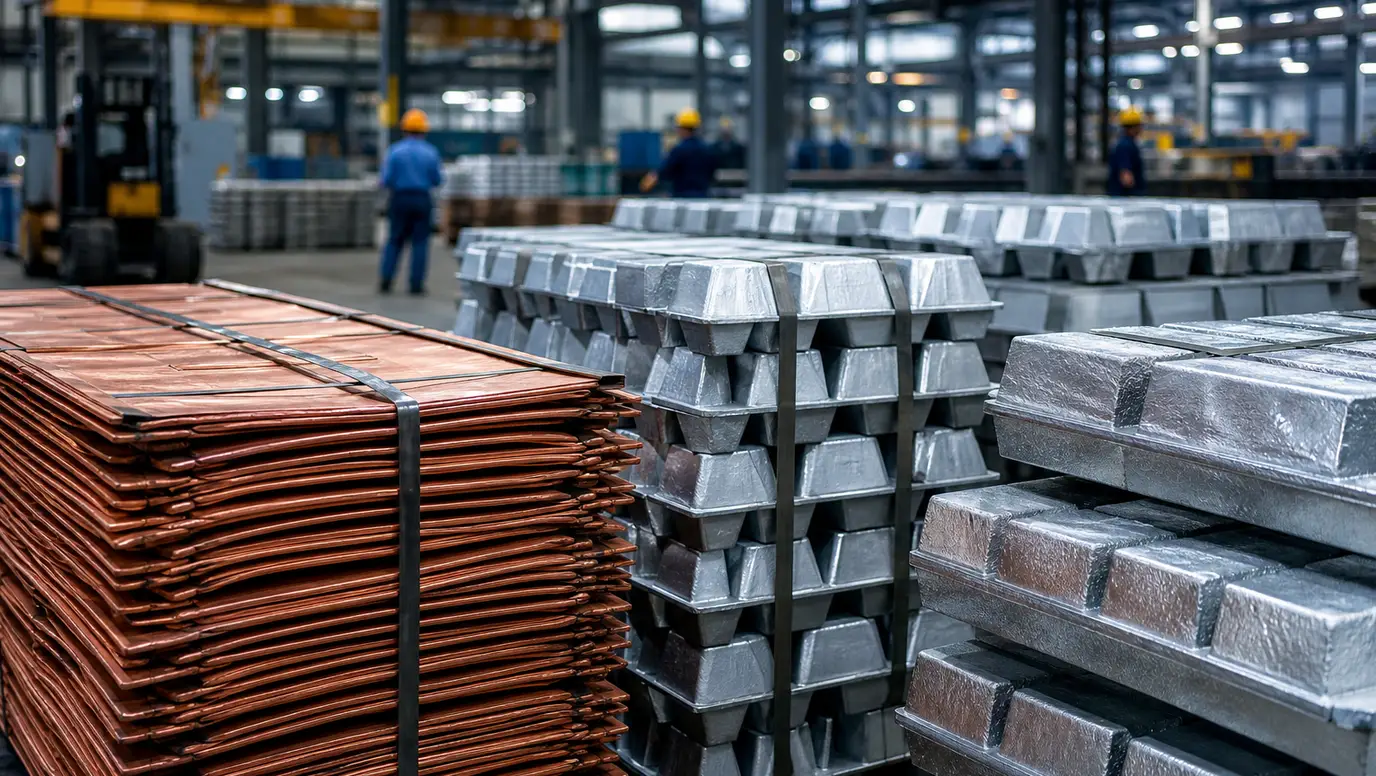
JULY 1, 2026
Copper Leads Metals Lower as Tariff Uncertainty Hits Aluminum and Zinc