OCTOBER 8, 2026
WTI Crude Oil Jumps as Inventory Draw Meets Hormuz Shipping RiskWTI crude oil rallies as U.S. stock draws and Gulf shipping risk outweigh emergency supply-release efforts.

© 1box.site 2026

OCTOBER 20, 2026
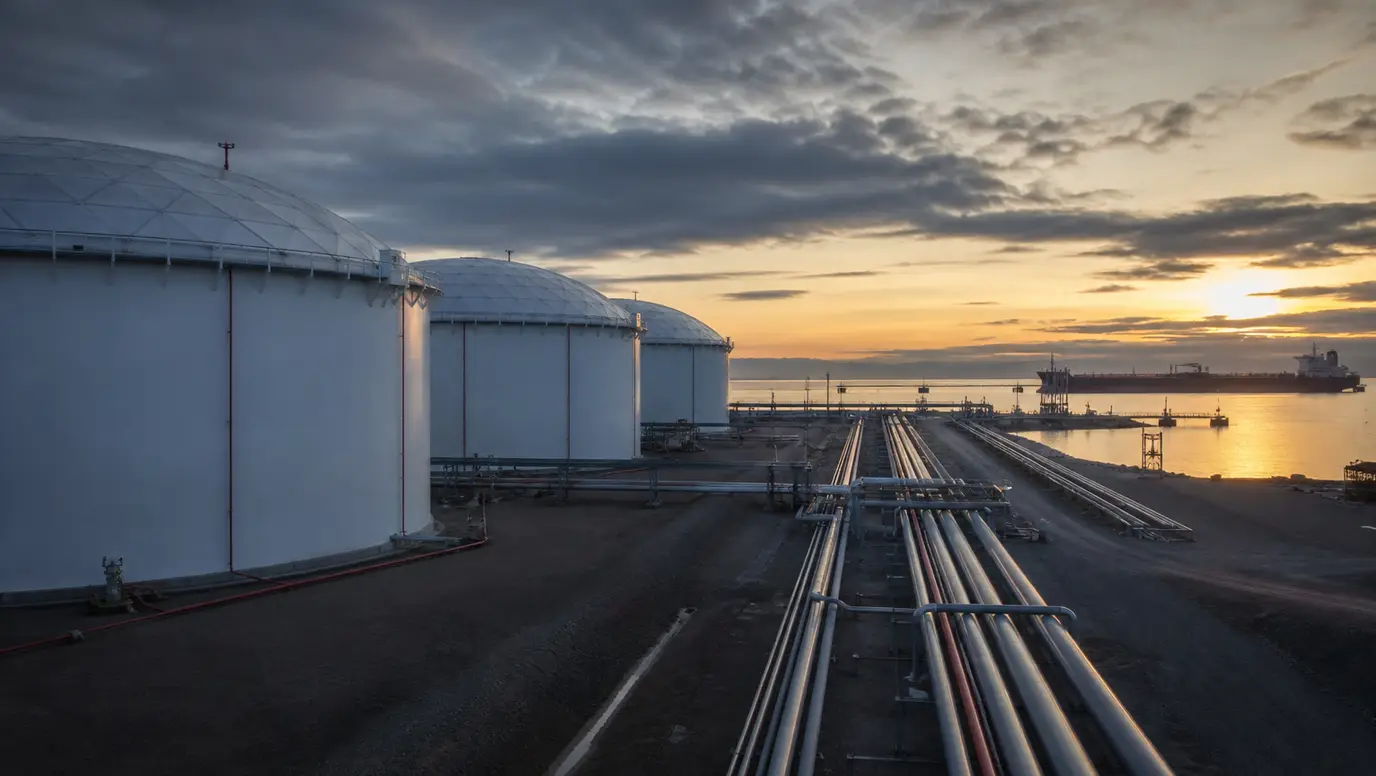
WTI crude oil futures stayed firm on Tuesday as the energy market continued to price a sizeable supply-risk premium into U.S. crude after renewed attacks on Gulf shipping routes and energy infrastructure kept traders focused on the Strait of Hormuz.
The expiring November WTI contract traded above $104 a barrel in early dealings, while the more active December contract held just below $99. The gap between the two contracts highlighted how immediate delivery risk, regional shipping uncertainty and tight prompt supply are shaping the front of the oil curve more forcefully than longer-dated demand concerns.
The latest move reflects a market that remains highly sensitive to any disruption in Gulf exports. Reported attacks on vessels and energy assets have raised the cost of moving barrels through one of the world’s most important crude transit corridors, encouraging refiners and physical traders to pay up for nearby supply.
For WTI, the current rally is not only about headline tension. A stronger prompt contract suggests buyers are worried about replacement barrels, freight availability and the timing of deliveries if regional flows remain unstable. That structure can keep the market supported even when broader risk assets struggle under the weight of higher energy costs and tighter financial conditions.
The next catalyst for crude oil futures is the weekly U.S. inventory cycle. Traders will be watching whether domestic crude stocks show enough cushion to offset the geopolitical premium, or whether another tight reading reinforces the view that the market has little room for a supply shock.
A build in commercial inventories could cool the rally, especially with the December WTI contract still trading well below the expiring November contract. However, a drawdown or signs of strong refinery demand would likely deepen concern that U.S. barrels are not sufficient to neutralize disruption risk abroad.
Demand concerns have not disappeared. Elevated fuel costs can pressure consumers, industrial activity and central bank expectations, creating a feedback loop that eventually weighs on oil consumption. Yet for now, supply security is dominating the energy market narrative, particularly because shipping disruptions can affect physical availability faster than demand forecasts can adjust.
That leaves WTI crude oil futures in a volatile position. As long as Gulf transit risk remains unresolved, dips may attract buyers looking for protection against further disruption. If shipping conditions stabilize, the market could quickly shift back toward questions about consumption, inventory levels and whether high prices are starting to curb demand.
OCTOBER 8, 2026
WTI Crude Oil Jumps as Inventory Draw Meets Hormuz Shipping Risk
SEPTEMBER 30, 2026
WTI Crude Oil Futures Steady as Iran Sanctions Risk Meets Tight Fuel Market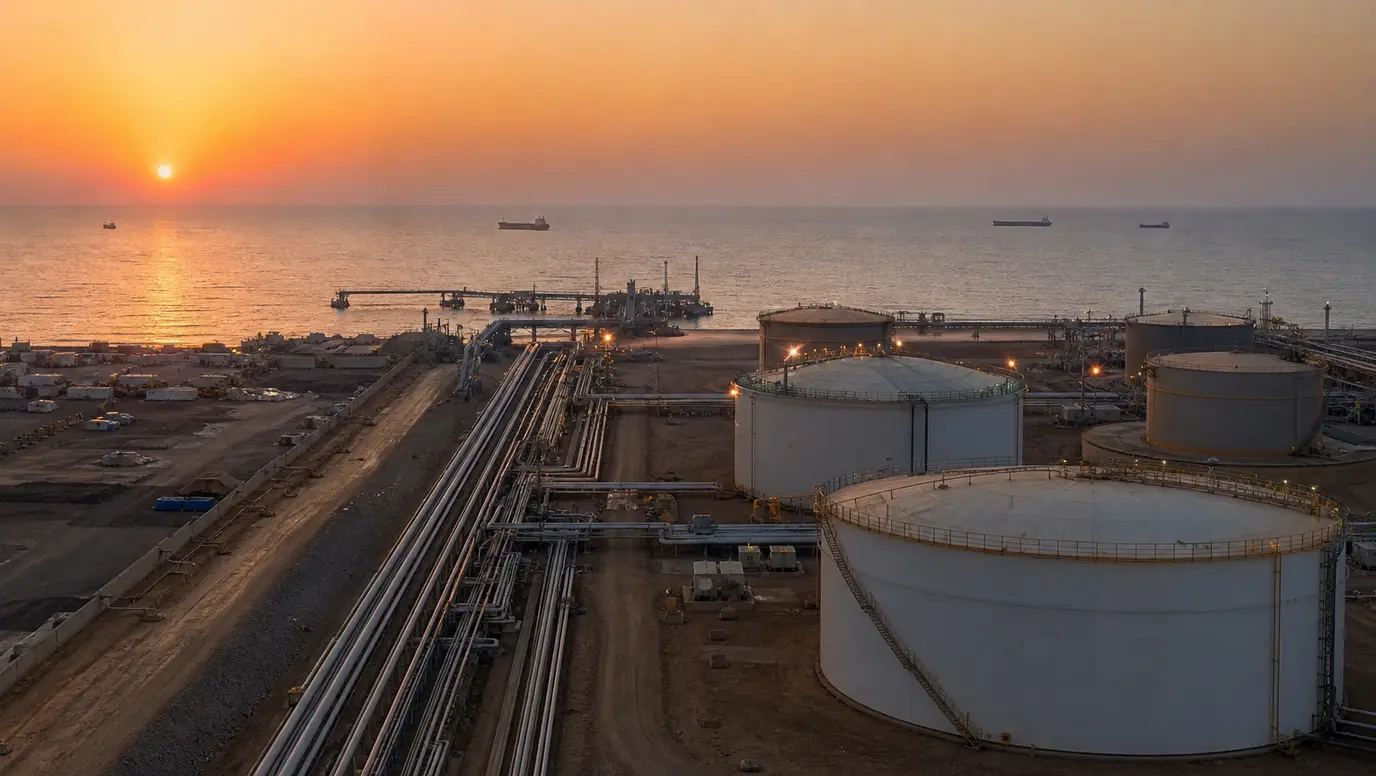
SEPTEMBER 23, 2026
WTI Crude Oil Futures Hold Near Two-Week Low as Gulf Supply Return Tests Fuel Market
SEPTEMBER 14, 2026
WTI Oil Rally Extends as Strait of Hormuz Risk Reprices Energy Market
SEPTEMBER 7, 2026
WTI Crude Oil Futures Hold Near Six-Week High as Hormuz Risk Tightens Energy Market
AUGUST 30, 2026
WTI Crude Oil Slips as Hormuz Supply Relief Tests Energy Market Risk Premium
AUGUST 18, 2026
Brent Crude and WTI Oil Rise as Strait of Hormuz Risk Revives Energy Inflation Worries
AUGUST 10, 2026
Strait of Hormuz Delay Lifts Energy Market as Crude Oil Flow Risk Returns
AUGUST 2, 2026
WTI Crude Oil Faces OPEC+ Output Test as Strait of Hormuz Risk Meets Stock Draw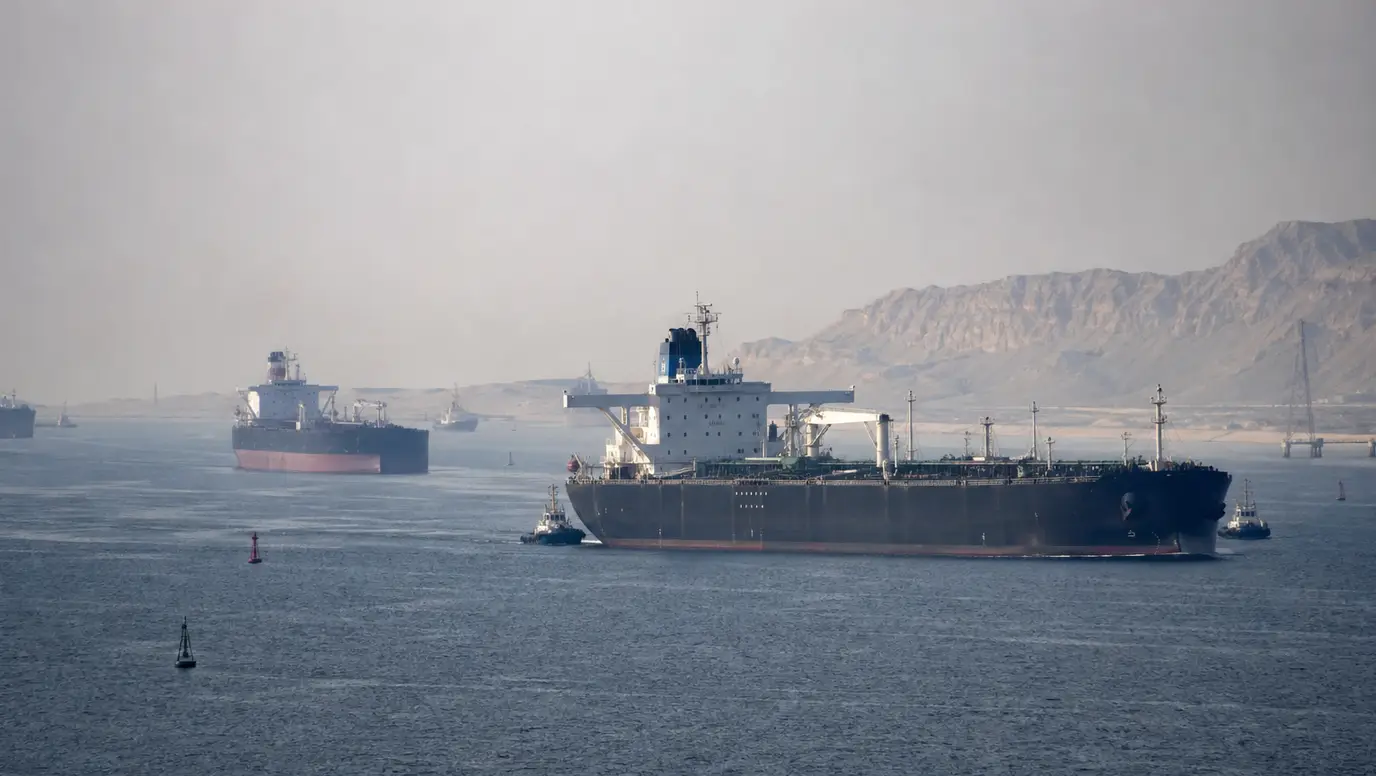
JULY 28, 2026
Strait of Hormuz Flows Keep WTI Crude on Alert as Oil Retreats
JULY 20, 2026
Brent Crude Tops $90 as WTI Crude and Oil Prices React to Hormuz Shipment Risk
JULY 19, 2026
Brent Crude and WTI Crude Rally as Traders Test OPEC+ Supply Cushion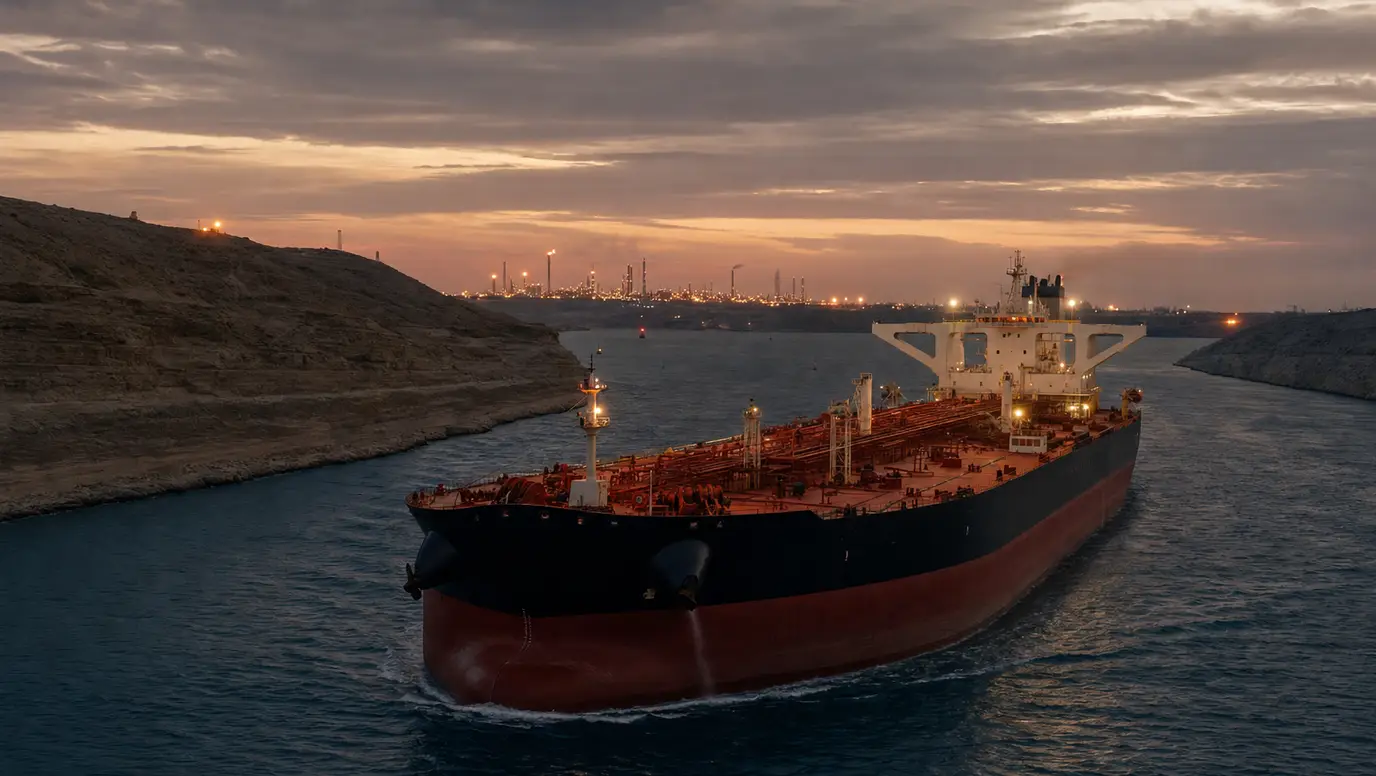
JULY 18, 2026
Brent Crude and WTI Crude Prices Near Weekend Gap Risk as Energy Market Reprices Supply Threat
JULY 17, 2026
Brent Crude and WTI Crude Hold Weekly Gains as Red Sea Threat Offsets US Dollar Rebound
JULY 15, 2026
Brent Crude and WTI Crude Rise as Iran Port Blockade Puts Stockpile Cushion in Focus
JULY 14, 2026
Oil Market Shifts to Bypass Routes as Hormuz Risk Keeps Brent Premium Elevated
JULY 13, 2026
Brent Crude Jumps as Hormuz Escalation Reprices Energy Market Risk
JULY 12, 2026
Crude Oil Faces China Demand Test as Floating Iranian Supply Builds
JULY 11, 2026
Energy Market Watches Tanker Risk as Crude Oil Rally Meets Demand Doubts
JULY 10, 2026
Crude Oil Turns to Glut Risk as OPEC+ Adds August Supply
JULY 9, 2026
Brent Nears $79 as Renewed Gulf Risk Rebuilds Crude Oil Premium
JULY 8, 2026
Crude Oil Faces Mixed Signal as U.S. Stock Build Collides With Fuel Draws
JULY 6, 2026
Crude Oil Slips as Hormuz Flows Normalize and Inventory Test Moves Into View
JULY 5, 2026
OPEC+ Output Hike Turns Energy Market Focus to Real Barrels as Brent Holds Near $72
JULY 4, 2026
Brent Holds Near $72 as OPEC+ August Supply Decision Tests Oil Market Floor
JULY 3, 2026
WTI Holds Near $68 as U.S. Stock Draws Challenge Oil Glut Narrative
JULY 2, 2026
Brent Slides Toward $70 as Iran Risk Premium Fades in Thin Holiday Trade
JULY 1, 2026
OPEC+ Supply Signal Caps Crude Oil Rebound as U.S. Stock Draws Support Prices
JUNE 30, 2026
Natural Gas Rally Outruns Softer Oil as Heat and LNG Demand Split Energy Market
JUNE 29, 2026
Brent Holds Above $72 as Traders Test Fragile Hormuz Reopening