OCTOBER 8, 2026
WTI Crude Oil Jumps as Inventory Draw Meets Hormuz Shipping RiskWTI crude oil rallies as U.S. stock draws and Gulf shipping risk outweigh emergency supply-release efforts.

© 1box.site 2026

JULY 19, 2026
Brent Crude and WTI Crude are heading into the new trading week with a rebuilt geopolitical premium, after a sharp Friday advance forced energy traders to reassess whether planned supply increases can offset renewed disruption risks across key export routes.
Brent futures settled at $88.10 a barrel on Friday, while U.S. WTI futures ended at $82.49. Both benchmarks gained roughly 16% over the week and reached their strongest levels since mid-June, reflecting a rapid shift from oversupply concerns back toward route-security pricing.
The move comes at a sensitive point for the energy market. Earlier in July, traders had been marking down oil prices as production recovery expectations improved, shipping flows showed signs of normalization, and OPEC+ prepared to add more barrels from August. The latest rally suggests that the market is no longer comfortable assuming those extra supplies will arrive smoothly or be delivered without higher transport and insurance costs.
The immediate driver is not a sudden improvement in demand, but a fresh premium attached to physical movement of crude. Restricted traffic through the Strait of Hormuz and the possibility of wider disruption near Red Sea-linked routes have raised concern that available supply on paper may not translate into easily delivered barrels for refiners.
That distinction matters for prices. If crude is produced but forced into longer, costlier routes, benchmark futures can still rise as buyers compete for prompt cargoes, shipping capacity and reliable delivery windows. This is why Brent Crude, the more internationally sensitive benchmark, remains at the center of the move, even as WTI Crude has also rallied sharply on global risk appetite for oil contracts.
The market is not yet pricing a full-scale loss of regional exports, but it is pricing a higher probability of delay. In energy trading, that can be enough to steepen the front of the curve, lift refinery feedstock costs and keep gasoline and diesel crack spreads under watch, especially during the summer driving season.
OPEC+ is now the main counterweight to the rally. The producer group has already signaled an August output increase, designed to support market stability and reduce the impact of earlier disruptions. In normal conditions, that would be a bearish development for crude oil prices.
But the current setup is not normal. Traders are questioning whether additional output can be mobilized quickly enough, whether spare capacity is located where it can reach end users efficiently, and whether buyers will pay up for Atlantic Basin alternatives if Gulf shipping remains uncertain. The result is a market that is treating OPEC+ barrels as a cushion, not a guarantee.
Recent monthly forecasts had pointed to easing inventory draws in the third quarter and the possibility of a return to oversupply in 2027 as production recovers. Those forecasts still cap the longer-term bullish case, but the short-term market is being driven by logistics. If shipping lanes remain unstable, inventories can draw down faster than models assume, even in a world with softer underlying demand.
The first test will be whether Monday trading confirms Friday’s breakout or fades it as a weekend risk premium unwinds. A sustained Brent move above the high-$80s would increase pressure on refiners and could pull fuel inflation back into macro market discussions. A reversal toward the low-$80s would suggest traders still believe supply recovery and OPEC+ additions are sufficient.
WTI Crude will also be watched for signs of U.S. domestic tightness. If WTI keeps pace with Brent, it would indicate that the rally is broad and financial flows are entering the crude complex. If Brent widens its premium, the market may be isolating risk in seaborne supply rather than repricing North American balances.
For now, the energy market is caught between two competing narratives: forecasts that point toward more supply and weaker prices later, and immediate route risks that make prompt barrels more valuable today. Until traders see clear evidence of stable shipping flows, Brent Crude and WTI Crude are likely to remain highly sensitive to headlines, freight signals and any update on OPEC+ delivery discipline.
OCTOBER 8, 2026
WTI Crude Oil Jumps as Inventory Draw Meets Hormuz Shipping Risk
SEPTEMBER 30, 2026
WTI Crude Oil Futures Steady as Iran Sanctions Risk Meets Tight Fuel Market
SEPTEMBER 23, 2026
WTI Crude Oil Futures Hold Near Two-Week Low as Gulf Supply Return Tests Fuel Market
SEPTEMBER 14, 2026
WTI Oil Rally Extends as Strait of Hormuz Risk Reprices Energy Market
SEPTEMBER 7, 2026
WTI Crude Oil Futures Hold Near Six-Week High as Hormuz Risk Tightens Energy Market
AUGUST 30, 2026
WTI Crude Oil Slips as Hormuz Supply Relief Tests Energy Market Risk Premium
AUGUST 18, 2026
Brent Crude and WTI Oil Rise as Strait of Hormuz Risk Revives Energy Inflation Worries
AUGUST 10, 2026
Strait of Hormuz Delay Lifts Energy Market as Crude Oil Flow Risk Returns
AUGUST 2, 2026
WTI Crude Oil Faces OPEC+ Output Test as Strait of Hormuz Risk Meets Stock Draw
JULY 28, 2026
Strait of Hormuz Flows Keep WTI Crude on Alert as Oil Retreats
JULY 20, 2026
Brent Crude Tops $90 as WTI Crude and Oil Prices React to Hormuz Shipment Risk
JULY 18, 2026
Brent Crude and WTI Crude Prices Near Weekend Gap Risk as Energy Market Reprices Supply Threat
JULY 17, 2026
Brent Crude and WTI Crude Hold Weekly Gains as Red Sea Threat Offsets US Dollar Rebound
JULY 15, 2026
Brent Crude and WTI Crude Rise as Iran Port Blockade Puts Stockpile Cushion in Focus
JULY 14, 2026
Oil Market Shifts to Bypass Routes as Hormuz Risk Keeps Brent Premium Elevated
JULY 13, 2026
Brent Crude Jumps as Hormuz Escalation Reprices Energy Market Risk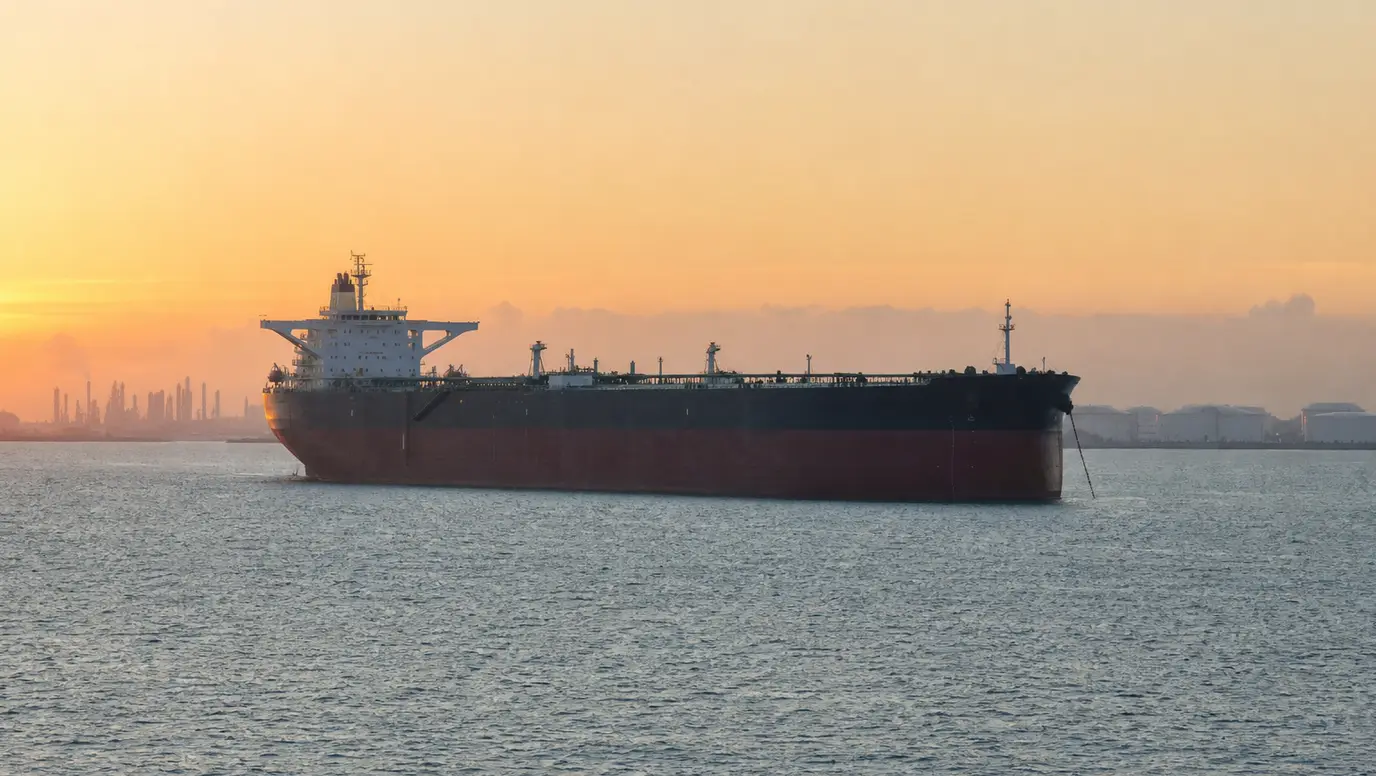
JULY 12, 2026
Crude Oil Faces China Demand Test as Floating Iranian Supply Builds
JULY 11, 2026
Energy Market Watches Tanker Risk as Crude Oil Rally Meets Demand Doubts
JULY 10, 2026
Crude Oil Turns to Glut Risk as OPEC+ Adds August Supply
JULY 9, 2026
Brent Nears $79 as Renewed Gulf Risk Rebuilds Crude Oil Premium
JULY 8, 2026
Crude Oil Faces Mixed Signal as U.S. Stock Build Collides With Fuel Draws
JULY 6, 2026
Crude Oil Slips as Hormuz Flows Normalize and Inventory Test Moves Into View
JULY 5, 2026
OPEC+ Output Hike Turns Energy Market Focus to Real Barrels as Brent Holds Near $72
JULY 4, 2026
Brent Holds Near $72 as OPEC+ August Supply Decision Tests Oil Market Floor
JULY 3, 2026
WTI Holds Near $68 as U.S. Stock Draws Challenge Oil Glut Narrative
JULY 2, 2026
Brent Slides Toward $70 as Iran Risk Premium Fades in Thin Holiday Trade
JULY 1, 2026
OPEC+ Supply Signal Caps Crude Oil Rebound as U.S. Stock Draws Support Prices
JUNE 30, 2026
Natural Gas Rally Outruns Softer Oil as Heat and LNG Demand Split Energy Market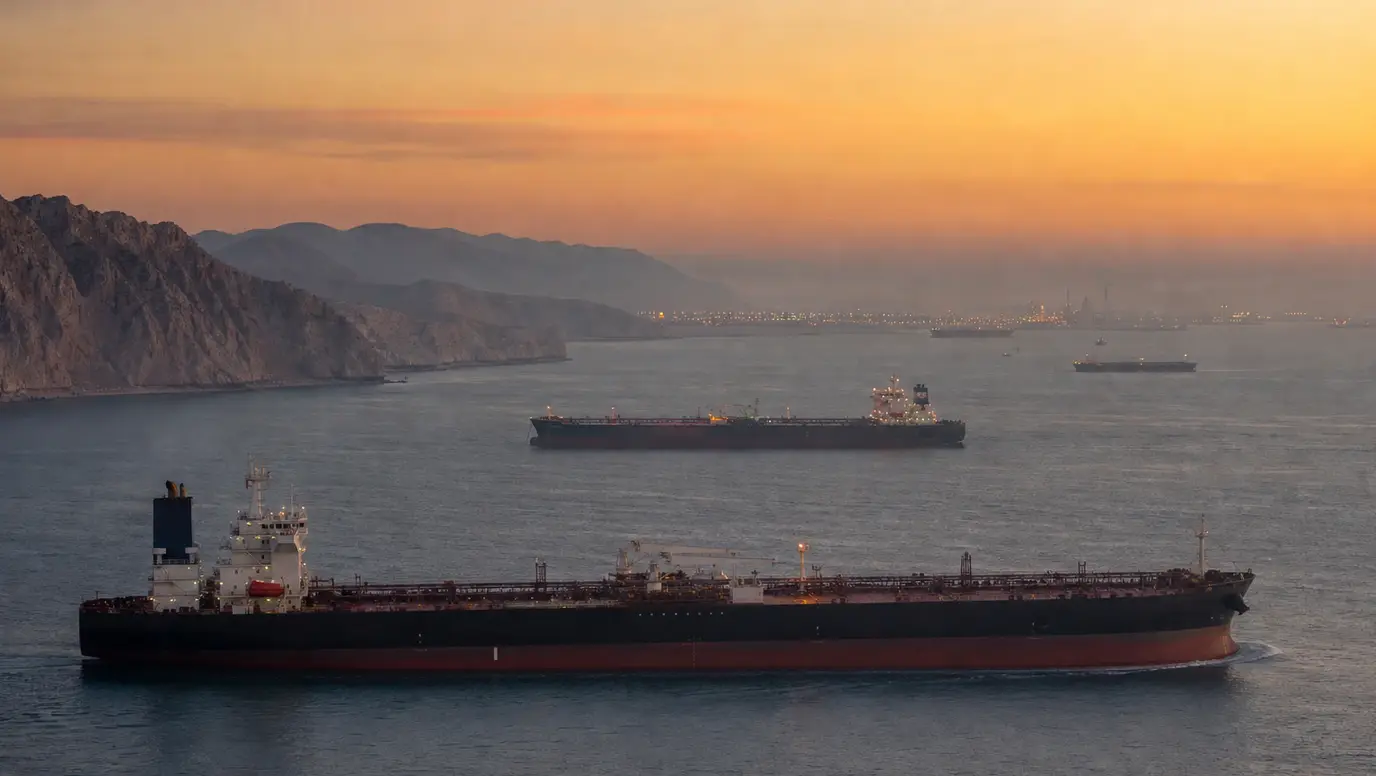
JUNE 29, 2026
Brent Holds Above $72 as Traders Test Fragile Hormuz Reopening
JUNE 28, 2026
WTI Bulls Face Inventory Split as Brent Loses War Premium Before Quarter-End