OCTOBER 8, 2026
WTI Crude Oil Jumps as Inventory Draw Meets Hormuz Shipping RiskWTI crude oil rallies as U.S. stock draws and Gulf shipping risk outweigh emergency supply-release efforts.

© 1box.site 2026

AUGUST 10, 2026
Crude oil moved back to the center of global market attention on Monday as doubts over the timing of a Strait of Hormuz reopening revived the energy market risk premium. Brent crude climbed sharply in early U.S. trading, extending a rebound from last week’s lows as traders reassessed whether Gulf cargo flows can normalize quickly enough to ease pressure on refiners, fuel markets and inflation expectations.
The move marks a fresh shift in sentiment after several sessions in which investors had leaned toward a diplomatic breakthrough. Instead, the market is now pricing a more cautious path: negotiations may still produce a limited reopening, but any temporary shipping protocol could leave tanker operators, insurers and buyers wary of assuming full flow recovery.
The Strait of Hormuz remains one of the most important chokepoints for global energy trade, and even a partial disruption can alter crude pricing across regional benchmarks. Before the latest conflict, the route handled a major share of traded oil and gas, linking Gulf producers with customers in Asia, Europe and other consuming regions.
That strategic importance is why the latest delay has had an immediate effect on crude oil sentiment. Traders are not only watching headline prices, but also shipping availability, tanker insurance costs, regional inventories and whether buyers accelerate efforts to source barrels from outside the Gulf. A slower reopening would likely keep prompt crude supported, particularly if refiners compete for replacement supplies from the Atlantic Basin, West Africa or the Americas.
For energy investors, the key issue is whether Monday’s rebound is simply a headline-driven squeeze or the start of a more durable repricing. The answer will depend on verified shipping flows, not only diplomatic statements. If vessel traffic improves and cargoes move without new incidents, crude could lose part of its geopolitical premium. If uncertainty persists, buyers may continue paying up for security of supply.
The oil move also matters beyond the energy complex. Higher crude prices can feed into gasoline, diesel, jet fuel and petrochemical costs, complicating the inflation outlook at a time when equity and bond markets are already sensitive to incoming U.S. price data. A sustained rise in oil would make it harder for investors to assume that cost pressures are cooling in a straight line.
That creates a two-way risk for broader markets. A confirmed reopening of the Strait could relieve crude prices, support risk appetite and reduce pressure on fuel-sensitive sectors. But a renewed shipping shock would likely strengthen the U.S. dollar, lift inflation hedges and pressure companies with high transport or energy input costs.
Within the energy market, traders are likely to monitor WTI crude as a gauge of how much U.S. supply can cushion global tightness. Domestic barrels may benefit from stronger export interest if Gulf flows remain constrained, although logistics, refinery demand and inventory levels will determine how much of the global risk premium reaches U.S. benchmarks.
The immediate focus is on three signals: actual vessel movements through the Strait of Hormuz, any security guarantees attached to a reopening plan, and whether oil product prices move faster than crude. A sharp rise in refined fuels would suggest that end-user supply concerns are becoming more serious, while stable products would imply that the market still sees the disruption as manageable.
For now, the energy market is trading on uncertainty rather than confirmed scarcity. That distinction is important. Crude oil can retreat quickly if a credible route to normal traffic emerges, but the market’s reaction on Monday shows that traders are reluctant to remove the risk premium until tankers are visibly moving and buyers are confident that shipments can continue.
OCTOBER 8, 2026
WTI Crude Oil Jumps as Inventory Draw Meets Hormuz Shipping Risk
SEPTEMBER 30, 2026
WTI Crude Oil Futures Steady as Iran Sanctions Risk Meets Tight Fuel Market
SEPTEMBER 23, 2026
WTI Crude Oil Futures Hold Near Two-Week Low as Gulf Supply Return Tests Fuel Market
SEPTEMBER 14, 2026
WTI Oil Rally Extends as Strait of Hormuz Risk Reprices Energy Market
SEPTEMBER 7, 2026
WTI Crude Oil Futures Hold Near Six-Week High as Hormuz Risk Tightens Energy Market
AUGUST 30, 2026
WTI Crude Oil Slips as Hormuz Supply Relief Tests Energy Market Risk Premium
AUGUST 18, 2026
Brent Crude and WTI Oil Rise as Strait of Hormuz Risk Revives Energy Inflation Worries
AUGUST 2, 2026
WTI Crude Oil Faces OPEC+ Output Test as Strait of Hormuz Risk Meets Stock Draw
JULY 28, 2026
Strait of Hormuz Flows Keep WTI Crude on Alert as Oil Retreats
JULY 20, 2026
Brent Crude Tops $90 as WTI Crude and Oil Prices React to Hormuz Shipment Risk
JULY 19, 2026
Brent Crude and WTI Crude Rally as Traders Test OPEC+ Supply Cushion
JULY 18, 2026
Brent Crude and WTI Crude Prices Near Weekend Gap Risk as Energy Market Reprices Supply Threat
JULY 17, 2026
Brent Crude and WTI Crude Hold Weekly Gains as Red Sea Threat Offsets US Dollar Rebound
JULY 15, 2026
Brent Crude and WTI Crude Rise as Iran Port Blockade Puts Stockpile Cushion in Focus
JULY 14, 2026
Oil Market Shifts to Bypass Routes as Hormuz Risk Keeps Brent Premium Elevated
JULY 13, 2026
Brent Crude Jumps as Hormuz Escalation Reprices Energy Market Risk
JULY 12, 2026
Crude Oil Faces China Demand Test as Floating Iranian Supply Builds
JULY 11, 2026
Energy Market Watches Tanker Risk as Crude Oil Rally Meets Demand Doubts
JULY 10, 2026
Crude Oil Turns to Glut Risk as OPEC+ Adds August Supply
JULY 9, 2026
Brent Nears $79 as Renewed Gulf Risk Rebuilds Crude Oil Premium
JULY 8, 2026
Crude Oil Faces Mixed Signal as U.S. Stock Build Collides With Fuel Draws
JULY 6, 2026
Crude Oil Slips as Hormuz Flows Normalize and Inventory Test Moves Into View
JULY 5, 2026
OPEC+ Output Hike Turns Energy Market Focus to Real Barrels as Brent Holds Near $72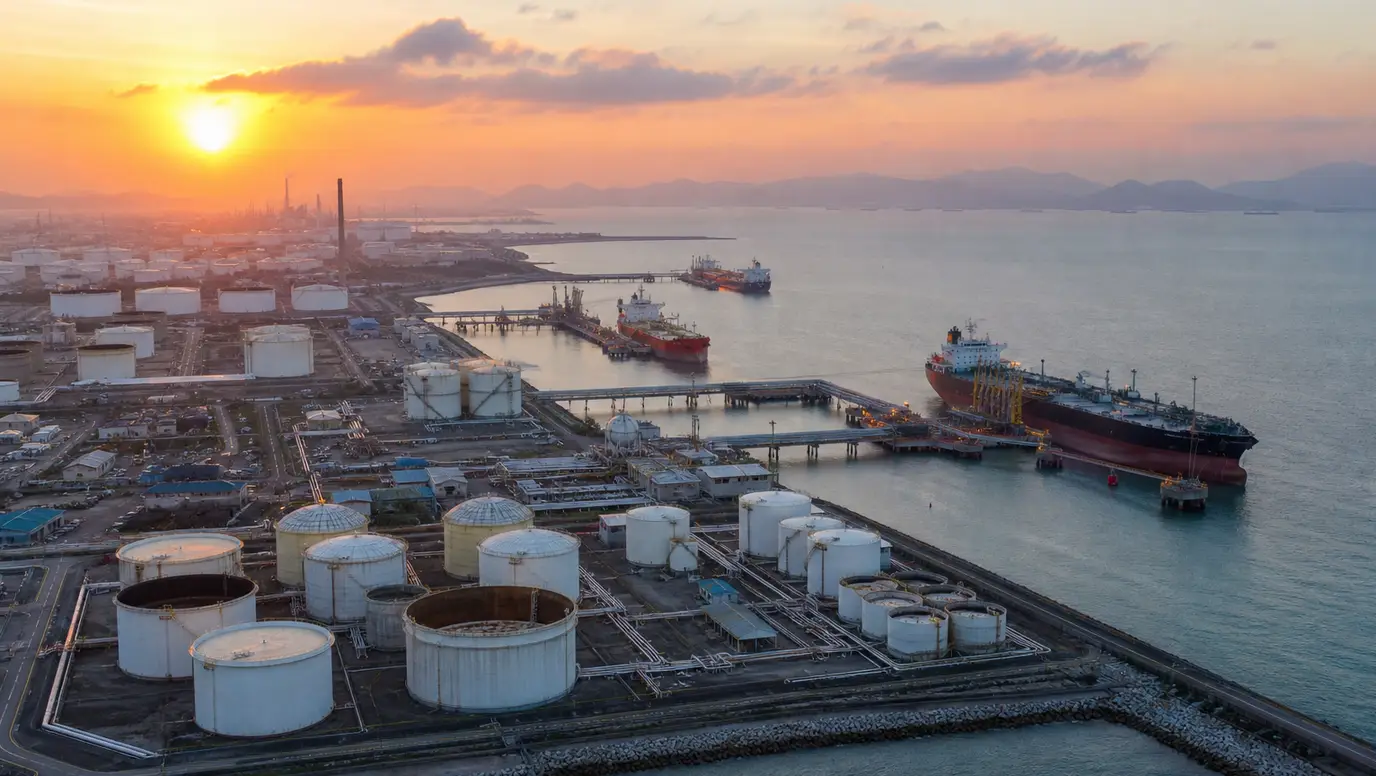
JULY 4, 2026
Brent Holds Near $72 as OPEC+ August Supply Decision Tests Oil Market Floor
JULY 3, 2026
WTI Holds Near $68 as U.S. Stock Draws Challenge Oil Glut Narrative
JULY 2, 2026
Brent Slides Toward $70 as Iran Risk Premium Fades in Thin Holiday Trade
JULY 1, 2026
OPEC+ Supply Signal Caps Crude Oil Rebound as U.S. Stock Draws Support Prices
JUNE 30, 2026
Natural Gas Rally Outruns Softer Oil as Heat and LNG Demand Split Energy Market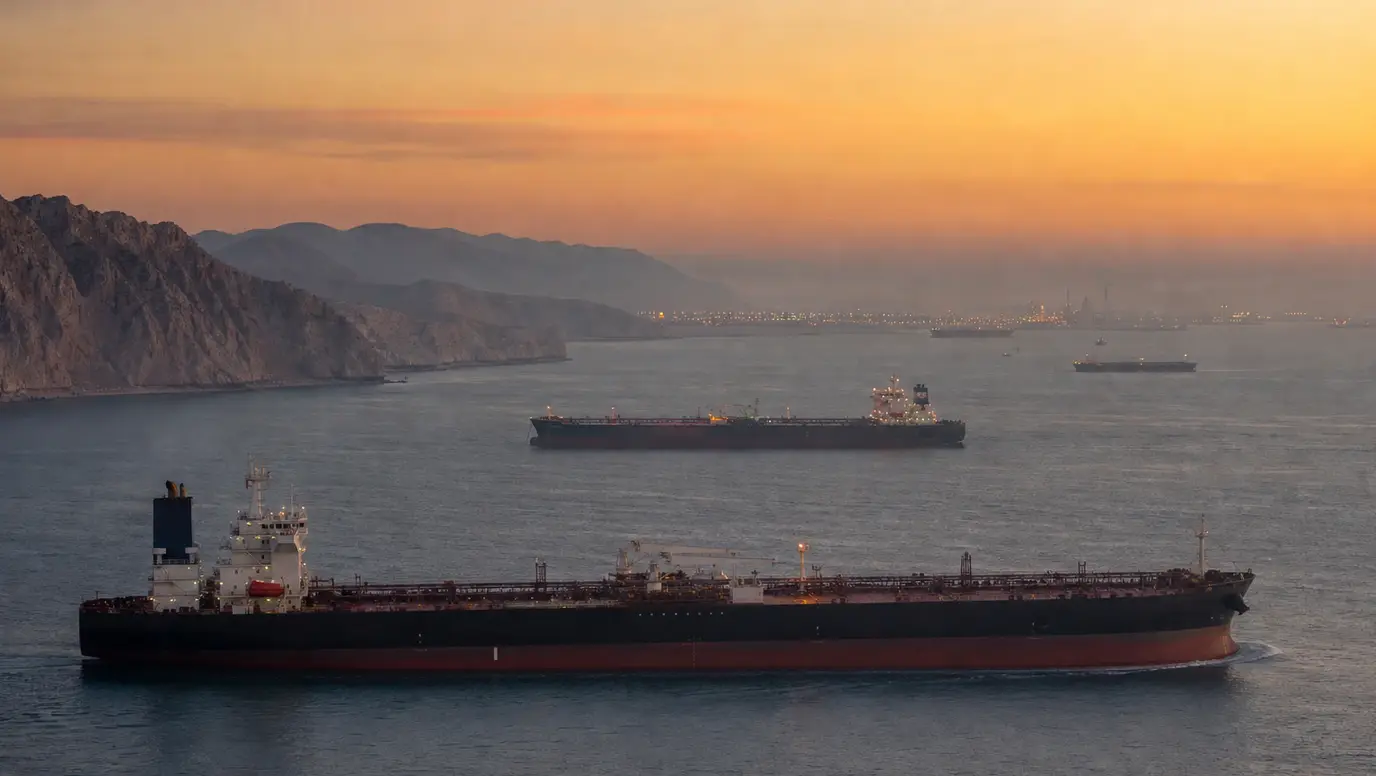
JUNE 29, 2026
Brent Holds Above $72 as Traders Test Fragile Hormuz Reopening
JUNE 28, 2026
WTI Bulls Face Inventory Split as Brent Loses War Premium Before Quarter-End