
OCTOBER 23, 2026
Brent Crude Oil Extends Energy Market Surge as Houthi Strikes Lift Supply PremiumBrent crude oil climbs above $116 as Houthi strikes and Gulf shipping risk add a fresh supply premium to the energy market.

© 1box.site 2026

AUGUST 18, 2026
Brent crude and WTI oil moved back to the center of the energy market as traders repriced geopolitical risk around Persian Gulf shipping lanes and the Strait of Hormuz. The latest rally in crude has renewed concern that energy costs could again complicate the inflation outlook just as broader financial markets were attempting to stabilize near record levels.
The international benchmark Brent crude recently climbed to just above $90 a barrel after a sharp daily advance, while U.S. benchmark WTI also drew fresh buying interest as the market focused on the reliability of Gulf exports. The move marked another turn in a volatile summer for oil, with prices repeatedly swinging on changing expectations for tanker traffic, regional security and the pace of crude flows out of the Middle East.
The current crude rebound is less about a sudden shift in routine demand and more about a revived risk premium. Traders are watching whether shipping conditions near the Strait of Hormuz remain stable enough to support normal export flows. Any perceived threat to the route can quickly lift prices because the waterway is central to global crude and liquefied natural gas trade.
For energy investors, the key issue is whether the latest move becomes a short-lived headline premium or develops into a more durable repricing of supply risk. A sustained Brent move above the $90 area would keep pressure on refiners, airlines, transport companies and consumers. It would also strengthen the link between oil prices and broader macro trading, especially if fuel costs begin feeding into inflation expectations again.
Higher oil prices are already being treated as a cross-market signal. When crude rallies, traders tend to reassess the inflation path, Treasury yields and the room central banks have to ease financial conditions. That matters because energy has been one of the most visible swing factors for market sentiment in recent weeks, alternating between relief rallies when oil falls and risk-off pressure when crude rebounds.
The latest oil move also arrives at a sensitive point for the Federal Reserve debate. Softer inflation data had given investors some confidence that price pressures were moderating, but a renewed energy shock could make that view harder to defend. Even if core inflation remains steadier, a sharp rise in crude can affect gasoline, diesel, freight and business input costs, widening the market impact beyond the energy sector.
WTI crude traders are also focused on whether U.S. barrels can benefit from any disruption premium in global markets. If international buyers seek alternatives to Gulf supplies, U.S. export demand could receive support. However, that would also keep domestic inventories and refinery margins under closer scrutiny, particularly if higher crude costs begin to squeeze downstream demand.
Brent remains the cleaner gauge of global risk because it more directly reflects international supply conditions. A widening or narrowing spread between Brent and WTI will be closely watched for signs of export tightness, tanker constraints and regional imbalances. For now, the market tone suggests that traders are not willing to remove the geopolitical premium until shipping and supply signals become more predictable.
The energy market therefore enters the next trading sessions with crude oil once again acting as a macro catalyst. If Brent holds its advance and WTI follows, inflation worries may remain elevated across commodities, bonds and equities. If prices retreat, the move could ease some pressure on risk assets, but the summer’s trading pattern shows that oil remains highly sensitive to every change in Gulf security headlines.
OCTOBER 23, 2026
Brent Crude Oil Extends Energy Market Surge as Houthi Strikes Lift Supply Premium
OCTOBER 20, 2026
WTI Crude Oil Futures Keep Energy Market on Edge as Strait of Hormuz Risk Lifts Premium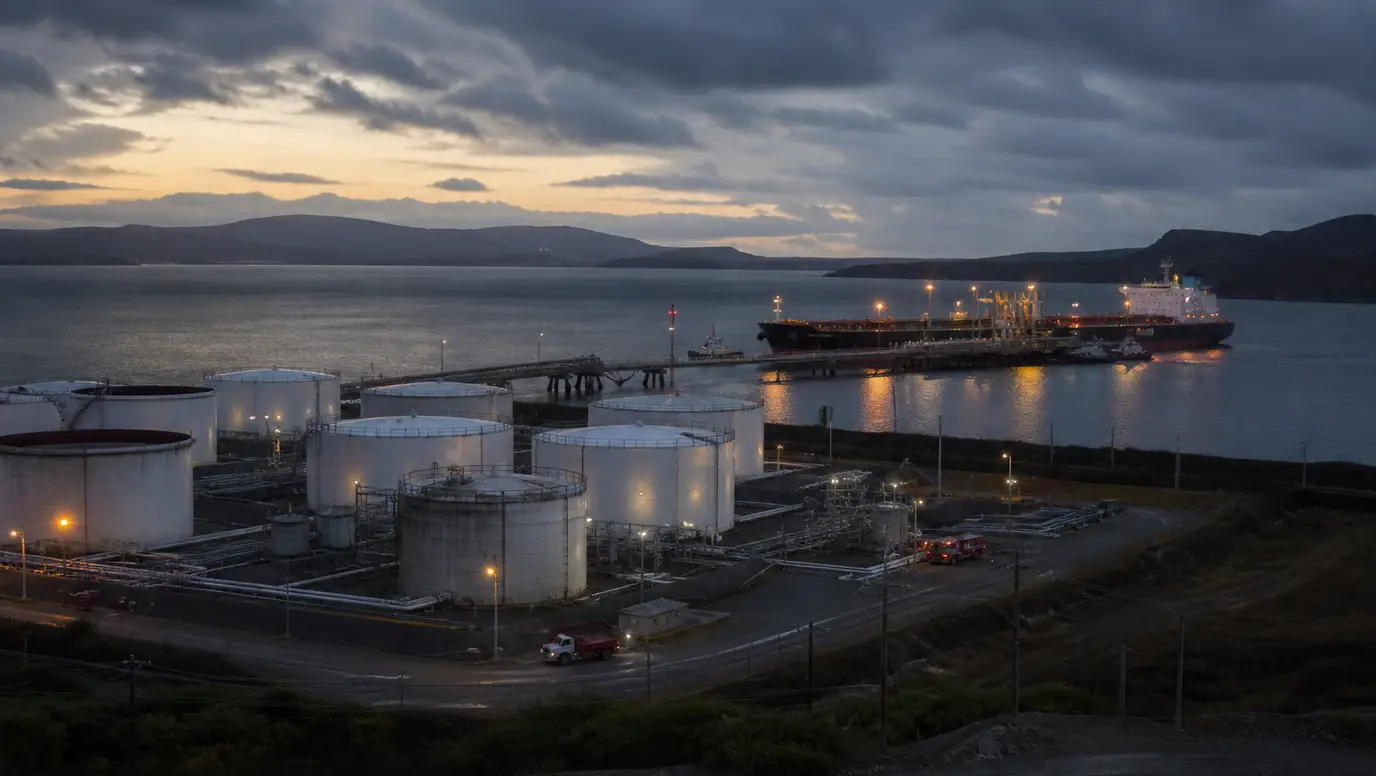
OCTOBER 17, 2026
Brent Crude Oil Tests $110 as Strategic Petroleum Reserve Move Fails to Calm Energy Market
OCTOBER 14, 2026
Crude Oil Demand Forecast Cut as Strait of Hormuz Flows Keep Energy Market Tight
OCTOBER 9, 2026
Brent Crude Oil Pulls Back as OPEC+ Hold and Iran Strike Pause Ease Energy Premium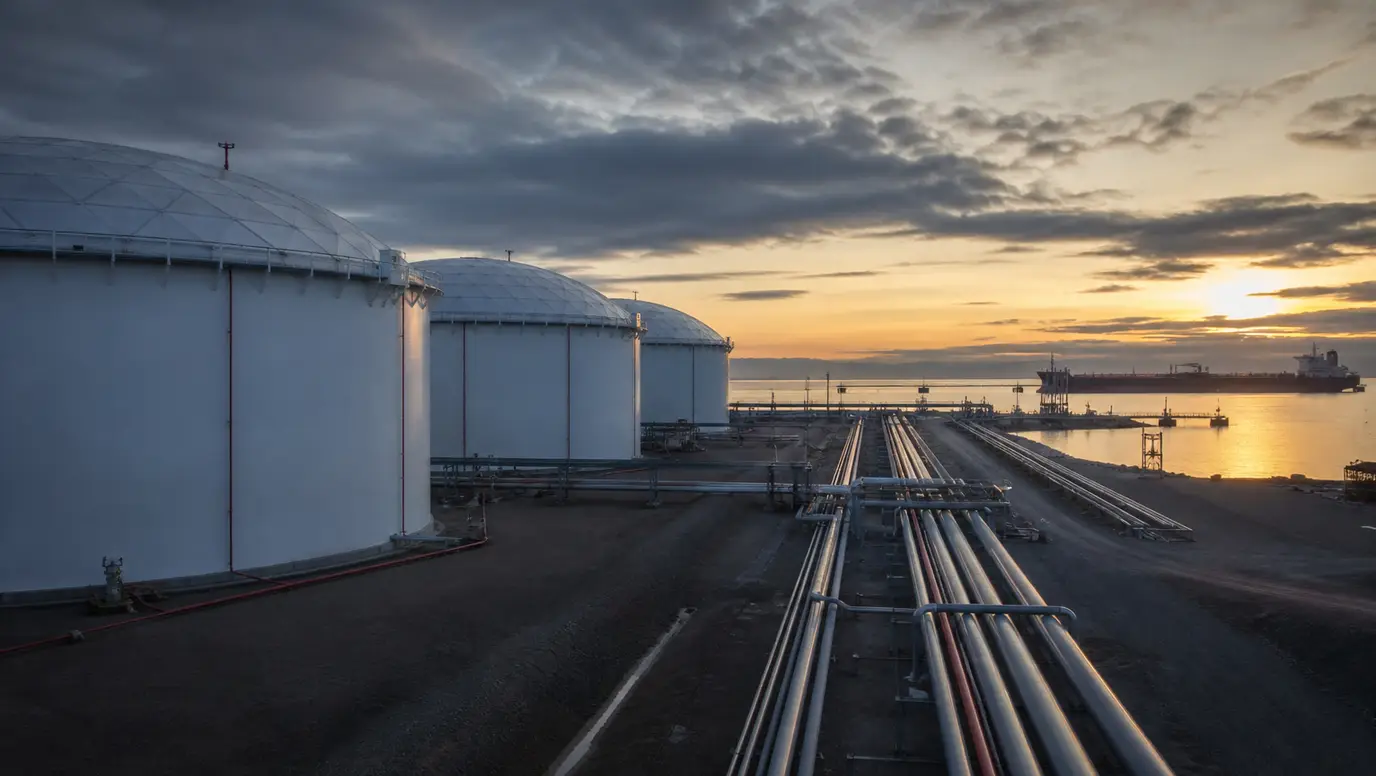
OCTOBER 8, 2026
WTI Crude Oil Jumps as Inventory Draw Meets Hormuz Shipping Risk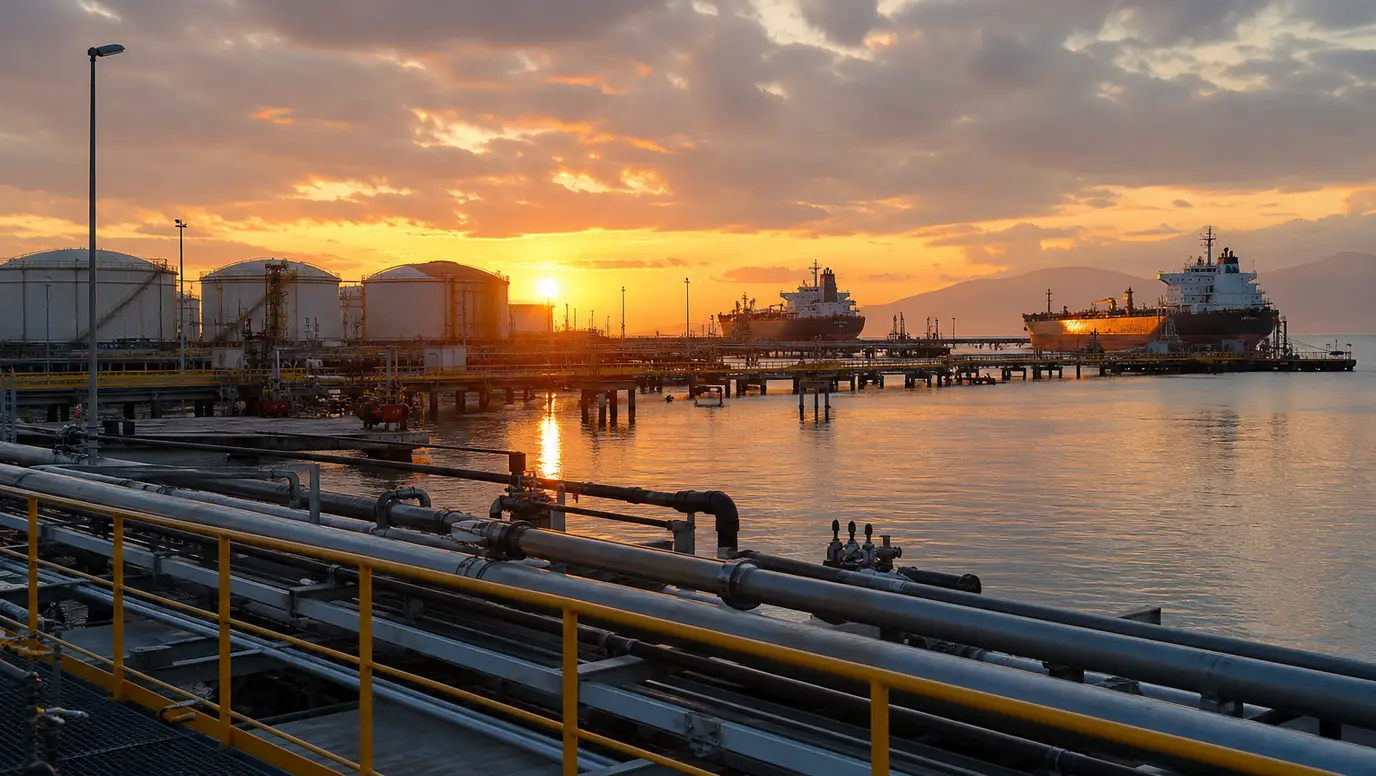
OCTOBER 4, 2026
Brent Crude Holds Above $100 as OPEC+ Extends Output Pause
SEPTEMBER 30, 2026
WTI Crude Oil Futures Steady as Iran Sanctions Risk Meets Tight Fuel Market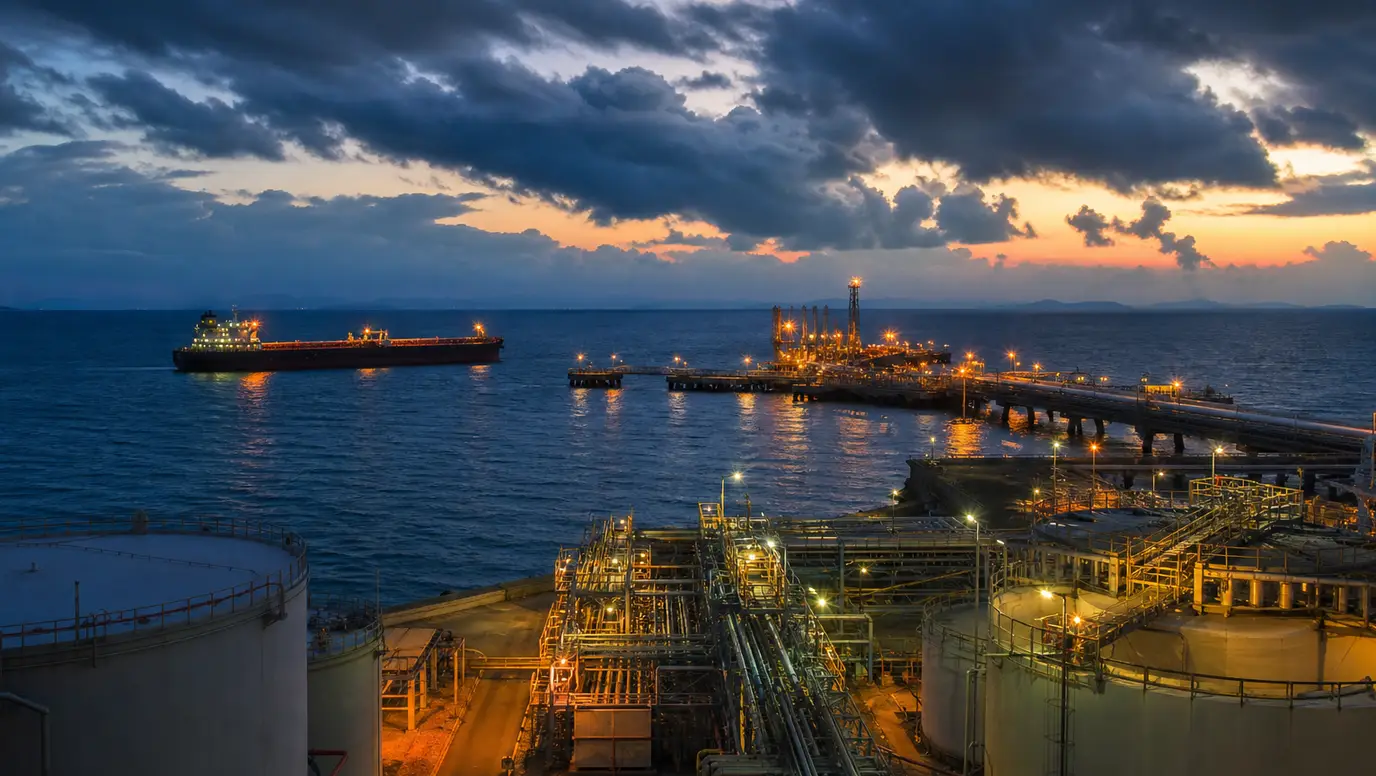
SEPTEMBER 27, 2026
Brent Crude Risk Premium Holds as OPEC+ Pause Keeps Energy Market on Edge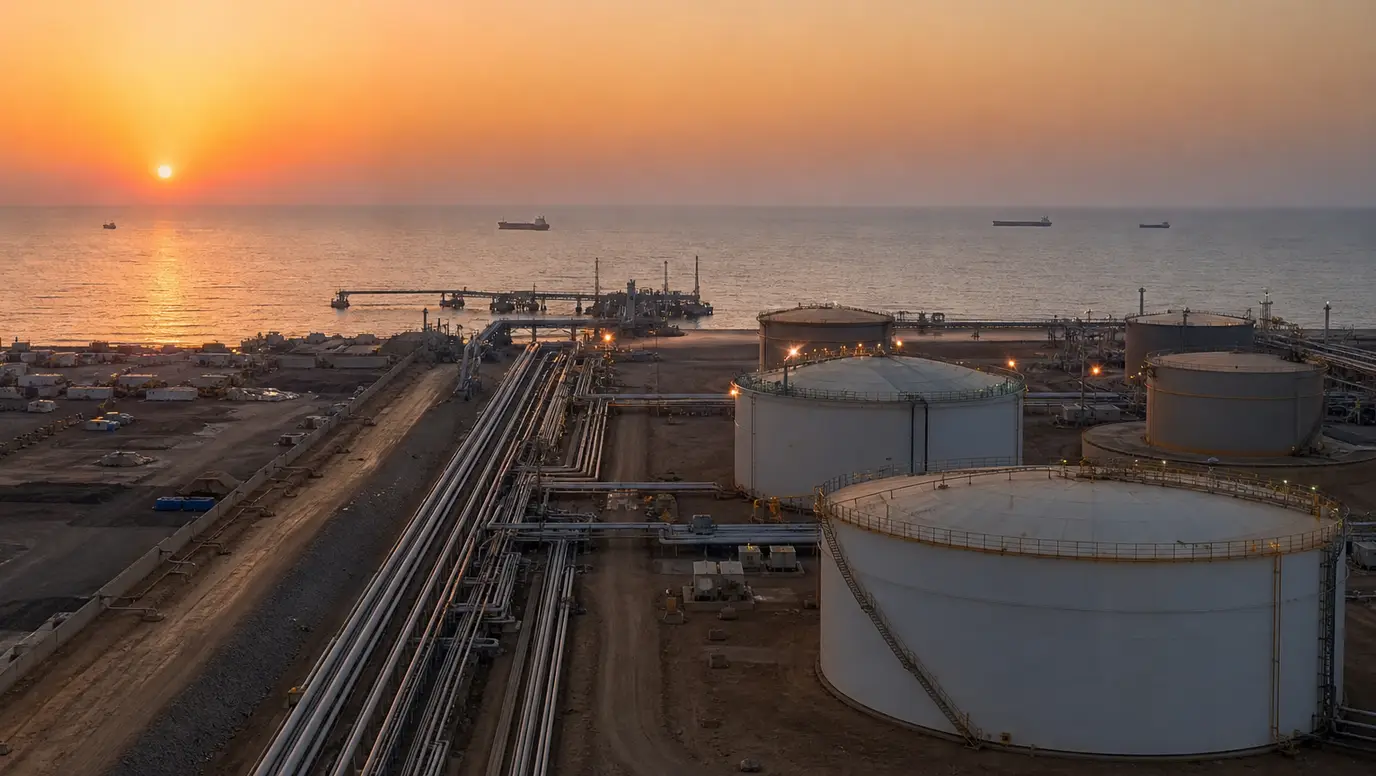
SEPTEMBER 23, 2026
WTI Crude Oil Futures Hold Near Two-Week Low as Gulf Supply Return Tests Fuel Market
SEPTEMBER 20, 2026
Brent Crude Futures Hold Near $104 as Saudi Pipeline Workaround Tests Oil Rally
SEPTEMBER 15, 2026
Brent Crude Holds Above $107 as Saudi Pipeline Closure Lifts Energy Risk Premium
SEPTEMBER 14, 2026
WTI Oil Rally Extends as Strait of Hormuz Risk Reprices Energy Market
SEPTEMBER 9, 2026
Brent Crude Futures Break $100 as Supply Shock Tightens Energy Market
SEPTEMBER 7, 2026
WTI Crude Oil Futures Hold Near Six-Week High as Hormuz Risk Tightens Energy Market
SEPTEMBER 3, 2026
OPEC+ Discount Shock Puts Energy Market on Brent Crude Supply Watch
AUGUST 31, 2026
Crude Oil Rally Puts Energy Market Back on Strait Risk Watch
AUGUST 30, 2026
WTI Crude Oil Slips as Hormuz Supply Relief Tests Energy Market Risk Premium
AUGUST 29, 2026
Venezuela Oil Deal Puts Brent Crude on Long-Term Supply Watch
AUGUST 23, 2026
Crude Oil Keeps Strait of Hormuz Premium as Fuel Transit Signals Stir Energy Market
AUGUST 21, 2026
Brent Crude Extends Weekly Gain as Iran Sanctions Threat Tightens Fuel Supply Watch
AUGUST 11, 2026
Brent Crude Whipsaws Near $90 as Red Sea Risk Tests Energy Market
AUGUST 10, 2026
Strait of Hormuz Delay Lifts Energy Market as Crude Oil Flow Risk Returns
AUGUST 6, 2026
Brent Crude Volatility Keeps Energy Market Focused on Iran Risk Premium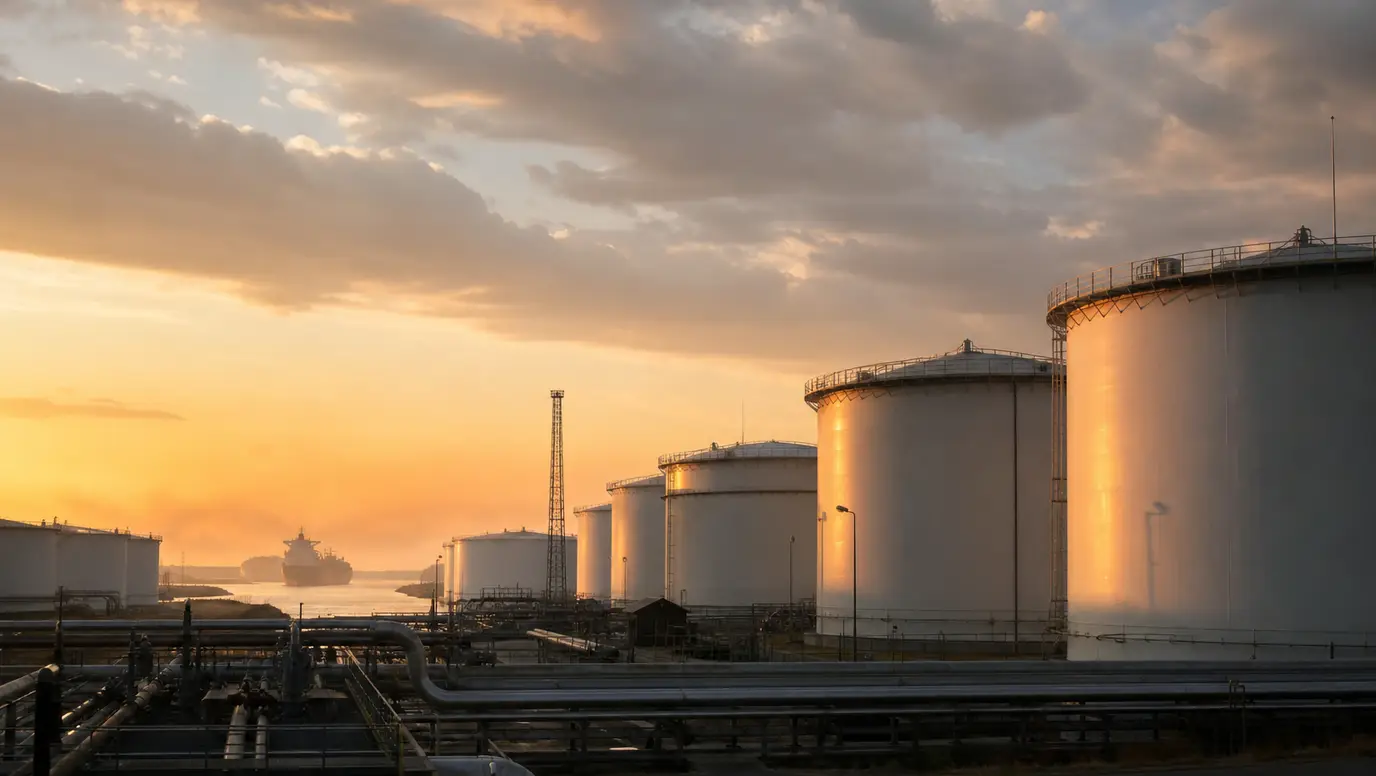
AUGUST 2, 2026
WTI Crude Oil Faces OPEC+ Output Test as Strait of Hormuz Risk Meets Stock Draw
JULY 31, 2026
Brent Crude Holds Risk Premium as Red Sea Disruptions Keep Energy Traders Defensive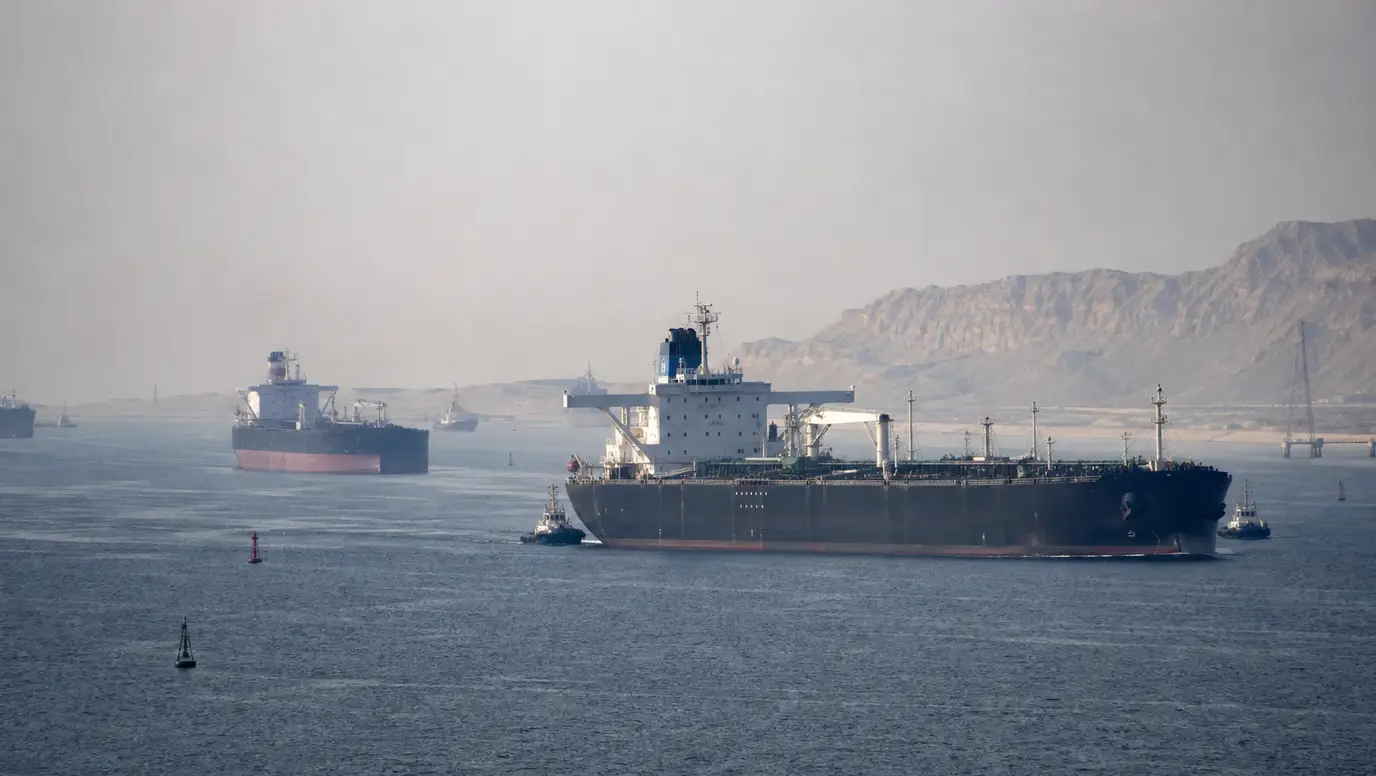
JULY 28, 2026
Strait of Hormuz Flows Keep WTI Crude on Alert as Oil Retreats
JULY 24, 2026
Brent Holds Above $100 as Red Sea Tanker Risk Resets Energy Market Outlook
JULY 21, 2026
LNG Supply Race Overtakes Oil as Gas Prices Jump on Hormuz Disruption
JULY 20, 2026
Brent Crude Tops $90 as WTI Crude and Oil Prices React to Hormuz Shipment Risk