
OCTOBER 23, 2026
Brent Crude Oil Extends Energy Market Surge as Houthi Strikes Lift Supply PremiumBrent crude oil climbs above $116 as Houthi strikes and Gulf shipping risk add a fresh supply premium to the energy market.

© 1box.site 2026

JULY 11, 2026
The energy market is entering the new week with crude oil traders focused less on a single price level and more on the durability of the latest risk premium. Brent crude moved back toward the upper-$70 area before the weekend, while WTI crude held above the low-$70 range, as renewed concern over commercial shipping in the Middle East offset the drag from added supply and softer demand expectations.
The move marks a shift in tone after several sessions dominated by worries that extra barrels would weigh on the market. Reports of fresh threats to vessels near a critical energy transit corridor have revived attention on freight availability, insurance costs and the willingness of refiners to book cargoes through higher-risk routes. For oil buyers, the question is not only whether physical supply is available, but whether it can be moved reliably and at predictable cost.
Crude oil has not returned to the panic pricing seen during earlier phases of the Middle East shock, but the market is again assigning value to disruption risk. That premium is showing up in prompt prices, refining margins and trader positioning, especially for grades linked to seaborne flows. A modest interruption can have an outsized impact when inventories are being managed tightly and refiners are already balancing summer fuel demand against uncertain macroeconomic conditions.
The latest rebound is also important because it comes after the market had started to absorb a more bearish supply narrative. Additional OPEC+ output planned for August, recovering exports from some disrupted channels and high non-OPEC production have all limited the upside. That means the current rally is less about a shortage of crude today and more about the market paying for optionality in case logistics deteriorate.
Energy traders are therefore watching tanker rates and regional crude differentials as closely as headline futures. If freight costs continue to rise, Asian refiners could face a higher landed cost even if benchmark crude prices stabilize. If vessel movements normalize quickly, the risk premium could fade and attention may swing back to supply growth.
The bullish case is not without resistance. Demand signals remain uneven, with parts of Asia showing sensitivity to higher fuel prices and Europe still facing weak industrial momentum. At the same time, higher oil prices can feed inflation expectations, complicating the interest-rate outlook and pressuring risk appetite across commodities.
That macro link is central for the energy market this week. If incoming inflation data suggest that fuel costs are becoming sticky again, crude oil could attract additional defensive buying. But if economic data point to slower consumption, traders may be reluctant to chase Brent and WTI higher without clear evidence of physical tightness.
Refinery behavior will be another key signal. Strong runs would indicate that fuel demand is absorbing higher crude costs, while any pullback in buying could suggest that recent price gains are already testing margins. Distillate and gasoline inventories will also matter because summer demand has not been uniform across regions.
For now, the energy market is caught between a geopolitical floor and a supply-demand ceiling. Brent crude may remain supported while shipping risk persists, but sustained gains likely require either a measurable disruption to flows or firmer evidence that end-user demand is improving. WTI crude faces a similar test, with U.S. inventory trends and export economics helping determine whether domestic barrels can keep pace with global pricing.
The near-term trading range could widen if headlines remain active. A calmer shipping backdrop would likely bring the market back to OPEC+ supply additions, inventory builds and demand downgrades. A renewed escalation, however, could quickly lift risk premiums across crude oil, refined products and LNG, forcing buyers to price in not just barrels, but the reliability of the routes that deliver them.
That makes crude oil the strongest current story across the market sections today. Metals are still reacting to the dollar and yields, while forex traders are waiting for the next major inflation signal. In energy, by contrast, traders are already repricing an active mix of physical risk, policy-driven supply and macro uncertainty.
OCTOBER 23, 2026
Brent Crude Oil Extends Energy Market Surge as Houthi Strikes Lift Supply Premium
OCTOBER 20, 2026
WTI Crude Oil Futures Keep Energy Market on Edge as Strait of Hormuz Risk Lifts Premium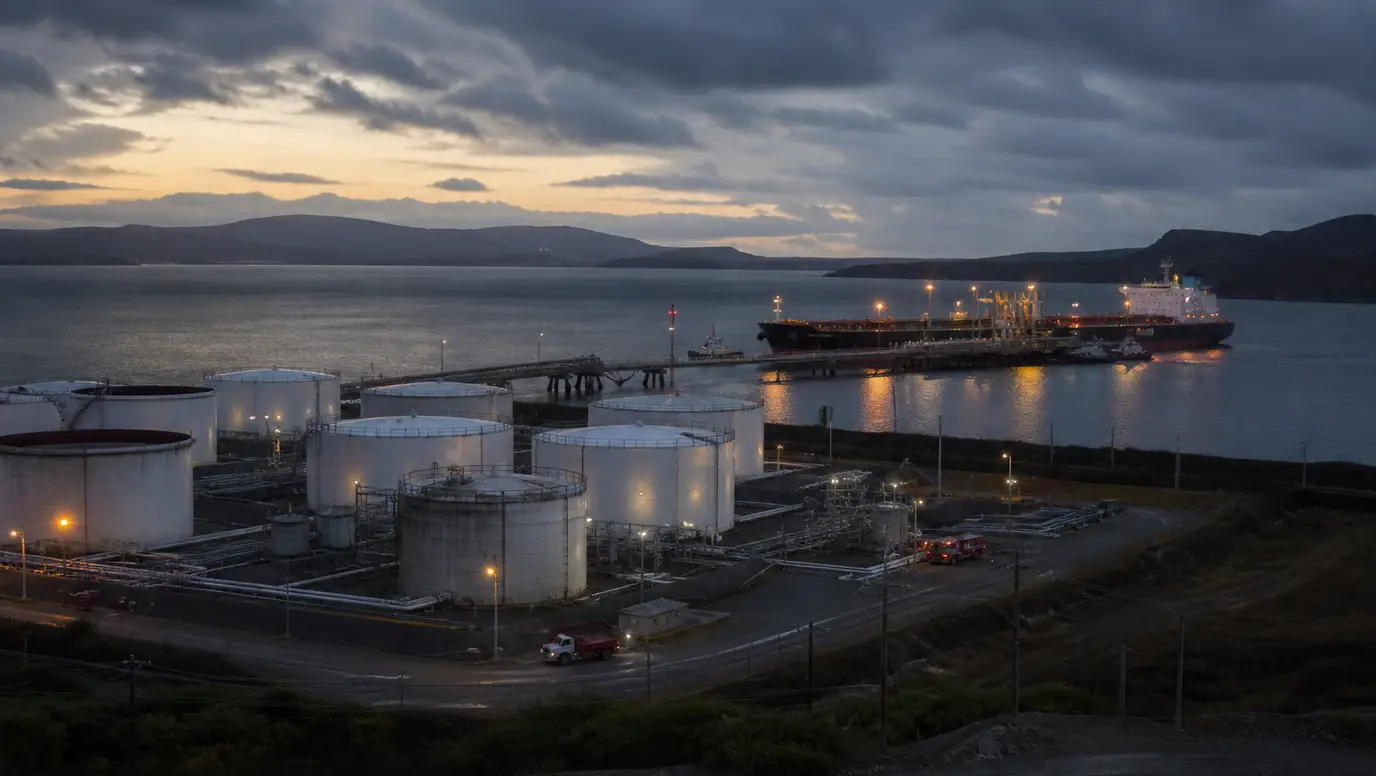
OCTOBER 17, 2026
Brent Crude Oil Tests $110 as Strategic Petroleum Reserve Move Fails to Calm Energy Market
OCTOBER 9, 2026
Brent Crude Oil Pulls Back as OPEC+ Hold and Iran Strike Pause Ease Energy Premium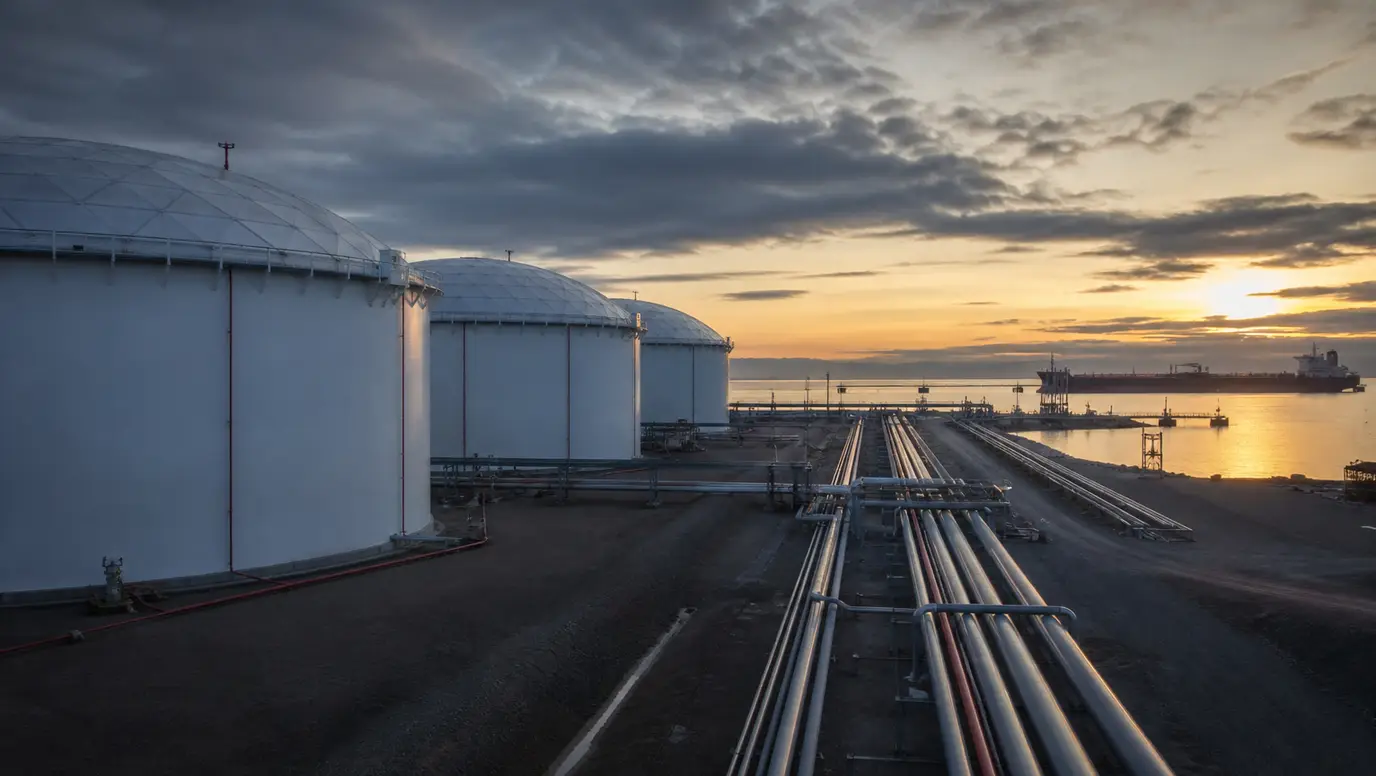
OCTOBER 8, 2026
WTI Crude Oil Jumps as Inventory Draw Meets Hormuz Shipping Risk
OCTOBER 6, 2026
Distillate Fuel Squeeze Keeps Energy Market Alert as Diesel Margins Stay Elevated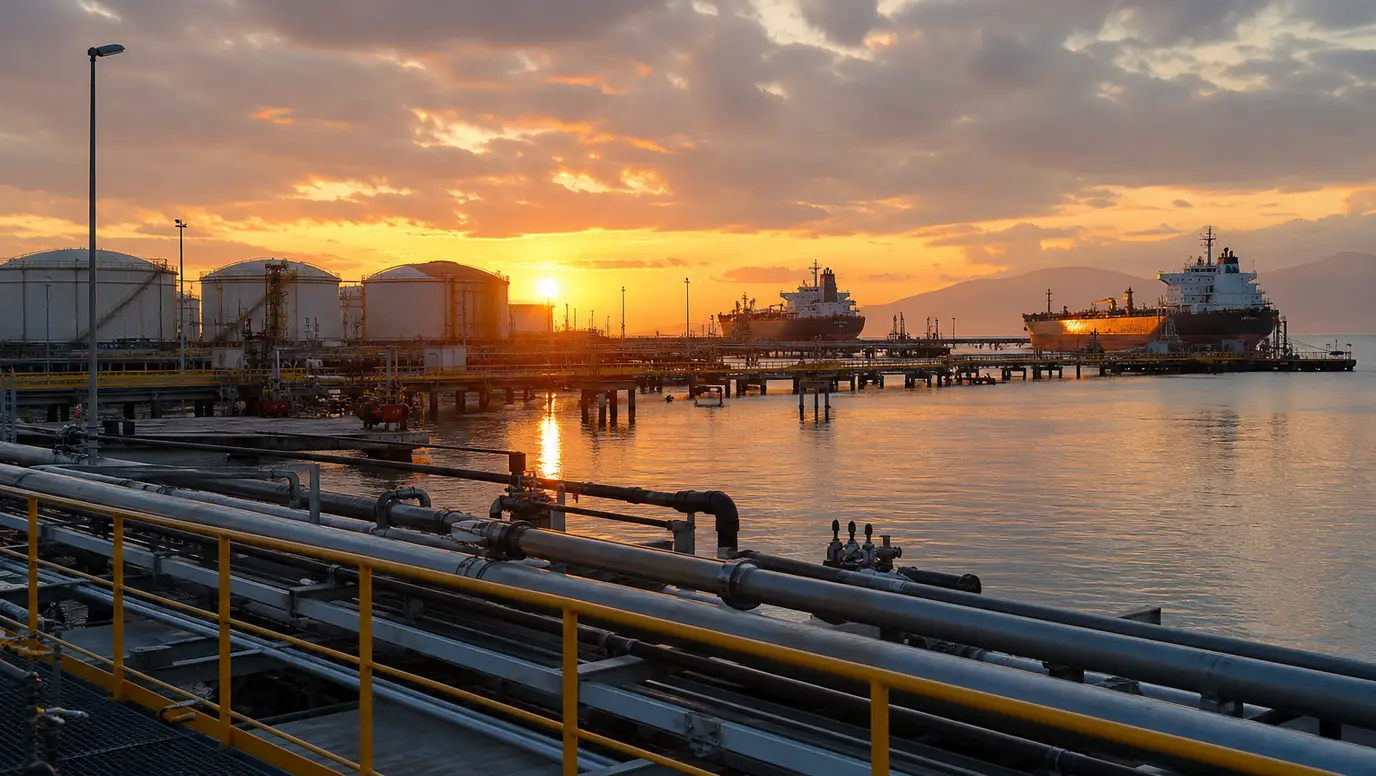
OCTOBER 4, 2026
Brent Crude Holds Above $100 as OPEC+ Extends Output Pause
OCTOBER 2, 2026
Crude Oil Slides as OPEC+ Pause Bets Meet Returning Middle East Supply
SEPTEMBER 30, 2026
WTI Crude Oil Futures Steady as Iran Sanctions Risk Meets Tight Fuel Market
SEPTEMBER 27, 2026
Brent Crude Risk Premium Holds as OPEC+ Pause Keeps Energy Market on Edge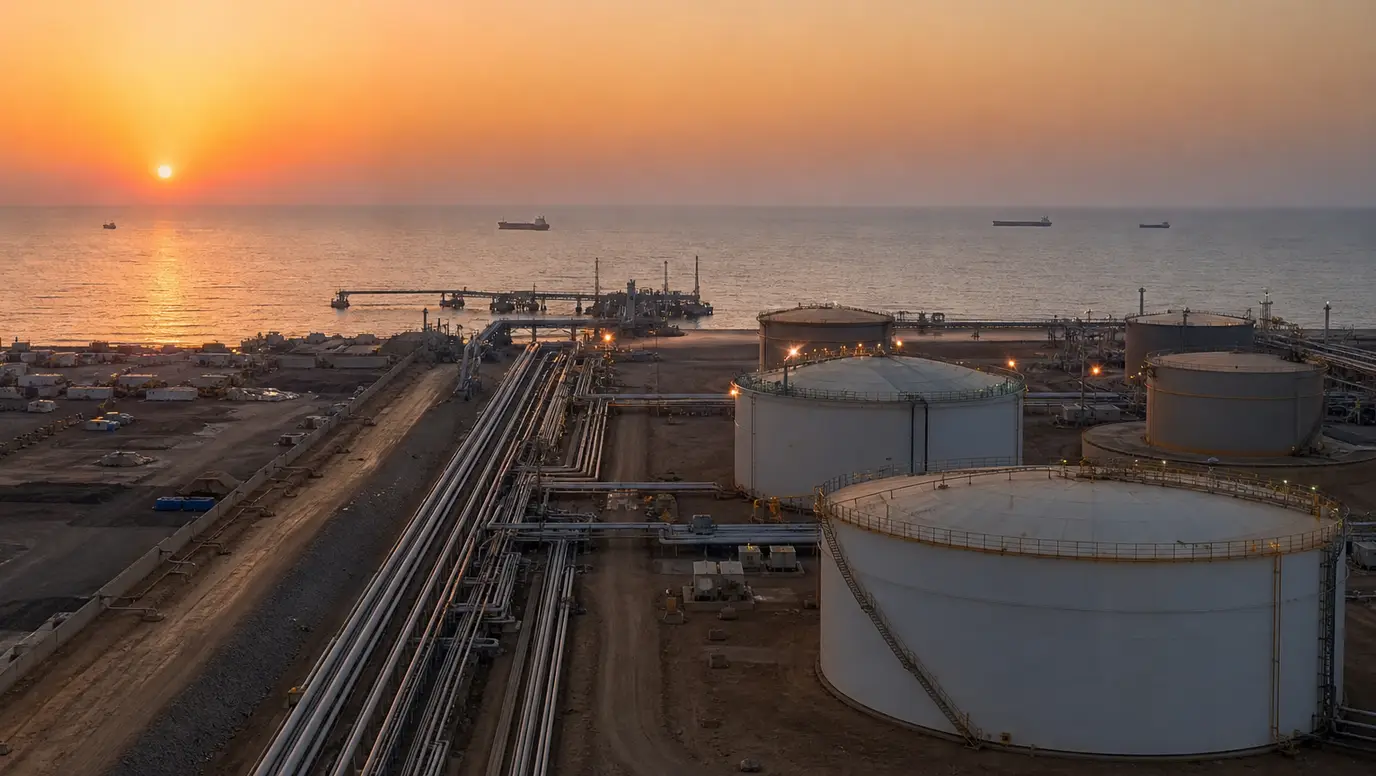
SEPTEMBER 23, 2026
WTI Crude Oil Futures Hold Near Two-Week Low as Gulf Supply Return Tests Fuel Market
SEPTEMBER 20, 2026
Brent Crude Futures Hold Near $104 as Saudi Pipeline Workaround Tests Oil Rally
SEPTEMBER 15, 2026
Brent Crude Holds Above $107 as Saudi Pipeline Closure Lifts Energy Risk Premium
SEPTEMBER 14, 2026
WTI Oil Rally Extends as Strait of Hormuz Risk Reprices Energy Market
SEPTEMBER 9, 2026
Brent Crude Futures Break $100 as Supply Shock Tightens Energy Market
SEPTEMBER 7, 2026
WTI Crude Oil Futures Hold Near Six-Week High as Hormuz Risk Tightens Energy Market
SEPTEMBER 3, 2026
OPEC+ Discount Shock Puts Energy Market on Brent Crude Supply Watch
AUGUST 31, 2026
Crude Oil Rally Puts Energy Market Back on Strait Risk Watch
AUGUST 30, 2026
WTI Crude Oil Slips as Hormuz Supply Relief Tests Energy Market Risk Premium
AUGUST 29, 2026
Venezuela Oil Deal Puts Brent Crude on Long-Term Supply Watch
AUGUST 21, 2026
Brent Crude Extends Weekly Gain as Iran Sanctions Threat Tightens Fuel Supply Watch
AUGUST 18, 2026
Brent Crude and WTI Oil Rise as Strait of Hormuz Risk Revives Energy Inflation Worries
AUGUST 15, 2026
OPEC+ September Hike Leaves Crude Market Watching Gulf Export Reliability
AUGUST 11, 2026
Brent Crude Whipsaws Near $90 as Red Sea Risk Tests Energy Market
AUGUST 10, 2026
Strait of Hormuz Delay Lifts Energy Market as Crude Oil Flow Risk Returns
AUGUST 6, 2026
Brent Crude Volatility Keeps Energy Market Focused on Iran Risk Premium
AUGUST 5, 2026
Propane Build Puts Energy Commodities on Winter Demand Watch
AUGUST 2, 2026
WTI Crude Oil Faces OPEC+ Output Test as Strait of Hormuz Risk Meets Stock Draw
JULY 31, 2026
Brent Crude Holds Risk Premium as Red Sea Disruptions Keep Energy Traders Defensive
JULY 29, 2026
Gasoline Cracks Lift Energy Commodities as Crude Rebounds on Inventory Draw