
OCTOBER 23, 2026
Brent Crude Oil Extends Energy Market Surge as Houthi Strikes Lift Supply PremiumBrent crude oil climbs above $116 as Houthi strikes and Gulf shipping risk add a fresh supply premium to the energy market.

© 1box.site 2026
JULY 4, 2026
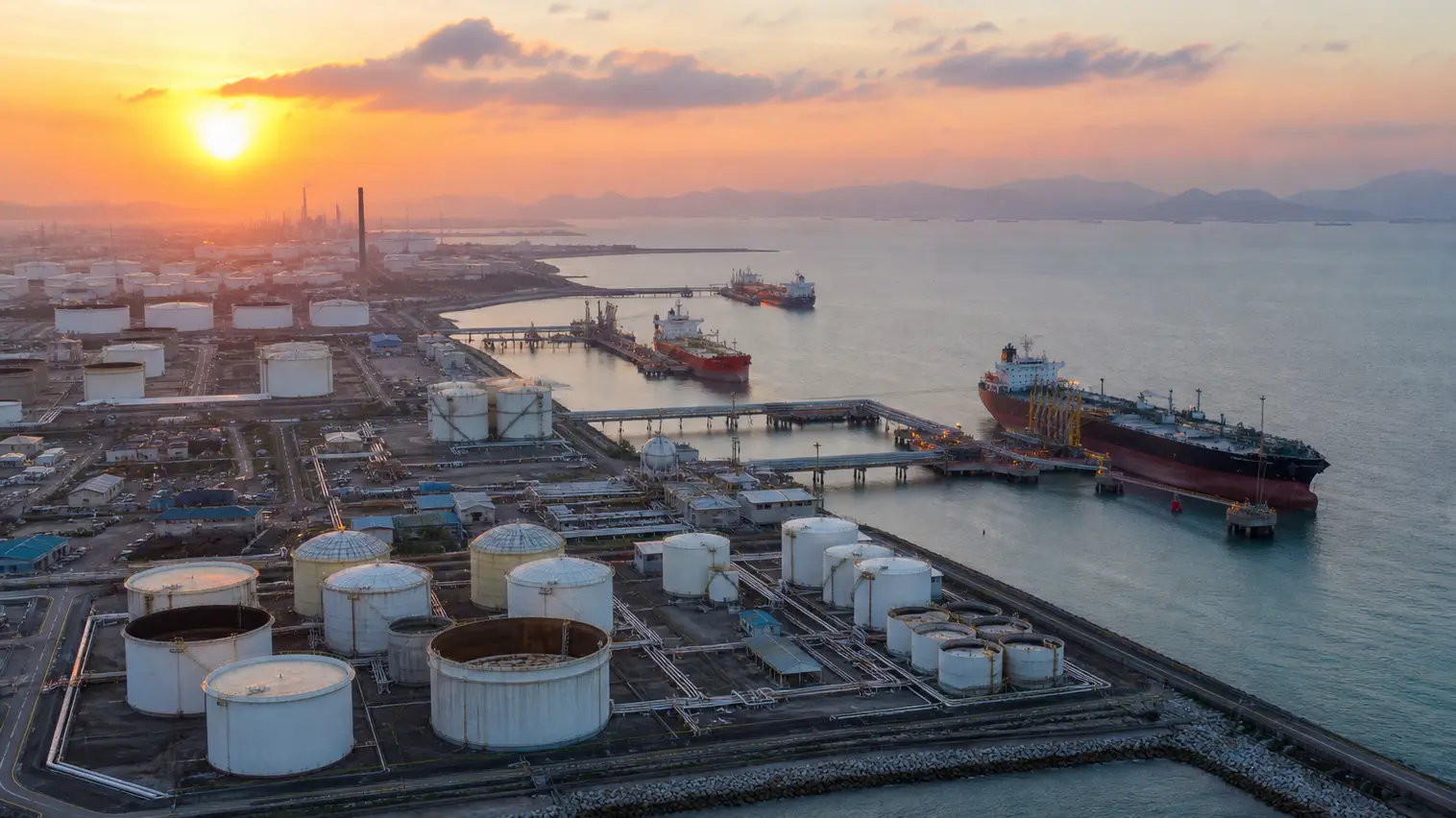
Brent crude remained under pressure near the low $70s heading into the weekend as traders positioned for another OPEC+ decision that could add barrels to an already softer oil market. West Texas Intermediate hovered in the upper $60s, leaving both benchmarks vulnerable after a stretch of selling driven by expectations of higher supply, fading geopolitical risk premiums and uneven demand signals from Asia.
The immediate focus is the OPEC+ subgroup meeting scheduled for July 5, where core producers are expected to consider another roughly 188,000 barrel-per-day increase in August output targets. Such a move would extend the gradual unwinding of voluntary cuts and would follow similar increases implemented for June and July. While the headline volume is modest relative to global consumption, the direction of travel matters for sentiment: producers appear more willing to defend market share even as prices move closer to fiscal stress levels for several exporters.
The bearish tone has been reinforced by a sharp reduction in Saudi official selling prices for Asian customers. The size of the cut signals a more competitive approach to securing refinery demand at a time when spot buying has been cautious and regional refiners are weighing cheaper alternatives. For traders, the pricing move is important because it suggests that the supply discussion is no longer limited to quota arithmetic; it is also showing up in real cargo economics.
Saudi Arabia remains the central swing producer in the group, but its strategy is becoming more complicated. A lower price can protect market share, yet it also sends a message that demand is not strong enough to absorb additional barrels without concessions. That is why Brent has struggled to sustain rebounds even when inventory data or refinery demand offer short-term support. Each rally is being measured against the possibility of more August supply and more aggressive selling terms.
The expected August increase would not flood the market on its own, particularly because several producers have faced operational constraints and some quotas have historically been difficult to meet. However, the market is trading the signal as much as the physical flow. If OPEC+ confirms another increase without strong language about pausing or reversing the process, investors may read it as evidence that the group is prioritizing volume over price defense.
That could keep Brent capped near resistance in the mid-$70s unless demand data improves or geopolitical risk returns. A firmer dollar, cautious refinery margins and persistent concerns about global manufacturing activity have also limited the appetite for bullish oil bets. Conversely, a surprise pause or a smaller-than-expected adjustment could force a short-covering bounce, especially after the recent decline pushed momentum indicators toward oversold territory.
For WTI, the next test is whether U.S. summer consumption can offset the broader supply narrative. Recent stock draws have helped prevent a deeper slide, but the market wants evidence that gasoline, diesel and jet fuel demand can hold up beyond the Independence Day travel period. If refinery runs stay firm and crude inventories continue to tighten, the U.S. benchmark may find support near the high-$60s.
Still, the broader energy-market setup remains fragile. Brent near $72 reflects a market that has not collapsed, but it also shows that traders are unwilling to pay a premium for barrels before the OPEC+ decision. Unless the group delivers a clear stabilizing message, crude may remain caught between physical demand support and the growing perception that producers are preparing for a more competitive second half of the year.
OCTOBER 23, 2026
Brent Crude Oil Extends Energy Market Surge as Houthi Strikes Lift Supply Premium
OCTOBER 20, 2026
WTI Crude Oil Futures Keep Energy Market on Edge as Strait of Hormuz Risk Lifts Premium
OCTOBER 17, 2026
Brent Crude Oil Tests $110 as Strategic Petroleum Reserve Move Fails to Calm Energy Market
OCTOBER 9, 2026
Brent Crude Oil Pulls Back as OPEC+ Hold and Iran Strike Pause Ease Energy Premium
OCTOBER 8, 2026
WTI Crude Oil Jumps as Inventory Draw Meets Hormuz Shipping Risk
OCTOBER 6, 2026
Distillate Fuel Squeeze Keeps Energy Market Alert as Diesel Margins Stay Elevated
OCTOBER 4, 2026
Brent Crude Holds Above $100 as OPEC+ Extends Output Pause
OCTOBER 2, 2026
Crude Oil Slides as OPEC+ Pause Bets Meet Returning Middle East Supply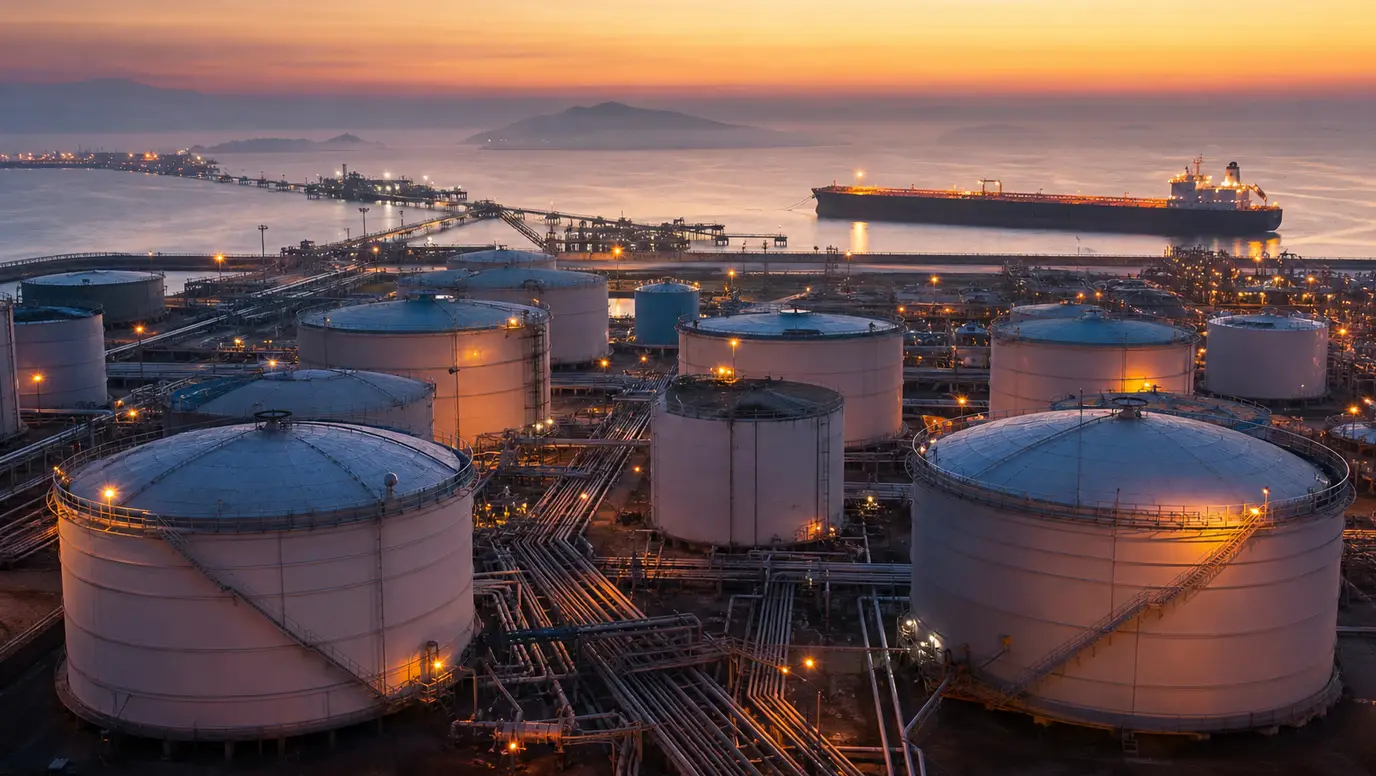
SEPTEMBER 30, 2026
WTI Crude Oil Futures Steady as Iran Sanctions Risk Meets Tight Fuel Market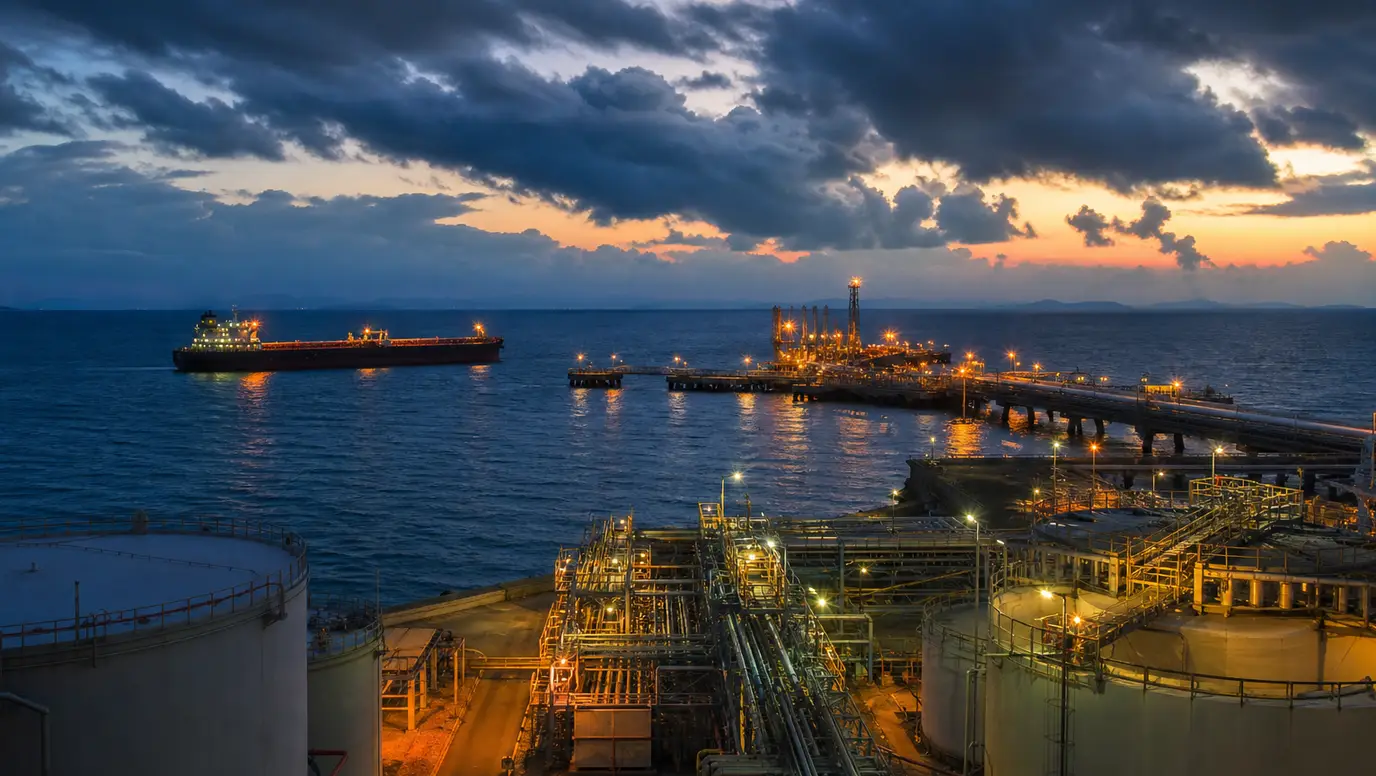
SEPTEMBER 27, 2026
Brent Crude Risk Premium Holds as OPEC+ Pause Keeps Energy Market on Edge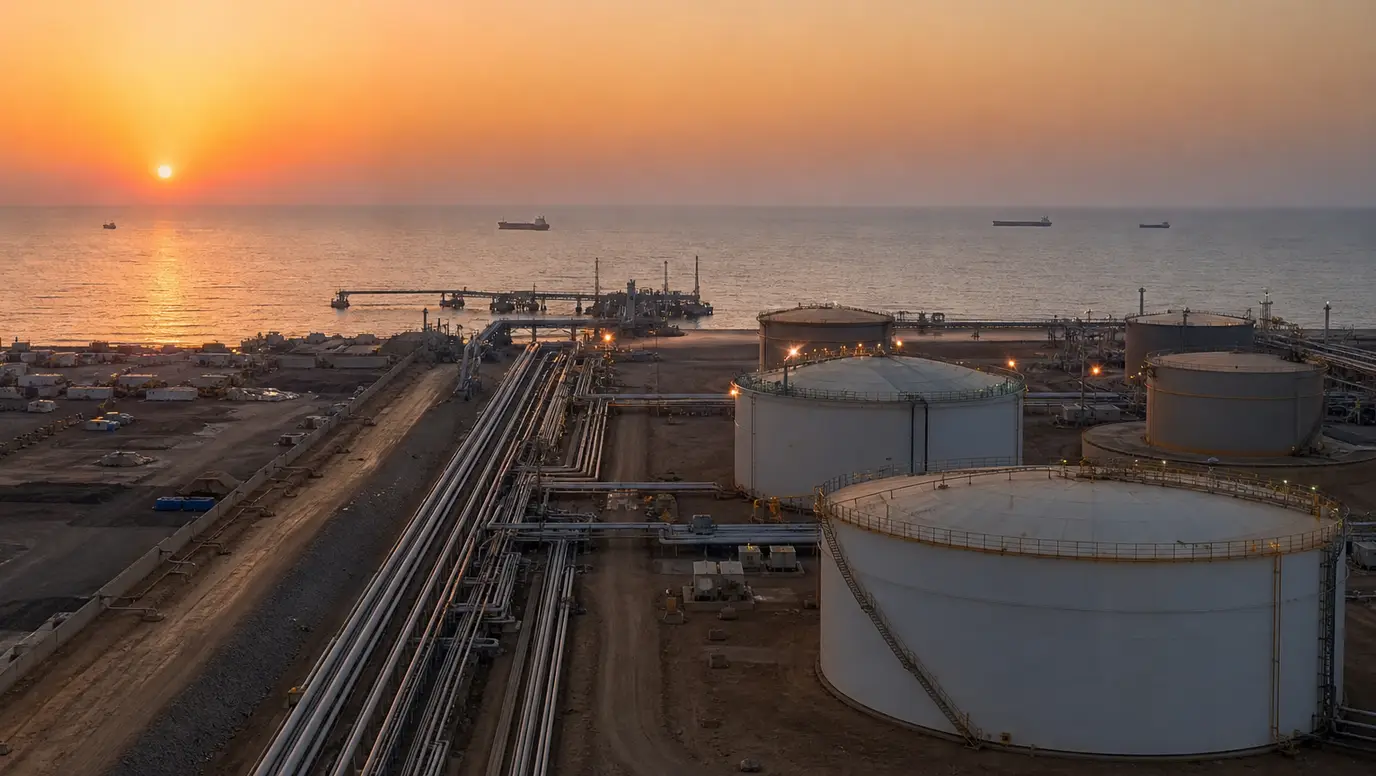
SEPTEMBER 23, 2026
WTI Crude Oil Futures Hold Near Two-Week Low as Gulf Supply Return Tests Fuel Market
SEPTEMBER 20, 2026
Brent Crude Futures Hold Near $104 as Saudi Pipeline Workaround Tests Oil Rally
SEPTEMBER 15, 2026
Brent Crude Holds Above $107 as Saudi Pipeline Closure Lifts Energy Risk Premium
SEPTEMBER 14, 2026
WTI Oil Rally Extends as Strait of Hormuz Risk Reprices Energy Market
SEPTEMBER 9, 2026
Brent Crude Futures Break $100 as Supply Shock Tightens Energy Market
SEPTEMBER 7, 2026
WTI Crude Oil Futures Hold Near Six-Week High as Hormuz Risk Tightens Energy Market
SEPTEMBER 3, 2026
OPEC+ Discount Shock Puts Energy Market on Brent Crude Supply Watch
AUGUST 31, 2026
Crude Oil Rally Puts Energy Market Back on Strait Risk Watch
AUGUST 30, 2026
WTI Crude Oil Slips as Hormuz Supply Relief Tests Energy Market Risk Premium
AUGUST 29, 2026
Venezuela Oil Deal Puts Brent Crude on Long-Term Supply Watch
AUGUST 21, 2026
Brent Crude Extends Weekly Gain as Iran Sanctions Threat Tightens Fuel Supply Watch
AUGUST 18, 2026
Brent Crude and WTI Oil Rise as Strait of Hormuz Risk Revives Energy Inflation Worries
AUGUST 15, 2026
OPEC+ September Hike Leaves Crude Market Watching Gulf Export Reliability
AUGUST 11, 2026
Brent Crude Whipsaws Near $90 as Red Sea Risk Tests Energy Market
AUGUST 10, 2026
Strait of Hormuz Delay Lifts Energy Market as Crude Oil Flow Risk Returns
AUGUST 6, 2026
Brent Crude Volatility Keeps Energy Market Focused on Iran Risk Premium
AUGUST 5, 2026
Propane Build Puts Energy Commodities on Winter Demand Watch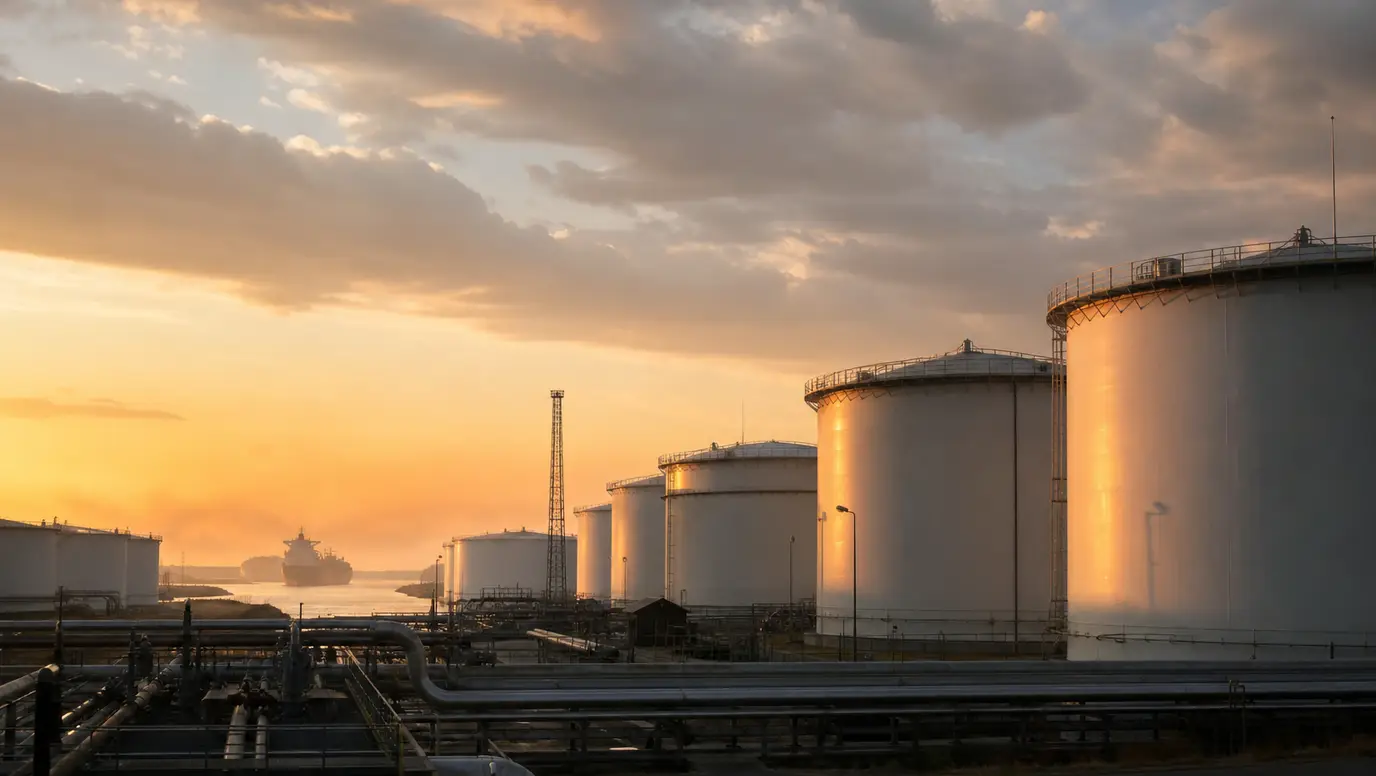
AUGUST 2, 2026
WTI Crude Oil Faces OPEC+ Output Test as Strait of Hormuz Risk Meets Stock Draw
JULY 31, 2026
Brent Crude Holds Risk Premium as Red Sea Disruptions Keep Energy Traders Defensive
JULY 29, 2026
Gasoline Cracks Lift Energy Commodities as Crude Rebounds on Inventory Draw