JULY 28, 2026
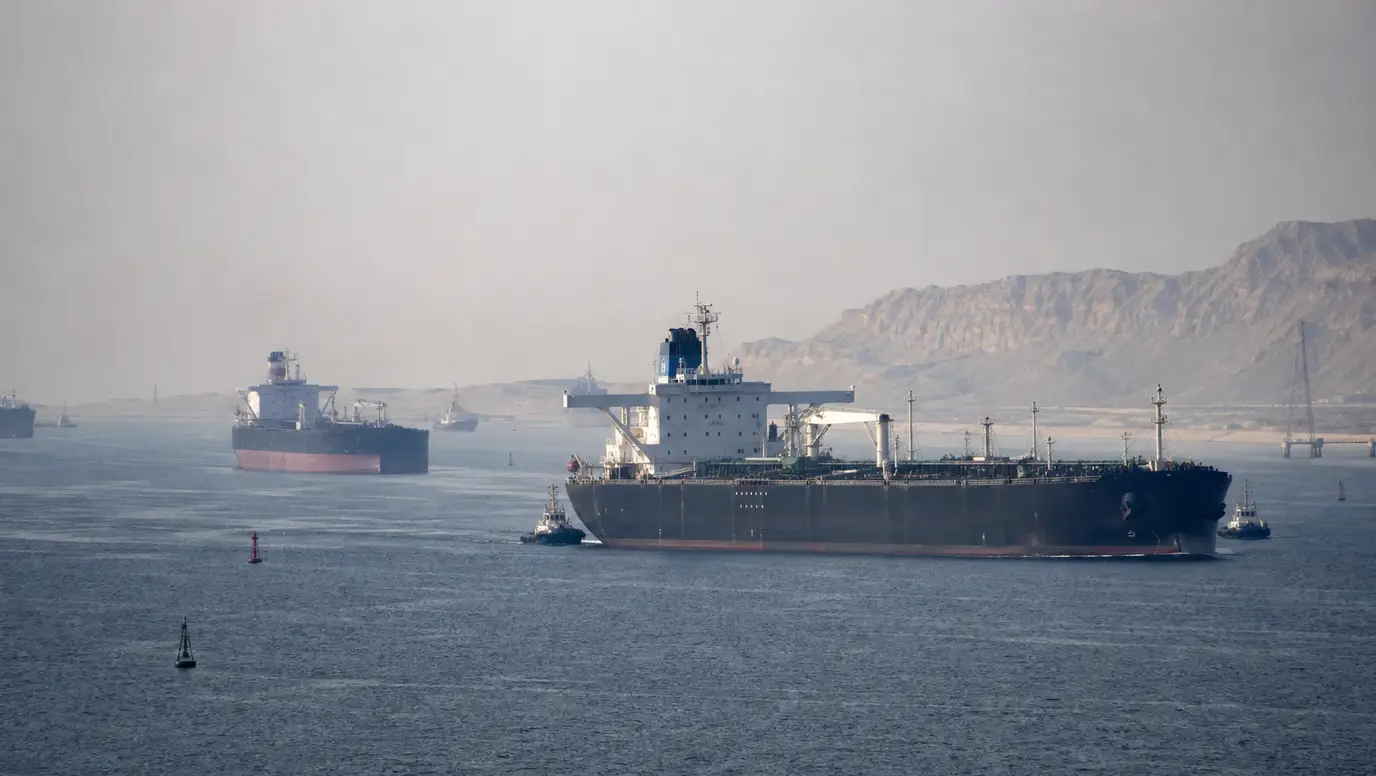
Strait of Hormuz Flows Keep WTI Crude on Alert as Oil RetreatsWTI crude eases near one-week lows, but reduced Strait of Hormuz flows keep the energy market focused on supply risk.

© 1box.site 2026
JUNE 17, 2026
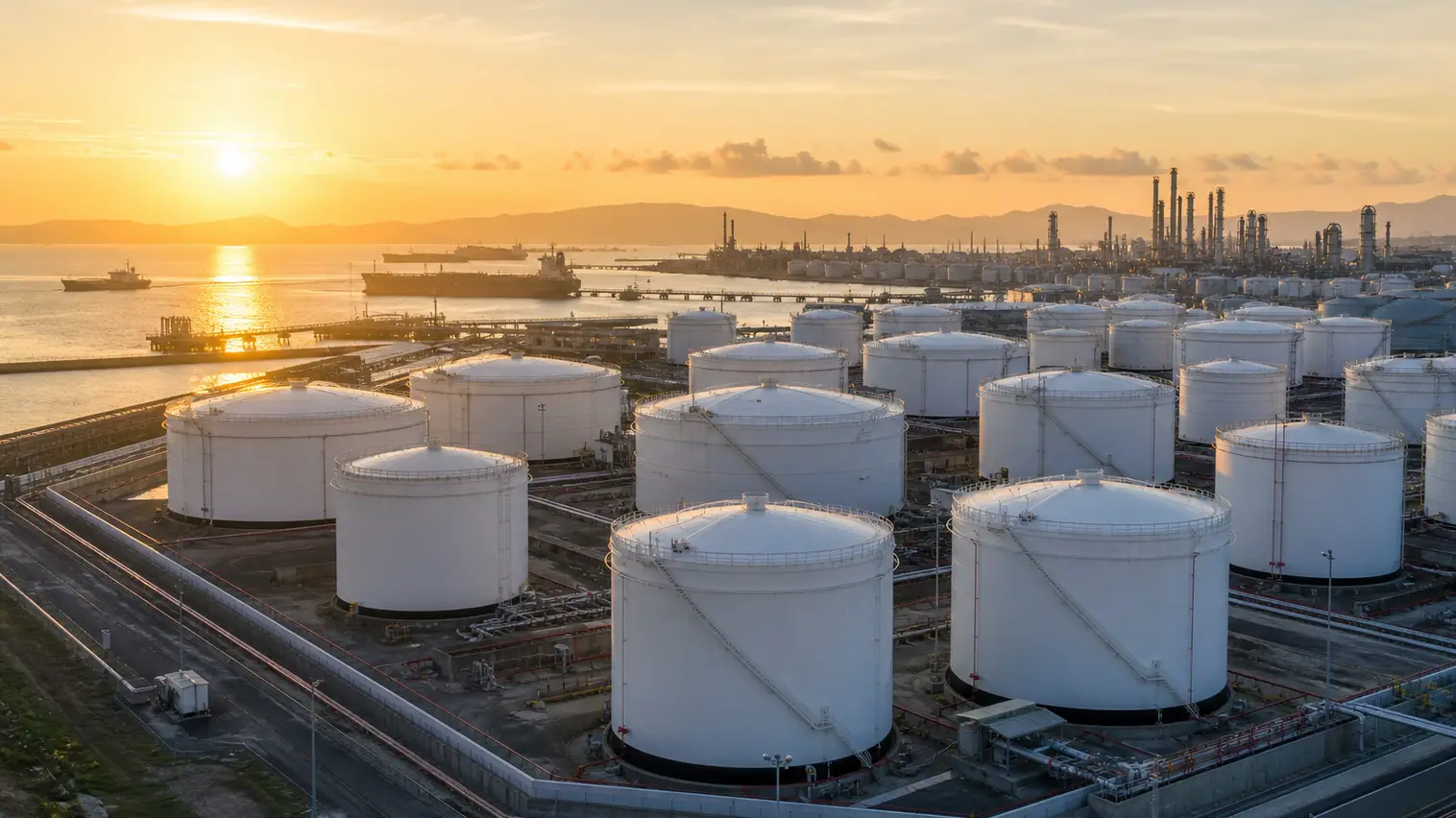
Oil prices regained a firmer tone on Wednesday as traders balanced relief over a tentative U.S.-Iran peace framework against signs that the physical crude market remains tight. WTI crude recovered toward the low-$80s per barrel area, while Brent held close to the upper-$70s, stabilizing after a sharp selloff driven by expectations that tanker traffic through the Strait of Hormuz could gradually normalize.
The latest move suggests the oil market is no longer trading only on headline risk. A larger-than-expected draw in industry-reported U.S. crude inventories shifted attention back to near-term supply cushions, refinery demand and the speed at which disrupted barrels can return to global routes. That has limited the downside even as geopolitical risk premiums continue to unwind.
The most important short-term support for crude came from U.S. stock data showing a meaningful weekly decline in commercial inventories. Traders had already priced in a substantial reduction in war-risk premiums after diplomatic progress, but the stock draw suggested that refiners and exporters are still pulling hard on available supply.
For WTI, the inventory backdrop matters because the contract is more directly tied to U.S. storage, pipeline flows and Gulf Coast export economics. A sustained drawdown would make it harder for bearish traders to argue that the market has already shifted into surplus, especially while shipping schedules and insurance costs around Middle East routes remain unsettled.
Brent remains more exposed to the global impact of Hormuz. Even if a reopening process continues, market participants are likely to demand evidence of consistent vessel movement before removing the remaining risk premium. Any delay in cargo normalization, refinery restocking or producer restart plans could quickly restore volatility across the energy market.
The peace framework has changed the direction of the oil debate, but it has not resolved the timing problem. Traders are trying to estimate how fast crude and refined-product flows can return after months of disruption, and whether buyers that drew down inventories during the crisis will rebuild stocks aggressively once routes become more reliable.
That uncertainty is keeping price action choppy. A clean reopening would pressure Brent and WTI further by improving supply visibility, lowering freight stress and easing inflation concerns. A slower reopening, by contrast, would leave global balances vulnerable because earlier disruptions tightened inventories and forced refiners to rely on alternative supply chains.
The next official U.S. inventory report will be closely watched for confirmation of the draw, especially the breakdown between crude, gasoline and distillates. Refinery utilization, export volumes and Cushing storage levels may carry more weight than the headline number because they will show whether the domestic market is tightening broadly or simply reflecting a one-week adjustment.
The oil market’s focus is now moving from immediate conflict shock toward the balance sheet for the second half of the year. Demand remains sensitive to fuel prices, the U.S. dollar and central bank policy, while supply expectations depend on whether Middle East production and shipping recover without renewed disruption.
For now, WTI’s rebound shows that the post-deal selloff may have moved faster than the underlying physical market. Brent and WTI can still fall if shipping normalizes smoothly, but the inventory signal gives bulls a clearer argument that the market needs more than diplomatic progress before abandoning its supply-risk cushion.
Near-term trading is likely to remain data driven. If official numbers confirm shrinking U.S. crude stocks and product demand holds up, energy prices could consolidate above recent lows. If inventories surprise higher or Hormuz traffic resumes more quickly than expected, the oil market may test a deeper unwind of the crisis premium.
JULY 28, 2026
Strait of Hormuz Flows Keep WTI Crude on Alert as Oil Retreats
JULY 20, 2026
Brent Crude Tops $90 as WTI Crude and Oil Prices React to Hormuz Shipment Risk
JULY 19, 2026
Brent Crude and WTI Crude Rally as Traders Test OPEC+ Supply Cushion
JULY 18, 2026
Brent Crude and WTI Crude Prices Near Weekend Gap Risk as Energy Market Reprices Supply Threat
JULY 17, 2026
Brent Crude and WTI Crude Hold Weekly Gains as Red Sea Threat Offsets US Dollar Rebound
JULY 15, 2026
Brent Crude and WTI Crude Rise as Iran Port Blockade Puts Stockpile Cushion in Focus
JULY 14, 2026
Oil Market Shifts to Bypass Routes as Hormuz Risk Keeps Brent Premium Elevated
JULY 13, 2026
Brent Crude Jumps as Hormuz Escalation Reprices Energy Market Risk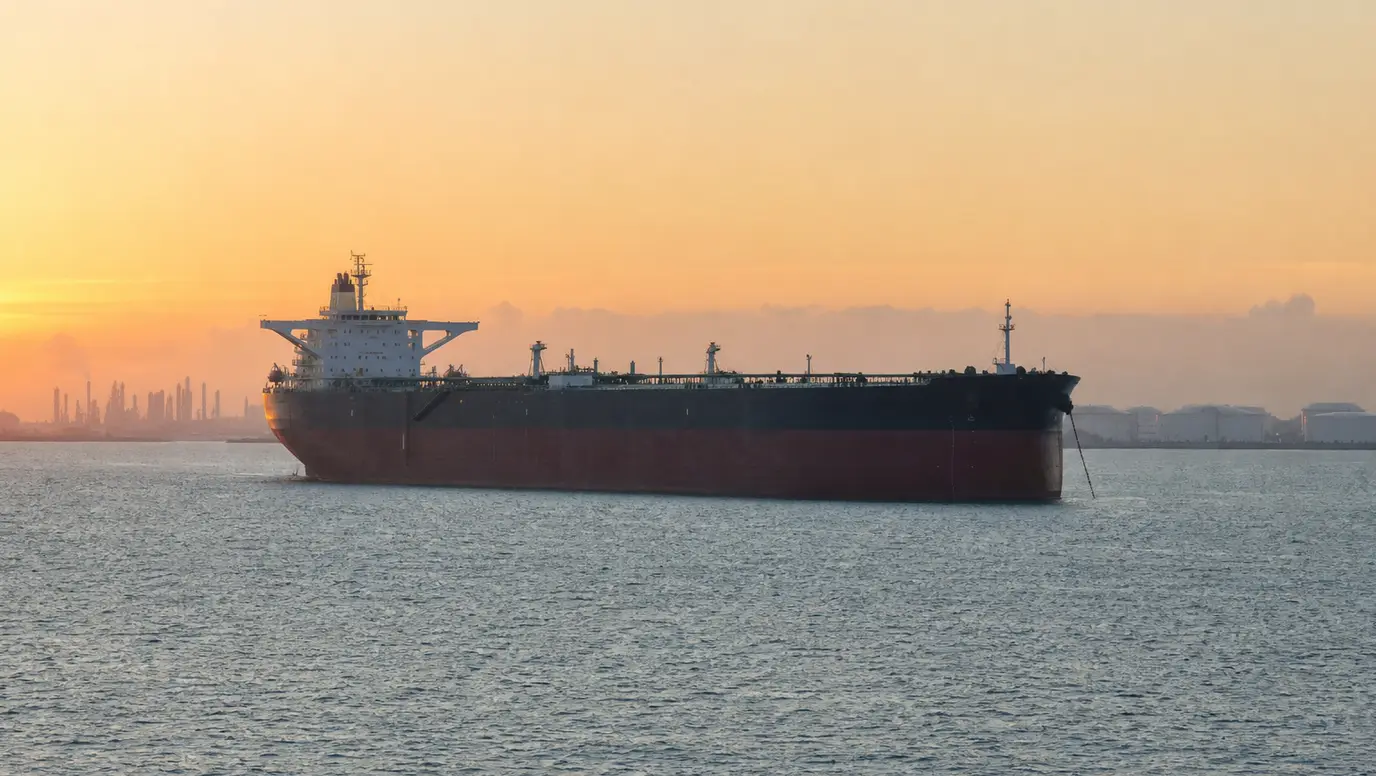
JULY 12, 2026
Crude Oil Faces China Demand Test as Floating Iranian Supply Builds
JULY 11, 2026
Energy Market Watches Tanker Risk as Crude Oil Rally Meets Demand Doubts
JULY 10, 2026
Crude Oil Turns to Glut Risk as OPEC+ Adds August Supply
JULY 9, 2026
Brent Nears $79 as Renewed Gulf Risk Rebuilds Crude Oil Premium
JULY 8, 2026
Crude Oil Faces Mixed Signal as U.S. Stock Build Collides With Fuel Draws
JULY 6, 2026
Crude Oil Slips as Hormuz Flows Normalize and Inventory Test Moves Into View
JULY 5, 2026
OPEC+ Output Hike Turns Energy Market Focus to Real Barrels as Brent Holds Near $72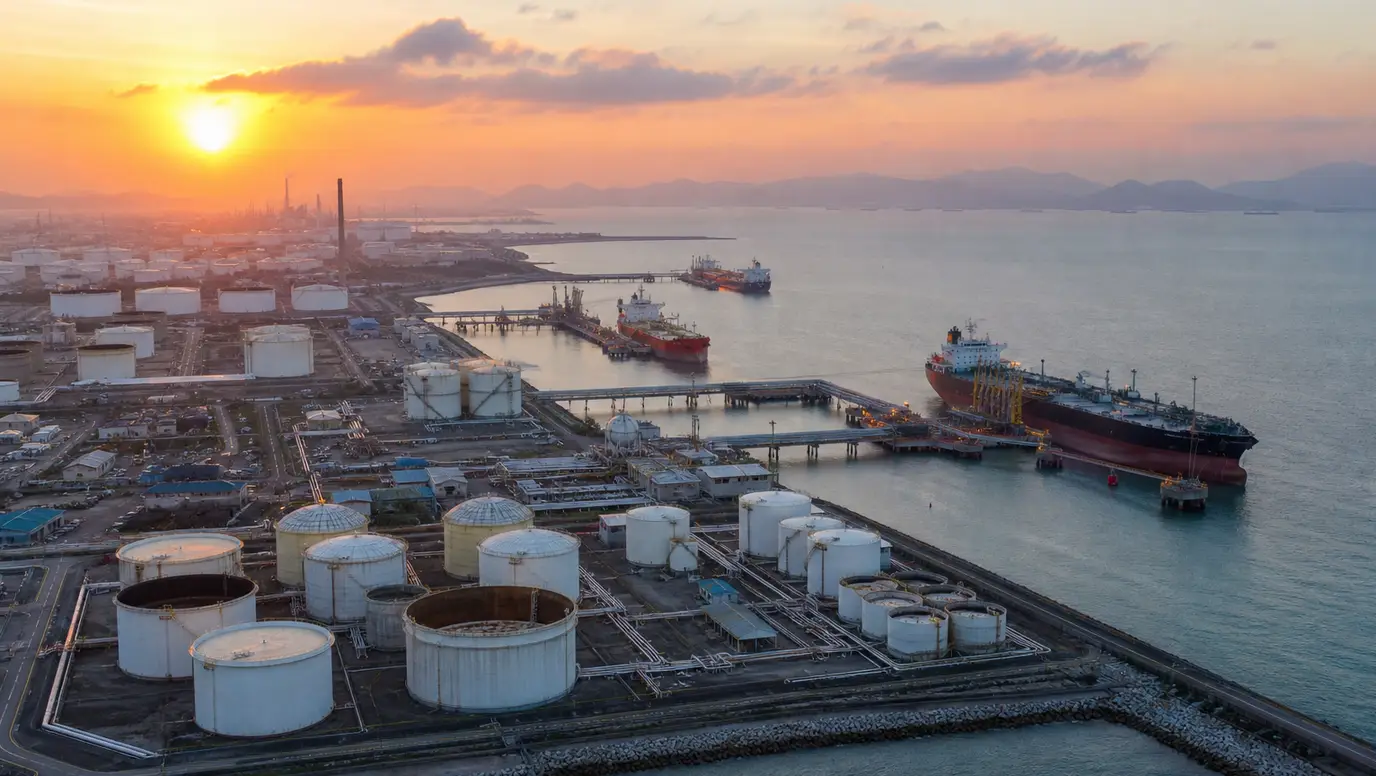
JULY 4, 2026
Brent Holds Near $72 as OPEC+ August Supply Decision Tests Oil Market Floor
JULY 3, 2026
WTI Holds Near $68 as U.S. Stock Draws Challenge Oil Glut Narrative
JULY 2, 2026
Brent Slides Toward $70 as Iran Risk Premium Fades in Thin Holiday Trade
JULY 1, 2026
OPEC+ Supply Signal Caps Crude Oil Rebound as U.S. Stock Draws Support Prices
JUNE 30, 2026
Natural Gas Rally Outruns Softer Oil as Heat and LNG Demand Split Energy Market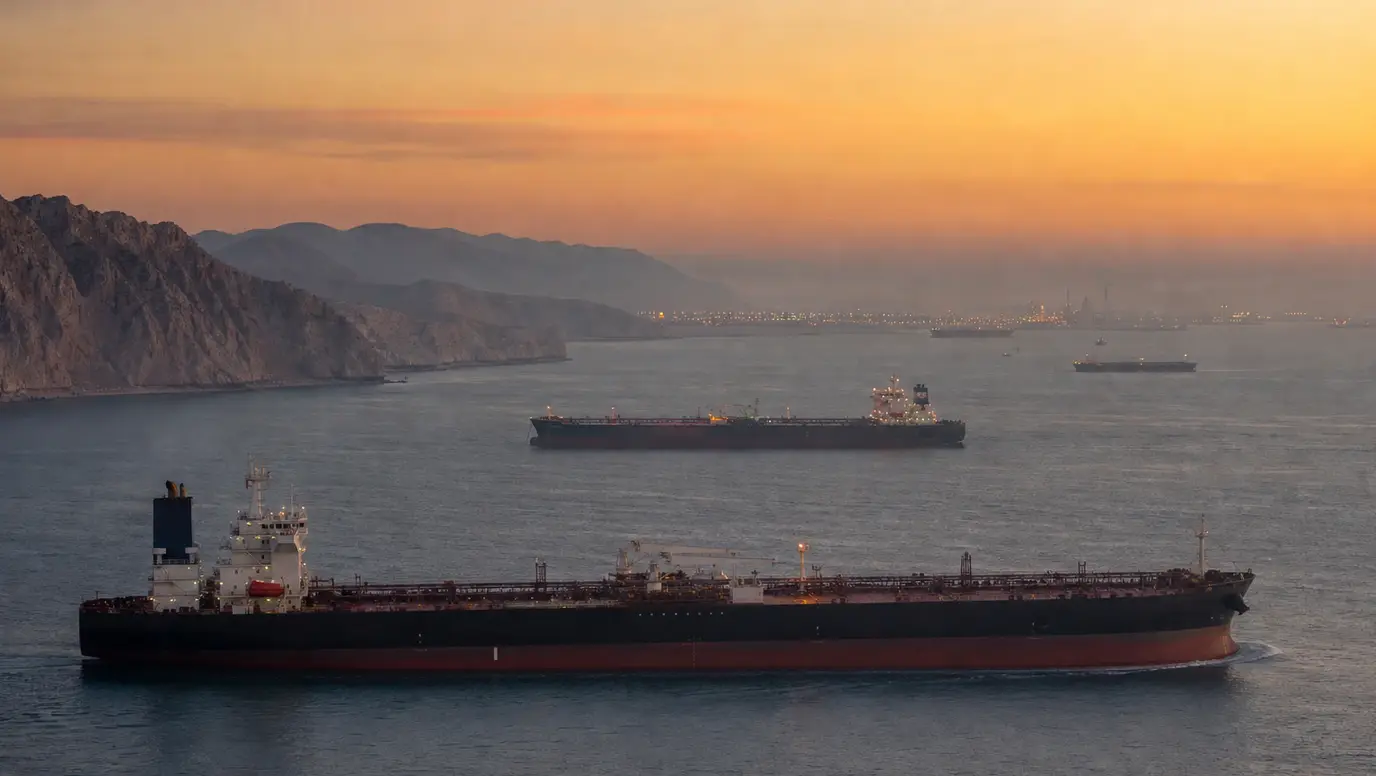
JUNE 29, 2026
Brent Holds Above $72 as Traders Test Fragile Hormuz Reopening
JUNE 28, 2026
WTI Bulls Face Inventory Split as Brent Loses War Premium Before Quarter-End
JUNE 27, 2026
Refinery Strain Keeps Energy Market on Edge as Oil Selloff Meets Fuel Stock Tightness
JUNE 25, 2026
Iraq Quota Threat Puts OPEC Discipline in Focus as Oil War Premium Evaporates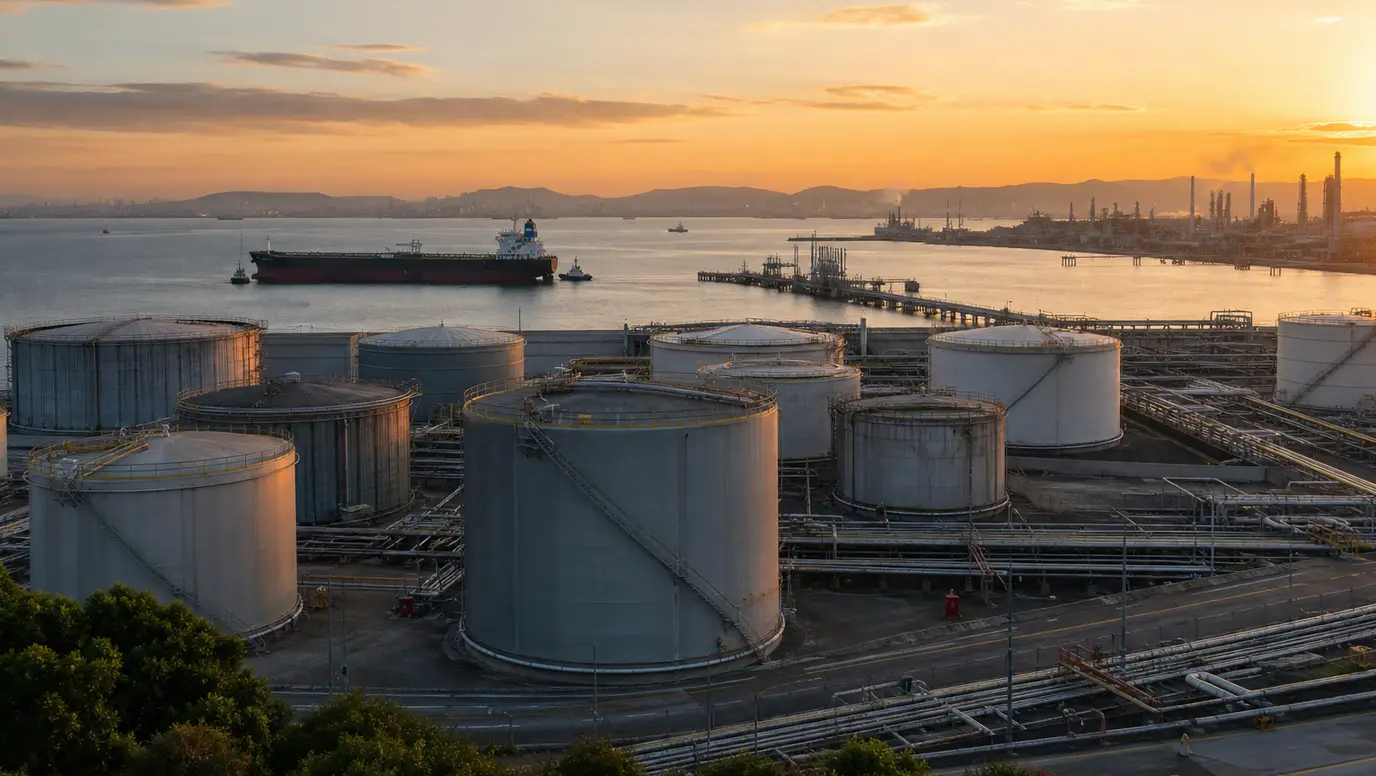
JUNE 24, 2026
Brent Slide Below $77 Turns Oil Market Focus to Inventories and Summer Fuel Demand
JUNE 23, 2026
Brent and WTI Fall Again as Traders Shift From War Premium to Hormuz Flow Checks
JUNE 22, 2026
Oil Risk Premium Fades as Brent and WTI Slide on Fresh U.S.-Iran Talks
JUNE 21, 2026
Brent and WTI Face Inventory Test as Oil Market Shrugs Off Demand-Bearish Forecasts
JUNE 20, 2026
Oil Traders Watch Tanker Flows as Brent Holds Near $80 After Risk-Premium Reset
JUNE 19, 2026
Brent and WTI Steady as Traders Test the Reality of Hormuz Reopening