OCTOBER 8, 2026
WTI Crude Oil Jumps as Inventory Draw Meets Hormuz Shipping RiskWTI crude oil rallies as U.S. stock draws and Gulf shipping risk outweigh emergency supply-release efforts.

© 1box.site 2026

JULY 14, 2026
The energy market is moving beyond the first shock of the latest Strait of Hormuz escalation and into a more detailed pricing exercise: how much crude can be rerouted, how quickly buyers can secure alternative barrels, and how long shipping insurance and freight costs remain elevated.
Brent crude traded in the mid-$80s and briefly pushed above $87 a barrel on Tuesday, extending a sharp rally from the previous session as traders rebuilt a geopolitical premium into seaborne oil. WTI crude also advanced toward the $80 area, but the stronger move in the global benchmark underscored the market’s focus on Middle East export logistics rather than only U.S. domestic supply conditions.
The immediate driver remains the renewed risk around tanker movement near Hormuz, a chokepoint that handles a large share of globally traded crude and refined products. But the second-order effect is now just as important: refiners, national oil companies and trading houses are reassessing the value of barrels that can move through pipelines, Red Sea ports or other routes that avoid the most exposed shipping lanes.
The latest rally has not been uniform across the oil complex. Brent’s relative strength signals a premium for internationally deliverable barrels at a time when buyers are weighing the reliability of Gulf loadings, tanker availability and the cost of security-sensitive voyages. WTI, while supported by the same macro shock, is being tempered by the fact that U.S. inland supply and export flows have a different logistical profile.
That divergence is important for energy traders. A wider Brent-WTI spread can make U.S. exports more attractive on paper, but only if freight economics and destination demand cooperate. If global refiners are willing to pay more for Atlantic Basin crude, U.S. barrels could become a partial relief valve. If shipping costs rise faster than the spread, the arbitrage may remain constrained.
Physical-market signals are likely to matter more than headline futures moves in the next few sessions. Traders will be watching vessel tracking, loading delays, refinery nominations and official inventory data to judge whether the price spike reflects actual supply loss or mainly precautionary positioning.
Producers with access to pipelines and non-Gulf export outlets now have a strategic advantage. Additional flows through Red Sea terminals, overland connections and alternative ports can soften the impact of disruption, but those routes cannot fully replicate the flexibility of normal Hormuz traffic. Capacity limits, crude quality differences and scheduling constraints mean rerouting is a buffer rather than a complete solution.
This is why the market is likely to keep a risk premium in Brent even if some cargoes continue to move. The question is not whether every barrel is blocked; it is whether enough buyers fear delays to bid earlier, hold more inventory and pay up for prompt delivery. That behavior can tighten near-term spreads even before a confirmed physical shortage appears.
For refiners, the problem is also operational. Switching crude slates is not always seamless, especially when plants are optimized for specific grades. A sustained disruption could therefore lift the value of replacement barrels from West Africa, the North Sea and the Americas, while raising costs for Asian importers more dependent on Middle East supply.
The crude rally is also feeding back into inflation expectations and interest-rate pricing. Higher oil prices can pressure transport, petrochemicals and consumer fuel costs, making the energy market a central variable for equities, bonds and currencies. That link helps explain why oil-sensitive headlines are having an outsized effect on risk appetite.
Still, traders are not treating this as a one-way market. A diplomatic opening, evidence that tanker traffic is stabilizing, or a rapid increase in bypass flows could remove part of the premium quickly. On the other side, confirmed cargo delays, attacks on energy infrastructure or a broader shipping freeze would likely push Brent higher and widen volatility across refined products.
For now, the clearest message from the energy market is that crude prices are no longer trading only on demand forecasts or producer policy. They are trading on route security. Until the market has clearer proof that barrels can move reliably around or through the Gulf, Brent is likely to remain supported by a logistics premium, while WTI follows with a more measured but still sensitive response.
OCTOBER 8, 2026
WTI Crude Oil Jumps as Inventory Draw Meets Hormuz Shipping Risk
SEPTEMBER 30, 2026
WTI Crude Oil Futures Steady as Iran Sanctions Risk Meets Tight Fuel Market
SEPTEMBER 23, 2026
WTI Crude Oil Futures Hold Near Two-Week Low as Gulf Supply Return Tests Fuel Market
SEPTEMBER 14, 2026
WTI Oil Rally Extends as Strait of Hormuz Risk Reprices Energy Market
SEPTEMBER 7, 2026
WTI Crude Oil Futures Hold Near Six-Week High as Hormuz Risk Tightens Energy Market
AUGUST 30, 2026
WTI Crude Oil Slips as Hormuz Supply Relief Tests Energy Market Risk Premium
AUGUST 18, 2026
Brent Crude and WTI Oil Rise as Strait of Hormuz Risk Revives Energy Inflation Worries
AUGUST 10, 2026
Strait of Hormuz Delay Lifts Energy Market as Crude Oil Flow Risk Returns
AUGUST 2, 2026
WTI Crude Oil Faces OPEC+ Output Test as Strait of Hormuz Risk Meets Stock Draw
JULY 28, 2026
Strait of Hormuz Flows Keep WTI Crude on Alert as Oil Retreats
JULY 20, 2026
Brent Crude Tops $90 as WTI Crude and Oil Prices React to Hormuz Shipment Risk
JULY 19, 2026
Brent Crude and WTI Crude Rally as Traders Test OPEC+ Supply Cushion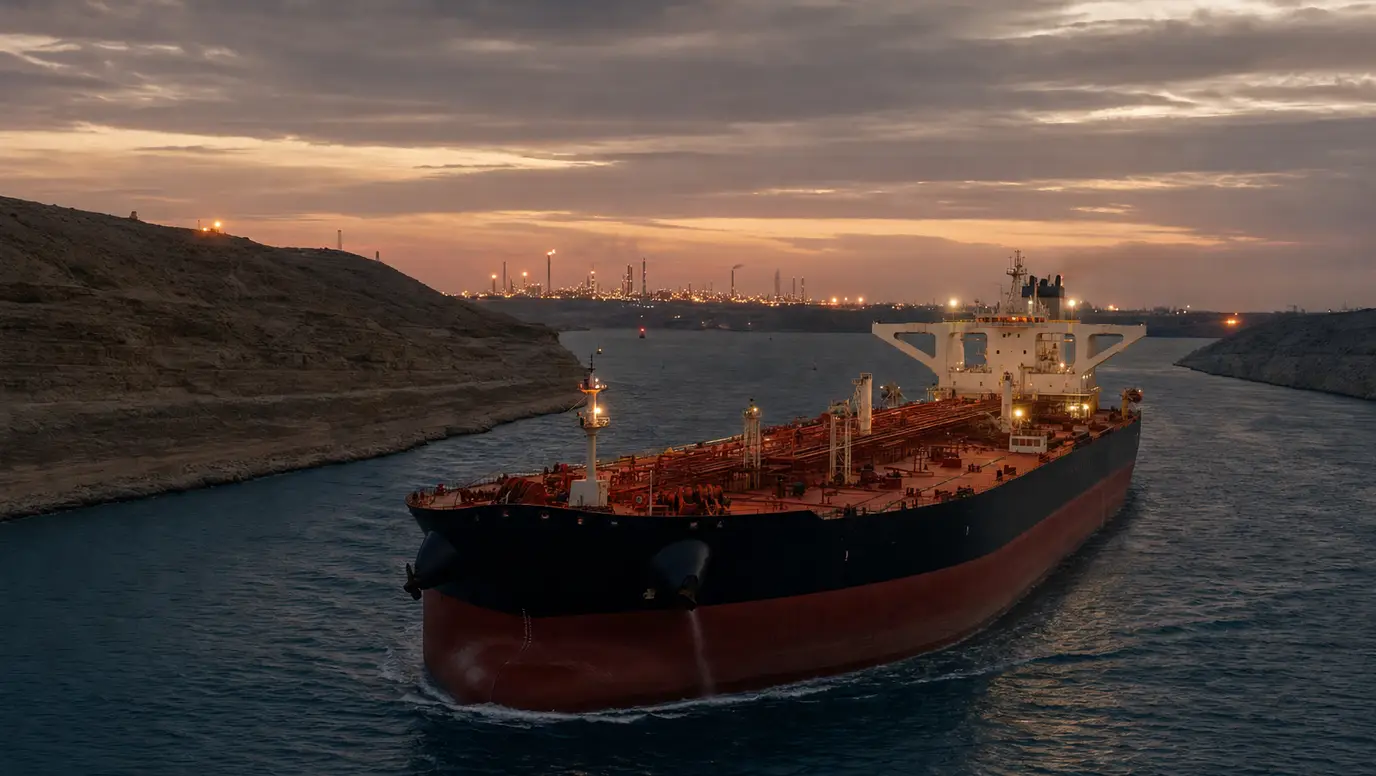
JULY 18, 2026
Brent Crude and WTI Crude Prices Near Weekend Gap Risk as Energy Market Reprices Supply Threat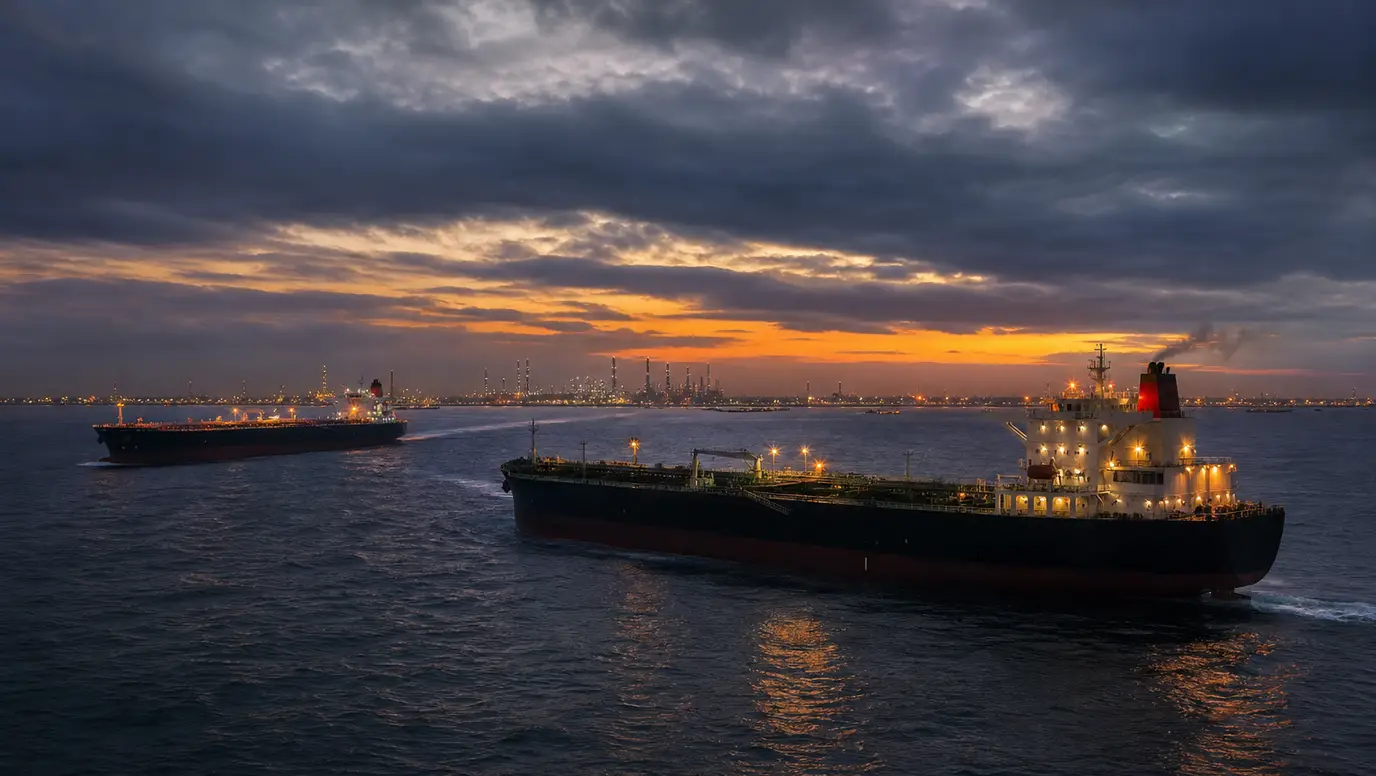
JULY 17, 2026
Brent Crude and WTI Crude Hold Weekly Gains as Red Sea Threat Offsets US Dollar Rebound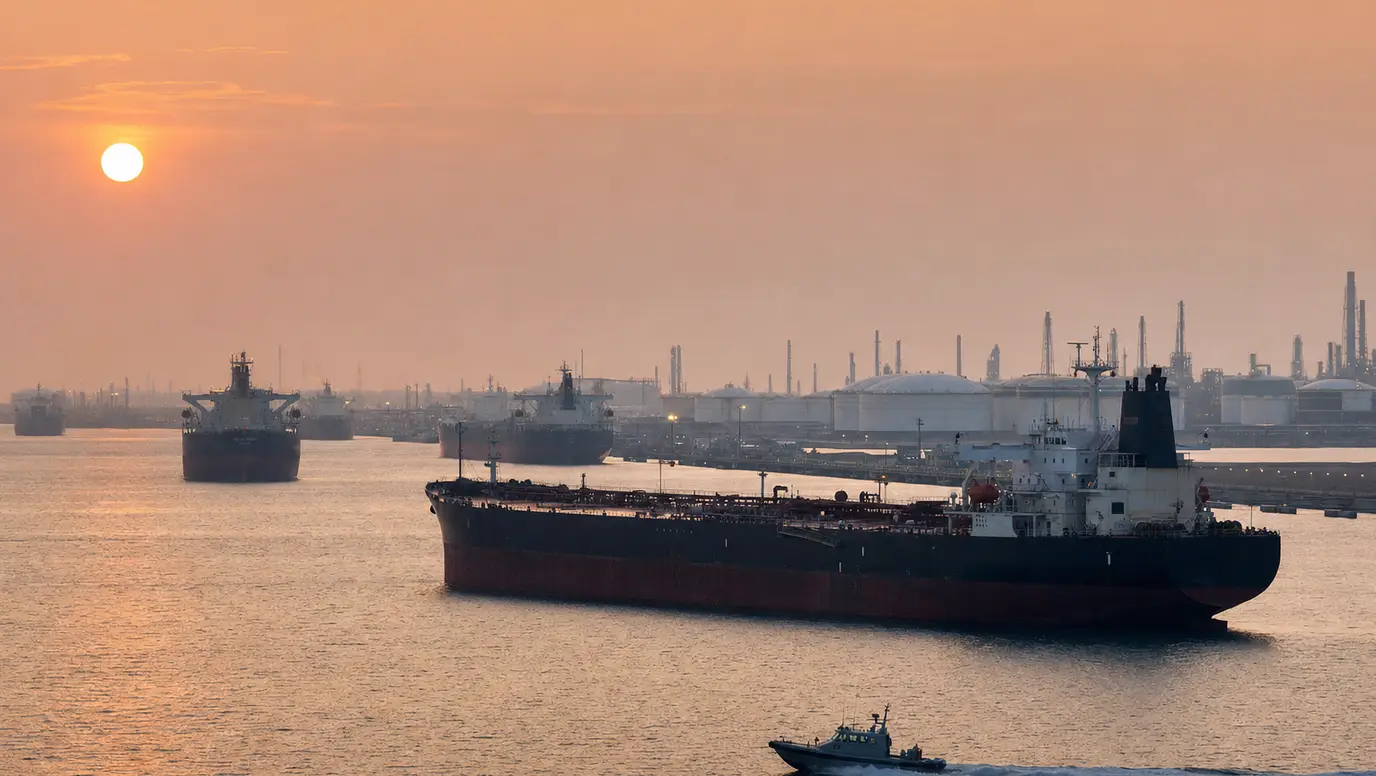
JULY 15, 2026
Brent Crude and WTI Crude Rise as Iran Port Blockade Puts Stockpile Cushion in Focus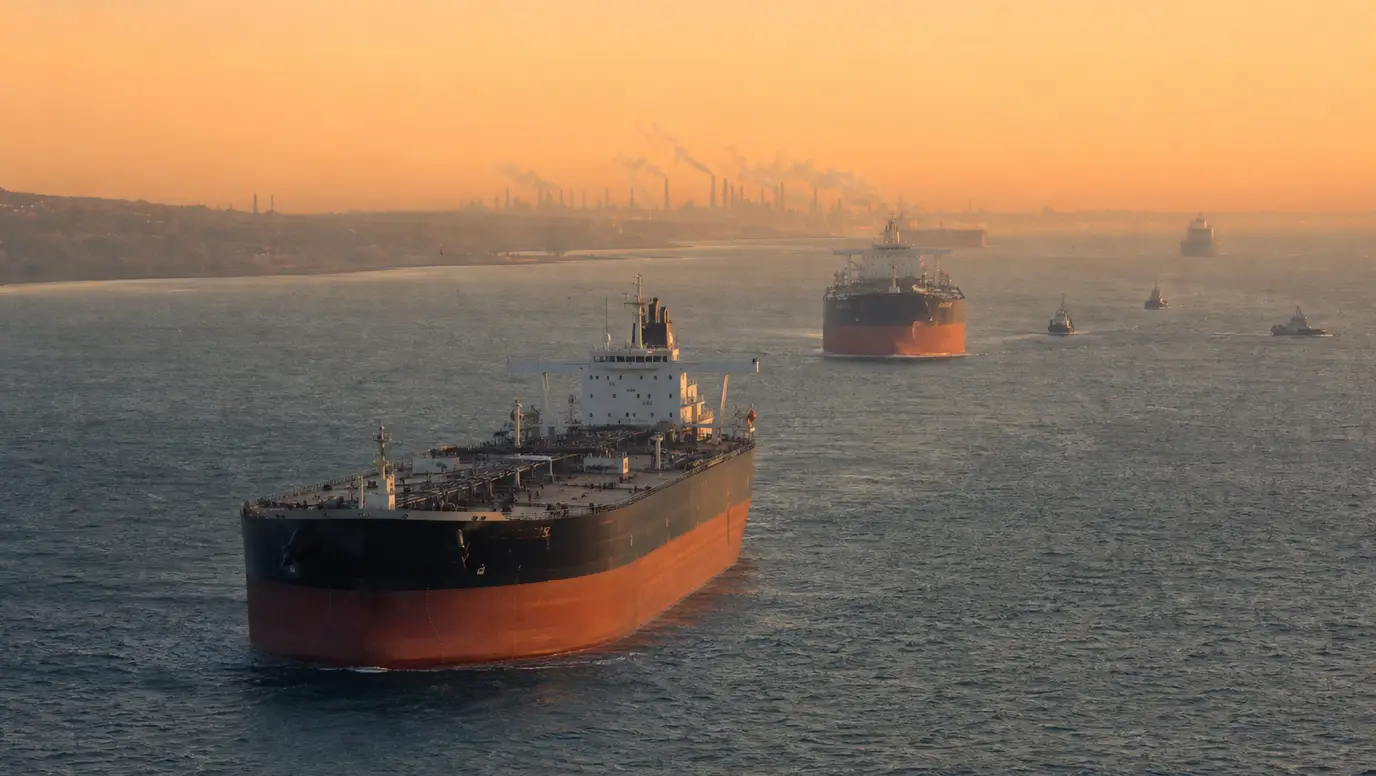
JULY 13, 2026
Brent Crude Jumps as Hormuz Escalation Reprices Energy Market Risk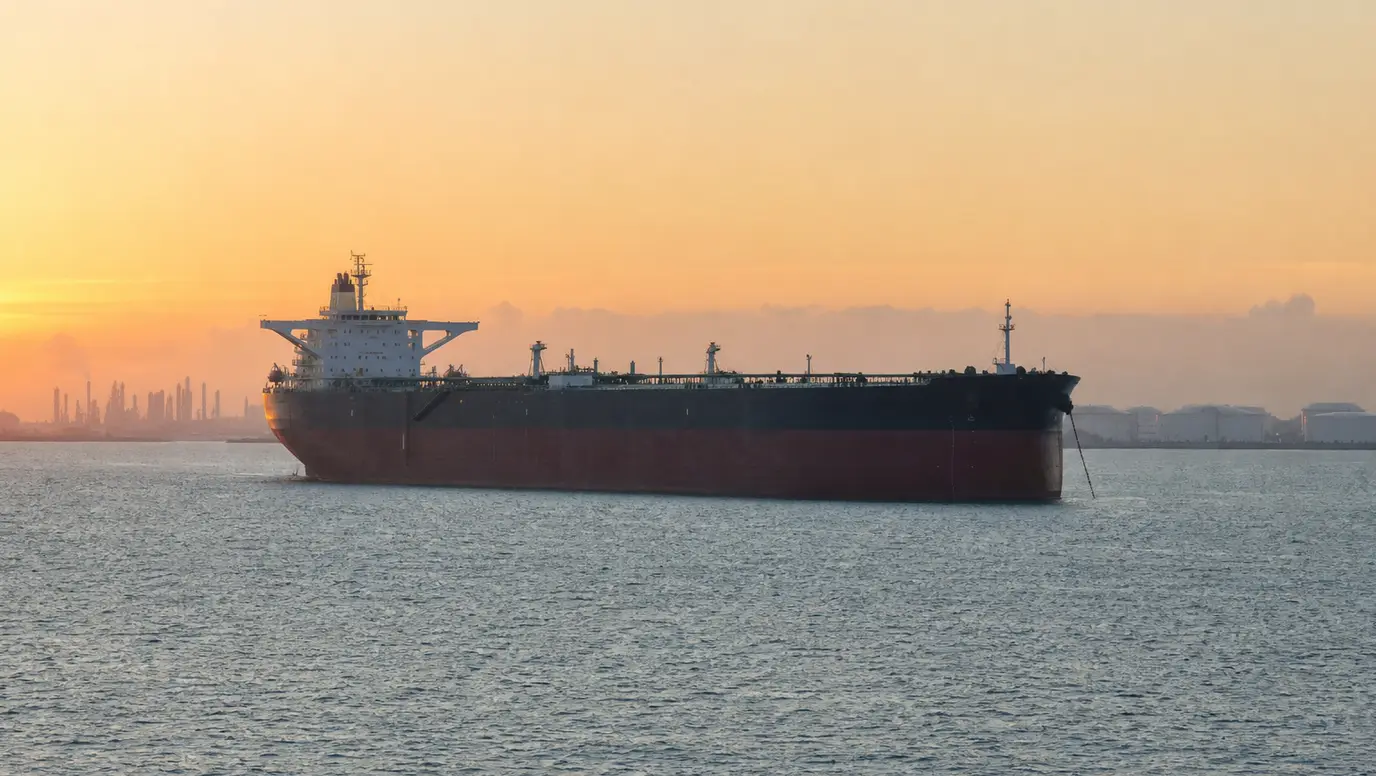
JULY 12, 2026
Crude Oil Faces China Demand Test as Floating Iranian Supply Builds
JULY 11, 2026
Energy Market Watches Tanker Risk as Crude Oil Rally Meets Demand Doubts
JULY 10, 2026
Crude Oil Turns to Glut Risk as OPEC+ Adds August Supply
JULY 9, 2026
Brent Nears $79 as Renewed Gulf Risk Rebuilds Crude Oil Premium
JULY 8, 2026
Crude Oil Faces Mixed Signal as U.S. Stock Build Collides With Fuel Draws
JULY 6, 2026
Crude Oil Slips as Hormuz Flows Normalize and Inventory Test Moves Into View
JULY 5, 2026
OPEC+ Output Hike Turns Energy Market Focus to Real Barrels as Brent Holds Near $72
JULY 4, 2026
Brent Holds Near $72 as OPEC+ August Supply Decision Tests Oil Market Floor
JULY 3, 2026
WTI Holds Near $68 as U.S. Stock Draws Challenge Oil Glut Narrative
JULY 2, 2026
Brent Slides Toward $70 as Iran Risk Premium Fades in Thin Holiday Trade
JULY 1, 2026
OPEC+ Supply Signal Caps Crude Oil Rebound as U.S. Stock Draws Support Prices
JUNE 30, 2026
Natural Gas Rally Outruns Softer Oil as Heat and LNG Demand Split Energy Market
JUNE 29, 2026
Brent Holds Above $72 as Traders Test Fragile Hormuz Reopening
JUNE 28, 2026
WTI Bulls Face Inventory Split as Brent Loses War Premium Before Quarter-End