
OCTOBER 20, 2026
WTI Crude Oil Futures Keep Energy Market on Edge as Strait of Hormuz Risk Lifts PremiumWTI crude oil futures stay firm as Gulf shipping risk and looming U.S. inventory data keep the energy market focused on supply premiums.

© 1box.site 2026
JULY 28, 2026
WTI crude remained under pressure on Tuesday, July 28, 2026, as traders marked down the immediate war premium after a pause in U.S.-Iran attacks raised hopes that Middle East energy flows could normalize. The retreat put oil near its lowest level in more than a week, but the move was not a clean risk-off signal for the energy market.
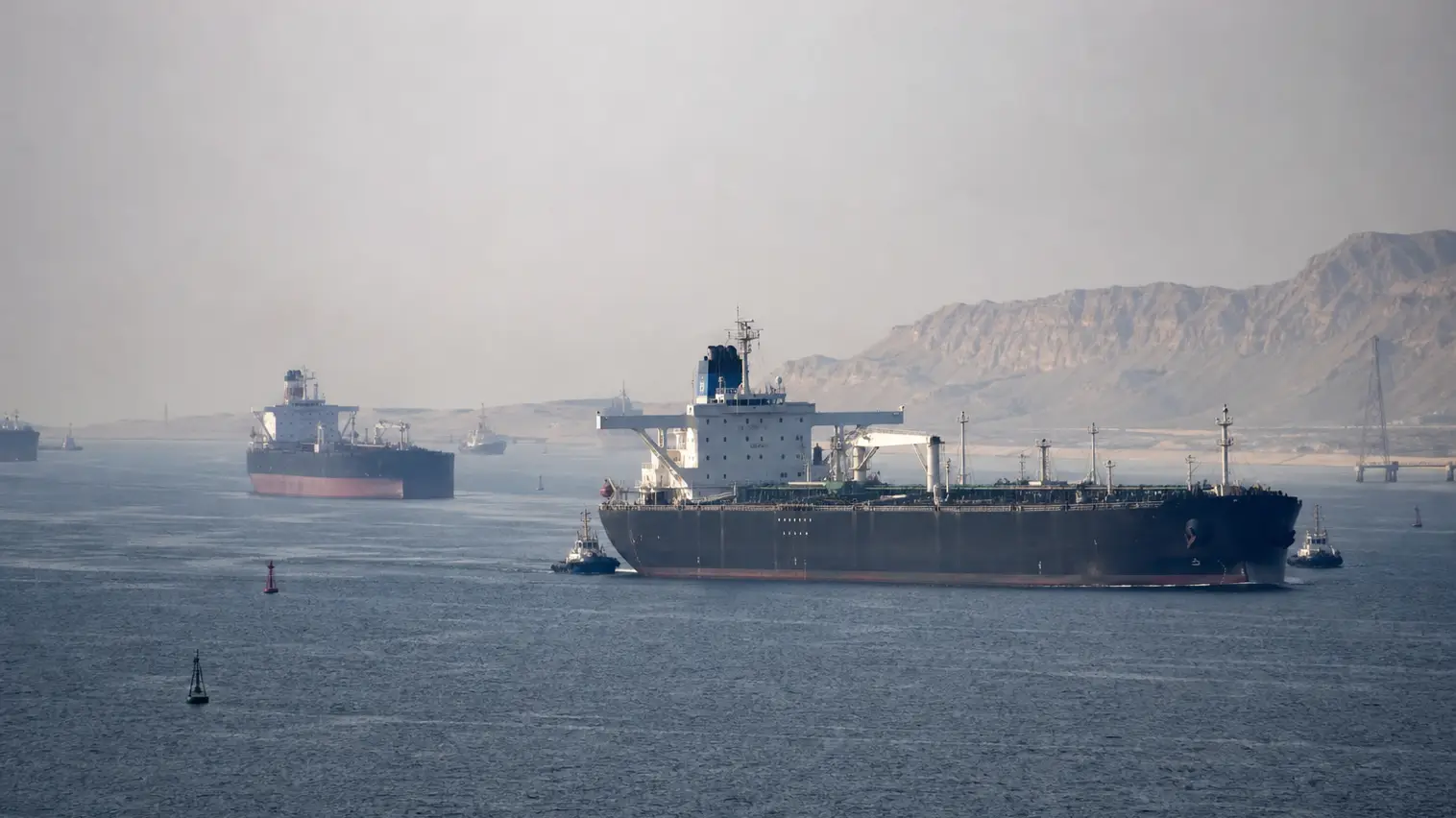
The key issue is still physical flow through the Strait of Hormuz. Market estimates for the week ended July 24 showed crude oil and refined product net exports through the waterway falling to about 2.9 million barrels per day, roughly half the prior week’s level. That keeps the market exposed to a sharp repricing if diplomacy stalls, shipping insurance costs rise again, or tanker operators delay a return to normal routes.
The latest price action shows a market trying to separate headline de-escalation from operational reality. WTI crude can fall when traders see a lower probability of immediate military escalation, yet a sustained recovery in exports is needed before the risk premium disappears from forward pricing.
For refiners, the problem is not only the price of crude but also the reliability of feedstock timing. Lower Hormuz flows can tighten regional availability, complicate cargo scheduling, and raise the value of prompt barrels even when futures are declining. That can keep cracks and delivered fuel costs supported, especially if buyers compete for replacement cargoes outside the Gulf.
The short-term range for WTI crude now depends on two competing signals. On the bearish side, any credible path toward restored navigation through Hormuz would encourage funds to reduce geopolitical length, particularly after a volatile July rally. On the bullish side, low transit volumes, attacks around connected shipping lanes, and uncertainty over export timetables leave the market vulnerable to another squeeze.
Traders are also watching whether the recent pullback attracts physical buying from refiners and importers that had delayed purchases during the spike. If demand appears quickly at lower prices, WTI crude could stabilize even without a fresh escalation. If shipping volumes recover faster than expected, the market may shift attention back to global supply growth and softer demand signals.
The energy market is therefore moving from a headline-driven war premium to a flow-driven risk premium. Price direction may be less dependent on single political statements and more dependent on verified cargo movement, tanker availability, insurance pricing, and the speed at which Gulf exporters can rebuild normal schedules.
For now, the pullback in oil prices looks like a relief trade rather than a confirmed return to pre-crisis conditions. Until Hormuz exports recover more convincingly, WTI crude is likely to remain sensitive to shipping data and any renewed disruption across Middle East energy corridors.
OCTOBER 20, 2026
WTI Crude Oil Futures Keep Energy Market on Edge as Strait of Hormuz Risk Lifts Premium
OCTOBER 14, 2026
Crude Oil Demand Forecast Cut as Strait of Hormuz Flows Keep Energy Market Tight
OCTOBER 8, 2026
WTI Crude Oil Jumps as Inventory Draw Meets Hormuz Shipping Risk
SEPTEMBER 30, 2026
WTI Crude Oil Futures Steady as Iran Sanctions Risk Meets Tight Fuel Market
SEPTEMBER 23, 2026
WTI Crude Oil Futures Hold Near Two-Week Low as Gulf Supply Return Tests Fuel Market
SEPTEMBER 14, 2026
WTI Oil Rally Extends as Strait of Hormuz Risk Reprices Energy Market
SEPTEMBER 7, 2026
WTI Crude Oil Futures Hold Near Six-Week High as Hormuz Risk Tightens Energy Market
AUGUST 31, 2026
Crude Oil Rally Puts Energy Market Back on Strait Risk Watch
AUGUST 30, 2026
WTI Crude Oil Slips as Hormuz Supply Relief Tests Energy Market Risk Premium
AUGUST 23, 2026
Crude Oil Keeps Strait of Hormuz Premium as Fuel Transit Signals Stir Energy Market
AUGUST 18, 2026
Brent Crude and WTI Oil Rise as Strait of Hormuz Risk Revives Energy Inflation Worries
AUGUST 10, 2026
Strait of Hormuz Delay Lifts Energy Market as Crude Oil Flow Risk Returns
AUGUST 2, 2026
WTI Crude Oil Faces OPEC+ Output Test as Strait of Hormuz Risk Meets Stock Draw
JULY 21, 2026
LNG Supply Race Overtakes Oil as Gas Prices Jump on Hormuz Disruption
JULY 20, 2026
Brent Crude Tops $90 as WTI Crude and Oil Prices React to Hormuz Shipment Risk
JULY 19, 2026
Brent Crude and WTI Crude Rally as Traders Test OPEC+ Supply Cushion
JULY 18, 2026
Brent Crude and WTI Crude Prices Near Weekend Gap Risk as Energy Market Reprices Supply Threat
JULY 17, 2026
Brent Crude and WTI Crude Hold Weekly Gains as Red Sea Threat Offsets US Dollar Rebound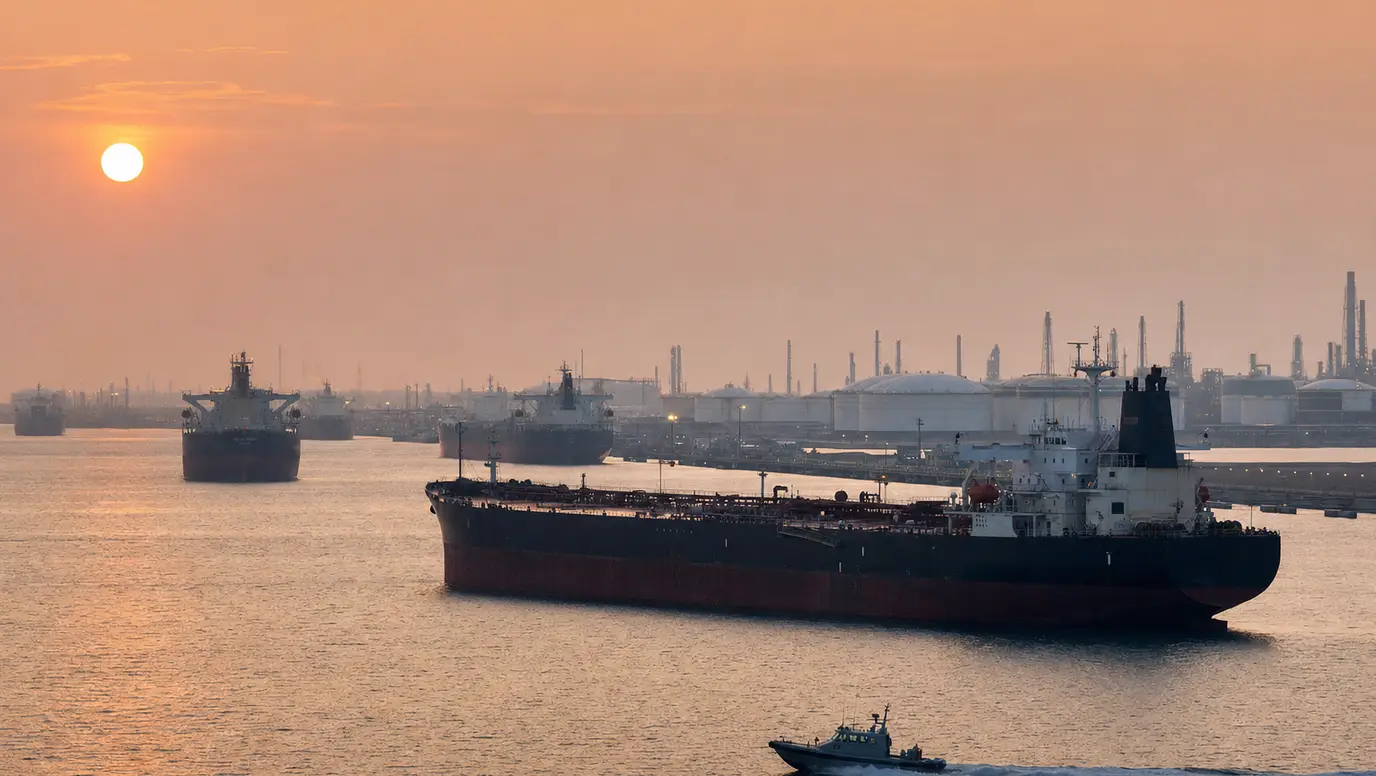
JULY 15, 2026
Brent Crude and WTI Crude Rise as Iran Port Blockade Puts Stockpile Cushion in Focus
JULY 14, 2026
Oil Market Shifts to Bypass Routes as Hormuz Risk Keeps Brent Premium Elevated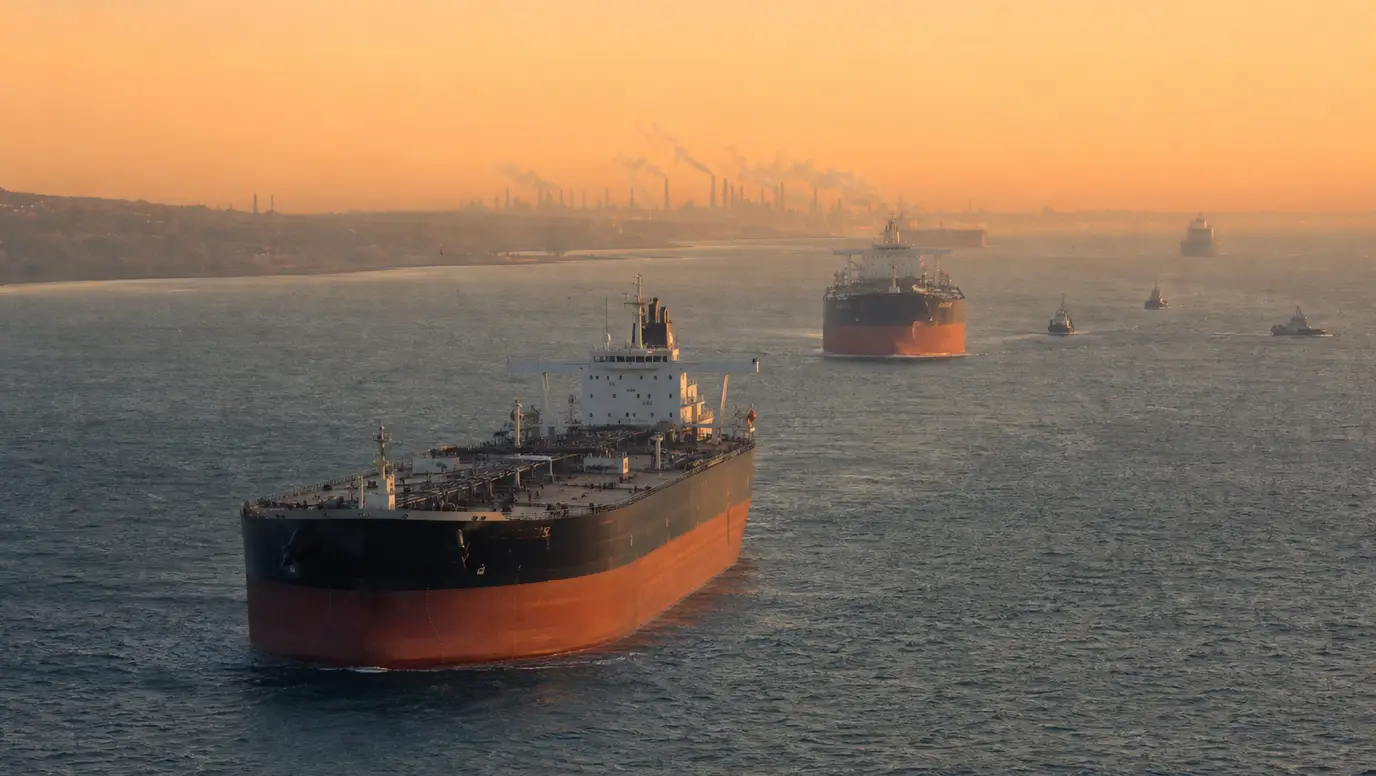
JULY 13, 2026
Brent Crude Jumps as Hormuz Escalation Reprices Energy Market Risk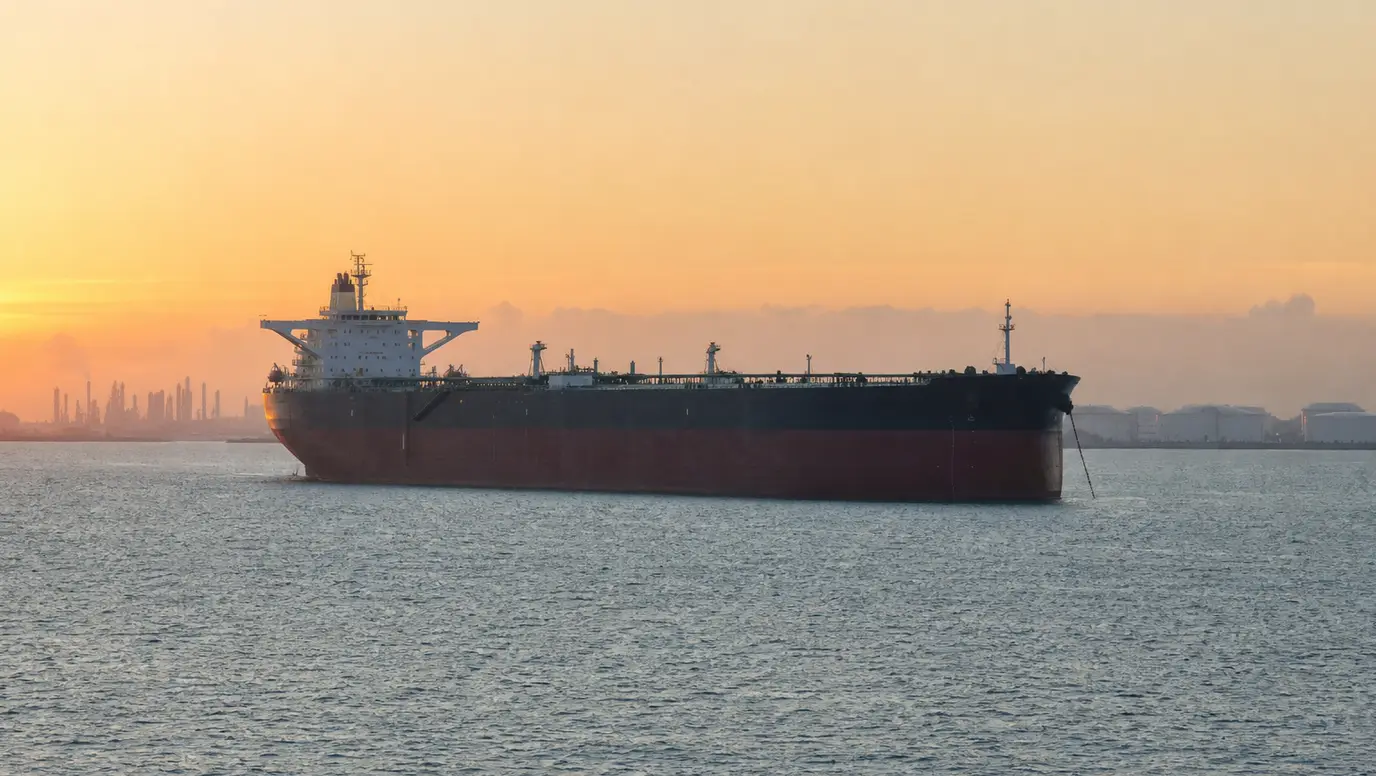
JULY 12, 2026
Crude Oil Faces China Demand Test as Floating Iranian Supply Builds
JULY 11, 2026
Energy Market Watches Tanker Risk as Crude Oil Rally Meets Demand Doubts
JULY 10, 2026
Crude Oil Turns to Glut Risk as OPEC+ Adds August Supply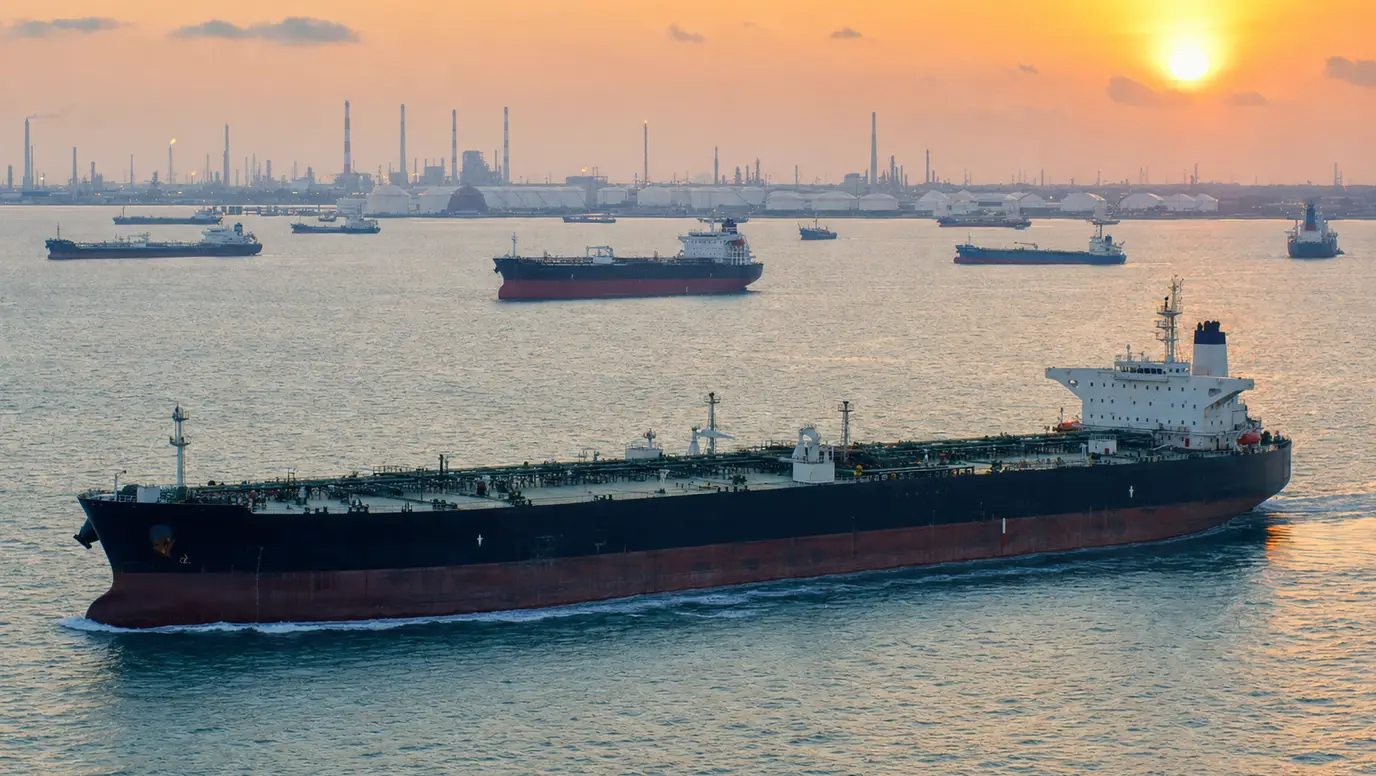
JULY 9, 2026
Brent Nears $79 as Renewed Gulf Risk Rebuilds Crude Oil Premium
JULY 8, 2026
Crude Oil Faces Mixed Signal as U.S. Stock Build Collides With Fuel Draws
JULY 6, 2026
Crude Oil Slips as Hormuz Flows Normalize and Inventory Test Moves Into View
JULY 5, 2026
OPEC+ Output Hike Turns Energy Market Focus to Real Barrels as Brent Holds Near $72
JULY 4, 2026
Brent Holds Near $72 as OPEC+ August Supply Decision Tests Oil Market Floor
JULY 3, 2026
WTI Holds Near $68 as U.S. Stock Draws Challenge Oil Glut Narrative