OCTOBER 8, 2026
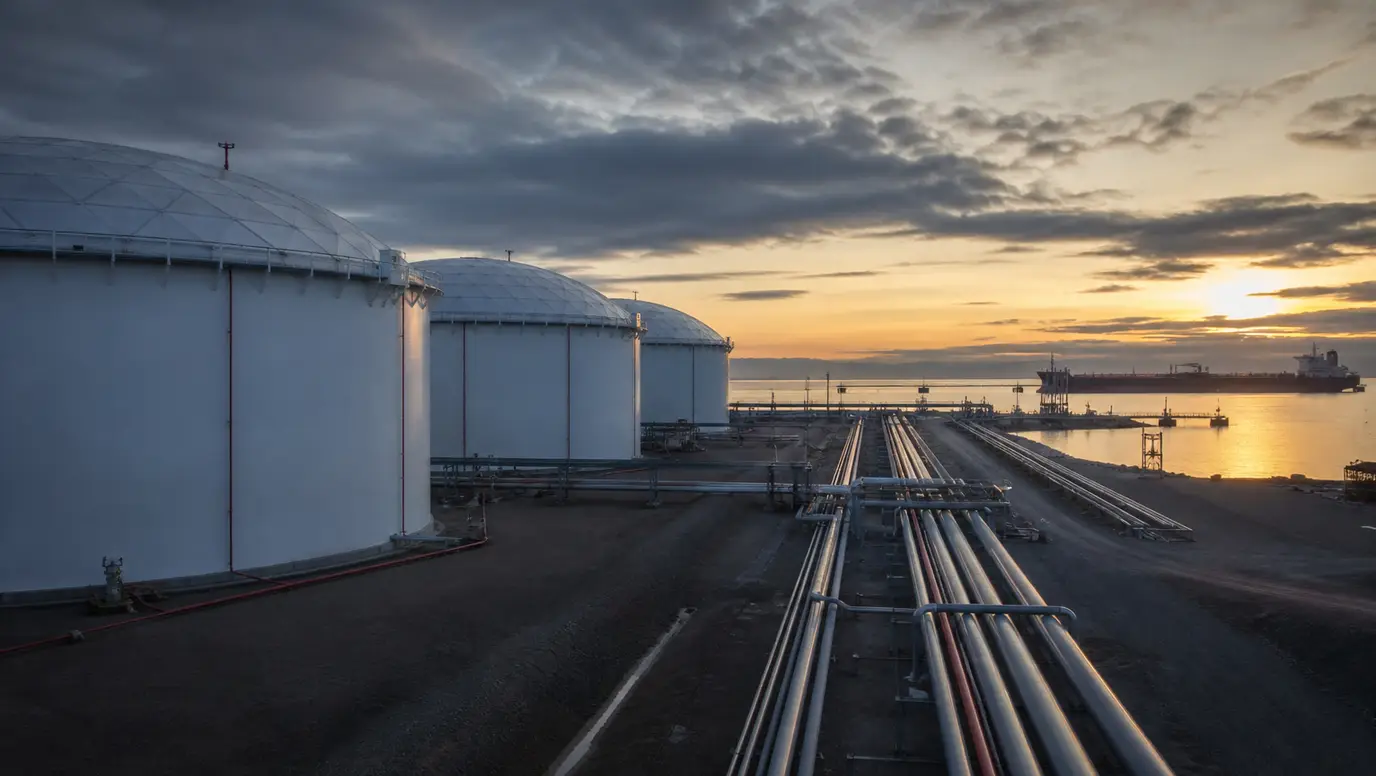
WTI Crude Oil Jumps as Inventory Draw Meets Hormuz Shipping RiskWTI crude oil rallies as U.S. stock draws and Gulf shipping risk outweigh emergency supply-release efforts.

© 1box.site 2026
JULY 15, 2026
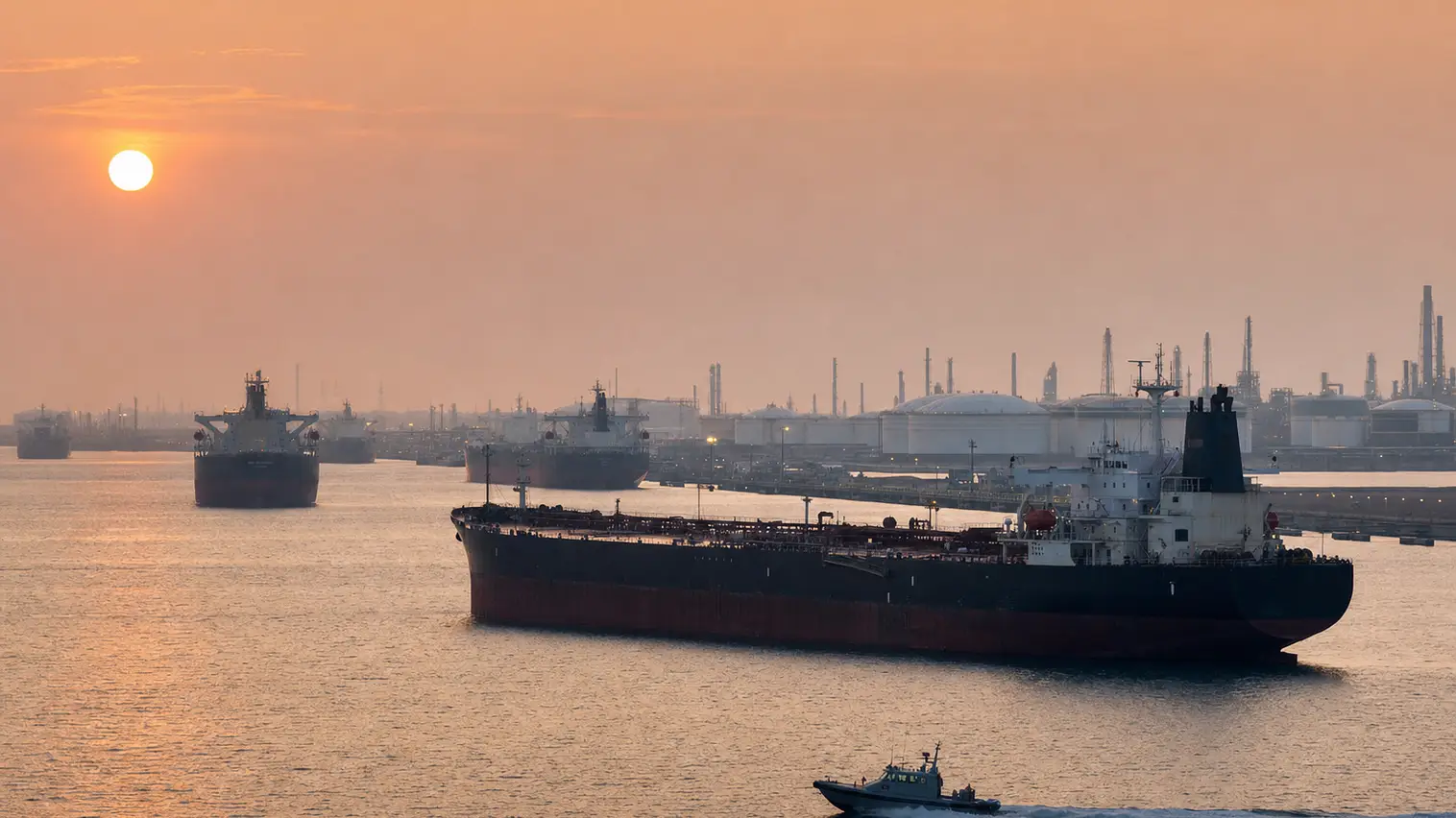
Brent Crude and WTI Crude moved higher on Wednesday as the energy market reacted to a renewed blockade of Iranian ports, fresh regional strikes and growing concern that the available stockpile cushion is thinner than it was during earlier phases of the conflict.
The move keeps geopolitical risk at the center of oil trading after a volatile week in which crude benchmarks quickly repriced the possibility of longer shipping delays, higher insurance costs and more fragile supply flows through the Gulf. Brent traded back above the mid-$80s a barrel in early activity, while WTI hovered near the $80 area, extending the premium built into prices since the latest escalation began.
The immediate trigger is not only the headline risk around Iran, but the market’s reassessment of how easily refiners can replace barrels if port access, tanker movement or nearby export routes remain disrupted. Earlier in the conflict, strategic releases, rerouting and spare inventories helped absorb part of the shock. Traders are now questioning whether those buffers can perform the same role if the disruption stretches into the second half of July.
The Strait of Hormuz remains the central risk point because it normally carries a large share of global oil and liquefied natural gas trade. Even when cargoes are not fully halted, uncertainty over transit safety can slow scheduling, raise freight costs and make refiners compete more aggressively for alternative crude from the Atlantic Basin, West Africa and the Americas.
That is why the latest rally has a different tone from a simple war-risk spike. Traders are now focused on operational constraints: how many tankers can be rerouted, how quickly Persian Gulf producers can push additional barrels through pipelines, and whether buyers in Asia and Europe will need to pay up for replacement supply. Those questions can support Brent more directly because the global benchmark is more exposed to seaborne trade disruption.
WTI is also being pulled higher, but its relative performance depends on U.S. inventory data, export demand and domestic refinery runs. If U.S. crude stocks build, WTI may lag Brent even as the wider energy market stays firm. If inventories draw or exports accelerate, the U.S. benchmark could catch a stronger bid as buyers look for crude outside the disrupted region.
The next U.S. weekly petroleum report is taking on added importance because it will help traders judge whether domestic supply can offset the global shock. A crude build would suggest U.S. barrels are still available to cushion overseas shortages, while a draw would reinforce the view that the market is losing flexibility just as geopolitical risk rises.
Fuel inventories will matter as much as crude stocks. A disruption in crude supply can become more inflationary when gasoline, diesel or jet fuel inventories are already tight. Refiners may also face changing margins if they need to substitute different grades of crude, especially if sour barrels from the Gulf are harder to secure and lighter sweet alternatives become more expensive.
The market is also watching whether energy inflation starts to feed back into bonds, currencies and equity sentiment. A sustained rise in Brent and WTI would complicate the recent relief trade built around softer inflation data, because fuel prices can quickly affect transport costs, consumer expectations and central bank messaging.
The Brent-WTI spread is likely to remain one of the clearest gauges of market stress. A wider spread would point to stronger global seaborne tightness and greater demand for non-Gulf supply. A narrower spread would suggest that U.S. crude is being drawn more forcefully into the global balance or that traders are reducing the geopolitical premium.
For now, the bias in the energy market remains cautiously bullish while the blockade risk persists. However, the rally is vulnerable to fast reversals if shipping lanes stabilize, diplomatic channels reopen or inventory data show a larger-than-expected cushion. Conversely, any evidence of sustained damage to port operations, tanker traffic or regional energy infrastructure could push traders to price a more durable risk premium into both Brent Crude and WTI Crude.
That leaves oil prices in a headline-driven range, with stockpiles, shipping flows and the Brent-WTI spread acting as the practical indicators to watch. The market’s message is clear: the latest escalation is no longer only about immediate supply fear, but about whether the global energy system still has enough spare flexibility to absorb another Gulf disruption.
OCTOBER 8, 2026
WTI Crude Oil Jumps as Inventory Draw Meets Hormuz Shipping Risk
SEPTEMBER 30, 2026
WTI Crude Oil Futures Steady as Iran Sanctions Risk Meets Tight Fuel Market
SEPTEMBER 23, 2026
WTI Crude Oil Futures Hold Near Two-Week Low as Gulf Supply Return Tests Fuel Market
SEPTEMBER 14, 2026
WTI Oil Rally Extends as Strait of Hormuz Risk Reprices Energy Market
SEPTEMBER 7, 2026
WTI Crude Oil Futures Hold Near Six-Week High as Hormuz Risk Tightens Energy Market
AUGUST 30, 2026
WTI Crude Oil Slips as Hormuz Supply Relief Tests Energy Market Risk Premium
AUGUST 18, 2026
Brent Crude and WTI Oil Rise as Strait of Hormuz Risk Revives Energy Inflation Worries
AUGUST 10, 2026
Strait of Hormuz Delay Lifts Energy Market as Crude Oil Flow Risk Returns
AUGUST 2, 2026
WTI Crude Oil Faces OPEC+ Output Test as Strait of Hormuz Risk Meets Stock Draw
JULY 28, 2026
Strait of Hormuz Flows Keep WTI Crude on Alert as Oil Retreats
JULY 20, 2026
Brent Crude Tops $90 as WTI Crude and Oil Prices React to Hormuz Shipment Risk
JULY 19, 2026
Brent Crude and WTI Crude Rally as Traders Test OPEC+ Supply Cushion
JULY 18, 2026
Brent Crude and WTI Crude Prices Near Weekend Gap Risk as Energy Market Reprices Supply Threat
JULY 17, 2026
Brent Crude and WTI Crude Hold Weekly Gains as Red Sea Threat Offsets US Dollar Rebound
JULY 14, 2026
Oil Market Shifts to Bypass Routes as Hormuz Risk Keeps Brent Premium Elevated
JULY 13, 2026
Brent Crude Jumps as Hormuz Escalation Reprices Energy Market Risk
JULY 12, 2026
Crude Oil Faces China Demand Test as Floating Iranian Supply Builds
JULY 11, 2026
Energy Market Watches Tanker Risk as Crude Oil Rally Meets Demand Doubts
JULY 10, 2026
Crude Oil Turns to Glut Risk as OPEC+ Adds August Supply
JULY 9, 2026
Brent Nears $79 as Renewed Gulf Risk Rebuilds Crude Oil Premium
JULY 8, 2026
Crude Oil Faces Mixed Signal as U.S. Stock Build Collides With Fuel Draws
JULY 6, 2026
Crude Oil Slips as Hormuz Flows Normalize and Inventory Test Moves Into View
JULY 5, 2026
OPEC+ Output Hike Turns Energy Market Focus to Real Barrels as Brent Holds Near $72
JULY 4, 2026
Brent Holds Near $72 as OPEC+ August Supply Decision Tests Oil Market Floor
JULY 3, 2026
WTI Holds Near $68 as U.S. Stock Draws Challenge Oil Glut Narrative
JULY 2, 2026
Brent Slides Toward $70 as Iran Risk Premium Fades in Thin Holiday Trade
JULY 1, 2026
OPEC+ Supply Signal Caps Crude Oil Rebound as U.S. Stock Draws Support Prices
JUNE 30, 2026
Natural Gas Rally Outruns Softer Oil as Heat and LNG Demand Split Energy Market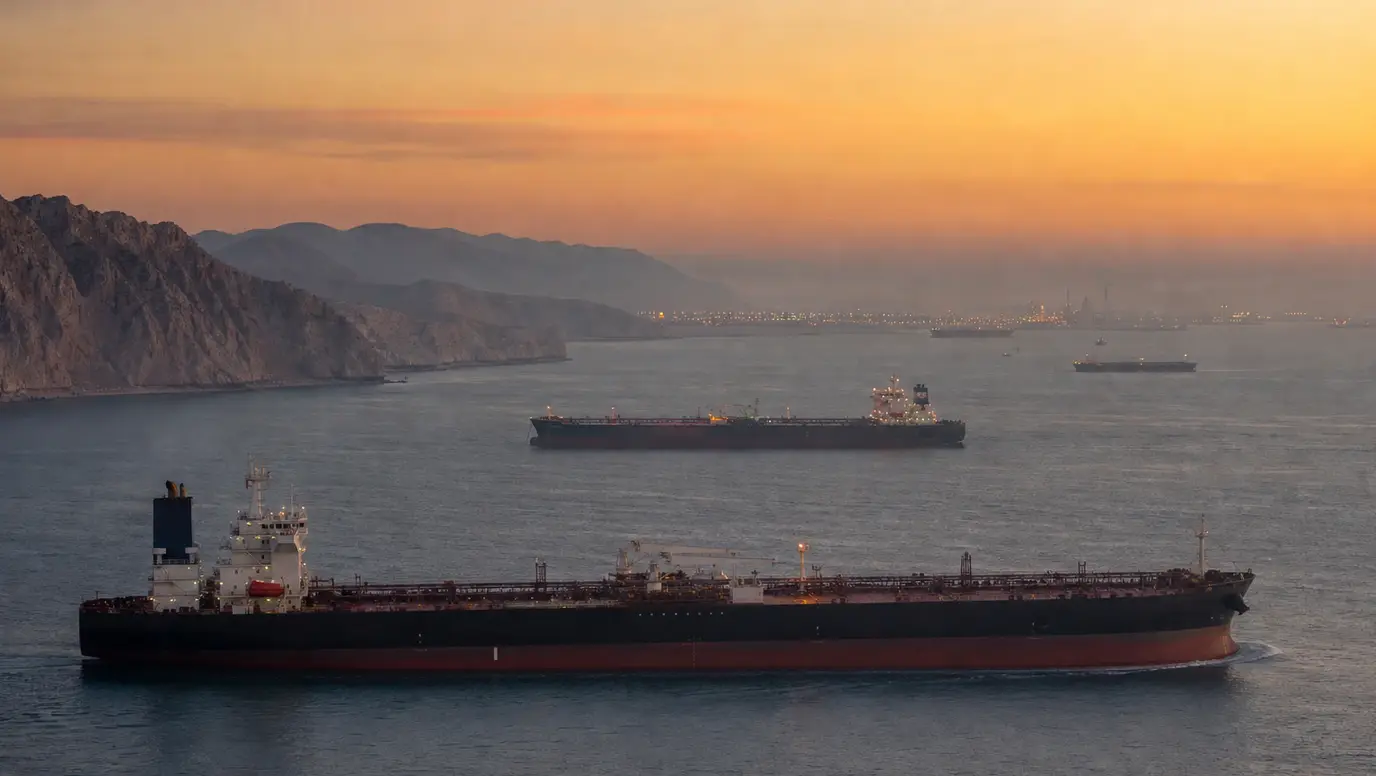
JUNE 29, 2026
Brent Holds Above $72 as Traders Test Fragile Hormuz Reopening
JUNE 28, 2026
WTI Bulls Face Inventory Split as Brent Loses War Premium Before Quarter-End