
SEPTEMBER 14, 2026
WTI Oil Rally Extends as Strait of Hormuz Risk Reprices Energy MarketWTI oil gains as Hormuz shipping risk and Middle East supply threats keep the energy market focused on disruption premiums.

© 1box.site 2026

JUNE 24, 2026
Crude oil remained under pressure on Wednesday as the market continued to strip out part of the Middle East risk premium that had supported prices earlier in the month. Brent traded around the mid-$76 area, while WTI hovered near the low-$72 range, leaving both benchmarks sharply below recent stress levels and putting the energy market back into a data-driven phase.
The latest move suggests traders are no longer pricing the oil complex primarily around worst-case disruption scenarios. A fragile ceasefire backdrop, improving tanker movement expectations around the Strait of Hormuz and softer demand assumptions have shifted attention toward whether physical balances are tight enough to justify a rebound.
The immediate test for crude is the next round of U.S. inventory figures. Industry estimates pointed to a modest crude draw for the week ending June 19, following a much larger decline the prior week. That contrast matters because the market is trying to decide whether recent stock declines reflect durable demand strength, temporary logistics distortions or refinery timing effects.
Gasoline and distillate readings may be just as important as the headline crude number. The U.S. summer driving season is entering a period when fuel consumption normally becomes a clearer signal of end-user demand. If product inventories tighten while refinery runs remain firm, the recent oil selloff could meet support. If product demand disappoints, Brent and WTI may struggle to rebuild a geopolitical premium without fresh supply disruption.
Even after the latest price decline, traders are unlikely to remove the Strait of Hormuz from their risk models. The route remains central to seaborne crude and LNG trade, and any renewed threat to shipping insurance, vessel movement or Gulf export schedules could quickly lift volatility. For now, however, the market is treating smoother flows as the base case rather than the exception.
That shift has changed the tone of the energy market. Earlier rallies were driven by fear of lost barrels; the current decline is being shaped by the assumption that more supply can reach buyers while demand growth remains uneven. This has made price action more sensitive to inventory surprises, refinery margins and macro signals from the U.S. dollar and Treasury yields.
Supply policy is also back in focus. The producer alliance has continued to manage output adjustments gradually, and traders are watching whether any additional barrels arrive into a market that is already questioning demand momentum. A cautious supply increase would likely be absorbed more easily if inventories keep falling, but it could weigh on sentiment if product demand softens.
For Brent, the $76 to $77 zone has become a key near-term reference point because it reflects the market’s attempt to balance easing geopolitical stress against still-thin inventory cushions. For WTI, the low-$72 area carries similar importance, especially as U.S. crude stock data and refinery activity shape expectations for domestic balances.
The broader message for energy investors is that oil has moved from headline shock to balance-sheet verification. Unless fresh geopolitical stress returns, the next directional move may depend less on the latest diplomatic signal and more on whether weekly inventories confirm a genuinely tight summer market.
SEPTEMBER 14, 2026
WTI Oil Rally Extends as Strait of Hormuz Risk Reprices Energy Market
SEPTEMBER 7, 2026
WTI Crude Oil Futures Hold Near Six-Week High as Hormuz Risk Tightens Energy Market
AUGUST 30, 2026
WTI Crude Oil Slips as Hormuz Supply Relief Tests Energy Market Risk Premium
AUGUST 18, 2026
Brent Crude and WTI Oil Rise as Strait of Hormuz Risk Revives Energy Inflation Worries
AUGUST 10, 2026
Strait of Hormuz Delay Lifts Energy Market as Crude Oil Flow Risk Returns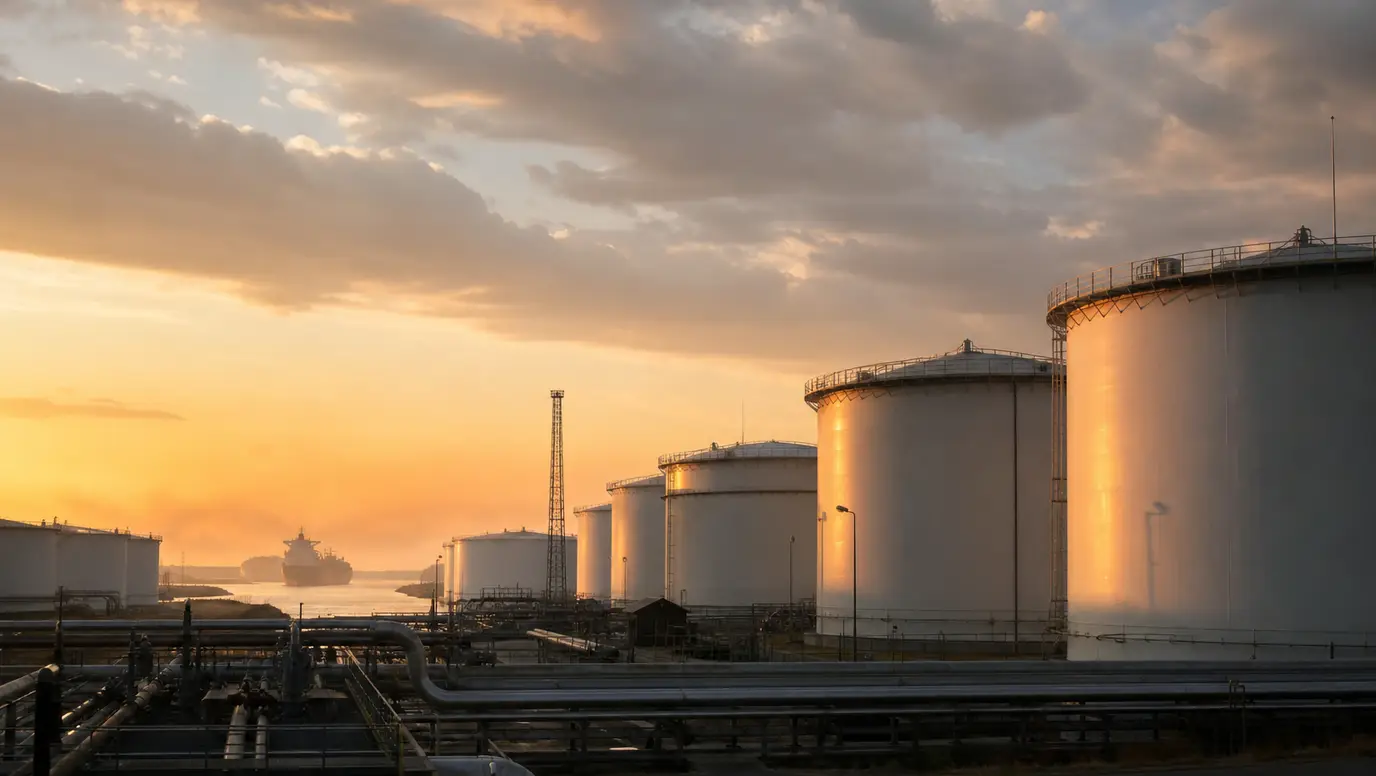
AUGUST 2, 2026
WTI Crude Oil Faces OPEC+ Output Test as Strait of Hormuz Risk Meets Stock Draw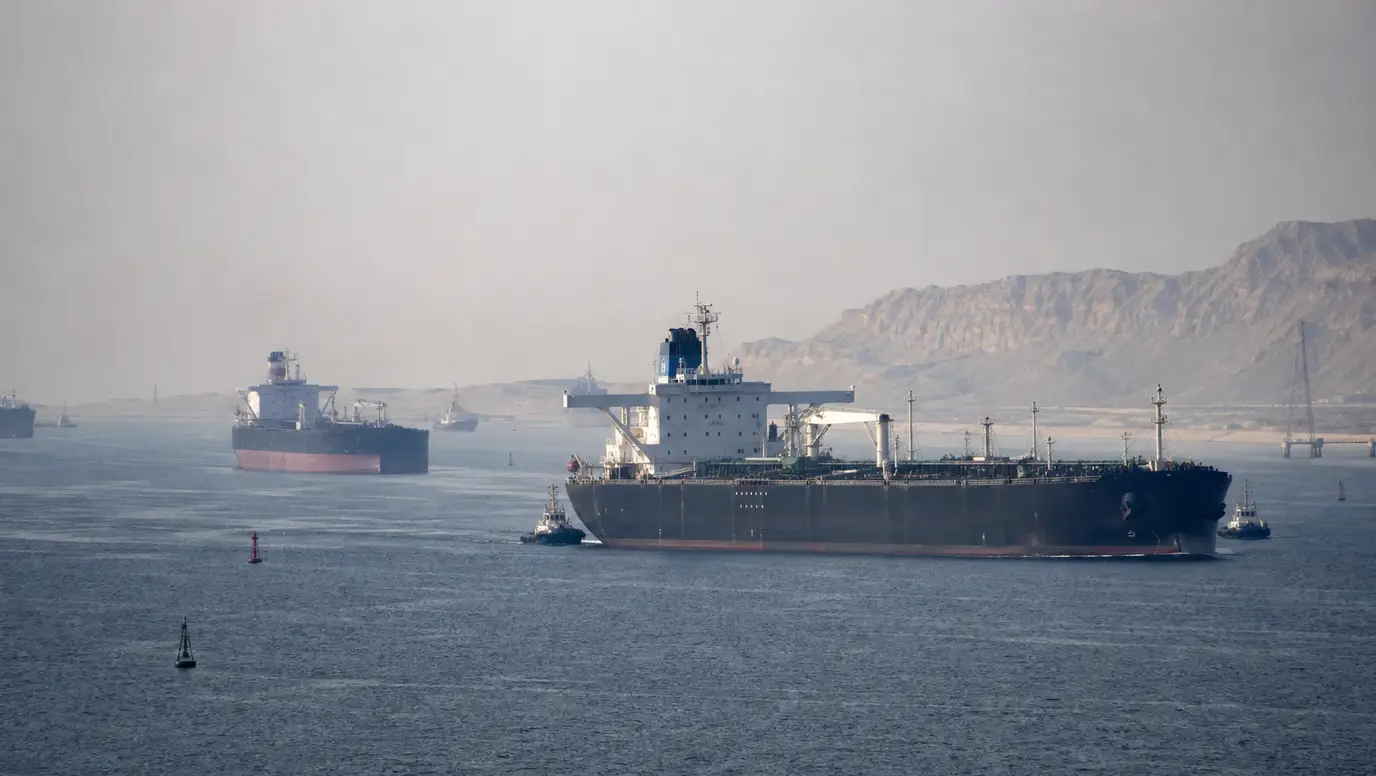
JULY 28, 2026
Strait of Hormuz Flows Keep WTI Crude on Alert as Oil Retreats
JULY 20, 2026
Brent Crude Tops $90 as WTI Crude and Oil Prices React to Hormuz Shipment Risk
JULY 19, 2026
Brent Crude and WTI Crude Rally as Traders Test OPEC+ Supply Cushion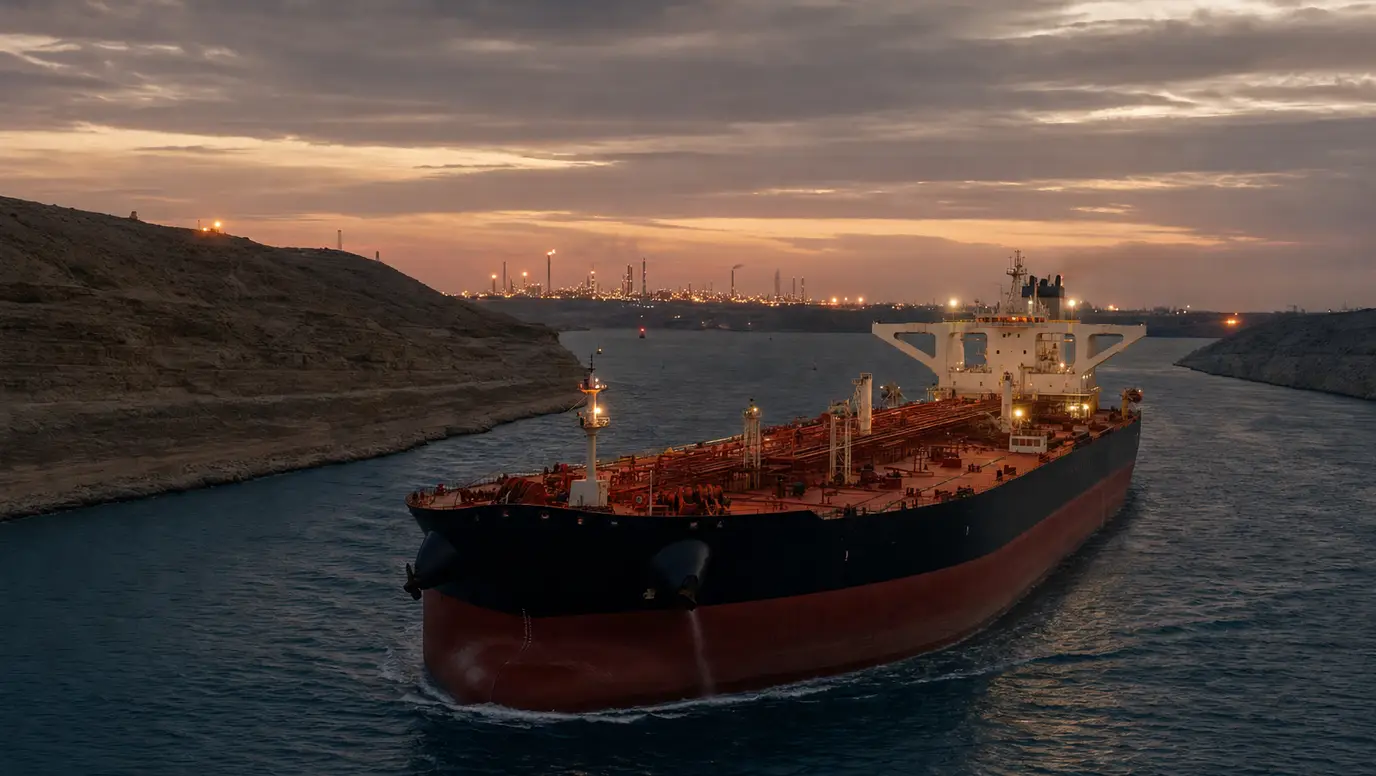
JULY 18, 2026
Brent Crude and WTI Crude Prices Near Weekend Gap Risk as Energy Market Reprices Supply Threat
JULY 17, 2026
Brent Crude and WTI Crude Hold Weekly Gains as Red Sea Threat Offsets US Dollar Rebound
JULY 15, 2026
Brent Crude and WTI Crude Rise as Iran Port Blockade Puts Stockpile Cushion in Focus
JULY 14, 2026
Oil Market Shifts to Bypass Routes as Hormuz Risk Keeps Brent Premium Elevated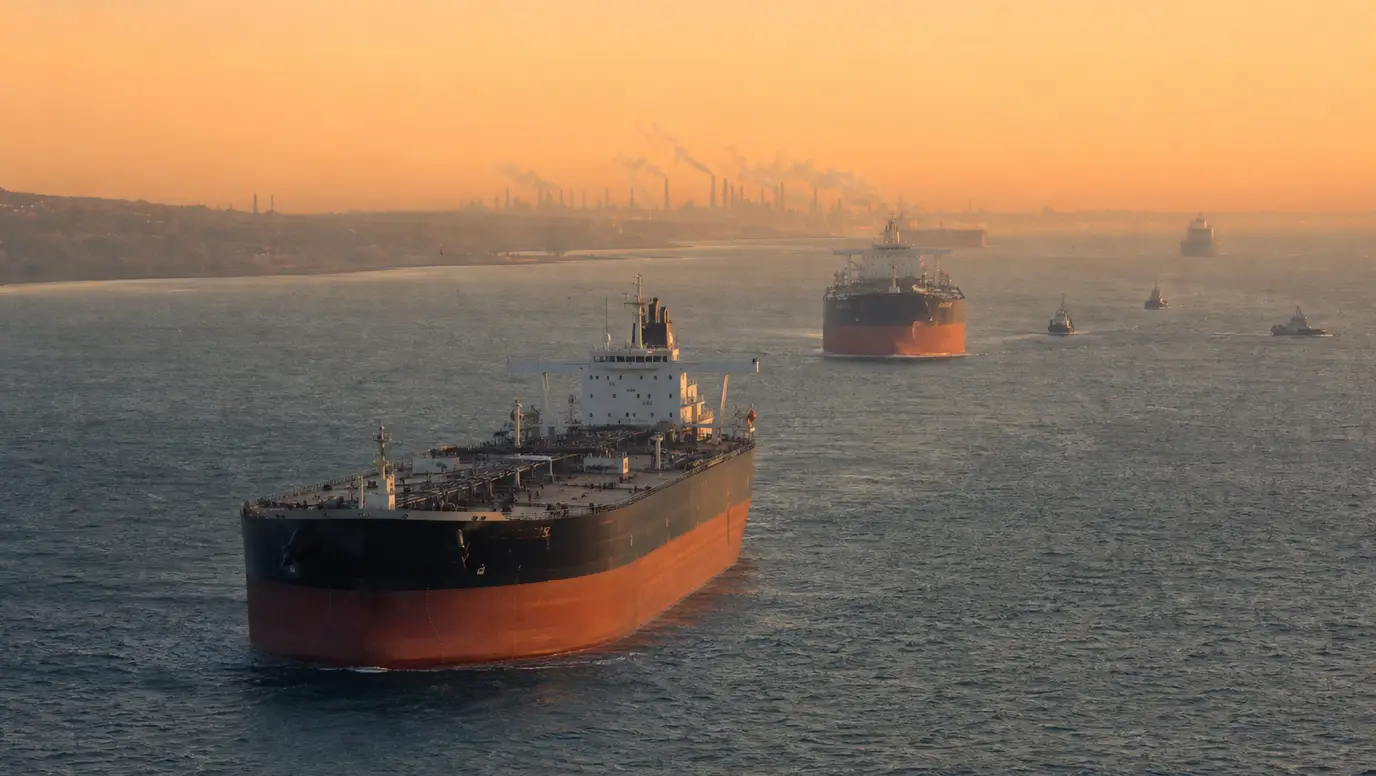
JULY 13, 2026
Brent Crude Jumps as Hormuz Escalation Reprices Energy Market Risk
JULY 12, 2026
Crude Oil Faces China Demand Test as Floating Iranian Supply Builds
JULY 11, 2026
Energy Market Watches Tanker Risk as Crude Oil Rally Meets Demand Doubts
JULY 10, 2026
Crude Oil Turns to Glut Risk as OPEC+ Adds August Supply
JULY 9, 2026
Brent Nears $79 as Renewed Gulf Risk Rebuilds Crude Oil Premium
JULY 8, 2026
Crude Oil Faces Mixed Signal as U.S. Stock Build Collides With Fuel Draws
JULY 6, 2026
Crude Oil Slips as Hormuz Flows Normalize and Inventory Test Moves Into View
JULY 5, 2026
OPEC+ Output Hike Turns Energy Market Focus to Real Barrels as Brent Holds Near $72
JULY 4, 2026
Brent Holds Near $72 as OPEC+ August Supply Decision Tests Oil Market Floor
JULY 3, 2026
WTI Holds Near $68 as U.S. Stock Draws Challenge Oil Glut Narrative
JULY 2, 2026
Brent Slides Toward $70 as Iran Risk Premium Fades in Thin Holiday Trade
JULY 1, 2026
OPEC+ Supply Signal Caps Crude Oil Rebound as U.S. Stock Draws Support Prices
JUNE 30, 2026
Natural Gas Rally Outruns Softer Oil as Heat and LNG Demand Split Energy Market
JUNE 29, 2026
Brent Holds Above $72 as Traders Test Fragile Hormuz Reopening
JUNE 28, 2026
WTI Bulls Face Inventory Split as Brent Loses War Premium Before Quarter-End
JUNE 27, 2026
Refinery Strain Keeps Energy Market on Edge as Oil Selloff Meets Fuel Stock Tightness
JUNE 25, 2026
Iraq Quota Threat Puts OPEC Discipline in Focus as Oil War Premium Evaporates